


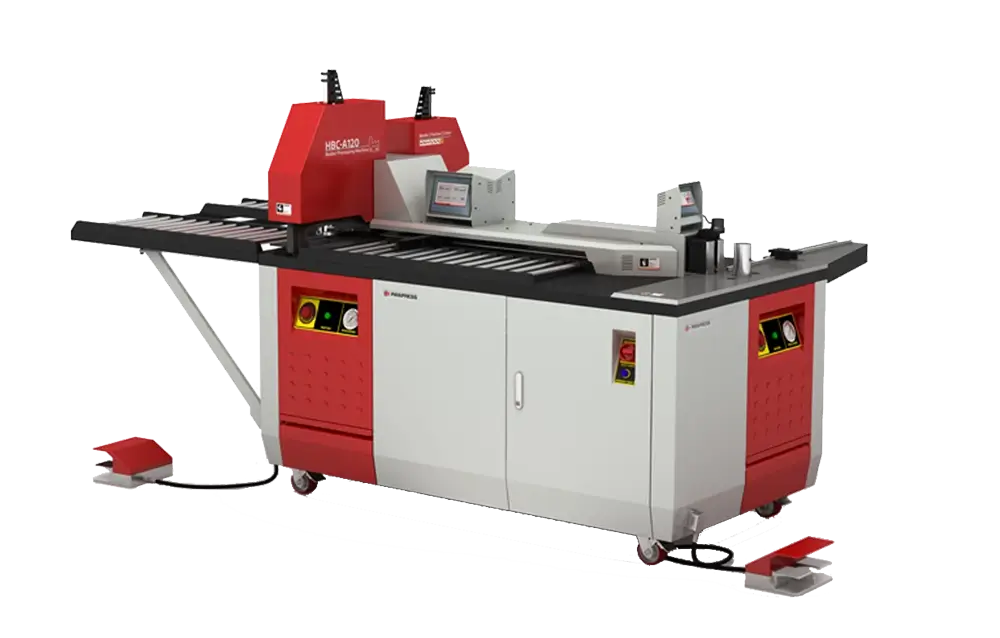
The Real Problem Switchboard Builders Face
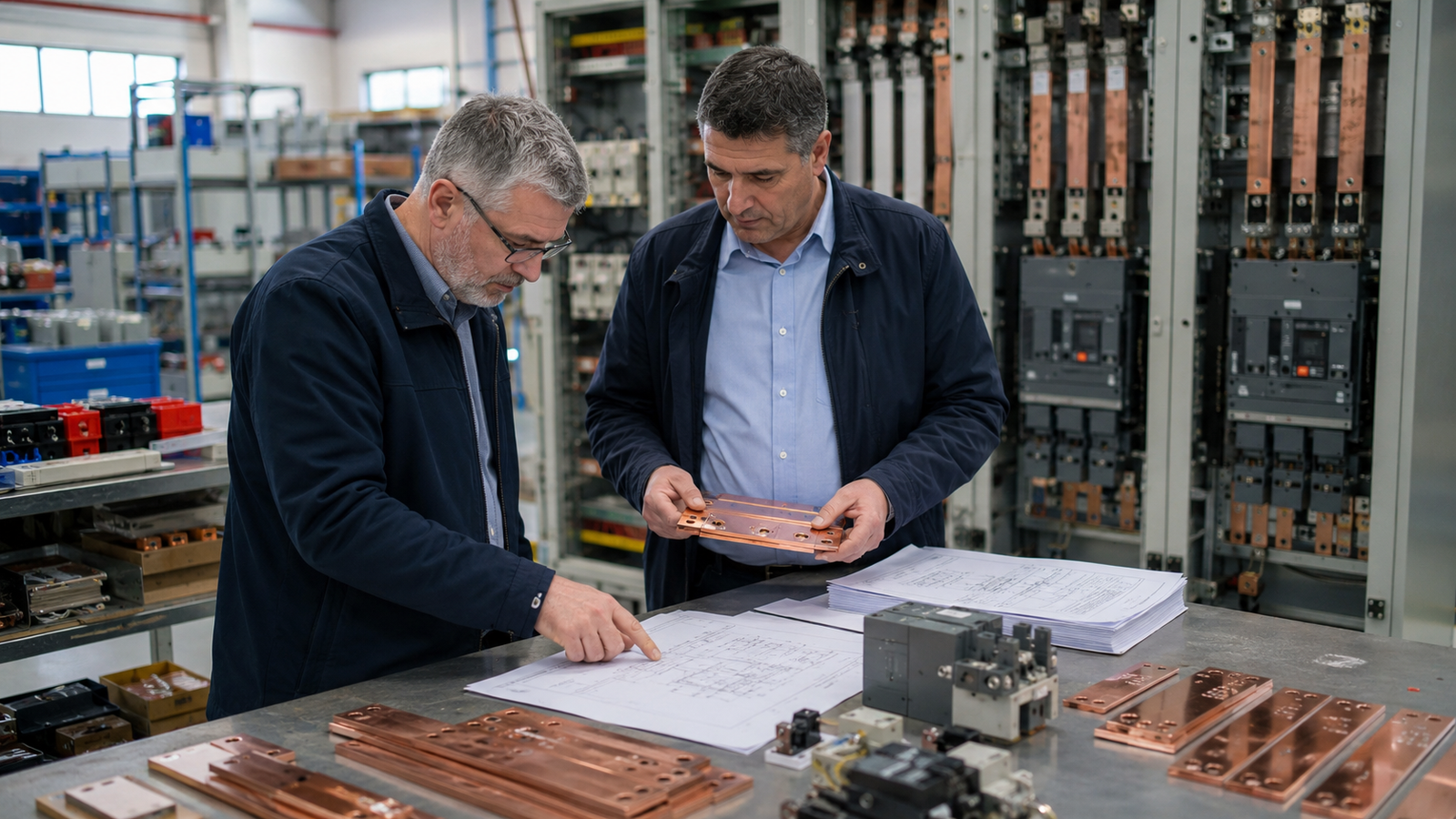
You need to cut, punch, and bend copper busbars accurately — every day, at volume — without burning through your material budget or slowing down your production line. Choosing the wrong busbar machine means scrap, rework, and missed delivery windows. This page gives you a clear picture of what to actually look for.
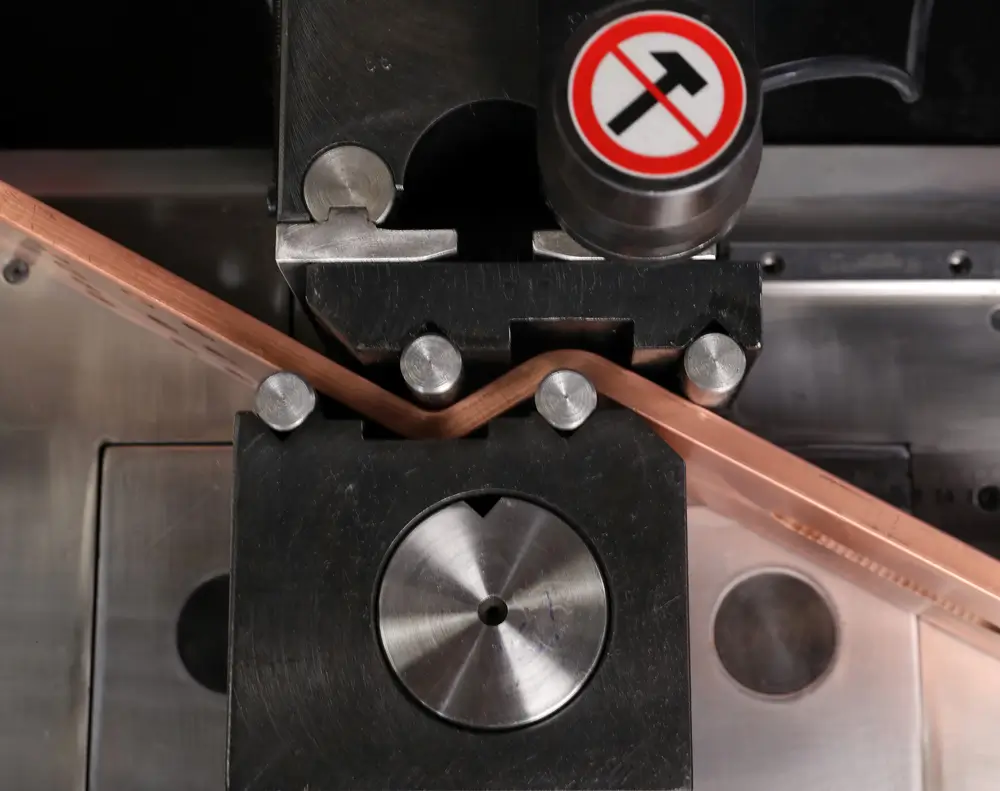
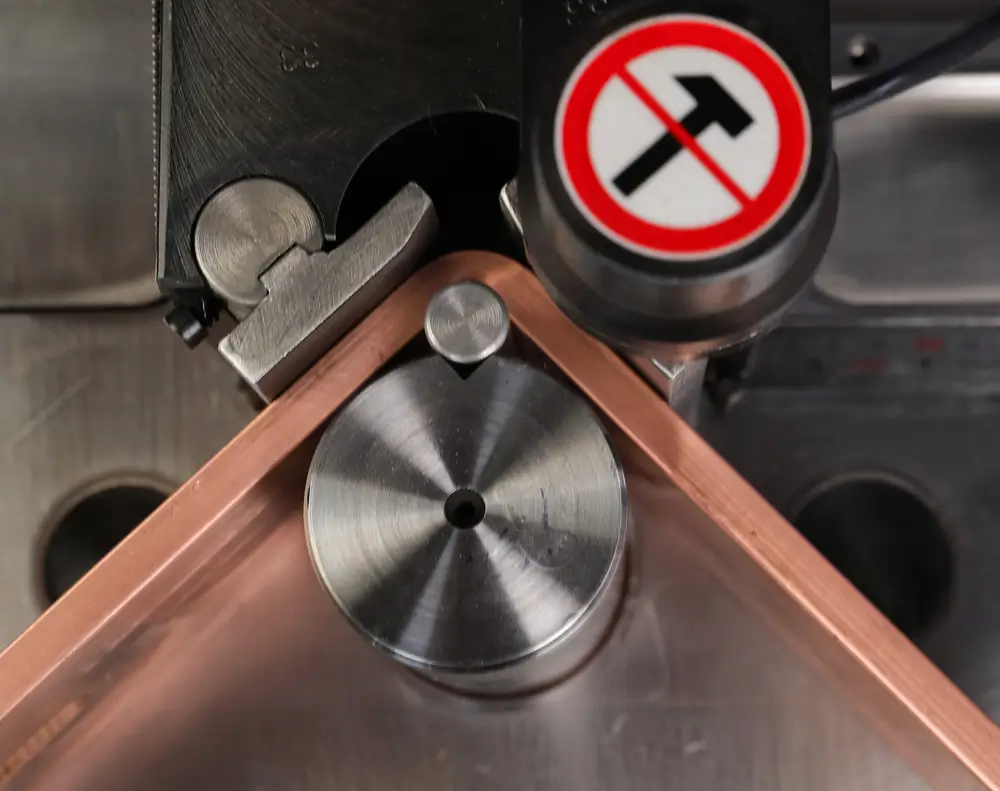
Busbar machines like the busbar bending machine and busbar cutting machine deliver exact tolerances, cutting down on production time and scrap. This accuracy is especially beneficial for copper, optimizing material usage and operational efficiency.
What a Busbar Machine Actually Does (and Why It Matters)
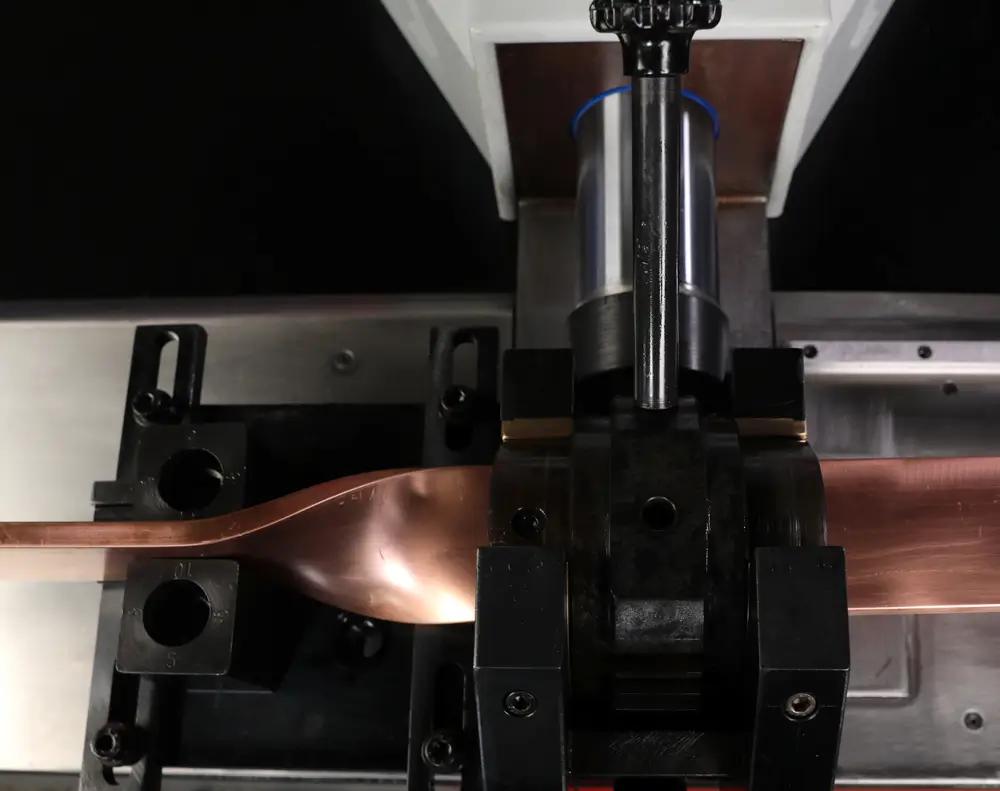
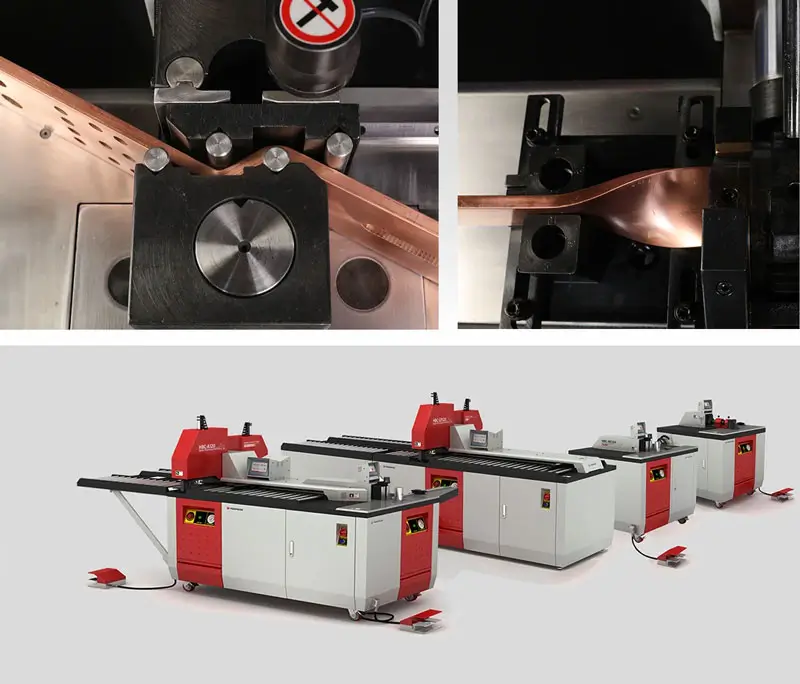
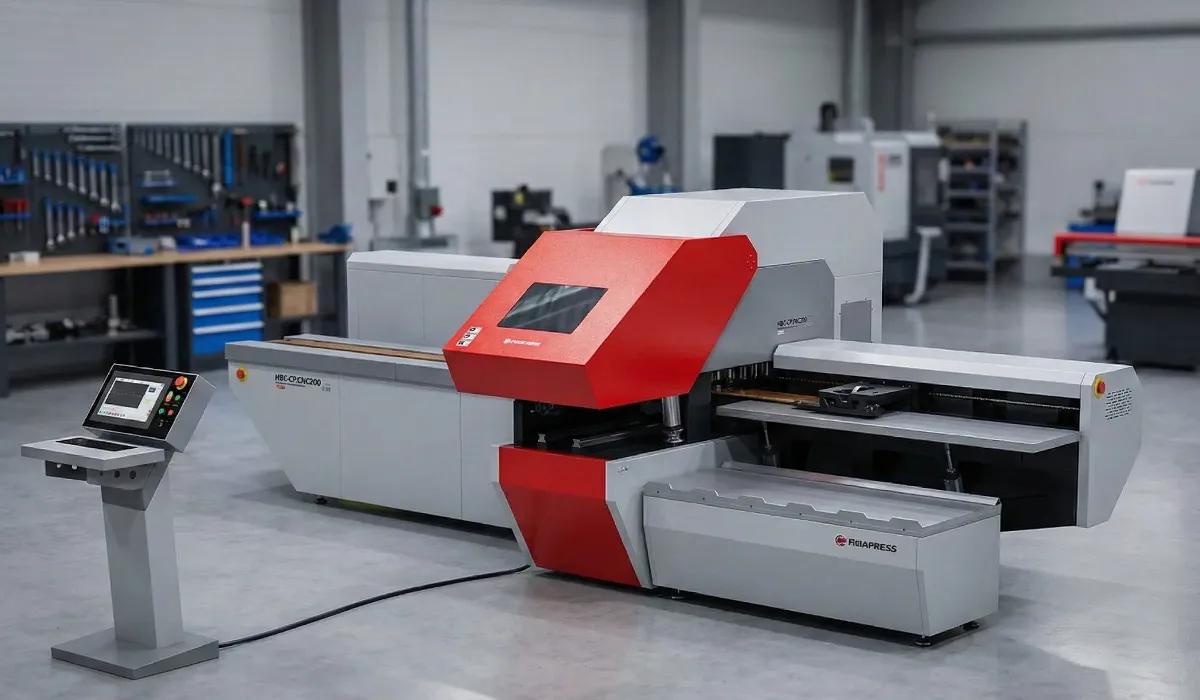
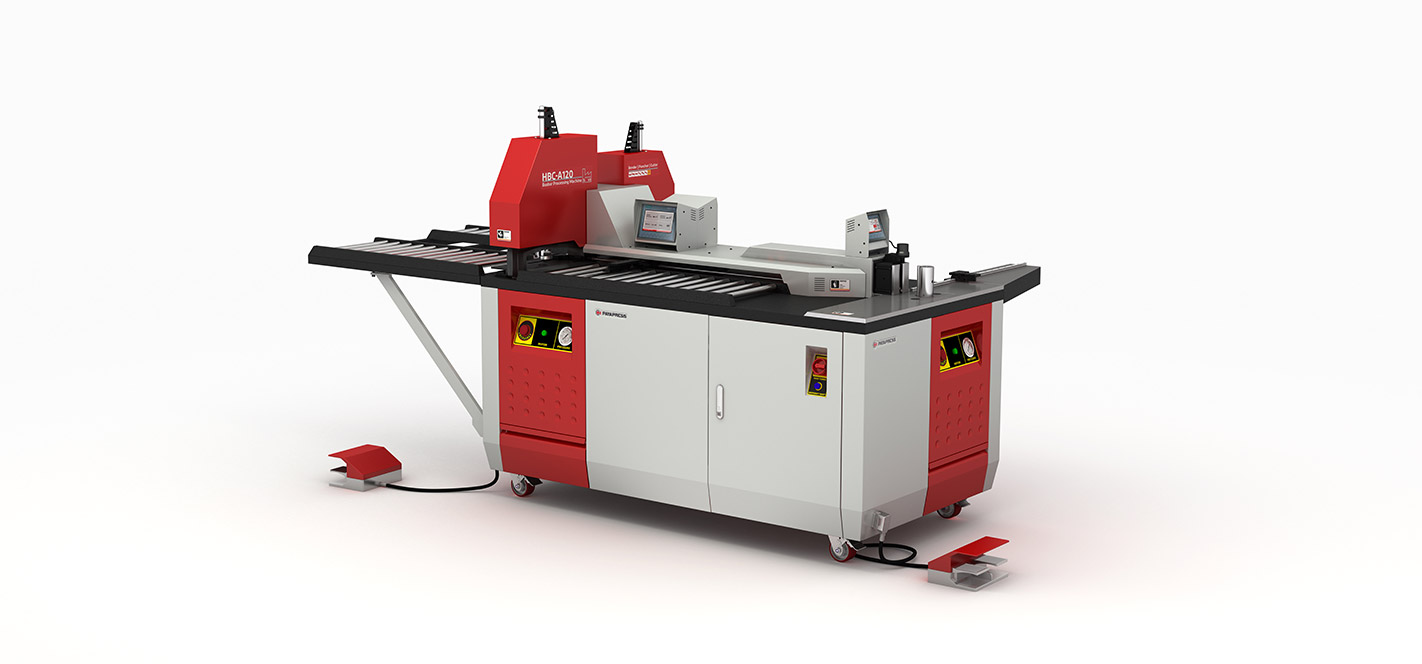
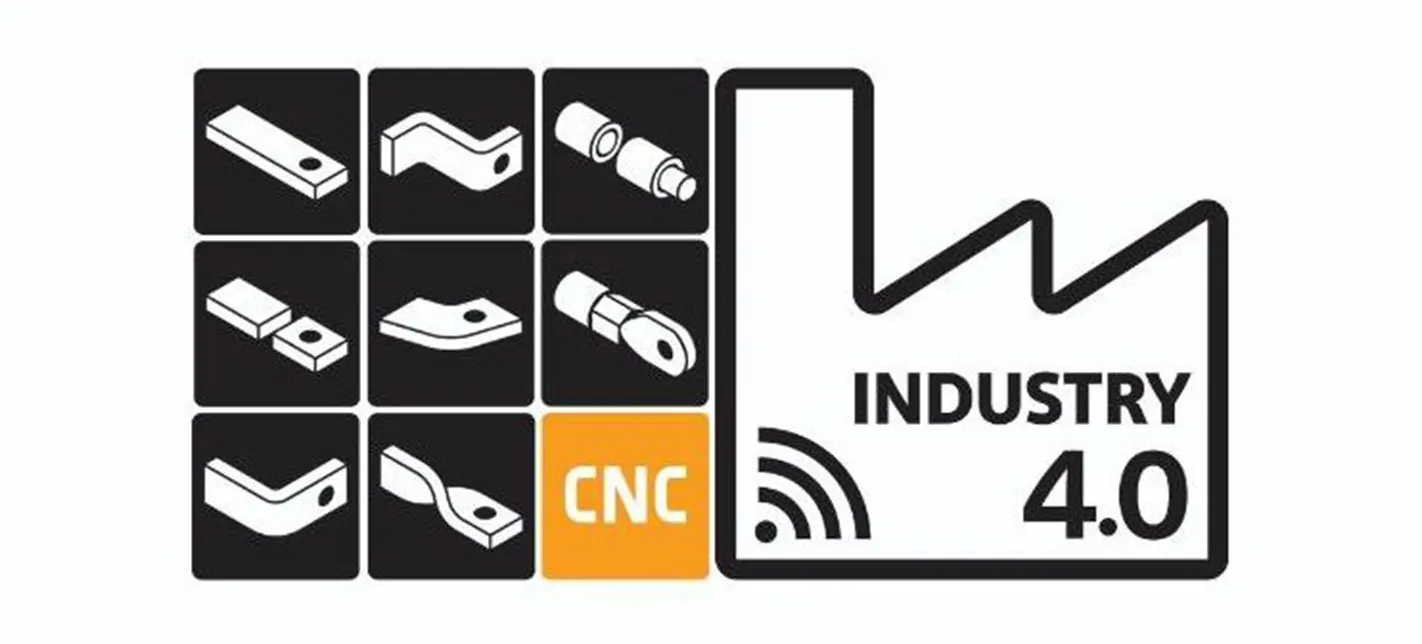
A busbar machine consolidates three operations — cutting, punching, and bending — into one compact workstation. For switchboard manufacturers, this means you no longer need three separate pieces of equipment taking up floor space, three sets of tooling to maintain, or three points of potential misalignment.
When all three operations run on a single machine with shared tooling references, the busbar exits dimensionally consistent every time. That consistency is what gives you reliable contact surfaces, accurate bolt patterns, and predictable performance inside your panel.
A CNC busbar machine takes this further by encoding your cutting lengths, hole positions, and bend angles into repeatable programs. Once a job is set up, an operator runs it without re-measuring — reducing human error and setup time, particularly on repeat orders.
Equipment such as the automatic punching machine and hydraulic busbar bending machine facilitates consistent, precise fabrication, diminishing human error while improving both efficiency and the quality of the output
Manual vs. CNC: Which Busbar Machine Fits Your Shop?
This is the most common question — and the answer depends on your production pattern, not on which machine sounds more impressive.
| Factor | Manual / Hydraulic | CNC Busbar Machine |
|---|---|---|
| Best for | Low-volume, varied jobs | Medium-to-high volume, repeat orders |
| Setup time | Fast for one-offs | Minutes per job once programmed |
| Operator skill needed | Higher — relies on operator judgement | Lower — machine follows the program |
| Tolerance consistency | Depends on operator | ±0.1 mm or better across a full run |
| Copper scrap rate | Higher on complex bends | Significantly lower |
| Upfront cost | Lower | Higher — recover through scrap savings |
| Ideal copper width | Up to ~100 mm | Up to 200 mm (model-dependent) |
Rule of thumb: If you run the same busbar configuration more than three times a week, a CNC busbar machine recovers its premium in copper savings alone within one to two years. If every job is different and volumes are low, a quality hydraulic machine with precision tooling is likely a better fit.
Six Specs to Evaluate Before You Request a Quote
Manufacturers list dozens of figures. Here are the six that will determine whether a busbar machine fits your actual work.
- Maximum copper cross-section: Match this to your widest and thickest bar. A machine rated for 160×10 mm cannot handle 200×12 mm copper — check both dimensions, not just width.
- Punching force (tons): Heavier copper and larger hole diameters demand more punching force. Verify the rated force is available across the full width of the bar, not only at center.
- Minimum bend radius: Tight panel layouts often require sharper bends. Confirm the machine’s minimum radius against your tightest design requirement.
- Tooling compatibility: Ask whether standard punch-and-die sets are used or proprietary tooling only. Proprietary tooling locks you into one supplier for spares.
- Control system and software: For CNC machines: can you import DXF files directly? Is the programming interface in your language? How is software updated?
- Cycle time per operation: A machine with high punching force but slow hydraulic return can still bottleneck your line. Ask for timed demonstrations on your typical bar dimensions.
Further exploration of about Busbar Manufacturing can be found in the following recommended reading.
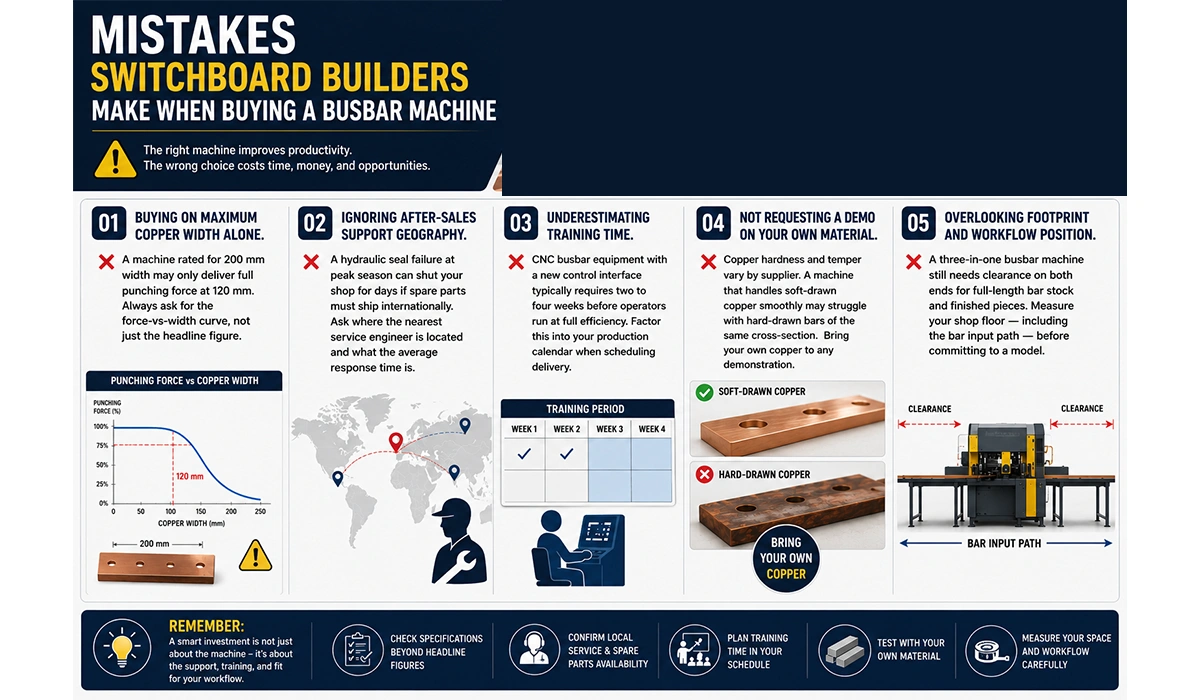
Mistakes Switchboard Builders Make When Buying a Busbar Machine
- Buying on maximum copper width alone.A machine rated for 200 mm width may only deliver full punching force at 120 mm. Always ask for the force-vs-width curve, not just the headline figure.
- Ignoring after-sales support geography.A hydraulic seal failure at peak season can shut your shop for days if spare parts must ship internationally. Ask where the nearest service engineer is located and what the average response time is.
- Underestimating training time.CNC busbar equipment with a new control interface typically requires two to four weeks before operators run at full efficiency. Factor this into your production calendar when scheduling delivery.
- Not requesting a demo on your own material.Copper hardness and temper vary by supplier. A machine that handles soft-drawn copper smoothly may struggle with hard-drawn bars of the same cross-section. Bring your own copper to any demonstration.
- Overlooking footprint and workflow position.A three-in-one busbar machine still needs clearance on both ends for full-length bar stock and finished pieces. Measure your shop floor — including the bar input path — before committing to a model.
Further exploration of Busbar Processing Machine can be found in the following recommended reading.
Maintenance Schedule That Prevents Downtime
Busbar equipment is hydraulic and mechanical — both systems need regular attention. The table below is a minimum baseline; always follow the manufacturer’s specific intervals.
| Interval | Task | Why It Matters |
|---|---|---|
| Daily | Check hydraulic oil level; clear copper shavings from punch area | Low oil causes inconsistent punching force and seal wear |
| Weekly | Inspect punch and die edges for burring; lubricate guide rails | Burred tooling tears copper edges, creating burrs on busbar holes |
| Monthly | Replace hydraulic oil filter; check blade gap on cutting station | Contaminated oil degrades cylinder seals; wrong blade gap causes deformed cuts |
| Annually | Full hydraulic fluid change; calibrate CNC zero points; inspect hose fittings | Maintains dimensional accuracy and prevents unexpected seal failures |
Practical note: Copper dust generated during cutting and punching accelerates wear on exposed sliding surfaces more than most operators expect. A five-minute daily clean-down extends tooling life significantly.
How Accurate Busbar Equipment Reduces Your Real Cost Per Panel
The efficiency argument for quality busbar machinery is straightforward when you track the right numbers. Most switchboard builders focus on machine price — but the more meaningful figure is cost per finished panel, which includes material yield, rework time, and operator hours.
When your cuts are off by 1–2 mm, that error compounds: bolt holes don’t align, assemblies need filing or re-punching, and copper offcuts that could have been reused are too short. At current copper prices, a scrap rate reduction of even 3–5% across a month’s production is measurable in hundreds of euros.
Consistent hole positioning also directly affects the quality of your finished panel — loose or misaligned connections are a common source of switchboard failures in service. Accurate tooling is not a premium feature; it is the baseline for professional-grade electrical work.
Buyer’s Checklist: Questions to Ask Every Supplier
- What is the maximum copper cross-section at full punching force — not just the headline width figure?
- Are spare tooling sets available from third parties, or is the tooling proprietary?
- What is the nearest service location, and what is the average on-site response time?
- Can I see a demonstration on hard-drawn copper with my own bar dimensions?
- Does the CNC software accept DXF or other standard formats, or is it proprietary-only?
- What does the warranty cover — hydraulic components, tooling, and control system, each separately?
Conclusion about Every Switchboard Manufacturer
Choosing a busbar machine is not primarily a purchasing decision — it is a production decision. The machine you install will determine your scrap rate, your rework frequency, your operator’s daily workload, and ultimately the quality of every switchboard that leaves your shop.
The most common mistake is focusing on the purchase price while underweighting the factors that drive your actual cost per panel: material yield, tooling longevity, setup time on repeat jobs, and the availability of service when something goes wrong.
A CNC busbar machine makes sense when your production is repeat-heavy and copper costs are a significant line item. A well-built hydraulic machine makes sense when your jobs are varied and volumes are lower. Either way, the spec that matters most is not the headline figure on the brochure — it is the performance at the cross-section you actually run, every day.
Use the checklist and comparison table in this guide before your next supplier conversation. The right questions asked early save months of regret later.

Rate this article
Choose a rating from 1 to 5 stars.
No ratings yet