







Copper Weight Calculator for Busbar, Bar, Rod and Wire
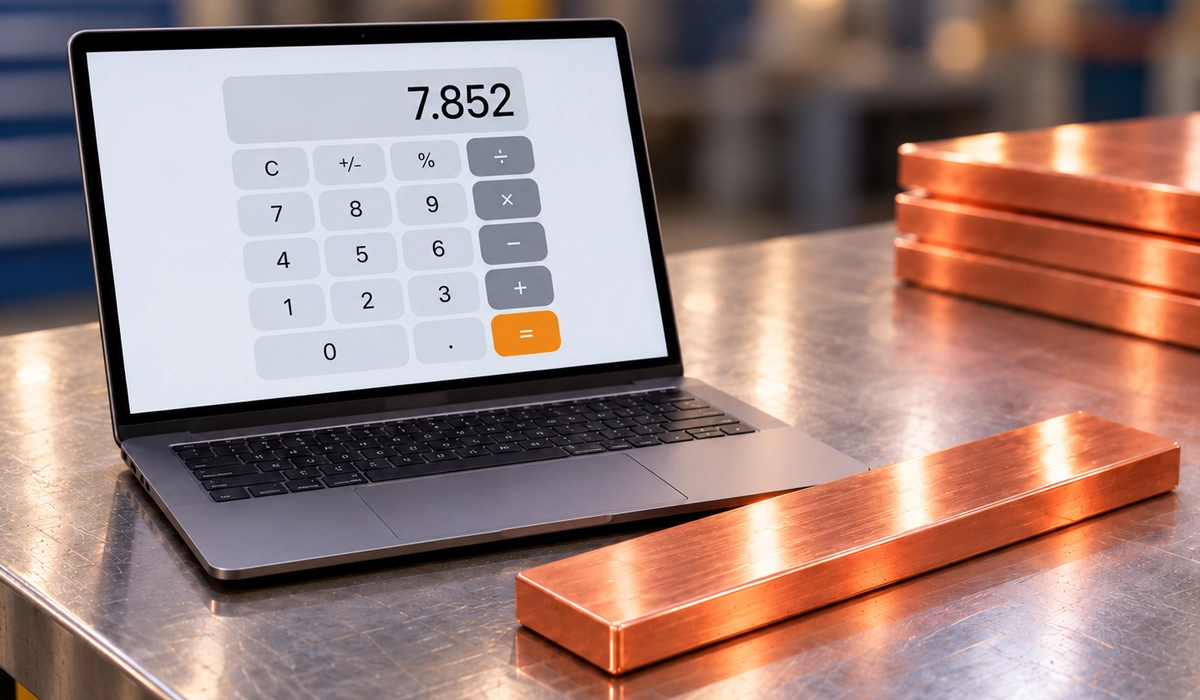
This copper weight calculator gives the weight of busbar, flat bar, round rod, square bar, tube, sheet and wire in seconds. Enter the size, and it returns total copper weight in kilograms and pounds, plus weight per meter and per foot. It works in metric…

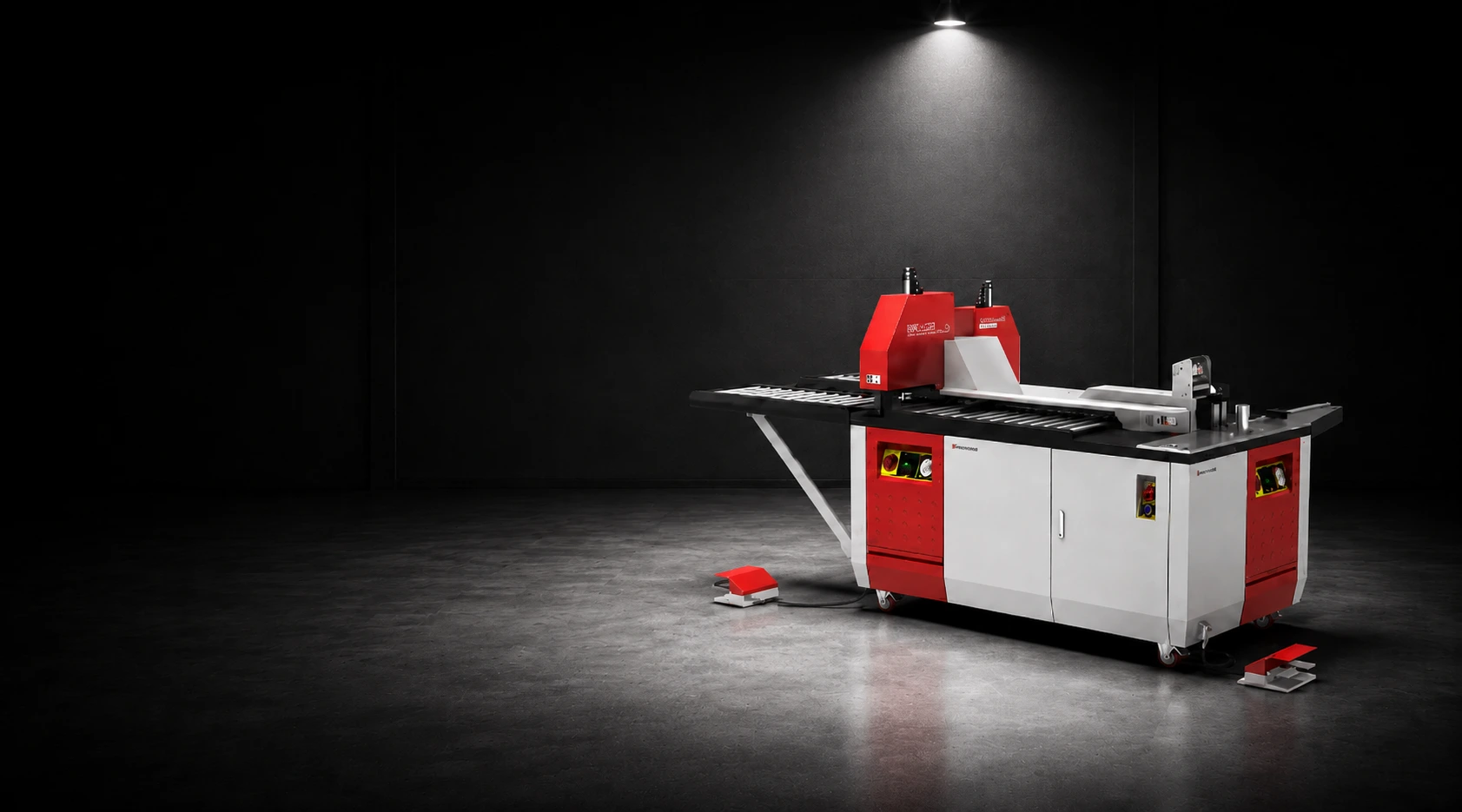
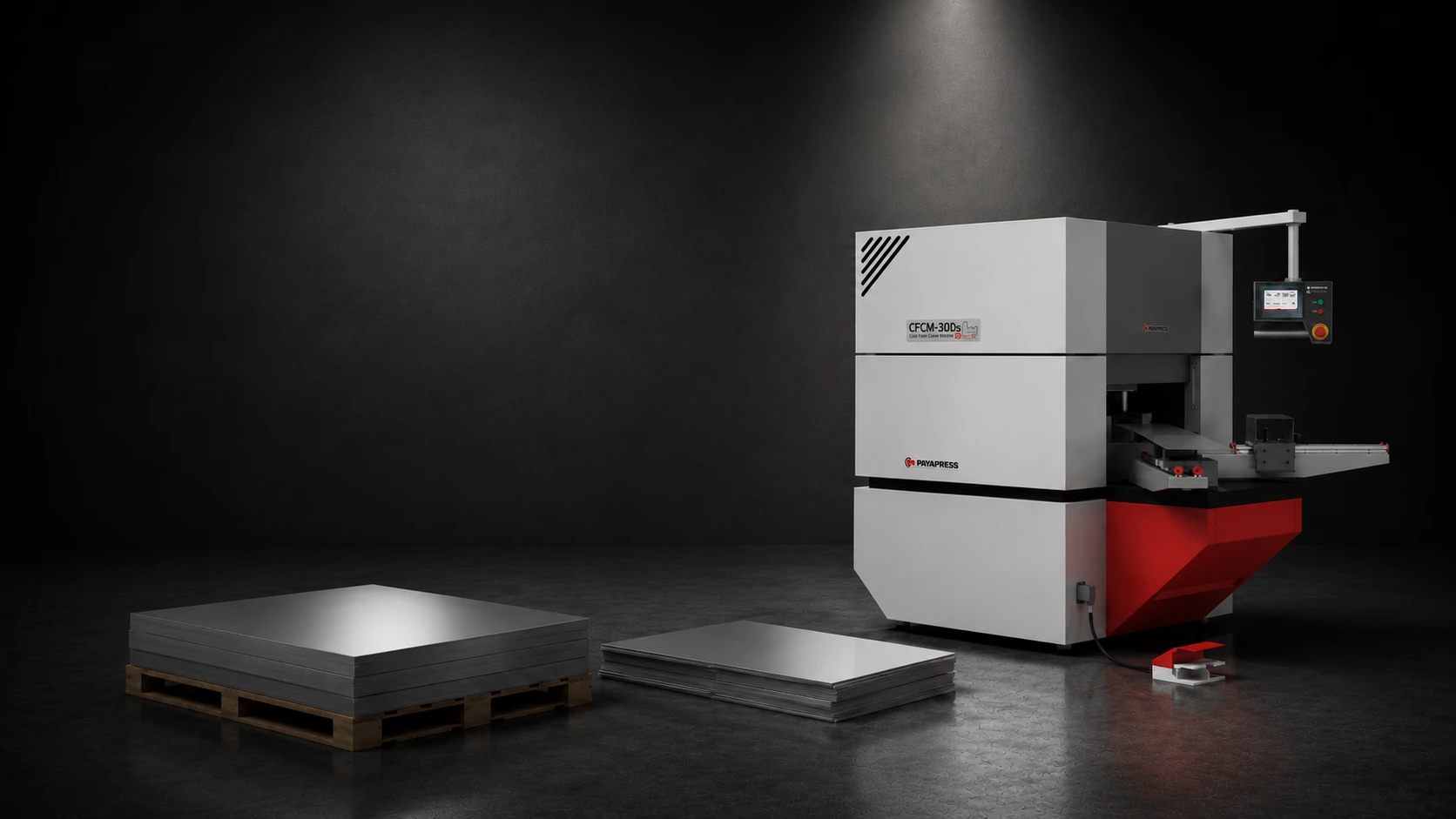
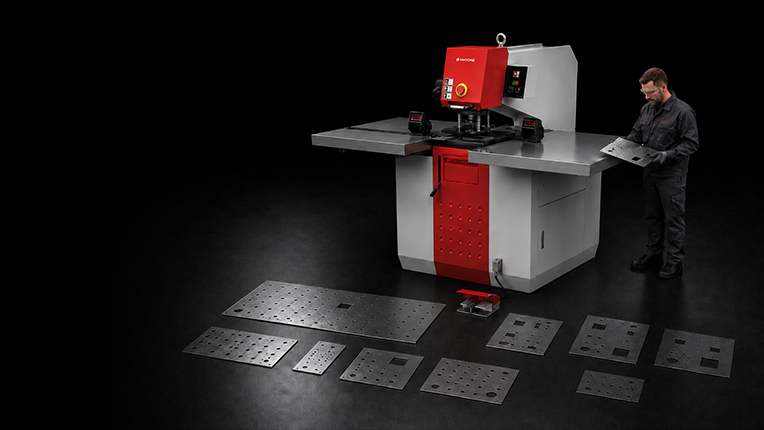
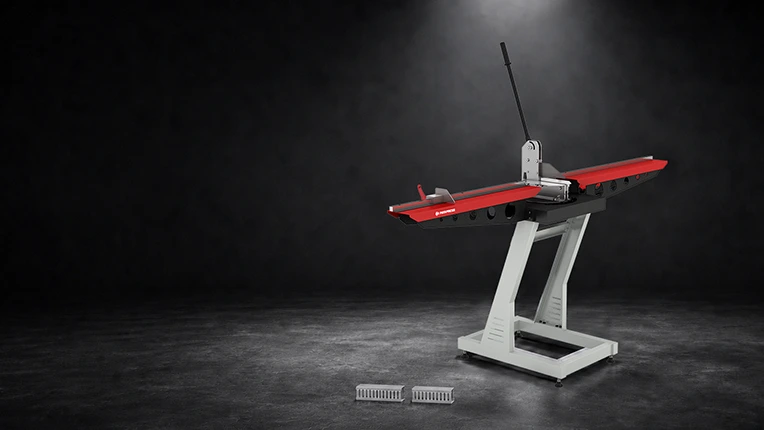
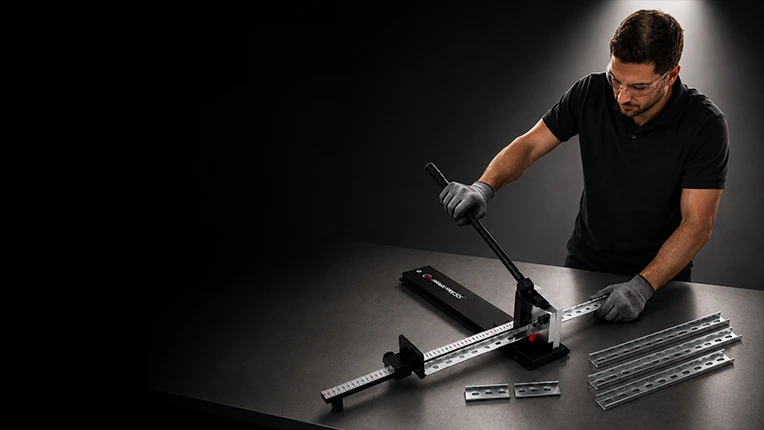
Used Busbar Machine: 12 Things to Check
Buying a used busbar machine usually starts with a listing that looks right. The model fits your bar sizes, the price sits well below new, and the photos show a clean machine. However, those photos say nothing about how the machine punches, cuts and bends…
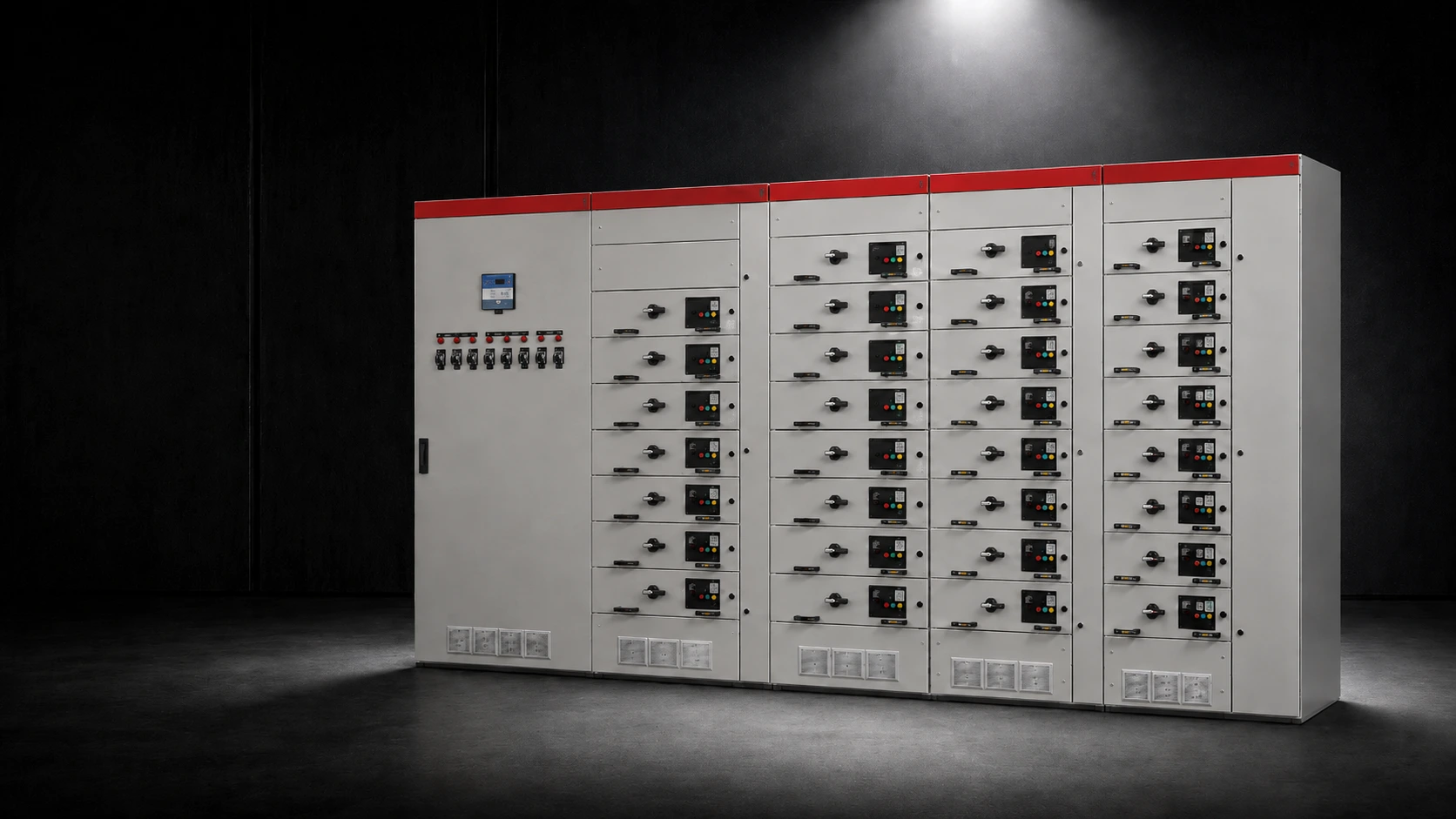
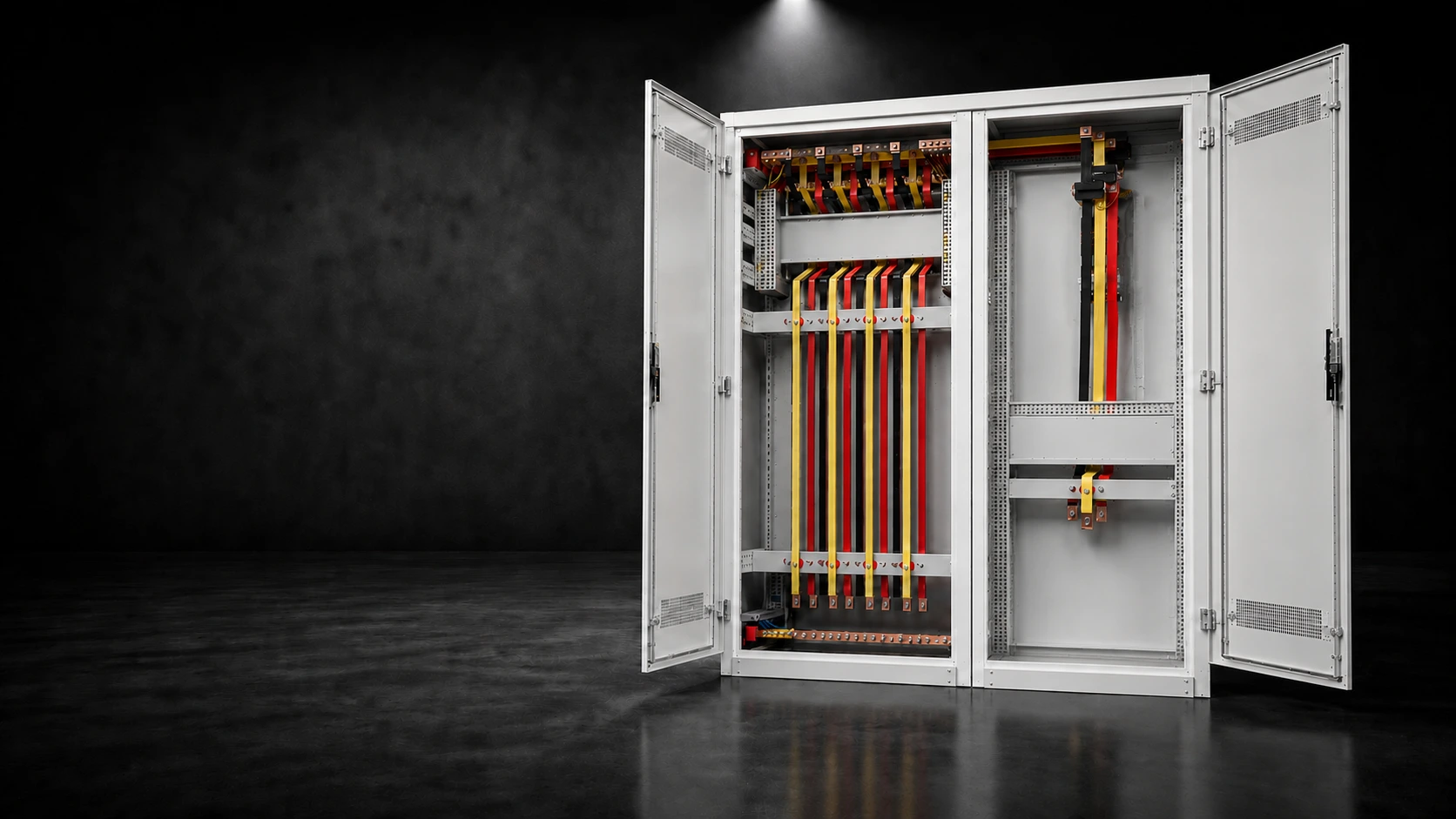
Copper Busbar: The Numbers Behind Every Busbar
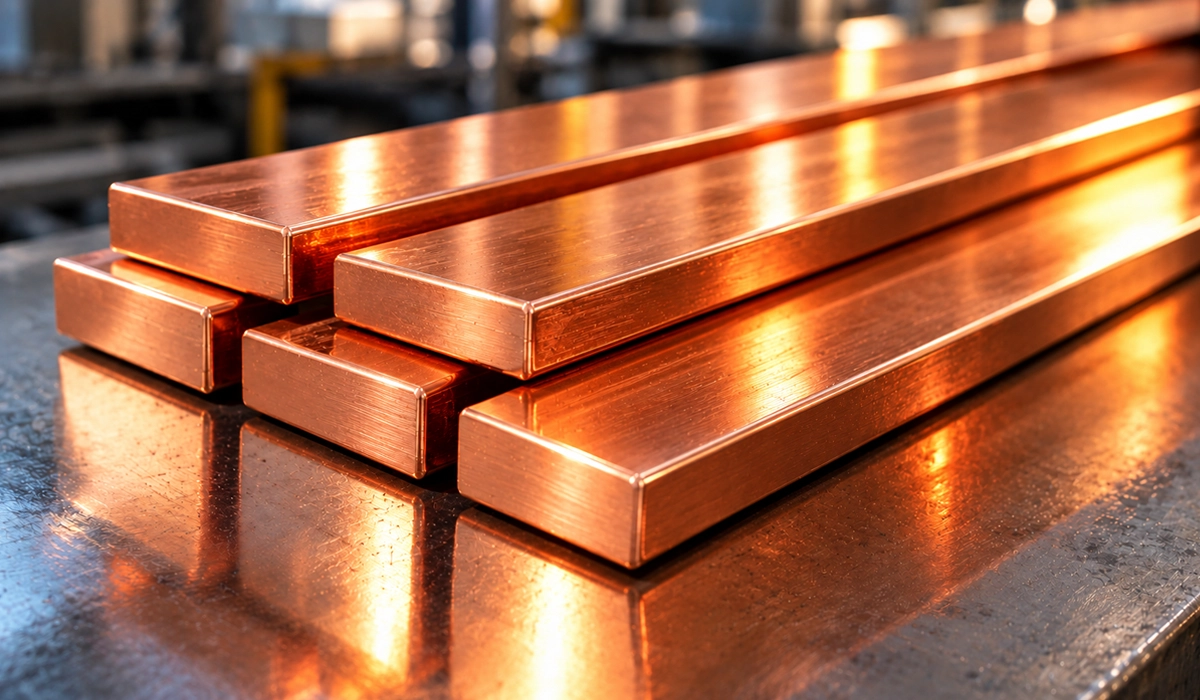
Every copper busbar is measured against one number: 100 percent. Since 1913, annealed copper has defined 100 percent on the International Annealed Copper Standard (IACS), the scale every other conductor is graded on. Modern busbar copper scores about 101 percent, so it beats the very…
Battery Busbar: Sizing, Material and the Weak Point
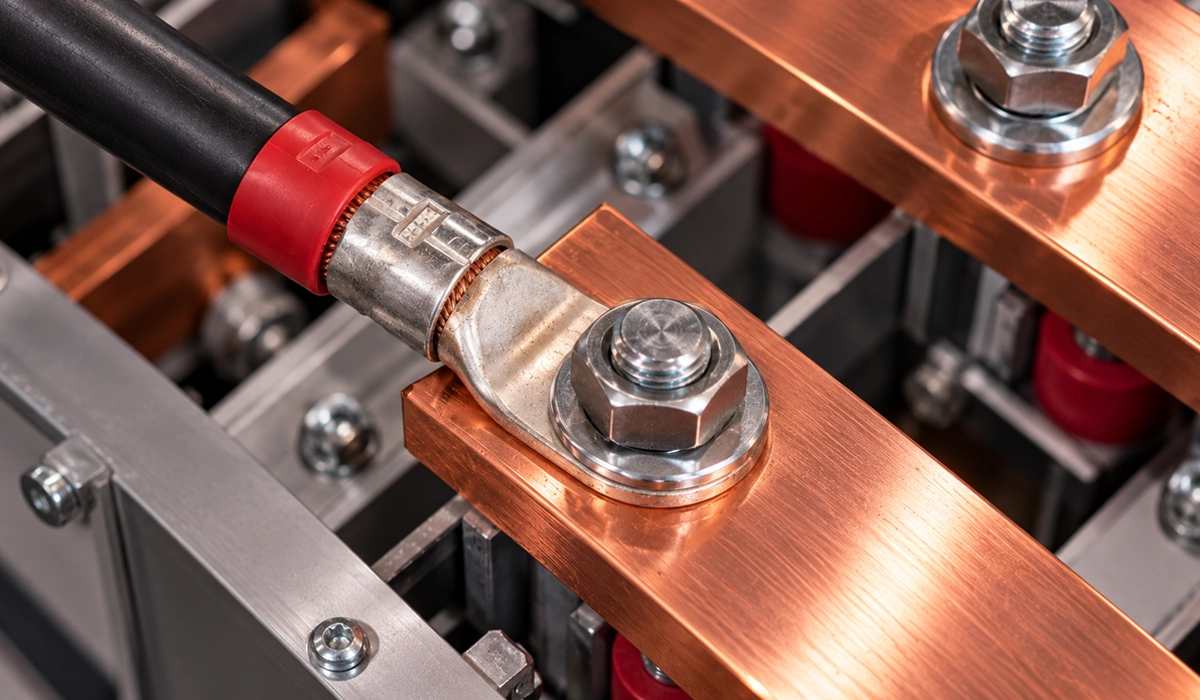
A battery bus bar can work quietly for months, and then one connection starts to run hot until the battery management system (BMS) shuts the bank down. Why do battery busbars get hot? In most cases, the bar itself is fine. Instead, the failure starts…
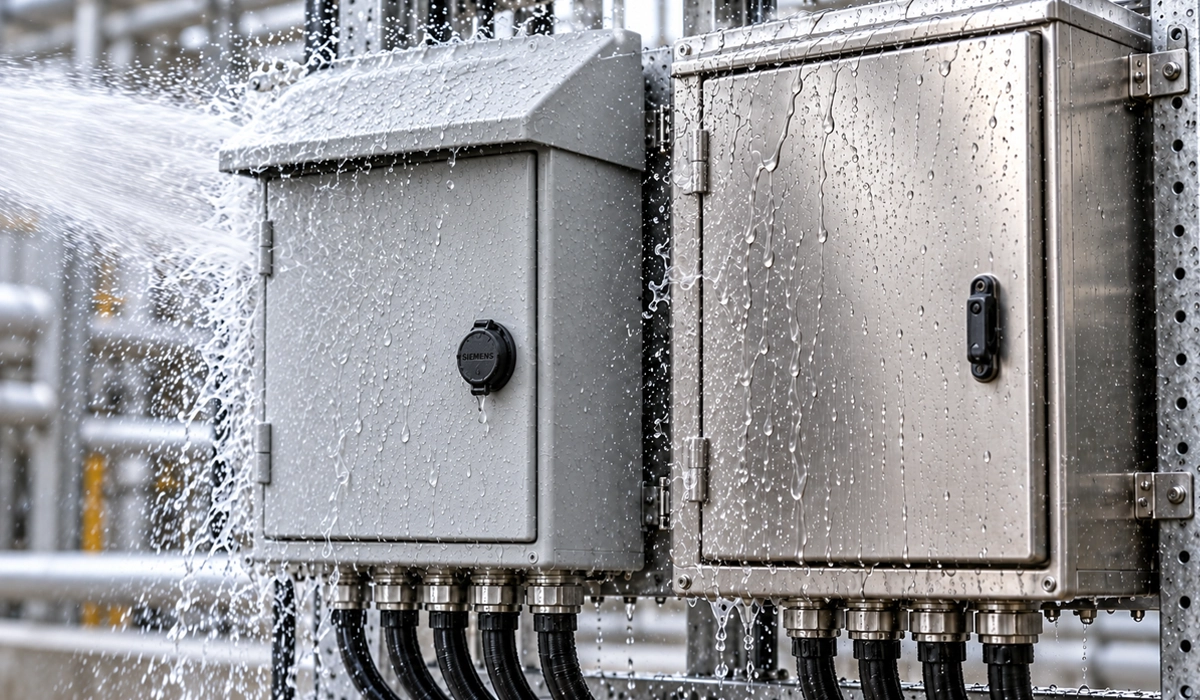
IP65 vs NEMA 4X: Why They Are Not the Same Box
Short answer: NEMA 4X meets or exceeds IP66 for dust and water, but IP65 can never be called Type 4X. The reason is the test list, not the number. IP65 checks only dust and water jets, while Type 4X also tests hose-down, corrosion, ice and…

NEMA 4 vs 4X: One Letter, a Different Service Life
The spec sheet says Type 4X, but the enclosure on the pallet says Type 4. Does it matter? Engineers argue about this on forums every week, and the answers range from “it’s just a sticker” to “never accept it.” The NEMA 4 vs 4X question…
