Search Icon

Category: Electrical Panels & Switchgear Basics

Electrical Switchgear Components

Electrical Switchgear Components and Functions: A Complete Technical Guide

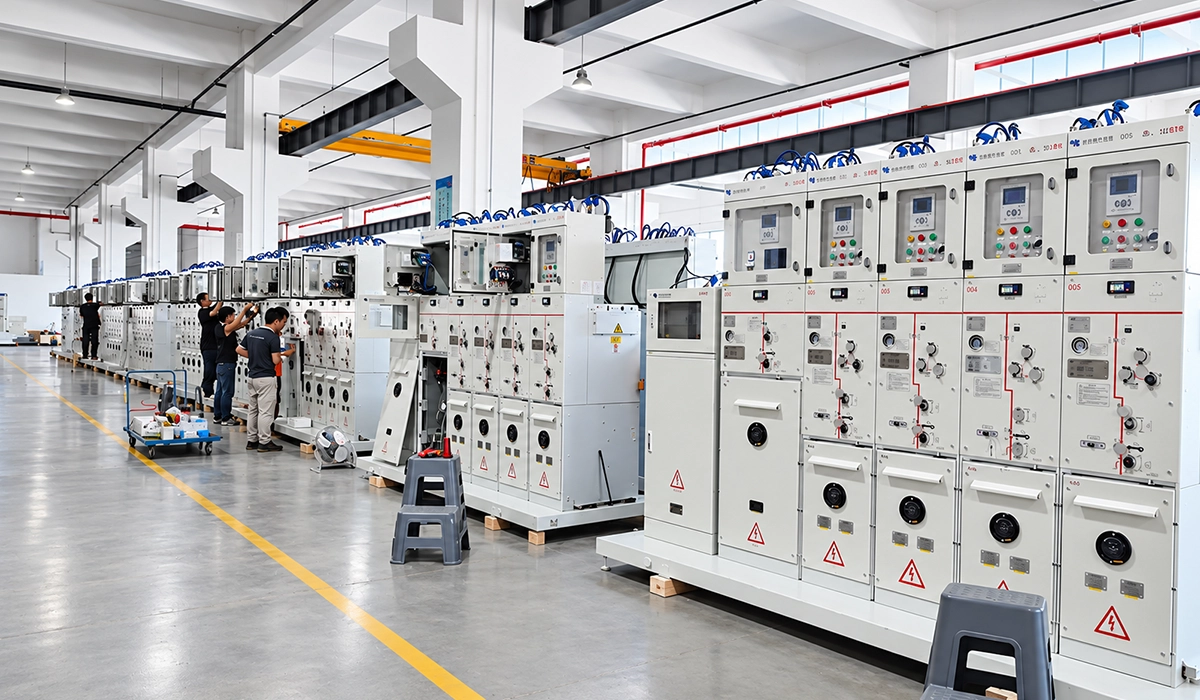
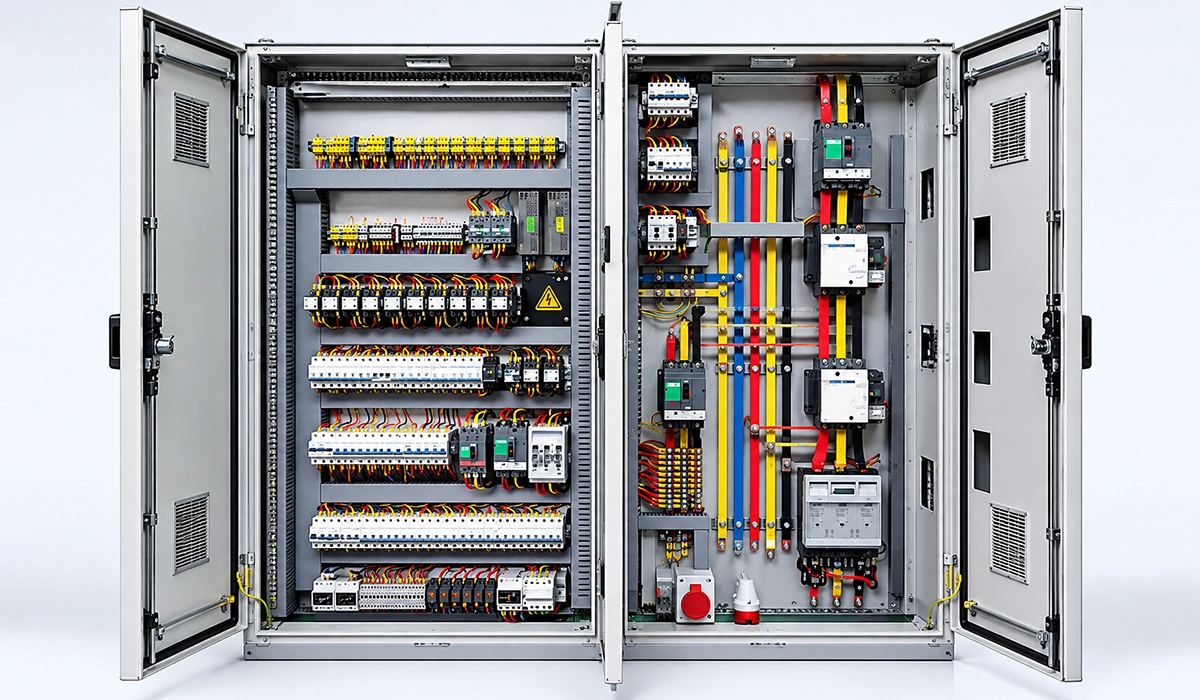
Electrical switchgear is a coordinated assembly of switching, protection, measurement, control, and safety components used to receive power, distribute it, isolate circuits, detect faults, and protect people and equipment. Its main components include circuit breakers, isolators, busbars, current and voltage transformers, protection relays, earthing switches, surge arresters, control wiring, and enclosures. Each part has a specific job: breakers interrupt faults, busbars carry current, relays decide when to trip, CTs and VTs provide measurement signals, and earthing systems make maintenance safer. Understanding these electrical switchgear components and functions is essential for selecting, designing, operating, and maintaining reliable low-voltage, medium-voltage, and high-voltage power distribution systems.

Read More »
Switchgear vs Switchboard vs Panelboard

Switchgear vs Switchboard vs Panelboard: Key Differences Explained

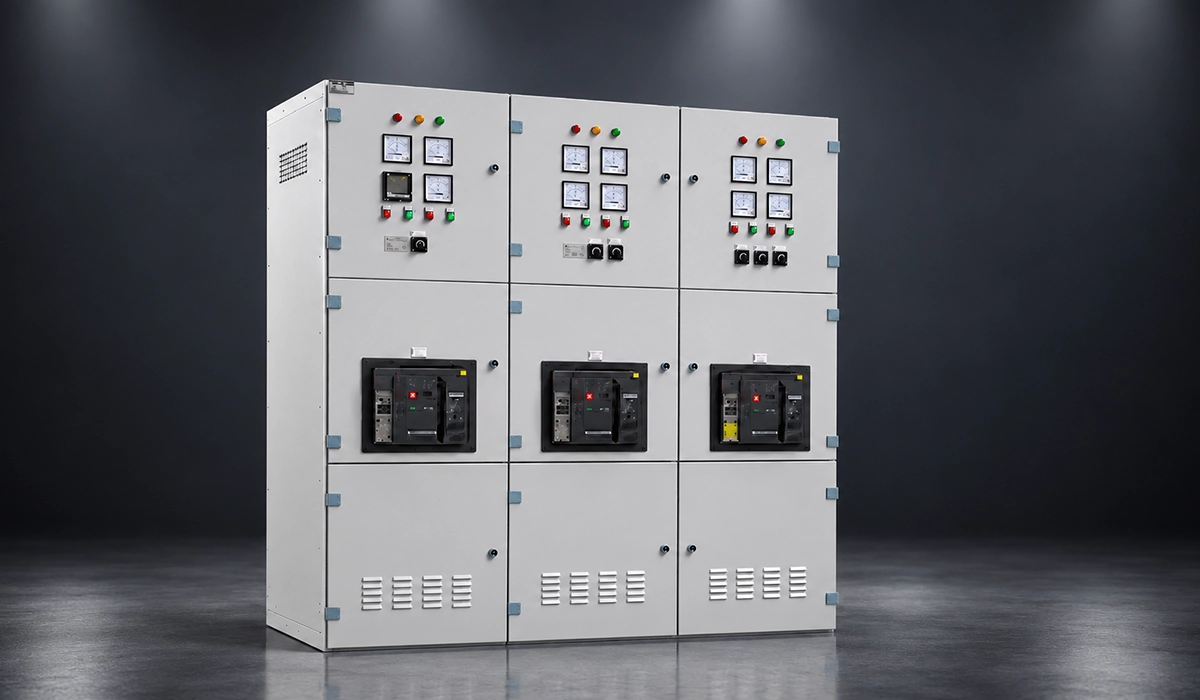
Switchgear, switchboard, and panelboard are three essential types of electrical distribution equipment, but they are not used for the same purpose. Switchgear is mainly designed for advanced circuit protection and high fault-current applications, switchboards distribute power across larger commercial or industrial systems, and panelboards manage branch circuits closer to the final loads. Understanding the difference between switchgear vs switchboard vs panelboard helps engineers, contractors, and facility owners choose the right equipment for safety, reliability, code compliance, and long-term power distribution performance. In this article, we break down their key differences in ratings, standards, applications, and selection criteria so you can make the right decision for your electrical system.

Read More »
Electrical Panel

What Is an Electrical Panel and How It Works

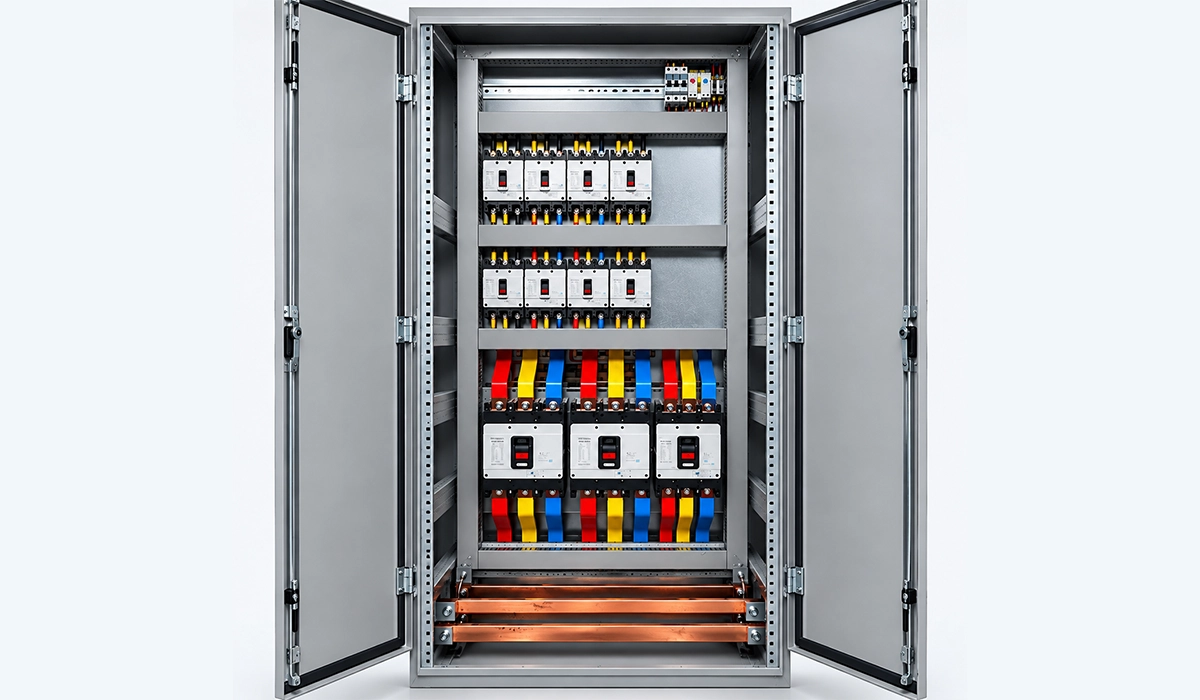
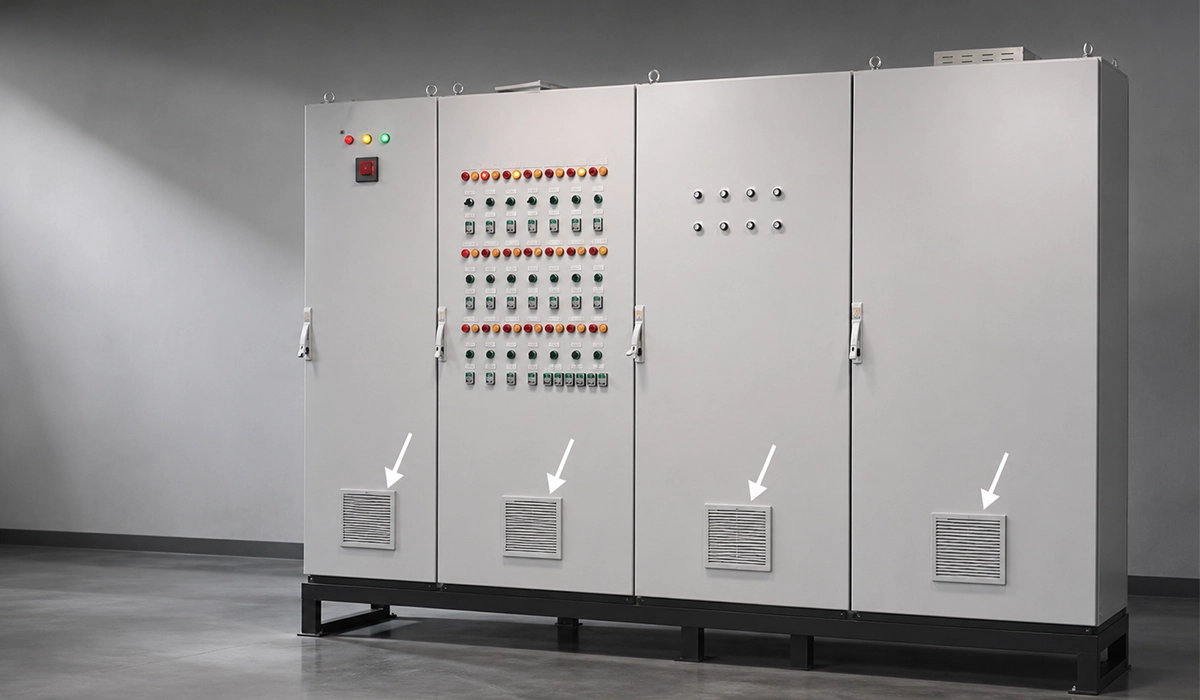
An electrical panel is the central distribution point of a building’s electrical system. It receives incoming power from the utility supply and divides it into individual branch circuits that serve different areas, rooms, or appliances throughout the building. Each circuit is protected by a circuit breaker or fuse that automatically interrupts power if the circuit is overloaded or a fault occurs. Think of the electrical panel as the precise boundary where utility power ends and building power begins. Everything upstream of the panel belongs to the utility company and remains energized at all times. Everything downstream is the building’s internal electrical system, fully under the control of the panel and its breakers. Depending on your region and the context, an electrical panel may be called by several names: breaker box, breaker panel, fuse box, load center, distribution board, panelboard, consumer unit, or main service panel. All of these refer to the same fundamental device. In the United States, the National Electrical Code (NFPA 70) governs the design, installation, and performance requirements of all electrical panels, while industrial panels must additionally comply with UL 508A and, internationally, IEC 60439.

Read More »
Electrical panel

What Is the Basic Purpose of Electrical Switchgear?

Electrical switchgear is a collective term for all equipment used to switch, control, protect, and isolate electrical circuits and apparatus in a power system. To answer what is the basic purpose of electrical switchgear directly: it serves three inseparable functions — circuit protection, power switching, and fault isolation. Switchgear exists at every voltage tier, from low-voltage distribution panels in commercial buildings to high-voltage assemblies in transmission substations. For a broader foundation, see switchgear basics, explore switchgear secrets, and review modern switchgear. Governed internationally by IEC 62271 and in North America by the ANSI/IEEE C37 series, it forms the protective and operational backbone of every modern electrical network.

Read More »
Electrical Panels

Electrical Panels and Switchgear Basics: The Complete Guide for Engineers and Facility Managers

Electrical power distribution is easy to take for granted until it fails. In factories, hospitals, data centers, commercial towers, and infrastructure projects, the reliability of the entire electrical system often depends on how well the distribution equipment was specified, installed, coordinated, and maintained. Market forecasts reflect that importance: Marketsand Markets projected the global switchgear market to reach about USD 120.1 billion by 2027, driven by grid upgrades, renewable integration, and rising demand for dependable power distribution.

Read More »
Electrical Switches

Electrical Switches: Types, Standards, and How to Choose the Right One

Electrical switches are more than just simple devices; they play a pivotal role in ensuring safety, efficiency, and compliance in any electrical system. Choosing the wrong switch can lead to nuisance failures, overheated contacts, or failure to meet regulatory standards, potentially causing significant issues. On the other hand, selecting the right switch ensures years of reliable operation with minimal maintenance. This guide delves into the fundamentals of electrical switches, explaining key terms such as poles and throws, the types of switches, and the standards that apply to industrial settings like switchgear assemblies and control panels. Whether you’re selecting a switch for residential use, industrial control systems, or smart home applications, this guide will help you understand the critical factors to make the best choice.

Read More »
Capacitor Banks

Why Industrial Units Need Capacitor Banks

In industrial environments, optimizing energy consumption and ensuring optimal equipment performance are of paramount importance. One of the key solutions for achieving these goals is the use of capacitor banks. A capacitor bank, by compensating for reactive power, helps improve power factor, reduce energy losses, and extend the lifespan of equipment. This not only reduces electricity costs but also ensures the reliable and stable operation of electrical systems. In this article, we will discuss the necessity of capacitor banks and the reasons why every industrial unit should use them.

Read More »
Capacitor Banks

How Capacitor Banks Extend Equipment Lifespan

Today, electricity consumption management plays a crucial role in both industrial and residential/commercial buildings. Optimal energy use not only leads to reduced operational costs but also directly impacts the lifespan of electrical equipment. Failure to implement solutions such as capacitor banks can lead to serious issues, including poor power quality, unnecessary currents, and ultimately reduced efficiency and lifespan of equipment. This article explores the importance of using capacitor banks, their role in enhancing electrical systems, and how this simple solution can increase the longevity of electrical equipment.

Read More »
Switchboards

Low-Voltage and Medium-Voltage Switchboards: Relocation and Installation of Electrical Panels

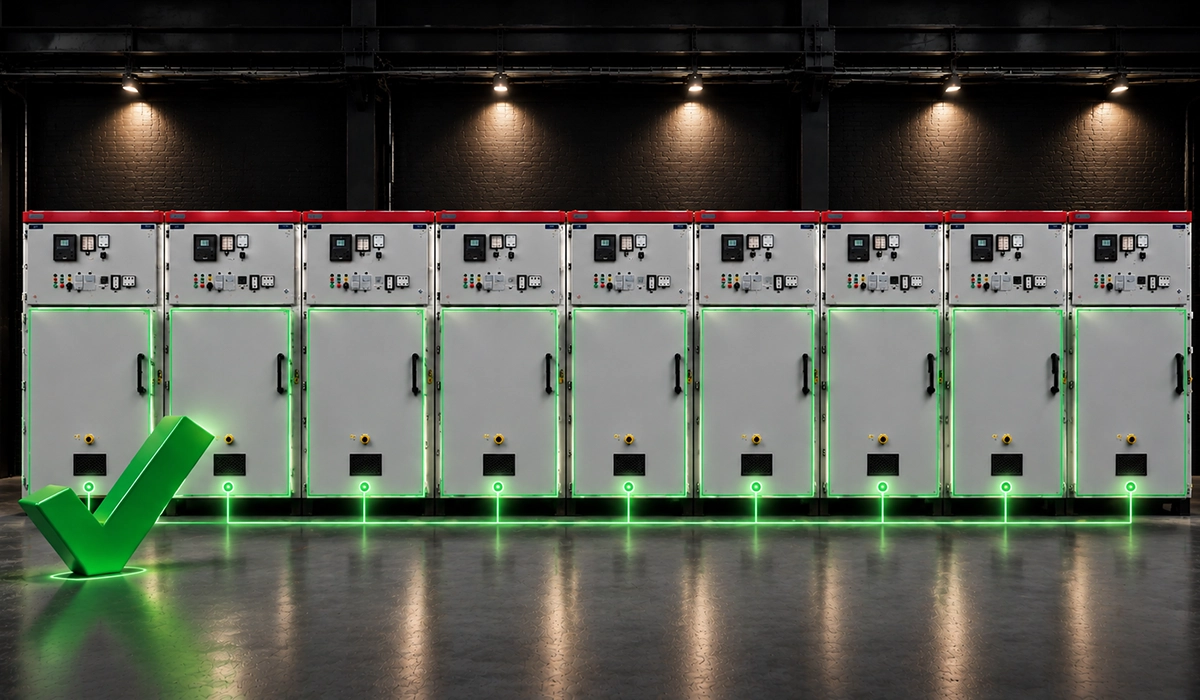
Electrical panels, or switchboards, serve as the central nervous system of any power distribution network, providing a structured environment for the control, protection, and regulation of electrical energy. Far more than just a metal enclosure, a modern panel is a sophisticated assembly of switching devices, measuring instruments, and protective relays designed to ensure operational safety and system reliability. By centralizing equipment into standardized configurations—ranging from Low-Voltage (LV) units for buildings to Medium-Voltage (MV) cells for industrial substations—these systems protect users from electric shock and shield sensitive components from environmental hazards.

Read More »
control systems

Types of Industrial Control Systems

Designing and implementing control systems is essential for optimizing industrial processes. From regulating temperature to controlling pressure, well-designed control loops ensure efficiency and reliability. In this blog, we’ll dive into the key stages of control system design, including component selection, fault detection, and system optimization. We’ll also explore various control system architectures like DDC, DCS, and FCS, and how they cater to different industrial needs.

Read More »