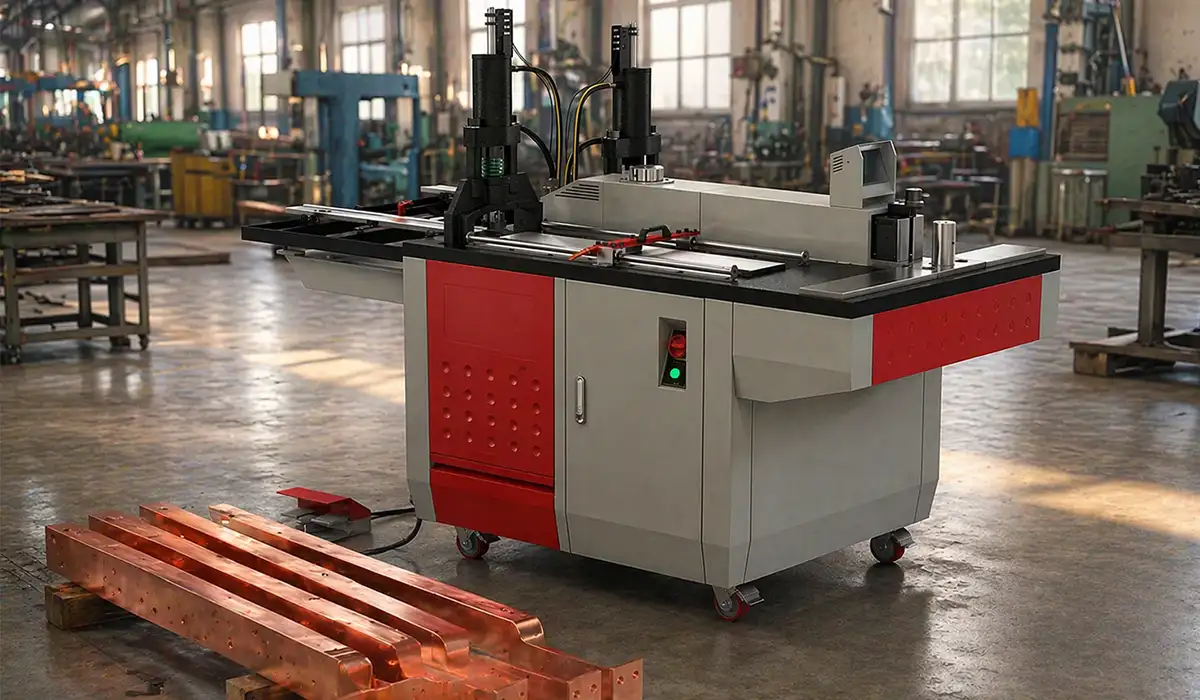
Category: Sheet Metal Machines

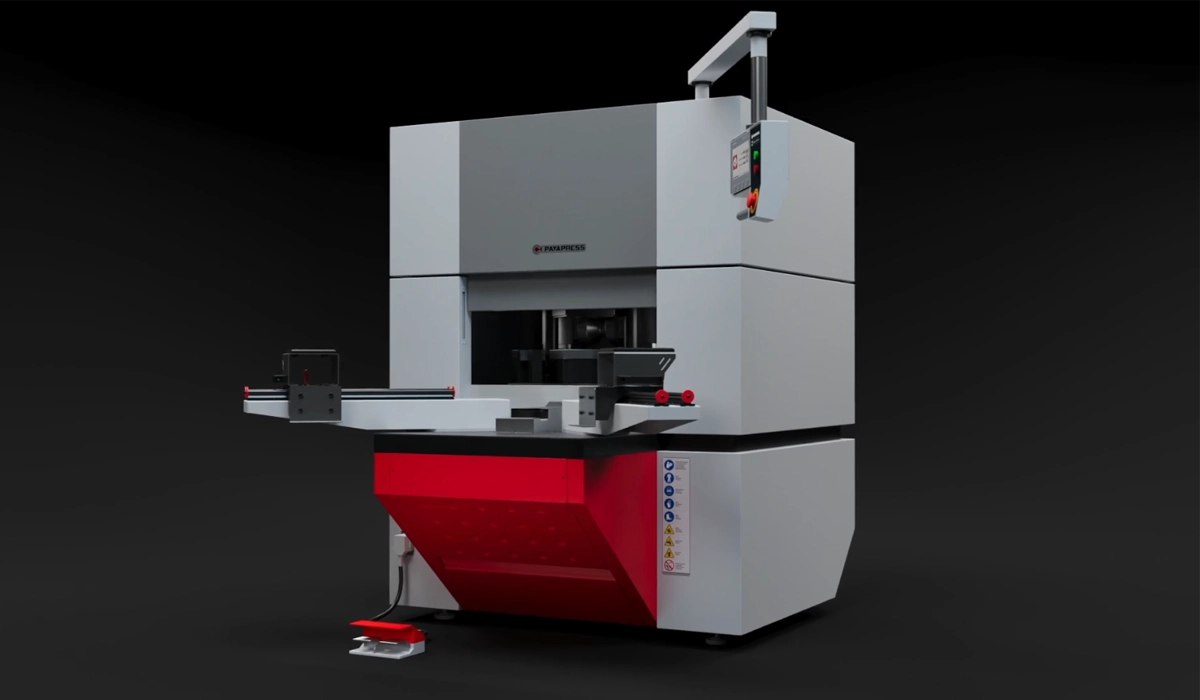
corner former machine

Corner Forming Machine Cost: What 4,000 Welded Corners Really Cost You

One thousand enclosure doors. Four thousand corners.

A skilled welder-polisher finishes four corners in ten minutes. The cold former does four in two. That is 167 hours against 33 โ€” 134 hours gone from a single purchase order, before any other cost enters the picture.

What follows is the arithmetic behind corner forming machine cost, not a sales pitch. Every input can be replaced with your own part, your own volume and your own rate, and the cost per corner moves with them.

Read More ยป
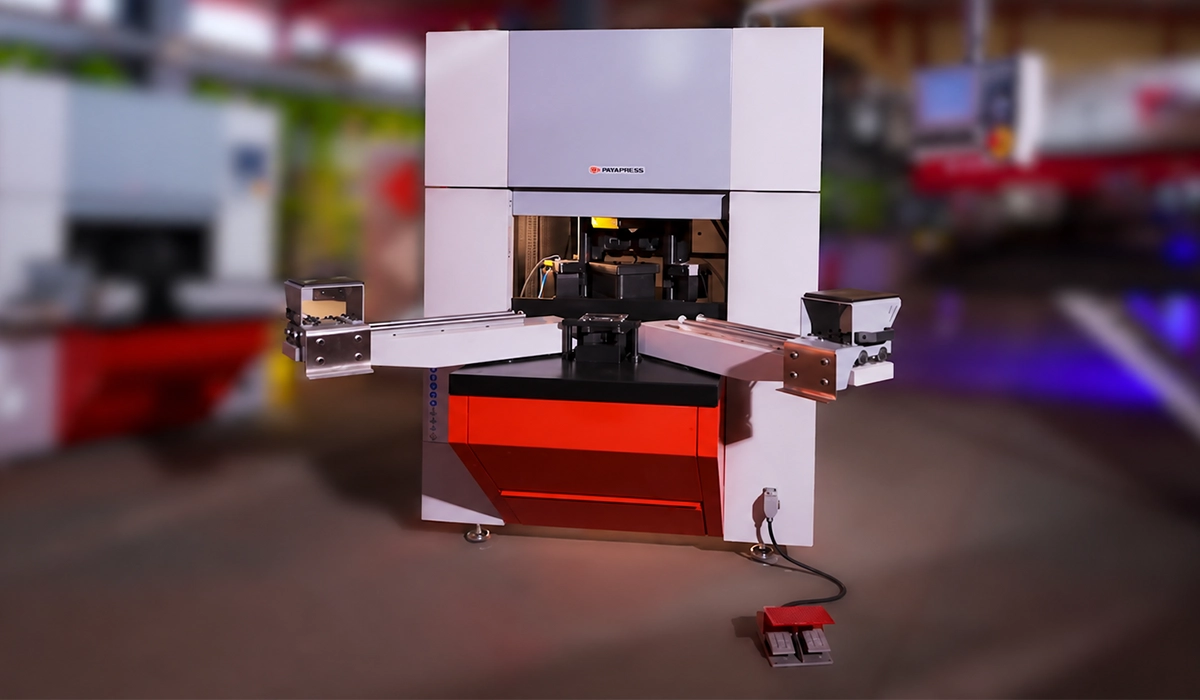
Sheet Metal corner former

How to Use a Corner Forming Machine: The Full Operating Sequence

A panel blank leaves the press brake with its sides bent to 90ยฐ and its four corners still open. What happens to those corners next decides whether the job needs a welder, a grinder and a polisher โ€” or none of them. Learning how to use a corner forming machine takes less time than most operators expect, because the whole cycle is only two machine operations: form, then trim. This guide walks the CFCM-30EH and CFCM-30ES through that sequence as it runs on the shop floor. It covers preparation, controls, forming, trimming, radius changes, and the checks that confirm a weld-free corner.

Read More ยป
Server Rack Manufacturing Every AI Data

Server Rack Manufacturing: Every AI Data Center Needs Thousands of Metal Cabinets

Before a single GPU is installed, somebody has to fold, punch and finish thousands of steel boxes. That is the part of the AI buildout nobody photographs.

This article is for sheet metal fabricators and enclosure manufacturers, not for data center operators. Rack building has changed materially in the last three years, and the three drivers are density, cooling and power distribution. Each one adds features to the metalwork, and each one adds ways to lose money on a contract you have already priced.

There is a seven-point checklist at the end for anyone weighing a rack order right now, and a list of the five places fabricators lose money on this work.

Read More ยป
Sheet Metal Corner Forming Machine

From Panel Doors to Elevator Cabins: Corner Forming Machine Applications in Industries

A welded enclosure corner takes four separate operations. Notch the blank, weld the joint closed, grind the bead flat, then polish the ground patch back to finish. Every one of those steps is a place where two doors from the same batch stop matching. Cold forming replaces all four with a single press cycle. This article walks through corner forming machine applications in nine industries. It covers what each one actually makes and why weld free sheet metal corners change the part. It also gives the exact spec window that decides whether your work fits. No pitch here, and no cost model either. Just real parts, real failure points, and the three numbers to check before you request a quote.

Read More ยป
Maintenance for Metalworking Machines

Predictive Maintenance for Metalworking Machines

A worn hydraulic seal gives warning for weeks before it fails. Most fabrication shops never see that warning, because nobody measures it. Predictive maintenance for metalworking machines is the discipline that reads those signals and converts them into planned work. This guide covers what breakdowns actually cost, which monitoring techniques suit which machines, and how to build a programme without wasting the sensor budget.

Read More ยป
What Is Cold Forming

What Is Cold Forming in Sheet Metal? A Practical Guide for Fabricators

Cold forming shapes sheet metal at room temperature using mechanical force, with no heating applied at any stage. The metal is pressed, bent, drawn, or rolled past its yield point so the new shape stays permanent.

That definition hides several things a fabricator needs before running a job: how the material behaves, which processes the term covers, where hot forming is still required, and what to check first. This guide covers the mechanics of cold forming sheet metal, the four main processes, a cold-versus-hot comparison, the advantages and limits, and a shop-floor checklist.

Read More ยป
Punching Machine Safety

Punching Machine Maintenance, Troubleshooting & Safety: Complete Repair Guide for Operators

There’s a difference between a punching machine that needs maintenance and one that’s already broken on your shop floor. This guide covers both: the prevention side (daily maintenance, safety protocols, and PM schedules) and the emergency side (troubleshooting a punching machine that’s not working properly, diagnosing why your turret is producing burrs, detecting a broken punch before it crashes into the die, and repair logic that gets you back into production).
The data is stark: most unplanned punch press downtime isn’t due to neglect โ€” it’s due to worn punches, die clearance drift, turret misalignment, or control failures that weren’t caught early. This guide walks operators and plant managers through both layers: how to prevent failures through disciplined maintenance, and how to diagnose and fix punching machine problems when they arise. You’ll learn what “normal” wear looks like vs what signals a critical failure, how to read your machine’s warning signs, and the repair decisions that separate a 30-minute fix from a three-day emergency.

Read More ยป
Punching Machine

Punching Machine Tool: Punch & Die Tooling, Selection and Downtime Reduction

Every metal fabrication shop lives or dies by one thing: the punching machine tool that sits between your sheet stock and the finished part. Whether you’re running a CNC turret punch or a manual press, your punch and die tooling controls hole quality, cycle time, and ultimately your cost per part.
This guide is built for engineers, tooling managers, and shop owners who need to move past generic theory. We cover punch press tooling fundamentals, the real difference between a punch and a die, how to select punch press tools by material and tonnage, forming punch and die operations, specialized punch tooling for steel building structures, and the maintenance discipline that helps tooling managers reduce downtime in punching and piercing operations. Used correctly, the right punching machine tool can extend tool life 2โ€“5ร— and keep burr height inside ยฑ10% of material thickness.

Read More ยป
Automatic punching and shearing lines

Shearing Machine Guide: Automatic Punching and Shearing Lines for Faster Metal Fabrication

A shearing machine is one of the core machines in metal fabrication because it cuts sheet metal, flat bar, angle iron, and structural profiles to accurate lengths before the next production stage. When this cutting function is combined with punching, feeding, CNC positioning, and automatic unloading, the result is an automatic punching and shearing line that can replace several separate manual operations.

This guide explains how punching and shearing machines work, where a shear and punch machine fits in modern fabrication, and how to choose the right system for sheet metal, flat bar, angle steel, or structural steel production. It also covers shearing automation, CNC controls, punch press integration, tooling, tonnage, maintenance, and the differences between standalone shearing machines and fully automated punching systems.

Read More ยป
WhatsApp WhatsApp Support

Fill the Form to Contact Our Specialists Directly

"*" indicates required fields

This field is for validation purposes and should be left unchanged.