



What Is an Automatic Punching and Shearing Machine Line?
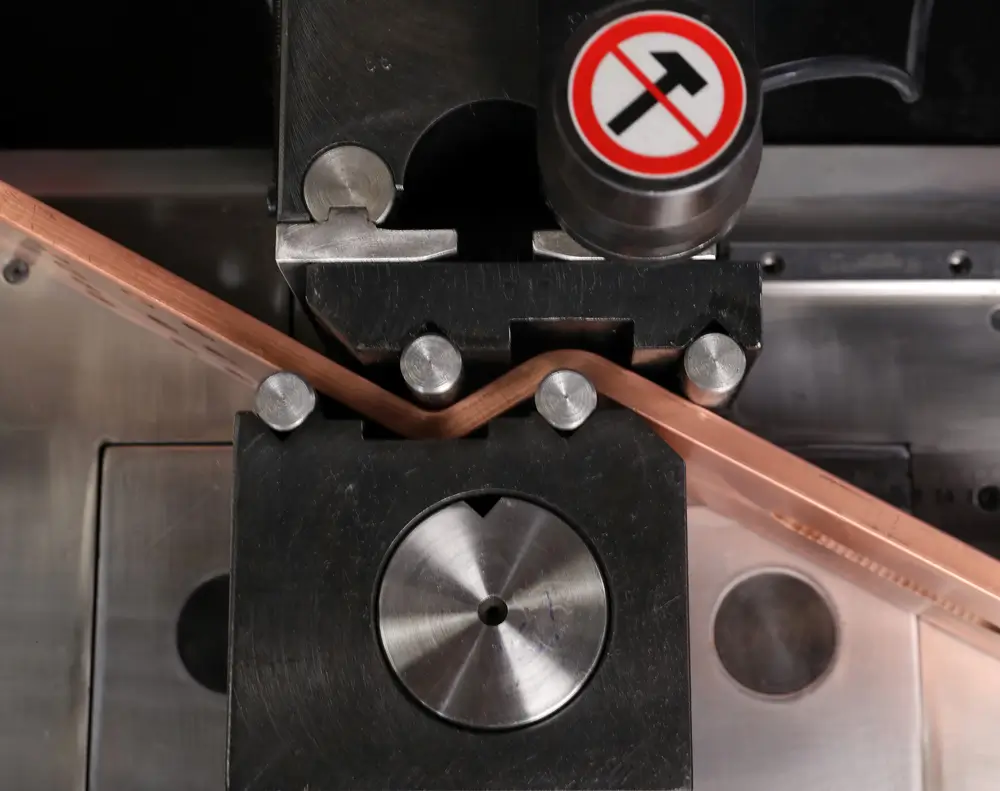
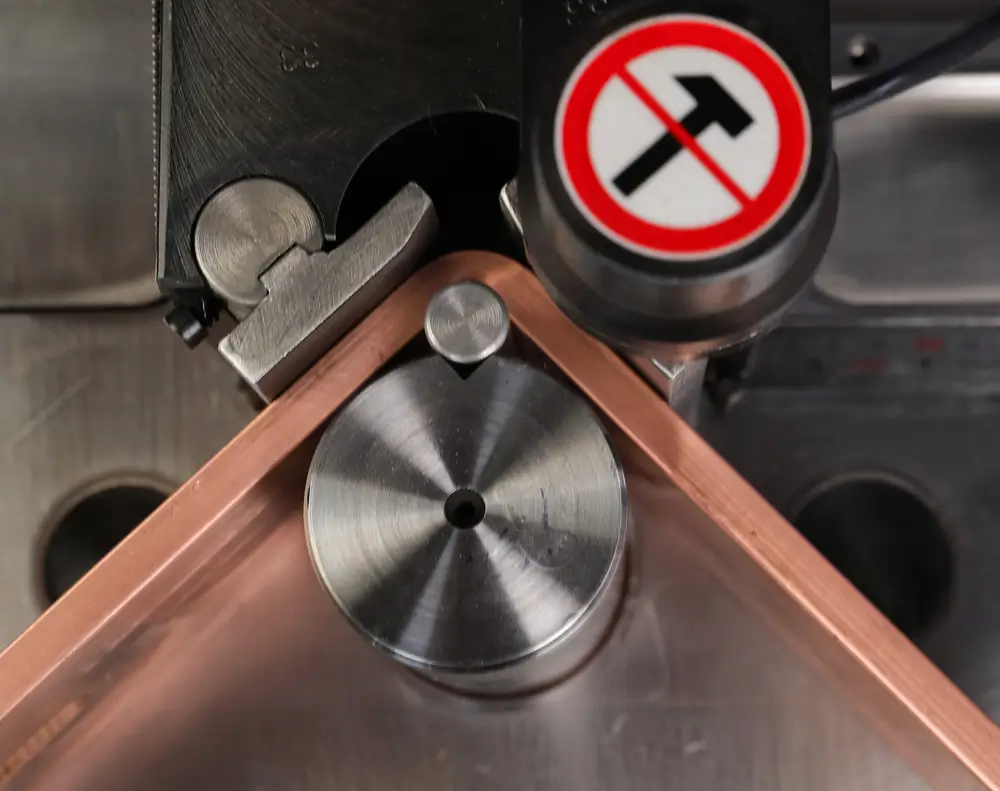
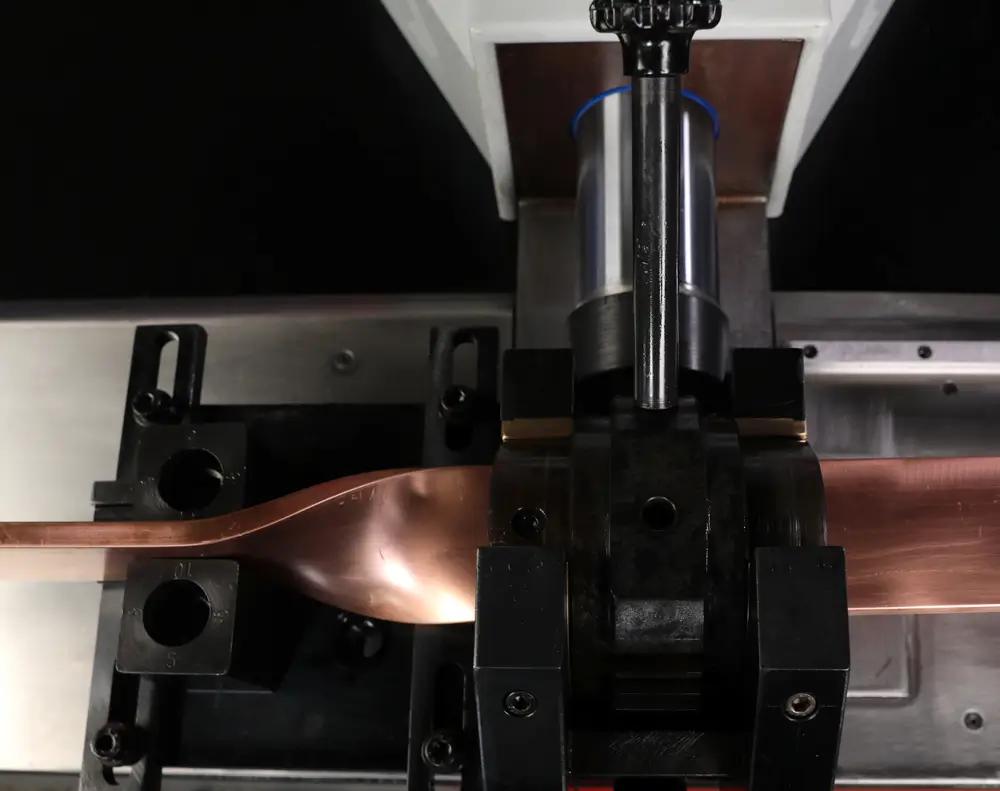
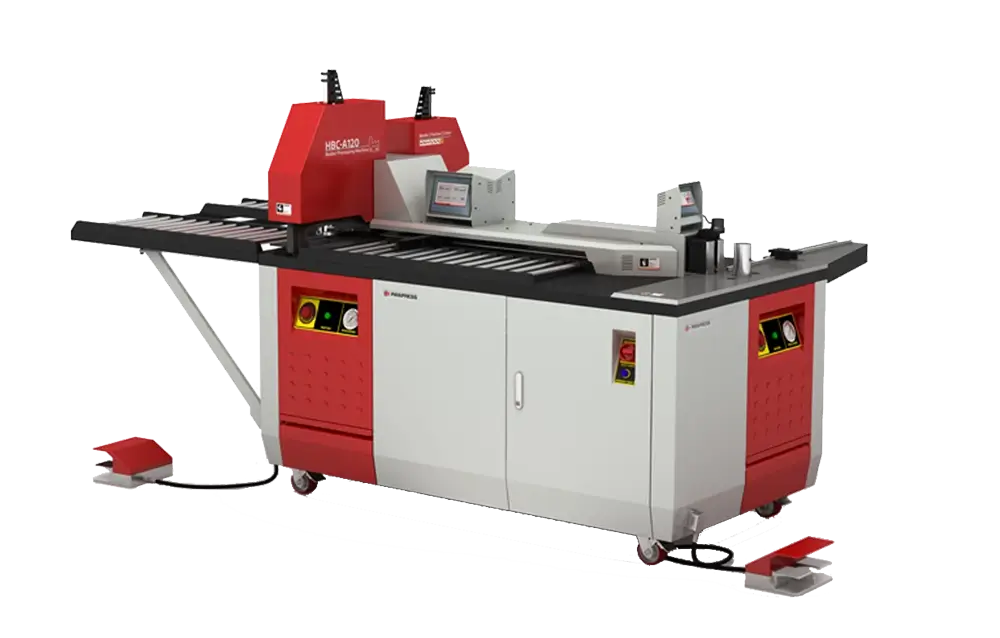
An automatic punching and shearing machine line is an integrated production system that feeds metal material, positions it with CNC or servo control, punches holes or slots, and then uses a shearing machine to cut the part to length. Instead of moving material between a separate punching machine and a separate shear, the line combines both operations into one continuous workflow.
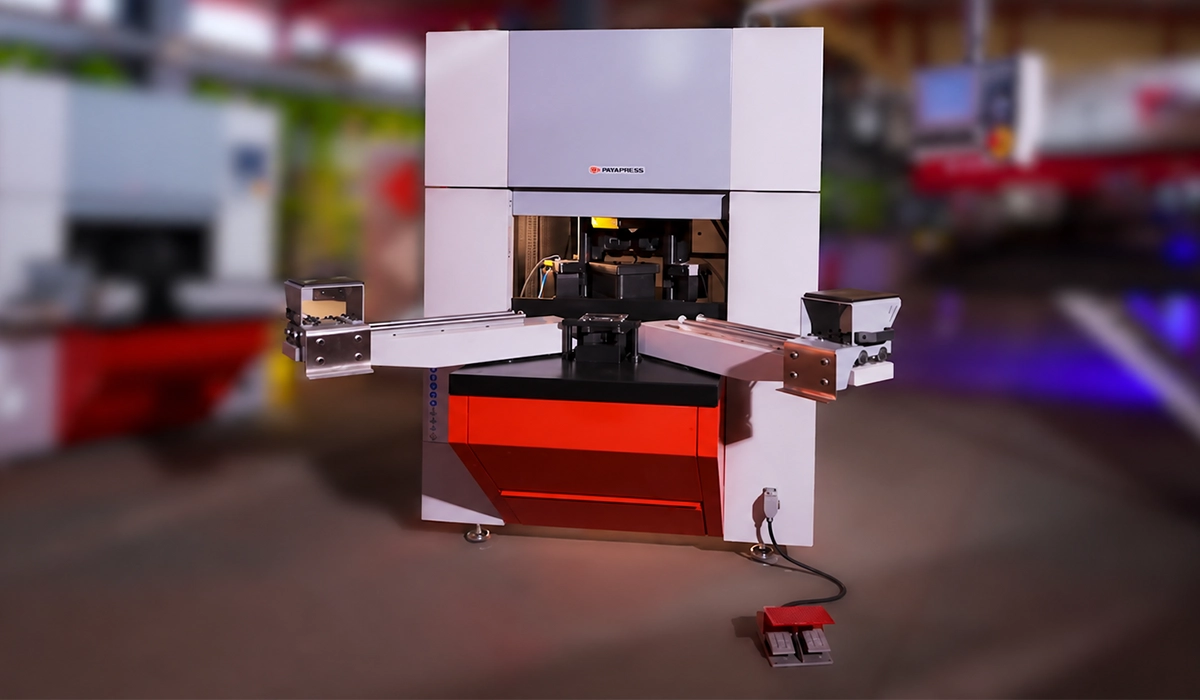
A typical line includes an in-feed table or coil-feeding system, straightener, CNC measuring system, clamps, punch press, shear unit, control panel, and out-feed or sorting conveyor. This setup is used in metal fabrication, switchgear production, elevator manufacturing, racking systems, tower manufacturing, and other applications where repeated hole patterns and accurate cut lengths are required.
The main advantage is process consolidation. A punching and shearing machine with shearing function reduces handling time, lowers the chance of positioning errors, and keeps production moving from raw material to finished part with fewer manual steps.
If the information related to topic Automatic Punching was interesting and informative to you, researching topic Metal Punching and Notching Machines can be very engaging.
Punching Shearing Process: From CNC Positioning to Final Cut
The punching shearing process starts with material loading. Sheet metal, flat bar, angle iron, or channel steel is fed into the machine and positioned by clamps, servo motors, or a CNC back-gauge system. The controller reads the programmed dimensions and moves the workpiece to the first punching position.
The punch press then creates holes, slots, notches, or special shapes using the selected punch and die set. After the punching cycle is complete, the material moves to the cutting station, where the shearing machine separates the finished part from the remaining stock. This sequence allows the machine to complete both hole-making and length-cutting in one automated cycle.
For high-volume production, the process can include automatic feeding, marking, part counting, scrap separation, and conveyor-based unloading. This makes the line faster and more consistent than manual punching followed by separate shearing.
If you are looking for more information about sheet metal forming and fabrication processes, it is recommended not to miss reading this article on Sheet Metal on Wikipedia.
Benefits of a Shearing Machine with Punching Automation
A shearing machine with punching automation improves production by reducing the number of setups required to complete each part. Operators no longer need to measure, punch, remove, reposition, and shear the same material manually. The machine performs these steps through one programmed workflow.
The main benefits include faster cycle times, better hole-to-cut accuracy, lower labor dependency, safer operation, and more predictable part quality. CNC controls also reduce measurement errors because the material is positioned automatically according to the programmed dimensions.
For production managers, the value is not only speed. Automated punching and shearing also reduces work-in-progress inventory, improves repeatability, and makes it easier to schedule large production batches. For fabricators handling repeated metal parts, the result is a more reliable and scalable production process.
For a comprehensive understanding of Corner and Angle Notching Machines, we highly recommend reviewing this article.
Shearing Automation for Faster, More Accurate Metal Cutting
Shearing automation improves accuracy by replacing manual measurement with programmed positioning. A CNC controller, back gauge, or servo feeding system moves the material to the correct length before each cut. This reduces variation between parts and helps maintain consistent production quality across long runs.
Automation also improves throughput. In manual workflows, operators spend significant time moving material between machines, checking dimensions, aligning the workpiece, and removing finished parts. In an automatic line, these actions are handled by the feeder, clamps, punch station, shear station, and unloading system.
For manufacturers producing panels, profiles, brackets, electrical cabinet parts, and structural components, automated shearing provides a stronger balance between speed, accuracy, and labor efficiency.
For a comprehensive understanding of Computer Numerical Control (CNC) technology and how it drives modern manufacturing automation, we highly recommend reviewing this article on Numerical Control on Wikipedia.
Types of Punching and Shearing Machines for Sheet Metal and Profiles
Punching and shearing machines are available in several configurations depending on material type, production volume, and required cutting accuracy. Some machines are designed for sheet metal, while others are built for flat bar, angle iron, channel steel, or structural profiles.
The most common types include hydraulic punch-shear machines, CNC punching and shearing lines, angle punching and shearing lines, flat-bar punching and cutting lines, and combined punching-shearing centers for sheet metal. Each type has a different balance of force, speed, automation level, tooling flexibility, and material capacity.
A fabrication shop producing varied sheet metal parts may need a flexible CNC punching and shearing system. A structural steel or tower manufacturer may need a heavier-duty line designed for angle steel, flat bar, or channel processing. The right choice depends on the material shape, thickness, hole pattern, cut length, and required production speed.
Punching and Shearing Systems: CNC Control, Tooling, and Production Flow
Punching and shearing systems use CNC control to coordinate material feeding, hole positioning, punch selection, and final cutting. The operator enters or imports the part program, and the controller moves the material through the punch and shear stations according to the required dimensions.
CNC control is especially useful for parts with multiple holes, repeated patterns, or frequent design changes. Instead of relying on hard tooling for one fixed part, a CNC system can switch between programs and produce different components with less setup time.
High-quality systems may include multi-tool punch stations, automatic clamps, programmable back gauges, servo-driven feeding, quick-change dies, and automatic unloading. These features make CNC punching and shearing systems suitable for high-mix production where precision and repeatability are critical.
Hydraulic vs Pneumatic Punching Machines
When comparing hydraulic punching and shearing vs pneumatic punching and shearing, power is the deciding factor. Pneumatic systems are faster and cleaner but limited to lighter gauges. Conversely, a hydraulic punching machine within a line provides the high tonnage required for heavy structural steel and thick plates, making it the standard for heavy-duty industrial machinery for metal fabrication.
Further exploration of hydraulic machinery and its industrial applications can be found in the following recommended reading: Hydraulic Machinery on Wikipedia.
Hydraulic vs Pneumatic Punching Machines in a Shearing Line
Hydraulic punching machines use pressurized oil to generate high force. They are the preferred option for thick materials, structural steel, heavy plates, flat bars, and angle profiles. In a punching and shearing line, hydraulic power is also commonly used for the shear station because cutting thick metal requires high and stable force.
Pneumatic punching machines use compressed air. They are faster and cleaner in light-duty applications, but they are usually limited to thinner materials and lower punching force. For this reason, pneumatic systems are better suited to lighter fabrication work, while hydraulic systems are more common in industrial punching and shearing machines.
When selecting between hydraulic and pneumatic options, consider material thickness, hole diameter, production volume, maintenance requirements, and the tonnage needed for both punching and shearing.
Cutting, Punching, and Shearing Machine: One Line or Separate Equipment?
A cutting, punching, and shearing machine can be configured as one integrated line or as separate machines placed in sequence. Separate equipment gives more flexibility when each machine is used for different jobs. However, it also requires more handling, more floor space, and more operator time.
An integrated line is stronger when the same material must be punched and cut repeatedly. The machine feeds the material once, punches the required holes, and shears the part to length without intermediate handling. This improves accuracy because the hole pattern and cut length are controlled in one program.
For low-volume workshops, separate punching and shearing machines may be enough. For medium- and high-volume fabrication, an integrated line often provides better productivity, lower labor cost per part, and more consistent output.
Automatic Punching Machine Integration in a Shearing Machine Line
An automatic punching machine becomes more productive when it is integrated with a shearing machine and automatic feeding system. Instead of punching blanks that must later be cut or handled manually, the line completes punching and cutting in one continuous process.
The punching unit may use single-station tooling, multi-station tooling, or a turret-style setup depending on the application. For repeated hole sizes, a simple punch station may be sufficient. For complex parts with different hole diameters, slots, or forms, multi-tool capability reduces changeover time.
The shearing unit completes the process by cutting the material to the programmed length after punching. This integration is important for parts where hole position must remain accurate relative to the final edge of the workpiece.
Automated Punching Systems for High-Volume Fabrication
Automated punching systems are designed to reduce manual intervention during repetitive metal processing. They can include CNC programming, automatic material feeding, tool selection, part positioning, and integration with shearing, marking, or unloading systems.
In high-volume fabrication, the biggest productivity gains come from reducing setup and handling time. Automated systems keep the material moving through the machine and allow operators to supervise production instead of manually positioning each part.
These systems are especially valuable for manufacturers producing electrical enclosures, racking components, elevator parts, brackets, tower components, and construction profiles. When paired with a shearing machine, automated punching systems can produce finished parts with less handling and fewer dimensional errors.
Shear and Punch Machine vs Automatic Punching and Shearing Line
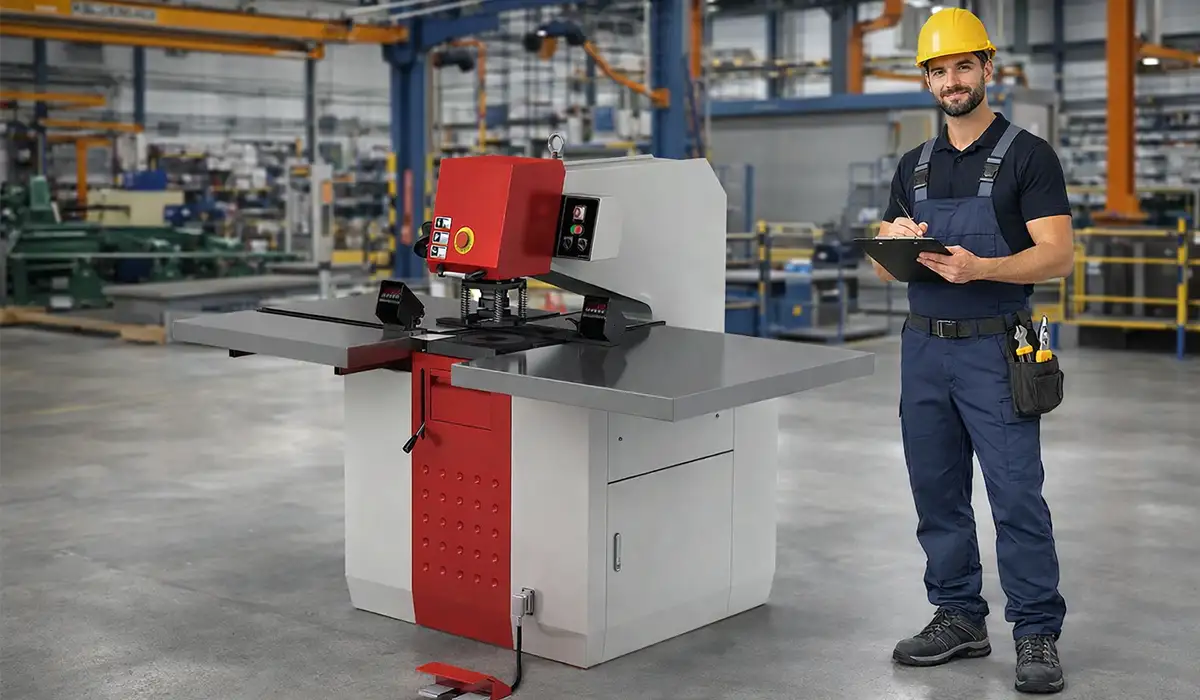
A shear and punch machine is often a compact or multi-function machine that combines punching and shearing in one unit. It is useful for workshops that need versatility without investing in a full automatic line. Many shear and punch machines can process flat bar, plate, angle steel, and simple profiles.
An automatic punching and shearing line is built for higher throughput. It includes automated feeding, CNC positioning, integrated punching, shearing, and sometimes sorting or unloading. This makes it more suitable for continuous production and repeated part programs.
Choose a shear and punch machine when flexibility, lower investment, and compact footprint are the main priorities. Choose an automatic line when repeatability, volume, cycle time, and labor reduction are more important.
Punch Press and Shear Integration for Continuous Production
A punch press and shear combination allows manufacturers to create holes and cut finished parts in the same production flow. The punch press performs the hole-making operation, while the shear separates the part from the raw material after punching is complete.
This integration is valuable because punching accuracy depends on consistent positioning. If material is punched on one machine and then moved to another machine for shearing, each transfer introduces the possibility of measurement or alignment error. Combining the punch press and shear reduces this risk.
For sheet metal and profile processing, punch press and shear integration also helps reduce work-in-progress inventory. Parts leave the machine closer to their final form, which makes downstream assembly, bending, welding, or packaging more efficient.
Key Features of a Shearing Machine with Punching System
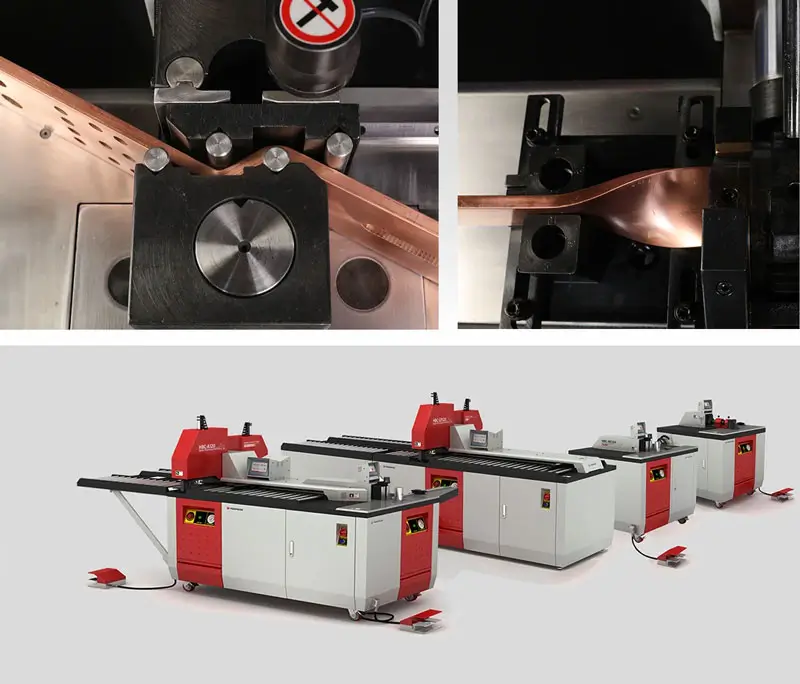
A high-performance shearing machine with punching system depends on several key components. The feeding system moves the material into position. The straightener or guide system keeps material aligned. The CNC controller manages movement, punching coordinates, cut length, and sequence timing.
The punch station creates holes, slots, and other features using punch-and-die tooling. The shear station cuts the material to the required length. The back gauge, clamps, and measuring system ensure that each part is positioned accurately before punching and cutting.
Advanced systems may also include automatic lubrication, quick-change tooling, part conveyors, scrap separation, safety guarding, diagnostic software, and production monitoring. These features improve uptime, reduce setup time, and make the line easier to operate in industrial production.
Shearing Machine Capacity: Tonnage, Material Thickness, and Automation Level
The capacity of a shearing machine is determined by material thickness, material strength, cutting length, blade condition, and machine tonnage. Thicker or stronger materials require more force to shear cleanly. The same principle applies to punching: larger holes, thicker stock, and harder materials require higher punching force.
Before choosing a machine, confirm the maximum and typical material thickness, the widest sheet or profile, the longest cut length, and the strongest material grade used in production. A machine should be selected for real production requirements, not only for occasional light-duty jobs.
Automation level is also part of capacity planning. A powerful machine with slow manual feeding may still become a bottleneck. For high-volume production, automatic feeding, CNC positioning, and unloading should match the punching and shearing speed of the machine.
How to Choose the Right Shearing Machine and Punching Line
Choosing the right shearing machine and punching line starts with the material you process most often. Sheet metal, flat bar, angle iron, channel steel, and structural profiles each require different feeding, clamping, punching, and cutting configurations.
Next, evaluate production volume. A small shop may need a compact shear and punch machine. A high-volume manufacturer may need a CNC punching and shearing line with automatic feeding and unloading. The more repetitive the part program, the more valuable automation becomes.
You should also compare machine tonnage, cutting length, punch capacity, number of tool stations, software compatibility, floor space, safety features, and maintenance access. The best machine is not always the largest or most automated model; it is the system that matches your material, workflow, labor structure, and production targets.
Punching Shearing Line Selection: Cost, Capacity, Software, and ROI
When selecting a punching shearing line, start with part requirements. Identify the material type, maximum thickness, hole sizes, hole spacing, cut lengths, tolerance needs, and expected production volume. These details determine the required punching force, shearing capacity, feeding accuracy, and tool configuration.
Then evaluate automation. Consider whether the line needs automatic loading, unloading, nesting, ERP connection, barcode scanning, or production reporting. Software compatibility matters because CNC programs must move smoothly from design or planning software to the machine controller.
Finally, calculate return on investment. Compare machine cost with labor savings, lower scrap rate, faster cycle time, reduced handling, better repeatability, and improved delivery reliability. A well-selected punching and shearing line should reduce cost per part over its working life.
Shearing Machine Maintenance for Punching and Shearing Lines
Regular shearing machine maintenance is essential for cut quality, machine safety, and production uptime. The shear blades must stay sharp and properly aligned. Dull or damaged blades can create burrs, poor edge quality, excessive force, and unnecessary stress on the machine frame.
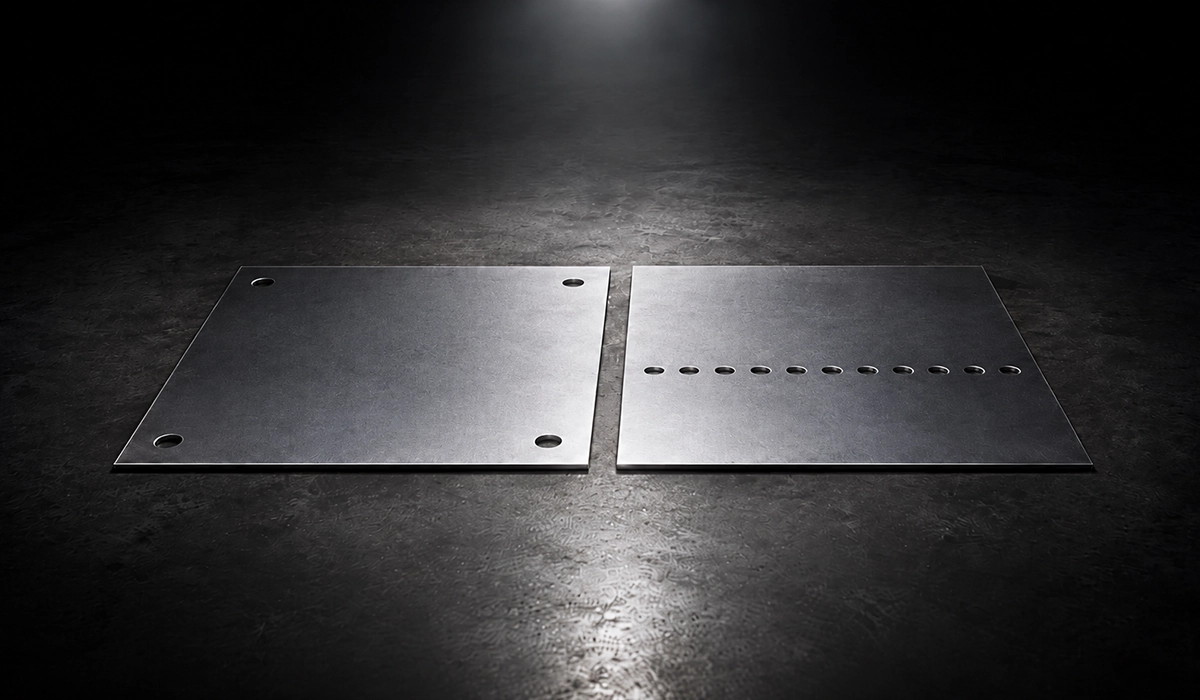
Punch tooling also requires inspection. Worn punches and dies can cause oversized holes, rough edges, cracking, and higher tonnage demand. Operators should check tooling condition, lubrication, hydraulic pressure, sensors, clamps, and conveyor movement as part of routine maintenance.
CNC systems should be monitored for positioning errors, alarms, encoder issues, and sensor misalignment. A preventive maintenance schedule helps avoid emergency downtime and keeps the punching and shearing line producing accurate parts.
Common Shearing Machine Problems and Preventive Maintenance Tips
Common shearing machine problems include dull blades, incorrect blade clearance, hydraulic leaks, poor back-gauge accuracy, sensor faults, clamp wear, vibration, and scrap buildup around the cutting area. These issues can reduce cut quality and cause unexpected stoppages.
Preventive maintenance should include daily cleaning, lubrication, blade inspection, punch-and-die inspection, hydraulic fluid checks, safety guard checks, and verification of CNC positioning. Operators should also remove metal chips and scrap from conveyors, clamps, and guide areas.
For automatic lines, maintenance should focus on both the punching and shearing sections. A reliable punch station with a poorly maintained shear will still produce bad parts, and a sharp shear with worn punch tooling will still create quality problems.
What Is a Punching and Shearing Machine with Shearing Function?
A punching and shearing machine with shearing function is a machine that performs hole punching and metal cutting in the same system. The punching function creates holes, slots, or shaped openings, while the shearing function cuts the material to size.
This type of machine is useful when parts require both operations before bending, welding, assembly, or installation. Instead of processing the same material on two separate machines, the operator can complete both steps in one workflow.
The key selection factors are punching capacity, shearing thickness, cutting length, tooling options, material support, CNC control level, safety guarding, and the ability to handle the required material shape.
Conclusion
An automatic punching and shearing machine line is a practical solution for manufacturers that need faster, more accurate, and more repeatable metal processing. By combining material feeding, CNC positioning, punching, and shearing in one continuous workflow, these systems reduce manual handling, improve part consistency, and support higher production volumes. Whether the application involves sheet metal, flat bar, angle steel, channel profiles, or structural components, the right punching and shearing line can improve efficiency, lower operating costs, and create a more scalable fabrication process. Careful evaluation of material type, machine capacity, automation level, tooling, software, and maintenance requirements will help manufacturers choose a system that delivers long-term productivity and reliable return on investment.

Rate this article
Choose a rating from 1 to 5 stars.
No ratings yet