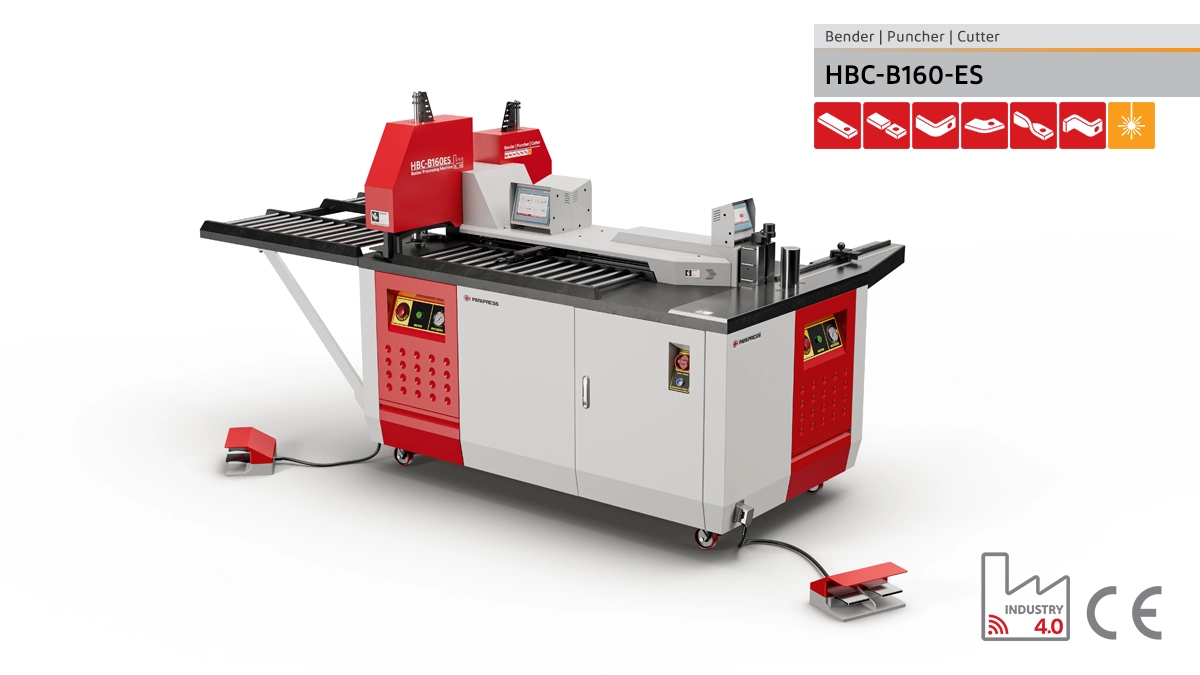
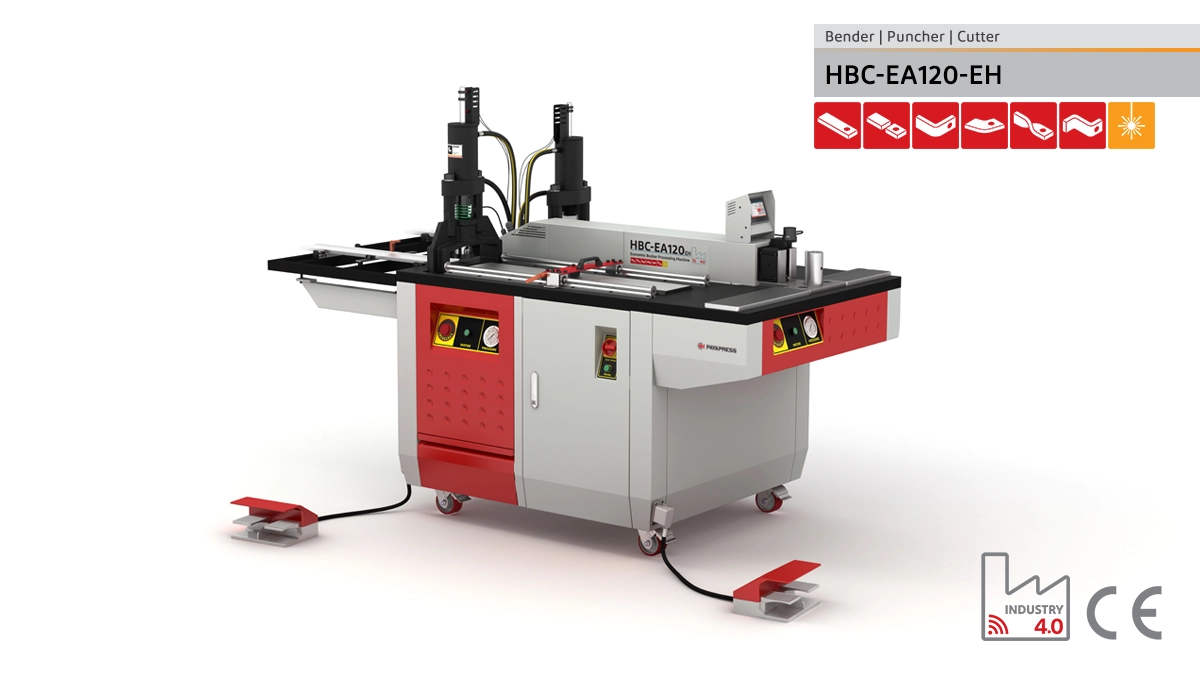
1

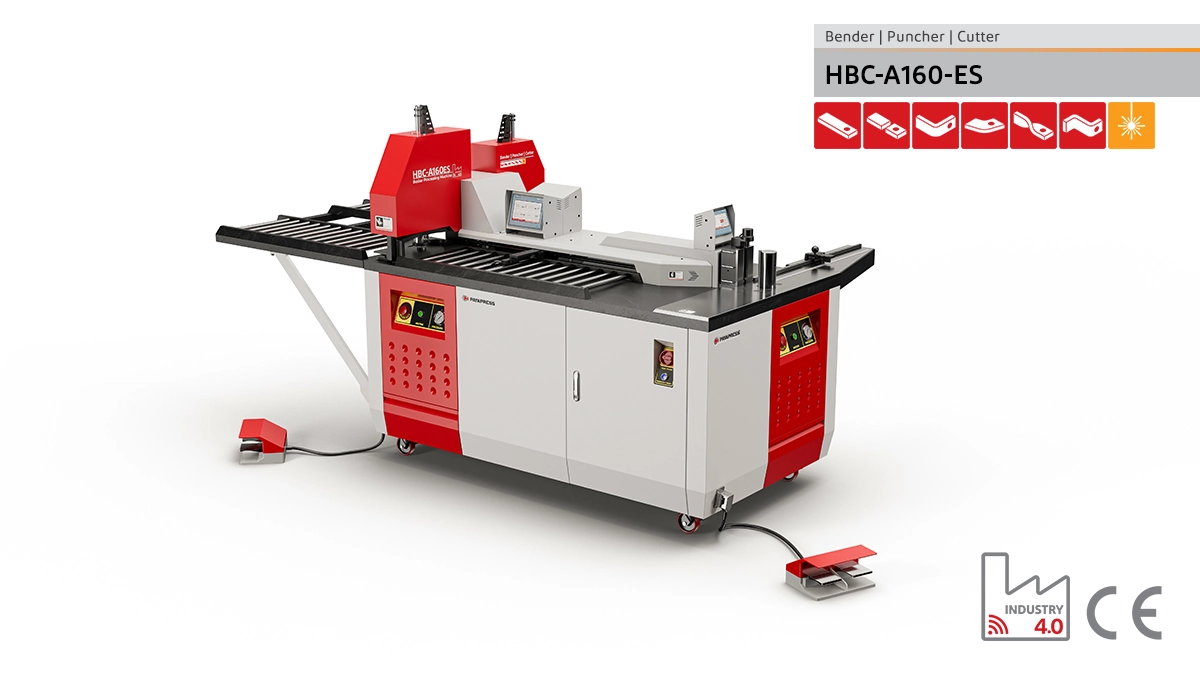
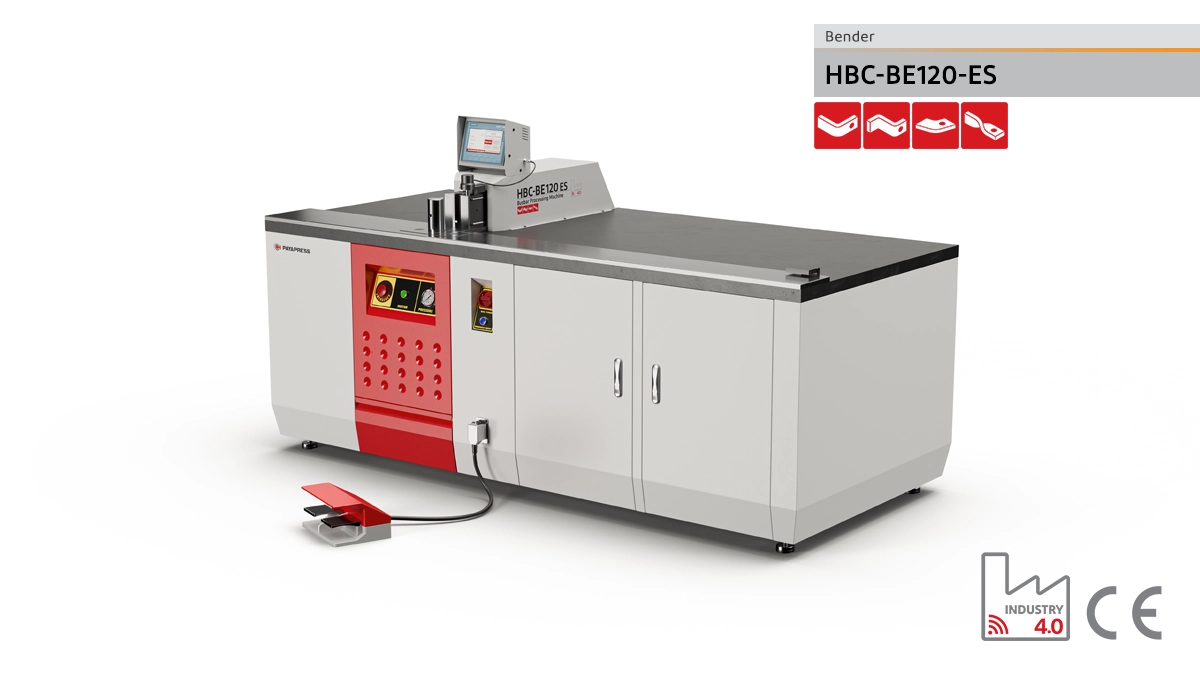
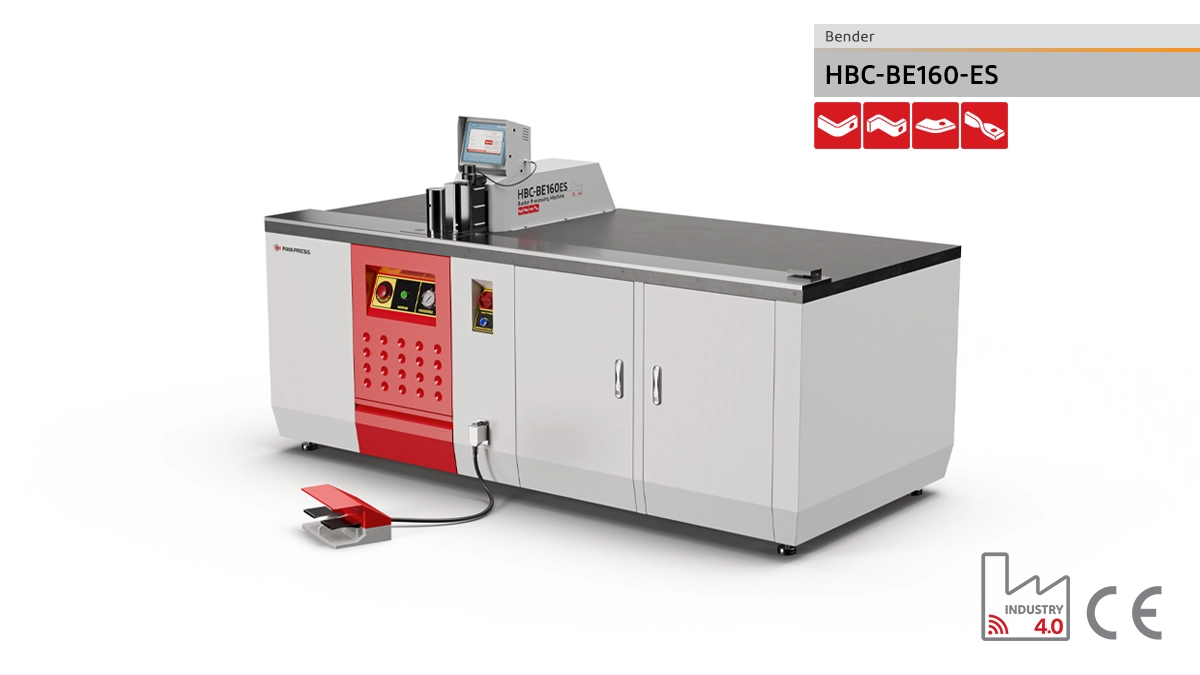
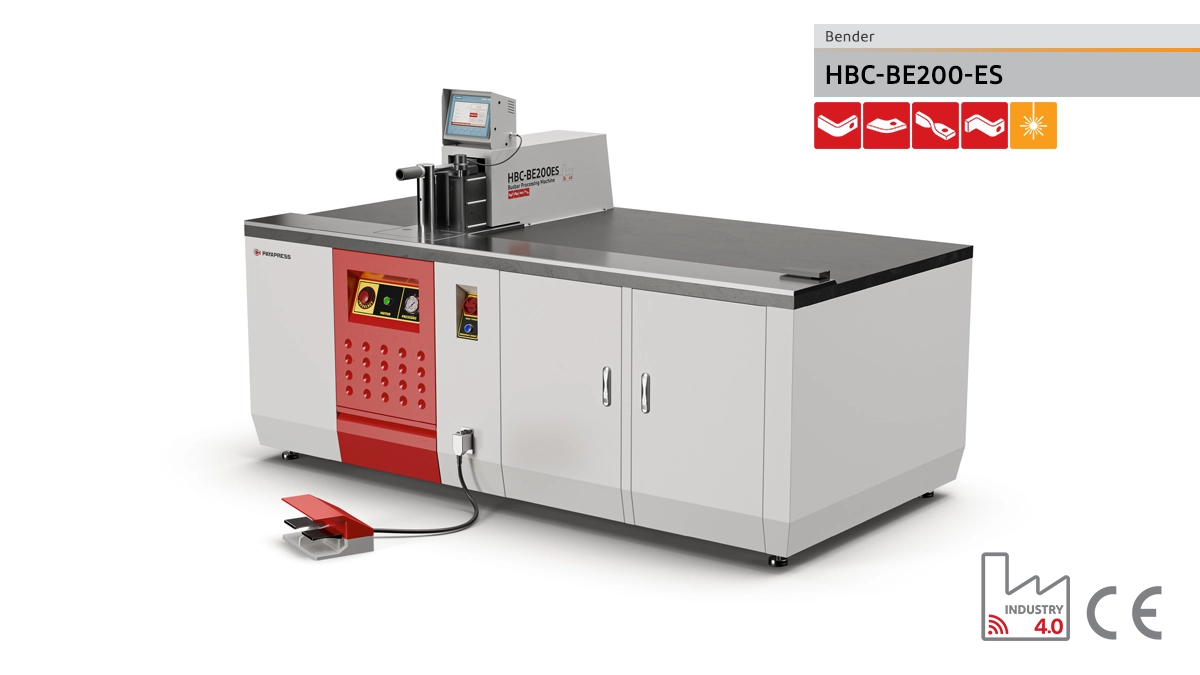
Bender station 

To bend copper busbars up to 160*15 mm  simultaneously 

2

Digital controller for bender

To give instructions to the bender station to reach to perfect results 

3

Digital controller for puncher and cutter

To give instructions to the puncher and cutter station to reach to perfect results 

4

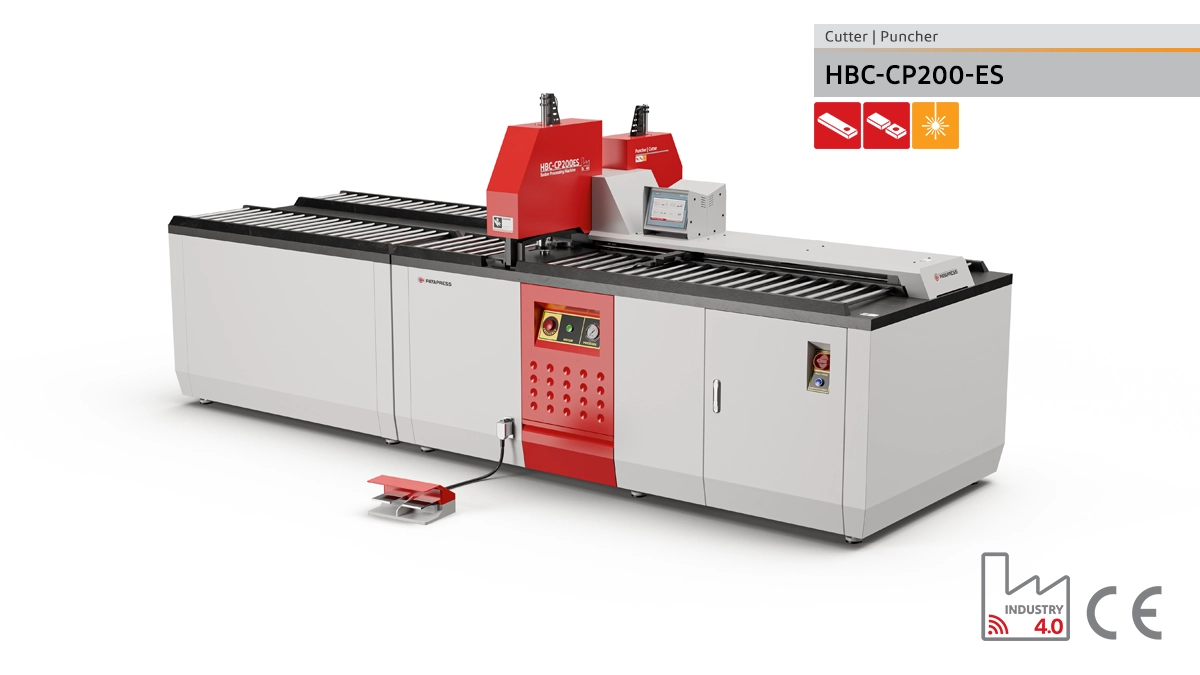
Puncher station

To punch copper busbars up to 160*15 mm simultaneously

5

Hydraulic Power Packs

Equipped with 3 power pack

Get a Free Technical Quote

"*" indicates required fields

This field is for validation purposes and should be left unchanged.

HBC-A160

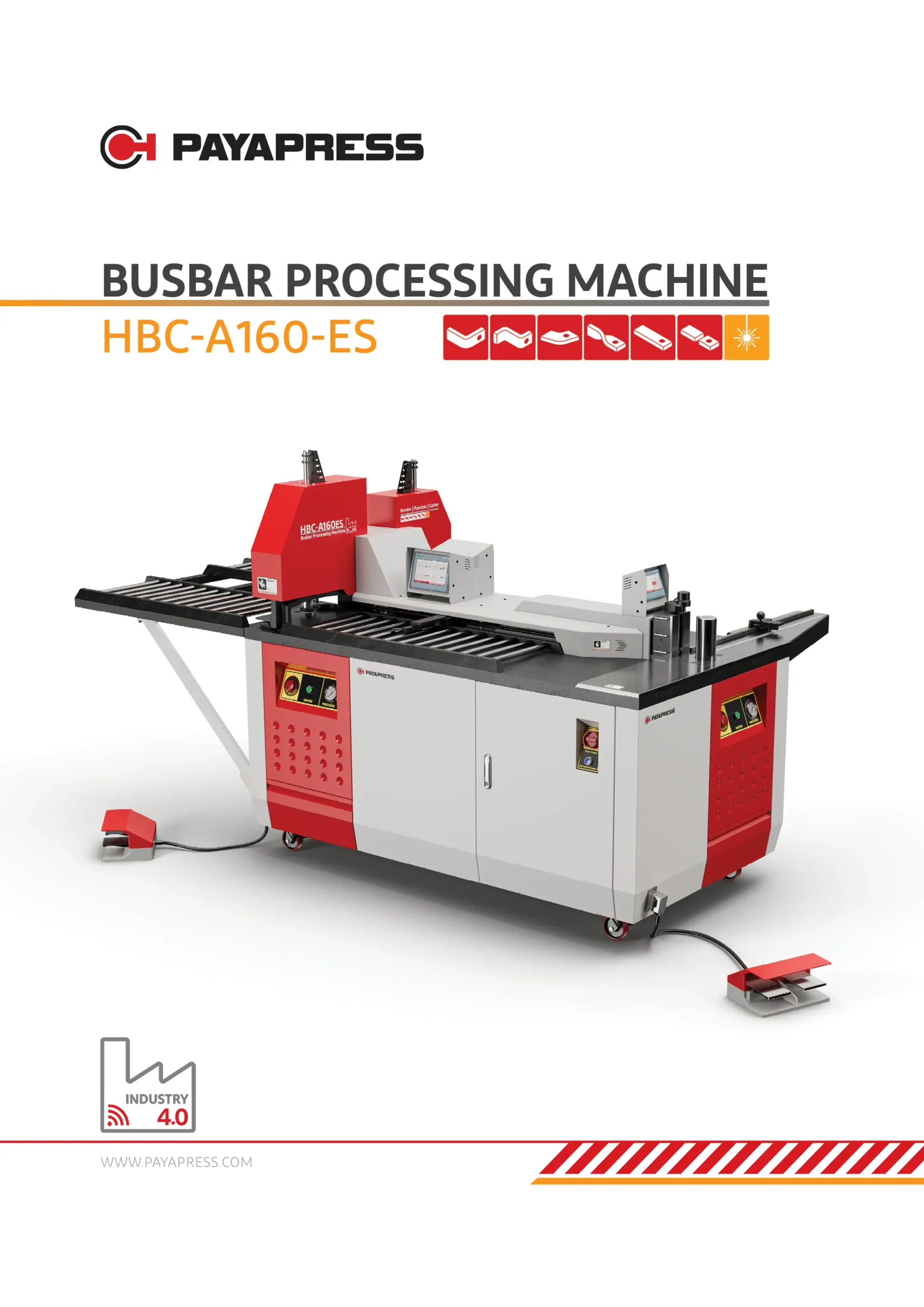
Three Simultaneous Operations — One Machine

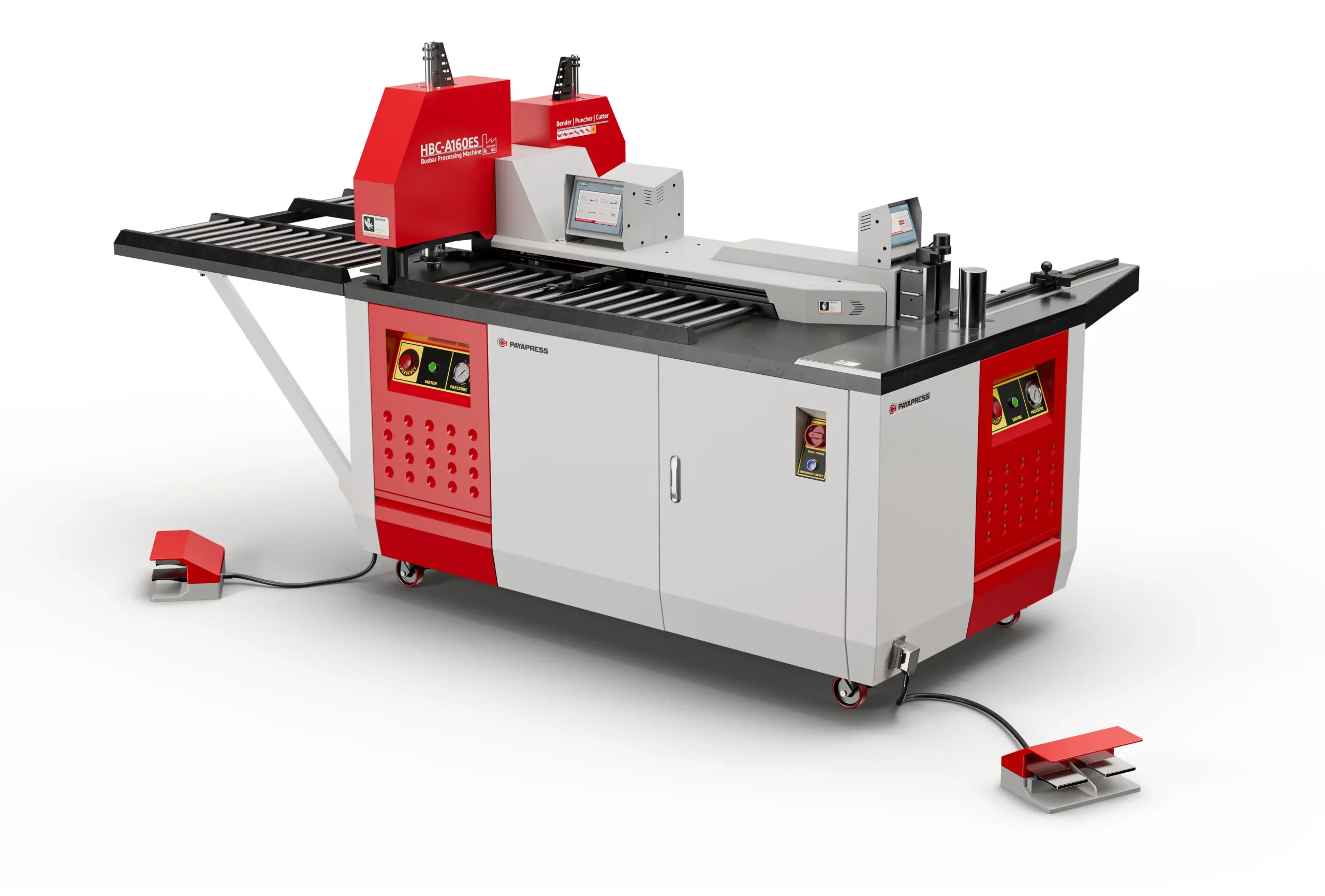
The HBC-A160 is a 3-in-1 busbar processing machine that cuts, punches, and bends copper and aluminum busbars up to 160 × 15 mm in a single station. Designed for switchgear assemblers, panel builders, and distribution-board manufacturers, it features three independent hydraulic power packs (7 kW total at 230 bar), enabling three simultaneous operations with up to three independent operators.

While one bar is being bent, another is punched, and a third is cut — this parallel workflow eliminates station bottlenecks and triples throughput within a single, compact footprint. In effect, the HBC-A160 delivers the output and efficiency of a three-station production line without the added floor space.

Copper 160 × 15 mm Without Machine Swaps

The HBC-A160 busbar machine handles everything from 15–160 mm width and up to 15 mm thickness in both copper and aluminum. The double-acting hydraulic system at 230 bar ensures clean punches (Ø4.5–20 mm), precise cuts, and reliable die release every stroke, making material swaps and machine changeovers unnecessary.

Precision with HBC-A160 That Eliminates Rework 

The HBC-A160’s automatic programmable stopper holds hole spacing to ±0.1 mm and positions every cut straight from your drawing. Spring-back compensation and digital angle indication on the bender ensure the correct angle first time — cutting the re-drill and re-cut waste that quietly erodes panel shop margins and extends job timelines.


INTRODUCTION

TECHNICAL INFORMATION

Three Operators. One Machine. Zero Downtime in HBC-A160

The HBC-A160 handles busbars up to 160 × 15 mm in copper or aluminum, punching holes from Ø4.5 to 20 mm with hole-spacing accuracy held to ±0.1 mm. Power comes from three independent hydraulic packs totaling 7 kW at 230 bar, all managed through a Siemens PLC with dual HMI stations so up to three operators can run cutting, punching, and bending at the same time without stepping on each other’s workflow. At 900 kg and mounted on a wheel base, it’s solid enough for continuous production yet mobile enough to reposition as your layout changes.

Connected, Compact, and Ready to Scale

Running on 380 VAC three-phase power and fitting into a 200 × 110 × 174 cm footprint, the HBC-A160 packs serious output into a space that would normally hold a single-function machine. Its Industry 4.0 readiness means every cycle can feed into real-time shop reporting and traceability systems, giving supervisors visibility without extra manual logging. And because units stack cleanly side by side, growing a line is as simple as adding another HBC-A160 — no redesign, no wasted floor space, just more throughput exactly where you need it.

Manual and Automatic Models in HBC-A160

The HBC-A160 runs on a Siemens PLC with dual HMI stations. Operators can work manually, station by station, or let the system take over for automatic, repeatable production. Cutting, punching, and bending positions can all be saved and recalled for consistent output. The system also stays fully Industry 4.0 ready, with connected, real-time reporting.

Every Bend Your Panel Needs, All from the HBC-A160

One forming head, five bend types — the HBC-BE160 covers the full range a panel builder actually needs, without switching machines or molds for every shape:

  • Twist bend
  • Normal bend 
  • Z bend (step bend)
  • V bend
  • Edge bend
  • Twist bend
HBC-A160-ES
Max capacity
160 × 15 mm
Power
7 kW
Max die
Ø20 mm
Operators
3
Process & capacity
FunctionsCutting + Punching + Bending
Max capacity160 × 15 mm
Max die / hole diameterØ20 mm
MaterialAluminum & copper
Positioning (stopper)Automatic
Power & hydraulics
Rated voltage380 V AC
Total power7 kW
Frequency50 Hz
Operating pressure230 bar
Hydraulic oil70 L
Machine & operation
Machine weight900 kg
Operators required3
Mounting typeWheel
Dimensions (L×W×H)200 × 110 × 174 cm

Our Partners

Where are our active representatives?

FIND YOUR BUSBAR SOLUTION

FAQ's

Frequently asked questions

What is the HBC-A160 used for?

The HBC-A160 is a 3-in-1 busbar processing machine that cuts, punches and bends copper and aluminium busbar in one station. Panel builders, switchgear assemblers and distribution-board manufacturers use it to prepare every bar in an assembly without moving material between separate machines. Its three stations run independently, so all three operations can happen at the same time.

Up to 160 × 15 mm, in copper or aluminium. Bar width can be anything from 15 mm to 160 mm and thickness up to 15 mm. Punching dies run from Ø4.5 mm to Ø20 mm.

Hole spacing is held to ±0.1 mm by an automatic programmable stopper, and the bender uses spring-back compensation with digital angle indication so the angle is correct on the first bend. That accuracy is what removes the re-drilling and re-cutting that quietly costs a panel shop time and copper.

Yes. The machine has three independent hydraulic power packs, so one operator can bend while a second punches and a third cuts, with no station waiting for another. This is the main reason the HBC-A160 suits high-volume production: it delivers the output of a three-station line inside a single footprint.

Yes. Both materials are handled within the same 160 × 15 mm capacity, with no change of machine or setup. The double-acting hydraulic system at 230 bar gives clean punches and reliable die release on either material.

GET FREE QUOTE

NEED

CONSULTATION?

Feel free to contact us and

ask your question, its absolutely free.

"*" indicates required fields

This field is for validation purposes and should be left unchanged.