Category: Sheet Metal industry

Inside the Factories

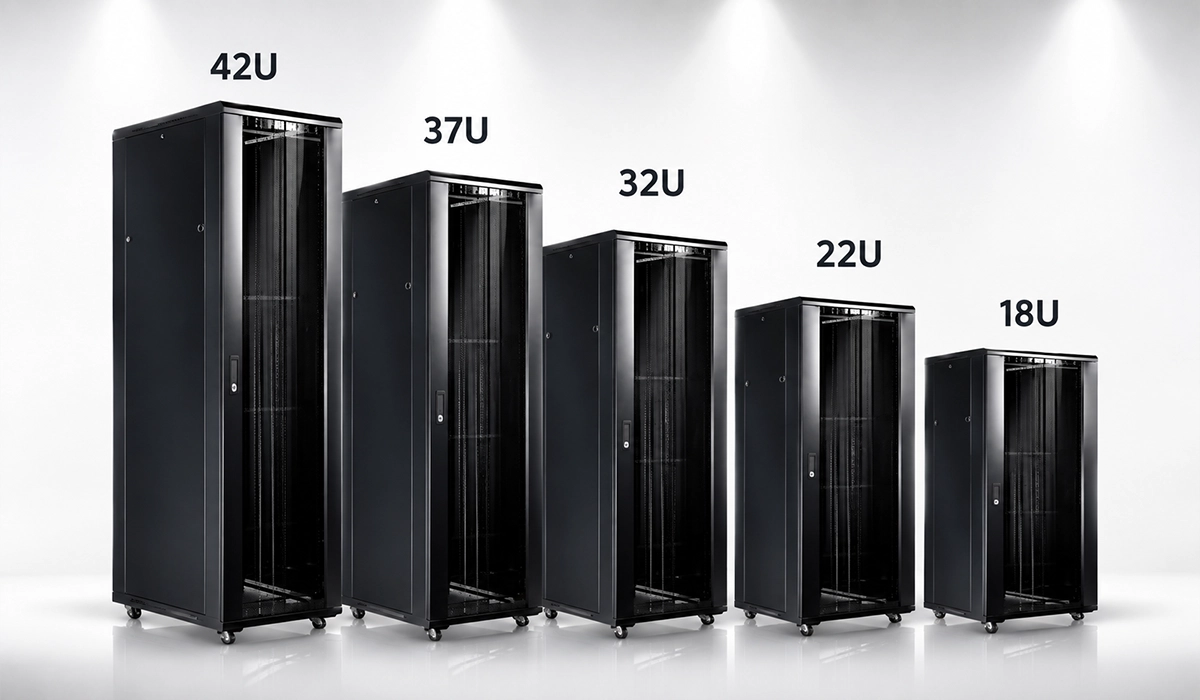
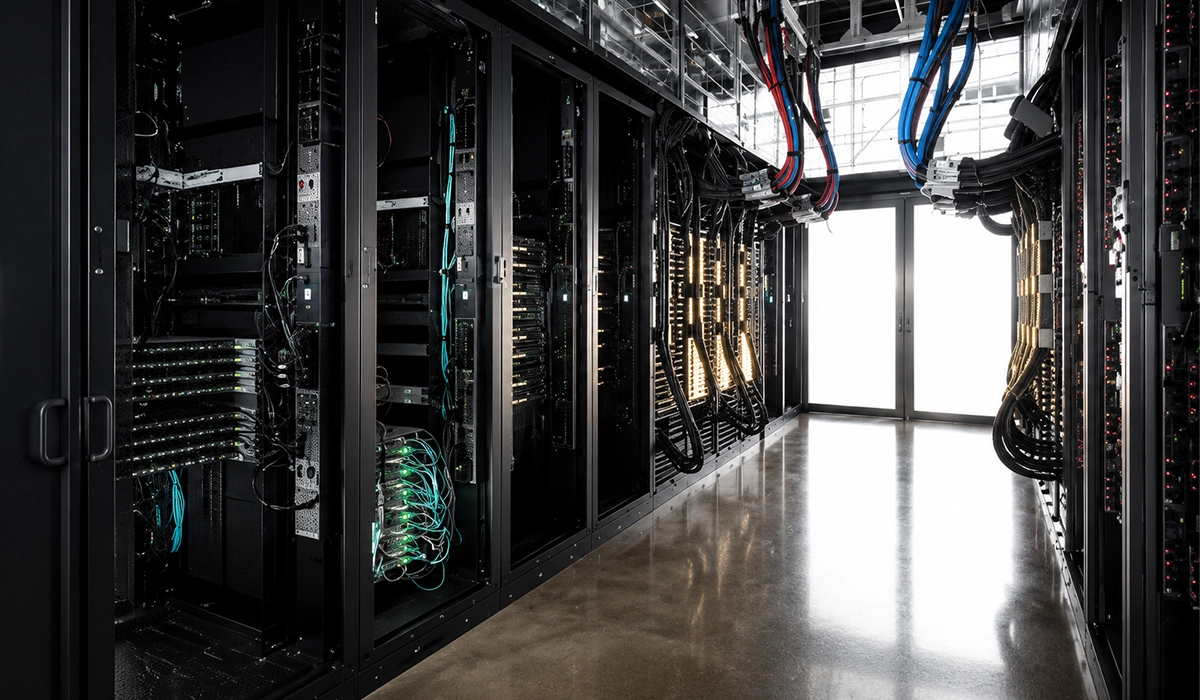
Inside the Factories That Make Server Racks for AI Data Centers

A coil of cold-rolled steel sits at one end of the building. A crated cabinet leaves at the other. Between them are about a dozen operations, and server rack fabrication is the whole of that sequence.

This article walks the line station by station, and names what goes wrong at each one.

It is written for engineers specifying racks, buyers auditing data center cabinet manufacturers, and fabricators entering this market. Our companion piece on AI data center cabinets covers why the demand exists; this one covers how the box gets made.

One piece of context is enough. AI halls buy cabinets in thousands, so every station here is a volume problem, not a craft problem.

Read More ยป
Best Metal Enclosures

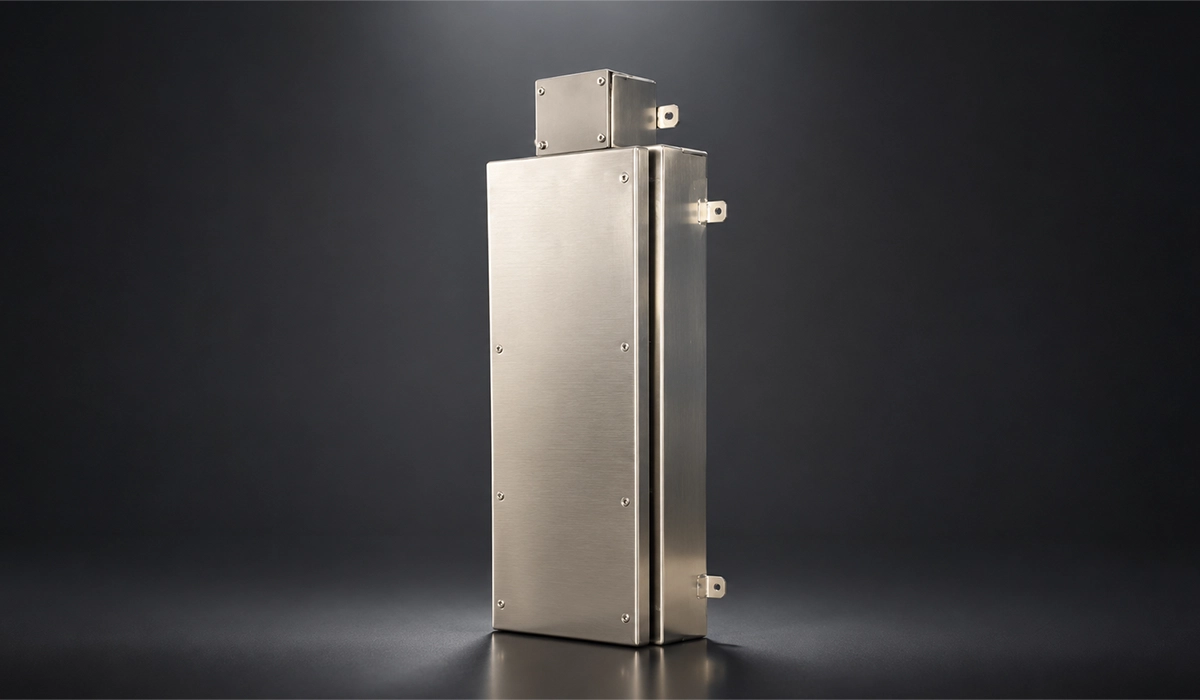
The Best Metal Enclosures in 2026: What Actually Separates Them

Search for the best metal enclosures and you get a list of companies. That is not an answer to the question you asked.

Two enclosures can share the same IP rating, the same steel grade and the same external dimensions, and perform very differently in service. The difference is made on the factory floor, not in the catalogue.

This article covers seven attributes that separate one enclosure from another. Each maps to a specific manufacturing operation, and each is something you can ask a supplier to show you rather than describe. It is written for engineers specifying enclosures, buyers auditing suppliers, and fabricators trying to build a better product than the one they shipped last year.

Read More ยป
AI center

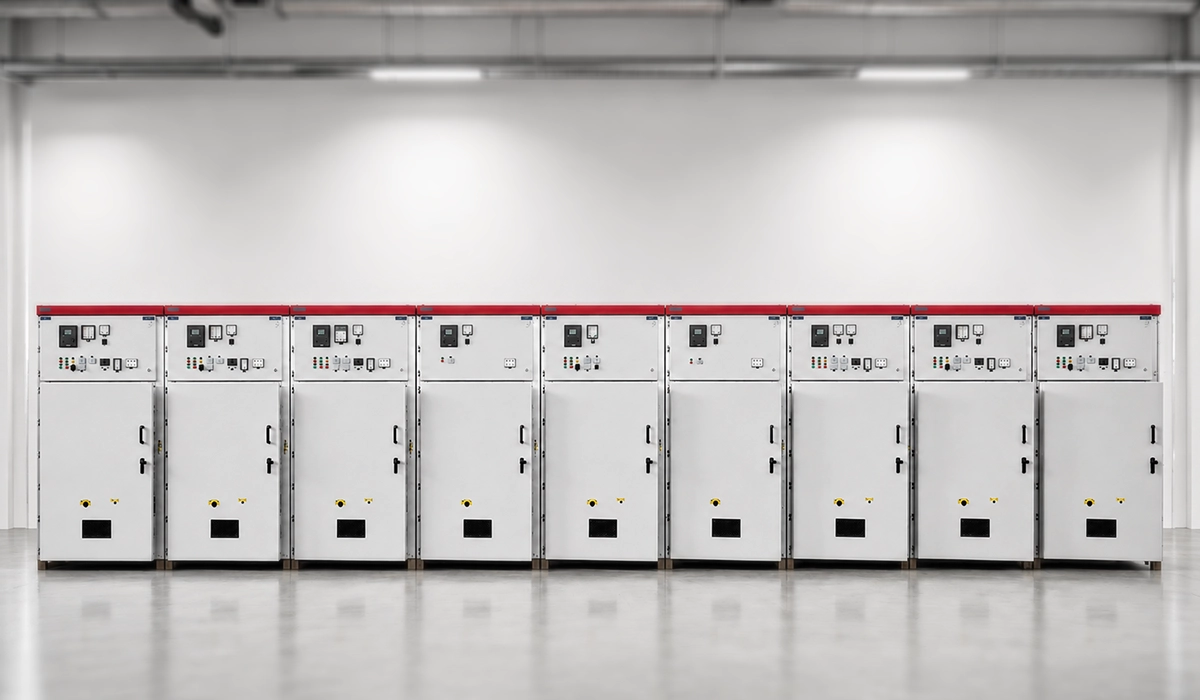
The Unglamorous Bottleneck Behind the AI Boom: Sheet Metal

The AI boom is discussed in terawatts and hundreds of billions of dollars. Right now the data center supply chain is stuck behind something much smaller: sheet steel, copper bar, and the people who know how to shape them.

Electrical equipment is a small fraction of what a data center costs, and close to all of what currently delays one. That is the story of 2026, and it is being reported everywhere.

Every account of the ai data center bottleneck stops at the same place. But the constraint has moved twice: first from chips to power equipment, then from power equipment to the shops that build it.

This article follows the second move, because that is where the delay actually lives and almost nobody is writing about it.

Read More ยป
Explosion-Proof Enclosures

Explosion-Proof Enclosures: How Corner Quality Affects Sealing and Safety

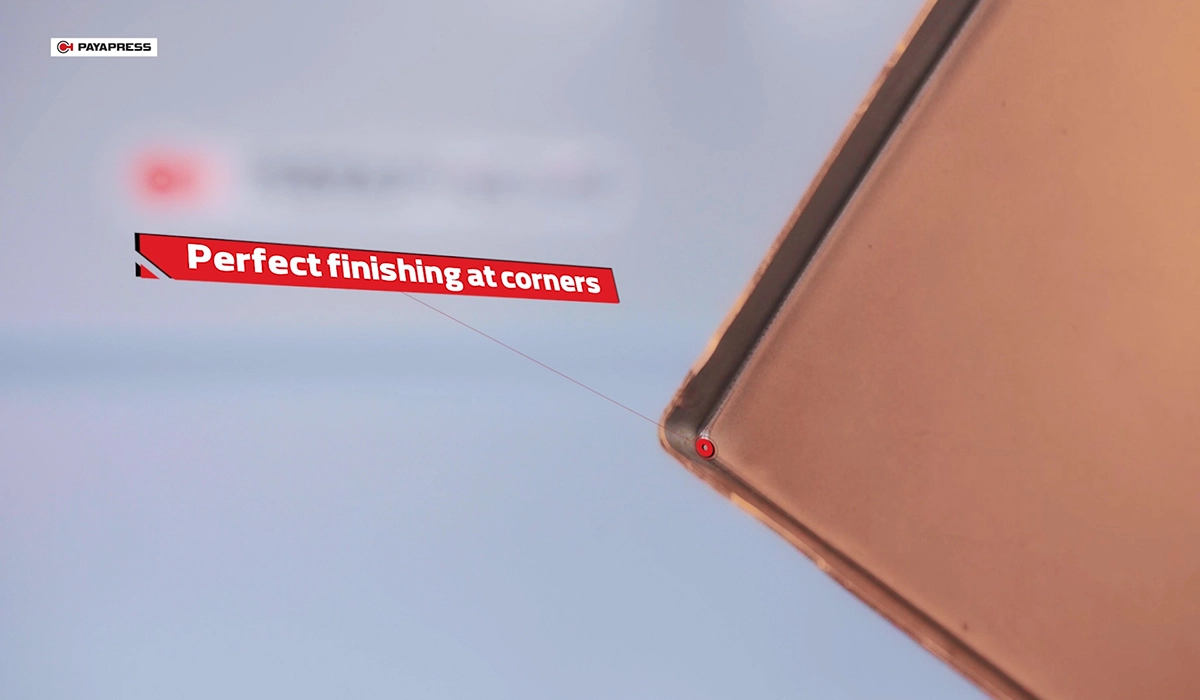
In a hazardous area, an enclosure rarely fails across a flat panel. It fails where the geometry changes, and that is the corner. A poor corner costs three things at once: lost gasket compression, a leak path for moisture and dust, and a certificate that no longer matches the box. This article follows one chain through explosion proof enclosure design โ€” corner geometry, sealing, ingress, ignition risk. The machine side of that chain gets almost no coverage, so it starts there.

Read More ยป
Sheet Metal Enclosure Design

Sheet Metal Enclosure Design: 8 Rules for Stronger, Cleaner Corners

Most enclosure faults do not start on the flat panel. They start at the corner. In electrical enclosure design, the corner is where two bends fight each other. It decides three things at once: whether the flange tears on the press brake, whether the gasket seals, and how much grinding the part needs afterwards. Good DFM removes all three risks before the flat pattern leaves CAD. This guide gives eight rules, with real numbers, that turn corners from a rework problem into a repeatable feature you can quote with confidence.

Read More ยป
Standard Server Rack

Standard Server Rack Dimensions: Width, Height, Depth and Hole Patterns

Three numbers cover most of it. The mounting width is 19 inches, or 482.6 mm. One rack unit is 1.75 inches, or 44.45 mm. Depth is whatever the manufacturer decided.

Standard server rack dimensions are usually presented as that short list and left there. This article goes two steps further: the hole pattern that actually makes equipment interchangeable, and how a rack rail gets made on a machine. Both decide whether the box fits.

Read More ยป
Electrical Panel Doors

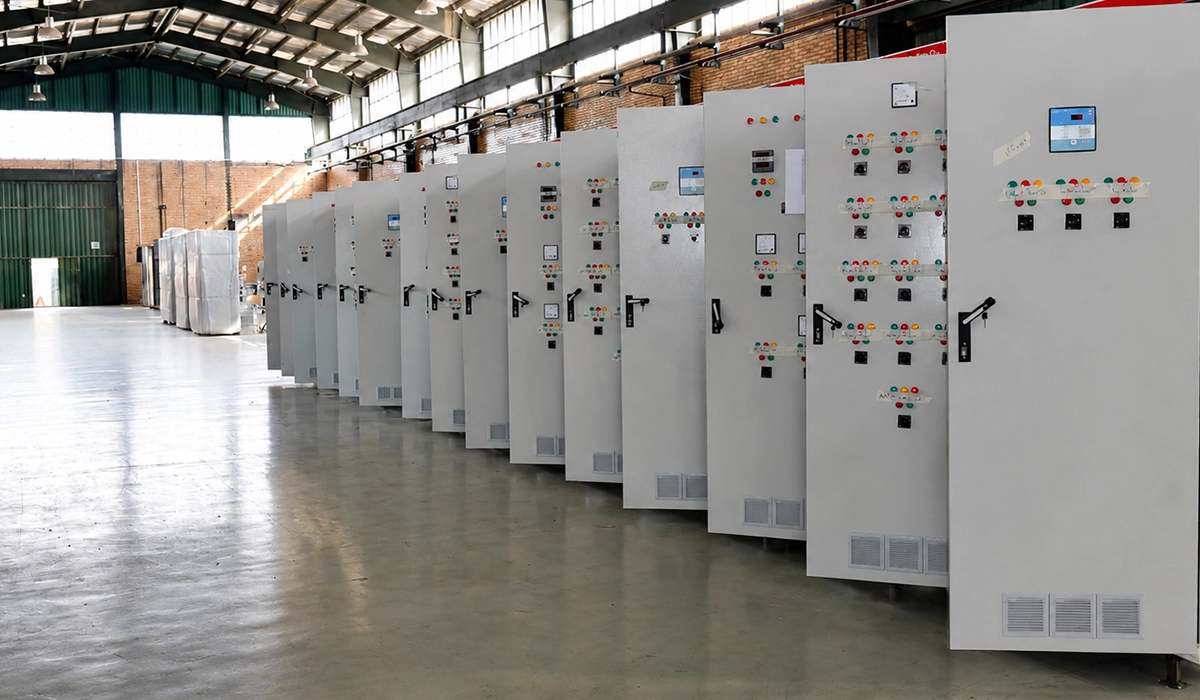
Electrical Panel Doors: How to Cut Your Cost per Door

You know what electrical enclosure door fabrication costs you per door. Do you know where the minutes go inside that number?

Most shops track the total and lose the detail. A door runs through eight or nine operations, and three of them usually account for most of the labor. This article breaks a door into cost lines, walks the route sheet step by step, and identifies the levers that actually move cost per door. Bring your own figures.

Read More ยป
sheet metals

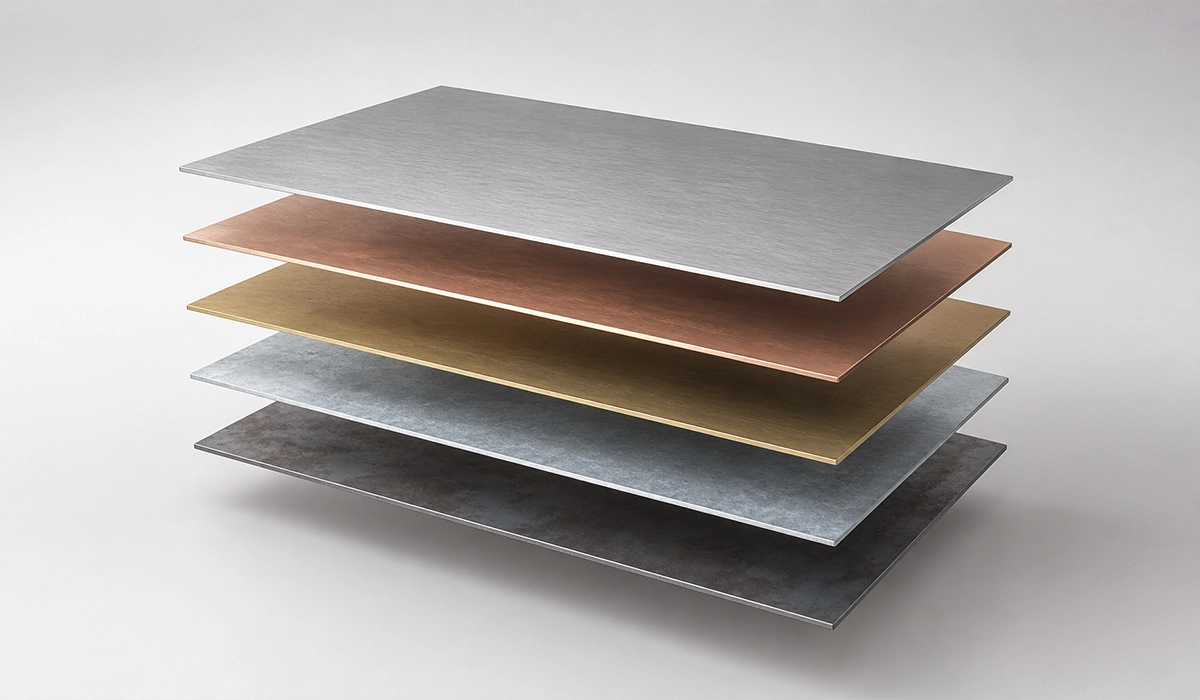
Which Sheet Metals Can Be Cold Formed?

Nearly all common sheet metals can be cold formed. Sheet metal cold formability is a question of degree: how tight a radius each one tolerates before the outer surface cracks.

So which sheet metals can be bent without cracking? All of them, at some radius. This article covers the four properties that decide the answer, then works through the common materials one by one. It ends with the test that settles any cold formed sheet metal argument on your own machine.

Read More ยป
Sheet Metal Bending

Sheet Metal Bend Radius Explained: How to Choose a Corner Radius (6โ€“30 mm)

Specify a radius that is too small and the metal cracks on the outside of the bend. Specify one that is too large and the flat pattern, flange dimensions, and assembly fit all drift out of tolerance. The sheet metal bend radius is the inner curve formed where a sheet is bent, and getting it wrong is expensive in both directions.

This guide covers the thickness rule that sets the minimum, material tables in metric, the four factors that move the real answer, springback and its effect on the flat pattern, and how to choose a visible corner radius sheet metal enclosures actually need โ€” from 6 to 30 mm.

Read More ยป
sheet Metal Fabrication Process

The Sheet Metal Fabrication Process, Step by Step

Sheet metal fabrication turns flat stock into finished parts through seven steps: design, material selection, cutting, bending and forming, joining, surface finishing, and quality control. Each step constrains the one after it, which is why the sheet metal fabrication process steps are worth understanding as a sequence rather than a menu.

This guide walks through each step with the machines that perform it and the mistakes that most often appear, written from the perspective of a machine manufacturer rather than a parts supplier. That difference matters, because most fabrication problems are equipment and setup problems rather than design problems.

Read More ยป
WhatsApp WhatsApp Support

Fill the Form to Contact Our Specialists Directly

"*" indicates required fields

This field is for validation purposes and should be left unchanged.