



Alternatively, an audio version of this article is available below for your convenience
“Best” is a manufacturing question, not a brand question
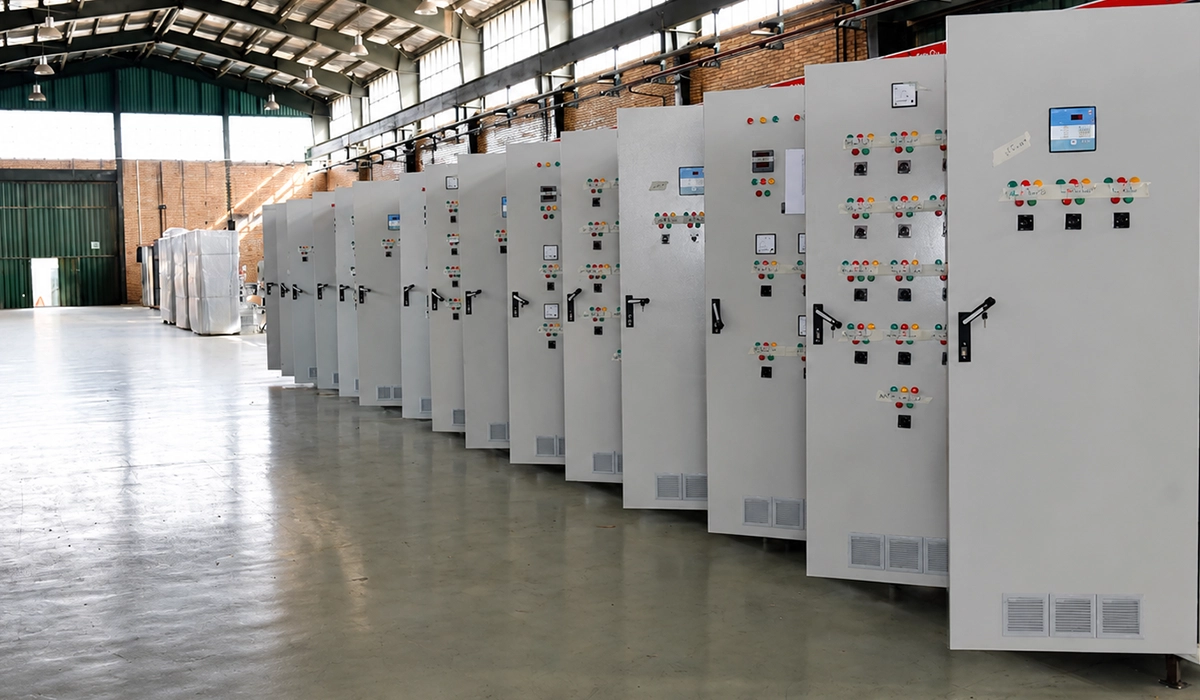
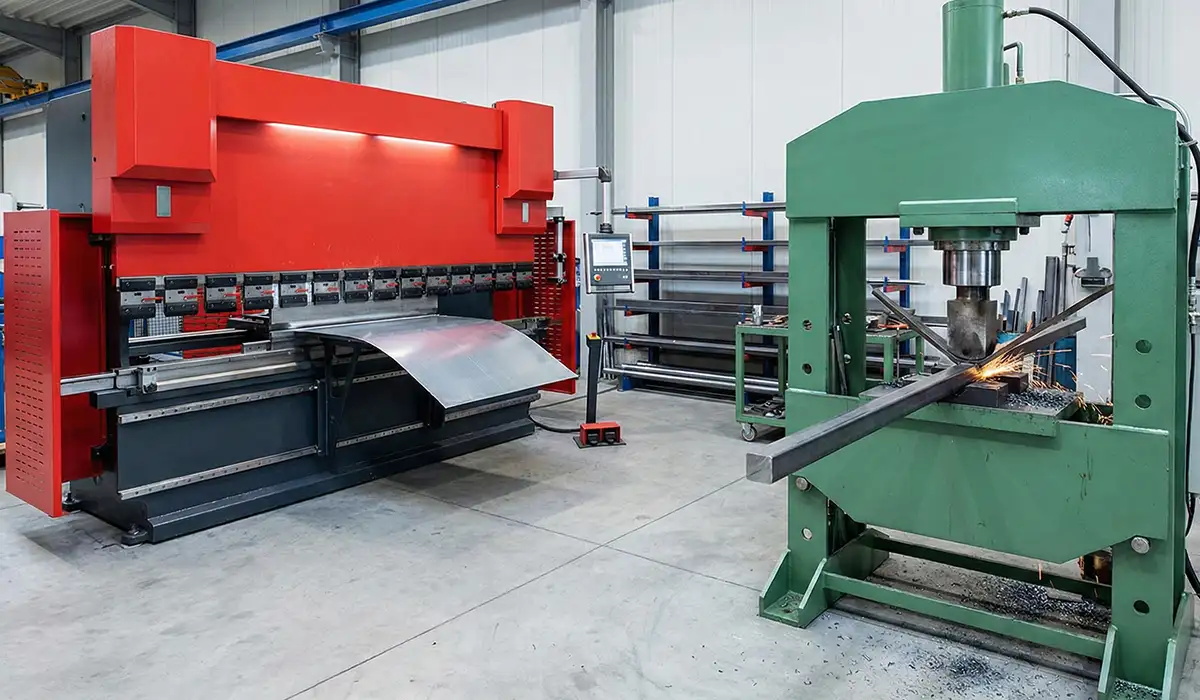
The market has real variety in it. There are established names with genuine strengths: global modular systems, deep NEMA catalogues, wide OEM ranges. Rittal, nVent, Hammond, Schneider Electric, Eaton and ABB all appear on any list of the sector’s larger players. Alongside them sit thousands of regional fabricators building to drawing. Much of what separates these manufacturers comes down to core sheet metal capability, which our guide to metal bending machines covers from the fabrication side.
Neither group is automatically the right answer. The best manufacturer of metal enclosures is not always the largest, and the useful comparison is product range, materials, protection ratings, certification support and customization ability — not brand recognition. A sheet metal enclosure built to drawing by a regional shop can outperform a catalogue unit.
The market is also scaling. Mordor Intelligence values the US electrical enclosures market at USD 5.59 billion in 2026, projected to reach USD 7.35 billion by 2031. Data centre power densities are among the drivers pushing designers toward higher-value cabinets. Global forecasts from other firms run roughly double that figure by the same year.
Which means the list of electrical enclosure manufacturers will keep changing while the physical criteria will not. So judge the object, not the logo.
Judging the object rather than the logo starts with understanding what actually happens on the shop floor. Our overview of the sheet metal fabrication process covers those steps in order.
Seven things that separate a good enclosure
Each of the seven below is a physical attribute, and each traces to one operation on a production line.
For a clearer and more complete explanation, this page goes into far more depth than we can cover in a short text.
1. The corner
The corner is where an enclosure’s rating is won or lost, and it is the detail nobody inspects.
The traditional corner is a five-step route: cutting, bending, welding, grinding and polishing. Three of those depend on an individual’s hand, so no two corners are truly identical.
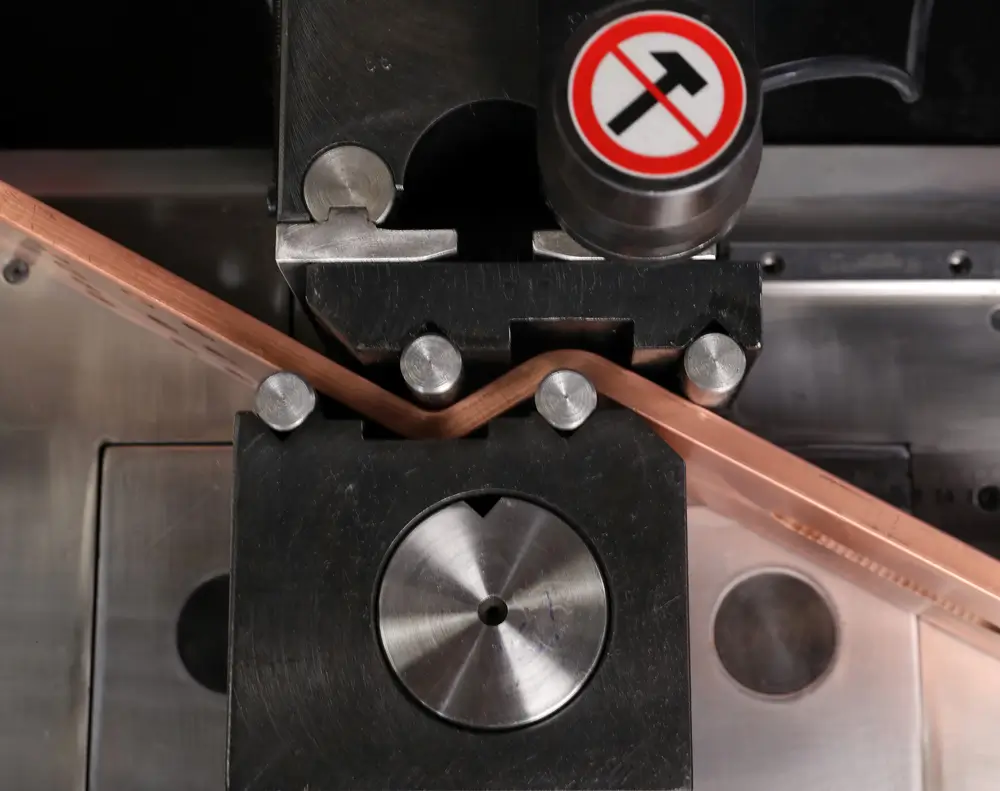
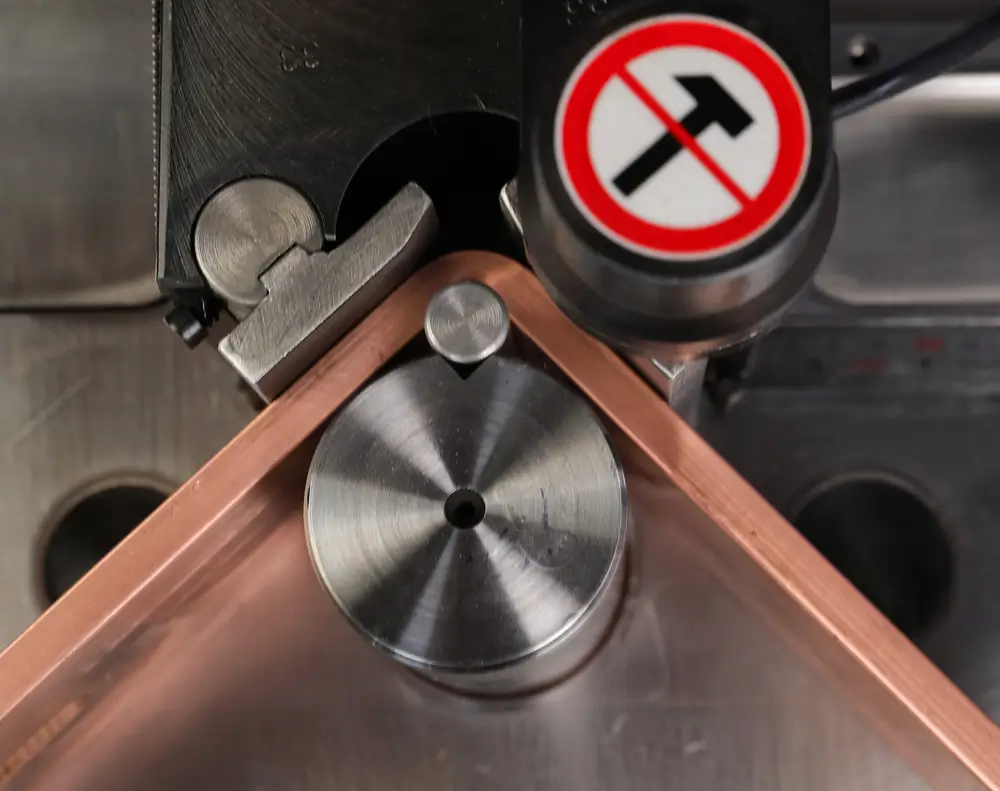
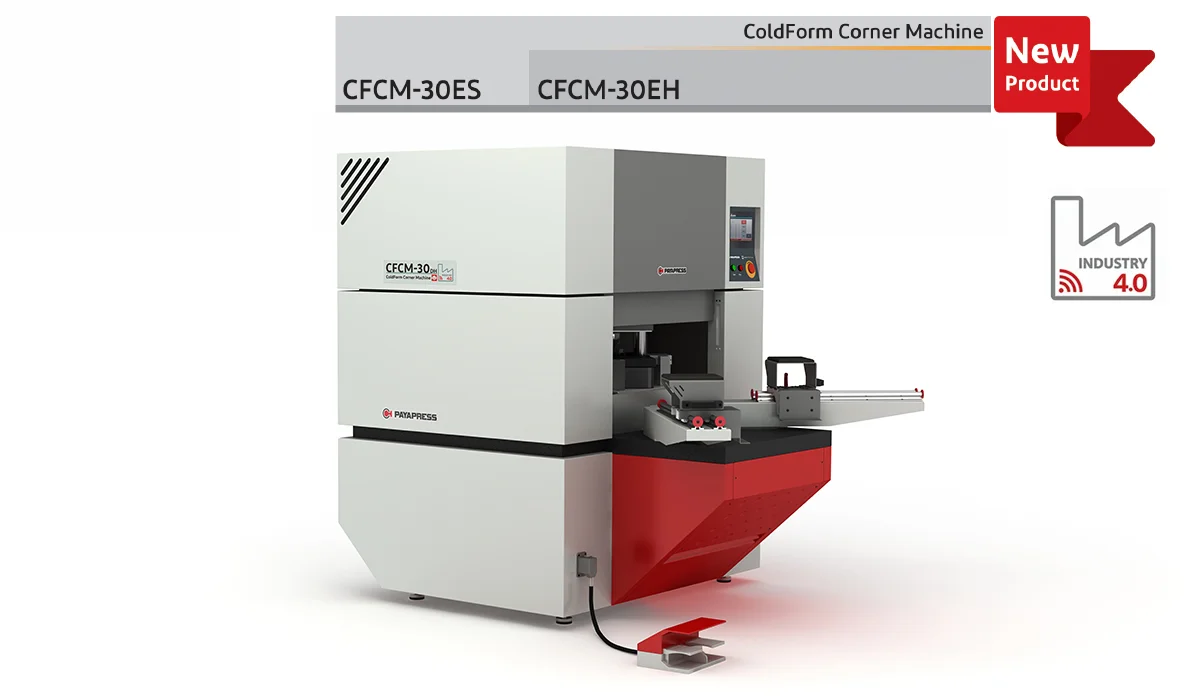
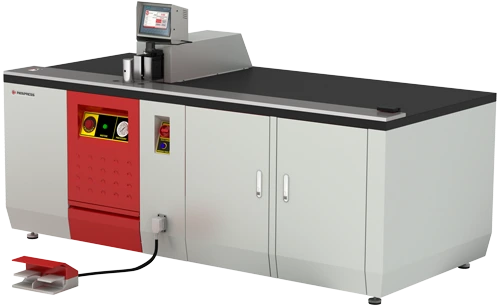
A cold-formed corner closes from the parent material under pressure. No bead, no grinding, no polishing. Beyond the labour saving, an IP seal follows corner geometry — if the corner varies across a batch, the rating was proven on a sample rather than on the delivery. A corner forming machine makes that geometry a setting.
One further benefit is easy to miss: on zinc-coated mild steel, a cold-formed corner needs no manual zinc coating in the corner area at all.
2. The coating
A durable finish starts before the powder. Degreasing, pickling and phosphating come ahead of the electrostatic spray line, and skipping pretreatment is the single most common cause of early corrosion.
Two traps rarely appear in a purchase specification. Heavy texture hides minor surface variation but interferes with labels, mating surfaces and batch-to-batch visual matching. Excessive coating thickness reduces fit at hinges, rails and captive hardware.
Pin down six things: powder type and approved supplier, colour, gloss, texture, dry-film thickness range, adhesion and cure verification, and the cosmetic inspection standard.
On stainless, a cold-formed corner shows no colour change on the surface, so there is nothing to blend out before coating begins. That is one less variable in the finish.
3. The gauge — and where it goes
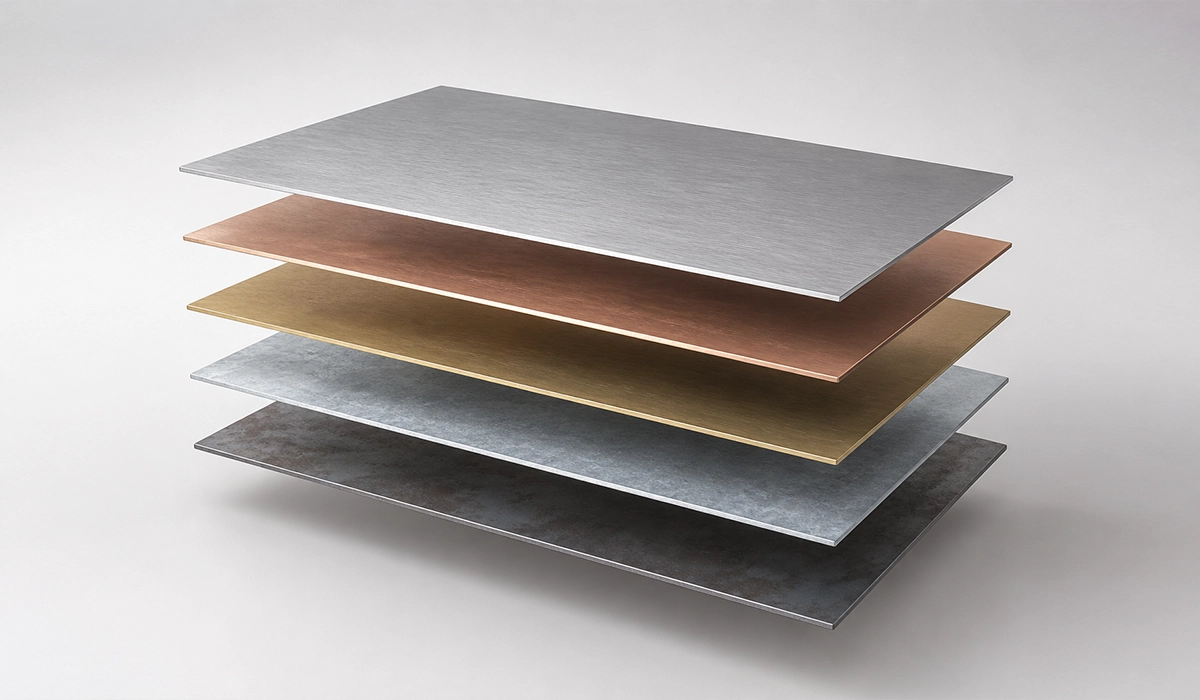
Cold-rolled steel with controlled pretreatment and powder coat is standard for visible frames and panels. Galvanized sheet earns its place where cut-edge protection, hidden corrosion resistance or unpainted internal parts matter.
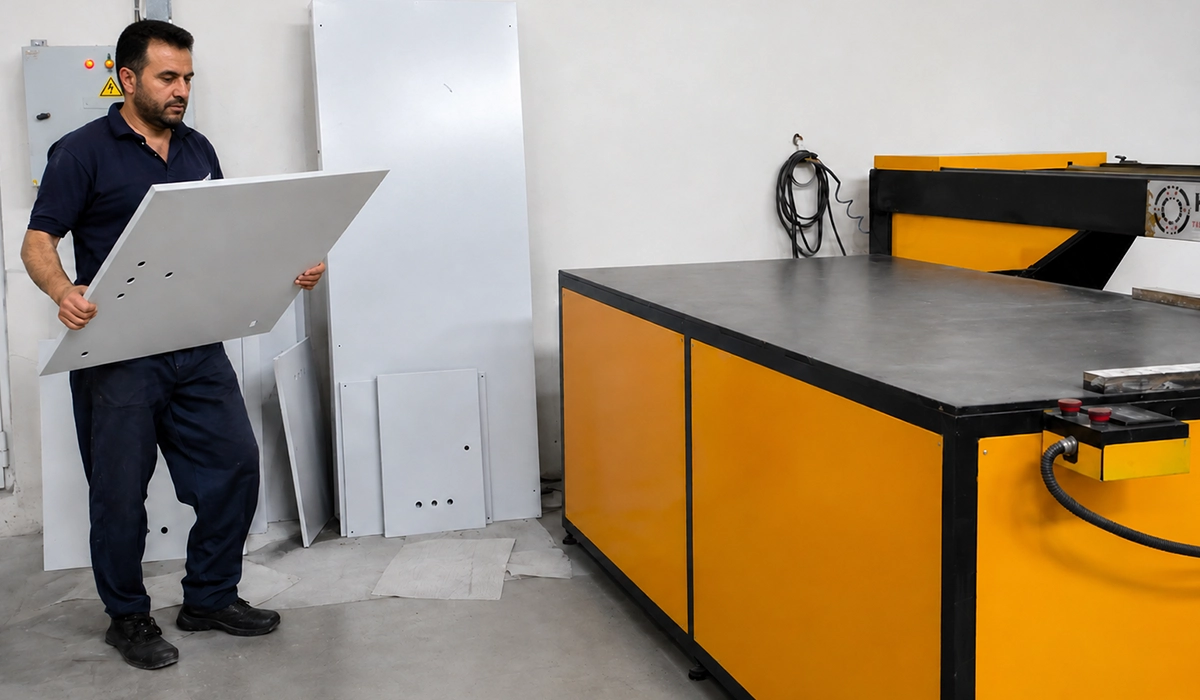
The mistake worth naming is copying a competitor’s gauge. A heavily perforated 1.5 mm door can be less rigid than an unperforated 1.0 mm panel. Thickness has to follow unsupported span, bend geometry, hole pattern and steel grade rather than the catalogue.
There is a practical version of this for a buyer. Ask which panel carries the load, then ask why that gauge was chosen. A supplier who cannot answer specified by habit, and habit is not an engineering position. The right gauge is different in different places on the same cabinet.
If this topic is completely new to you, this beginner-friendly guide is a good place to start.
4. The grounding path
This is where enclosures quietly fail inspection.
A bolted painted joint is not conductive just because the fastener is metal. Powder coat is an insulator, and it does not know which joints were meant to carry fault current.
A properly built enclosure has masked pads at frame joints, ground studs or self-clinching grounding hardware, and conductive washers where approved. Add bonding straps on doors, and a continuity measurement taken on the assembled unit rather than on individual parts.
Here is the point worth carrying away. Grounding is decided at the coating station, months before anyone plugs anything in. Masking is a production decision that has electrical consequences, and the two departments rarely talk.
5. The hardware
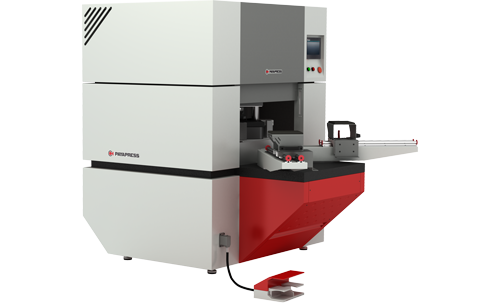
Self-clinching nuts, studs and standoffs displace sheet material into a knurled ring under a parallel squeezing force, leaving permanent threads flush with the panel. The published installation limits are not optional guidance.
The sequence matters. Hardware goes in after forming and before finishing, so the coating covers and protects the installation area.
Four rules get broken routinely. Never install on a painted or powder-coated face. Never deburr the mounting hole first, because deburring removes the metal the fastener needs to clinch into. Never over-squeeze. And respect the minimum edge distance.
A fastener installed in sheet that is too hard, too thin or too close to an edge will not hold, regardless of who made the enclosure.
6. The ventilation
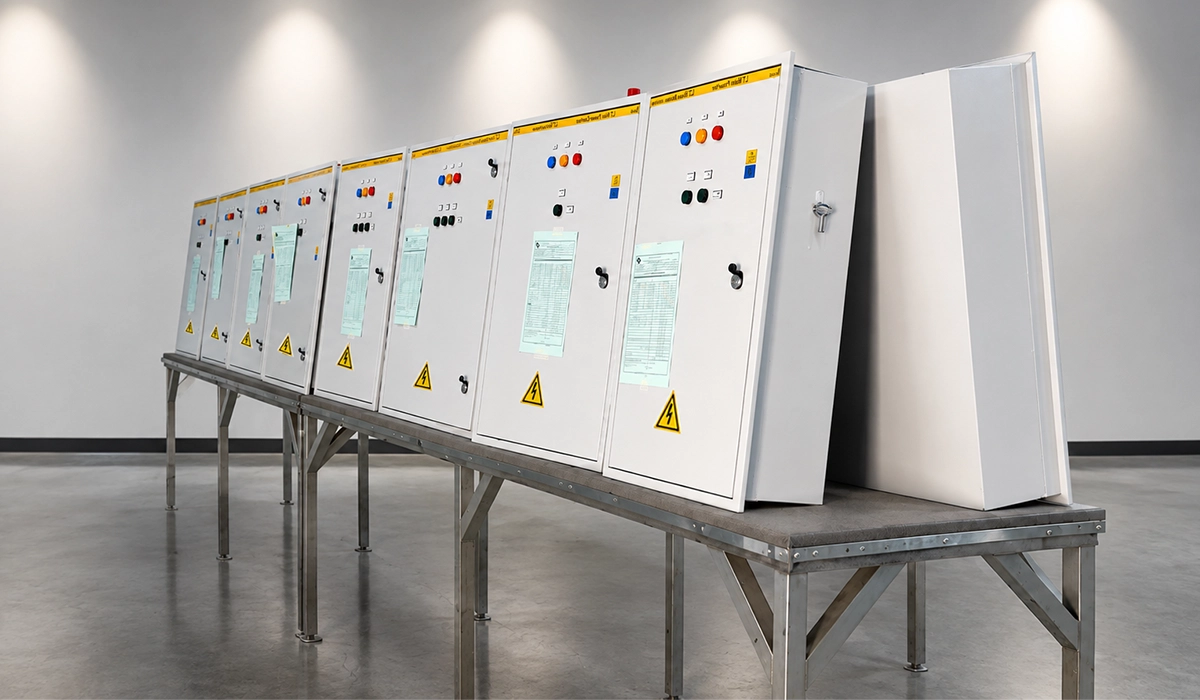
Open area is an engineering figure derived from the heat load, not a styling choice.
The fabrication trade-off is direct: more perforation means more airflow and less rigidity. Door gauge and perforation pattern therefore have to be decided together, not in sequence.
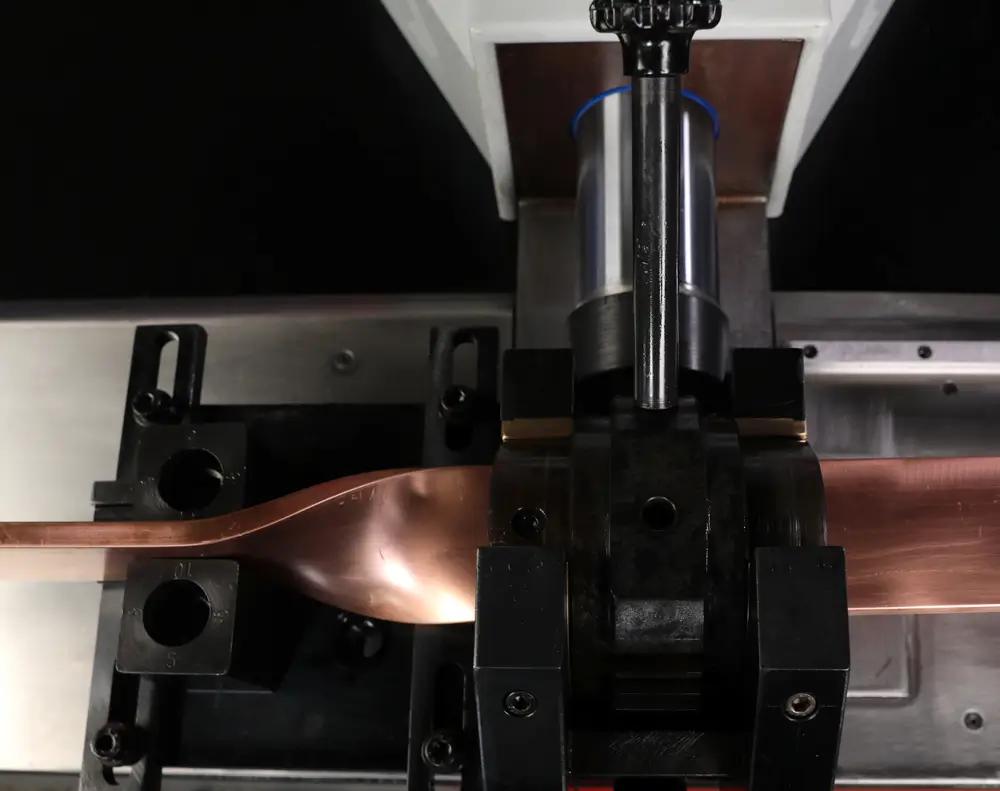
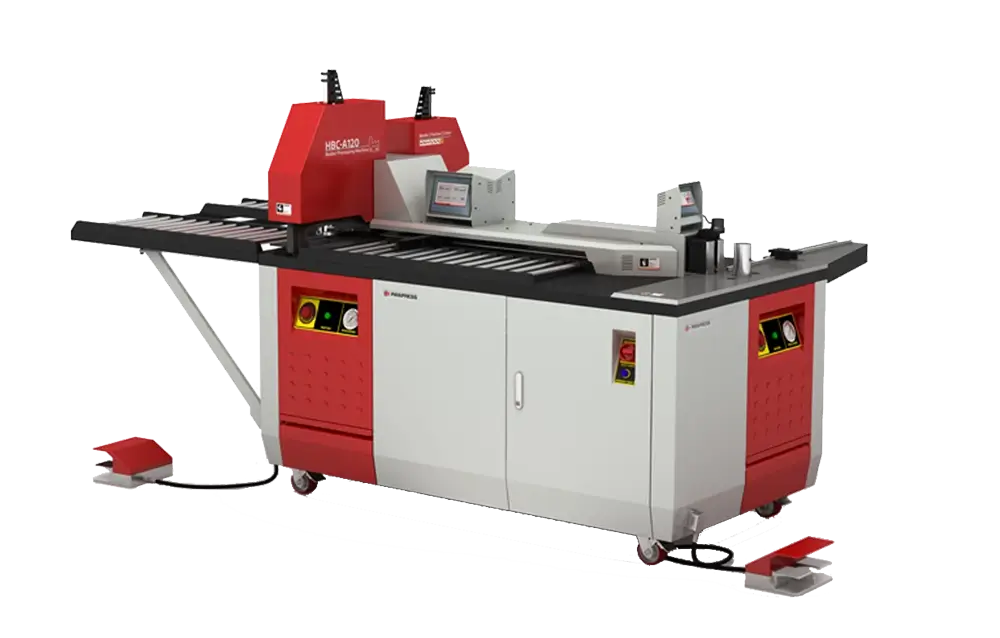
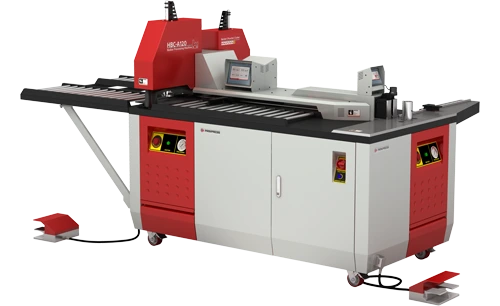
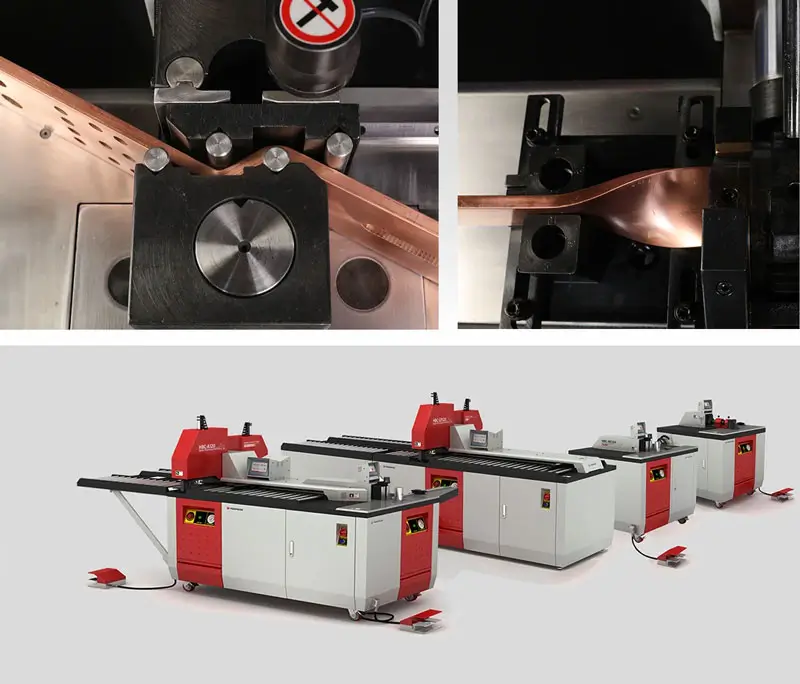
Embossed louvers are the alternative where a sealed rating and airflow are both required. Formed cold on a sheet metal punching machine, so there is no burning, no discolouration and no surface deformation on the panel.
The buyer’s question is short. Ask for the open area percentage and the heat load it was calculated against. If only one of those exists, the other was assumed — and an assumed thermal load is not a design.
7. The batch, not the sample
This is the attribute that actually separates suppliers.
Every enclosure company can produce one excellent unit for a customer visit. The question is whether unit 1 and unit 800 measure the same.
Variation enters through every operation that depends on an operator’s feel rather than a machine setting: manual welding, hand grinding, hand finishing, manual angle adjustment. What removes it is machine-set operations with repeatable compensation, so the geometry becomes a setting rather than a skill. The same logic drives server rack fabrication at volume.
The test is simple, and nobody minds being asked. Measure three units from the middle of a completed production run, rather than the sample on the display stand.
Reading the rating honestly
Reference: Ingress protection (IP) ratings — IEC — The IEC 60529 basis for the two-digit IP code covering solids and water ingress.
Two systems describe protection, and they do not map cleanly onto each other.
IEC 60529 defines the IP rating: first digit for solids, second for water. Commercial enclosures commonly span IP63 to IP68 depending on application.
NEMA 250 covers similar ground but adds environmental conditions IP does not, including corrosion, icing and oil. A NEMA enclosure type cannot be mechanically converted to an IP number in both directions — the translation only works one way, and even then with caveats.
Around those two sit the assembly standards. IEC 62208 covers empty enclosures for low-voltage switchgear assemblies, IEC 61439 applies once the assembly is populated, and UL 50 and UL 50E apply in North America.
Certification support is itself a supplier criterion. Confirm which of UL, CUL, TUV, CE, UKCA, RoHS and similar marks a supplier can actually document for your target market, rather than which ones appear on the website.
One caution closes this section. Any rating on an IP rated enclosure certifies a tested sample under defined conditions. It says nothing about the consistency of the units that follow it.
Because the situation can change over time, we suggest checking the latest published information before you make a decision.
Getting these ratings right in practice starts with sound enclosure design decisions long before certification testing. Our guide to sheet metal enclosure design covers that groundwork.
How to audit a supplier in one visit
Seven questions, answerable in a single walk through the building. Take them in this order.
| What to ask | What the answer tells you |
|---|---|
| Show me the corner operation | Welded or formed reveals labour exposure and batch consistency in one look |
| What happens between forming and coating? | If hardware goes in after coating, walk away |
| Which pads are masked before powder? | If nobody knows, grounding is being handled by hope |
| Name the pretreatment sequence | Degrease, pickle, phosphate — or a shrug |
| Can I measure three units from mid-run? | Reluctance here is the answer |
| How is a late change handled on a coated panel? | Tells you whether change orders become scrap |
| Which certifications do you hold vs. obtain? | Separates documented capability from intention |
Conclusion about Best Metal Enclosures
None of the seven attributes above requires a laboratory. Corner method, pretreatment sequence, masking plan, hardware sequence, gauge reasoning, open area calculation and mid-run measurement are all visible on a factory walk.
That is the honest answer to the question. Not a brand, but a set of production decisions you can ask to see. Custom metal enclosures live or die on the same seven questions as catalogue ones.
These same production questions apply directly to rack-based equipment built at volume. Our guide to server rack manufacturing covers that process.



Rate this article
Choose a rating from 1 to 5 stars.
No ratings yet