



Employee Burnout in Manufacturing: What the Shop Floor Can Actually Fix
Most burnout advice is written for offices. It talks about email, meetings and screen time. None of that describes a panel shop at 2 p.m. on a Thursday, with one machine down, a delivery due Friday, and two operators covering three stations. Employee burnout in manufacturing has different roots, so it needs different fixes.
This article looks at burnout as an engineering and maintenance problem, not only a human resources problem. The claim is simple: plants that remove unplanned stops, cut repetitive manual work and spread machine knowledge across the team see the clearest results. Gallup found that burned-out employees are 2.6 times more likely to look for another job and 63% more likely to take a sick day. In a sector that may leave 1.9 million jobs unfilled by 2033, losing trained operators is expensive in a way that no wellness app can repair.
What Burnout Actually Means on a Factory Floor
The World Health Organization defines burn-out in ICD-11 as a syndrome caused by chronic workplace stress that was not managed successfully. It has three dimensions: energy depletion, mental distance from the job, and reduced professional effectiveness. It is classed as an occupational phenomenon, not a medical condition. That distinction matters. It puts the cause in the work, not in the worker.
On a shop floor, those three dimensions look very ordinary. Energy depletion is the operator who arrives already tired because last week ran on six hours of overtime. Mental distance is the technician who stops reporting small faults, because nothing happens when he does. Reduced effectiveness shows up as scrap, rework and slow setups.
The physical layer is measurable. In 2023-2024, the private sector in the United States recorded 937,620 musculoskeletal disorder cases, including 484,620 with days away from work. Manufacturing carries a large share of them. Every one of those cases moves work onto somebody else, which is how physical strain turns into team-wide exhaustion.
How the Work Environment Contributes to Burnout
A supportive environment with clear roles, fair workloads and safe, predictable processes reduces chronic stressors. The word that does the real work in that sentence is predictable. People cope well with hard work. They cope badly with work that cannot be planned.
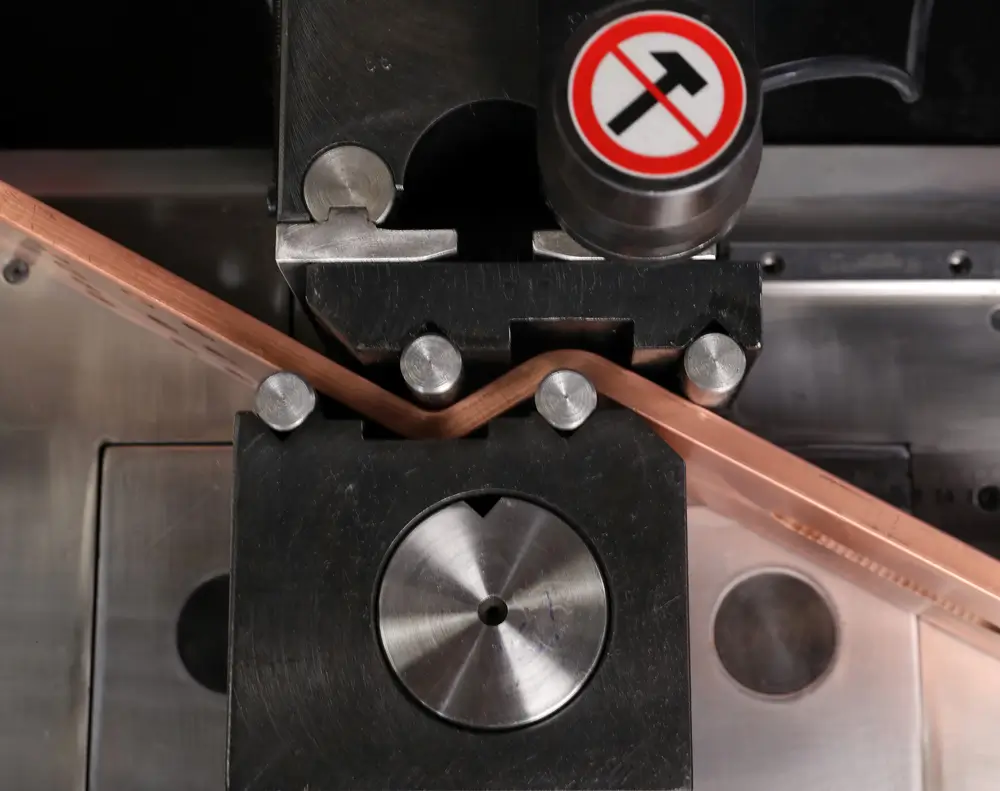
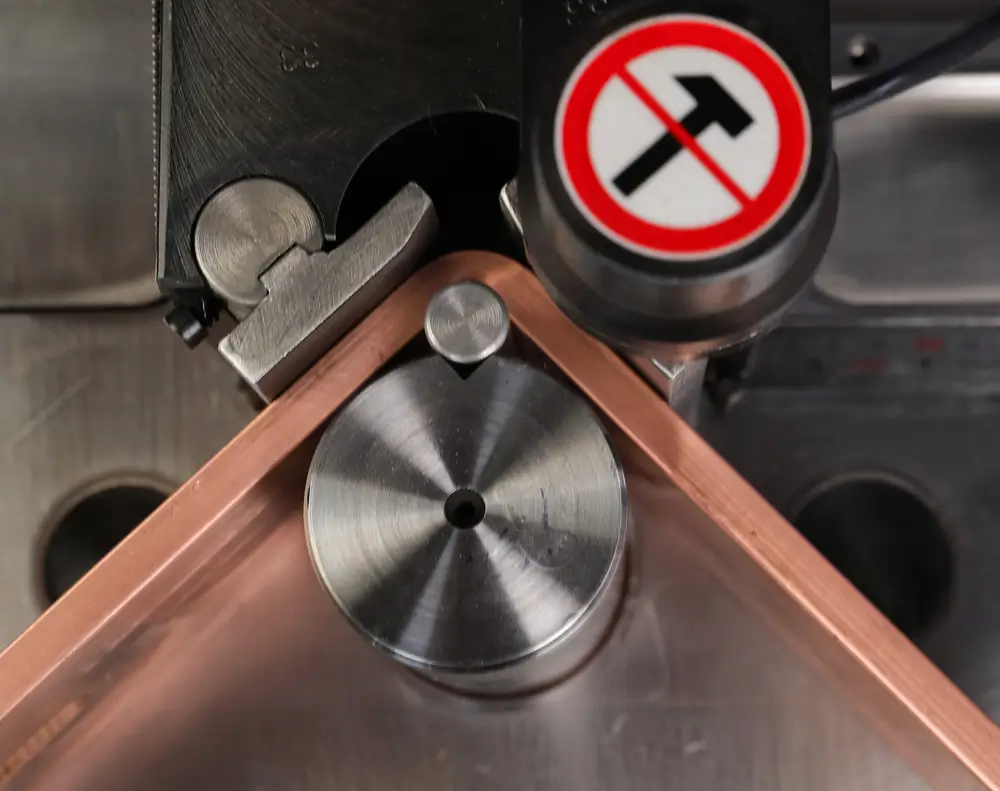
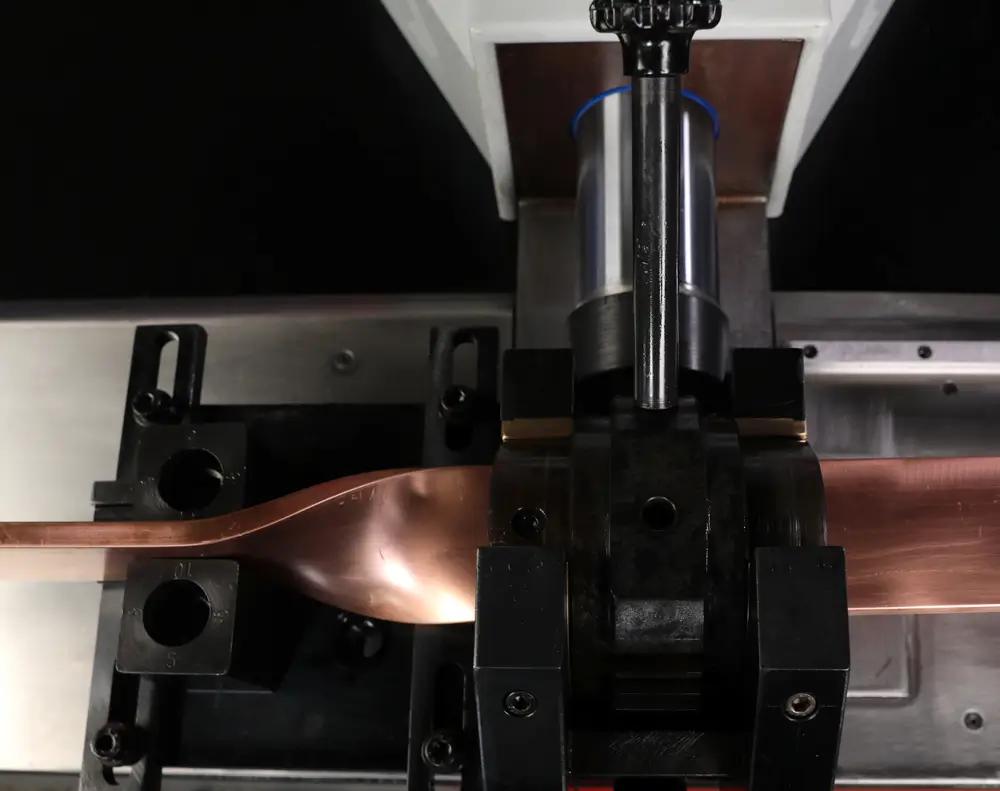
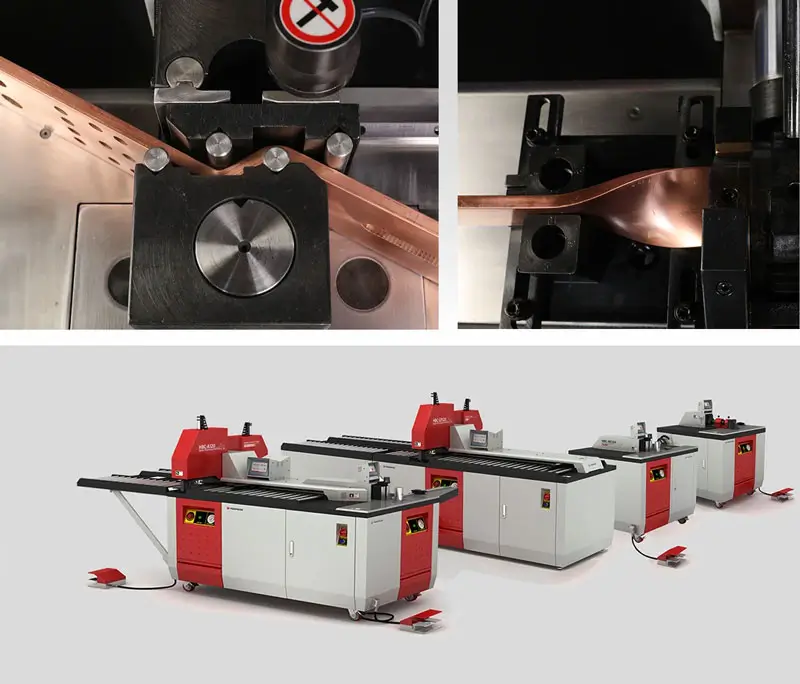
This is especially applicable in industries that depend heavily on specialized machinery, such as those that utilize busbar bending machine. In busbar work, the machine sets the rhythm of the whole shop. If a bender needs three trial pieces before the first good bend, the operator absorbs that variance every single time the profile changes. Over a month of mixed orders, that is hours of unpaid mental load and wasted copper.
Reliable, high-performing equipment gives back a sense of control. Control is the factor that most burnout research puts at the centre. When an operator can predict cycle time, plan the shift and finish on time, the same workload feels manageable. When he cannot, the same workload feels endless.
Do Better Tools Reduce Job Burnout?
Better tools do not fix bad management. But unreliable tools guarantee stress, whatever the management is like. The efficiency and reliability of equipment shapes both productivity and stress levels, because both depend on how often the plan survives contact with the shift.
The financial side is well documented. The Siemens True Cost of Downtime 2024 study found that unplanned downtime costs the world’s 500 largest companies around $1.4 trillion a year, or 11% of revenue, up from 8% in 2019. ABB’s Value of Reliability survey of more than 3,200 maintenance leaders put the cross-sector median cost near $125,000 per hour. Smaller shops sit far below those figures, but the pattern is the same: the stop itself is cheap, and the recovery is expensive.
Recovery is also where the human cost sits. A sheet metal punching machine that is well maintained and running properly removes that recovery load. It shortens setups, cuts rework and reduces the catch-up overtime that follows every breakdown. That is the real mechanism. The machine does not make anyone happier. It removes the reason they were unhappy.
Where CNC Changes the Operator’s Day
Precision is a wellbeing feature, even though nobody sells it that way. Every part that comes out inside tolerance is a part nobody has to argue about, remake, or explain to a customer.
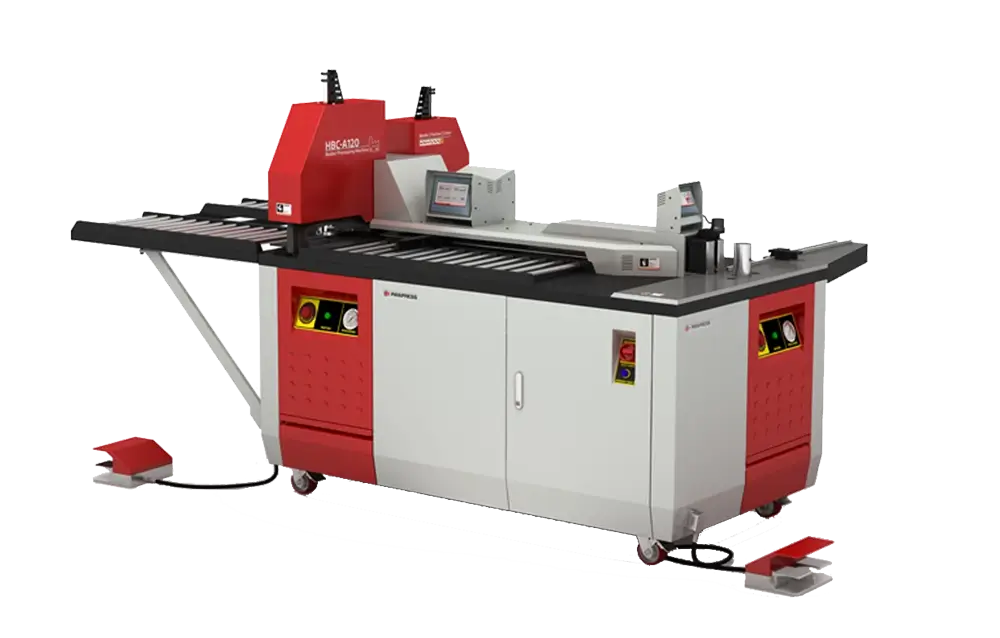
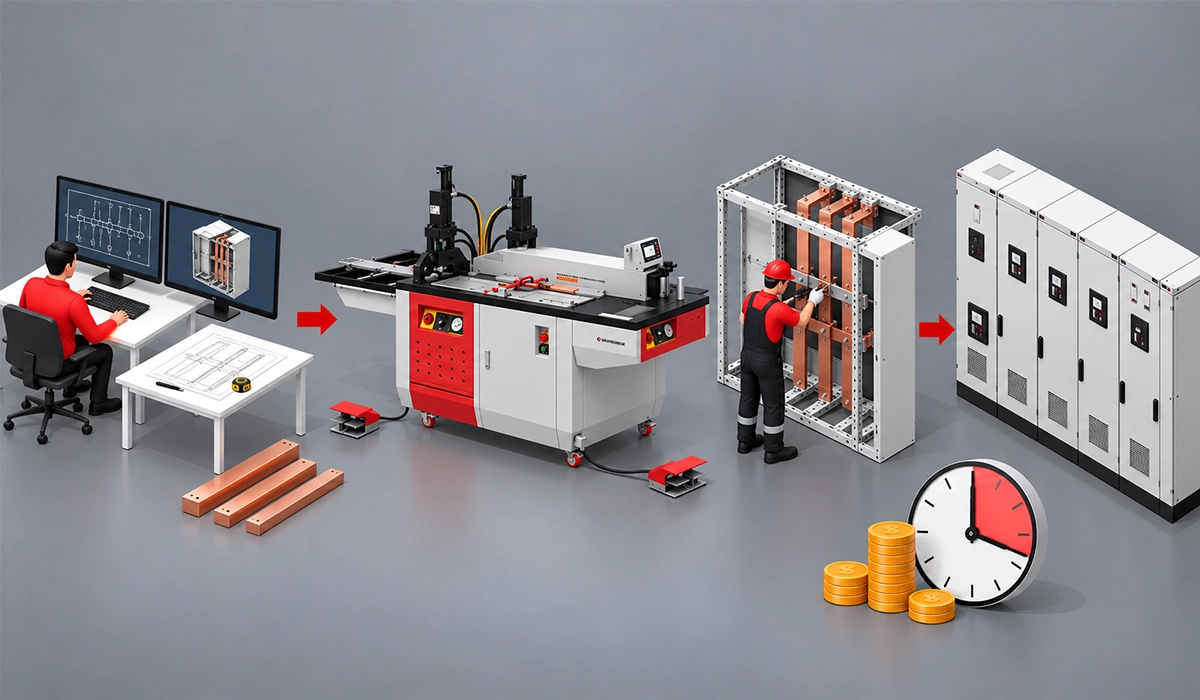
To get these benefits, companies need equipment that is genuinely usable, not only capable on paper. CNC Busbar machines, built for precision and speed, remove a large share of manual measuring, marking and correction. The gains show up in three places:
- Repeatability. Fixed programs reduce rework and the overtime that rework creates.
- Interface quality. A clear HMI with error-proofing lets a newer operator work with confidence instead of guessing.
- Stable cycles. Predictable throughput makes planning honest, so promises to customers stop turning into pressure on the floor.
One honest caveat: CNC moves stress, it does not delete it. Manual strain drops, but dependence on programming skill rises. If one person writes every program, that person becomes a bottleneck and, eventually, the most burned-out person in the building. Plan the training before the machine arrives.
The Failure Modes That Actually Burn Operators Out
Most burnout in fabrication traces back to a purchasing or maintenance decision made months earlier. These are the ones we see most often on site.
- Buying on nameplate capacity alone. A machine rated for 12 mm copper at 20 °C behaves differently in a 45 °C summer shop with hot hydraulic oil. Operators then work around the machine instead of with it.
- Ignoring setup time. Two shops can have identical cycle times and completely different days. In high-mix work, tool change time matters more than raw speed.
- No spare parts on the shelf. A three-week wait for a seal or a proximity switch turns one fault into a month of improvisation and overtime.
- Single-operator dependency. When only one person can run the line, that person cannot take leave without guilt. This is one of the fastest routes to resignation.
- Weak guarding and poor working height. Awkward posture and repeated lifting produce the musculoskeletal injuries described above, and each absence loads the remaining team.
- Compliance shortcuts. Missing interlocks, unclear emergency stop categories and no lock-out procedure create a quiet, constant anxiety that people rarely report but always feel.
Each one has the same root cause: a decision that optimised for purchase price instead of shift reality. Each one also has the same fix, which is to specify against the real duty cycle, the real ambient conditions and the real product mix.
Maintenance and Training: Preventing Downtime Stress
Preventive maintenance is the cheapest wellbeing programme most plants never budget for. Reactive maintenance produces surprises, and surprises produce overtime, blame and fatigue. Planned maintenance produces interruptions that people can schedule around.
The direction of travel supports this. The same Siemens research found that large manufacturers now average around 25 downtime incidents per month, down from 42 in 2019, and about 27 lost hours per month, down from 39. Plants that improved did so through planning and monitoring, not through working harder.
A practical programme needs four things:
- Follow OEM service intervals with written checklists, and record who signed off each one.
- Keep critical spares in stock, and log mean time between failures and mean time to repair so the list stays honest.
- Train operators for daily inspection and simple corrections, so small faults get caught early.
- Cross-train at least two people per machine. This removes the bottleneck and lets people take real holidays.
Training also protects retention. Deloitte and The Manufacturing Institute found that 65% of manufacturers name attracting and keeping talent as their main business challenge. Skills investment is one of the few interventions that improves both output and the reason people stay.
Manual, Semi-Automatic or CNC? A Decision Matrix
There is no universal answer. There are clear thresholds. Use the table below as a starting point, then check it against your own product mix.
| Factor | Manual tools | Semi-automatic machine | CNC line |
|---|---|---|---|
| Best fit (volume) | Under ~200 bars per month, low mix | 200-1,000 bars per month | Over ~1,000 bars per month, or high mix |
| Setup per profile change | Long, and depends on the person | Moderate, tool-dependent | Short, program recall |
| Operator skill needed | High craft skill | Moderate, quickly trained | Programming plus basic operation |
| Physical load | High; main MSD risk | Medium, mostly handling | Low |
| Main burnout risk | Fatigue, injury, rework | Setup pressure on mixed orders | Dependence on one programmer |
| Choose it when | Volume is low and irregular | Volume is steady but the mix is narrow | Mix is wide, or delivery dates are tight |
Before you sign anything, ask the supplier three questions. What is the tool change time for our actual profile range? What spares should sit on our shelf from day one? How many of our people will you train, and for how long? The answers predict your next two years better than the cycle time on the datasheet.
Key Takeaways
Employee burnout in manufacturing is not a soft topic. It is a measurable outcome of workload, control and predictability, and equipment decisions influence all three. Reliable machines, planned maintenance and cross-trained teams remove the chaos that wears people down. Wellness perks do not.
Two decisions follow from this article. First, specify equipment against your real duty cycle, ambient conditions and product mix, not against purchase price. Second, budget maintenance and training as retention costs, because that is what they are. A stable, rested workforce is not a side benefit of a well-run plant. It is the thing that keeps the plant well run.

Rate this article
Choose a rating from 1 to 5 stars.
No ratings yet