What Is Job Burnout?
Job burnout — a state of emotional, mental, and physical exhaustion caused by chronic workplace stress — is a rising concern in today’s fast-paced working environment. Various factors contribute to this burnout, where the work environment and the quality of tools used are significant contributors.
How the Work Environment Contributes to Burnout
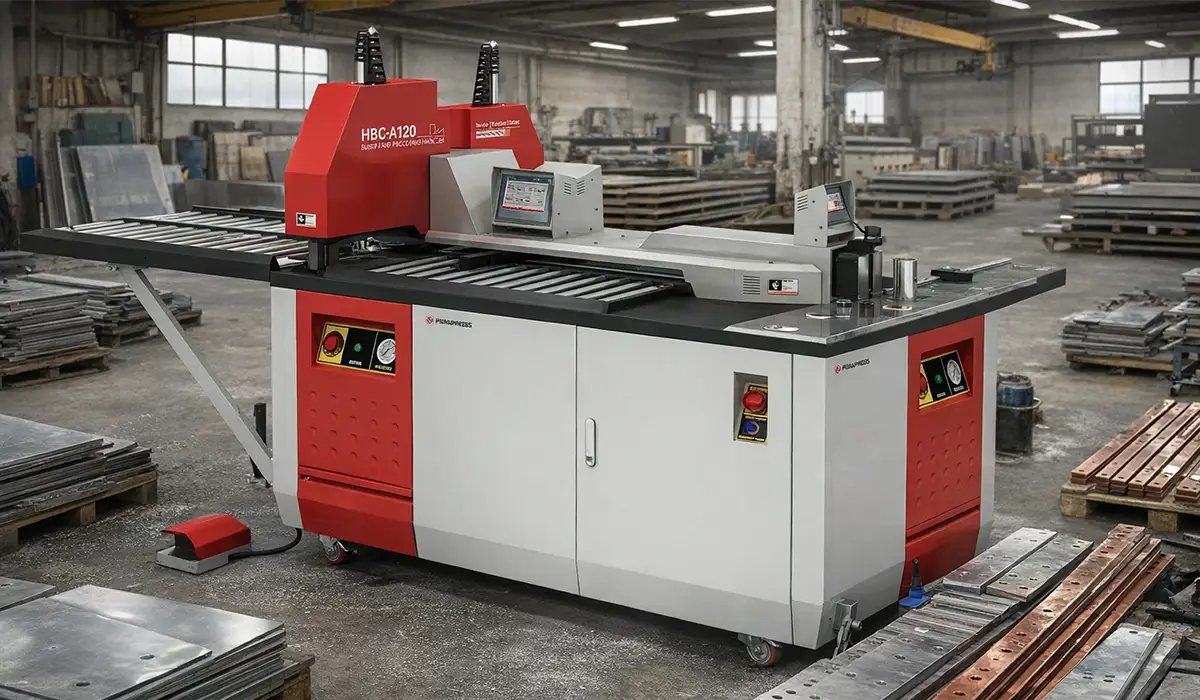
A supportive environment with clear roles, fair workloads, and safe, predictable processes helps reduce chronic stressors. This is especially applicable in industries that depend heavily on specialized machinery, such as those that utilize
busbar bending machine.
Reliable high-performing equipment fosters a sense of security and predictability in the workplace, reducing stress levels and enhancing overall job satisfaction.
Do Better Tools Reduce Job Burnout?
The efficiency and reliability of tools can greatly impact productivity and employee stress levels. A
sheet metal punching machine
that is well-maintained and functions efficiently can streamline operations, reduce work hours, and indirectly decrease the risk of job burnout.
However, to harness these benefits, it is essential for companies to invest in user-friendly, reliable equipment.
CNC punching & cutting machines,
designed for precision and speed, can significantly reduce inefficiencies and minimize the likelihood of human error, thereby lowering the risk of job burnout.
CNC, Precision, and Lower Stress: Key Advantages
- Higher precision and repeatability reduce rework and overtime.
- Intuitive HMIs and error-proofing improve operator confidence and control.
- Stable throughput and predictable cycles lower day-to-day uncertainty.
Maintenance and Training: Preventing Downtime Stress
In addition, regular maintenance of the equipment is vital. Proper upkeep ensures that these machines run smoothly, minimizing unexpected disruptions and the resultant stress for employees.
- Adopt preventive maintenance with OEM intervals and checklists.
- Keep critical spares on hand; log MTBF and repair times.
- Train and cross-train operators for daily inspections and quick fixes.
Key Takeaways
The relationship between job burnout, the work environment, and the tools used is evident. As manufacturers strive to develop more efficient and user-friendly equipment, businesses must invest in these technologies, maintain them properly, and train their workforce to use them effectively. This not only fosters a supportive work environment that boosts productivity but also helps mitigate the risk of job burnout.
In summary, the right tools, coupled with a conducive work environment, can be instrumental in combating job burnout. The key lies in proper usage and regular maintenance. After all, a happy, stress-free workforce is the backbone of a successful business.
Frequently Asked Questions
How does a healthy work environment reduce job burnout?
A healthy work environment improves control, clarity, and support. Clear roles, fair workloads, safe stations, and responsive supervisors cut chronic stressors that drive emotional and physical exhaustion.
Do better tools and machines really lower burnout in manufacturing?
Yes. Reliable, user-friendly equipment—such as well-maintained sheet metal punching machines—reduces errors, rework, and overtime while boosting predictability and morale, indirectly decreasing the risk of job burnout.
Which equipment features help reduce stress on operators?
Look for intuitive HMI, safety interlocks, low setup time, auto-calibration, error-proofing, remote diagnostics, and easy maintenance access. On CNC punching & cutting machines, prioritize precision and stable throughput.
What maintenance and training practices prevent stress from machine downtime?
Use a preventive plan (OEM intervals, checklists, spares on hand), log MTBF and repair times, and train operators for daily inspections and quick fixes. Cross-train teams to avoid bottlenecks and overtime during breakdowns.