


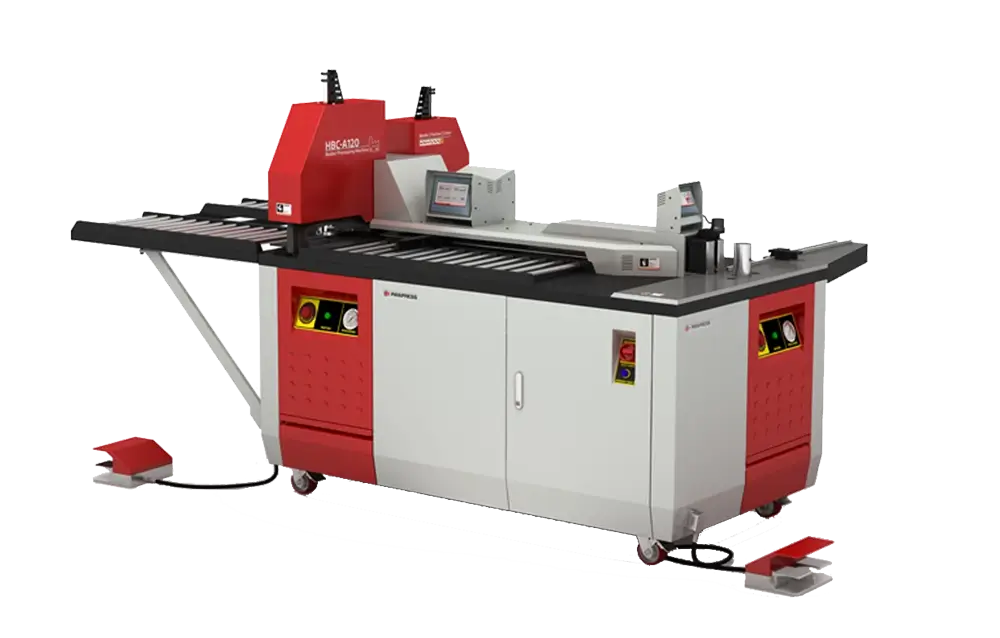
If the information related to Aluminum Busbar was interesting and informative to you, researching How choose Copper Bar Processing Equipment can be very engaging.
Prefer listening? You can play the audio version of the rest of this article below.
What Is an Aluminum Busbar?
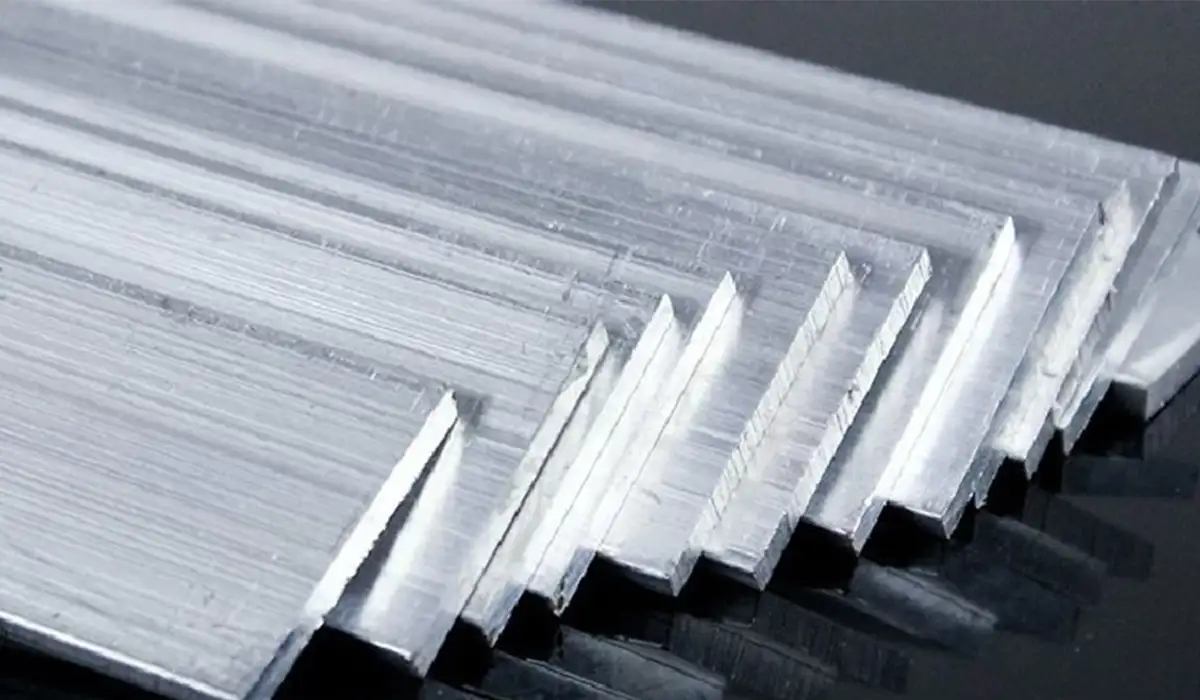
A busbar is a rigid, typically flat or rectangular conductor used to distribute electrical power within switchboards, motor control centers (MCCs), busway enclosures, and battery energy storage systems. Unlike flexible cabling, the rigid structure of a bus bar aluminum system allows it to carry high currents efficiently with minimal voltage drop, while also providing a robust mechanical framework that supports multiple branch connections along its length.
Electrical-grade aluminum bus bars are most commonly extruded or rolled from alloy 6101 a medium-strength, heat-treatable aluminum-silicon-magnesium alloy specifically developed for electrical conductor applications. The preferred tempers are T6 and T61, which balance mechanical strength with electrical conductivity in accordance with ASTM B317. The designation 6101 aluminum busbar (also written as aluminum busbar 6101 or 6101 busbar) is therefore the standard specification you will encounter in technical datasheets, RFQs, and manufacturer catalogues.
Compared with copper (C110/ETP), an aluminium busbar requires a larger cross-section to carry the same rated current, but it weighs approximately one-third as much and the raw material cost is substantially lower. With proper joint preparation and correct sizing, aluminum bus bars achieve safe, reliable, and long-lasting performance under continuous and cyclic loading conditions.
If the information about Aluminum Busbar was valuable and interesting to you, researching bending machine price could be just as captivating.
Aluminum Busbar Properties: Alloy 6101 in Detail
The primary electrical property of interest for any busbar conductor is its conductivity. Electrical-grade 6101-T6/T61 typically delivers 55–60% IACS (International Annealed Copper Standard), with 55% IACS commonly specified as the minimum for T6 temper and typical production values ranging from 57 to 60% IACS. This is the basis of aluminium busbar current carrying capacity calculations and directly influences the cross-sectional area required for a given load.
Because copper (C110/ETP) sits at approximately 100% IACS, the current density of aluminium busbar at the same physical size is lower. In practice, this means that an aluminium busbar current carrying capacity equivalent to a given copper bar requires a proportionally larger cross-section — roughly 1.5× to 1.6× the copper cross-sectional area for the same ampacity, depending on heat dissipation conditions. However, because aluminum is so much lighter, the resulting bar is still significantly easier to handle and support.
For certified low-voltage assemblies, temperature rise at rated current must be demonstrated by design verification per IEC 61439, either through physical testing, defined comparison with a tested reference design, or design assessment using established calculation methods. The aluminium bus bar current density used in the design must respect the temperature-rise limits specified in the applicable standard for the assembly type and component category.
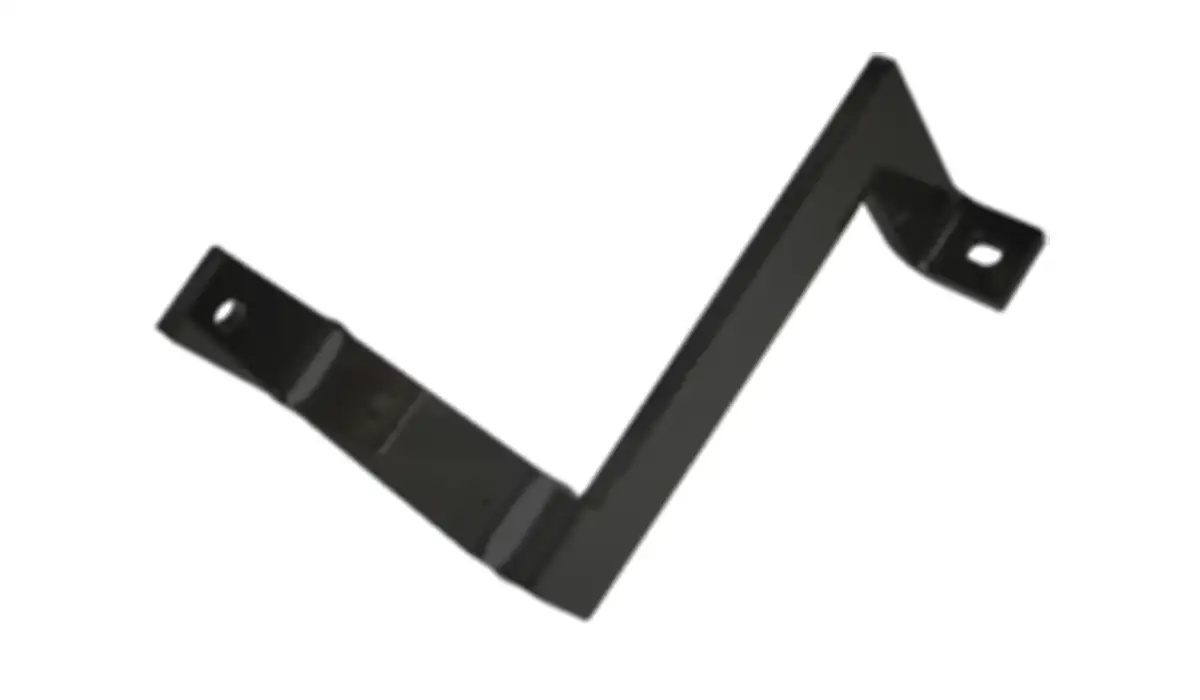
Aluminium Busbar Density and Weight Advantage
One of the most significant practical advantages of the aluminium busbar is its density. Aluminium busbar density for alloy 6101 is approximately 2.70 g/cm³, compared to approximately 8.94 g/cm³ for copper C110/ETP. This nearly 3:1 ratio means that for a given bar length and cross-section, an aluminum conductor weighs roughly one-third as much as the equivalent copper piece.
This weight difference has practical consequences throughout the product lifecycle: easier manual handling during installation, reduced loading on enclosure structures and mounting hardware, lower seismic loading in earthquake-prone installations, and lower transportation costs for large busway systems.
If the information related to Aluminium Busbar Density was interesting and informative to you, researching Busbar Manufacturing can be very engaging.
Thermal Expansion and Joint Design
Aluminum expands and contracts more than copper over the same temperature range. The coefficient of thermal expansion (CTE) for 6101 aluminum is approximately 23 µm/m·K, versus 16–17 µm/m·K for copper. In long busbar runs — such as those in busway risers or large switchboard main bars — this difference in expansion must be accommodated at joints, flexible expansion points, and support clamps to prevent mechanical stress buildup and contact loosening over time.
Designs that include sliding supports, expansion joints, or flexible copper links at transition points effectively manage this behaviour. The higher CTE of aluminum is a well-understood engineering parameter and does not disqualify it from any application — it simply requires that the designer account for it explicitly, particularly when aluminium busbars connect directly to copper terminals or copper-plated equipment studs.
If the details you gathered about Thermal Expansion were interesting and insightful, you may find diving deeper into Which Busbar Machine Brand Is Best equally captivating.
Aluminum Bus Bar vs Copper: When Aluminum Wins
The decision between busbar copper vs aluminium is not a matter of one material being universally superior — it is a question of which material best matches the specific constraints and priorities of the application. Below are the scenarios where the aluminum
- Weight is a priority: The ~3× lower density of the aluminum bus bar eases lifting, transport, seismic design, and structural support requirements. In large busway installations, the cumulative weight saving can be substantial.
- Budget matters: Current market data (see comparison table below) shows aluminum bus bar prices on a per-metric-ton basis are significantly lower than copper. For large conductor volumes, this translates into meaningful project cost reductions.
- Space allows a larger section: When the enclosure or busway has sufficient space to accommodate a modestly wider or thicker bar, the aluminum bus bar can match the required aluminum bus bar ampacity with excellent heat dissipation and a lower total cost.
- Controlled joint quality is achievable: With proper surface preparation, tin-plated aluminum bus bar contact surfaces, and correct bolt torque, aluminum joints achieve low and stable contact resistance over the product’s service life.
- Long busway runs: For extended busway systems where multiple sections are joined in series, the weight and cost advantages of aluminium busbars accumulate significantly compared to equivalent copper systems.
Prefer copper when space is extremely constrained, when you need maximum stiffness at a given bar size, or when you must match existing legacy copper bar geometries in an upgrade without re-running design verification.
Further exploration of Aluminum Bus Bar vs Copper can be found in the following recommended reading.
Aluminium Busbar Grade and Material Specification
Selecting the correct aluminium busbar grade is critical to meeting conductivity and mechanical performance requirements. For power distribution applications, the specification should always call out:
- Alloy: 6101 (also written Al-Mg-Si, per EN 573-3 equivalent)
- Temper: T6 or T61 (T61 offers slightly lower strength but marginally better conductivity in some production lots)
- Conductivity: minimum 55% IACS (confirm 57–60% IACS typical values with supplier datasheet)
- Surface finish: tin-plated or silver-plated at contact surfaces (bare aluminum is not recommended at bolted joints without antioxidant treatment)
- Standard: ASTM B317 (USA), or equivalent national/regional standard
Always request material certificates (mill test reports) and, for certified assemblies, design-verification evidence in accordance with your applicable standard (IEC 61439, UL 857, etc.). Specifying electrical grade aluminum bus bar explicitly in your purchase orders and RFQs helps avoid substitutions with general-purpose structural alloys (such as 6061 or 6063) that do not meet the conductivity requirements for busbar service.
The aluminium bus bar specification for a typical power distribution project should therefore include: alloy and temper, minimum conductivity (% IACS), bar dimensions (width × thickness × length), hole patterns and bend radii if applicable, surface finish and plating, and required documentation
For a comprehensive understanding of busbar processing machine, we highly recommend reviewing this article.
Aluminum Busbar Price and Cost Factors
The aluminum busbar price is indexed to the London Metal Exchange (LME) aluminum price, which is historically lower and far less volatile than copper on a per-kilogram basis. As an indicative reference, primary aluminum traded around $2,449 per metric ton versus roughly $9,533 per metric ton for copper (World Bank, May 2025), so the raw-material cost of an aluminium busbar is a fraction of the copper equivalent for the same project.
However, the aluminum busbar price per kg alone does not tell the full story. Because aluminum needs a larger cross-section for the same ampacity, the true cost comparison should be made per rated ampere, not per kilogram. Even after accounting for the larger section, the net material cost of an aluminum bus bar system is still typically lower than copper. For an accurate figure, request current pricing from your supplier at the time of enquiry, since prices track the LME daily.
This article serves as a valuable resource for those seeking detailed information on Benefits of Combining Multiple Functions in a Single Busbar Machine Explained.
Standards You Should Know
- IEC 61439 (low-voltage switchgear and controlgear assemblies): requires temperature-rise verification at rated current for all current-carrying parts including conductors and joints. Verification may be by testing, defined comparison with a tested reference design, or assessment using established calculation methods.
- IEC 60865-1: provides calculation methods for the electromechanical forces on rigid conductors during short-circuit events. Used to determine the required support spacing and bracing design for aluminum bus bars at a given prospective fault current level.
- ASTM B317: specifies the requirements for extruded aluminum-alloy bars, rods, and profiles for electrical purposes, including conductivity requirements for 6101-T6/T61.
- UL 857 (busways, North America): use manufacturer test data for the specific certified product line; do not apply generic conductor sizing assumptions to listed busway.
Design and Installation Notes for Aluminum Busbars
The greatest risk in aluminum busbar installations is joint degradation over time due to oxide layer formation and differential thermal expansion at the contact interface. Aluminum naturally forms a thin, electrically resistive oxide film on its surface within minutes of exposure to air. Left unmanaged, this oxide layer increases contact resistance at bolted joints, causing localized heating and progressive deterioration.
Best practice for tin-plated aluminum busbar joints includes:
- Use tin-plated (minimum) or silver-plated (where higher reliability or lower contact resistance is specified) mating surfaces at all bolted joints.
- Clean and prepare mating surfaces per the supplier’s instructions immediately before assembly; do not allow prepared surfaces to sit exposed for extended periods.
- Apply antioxidant joint compound to bare aluminum contact areas where tin or silver plating is not used, or where specified by the design.
- Use spring-loaded (Belleville) washers under bolt heads to maintain clamping force as the aluminum creeps slightly under sustained load.
- Tighten bolts to the specified torque; follow any re-torque guidance after the first thermal cycle if specified by the manufacturer.
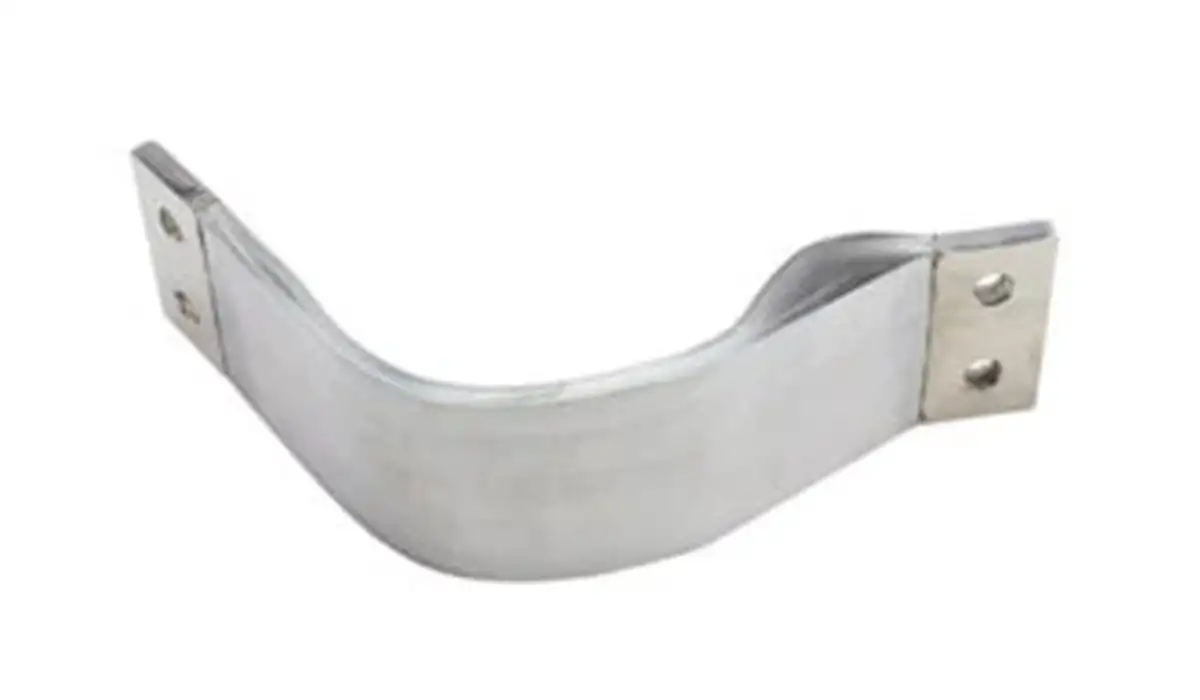
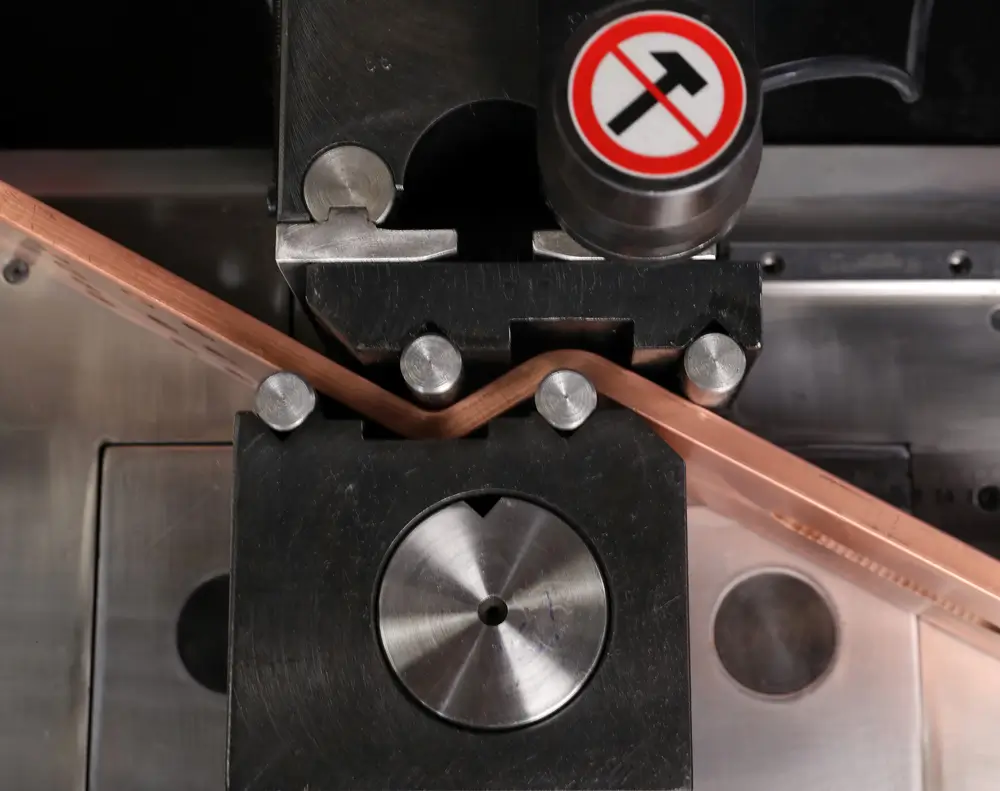
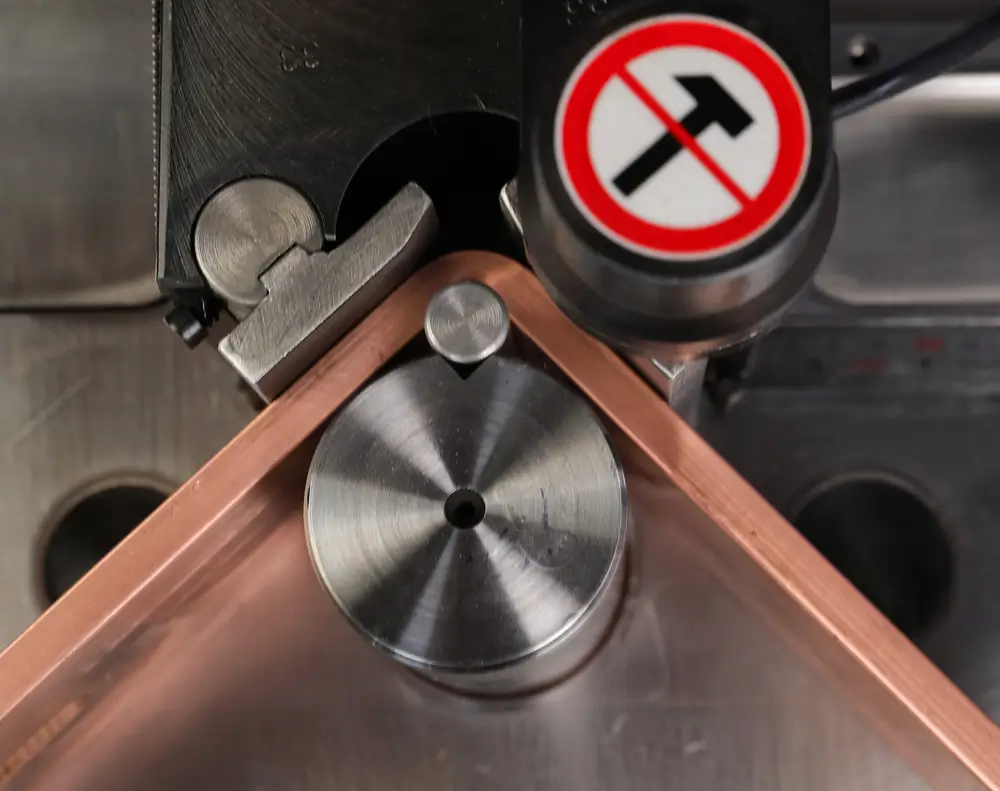
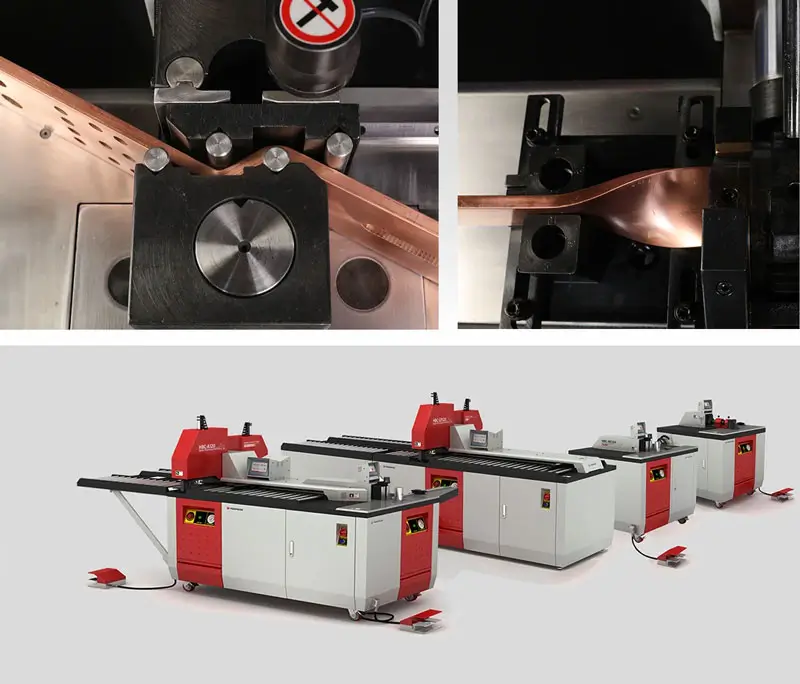
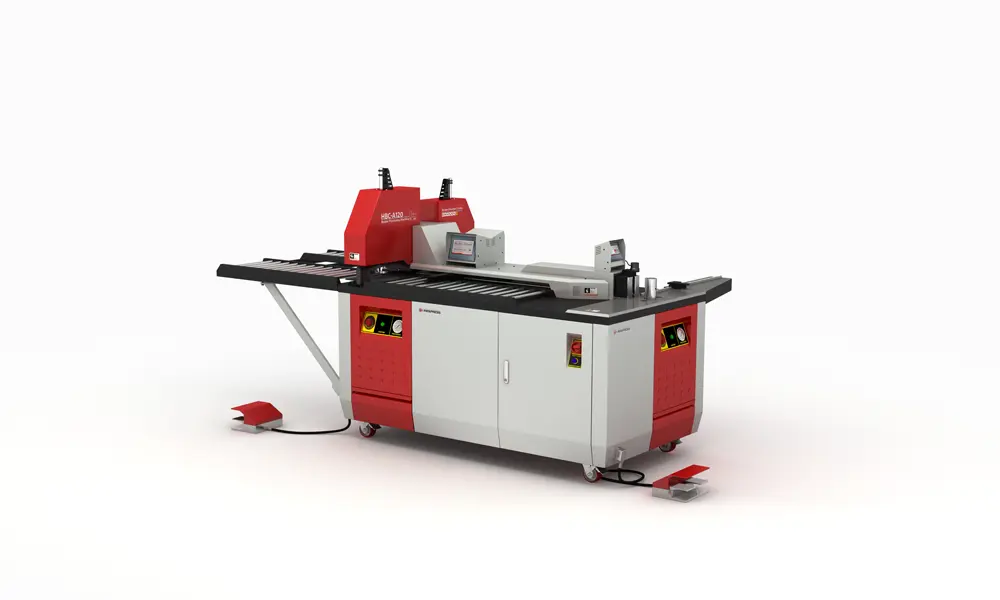
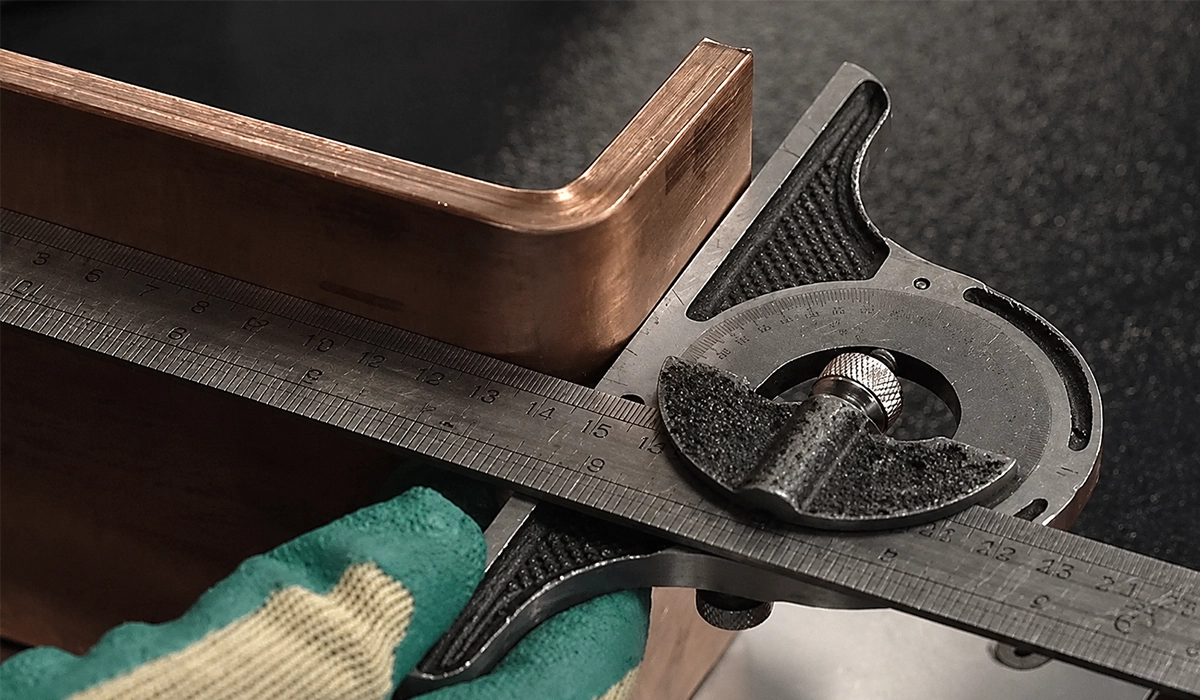
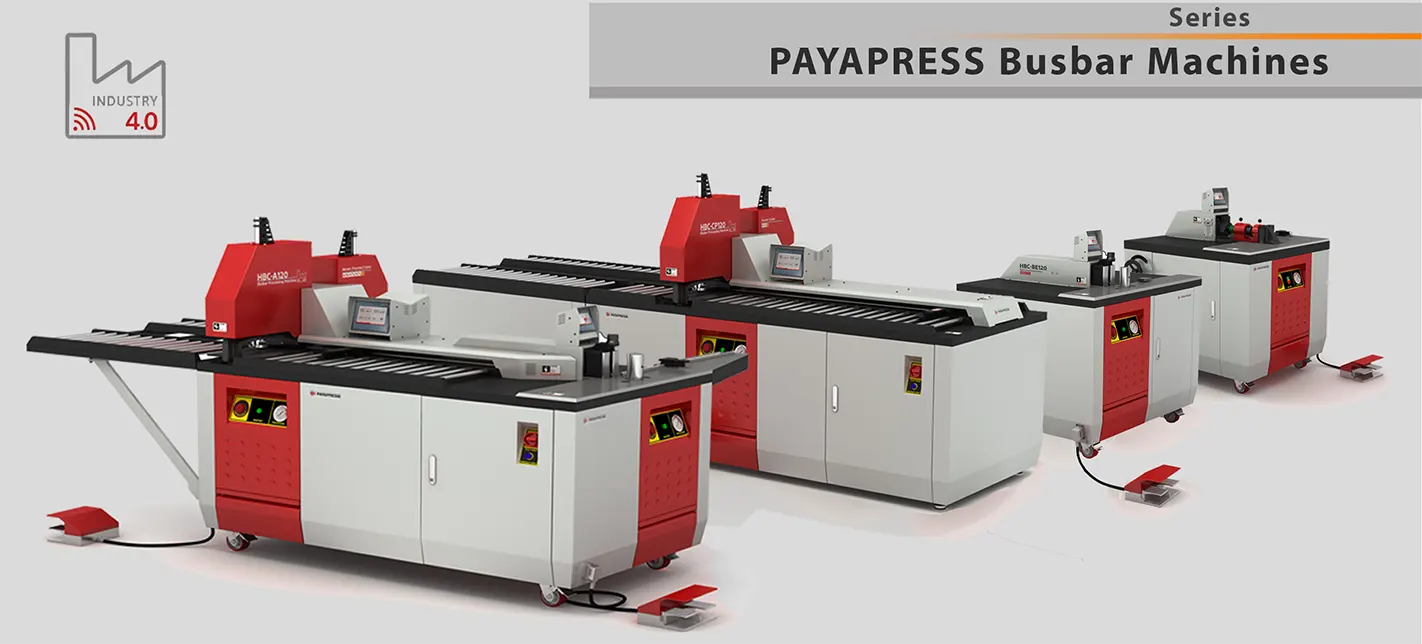
A Busbar Bending Machine is highly useful for shaping aluminum busbars used in switchboards, busway systems, MCCs, and battery energy storage applications. Since aluminum busbars often require larger cross-sections than copper and must maintain proper bend radius, spacing, and joint alignment, accurate bending is essential for safe current carrying capacity and reliable installation. By using a dedicated busbar bending machine, manufacturers can produce consistent aluminum busbar bends, reduce handling errors, protect connection quality, and support efficient fabrication of lightweight, cost-effective power distribution systems.
Sizing, Support Spacing, and Clearances
- Size the bar for the required aluminum bus bar ampacity and the applicable temperature-rise limit (IEC 61439 or equivalent).
- Calculate support spacing based on the electromechanical forces during the prospective short-circuit current, per IEC 60865-1.
- Maintain required creepage and clearance distances per the applicable standard and pollution degree; note that larger bar cross-sections may require increased spacing in the phase-to-phase and phase-to-earth directions.
- Ensure adequate airflow around the bars; natural convection is a significant contributor to heat dissipation in open busbar arrangements and should not be obstructed by cable bundles or adjacent components.
Connections to Copper Equipment Terminals
Where aluminum bus bars connect to copper equipment terminals or copper-plated studs, use bimetallic transition plates (copper-aluminum laminate or explosion-bonded transition pieces) to prevent galvanic corrosion at the interface. Direct aluminum-to-copper contact in the presence of moisture creates a galvanic cell that preferentially corrodes the aluminum. This is a well-understood risk that is fully manageable with the correct hardware — it is not a reason to avoid aluminum, but a detail that must be addressed in the design.
Aluminum (6101-T6) vs Copper (C110/ETP): Key Properties and Indicative Cost
| Property | Aluminum 6101-T6 (typical) | Copper C110/ETP (typical) | Why It Matters |
|---|---|---|---|
| Density (g/cm³) | ≈ 2.70 | ≈ 8.94 | Weight, handling, supports, seismic loads |
| Electrical Conductivity (% IACS @ 20°C) | 55–60 (min 55; typical 57–60) | ≈ 100 (baseline) | Drives cross-section needed for same ampacity |
| Linear CTE (µm/m·K) | ≈ 23 | 16–17 | Joint movement, thermal cycling, support design |
| Indicative Raw-Material Price (USD/metric ton) | ~$2,449/mt (May 2025, World Bank) | ~$9,533/mt (May 2025, World Bank) | Budget planning; materials share of total cost |
| Relative Weight (same cross-section) | ~1× (baseline for aluminum) | ~3.3× heavier | Installation effort, transport, structural loads |
| Cross-section needed vs copper (same ampacity) | ~1.5–1.6× larger | 1× (baseline) | Enclosure space, support sizing |
| Oxide Layer Risk at Joints | High (tin/silver plating required) | Low | Joint preparation protocol and hardware selection |
| Primary Standard (material) | ASTM B317 | ASTM B187 | Material procurement and certification |
Notes: Values are typical room-temperature properties. Prices are indicative monthly averages (USD/mt, May 2025) from the World Bank “Pink Sheet” and are subject to market fluctuation. Always confirm with current supplier datasheets and official test reports.
Aluminium Busbar Market and Availability
The aluminum busbar market is broadly served by a large number of extruders and distributors globally. Standard sizes — ranging from small signal bars of a few millimetres to main busbars for thousands of amperes — are available as stock items in most industrial markets. Custom profiles and lengths are readily produced to order, with shorter lead times than equivalent copper in many regions due to the abundance of primary aluminum supply.
Aluminum bus bar prices are indexed to the LME (London Metal Exchange) aluminum price, which has historically been significantly lower and less volatile than copper on a per-kilogram basis. While the larger cross-section required for aluminum (versus copper at the same ampacity) partially offsets the per-kilogram price advantage, the net material cost for the same rated system is still materially lower for aluminum in most configurations.
For procurement planning, always request current pricing from your preferred supplier at the time of enquiry, and confirm that the material grade meets the aluminium busbar grade specification (6101-T6/T61, minimum 55% IACS) rather than a lower-conductivity structural alloy.
Aluminum Busbar Cut to Length and System Assembly
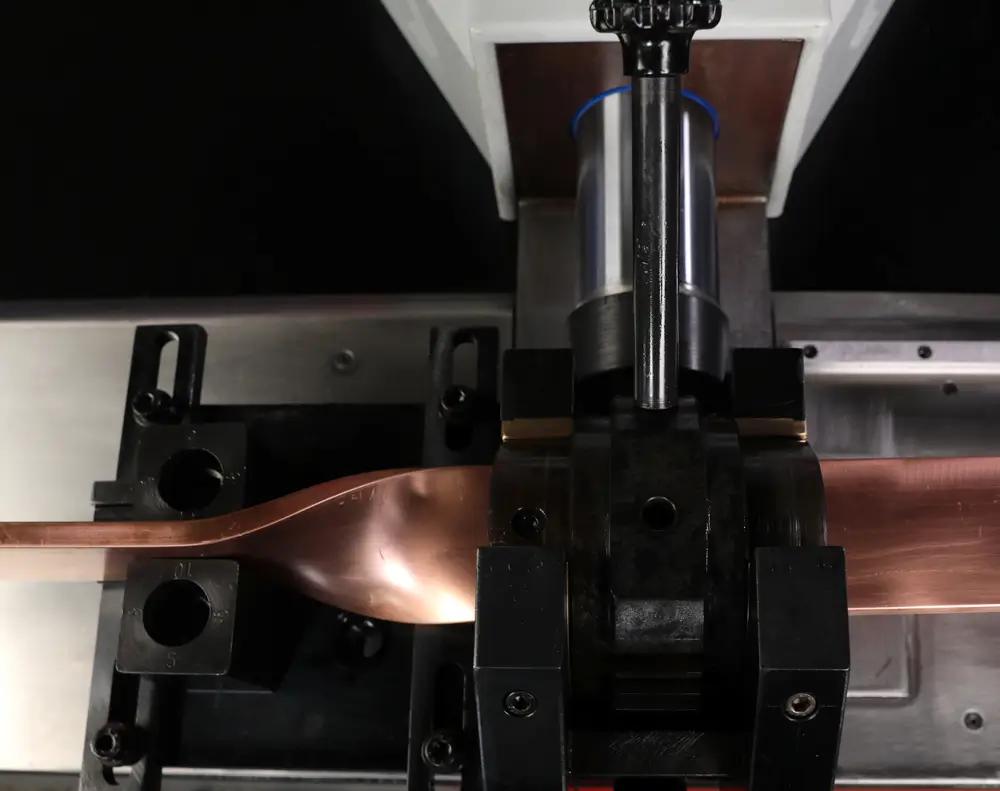
For a finished aluminum busbar system, the bars are cut to length, punched for connection holes, and bent to fit the enclosure geometry. Accuracy at this stage is critical: a poorly cut or misaligned bar creates high contact resistance at joints, which leads to local heating over the service life of the assembly. This is why most switchgear workshops process aluminum bars on a dedicated busbar processing machine rather than cutting and drilling them by hand.
Whether you build a small distribution board or a long busway run, consistent cut-to-length accuracy and clean, burr-free holes are what keep an aluminum bus bar system reliable under continuous and cyclic loading.
Quick Selection Guidance
- Your design can accept a larger bar cross-section → aluminum is typically the best overall value: lighter, lower raw-material cost, and fully capable of meeting the required aluminium busbar current carrying capacity.
- Space is very tight or maximum stiffness at a given bar size is required → copper may be the better engineering choice.
- You need to match legacy copper geometries without re-running design verification → copper is the pragmatic option.
- In all cases, verify temperature rise per IEC 61439 and calculate short-circuit forces per IEC 60865-1 for the specific assembly.
RFQ Checklist for Aluminum Busbar Projects
- Rated current and duty profile; ambient temperature and enclosure/installation type
- Maximum allowable temperature rise; target standard (IEC 61439, UL 857, or other)
- Prospective short-circuit current and duration; desired support spacing
- Alloy and temper: Al 6101-T6/T61; finish: tin-plated (or silver-plated where specified)
- Joint hardware type, torque specifications, and antioxidant compound requirement
- Insulation requirements (if any), hole patterns, bend radii, and labels/marking
- Required documentation: design verification reports, material certificates (mill test reports)
- Bimetallic hardware requirements at connections to copper terminals
For a comprehensive understanding of tin-plate, we highly recommend reviewing this article.

Rate this article
Choose a rating from 1 to 5 stars.
No ratings yet