


PAYAPRESS × DAGPAP: A Strong On-Site Partnership
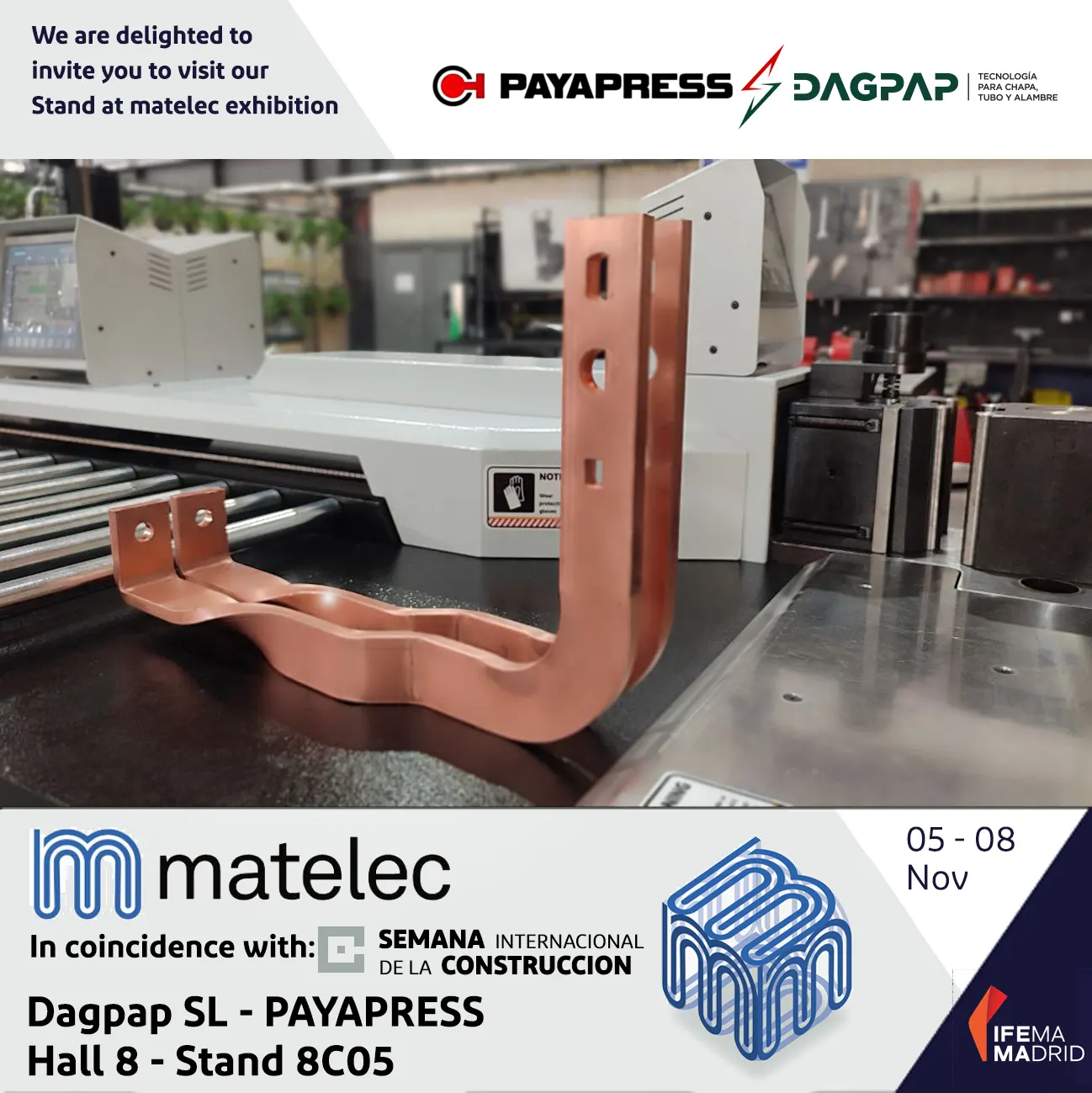
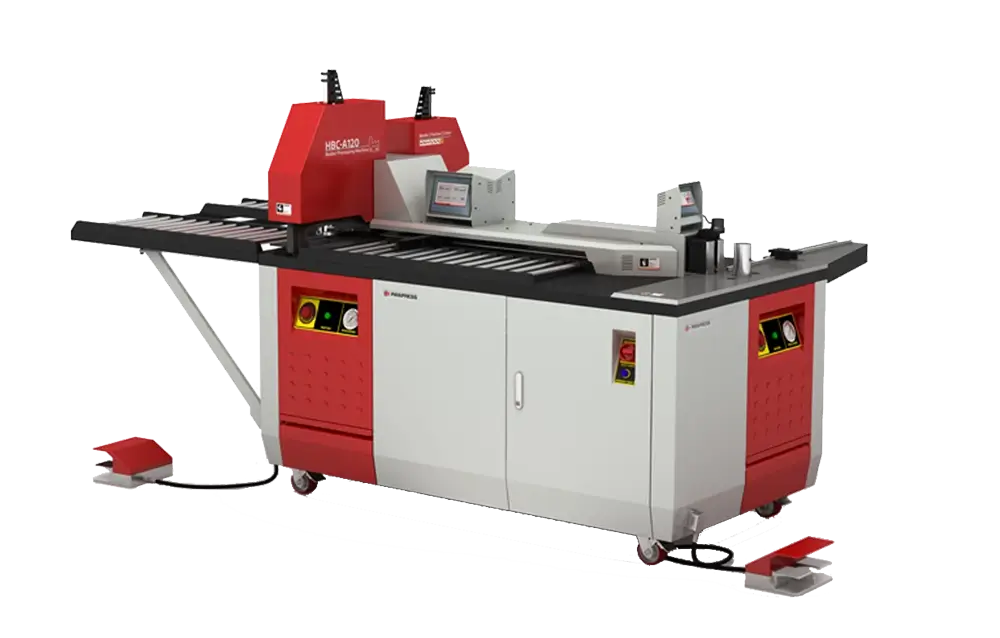
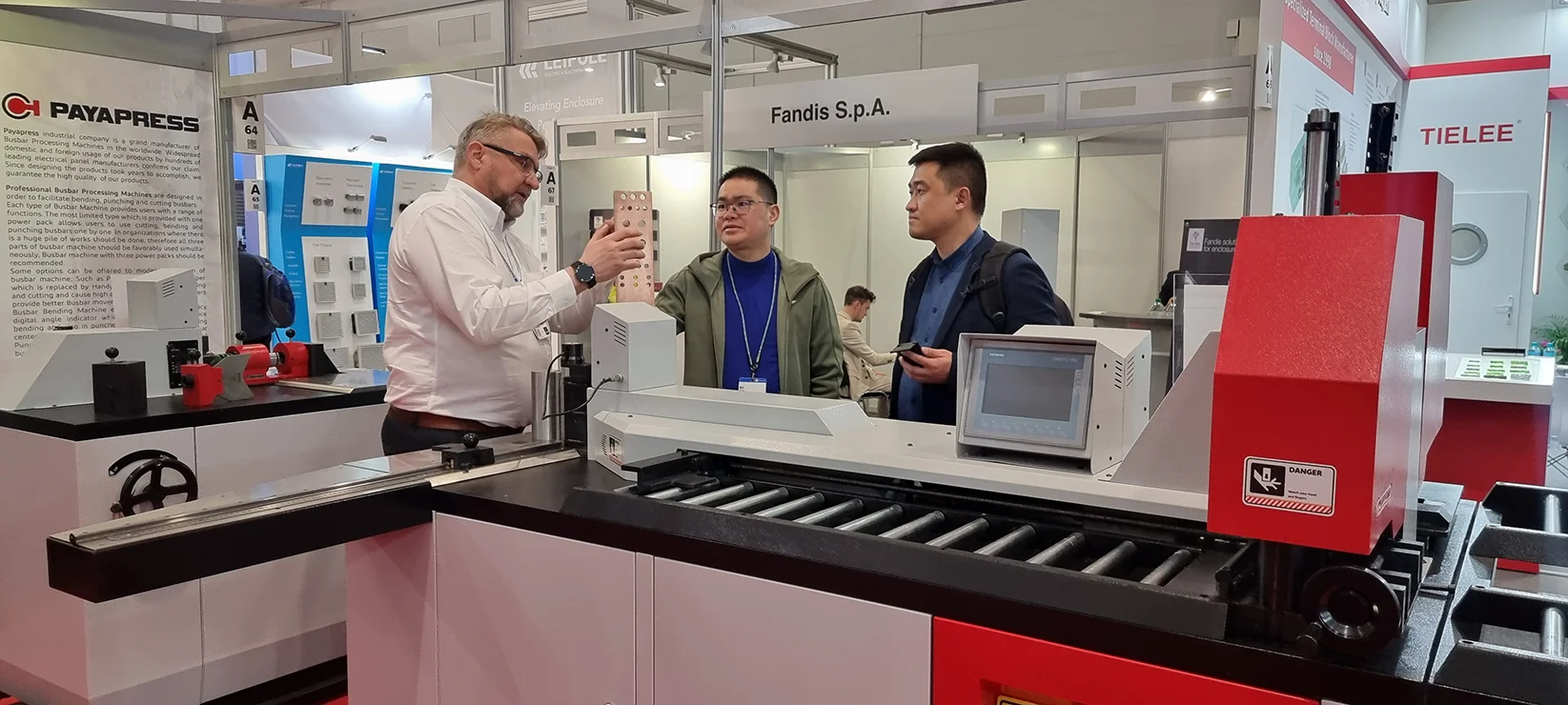
In Madrid, PAYAPRESS teamed up with DAGPAP to host hands-on demos and answer technical questions from visitors across Spain and beyond. Over the course of the event, engineers, workshop owners, and procurement teams stopped by the stand to see busbar processing in action, ask about real-world tolerances, and discuss how a single integrated cell could replace several standalone stations on their shop floor. The focal point was our compact, economic 3-in-1 Busbar machine, (HBC-A120 ES)—ideal for shops that want punch–cut–bend capability in a single workstation without moving workpieces between machines. Beyond the technical specs, what resonated most with visitors was the practical time savings: less handling, less repositioning, and fewer chances for measurement drift between operations.
HBC-A120 ES — Integrated 3-in-1 for Everyday Busbar Work
The HBC-A120 ES was built around a simple idea: most switchgear and panel-building workshops don’t need three separate machines taking up floor space and requiring the operator to walk a workpiece from station to station. Consolidating punching, cutting, and bending into one hydraulic cell shortens cycle times and keeps quality consistent from the first piece to the last. Here’s what makes it stand out on the shop floor:
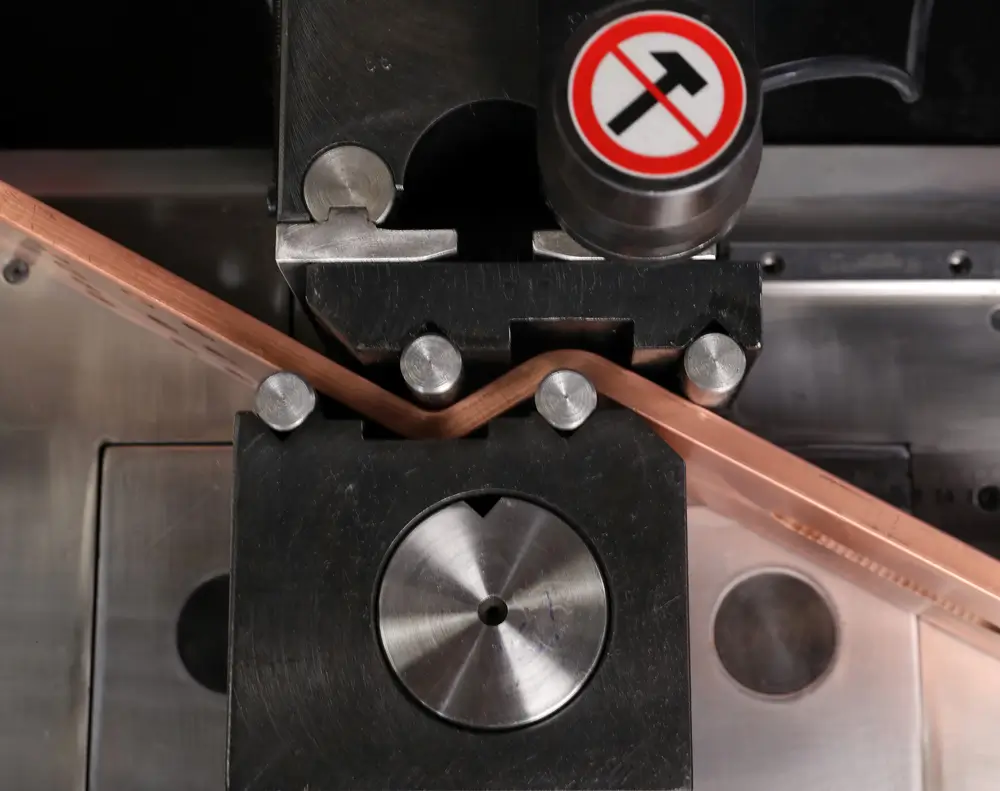
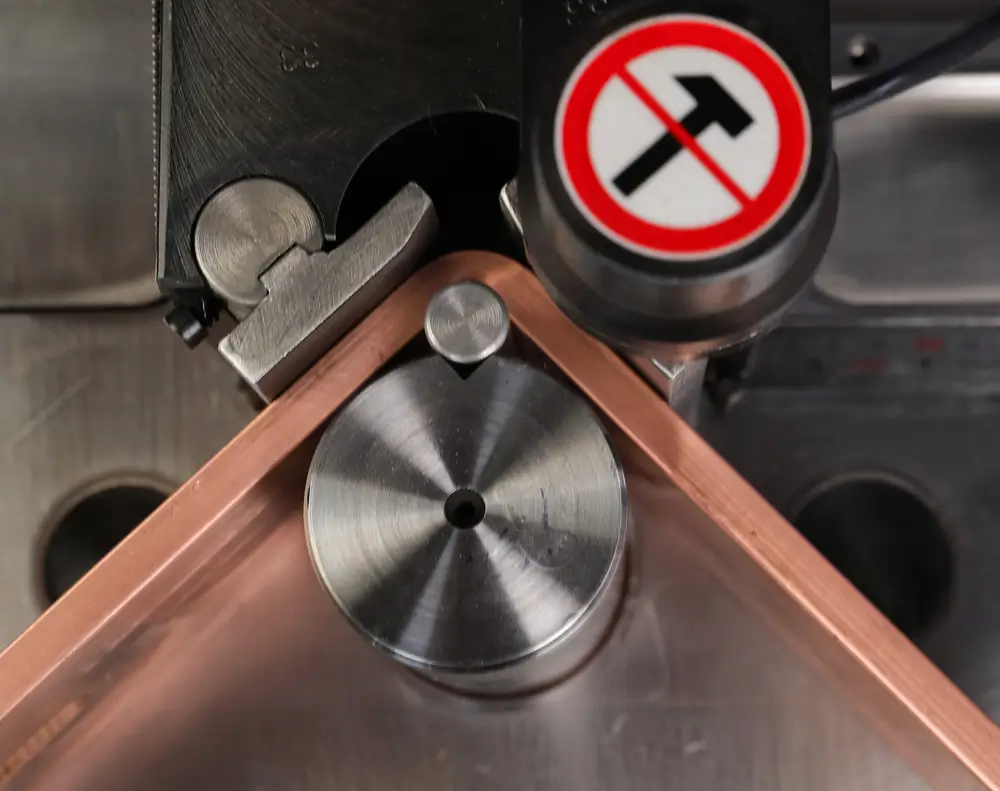
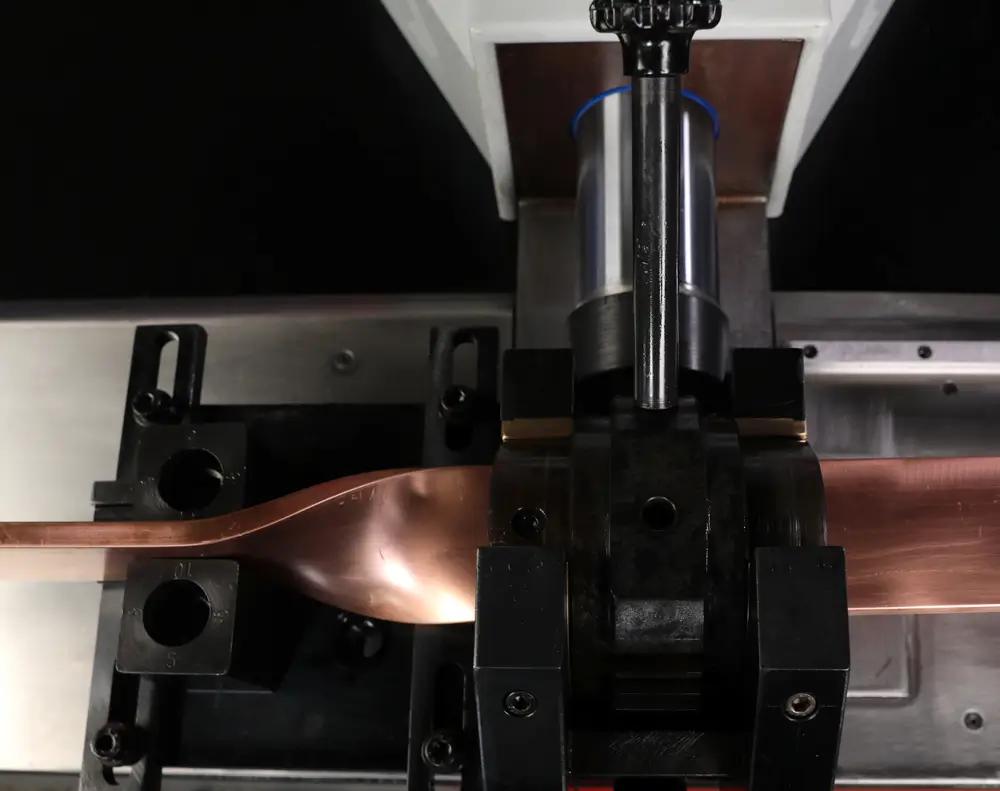
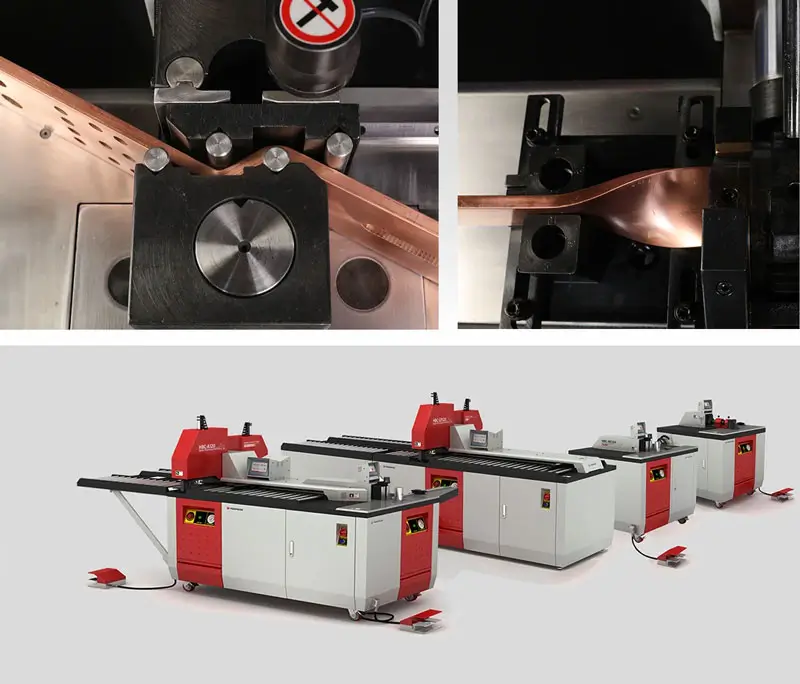
- Integrated punch–cut–bend up to 120×12 mm (Cu/Al) in one cell—fewer handlings, cleaner alignment across operations, and a smaller footprint than running three separate machines. See the machine: HBC-A120 ES.
- Encoder-assisted bending with spring-back compensation for consistent angles, so repeat parts come out the same shape every time, even across different operators and shifts. Explore dedicated bending options here: Busbar Bender (BE160).
- Punching station with round M6–M18 dies plus optional oval/rectangle slots, aided by a laser pointer for fast centering—cutting down the guesswork and setup time on every new job. Details on higher-capacity punch–cut models: HBC-CP160.
- Cutting station with center-oriented guide and roller support for improved edge finish, which matters when parts move straight from cutting to assembly with minimal deburring—see our compact model: HBC-CP120.
- Programmable length stopper (ES): store up to 20 positions (absolute or incremental) to accelerate repeat jobs and reduce rework, particularly useful for shops running recurring panel or switchboard orders.
Need simultaneous three-station throughput and the common European capacity of 15×160 mm? Compare with our HBC-A160 3-in-1 workstation (punch, cut, bend) featuring three hydraulic power packs—a good fit for higher-volume shops that want to run all three operations at once rather than sequentially.
What Visitors Asked Us in Madrid
Across two days of demos, the same handful of questions came up again and again. Here’s a closer look at how we answered them:
- Hydraulic vs CNC? For low/medium volumes and frequent changeovers, hydraulic 3-in-1 is the sweet spot—simple to operate, low maintenance, and flexible enough to switch between job types quickly. For nesting, auto-feeding, and higher takt time, consider a CNC line, which pays off once volumes and part repetition justify the added automation.
- Tooling coverage? Standard round M6–M18 plus optional oval/rectangle dies cover most LV/MV switchgear patterns, so most shops can handle the bulk of their catalog without ordering custom tooling.
- Setup speed? Laser centering + programmed stops + quick-change molds cut setup time to minutes, which was one of the most appreciated features among visitors coming from busier, high-mix production environments.
Show Recap: Strong Interest, Practical Demos
The PAYAPRESS × DAGPAP stand welcomed a steady mix of small workshops and large OEMs, each bringing a slightly different set of priorities—some focused on footprint and cost, others on throughput and repeatability. Live demos of HBC-A120 ES and comparisons against our punching and cut, bender, and 3-in-1 (A160) options helped visitors map an upgrade path that fits their mix, footprint, and budget. Several attendees noted that seeing the machines running side by side made it much easier to judge cycle times and finish quality than reading spec sheets alone.
Next Steps — Compare Machines & Book a Demo
Whether you’re processing a handful of busbars a week or running a high-mix production line, there’s a configuration that fits. Explore our core lineup and choose the cell that matches your workflow:
- 3-in-1 HBC-A120 ES — integrated punch–cut–bend up to 120×12 mm, ideal for compact shops wanting all three operations in one place
- 3-in-1 HBC-A160 — higher capacity with three power packs, built for shops that need to run operations simultaneously
- HBC-CP160 — up to 15×160 mm, suited to larger-section busbar work
- HBC-CP120 — compact footprint, a strong fit for space-constrained workshops
- Busbar Bender BE160 — precision bending station for shops that already have punching/cutting covered
Ready to evaluate? Book an on-site or video demo and request an itemized RFQ. We’ll help you choose tooling, stopper type (handy vs programmable), and mold sets for your parts library, based on the exact profiles and volumes you work with day to day.



Rate this article
Choose a rating from 1 to 5 stars.
No ratings yet