



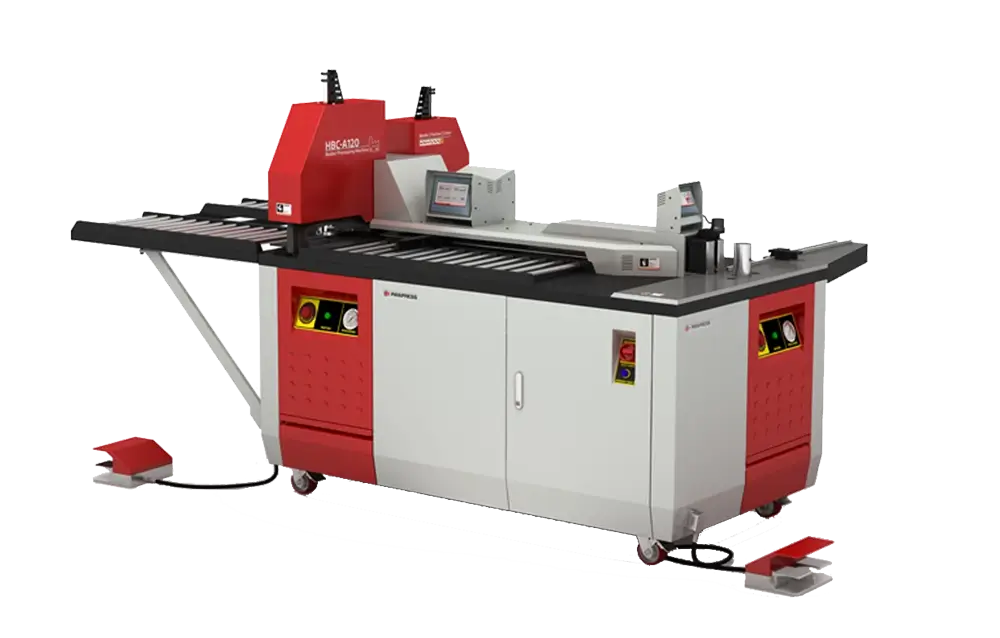
What Is a Metal Bending Machine and How Does It Work?
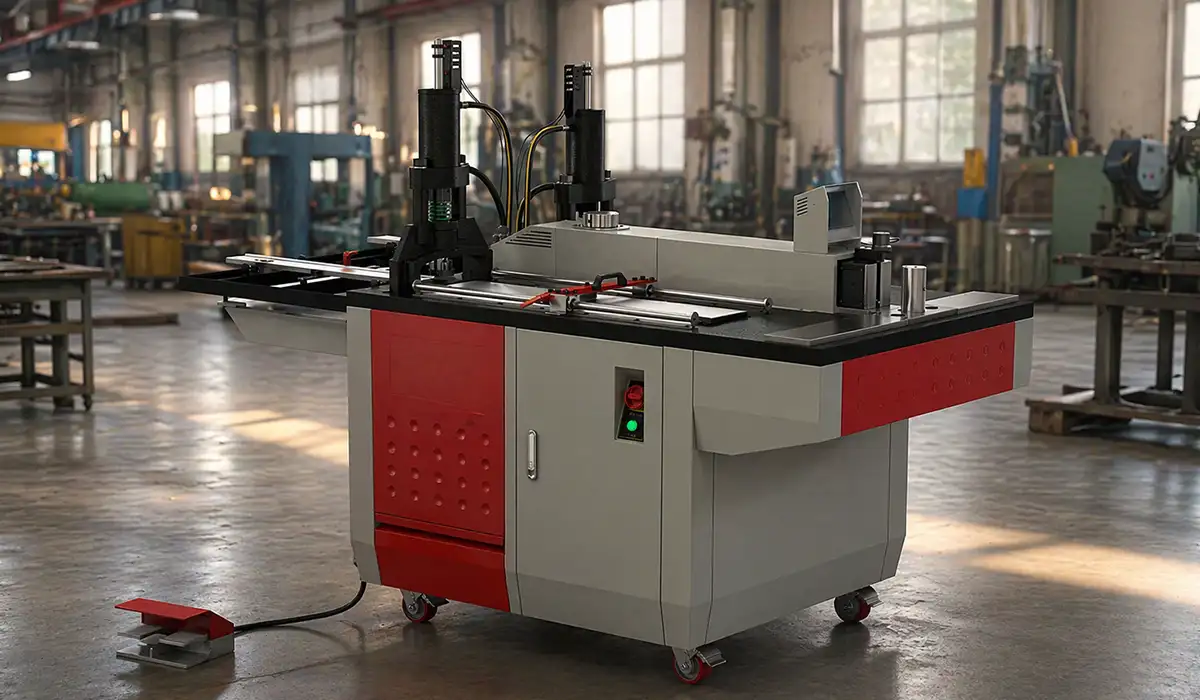
A metal bending machine is equipment used to deform metal into a required angle, radius, curve, or profile without removing material. Depending on the machine type, it can bend sheet metal, plate, tube, pipe, flat bar, busbar, angle iron, or structural profiles.
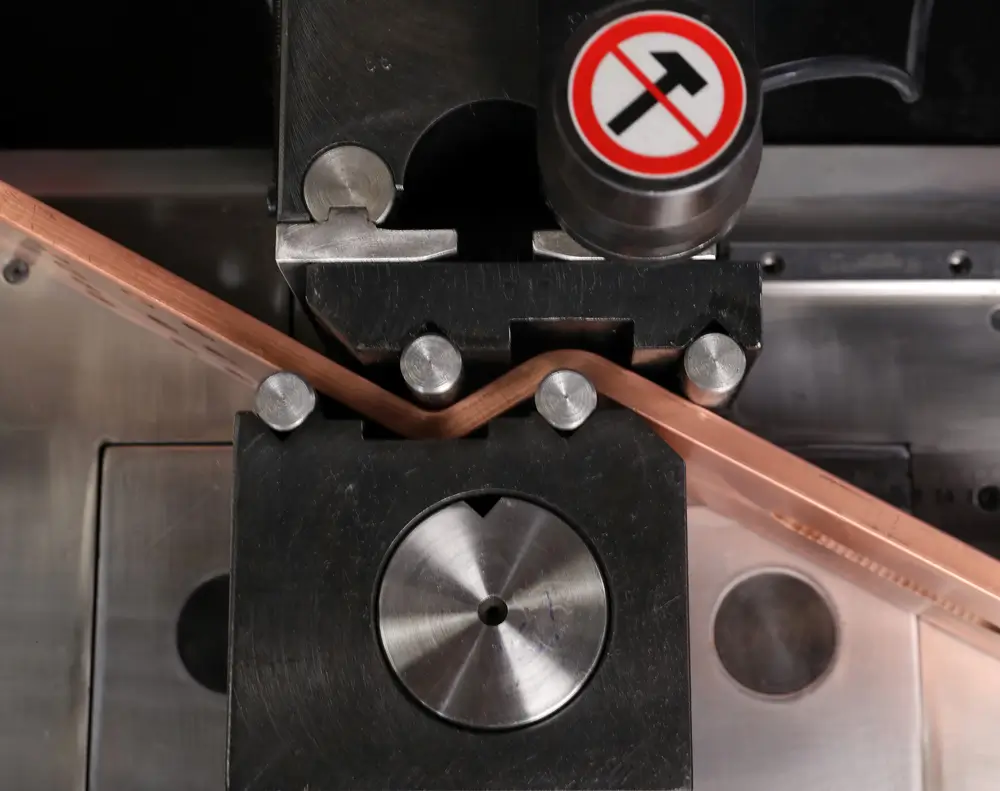
Most sheet and plate bending machines use two main tools:
- Punch: the upper tool that applies force.
- Die: the lower tool that supports and shapes the material.
When the punch presses the metal into the die, the material forms around a bend radius. In press brake bending, the selected tooling, die opening, material thickness, and ram position determine the bend angle and required tonnage. Press brake tonnage calculators commonly use variables such as material type, thickness, bend length, and die opening.
To better understand how industrial forming processes operate, reviewing the concept of metal forming can help clarify how force, tooling, and material behavior interact during bending operations.
What Is a Bending Machine Called? Common Names Explained
A bending machine may be called different names depending on the material and bending method. Searchers may use terms such as metal bender machine, sheet metal bender, press brake, folding machine, panel bender, tube bender, roll bender, profile bender, or busbar bending machine.
“`html
| Term | Meaning |
|---|---|
| Metal bending machine | General category for machines that bend metal |
| Metal bender machine | Informal term for a metal bending machine |
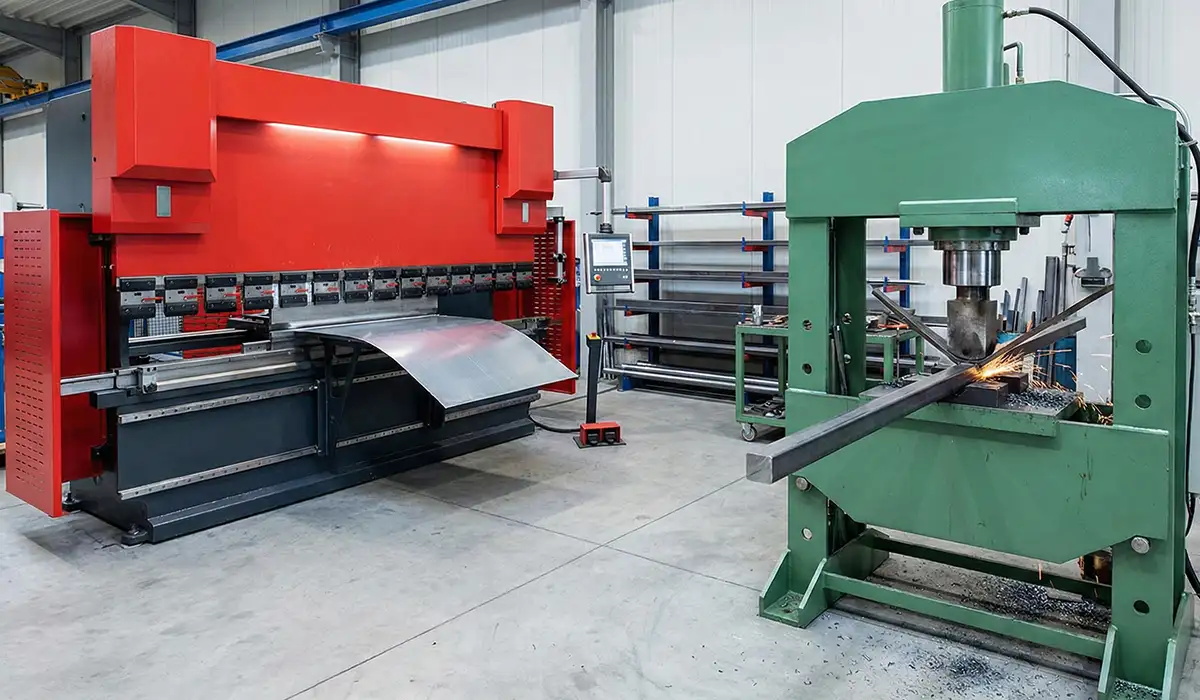
| Press brake | Machine for bending sheet metal and plate with punch/die tooling |
| Folding machine | Machine that folds sheet metal using a clamping beam and folding beam |
| Panel bender | Automated sheet metal bending system for panels |
| Roll bender | Machine for curved, circular, or cylindrical bending |
| Tube/pipe bender | Machine for bending round or square tube |
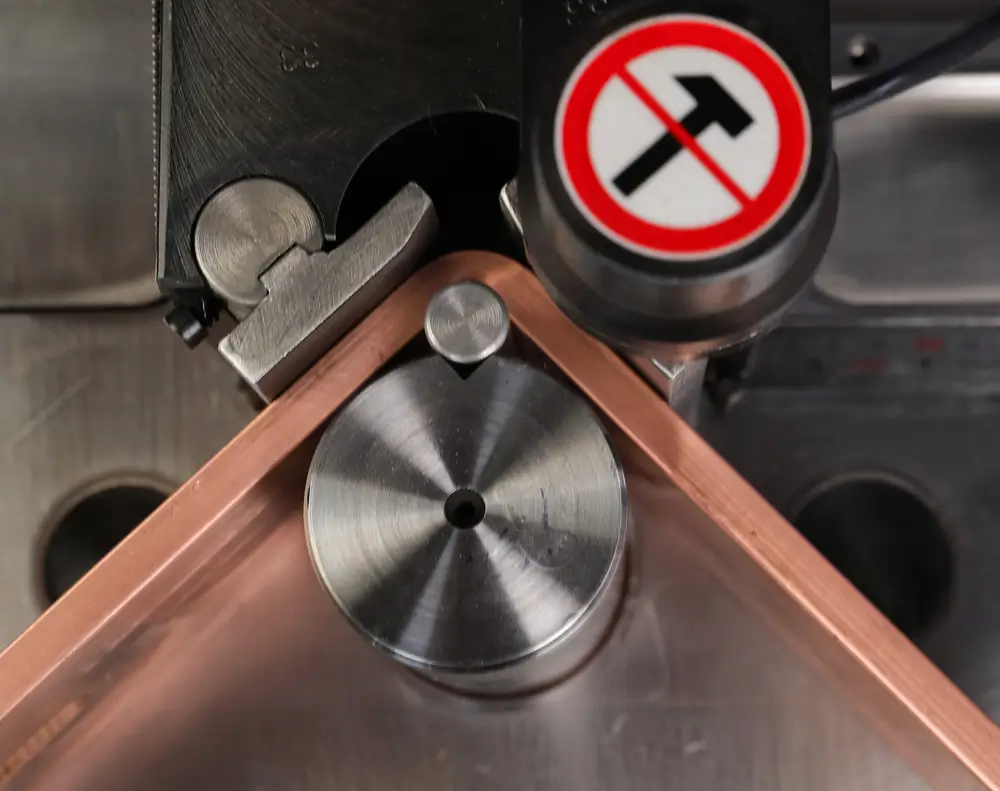
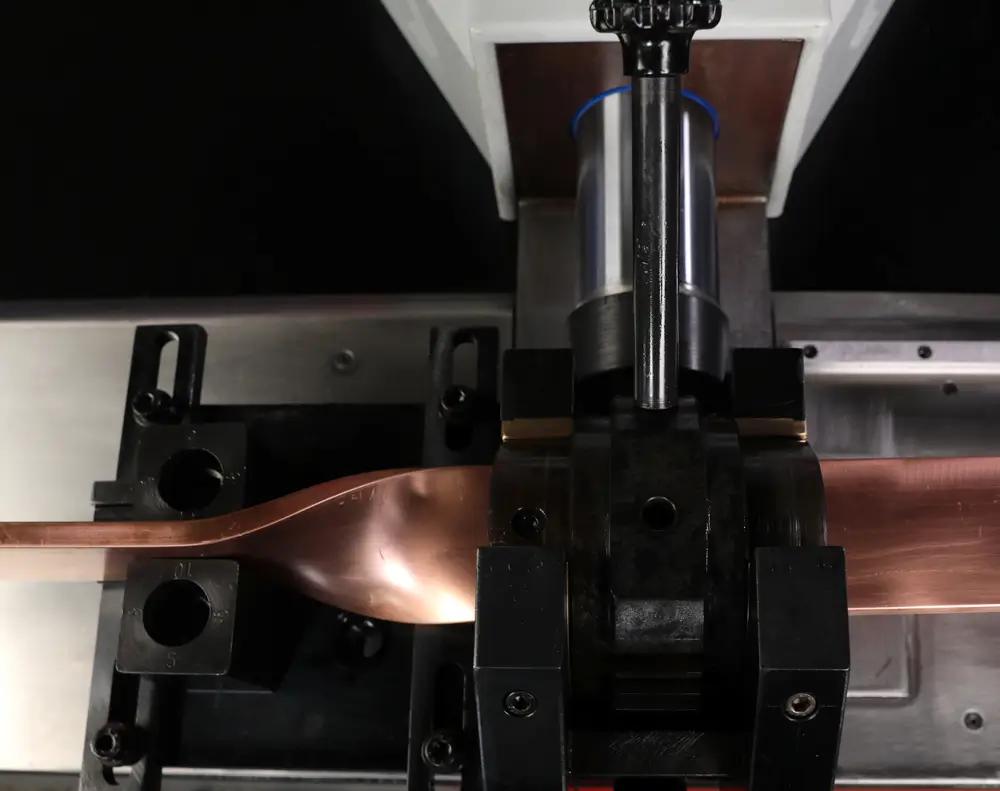
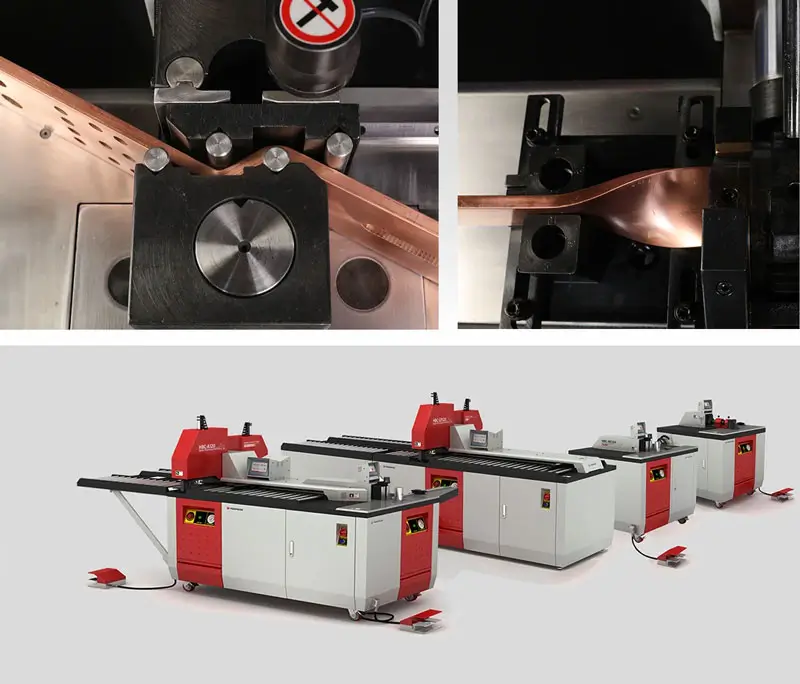
| Busbar bender | Machine for bending copper or aluminum busbars |
What Are the Different Types of Bending Machines?
The main types of bending machines include press brakes, folding machines, panel benders, roll bending machines, tube and pipe benders, profile benders, busbar bending machines, manual benders, hydraulic machines, mechanical machines, electric machines, and CNC bending machines.
| Machine Type | Best For |
|---|---|
| Press brake | Sheet metal and plate bending |
| Folding machine | Long sheet edges, panels, light-gauge work |
| Panel bender | Automated enclosure and panel production |
| Roll bending machine | Cylinders, arcs, tanks, cones |
| Tube/pipe bender | Round tube, square tube, pipe |
| Profile/section bender | Angle iron, channel, beams, structural profiles |
| Busbar bending machine | Copper and aluminum busbars |
| Manual bending machine | Low-volume simple bends |
| Hydraulic bending machine | Versatile force control and thicker materials |
| CNC bending machine | Repeatable, high-accuracy production |
If the information related to machine types was interesting and informative to you, researching industrial automation systems can be very engaging. Further exploration can be found in the following recommended reading: Types of Industrial Control Systems.
What Are the Different Types of Sheet Bending Machines?
Sheet bending machines are designed specifically for flat sheet metal and plate. The most common types are press brakes, folding machines, box-and-pan brakes, and panel benders.
| Sheet Bending Machine | Main Use |
|---|---|
| Manual sheet metal brake | Simple bends in thin sheet |
| Box-and-pan brake | Boxes, trays, pans, covers |
| Press brake | Accurate linear bends in sheet and plate |
| CNC press brake | Multi-bend, repeatable production |
| Folding machine | Long panels and edge folds |
| Panel bender | Automated panels, enclosures, cabinets |
A press brake is usually the most flexible choice for general sheet metal fabrication because it supports a wide range of tooling, bend angles, material thicknesses, and part geometries. A panel bender is better when the shop repeatedly produces cabinet panels, door panels, electrical enclosures, or high-volume sheet metal parts.
How Do I Choose the Right Metal Bending Machine for My Workshop?
Choose the right metal bending machine by matching the equipment to your real production mix. A small workshop making repair brackets does not need the same machine as a factory producing electrical cabinets, HVAC ducting, or thousands of sheet metal panels per month.
| Workshop Need | Recommended Machine |
|---|---|
| Simple repair work | Manual bending machine |
| Thin sheet metal | Manual brake or light press brake |
| General fabrication | Hydraulic press brake |
| High-volume repeated parts | CNC press brake |
| Electrical enclosures | CNC press brake or panel bender |
| HVAC ducting | Folding machine or press brake |
| Copper busbars | Busbar bending machine |
| Round tube or pipe | Tube/pipe bender |
| Curved plates or cylinders | Roll bending machine |
| Structural profiles | Profile bending machine |
For a comprehensive understanding of copper busbar bending techniques, we highly recommend reviewing this article: Bending Copper Busbar.
Hydraulic vs Mechanical Bending Machines: Which One Is Better?
One of the most common questions buyers ask is whether a hydraulic bending machine is a better choice than a mechanical model. The answer depends largely on the type of work your workshop handles every day.
Mechanical machines are known for speed. They usually operate with a flywheel system and can deliver consistent cycles in high-volume environments. This makes them useful for repetitive applications where the bend profile remains simple and production speed matters more than flexibility.
Hydraulic bending machines, however, offer a very different advantage. They give the operator greater control over ram movement, bending force, and stroke depth. That extra control becomes especially valuable when working with different material thicknesses, tighter tolerances, or more demanding bend geometries.
In practical terms, a hydraulic machine is often the safer and more versatile option for modern fabrication shops. If your production includes custom components, electrical panel parts, busbars, or enclosure profiles, the flexibility of a hydraulic press brake can save a significant amount of setup time and reduce the risk of costly bending errors.
For readers interested in understanding the broader role of hydraulic technology in industrial systems, this concept is closely related to hydraulic machinery
Manual vs CNC Bending Machines: What’s the Difference?
The difference between a manual bending machine and a CNC bending machine goes far beyond automation. It affects product consistency, labor requirements, setup speed, and the ability to scale production over time.
Manual machines are usually chosen for basic bending tasks, repair work, small workshops, or one-off production. They are more affordable upfront and can be practical for businesses that do not yet need high-volume output. However, they rely heavily on operator experience, which means results may vary from one job to another.
CNC bending machines are designed for precision and repeatability. With computer-controlled positioning, operators can program bending sequences, back gauge locations, and ram depth with a high level of accuracy. This makes CNC technology ideal for parts that require multiple bends, strict tolerances, or repeated production with minimal deviation.
A simple real-world example is an electrical panel manufacturer producing the same enclosure side panel hundreds of times per month. On a manual machine, the process takes more time and leaves more room for variation. On a CNC machine, the same job can be repeated with predictable quality, lower labor pressure, and less material waste.
For many businesses, the shift from manual to CNC is not just a technical upgrade—it is a profitability decision. More consistent bends mean fewer rejected parts, faster assembly, and a stronger return on investment over time.
Quick Comparison: Manual vs. CNC
| Comparison Factor | Manual Bending Machine | CNC Bending Machine |
|---|---|---|
| Precision Level | Low to Moderate | High |
| Automation | No | Yes |
| Ease of Operation | Requires more manual skill | Easier with software support |
| Initial Investment | Lower | Higher |
| Production Volume | Low / Prototype Work | High Production |
| Repeatability | Operator-dependent | Consistent and programmable |
Best Bending Machine by Application
There is no single best bending machine for every workshop. The best choice depends on the material, geometry, bend length, thickness, and production volume.
| Application | Best Bending Machine |
|---|---|
| Sheet metal brackets | Press brake |
| Electrical enclosures | CNC press brake or panel bender |
| HVAC ductwork | Folding machine or press brake |
| Metal cabinets | CNC press brake or panel bender |
| Copper busbars | Busbar bending machine |
| Tube frames | Tube bender |
| Pipe systems | Pipe bender |
| Cylinders and tanks | Plate roll bending machine |
| Thick structural profiles | Profile bending machine |
| Prototype work | Manual bender or small hydraulic press brake |
Control of Metal Bending Machines: Manual, NC, CNC, and Servo Systems
The control of metal bending machines determines how accurately the machine positions the workpiece, moves the ram, stores bend programs, compensates for springback, and repeats the same part across production runs.
Common control types include:
| Control Type | Description | Best For |
|---|---|---|
| Manual control | Operator sets position and bend depth manually | Repair, prototype, low-volume work |
| NC control | Basic digital control of backgauge or ram depth | Simple repeat production |
| CNC control | Programmable bend sequence, backgauge, ram, and tooling data | High-accuracy production |
| Servo-electric control | Motor-driven precision control | Faster, cleaner, medium-tonnage production |
| Hybrid control | Combines hydraulic force with electric/servo efficiency | High-performance production |
CNC bending machines improve repeatability because they can control positioning, bend depth, bend sequence, and backgauge movement through stored programs. Modern press brake buying guides often emphasize CNC controls, backgauge axes, drive systems, automation, and precision as major selection factors.
Hydraulic vs Mechanical Bending Machines: Which One Should You Choose?
Hydraulic and mechanical bending machines are selected for different reasons. Mechanical machines are fast and useful for repetitive operations, but they are less flexible. Hydraulic bending machines provide better force control, smoother motion, and more flexibility for varied material thicknesses and part types.
| Factor | Hydraulic Bending Machine | Mechanical Bending Machine |
|---|---|---|
| Force control | High | Lower flexibility |
| Speed | Moderate | High |
| Flexibility | Strong | Limited |
| Maintenance | Hydraulic system required | Mechanical drive maintenance |
| Best for | Varied materials and thicknesses | Repetitive simple bends |
| Common use | Modern fabrication shops | High-speed repeat work |
For most modern fabrication shops, hydraulic machines are the safer default when production includes varied materials, changing part geometries, or thicker workpieces.
Manual vs CNC Bending Machines: Accuracy, Cost, and Production Volume
Manual bending machines are suitable for low-volume work, repairs, prototypes, and basic bends. CNC bending machines are better for repeat production, complex bend sequences, tight tolerances, and reduced operator dependency.
| Comparison Factor | Manual Bending Machine | CNC Bending Machine |
|---|---|---|
| Precision | Low to moderate | High |
| Repeatability | Operator-dependent | Program-controlled |
| Setup speed | Slower for repeat work | Faster after programming |
| Labor requirement | Higher | Lower per repeated part |
| Initial cost | Lower | Higher |
| Best for | Small shops and repairs | Production environments |
| Scalability | Limited | Strong |
CNC control becomes more valuable when the same part is produced repeatedly or when parts require multiple bends with strict tolerance.
How to Calculate Tonnage for a Metal Bending Machine
Tonnage is the bending force required to form the material safely and accurately. Undersized machines may fail to complete the bend, while excessive force can damage tooling, distort parts, or overload the machine.
The main tonnage factors are:
- material type;
- tensile strength;
- material thickness;
- bend length;
- V-die opening;
- bend method;
- tooling style.
Bystronic’s press brake tonnage formula uses material thickness squared, die-opening width, bend length, material factor, method factor, and multiple-bend tooling factor. Cincinnati’s tonnage calculator also specifies material thickness and V-die range limits, showing why tonnage should be verified against the actual application rather than estimated casually.
| Factor Change | Effect on Required Tonnage |
|---|---|
| Thicker material | Increases tonnage sharply |
| Longer bend length | Increases total tonnage |
| Stronger material | Requires more force |
| Smaller V-die opening | Requires more force |
| Larger V-die opening | Reduces force but increases bend radius |
Understanding the relationship between force and material behavior is closely connected to the concept of tensile strength, which plays a major role in determining bending resistance.
In real production environments such as electrical cabinet manufacturing, correct tonnage calculation prevents under-bending and reduces the need for manual corrections. That alone can save valuable production time and reduce scrap material costs.
V-Die Opening, Bend Radius, and Tooling Selection
Tooling is one of the most important parts of bending machine selection. Even the right machine can produce poor parts if the punch, die, or V-opening is wrong.
For press brake bending, a common rule of thumb is to use a V-die opening around 8× material thickness for mild steel. Some tonnage chart references describe the 8× die-opening rule as a standard starting point because it balances bend quality and required force.
Tooling selection affects:
- inside bend radius;
- bending force;
- springback;
- surface marks;
- part accuracy;
- tooling life;
- risk of cracking.
Material Compatibility and Thickness: Steel, Stainless, Aluminum, and Copper
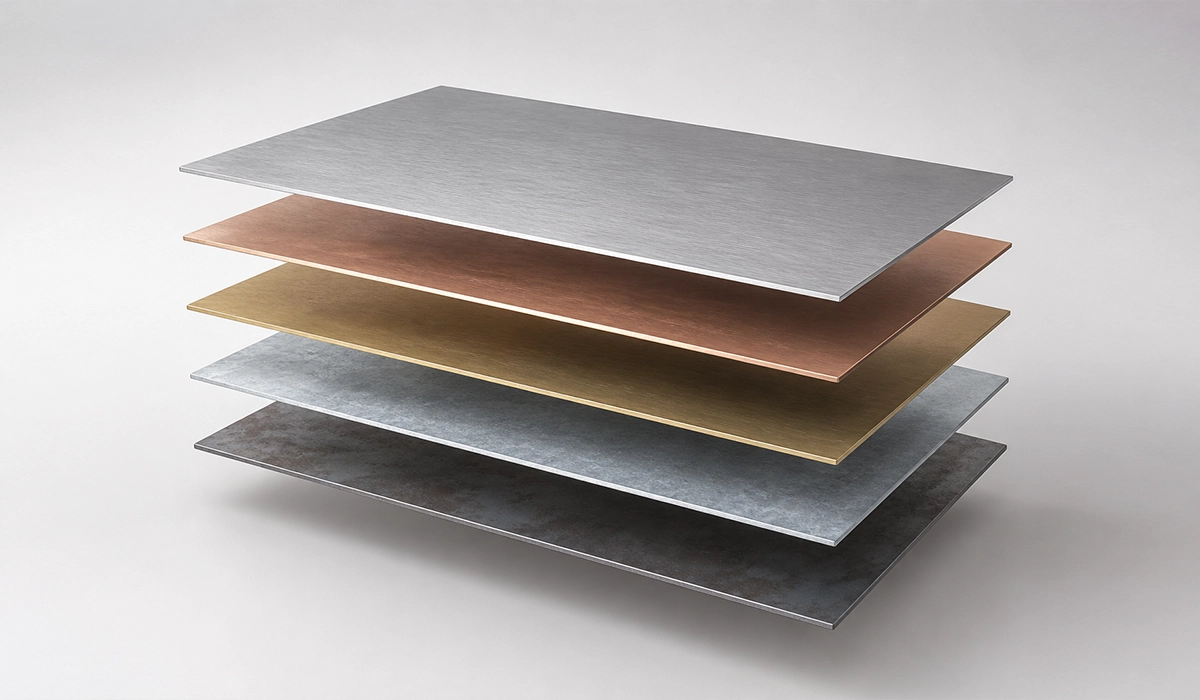
Material compatibility must be checked before selecting a bending machine. Each metal has different tensile strength, ductility, springback behavior, and surface sensitivity.
| Material | Bending Consideration |
|---|---|
| Mild steel | Common baseline material; moderate force requirement |
| Stainless steel | Higher strength; requires more tonnage than mild steel |
| Aluminum | Easier to form but can crack with tight radii |
| Copper | Good formability but sensitive to tooling marks |
| Brass | Can crack depending on alloy and temper |
| High-strength steel | Requires higher tonnage and larger bend radii |
Material thickness also changes the machine requirement quickly. Selection guides for press brakes consistently treat material thickness and bending length as core sizing factors.
Bed Length, Throat Depth, Stroke, and Open Height
Machine capacity is not only about tonnage. The machine also needs the correct physical geometry for your parts.
| Specification | Why It Matters |
|---|---|
| Bed length | Determines maximum bend length |
| Throat depth | Controls how far material can enter the machine |
| Stroke length | Affects tooling clearance and part extraction |
| Open height | Determines available space for tooling and formed parts |
| Backgauge travel | Controls bend-line positioning |
| Crowning system | Helps compensate for bed/ram deflection on long bends |
Press brakes are commonly sized by tonnage and bed length, and these two values should be evaluated together.
Safety Features to Check Before Buying a Bending Machine
Bending machines create pinch-point and crushing hazards, especially around the punch, die, clamp, and moving ram. Safety features should be part of machine selection, not an afterthought.
Check for:
- emergency stop buttons;
- light curtains or laser guards;
- two-hand controls where applicable;
- guarded pinch points;
- safe foot-pedal design;
- overload protection;
- lockout/tagout access;
- tooling-change safety;
- operator training requirements.
OSHA guidance and interpretations discuss press brake safeguarding methods such as light curtains, two-hand controls, and guarding of the unused die area.
Maintenance and Total Cost of Ownership for Metal Bending Machines
The lowest purchase price is not always the lowest-cost machine. Total cost of ownership includes machine price, tooling, installation, training, maintenance, downtime, spare parts, energy use, and scrap rate.
Maintenance checklist:
| Frequency | Maintenance Task |
|---|---|
| Daily | Clean tooling, inspect work area, check guards |
| Weekly | Inspect lubrication points and backgauge movement |
| Monthly | Check hydraulic lines, sensors, clamps, and tooling wear |
| Quarterly | Verify angle accuracy and backgauge repeatability |
| Annually | Review calibration, safety systems, and service records |
Conclusion: Choosing the Right Bending Machine for Long-Term Productivity
The right bending machine selection starts with the part, not the machine. Before buying, define your material, maximum thickness, bend length, bend radius, tolerance, production volume, automation needs, tooling requirements, and safety expectations.
A manual machine may be enough for simple low-volume work. A hydraulic press brake is often the most versatile option for general fabrication. A CNC bending machine is better for repeatable production, multi-bend parts, and tighter accuracy. Specialized equipment such as panel benders, folding machines, tube benders, roll benders, and busbar benders should be selected when the part geometry demands it.
A properly matched machine reduces scrap, improves repeatability, protects tooling, supports operators, and gives the workshop capacity to grow.

Rate this article
Choose a rating from 1 to 5 stars.
No ratings yet