





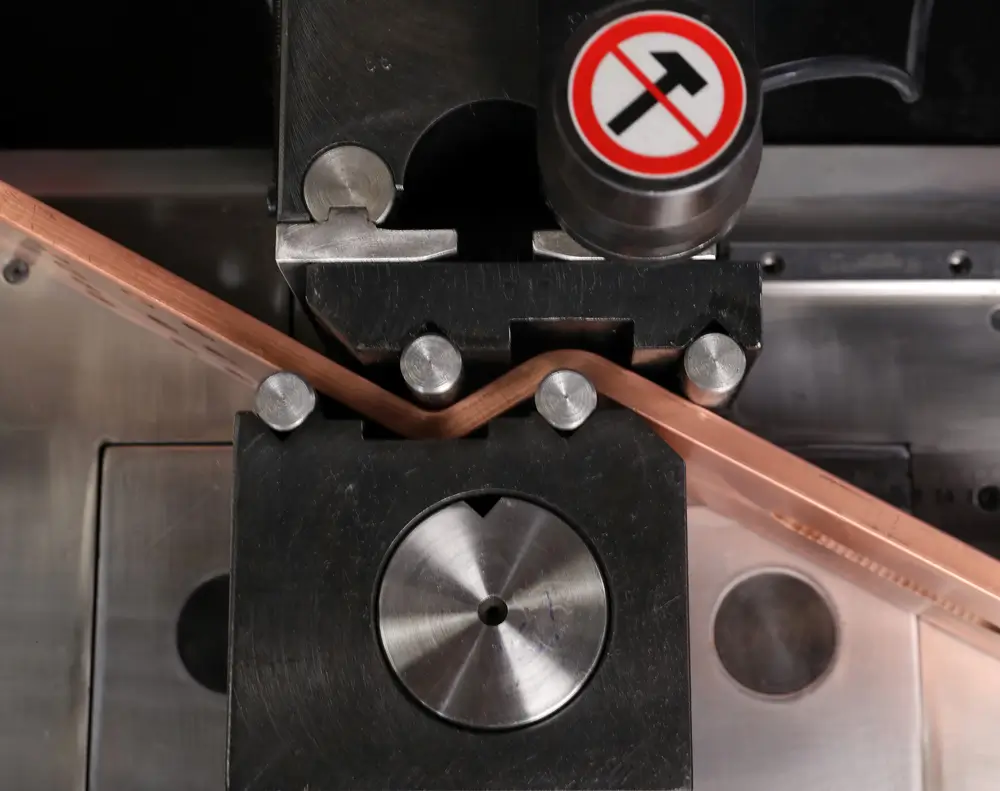
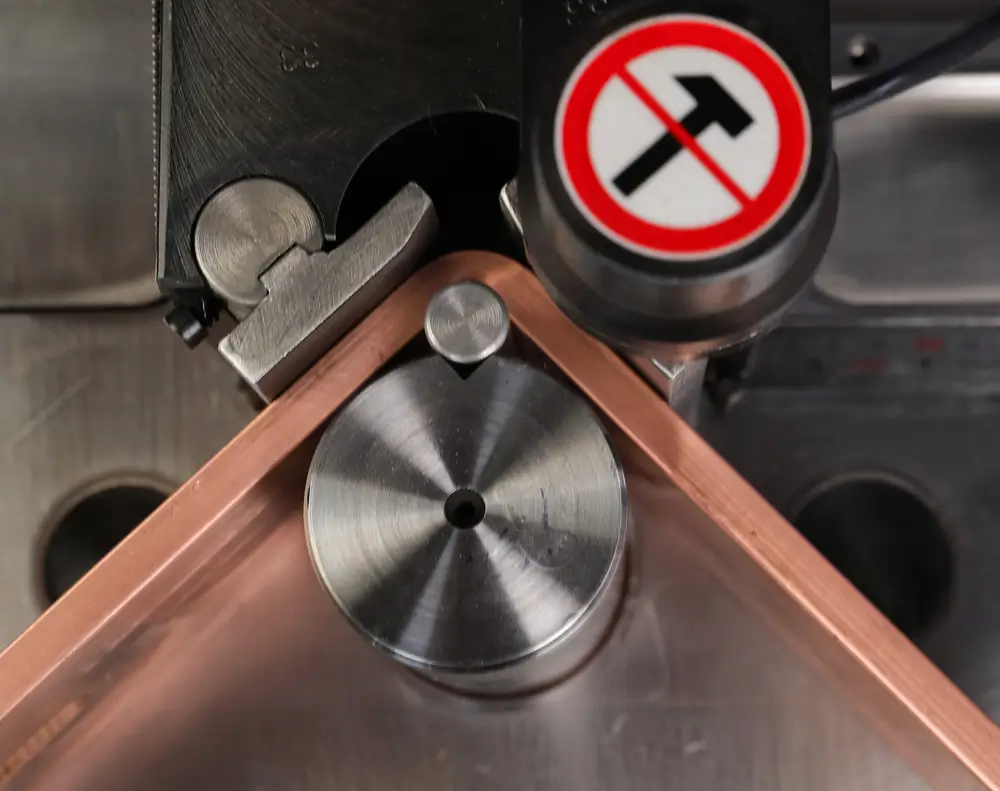
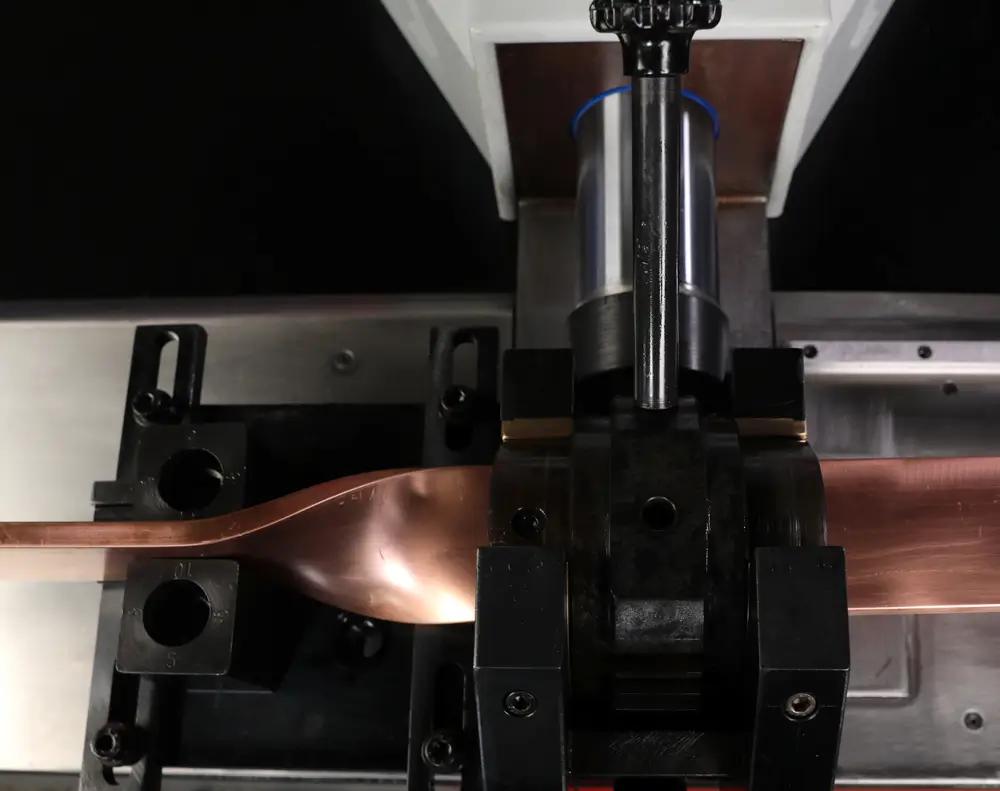
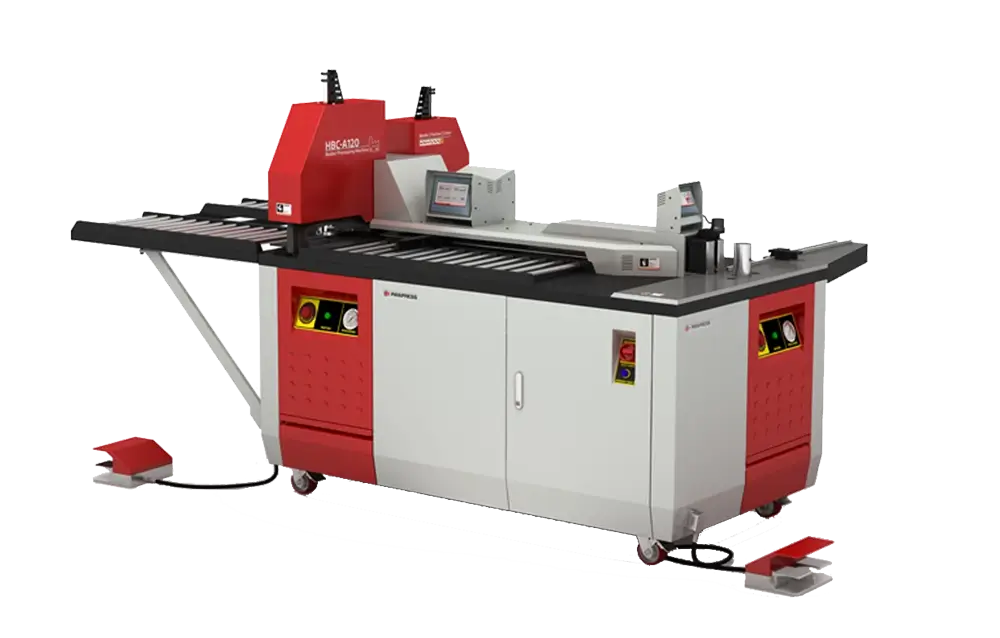
If you’d rather listen than read, feel free to play the audio file below for the rest of this article.
The Three Control Levels, Defined
In a CNC vs manual busbar machine decision, automation is not one step but three, and suppliers name the middle step differently. Keep one fact in view through this busbar machine comparison: hydraulics and tooling are often similar across all three levels. What changes is how the machine decides the position of every cut, hole and bend. That positioning method, not the brochure label, defines the level and predicts how consistent your parts will be.
If you would like to explore this subject further, you can view cnc busbar machine product.
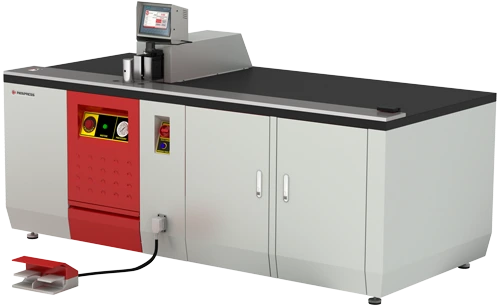
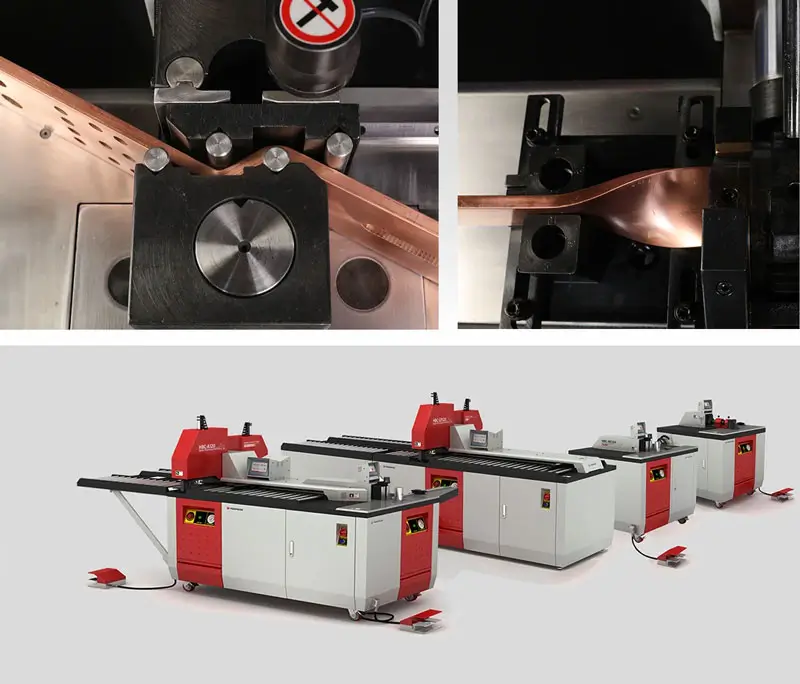
A manual busbar machine gives you full control with nothing to program, as long as someone measures every part. You mark the bar, set a mechanical stop or work to a scale, then position each hole and cut by eye or with a laser center finder. Manual does not mean hand-powered, because hydraulics still drive every stroke. The strengths are real. There is no software to maintain, basic upkeep keeps the machine running, and portable hydraulic tools handle site work. The limit is just as clear. Every part depends on operator attention, so accuracy stays only as consistent as the person and the shift.
NC and semi-automatic machines
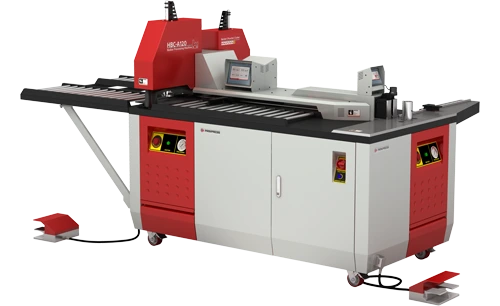
A semi-automatic busbar machine removes repositioning for stored dimensions, while the operator still loads each bar. A programmable stopper or servo-driven backgauge sets the position, and a foot pedal triggers each stroke. Many suppliers sell this tier as an NC busbar machine. It remembers positions, not parts. Typical programmable stoppers hold around 20 positions in absolute or incremental mode. On 3-in-1 machines with independent servo stoppers, bending, punching and cutting run simultaneously, so up to three operators can share one machine. Some manufacturers claim around five times the output of manual positioning. Treat that as a sales figure until you test it on your parts. The limit: you repeat single dimensions, not whole parts.
CNC machines
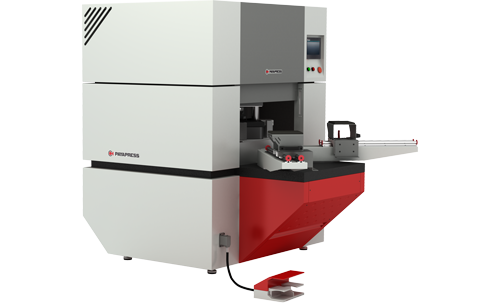
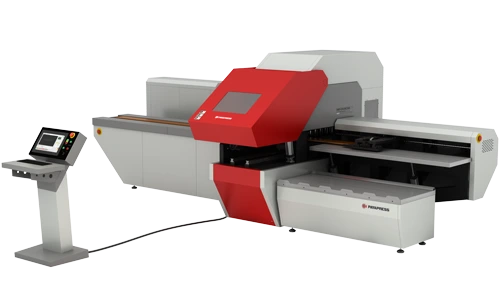
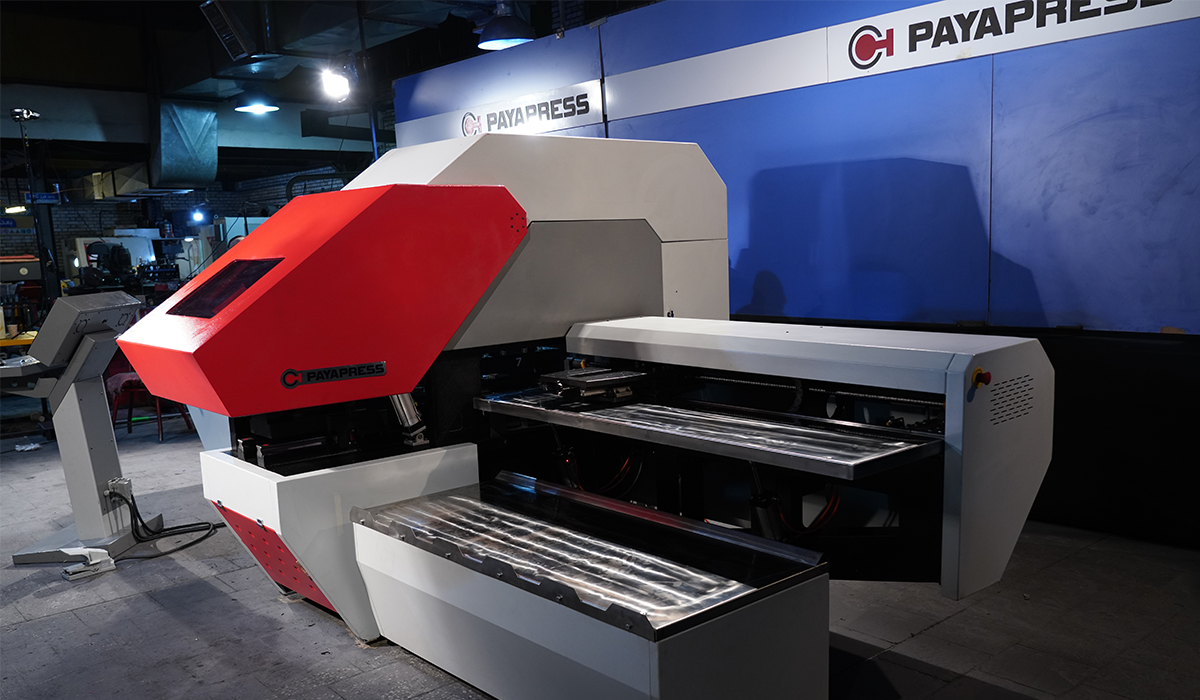
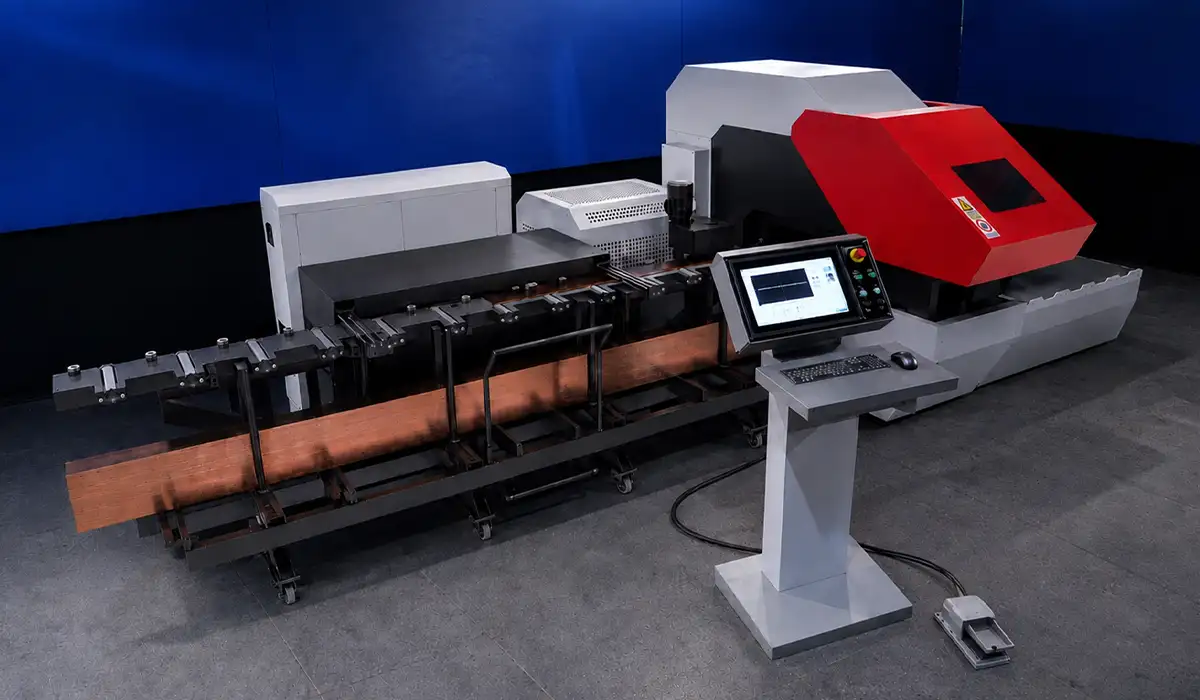
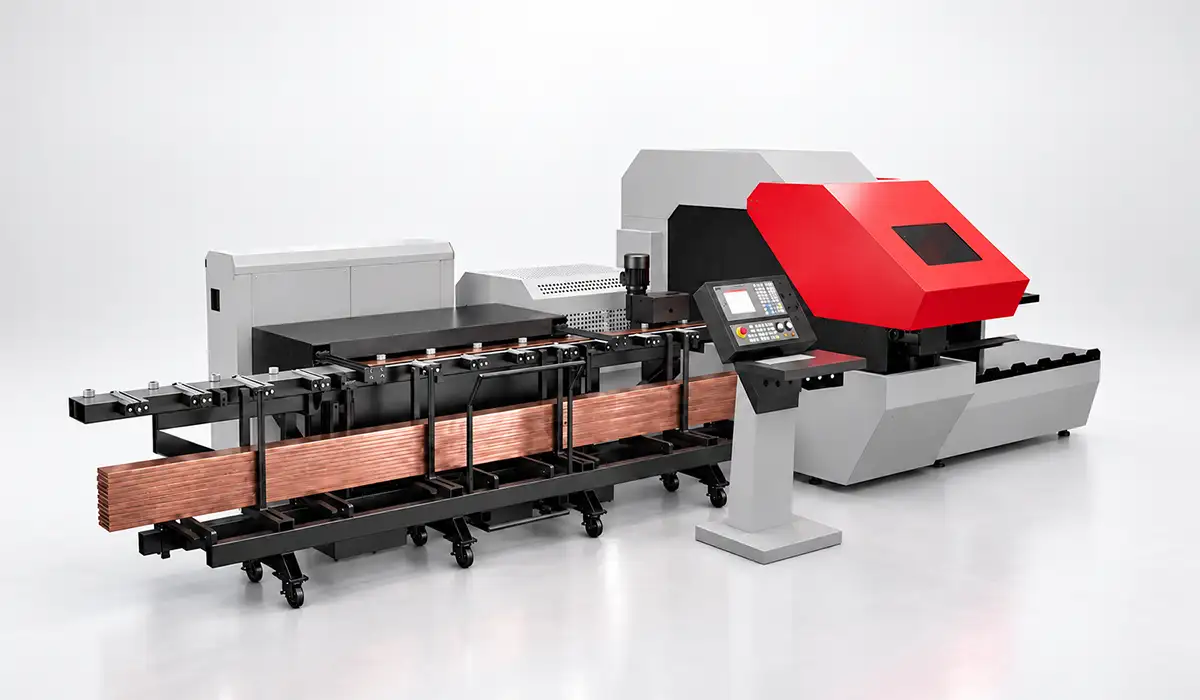
A CNC busbar processing machine makes the whole part the unit of repetition, because a stored program drives every axis. Servo drives with ball-screw length measurement replace mechanical stops, and the program calls each tool station. Drawings import as DXF or DWG for 2D and STEP or IGES for 3D, and software generates the machine code. You can simulate the sequence before copper moves, nest parts across standard 6 m bars, and recall a program library months later. Some CNC lines also link to MES, ERP or warehouse systems, so jobs arrive from the production schedule. Confirm what each control actually supports. The limit: output is only as good as the program and tool table.
What “NC” Really Means on a Busbar Datasheet
The NC vs CNC busbar machine question has a textbook answer and a market answer, and mixing them up leads buyers to misread datasheets. Classical NC ran from punched tape or cards. It had no program memory, re-read the tape on every cycle, and needed a new tape for any change. CNC replaced the tape with a computer. Programs now live in memory, you edit them at the control, and you can dry-run them before cutting.
Almost nobody sells tape-fed machines today. When a busbar catalog says NC, it usually means digital or servo positioning under PLC control. That is the semi-automatic tier described above, not a tape reader. The label is used in good faith; it simply carries a different meaning in this market.
So ignore the acronym on the cover and ask one question. Can the machine store and recall a complete part program, or only individual positions? The answer sorts NC from CNC, whatever the brochure says.
The most up-to-date information is always published on the official website, so it is worth checking there as well.
Side-by-Side Comparison
The table sets the three levels against the criteria that matter at purchase. In any CNC vs manual busbar machine choice, one row decides most cases: what the machine remembers. A manual machine remembers nothing, so every part restarts the measuring. An NC machine remembers positions, so repeat dimensions go quickly, but you still build each part from them. A CNC machine remembers whole parts, so a repeat order starts with a program recall. Use this busbar machine comparison as a map, then check capacity separately.
| Criterion | Manual | NC / semi-automatic | CNC |
|---|---|---|---|
| Positioning method | Marks, stop or scale | Programmable stopper or servo backgauge | Stored program drives every axis |
| What it remembers | Nothing | Individual positions | Complete part programs |
| Setup, new part | Measure every dimension | Enter positions per station | Build or import a program |
| Setup, repeat part | Same as new | Recall positions | Recall the program |
| Operator skill | Bench measuring | Stopper entry and setup | Programming and setup |
| Batch size it suits | One-offs, low volume | Repeat dimensions, moderate variety | High variety or long runs |
| Drawing import | No | Usually no | DXF, DWG, STEP, IGES |
| Simulation before running | No | Usually no | Where software supports it |
| Angle repeatability | Trial bends and a digital indicator | Around ±0.5° (digital angle sensors) | Around ±0.3° (servo CNC benders) |
| Connected production | No | Rarely | Where the control supports it |
Accuracy and Repeatability
Programmed positioning limits drift because every dimension measures from one fixed reference, not from the last cut. That matters because buyers often merge two things: accuracy on one part, and the same result on part four hundred.
A skilled operator on a manual machine can hit a drawing dimension exactly. Manual positioning cannot promise that bar 200 matches bar 1 without checking, because each part restarts the measuring. Stopper-based work drifts too when you chain dimensions, each one set from the last instead of from one datum.
Springback deserves an honest note. Springback compensation appears on both NC and CNC benders, and either way you find the value with a trial bend for each material and temper. CNC stores that value with the program. On a manual machine, it lives in the operator’s head.
Busbar machine accuracy bites hardest on hole patterns that must line up with breaker terminals across many identical bars.
Throughput, Labor and Changeover
Judge each level by time per finished part, not stroke speed, since hydraulics are broadly similar and the stroke is rarely the bottleneck. That shift changes the CNC vs manual busbar machine answer.
On a manual machine, time goes into marking, measuring, repositioning, re-clamping, checking and carrying bars between separate stations. NC removes repositioning for stored dimensions. Independent servo stoppers also let several stations run at once, so one machine carries more than one operator’s work. CNC runs the whole part as one sequence. The second order for that part, and every later one, needs no setup thinking, and nesting trims offcut waste across a batch.
Changeover is where the levels truly separate. A shop running many different parts in small quantities pays the setup cost constantly. That is exactly where a recallable program library pays back fastest, contrary to the common belief that CNC only suits long runs.
Labor changes too, but it doesn’t disappear. Automation shifts skill from bench craft to programming and setup.
If this topic is completely new to you, this beginner-friendly guide is a good place to start.
Which Level Fits Your Shop
Match the level to how your parts repeat, and busbar machine selection becomes a short exercise instead of a spec-sheet contest. Three scenarios cover most shops facing the CNC vs manual busbar machine decision.
Scenario 1: occasional busbar work. Busbar is a side job beside other fabrication, volume is low, most parts are one-offs, and some work happens on site. Choose manual. Automation here only adds a machine nobody has time to learn.
Scenario 2: steady panel output. You build panels continuously with repeat dimensions, a small team and moderate part variety. Choose NC or semi-automatic. Stored positions deliver most of the benefit at a fraction of the complexity, and independent stations let a small team work in parallel.
Scenario 3: switchgear production. Part variety is high, drawings arrive from panel design software, traceability matters, or you plan to connect production systems. Choose CNC. Drawing-to-part flow and program recall decide this case, not tonnage. Confirm the control’s connectivity scope before you buy.
One cross-check comes first at every level. Machines are rated by maximum bar cross-section, so the frame must cover the largest section you actually run.
Then ask the question that settles most cases: how many times will you make this same part again?
What CNC Does Not Fix
A CNC busbar processing machine removes positioning labor, but six problems stay exactly where they were. First, a wrong program produces wrong parts faster than any manual machine could. Second, tooling is still tooling: a die swapped without a tool-table update punches the wrong hole in a perfect program. Third, drawing quality sets import quality, and a messy DXF still needs cleanup by hand. Fourth, material behavior ignores control level, so temper still governs springback and minimum bend radius. Fifth, nobody escapes inspection, and you still measure a first article before releasing a batch. Sixth, software and control platforms need updates, backups and a named owner, or your stored programs become a liability.
Most of the common questions are already answered in this helpful resource.
Conclusion about CNC vs NC busbar machine
Strip away the brochure language and the three levels separate on a single line: a manual busbar machine remembers nothing, an NC machine remembers positions, and a CNC busbar processing machine remembers complete parts. Everything else in this busbar machine comparison — accuracy across a batch, changeover time, operator skill, drawing import — flows from that one difference. Hydraulics and tonnage rarely decide the purchase; memory does.
So the CNC vs manual busbar machine question is really a question about your order book. Count how often the same part comes back, measure how much of your shop day disappears into marking and setup rather than cutting, and the right level names itself. A shop of one-offs wastes money on automation it never recalls; a shop of repeats wastes hours on measuring it never needed to do twice.

Rate this article
Choose a rating from 1 to 5 stars.
No ratings yet