


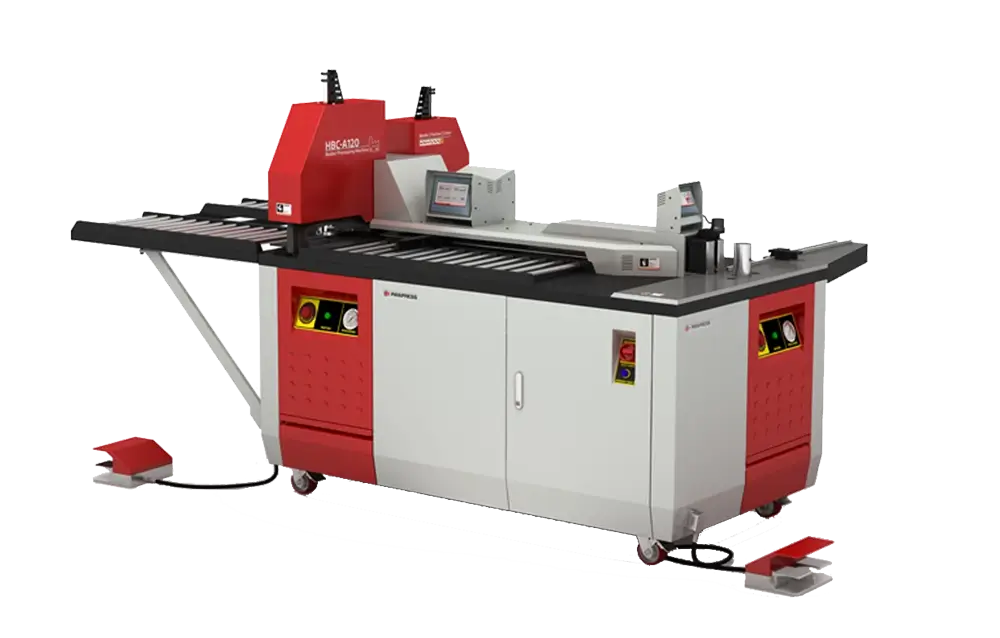
This article explains why busbar fabrication accuracy matters, how it influences electrical system performance, and what manufacturers should consider when producing reliable busbar assemblies for modern power distribution applications.
| Benefit | Description |
|---|---|
| Accurate Cutting, Punching, and Bending | Produces copper and aluminum busbars with precise dimensions, clean cuts, accurate hole positions, and controlled bend angles. |
| Improved Fabrication Consistency | Repeatable machine performance reduces variation between parts and supports stable production quality. |
| Reduced Manual Errors | Controlled machine operations minimize mistakes caused by manual measurement, marking, cutting, and bending. |
| Better Assembly Fit | Precisely fabricated busbars fit easily into electrical panels, switchboards, and control cabinets. |
| Lower Rework and Material Waste | Accurate processing reduces misaligned holes, incorrect bend angles, poor cuts, and unusable parts. |
| Enhanced Electrical Safety | Supports stronger electrical connections, reliable current flow, and reduced overheating and fault risks. |
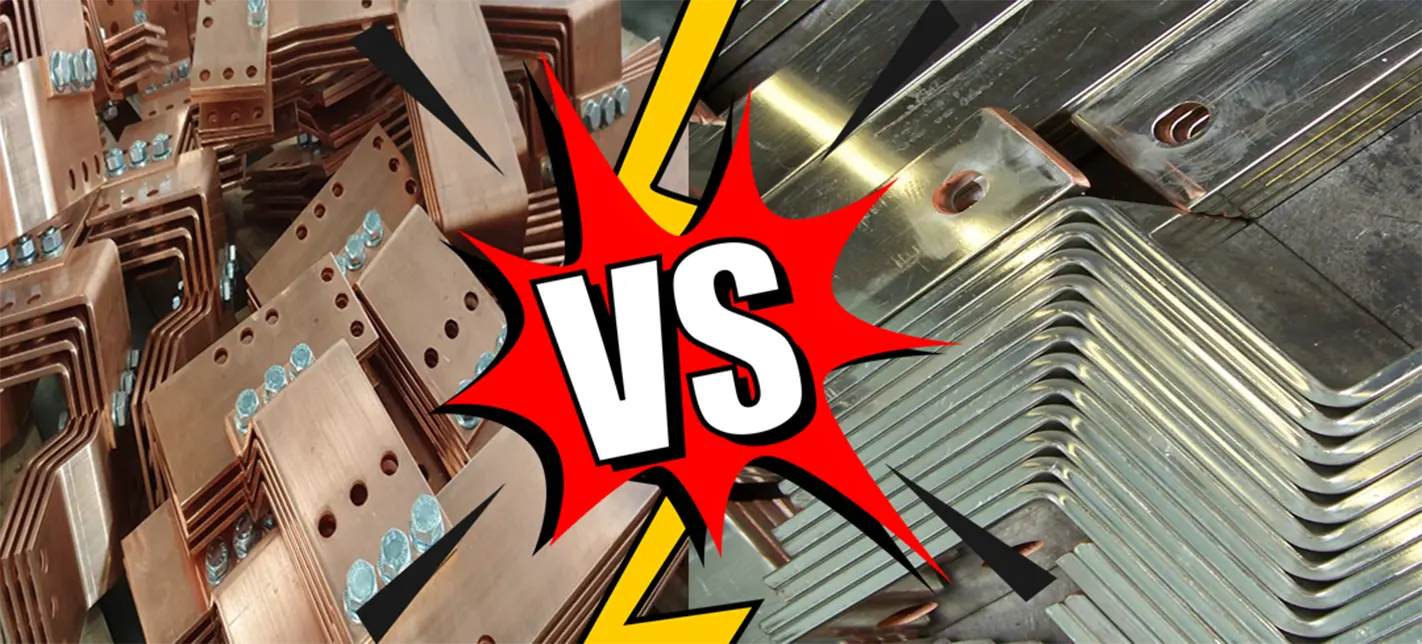
| Support for Copper and Aluminum Busbars | Processes both copper and aluminum busbars for a wide range of industrial electrical applications. |
| Higher Production Efficiency | Combines cutting, punching, and bending operations to improve productivity and shorten production time. |
| Professional Results for Panel Builders | Helps manufacturers create neat, accurate, and repeatable busbar assemblies. |
| Long-Term Manufacturing Reliability | Durable construction and controlled processing maintain consistent fabrication quality over time. |
Skilled Busbar Technicians and Formed Busbar Fabrication for Precision Electrical Assemblies
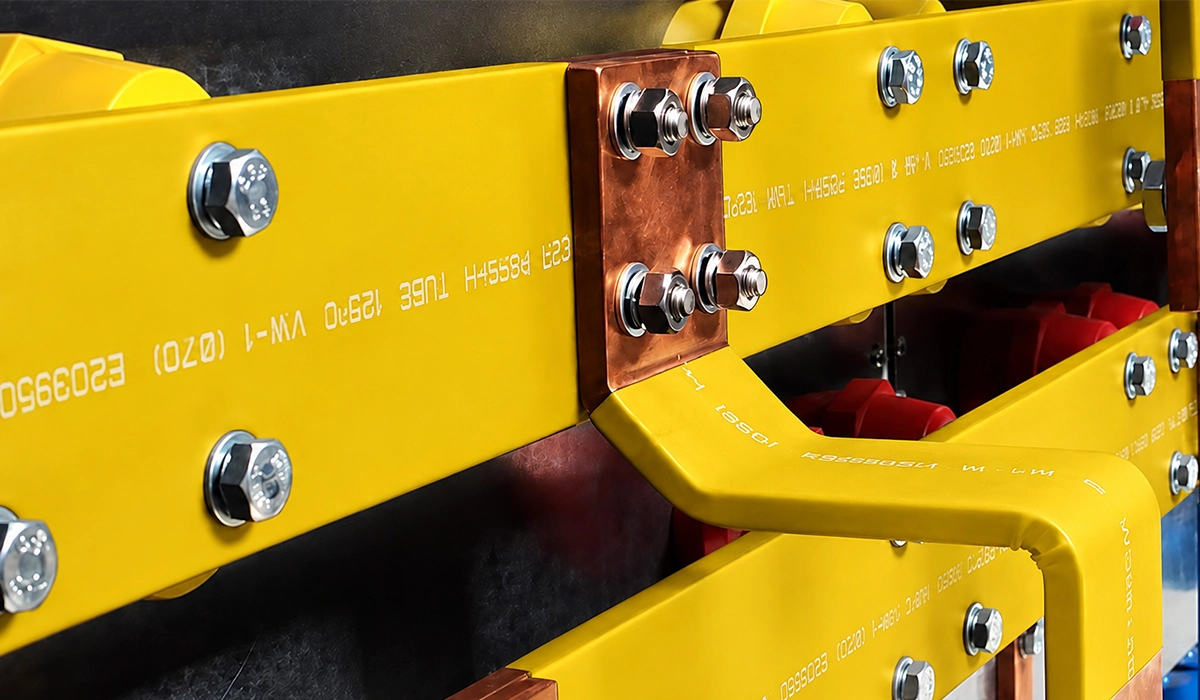
A qualified busbar technician plays a critical role in producing accurate, safe, and reliable electrical connections for switchgear, panel boards, control cabinets, and power distribution systems. Busbar work requires more than basic metal processing; it demands exact measurement, clean cutting, accurate punching, controlled bending, and careful inspection to ensure every copper or aluminum bar fits the final assembly without stress, misalignment, or connection loss.
In professional precision bar production, small dimensional errors can affect contact pressure, current flow, heat distribution, and installation efficiency. Properly fabricated Busbars Machine HBC-A120 must maintain consistent hole placement, bending angles, edge quality, and surface condition. This level of accuracy helps reduce overheating risks, improves mechanical stability, and supports long-term electrical performance in demanding industrial environments.
Working with an experienced formed busbar fabricator ensures that each busbar is shaped according to project specifications, equipment layout, and electrical design requirements. From straight bars to complex bent busbar assemblies, the fabrication process must combine technical expertise with advanced machinery to deliver repeatable quality. For manufacturers and panel builders, this directly improves assembly speed, system reliability, and overall production consistency.
Further exploration of Busbar Processing Machine can be found in the following recommended reading.
How Skilled Busbar Technicians Improve Fabrication Accuracy
Skilled busbar technicians help reduce fabrication errors by controlling each stage of the process, from measuring and marking to cutting, punching, bending, and final inspection. Their experience allows them to detect problems such as incorrect hole spacing, poor edge quality, improper bend angles, or material deformation before the busbar reaches the assembly stage.
This technical control is especially important in electrical panel production, where even a minor deviation can affect alignment, fastening, contact pressure, or installation time. By combining machine knowledge with practical fabrication experience, busbar technicians support safer electrical connections and more consistent production quality.
This article serves as a valuable resource for those seeking detailed information on Busbar Production System.
Why Formed Busbar Fabrication Requires Controlled Processing
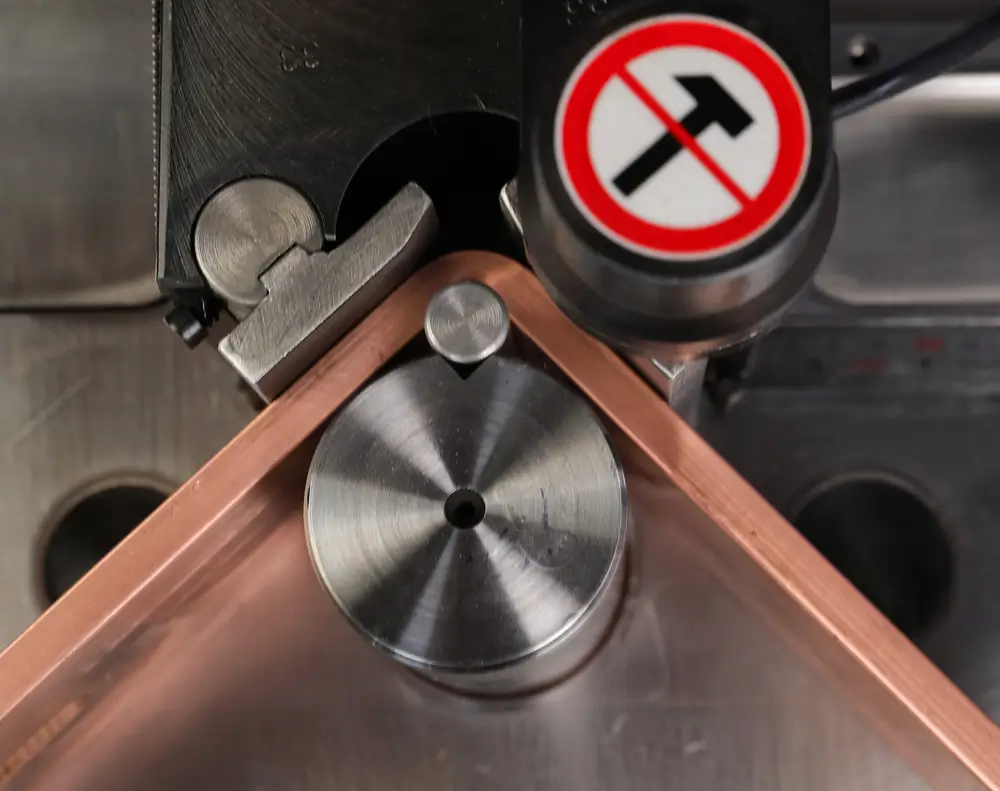
Formed busbar fabrication requires precise control over bending force, tooling selection, material thickness, bend radius, and dimensional tolerances. Unlike simple straight busbars, formed busbars must fit into specific electrical layouts while maintaining mechanical strength and reliable current-carrying performance.
Controlled processing helps prevent cracks, twisting, springback, and misalignment during production. For copper and aluminum busbars, this level of accuracy ensures that the final component can be installed correctly inside switchgear, distribution boards, and industrial control panels without forcing, rework, or unnecessary downtime.
For a comprehensive understanding of Benefits of Aluminum Busbar, we highly recommend reviewing this article.
Why Precision Is Essential in Busbar Fabrication with Advanced Busbar Machines
Precision is one of the most critical factors in busbar fabrication machine because every cut, hole, and bend directly affects the safety and performance of the final electrical assembly. A busbar must fit accurately inside switchgear, distribution panels, and control cabinets while maintaining stable contact pressure and proper current flow. Even a small dimensional error can cause misalignment, loose connections, overheating, installation delays, or unnecessary rework.
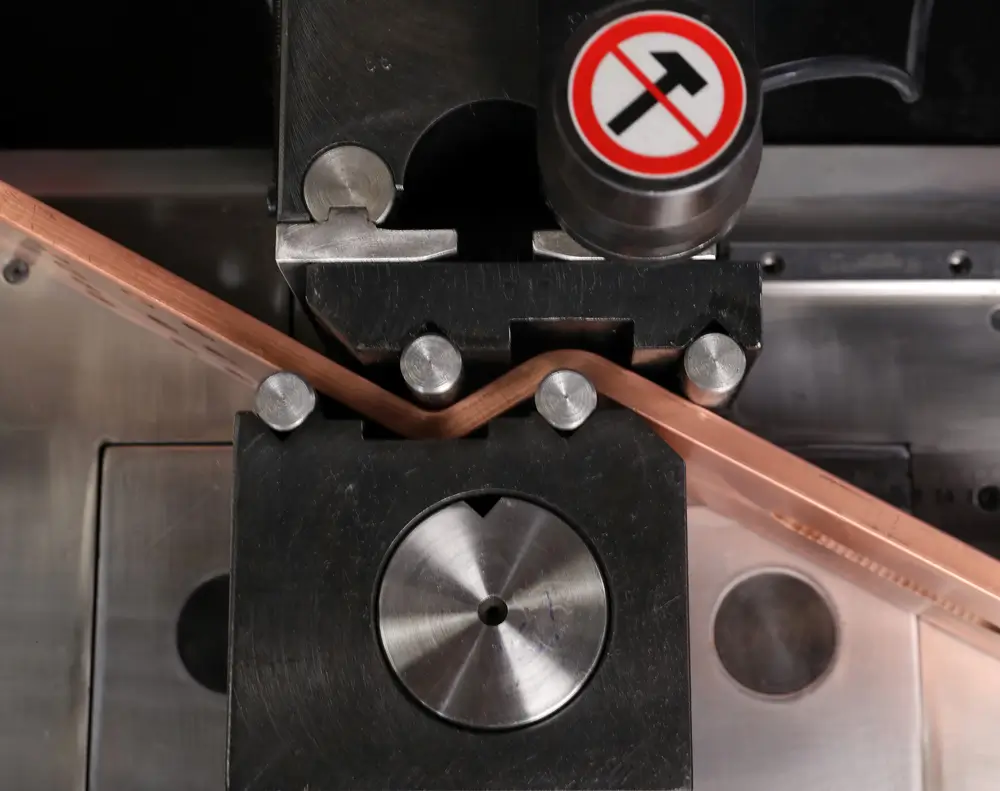
Using a professional busbar machine allows manufacturers to control cutting, punching, and bending with greater consistency than manual fabrication methods. Accurate machine processing helps ensure clean edges, correctly positioned holes, repeatable bending angles, and reduced material deformation. This level of control is especially important when working with copper and aluminum busbars used in high-current electrical systems.
How Busbar Machine Accuracy Improves Safety, Fit, and Electrical Performance
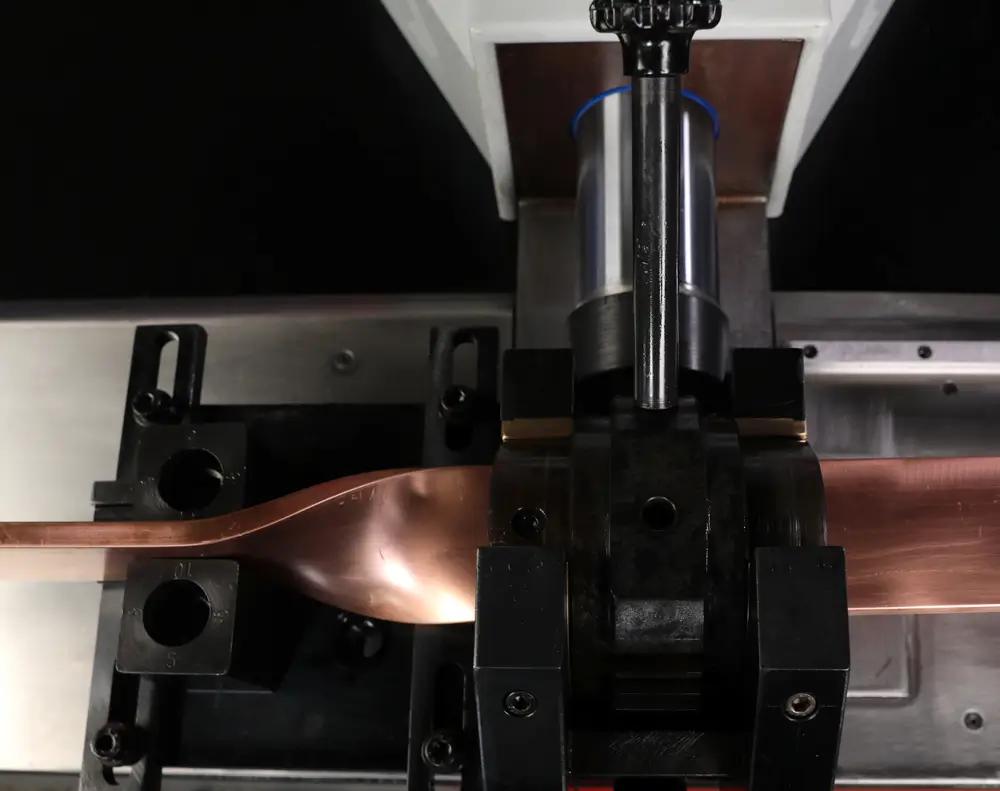
A precise busbar machine improves fabrication quality by reducing human error and keeping every production step within the required tolerance range. Accurate punching ensures that bolts and fasteners align correctly, while controlled bending prevents stress points, twisting, and poor contact between connected components. As a result, the finished busbar assembly becomes easier to install, safer to operate, and more reliable under continuous electrical load.
In modern busbar fabrication, precision is not only about appearance or dimensional neatness. It directly supports electrical conductivity, thermal stability, mechanical strength, and long-term system reliability. For panel builders, switchgear manufacturers, and industrial electrical producers, investing in accurate busbar processing is essential for reducing failures, improving production efficiency, and delivering high-quality power distribution systems.
Key Reasons Precision Is Critical in Busbar Fabrication
Precision in busbar fabrication affects every part of the final electrical system, from current flow and thermal behavior to installation quality and long-term reliability. When a busbar machine performs cutting, punching, and bending accurately, the finished busbar can deliver better mechanical fit, safer electrical contact, and more stable operation inside panels, switchgear, and power distribution equipment.
- Enhanced Electrical Performance: Accurate cuts, clean edges, and controlled bends help create proper contact surfaces between busbars, connectors, and terminals. This reduces unwanted electrical resistance, limits heat generation, and supports efficient current transfer across the entire assembly.
- Safety and Compliance: Precise busbar fabrication minimizes the risk of loose connections, short circuits, arc faults, and mechanical stress. By keeping dimensions, hole positions, and bend angles within tolerance, manufacturers can produce busbar assemblies that meet technical requirements and support compliance with industrial electrical standards.
- Ease of Assembly: Correctly fabricated busbars fit smoothly into electrical panels, switchboards, and control cabinets without forcing, modification, or repeated adjustment. This improves assembly speed, reduces labor time, and helps prevent costly rework during panel production.
- Long-Term Reliability: Well-made busbars with accurate dimensions maintain their structural strength and electrical integrity over long periods of operation. Consistent fabrication quality helps prevent deformation, overheating, connection failure, and performance loss in demanding electrical environments.
Further exploration of journey of Busbar Manufacturing can be found in the following recommended reading.
How PAYAPRESS Solves Precision Challenges in Busbar Fabrication
PAYAPRESS addresses the need for accuracy in busbar fabrication by focusing on controlled cutting, punching, and bending processes that help manufacturers produce consistent copper and aluminum busbars. In electrical panel production, precision is not optional; every hole position, bend angle, and cut length must match the design requirements to ensure safe assembly and reliable current distribution.
With advanced busbar machine technology, PAYAPRESS supports repeatable fabrication quality by reducing manual errors and improving dimensional consistency. Accurate processing helps prevent common production issues such as misalignment, poor contact surfaces, deformation, springback, and unnecessary rework. This makes the fabrication process more efficient for panel builders, switchgear manufacturers, and industrial electrical producers.
PAYAPRESS’s solution is built around one clear objective: helping manufacturers produce busbars that fit correctly, perform safely, and remain reliable under demanding electrical conditions. By combining machine accuracy, operator control, and durable fabrication capability, PAYAPRESS helps turn precision into a practical production advantage rather than just a technical requirement.
How PAYAPRESS Ensures Precision
At PAYAPRESS, our machines incorporate advanced technological features that prioritize accuracy:
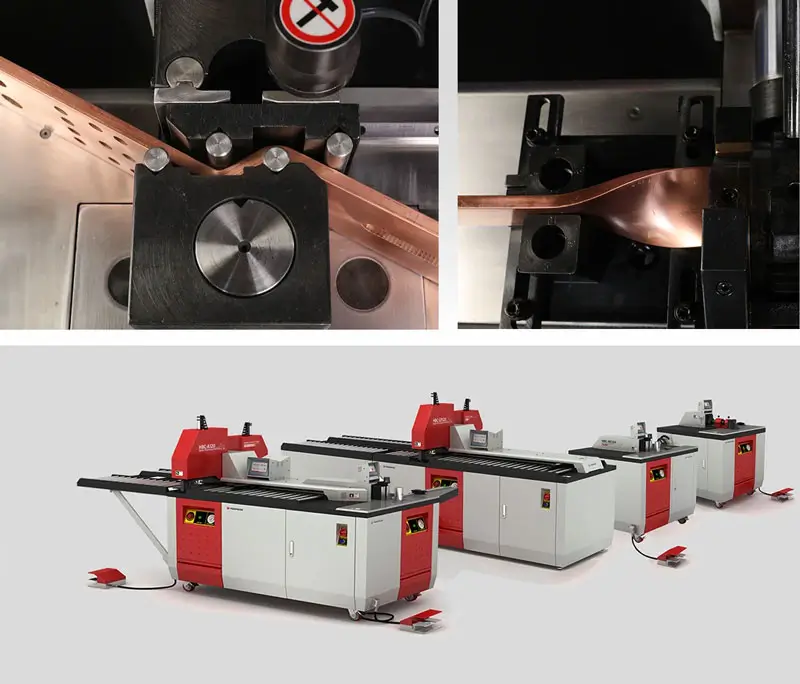
- High-tech Bending System: Our digital bending indicators and spring back compensation systems deliver exact bends, critical for complex busbar shapes.
- Programmable Length Stop: This feature helps in precise hole positioning for punching, ensuring consistency across batches.
- Industry 4.0 Technology: Connectivity allows real-time feedback and troubleshooting, maintaining high standards of accuracy during manufacturing.
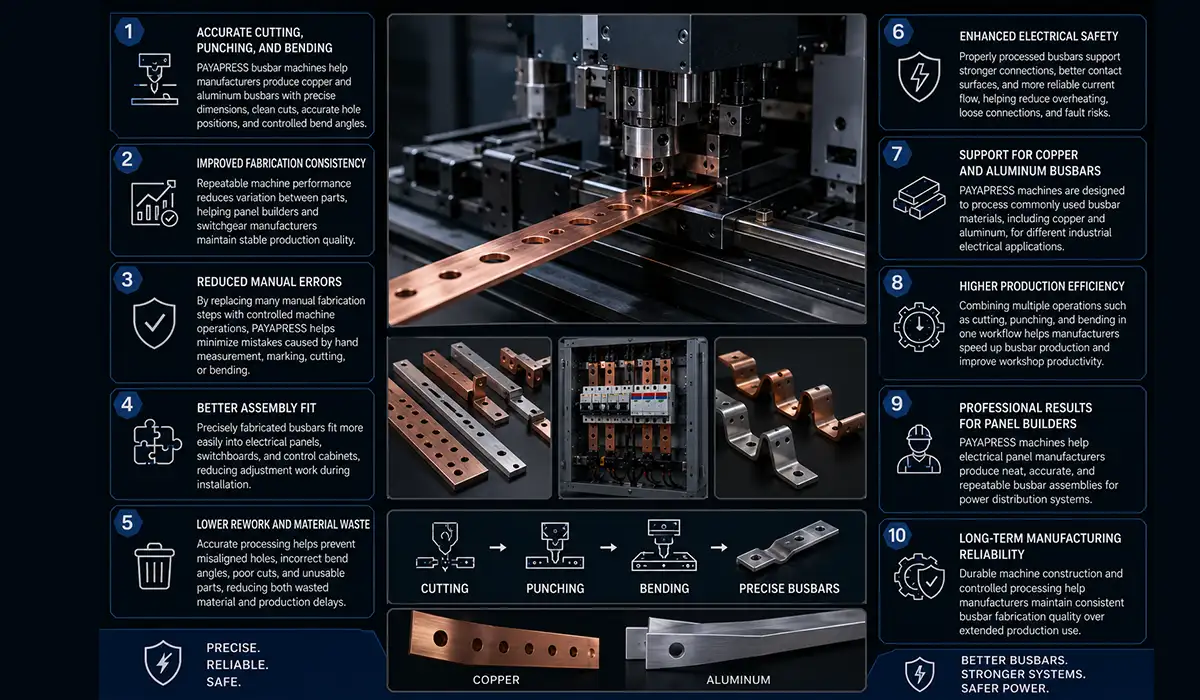
Busbar Machine Benefits
- Accurate Cutting, Punching, and Bending: PAYAPRESS busbar machines help manufacturers produce copper and aluminum busbars with precise dimensions, clean cuts, accurate hole positions, and controlled bend angles.
- Improved Fabrication Consistency: Repeatable machine performance reduces variation between parts, helping panel builders and switchgear manufacturers maintain stable production quality.
- Reduced Manual Errors: By replacing many manual fabrication steps with controlled machine operations, PAYAPRESS helps minimize mistakes caused by hand measurement, marking, cutting, or bending.
- Better Assembly Fit: Precisely fabricated busbars fit more easily into electrical panels, switchboards, and control cabinets, reducing adjustment work during installation.
- Lower Rework and Material Waste: Accurate processing helps prevent misaligned holes, incorrect bend angles, poor cuts, and unusable parts, reducing both wasted material and production delays.
- Enhanced Electrical Safety: Properly processed busbars support stronger connections, better contact surfaces, and more reliable current flow, helping reduce overheating, loose connections, and fault risks.
- Support for Copper and Aluminum Busbars: PAYAPRESS machines are designed to process commonly used busbar materials, including copper and aluminum, for different industrial electrical applications.
- Higher Production Efficiency: Combining multiple operations such as cutting, punching, and bending in one workflow helps manufacturers speed up busbar production and improve workshop productivity.
- Professional Results for Panel Builders: PAYAPRESS machines help electrical panel manufacturers produce neat, accurate, and repeatable busbar assemblies for power distribution systems.
- Long-Term Manufacturing Reliability: Durable machine construction and controlled processing help manufacturers maintain consistent busbar fabrication quality over extended production use.
Conclusion
Precision is one of the most important factors in successful busbar fabrication. From accurate cutting and clean punching to controlled bending and proper alignment, every detail affects how safely and efficiently a busbar performs inside electrical panels, switchgear, control cabinets, and power distribution systems.
When busbars are fabricated with poor accuracy, the result can be misalignment, weak contact pressure, higher electrical resistance, overheating, installation delays, and unnecessary rework. When they are produced correctly, they support stable current flow, easier assembly, stronger mechanical integrity, and longer service life.
This is where advanced busbar machines become essential. By improving repeatability, reducing manual errors, and controlling each fabrication step, PAYAPRESS helps manufacturers achieve the accuracy required for modern electrical production. For panel builders, switchgear manufacturers, and industrial electrical companies, investing in precise busbar processing is not only a matter of quality; it is a direct investment in safety, reliability, and long-term performance.



Rate this article
Choose a rating from 1 to 5 stars.
No ratings yet