author

Mahdi Hojati

I am a content writer at Payapress, specializing in industrial machinery, CNC equipment, and busbar processing solutions. With an academic background in Computer Engineering, alongside studies related to Mechanical Engineering and manufacturing systems, I focus on producing technical content that is accurate, practical, and accessible for industry professionals.

As a graduate of the American University in Dubai, I have spent the past three years working closely with technical and industrial content, particularly in the fields of machine design, production technologies, and industrial automation. At Payapress, my goal is to present complex engineering concepts in a clear and professional way for engineers, manufacturers, and decision-makers in the industrial sector.

bblogs

skin effect

Skin Effect in High-Frequency Capacitors: Complete Guide to RF Circuit Performance & Loss Reduction

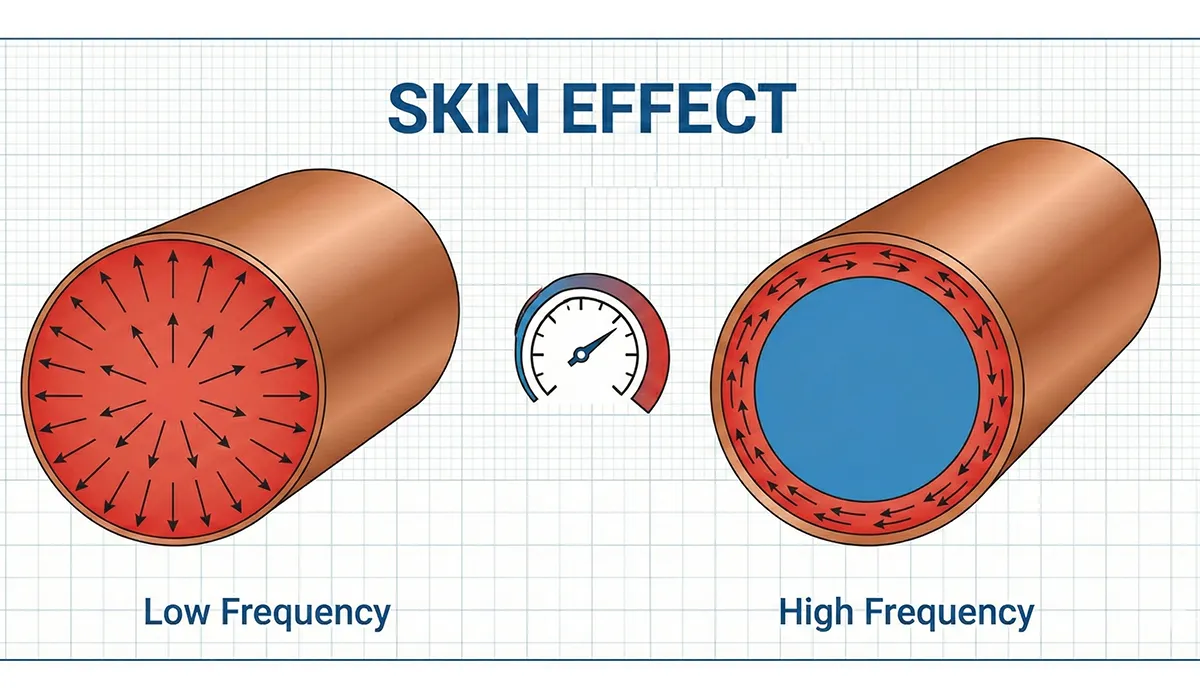
In the complex world of industrial electricity, power electronics, and high-frequency circuits, a phenomenon called the skin effect can create major challenges for optimal equipment performance. The skin effect causes alternating current (AC), especially at high frequencies, to concentrate on the surface of a conductor instead of distributing uniformly throughout its cross-section.

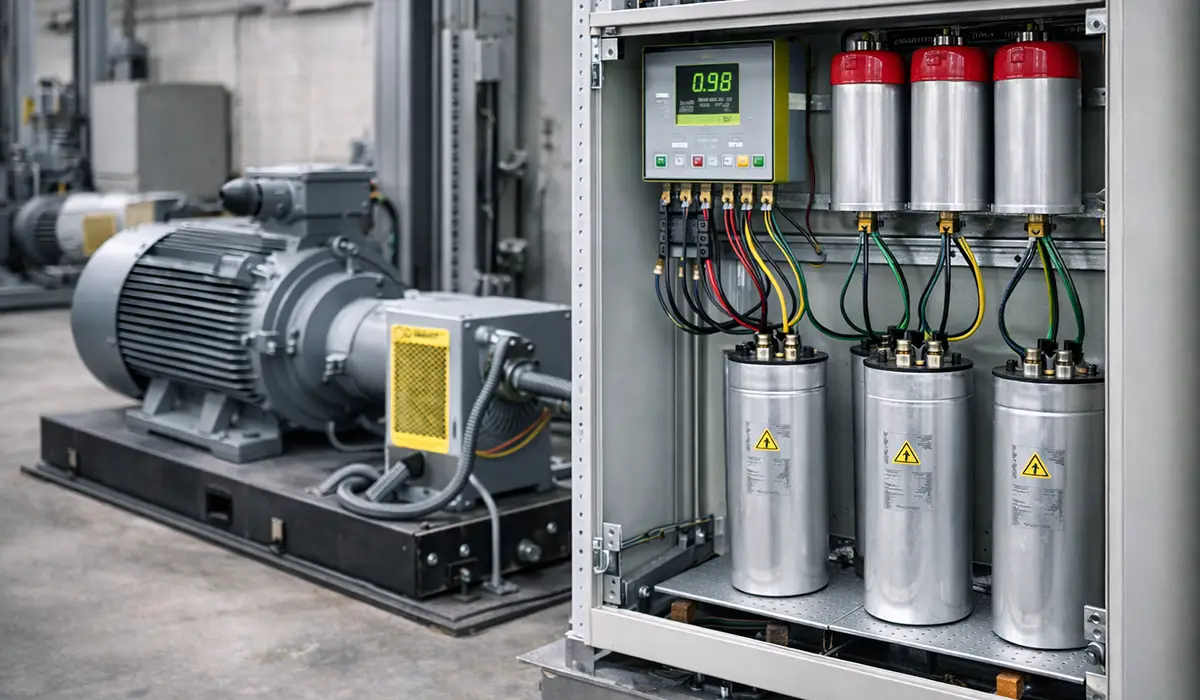
This phenomenon has a direct and significant impact on the efficiency of high-frequency capacitors, which play critical roles in industrial applications such as RF circuits, inverters, switching power supplies, telecommunication systems, and motor drives. But why do your high-frequency capacitors sometimes fail to deliver the expected performance? The answer often lies in the skin effect and incorrect equipment selection.

Read More ยป
Supercapacitors

What is a Supercapacitor? Complete Guide to Industrial Applications

Market Insight: The global supercapacitor market is projected to reach $8.3 billion by 2030, growing at a CAGR of 20.8% (Markets and Markets, 2025). This explosive growth is driven by increasing demand for rapid energy storage in electric vehicles, renewable energy systems, and industrial electrical panels.

As industries experience rapid growth, the need for efficient and sustainable energy storage has become increasingly critical. Supercapacitors, as an innovative technology in energy storage, have revolutionized various sectors with their unique characteristics. These advanced capacitors, capable of delivering high power and ultra-fast charging, offer an attractive solution to energy challenges in industrial electricity and power systems.

Read More ยป
Wire

Which Wire Is Suitable for Industrial Electricity?

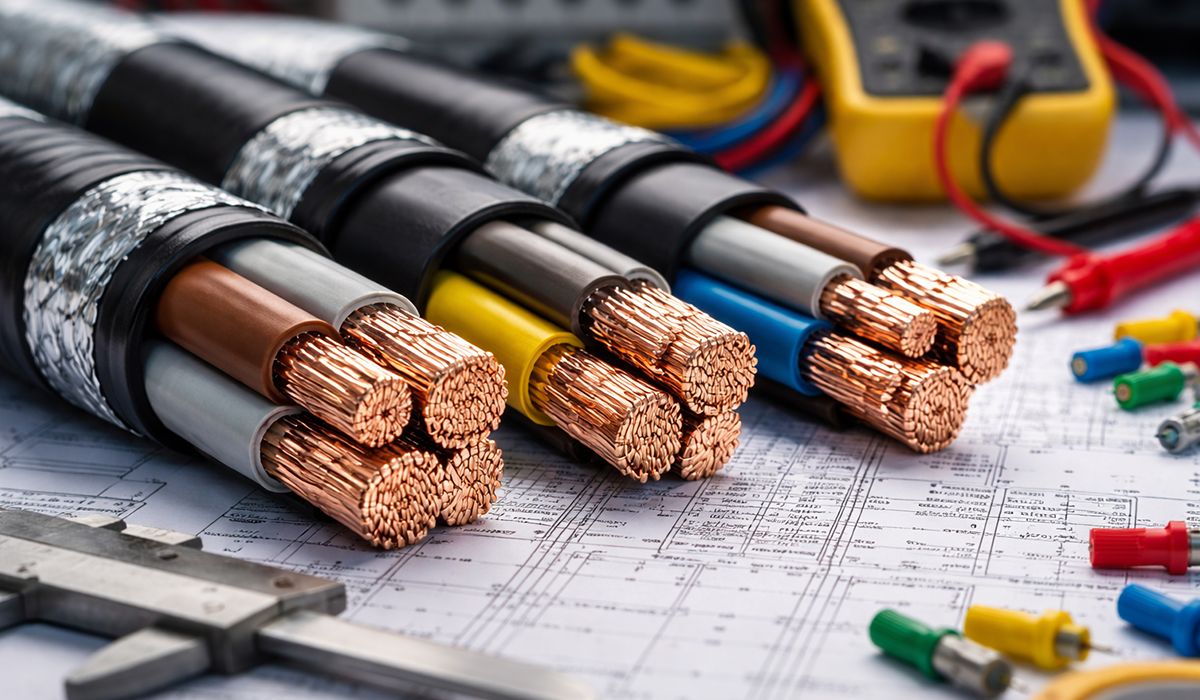
Choosing the right wire for industrial electrical systems is one of the most important decisions you need to make in installation and industrial projects, and it must be done with high accuracy. At first glance, you might think this is easy and that most wires can do the job, but you should know youโ€™re making a big mistake.

The key point you must consider is that industrial environments have special and different conditions compared to residential use. Higher power demand, heavier currents, moisture, ambient heat, and even the type of equipment all make proper wire selection critically important. In the rest of this article, stay with us as we review the most important factors in selecting the right wire for industrial electricity, and help you understand the differences between industrial and residential electrical wiring.

Read More ยป
Harmonic Filters

Harmonic Filters Explained: Purpose, Types, THD, and Capacitor Bank Protection

In power networks, harmonics are current or voltage components whose frequency is an integer multiple of the networkโ€™s
fundamental frequency. In low-voltage (LV) networks with a 50 Hz fundamental frequency, harmonics at 150, 250, 350,
and 550 Hz contribute the most to waveform distortion. These components are typically created by non-linear loads and
cause the waveform to deviate from an ideal sine wave.

Read More ยป