


What Is the Price Range for Bending Machines? Price Fundamentals for Hydraulic Busbar Models
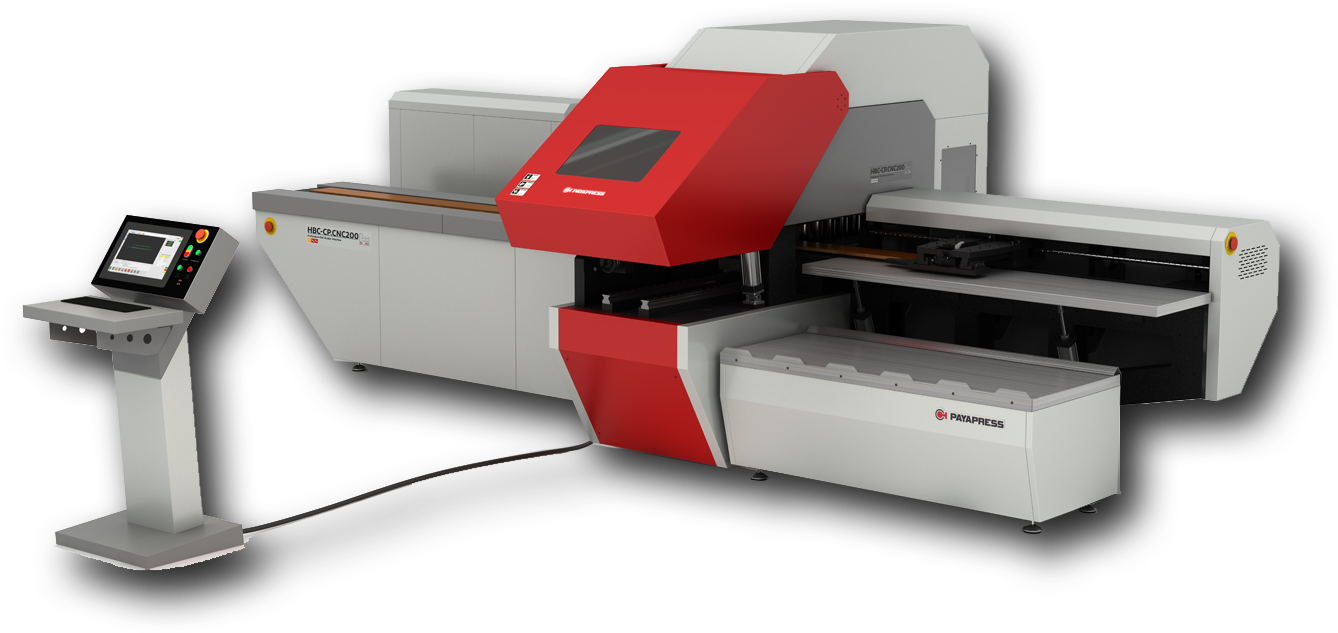
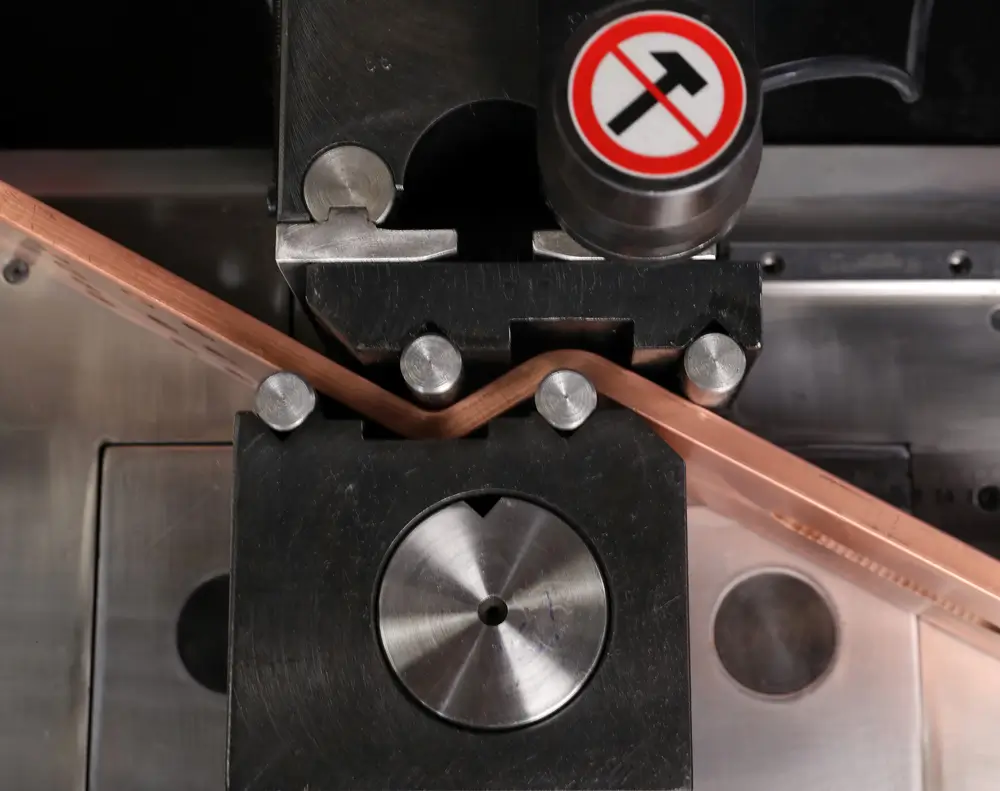
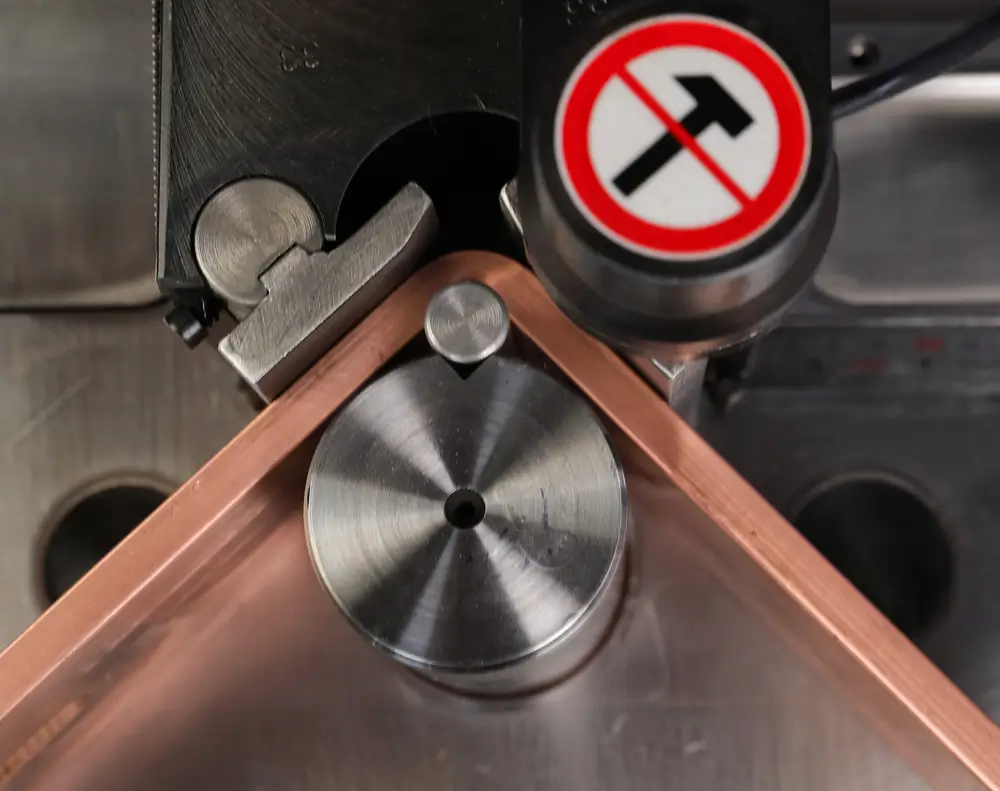
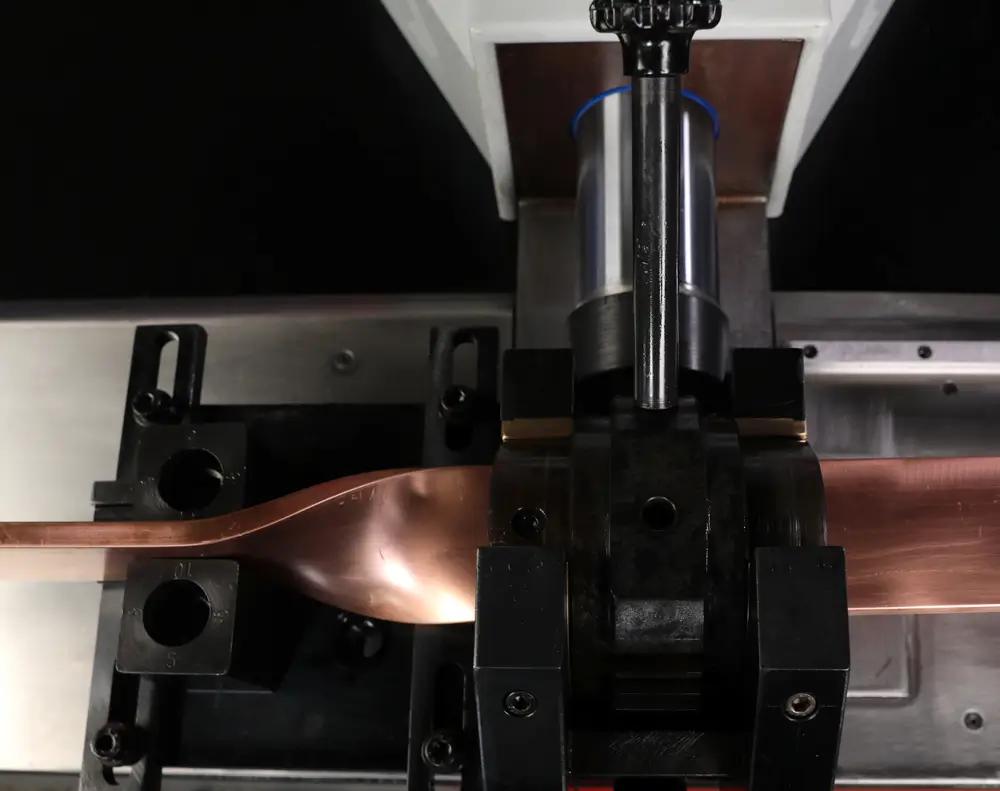
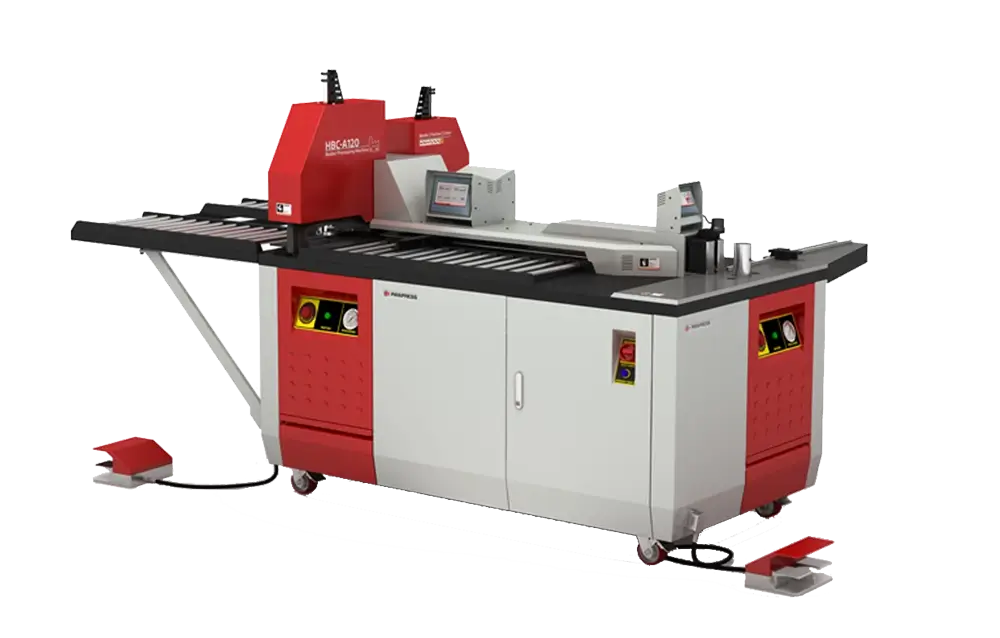
When buyers ask what is the price range for bending machines, the answer depends on more than the machine name. In the case of a hydraulic busbar bending machine, the final price is shaped by capacity, hydraulic force, tooling quality, control accuracy, and whether the machine is designed only for bending or as part of a wider busbar processing machine setup. This is why two machines listed as a “busbar machine” can have very different prices: one may be a simple hydraulic bending unit, while another may include punching, cutting, digital control, and higher-capacity production features.
If you are looking for more information about Busbar Fabrication Machine , it is recommended not to miss reading this article.
Key Drivers of Hydraulic Busbar Bending Machine Price
The main factors that influence busbar bending machine price include:
- Automation level:
Manual or portable hydraulic bending tools are usually more affordable, while semi-automatic hydraulic systems with digital controls cost more. Full CNC systems sit in a higher price category, but they should be evaluated separately from standard hydraulic models. - Machine functionality:
A single-operation hydraulic bending machine usually costs less than a multi-function busbar machine. Machines that combine cutting, punching, and bending naturally require a higher investment because they replace several separate operations. - Capacity envelope:
Maximum busbar width, thickness, bending force, and material compatibility directly affect the final bending machine price. A hydraulic system built for thicker copper or aluminum busbars will usually need a stronger frame, stronger cylinders, and more durable tooling. - Control and accuracy features:
Encoder-based angle control, digital displays, HMI panels, adjustable bending programs, and repeatable angle settings can increase the initial price but improve production consistency and reduce rework. - Tooling and die configuration:
Standard bending dies may be enough for basic applications, but special tooling for different bending angles, busbar profiles, or production requirements can raise the total busbar cost. - Brand, origin, and after-sales support:
Warranty terms, spare parts availability, technical support, service coverage, and delivery time all influence the real value of a hydraulic busbar bending machine, especially for industrial buyers who cannot afford long downtime.
For procurement teams, the practical question is not only “what is the price range for bending machines?” but also “which machine gives the best cost-performance ratio for our busbar production?” A cheaper hydraulic model may be acceptable for low-volume work, while a stronger hydraulic busbar bending machine with better controls and tooling may reduce waste, improve accuracy, and lower long-term production cost. This makes the buying decision less about the lowest price and more about choosing the right machine capacity for the expected workload.
For a comprehensive understanding of busbar fabrication equipment and suppliers, we highly recommend reviewing this article.
Current Price Range for Busbar Processing Machines
Machine specifications and capability levels vary widely across the market. At the entry level, portable hydraulic units handle basic on-site operations and lower-volume tasks. They usually have a simpler feature set and more limited working capacity. In the mid-range, semi-automatic 3-in-1 machines combine cutting, punching, and bending in a single platform. These machines suit workshops that need greater versatility, improved productivity, and more consistent output. At the higher end, fully CNC bending systems serve advanced production environments. They support repeatability, precision, programmable control, and higher throughput. In practice, the right machine category depends less on broad market positioning. It depends more on busbar dimensions, material type, production volume, automation needs, and expected process accuracy.
If you are looking for more information about busbar price variations, it is recommended not to miss reading this article.
Hydraulic Busbar Bending Machine Cost by Machine Type
The cost of a hydraulic busbar bending machine changes according to how the machine is built, what operations it can perform, and how much production pressure it is expected to handle. A simple hydraulic bending machine may only be designed for controlled busbar bending, while a more advanced busbar machine may include additional stations for punching or cutting. This difference matters because buyers are not only paying for the bending function; they are also paying for frame strength, hydraulic stability, tooling accuracy, operator convenience, and long-term reliability in busbar fabrication.
When comparing bending machine price, procurement teams should avoid placing all hydraulic machines in the same category. A portable hydraulic tool, a workshop-grade hydraulic unit, and a 3-in-1 hydraulic busbar processing machine may all appear in the same search results, but their real value is different. For this reason, the better question is not only what is the price range for bending machines, but which machine type matches the expected busbar size, production volume, and accuracy requirement.
Hydraulic Busbar Machine Price Spectrum: From Basic Bending to Busbar Processing
A hydraulic busbar machine usually sits between basic manual tools and full CNC busbar systems. It is often selected by workshops that need stronger bending force and more consistent results than portable equipment can provide, without moving into the higher investment level of CNC automation. In this category, the busbar bending machine price is mainly influenced by the maximum copper or aluminum busbar capacity, hydraulic power, bending angle control, tooling package, and whether the machine is a single-operation bender or a multi-function unit.
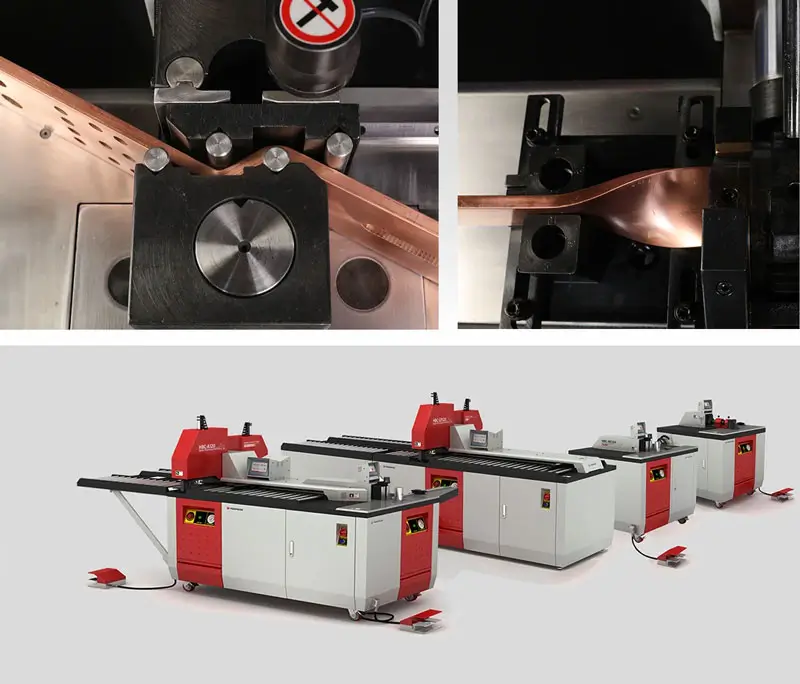
For lighter workloads, a basic hydraulic busbar bending machine may be enough for standard bending jobs and occasional panel production. For heavier or more frequent work, buyers usually move toward stronger hydraulic models with improved controls, better repeatability, and optional cutting or punching capability. At the upper end of the hydraulic spectrum, 3-in-1 busbar machines can reduce handling time and improve workflow because bending, punching, and cutting are handled in one production setup. This higher initial cost can be justified when it lowers labor time, reduces rework, and improves the overall busbar cost per finished project.
Entry‑Level Manual Hydraulic Units
Portable hydraulic tools handle simple on-site bending, punching, or cutting. They focus on low cost and mobility. Manual or electric pumps may drive them. These tools use hardened blades/dies for clean shearing.
Recommended reading offers further guidance on different busbar processing machine types: 3 Types of Busbar Fabrication Machines.
Heavy‑Duty Industrial Hydraulic Systems
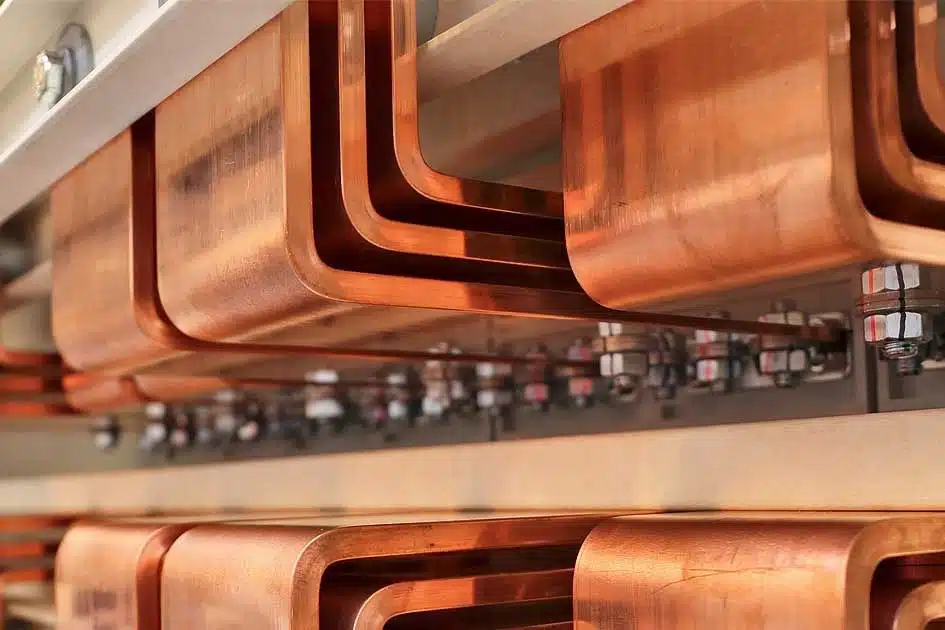
Floorstanding hydraulic stations deliver higher tonnage capacity and a larger work envelope for workshop applications. Market offerings often include NC cut-punch-bend systems and multi-function 3-in-1 hydraulic machines. Specifications vary by configuration, capacity, and level of automation.
This article serves as a valuable resource for those seeking detailed information on the importance of busbar processing machine accuracy: read more here.
Automation Levels & Software Licenses
- CAD/CAM: draw/import, nest, and simulate bends; auto‑collision checks.
- Servo/drive packages: precise positioning, faster cycles, lower energy per part.
- Connectivity: remote support, diagnostics, and optional cellular/Wi‑Fi modules.
For more information on advanced machinery for efficient busbar processing, read this article.
3‑in‑1 Busbar Machine Pricing (Cut‑Punch‑Bend)
Integrated 3‑station machines combine shearing, punching, and bending in one compact frame. Semi‑automatic models with basic while higher‑spec in public listings. Mobile 3‑function kits for 125×12 mm busbars also exist at various price points.
Recommended reading explains the benefits of combining multiple functions in a single busbar machine. read more here.
Hidden Expenses & Total Cost of Ownership
Tooling, Blade, and Die Replacement Costs
Tooling should be treated as a recurring operating cost over the life of the machine, particularly for punches, dies, blades, and bending formers. The frequency of replacement and the associated expense will vary depending on the material being processed, the dimensions of the workpiece, and the complexity of the application. In practice, lifecycle tooling cost is influenced most heavily by part mix, material thickness, production volume, and overall usage intensity. Machines running a wide variety of parts or processing thicker and harder materials will generally incur higher tooling consumption and replacement costs over time.
If you are looking for more information about overcoming common challenges in busbar fabrication, it is recommended not to miss reading this article.
Copper vs. Aluminum Wear Rates
Tool-wear rates can vary significantly depending on the material type, hardness, thickness, and forming conditions. Copper and aluminum do not behave the same under cutting, punching, or bending loads. Copper is generally tougher and places more stress on punches, dies, blades, and bending tools, especially when working with thicker busbars or sharp edge conditions. Aluminum is usually easier to process, but it can still cause tool build-up or surface marking if the tooling condition is poor.
In busbar fabrication, thicker copper sections, repeated high-force operations, incorrect clearance, aggressive edges, and poor alignment can accelerate tool wear. Over time, this may reduce cutting quality, punching accuracy, bend consistency, and overall machine performance. On the other hand, correct lubrication, proper die radius selection, suitable punch-to-die clearance, clean material surfaces, and regular tool inspection can help reduce friction, minimize stress concentration, and extend tool life.
For this reason, tool-wear expectations should always be evaluated based on real production conditions rather than material type alone. A well-maintained machine with properly selected tooling can deliver more consistent results, lower maintenance costs, and longer service life, even in demanding copper and aluminum busbar applications.
For a comprehensive understanding of the benefits of aluminum busbars, we highly recommend reviewing this article.
Maintenance, Energy Consumption, and Downtime
- Preventive maintenance plans: daily lubrication/cleaning; scheduled checks on hydraulics/servo drives.
- Typical warranty terms around 12 months for core assemblies; some vendors include remote assistance and spare parts within warranty.
- Servo‑equipped systems often deliver better energy efficiency per part and higher repeatability.
Budgeting, ROI, and Financial Planning
CapEx vs. OpEx for Busbar Equipment Investments
- CapEx: base machine, standard tooling, software licenses, shipping/installation.
- OpEx: tooling wear, oils/consumables, electricity, maintenance labor, spare parts.
Before you compare quotes, build a life-cycle cost model (CapEx + OpEx for tooling, blades/dies, oil, power, preventive maintenance, and downtime) and benchmark scenarios on cost-per-busbar and payback. For a neutral, widely adopted method, use the U.S. National Institute of Standards and Technology’s >Handbook 135 — Life-Cycle Costing Manual, which defines discounting, service-life, and energy-price inputs for apples-to-apples evaluations of hydraulic, 3-in-1, and CNC busbar machines.
If you are looking for more information about comprehensive busbar arrangements, it is recommended not to miss reading this article.
Evaluating the Value of 3 in 1 Busbar Machines and Their Bending Machine Cost
If you’re looking for a versatile solution, 3 in 1 busbar machines that integrate cutting, punching, and bending in one unit are highly efficient. While the bending machine cost for these machines is typically higher than single-function units, they provide a compact solution for businesses needing a multifunctional machine. The upfront cost of the busbar bending machine can be higher, but the ability to handle three tasks with one machine makes it a cost-effective option in the long run. Additionally, integrating a busbar cutter with service or servitization can further enhance productivity by streamlining maintenance and reducing downtime.
For a comprehensive understanding of the benefits of combining multiple functions in a single busbar machine, we highly recommend reviewing this article.
Payback Period & Cost‑per‑Busbar Calculations
To estimate the payback period of a manufacturing investment, we calculate monthly net gains from labor savings, scrap reduction, rework avoidance, and throughput gains, then subtract incremental operating expenses (OpEx). Here’s the formula for net monthly gain:
Net Monthly Gain = (Labor Saved + Scrap Saved + Rework Avoided + Throughput Gain) – Incremental OpEx
To calculate the payback period, divide the capital expenditure (CapEx) by the net monthly gain:
Payback Period = CapEx / Net Monthly Gain
For sensitivity analysis, adjust for fluctuations in copper and aluminum prices (which affect scrap savings) and changes in job mix (which impact efficiency, costs, and material usage). These adjustments help refine the model to reflect real-world conditions.
For example, if labor savings, scrap savings, rework avoidance, and throughput gain total $225,000 and OpEx is $2,000, with an initial investment (CapEx) of $100,000, the payback period would be approximately 0.44 months. Adjusting for price fluctuations and job-mix changes provides a more accurate estimate. This model helps manufacturers understand investment return timelines while accounting for market uncertainties.
This article serves as a valuable resource for those seeking detailed information on the value and pricing of corner forming machines: read more here.
Financing Options and Tax Incentives
Financing terms can vary depending on the supplier, machine value, buyer location, and agreed commercial conditions. In many industrial equipment purchases, suppliers request an initial deposit before production or order confirmation. A common structure is a 30% advance payment, with the remaining balance paid before shipment. However, payment terms may differ based on the machine type, customization level, delivery schedule, and relationship between the buyer and supplier.
For larger machines or complete production lines, buyers may also consider financing options such as bank loans, equipment leasing, installment payments, or supplier-supported payment plans where available. Leasing can be useful for companies that want to reduce upfront capital pressure while still improving production capacity.
Tax incentives, depreciation benefits, import-duty reductions, or government support programs may also be available in some countries for industrial machinery investment. These incentives can improve the overall return on investment and shorten the effective payback period. However, availability depends heavily on local regulations, industry classification, company size, and the type of equipment being purchased.
Before finalizing a purchase, buyers should consult local accountants, tax advisors, banks, or investment support agencies. This helps ensure that financing, tax treatment, depreciation, and incentive opportunities are properly reviewed before committing to the equipment investment.
Further exploration of the complete guide to the PAYAPRESS corner forming machine can be found in the following recommended reading: read more here.
Vendor Evaluation & Negotiation
Comparing Busbar Machine Manufacturers
- Technical fit: force, envelope, bend angle accuracy, supported radii, encoder/PLC options.
- After‑sales: local service presence, part lead times, remote diagnostics, training.
- References: installed base and application notes for copper and aluminum busbars.
If you are looking for more information about the competitive advantage of PAYAPESS for ordering busbar machines, it is recommended not to miss reading this article.
Warranty, Spare Parts, and Service Agreements
- Standard warranties frequently cover 12 months; check inclusions/exclusions.
- Clarify response times, remote support coverage, and availability of critical spares kits.
For a comprehensive understanding of the unseen powerhouses in electrical systems, we highly recommend reviewing this article.
Practical Cost-Control Tips for Machine Buyers
To reduce first-year operating costs, buyers should consider bundling standard tooling, spare blades, punches, dies, and other wear parts into the original machine purchase. This helps avoid unexpected downtime, urgent spare-part orders, and higher replacement costs after installation. Having essential consumables available from day one also supports smoother production during the first year of operation.
Training should also be part of the negotiation. Instead of limiting instruction to one operator, buyers can request training for multiple operators, supervisors, and maintenance staff. This improves machine utilization, reduces operator errors, and helps maintain consistent production quality. A documented preventive maintenance checklist should also be requested, covering lubrication points, inspection intervals, tooling checks, hydraulic system care, safety checks, and calibration routines.
For multi-machine purchases, buyers may gain better commercial terms by requesting staged deliveries. This allows each machine to be inspected, installed, tested, and accepted before the next shipment phase. Volume rebates can also be negotiated, especially when linked to acceptance tests, production performance, or successful commissioning. This structure protects the buyer while giving the supplier a clear path to complete the order under measurable conditions.
This article serves as a valuable resource for those seeking detailed information on the busbar machine price guide for procurement managers: read more here.
Future Trends Affecting Busbar Machine Prices
Impact of Copper & Aluminum Market Fluctuations
Raw‑material volatility affects both finished busbar demand and the economics of in‑house fabrication. Expect procurement cycles to tighten when copper prices rise and aluminum substitution gains ground in certain sectors (e.g., EV).
Further exploration of busbar systems and comparing the benefits of copper vs. aluminum can be found in the following recommended reading: this article.
Regional Price Differences: Asia vs. Europe vs. North America
Price structures differ by labor costs, component sourcing, and compliance requirements. When comparing quotes, normalize for specs, accessories, local standards, and after‑sales coverage.
All prices are illustrative; request supplier‑stamped quotations with exact specifications before budgeting.
My Practical Advice Before You Buy
From my technical point of view, the right hydraulic busbar bending machine should not be selected by price alone. A low initial bending machine price may look attractive, but if the machine cannot handle your real busbar size, material thickness, production volume, or accuracy requirement, it can quickly become expensive through scrap, rework, downtime, and tooling problems.
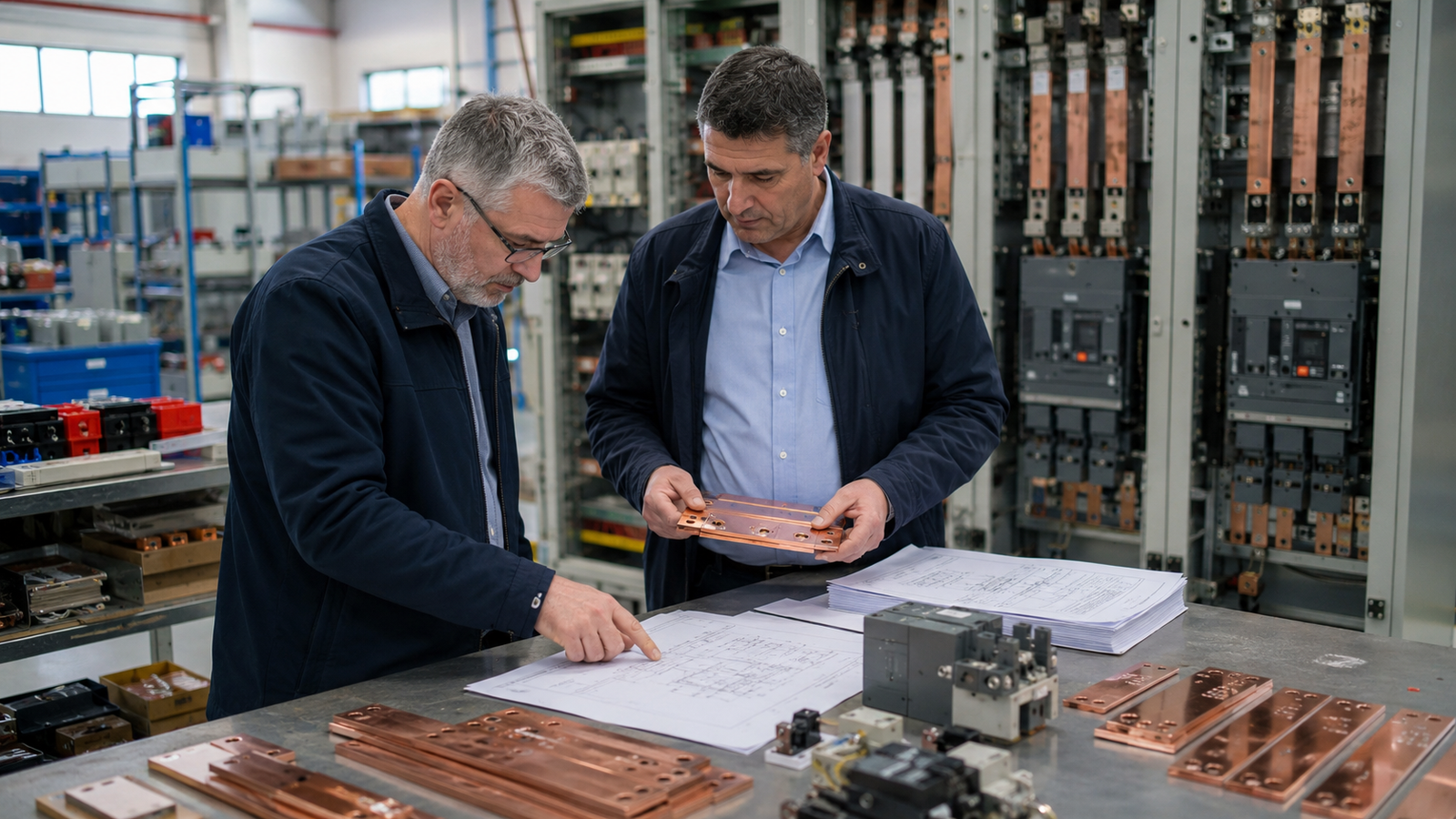
Before making a purchase, I recommend starting with your actual production needs. Check the maximum copper and aluminum busbar dimensions you process, the number of bends per day, the required bending accuracy, and whether you also need punching and cutting. If your workshop only handles occasional bending jobs, a basic hydraulic unit may be enough. But if you need repeated production, better angle control, and faster workflow, a stronger hydraulic busbar machine or a 3-in-1 busbar processing machine will usually provide better long-term value.
My advice is to compare machines based on total cost of ownership, not only purchase price. Include tooling, spare blades and dies, maintenance, power consumption, training, shipping, installation, and possible downtime. Also ask the supplier about warranty terms, spare-part availability, remote support, commissioning, and operator training.
In the end, the best busbar bending machine is the one that matches your real workload, protects accuracy, reduces waste, and keeps production stable. A properly selected machine may cost more at the beginning, but it can deliver a lower busbar cost, better reliability, and a faster return on investment over time.
FAQs
1. What affects the price of a hydraulic busbar bending machine?
The price of a hydraulic busbar bending machine depends on several factors, including bending capacity, hydraulic power, machine frame strength, control system, tooling quality, automation level, and whether the machine only bends or also supports punching and cutting. A basic hydraulic bending machine usually costs less than a complete busbar processing machine, but it may offer lower productivity and fewer functions.
2. Is a 3-in-1 busbar machine more cost-effective than a single bending machine?
A 3-in-1 busbar machine can be more cost-effective for workshops that need cutting, punching, and bending in regular production. Although its initial price is usually higher than a single-operation bending machine, it can reduce material handling, save floor space, lower labor time, and improve workflow. For low-volume work, however, a single hydraulic bending machine may be sufficient.
3. How can I estimate the payback period of a busbar machine?
You can estimate payback by calculating your monthly net gain. Add labor savings, scrap reduction, rework avoided, and throughput improvement, then subtract additional operating costs. After that, divide the machine CapEx by the monthly net gain.
Payback Period = CapEx / Monthly Net Gain
This helps you compare machine investment against expected production benefits.
4. Why should buyers consider total cost of ownership instead of only machine price?
The purchase price is only one part of the real investment. Buyers should also consider tooling wear, spare blades and dies, lubrication, electricity, maintenance labor, shipping, customs, installation, training, downtime, and spare-part availability. A cheaper machine may become more expensive over time if it causes frequent rework, poor accuracy, or production delays.
5. How do copper and aluminum affect busbar machine cost?
Copper and aluminum affect machine cost through required force, tooling wear, scrap value, and production conditions. Copper is generally tougher to process and may place more stress on punches, dies, blades, and bending tools, especially in thicker busbars. Aluminum is usually easier to form, but it can still cause surface marking or tool build-up if tooling is not properly maintained.

Rate this article
Choose a rating from 1 to 5 stars.
No ratings yet
0 Comments
No comments yet. Be the first to comment.