Category: Electrical Mathematics and Fundamentals

Voltage Current and Resistance Explained

Voltage, Current, and Resistance Explained: What They Mean and How They Relate

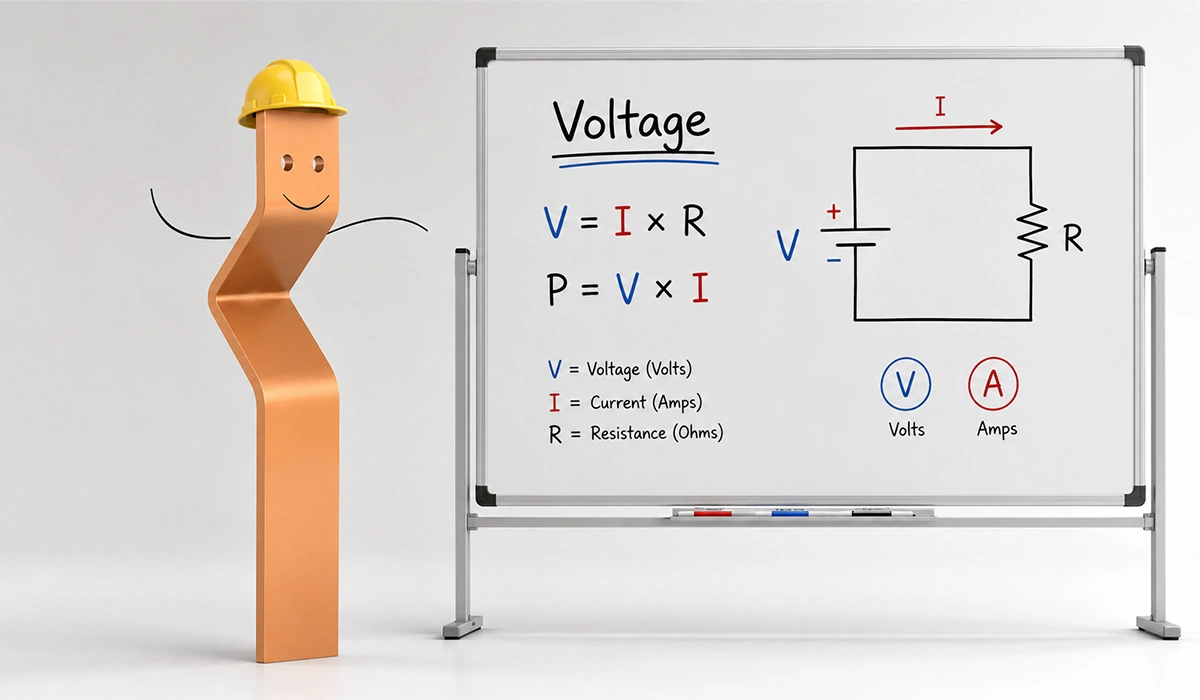
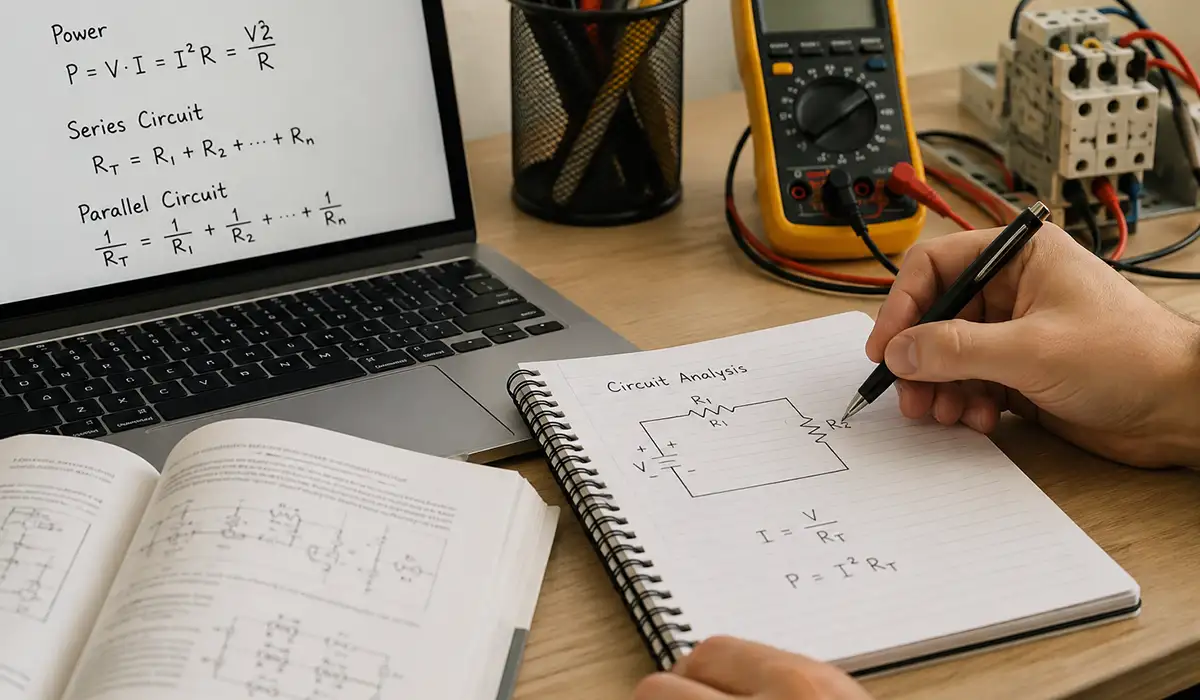
Every electrical system, from a tiny LED to a megawatt motor drive, depends on three quantities. Voltage, current, and resistance form the bedrock of electrical engineering. Therefore, anyone touching electronics must understand them clearly. This guide presents voltage current and resistance explained in plain language, so beginners and industrial users alike can build practical intuition.

We will walk through what each quantity means, what unit measures it, and how the three connect through Ohm’s Law. In addition, a familiar water-pipe analogy will help the ideas stick. Finally, you will find worked examples, a comparison table, and an FAQ that answers the questions most readers ask first.

Read More »
electrical power

Electrical Power Formula: How to Calculate Power in DC, Single-Phase, and Three-Phase Circuits

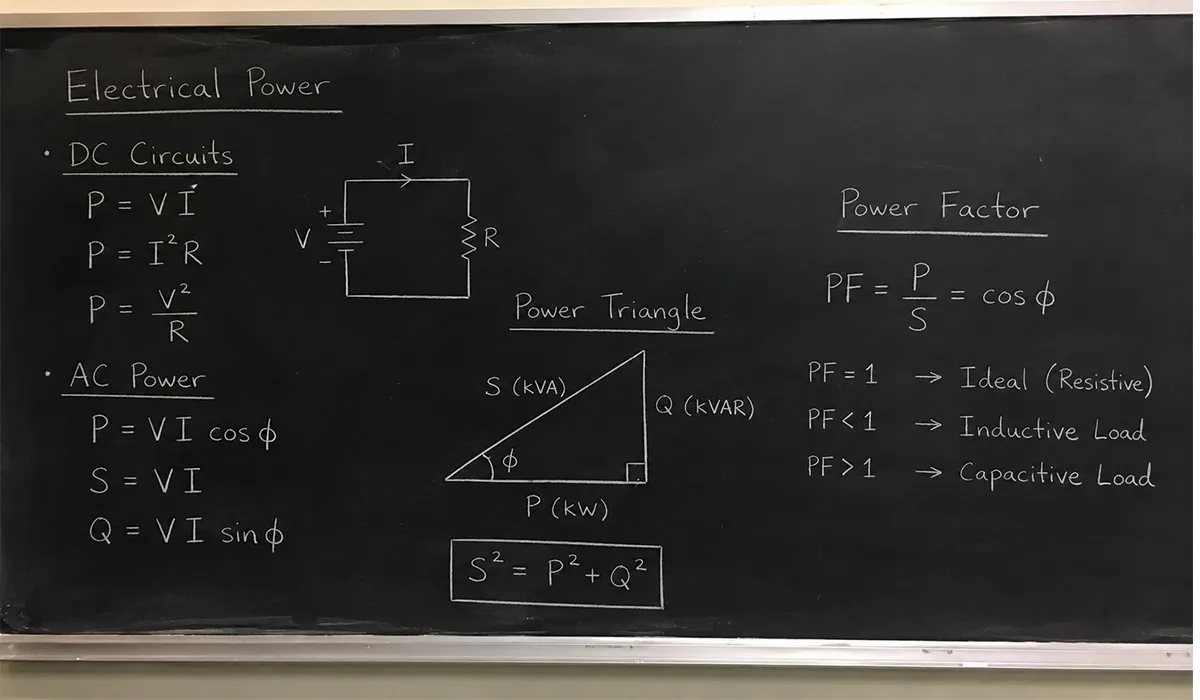
The electrical power formula sits at the heart of every circuit analysis task. Whether you design industrial control panels, size cables, or specify motors, you rely on a small set of equations that link voltage, current, and resistance to power. This guide walks through power calculations for direct current (DC) systems, single-phase alternating current (AC) systems, and balanced three-phase systems. Moreover, it explains the often-confusing concepts of real, reactive, and apparent power. Each section includes worked examples, formula tables, and practical context for engineers and electricians. By the end, you will know how to calculate electrical power across the most common circuit topologies and understand how power factor shapes the picture in real industrial settings.

Read More »
Electrical Fundamentals

Electrical Fundamentals: Core Concepts, Formulas, and Practical Calculations

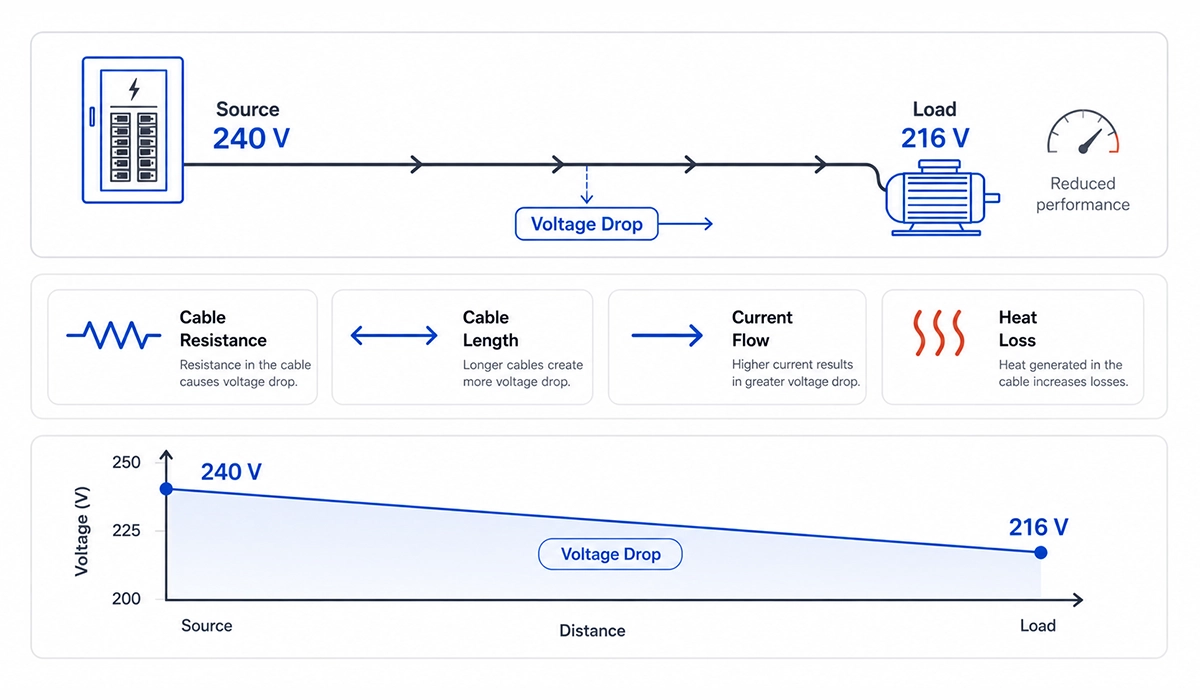
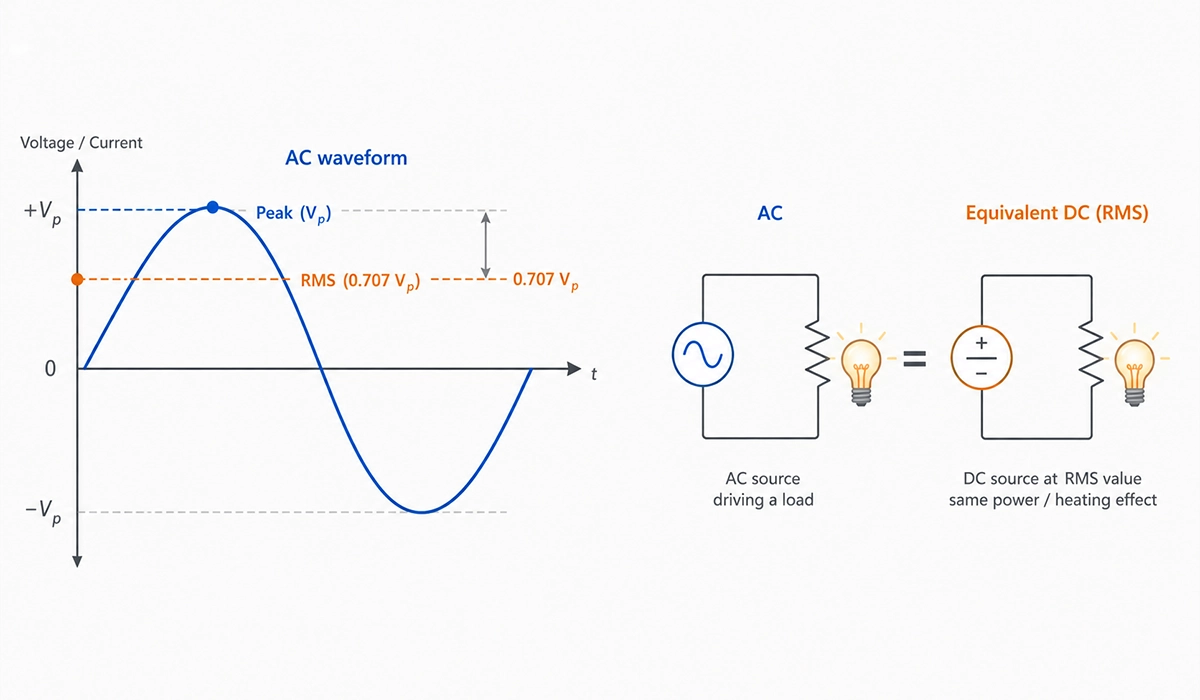
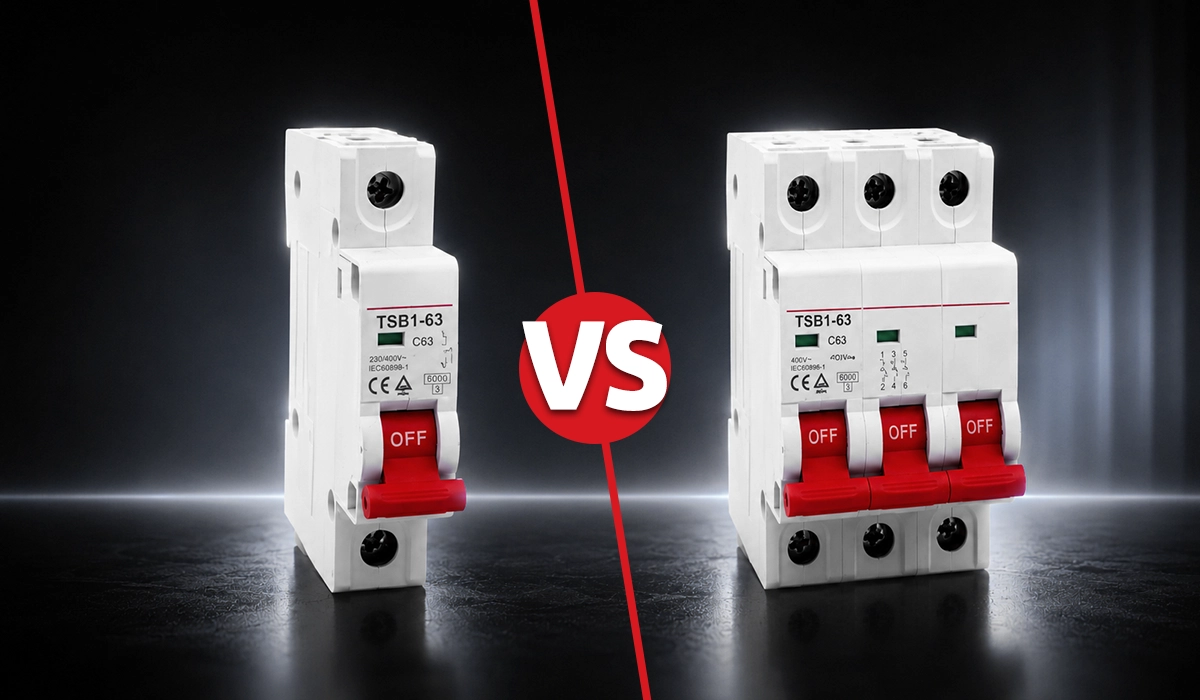
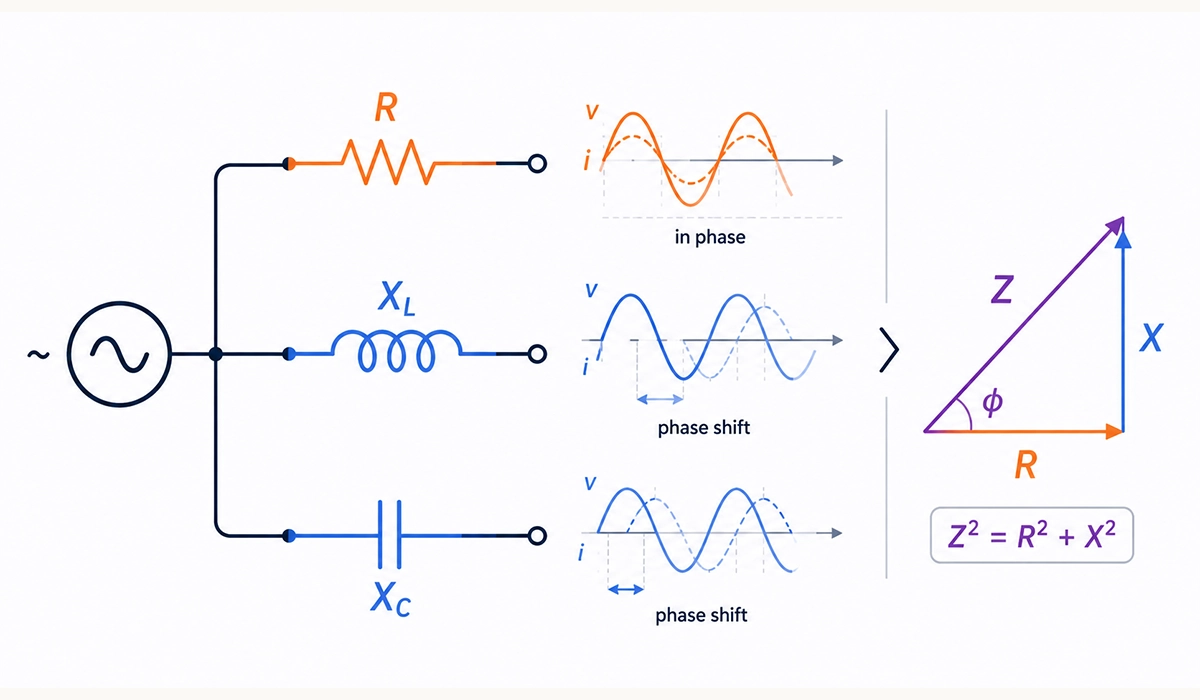
Electrical Fundamentals start with a simple idea: every electrical system controls the movement of charge. Yet that simple idea grows into the design basis for batteries, control panels, motors, cables, transformers, drives, protection devices, and full industrial installations. Engineers and technicians use voltage, current, resistance, and power as the first language of circuit behavior. Then they extend those same electrical core concepts into Ohm’s Law, power formulas, single-phase vs three-phase power, power factor, voltage drop, impedance, and RMS voltage and current. Therefore, a good engineer does not memorize formulas in isolation. They connect each formula to a physical effect, a measuring method, and a design decision. This guide builds that link step by step, with practical calculations for DC circuits, AC circuits, cable runs, motors, and industrial loads.

Read More »