



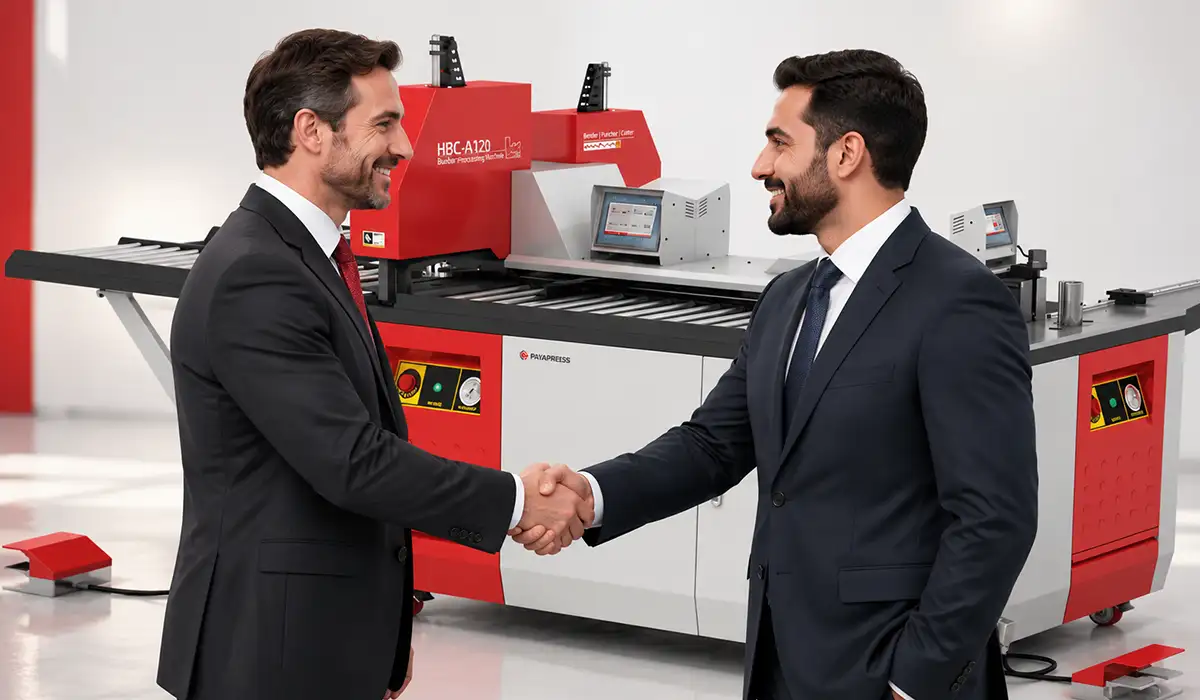


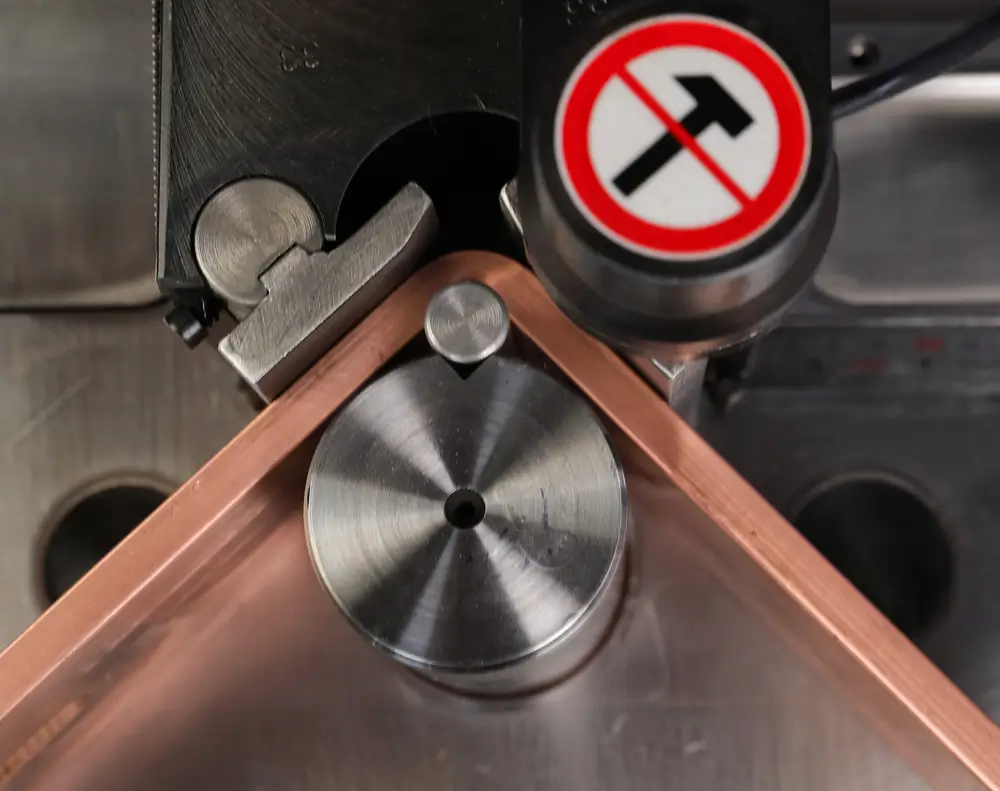
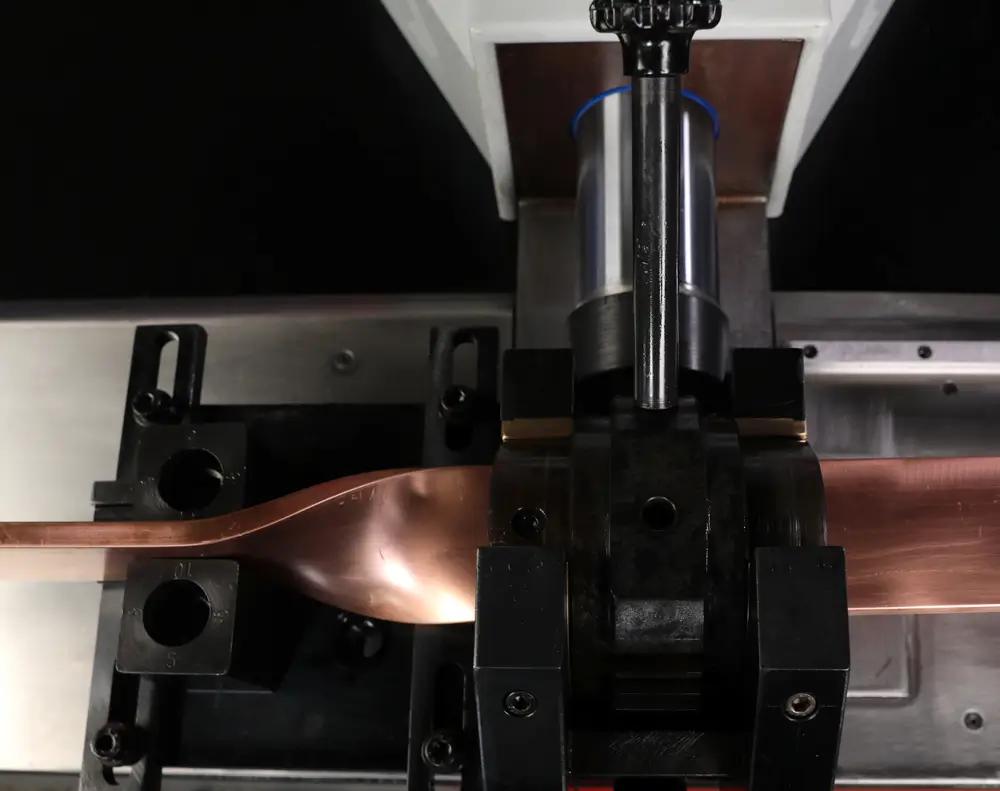
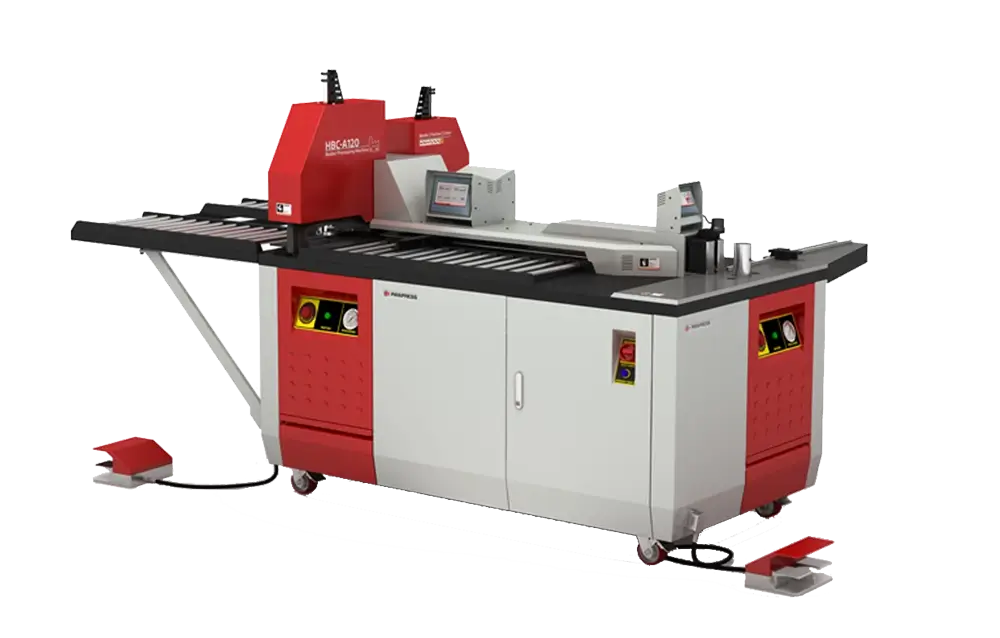
If you’d rather listen than read, feel free to play the audio file below for the rest of this article.
Why the Words Get Confused
Three reasons, and none of them is carelessness.
The terms developed in different industries and carried their local meanings with them. “Dealer” in automotive and “dealer” in industrial supply describe different arrangements. Several are legally undefined in most jurisdictions, which means contracts define them ad hoc. And translation flattens the distinctions further — “representative” and “agent” are used loosely almost everywhere.
The practical consequence matters more than the vocabulary. What a partner is called in the agreement counts for far less than what the agreement says about title, authority and termination. A distributor vs dealer label on the front page will not save an agreement whose substance says otherwise. Courts look at substance, not the heading.
Getting this terminology right matters more once you’re evaluating actual regional demand for the product line in question. Our overview of the busbar machine market covers that context.
The Two Questions Behind All Four Models
Every model in this article is a combination of two answers.
One: who takes title to the goods? If the partner buys the product and owns it before resale, they carry inventory risk, working capital exposure and usually pricing freedom. If they never own it, the manufacturer keeps all three.
Two: who has authority to bind the manufacturer? An intermediary who negotiates or concludes contracts on the manufacturer’s behalf is in a principal-agent relationship in law, whatever the contract calls them. That triggers statutory consequences in many jurisdictions.
Mixing the two by accident is the most common and most expensive drafting error in channel agreements.
For a clearer and more complete explanation, this page goes into far more depth than we can cover in a short text.
The Four Models
Four models, defined by the two questions above rather than by industry custom.
The most up-to-date information is always published on the official website, so it is worth checking there as well.
Distributor
Takes title, holds stock, extends credit downstream, handles logistics and frequently provides after-sales service. Sells either to dealers and resellers or directly to end customers.
The manufacturer’s actual reason for using one is structural. In a two-step channel the manufacturer sells to the distributor, who sells to dealers, who sell to end customers. That reduces direct commercial relationships from thousands to dozens. Order management, credit exposure and collections all shrink with it.
The trade-off is plain: the manufacturer gains reach and working capital relief, and gives up margin, pricing control and direct visibility of the end customer.
If this topic is completely new to you, this beginner-friendly guide is a good place to start.
Dealer
Also takes title, but buys in smaller quantities, usually from a distributor rather than the manufacturer, and sells to end customers rather than downstream. Often operates under a territory arrangement and frequently handles installation or service.
The difference between distributor and dealer is one of position in the chain and scale of commitment, not of legal character. Both own the goods. A distributor stocks and supplies others; a dealer sells and services.
The practical implication is worth stating: dealers carry lower working capital commitment and have more direct customer contact, which makes them easier to recruit and harder to control.
Because the situation can change over time, we suggest checking the latest published information before you make a decision.
Agent
Never takes title. Negotiates, and sometimes concludes, contracts on the manufacturer’s behalf, earning commission on completed transactions. The manufacturer invoices the customer, keeps the customer data and sets the price.
Commission rates for a manufacturers’ sales agent commonly run in the 5–15% range, varying with product value and sales cycle length.
Both sides deserve stating honestly. The manufacturer retains pricing control, brand control and the customer relationship, which suits a consultative or technical sale. In exchange, capital stays tied up in inventory until the deal closes — and the agency relationship attracts statutory protections that distribution does not.
Reseller and VAR
Buys to resell, often without a territory and often without an exclusive relationship, and frequently presents the product under its own commercial identity rather than the manufacturer’s.
A value added reseller wraps meaningful services around the product — integration, configuration, customisation, training — and tends to be more technical and more customer-facing than a plain reseller. The line between VAR and dealer is genuinely blurry in practice, and many agreements use the terms interchangeably.
The manufacturer’s risk is one line: the looser the relationship, the less control over how the brand and the intellectual property are presented.
Choosing between these models starts with knowing what to actually look for in the manufacturer you’d be representing. Our guide on what to look for in a manufacturer covers that evaluation.

The Four Models Side by Side
One table, and the statutory protection row is the one to read twice.
| Distributor | Dealer | Agent | Reseller / VAR | |
|---|---|---|---|---|
| Takes title to goods | Yes | Yes | No | Yes |
| Holds inventory | Yes, in volume | Yes, smaller | No | Sometimes |
| Sets end price | Yes | Yes | No — manufacturer sets it | Yes |
| Carries credit risk | Yes, downstream too | Yes | No | Yes |
| Owns customer relationship | Usually | Usually | No — manufacturer does | Usually |
| Owns customer data | Yes | Yes | No | Yes |
| Typical remuneration | Margin | Margin | Commission, 5–15% | Margin |
| Statutory protection on termination | No (contract only) | No (contract only) | Yes in the EU | No (contract only) |
| Manufacturer’s brand control | Limited | Moderate | High | Lowest |
| Working capital burden | Highest | Moderate | None | Moderate |
The last row and the statutory protection row pull in opposite directions, which is what the next section is about.
What Changes at Termination
This is where the models genuinely diverge, and where the money is.
The agent vs distributor question is settled by statute rather than by preference. Council Directive 86/653/EEC sets minimum protections for self-employed commercial agents across the EU, and distribution agreements have no equivalent instrument.
Article 17 requires Member States to give agents either an indemnity, the German model, or compensation for damage, the French model. Article 15 sets minimum notice periods: one month in the first year, two months in the second, three months from the third year onward. Member States may impose longer.
Article 17(5) cuts the other way. An agent who does not notify the principal within one year of termination that they intend to pursue the entitlement loses it.
Article 19 closes the obvious escape route: the parties may not derogate from Articles 17 and 18 to the agent’s detriment before the contract expires. Nor can the protection be avoided by choosing a foreign governing law. In Ingmar (Case C-381/98) the Court of Justice held that an agent operating in a Member State remained protected, despite a clause submitting the contract to the law of the principal’s non-EU home state.
In Germany, indemnity arises under §89b HGB, and German courts extend comparable protection to distributors in certain circumstances. Under English law, distributors have no statutory termination rights at all, and rely entirely on what the contract provides. In the UK, the Commercial Agents (Council Directive) Regulations 1993 continue to govern agency relationships.
The commercial reading: the cheapest model to start is not the cheapest model to end.
This is general information, not legal advice. Agency and distribution law varies by jurisdiction — take advice on the law that will govern your agreement.
Exclusive, Sole or Non-Exclusive
Three arrangements that most pages treat as one.
Exclusive — only that partner may sell in the defined territory, target market or channel. The manufacturer is excluded too.
Sole — the manufacturer may still sell directly, but appoints no other partner in the territory.
Non-exclusive — the manufacturer may appoint several partners in the same territory.
The trade-off is one line: an exclusive distribution arrangement buys partner investment and costs supplier flexibility.
Exclusivity and territorial restriction clauses fall under EU competition law, governed for vertical agreements by Regulation (EU) 2022/720, the Vertical Block Exemption Regulation in force since June 2022. Badly drafted restrictions can render an agreement void and expose both parties to fines.
One detail most articles miss. In Case C-104/95 (Kontogeorgas) the Court held that an agent was entitled to commission on all sales within their allotted area even without exclusivity, absent contrary contract terms.
Which Model Fits Capital Equipment
Capital equipment has three characteristics that eliminate models rather than merely favouring them.
Unit value is high, so stocking inventory is a serious capital commitment and few partners will do it speculatively. The sale is consultative and technical, which suits an intermediary who can hold a long conversation rather than one who moves volume. And the obligation continues after delivery through commissioning, operator training, spare parts and service. The partner needs technical capacity, not just commercial reach.
The rules that follow:
- Pure agents suit markets where deal frequency is low and each sale is engineered.
- Distributors suit markets with enough volume to justify stock and local service capacity.
- Dealers work where a distributor already covers the region.
- Plain resellers rarely fit machinery at all, because nobody in the chain owns the service obligation.
The practical test is a single question: ask what happens on day one after commissioning. Whichever model answers that is the right one.
For busbar processing equipment specifically, this decision has direct implications for margin and long-term returns. Our analysis of whether busbar machine distribution is profitable covers that math.
Conclusion About all types of Distributor
Two questions produce all four models: who owns the stock, and who can sign.
The distributor vs dealer difference is one of position and scale — both take title, and both live or die on their contract. The agent difference is one of law, because agency carries statutory protection that distribution does not.
What decides the outcome is the substance of the agreement rather than the title on its front page. And termination terms deserve as much attention at signature as commission rates do, because they set the price of changing your mind.
Once the model is chosen, the next practical question is how to actually reach buyers in your territory. Our guide on how to find busbar machine customers covers that step.



Rate this article
Choose a rating from 1 to 5 stars.
No ratings yet