


If you’d rather listen than read, feel free to play the audio file below for the rest of this article.
IP65 vs NEMA 4X: The Quick Answer
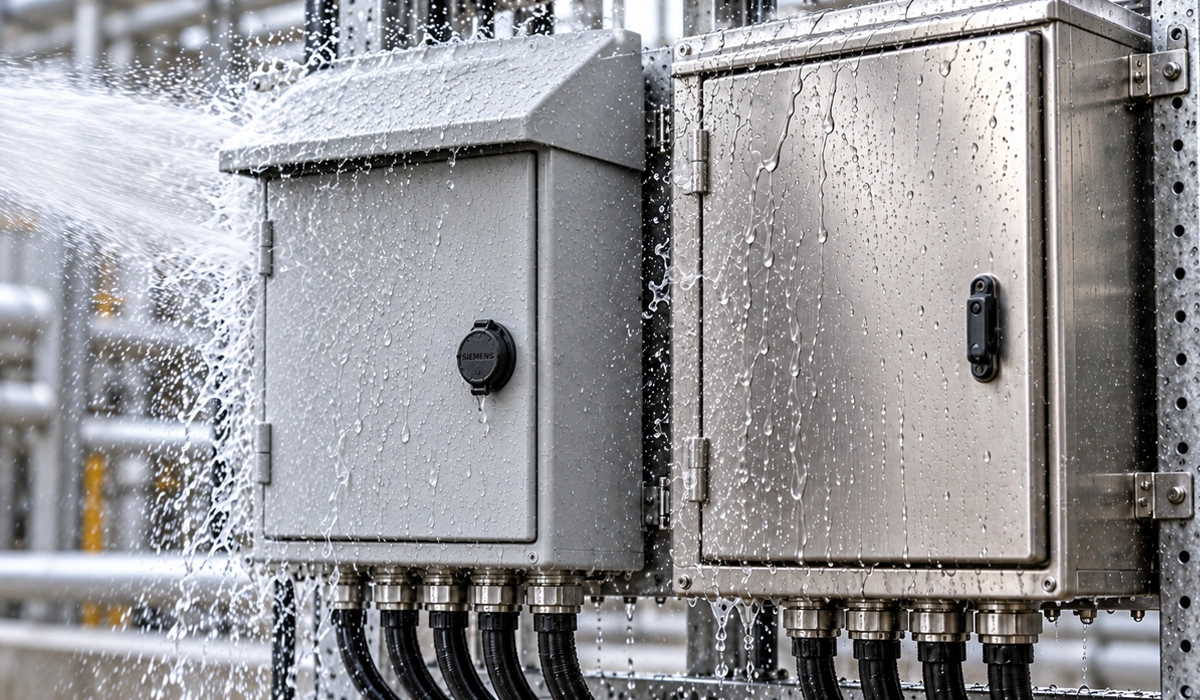
In short, a NEMA 4X enclosure generally meets or exceeds IP66 for dust and water. However, an IP65 box cannot be called Type 4X, because IEC 60529 does not test corrosion, external icing or gasket aging.
| Feature | IP65 | NEMA 4X |
|---|---|---|
| Standard | IEC 60529 | NEMA 250 / UL 50E |
| Dust | Dust-tight | Dust-tight |
| Water | Water jets | Hose-down |
| Corrosion | Not tested | Tested |
| Ice, gaskets | Not tested | Tested |
The same logic applies to the ip65 vs nema 4 comparison, since Type 4 still adds icing and gasket checks. Therefore, in any nema 4x vs ip debate, the Type carries more tests.
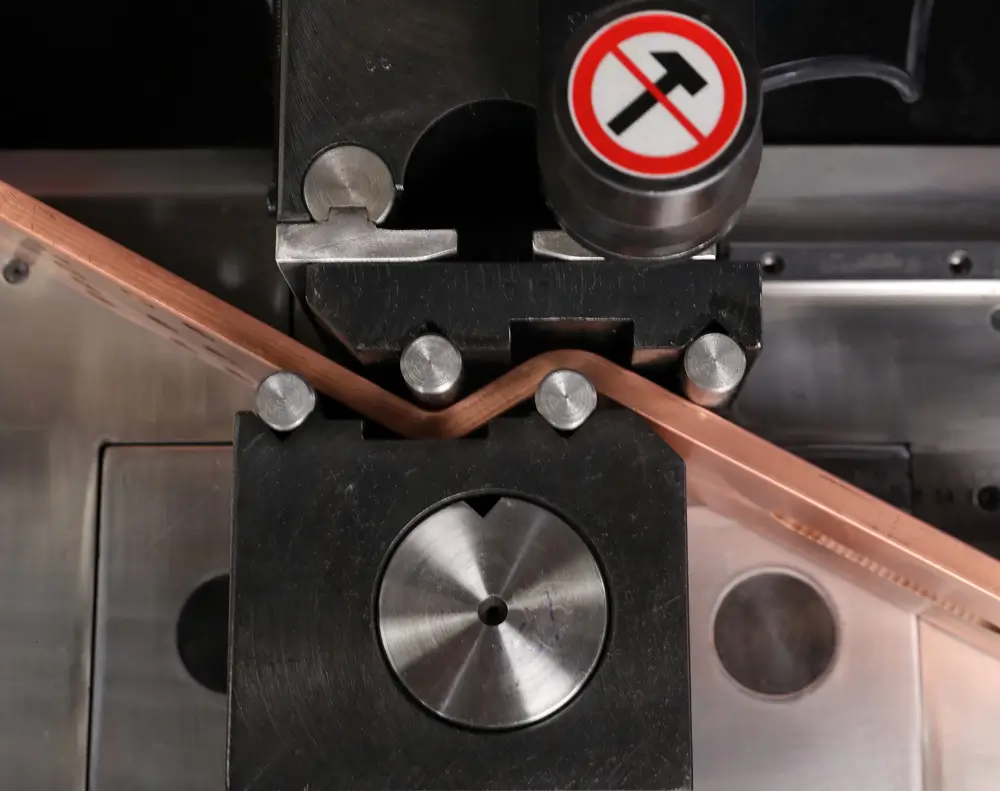
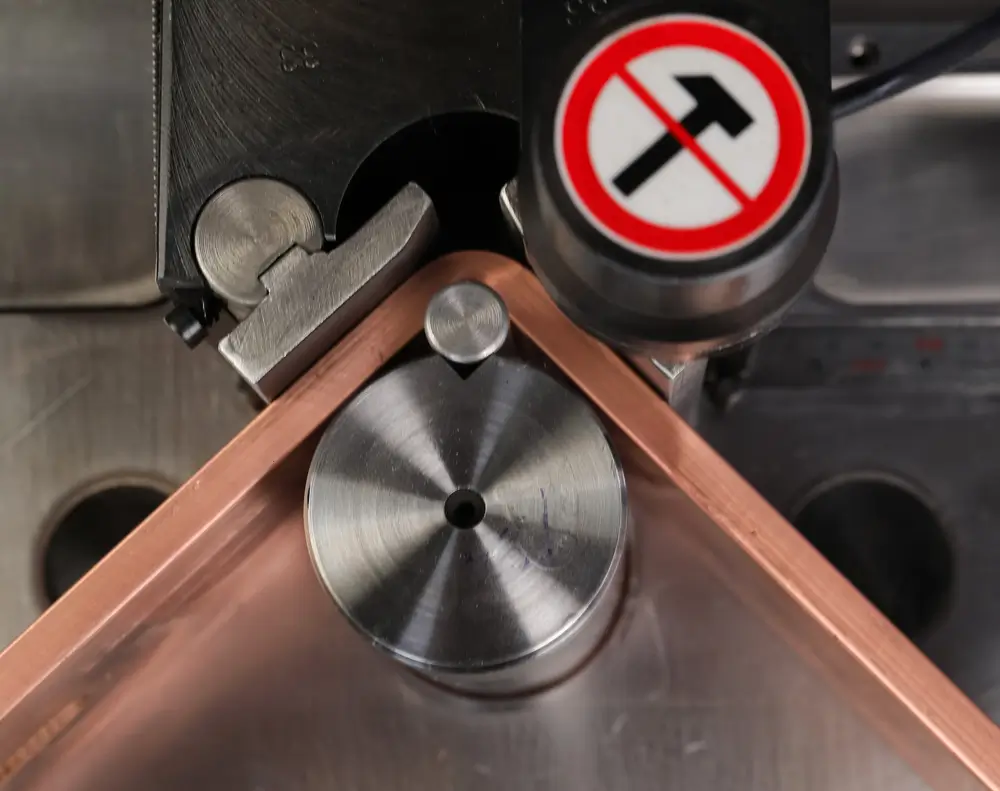
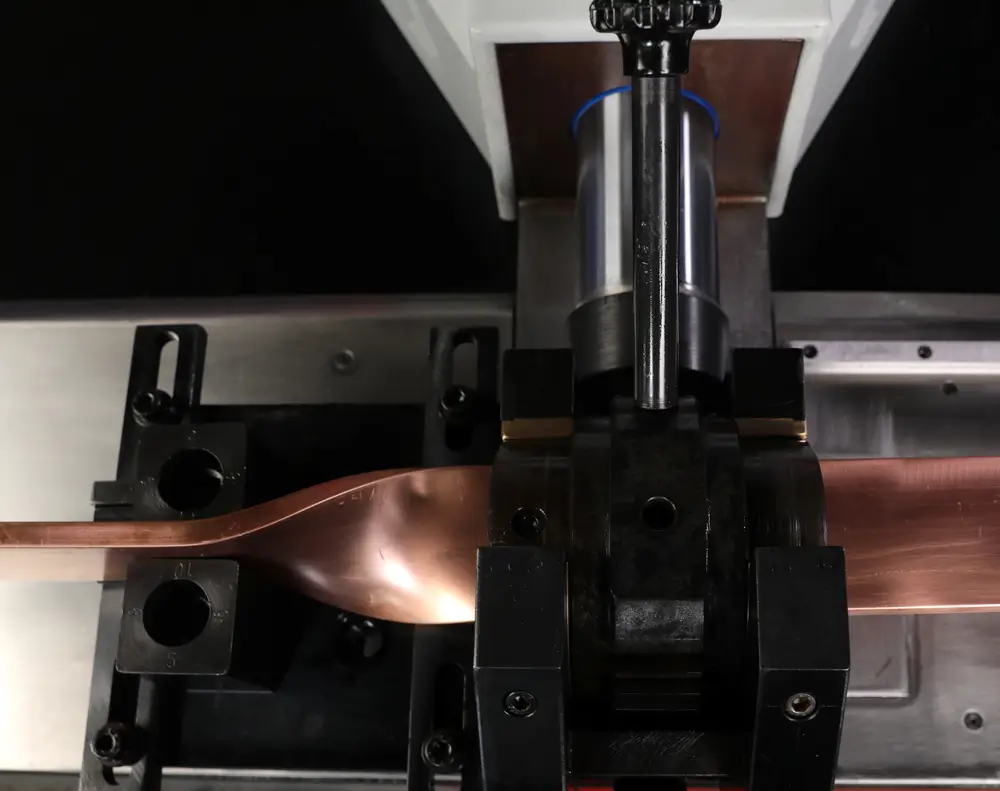
Enclosure ratings also depend on how well the box is built, especially at the seams and corners where leaks usually start. A precise corner former machine helps panel shops produce tight, repeatable corners that keep gaskets sealed and protect the rating.
How the IP Code Works (IEC 60529)
The IP code, short for ingress protection, comes from IEC 60529. It uses the letters “IP” plus two digits. The first digit rates protection against solids, from fingers down to fine dust. The second digit rates protection against water, from drips up to full immersion.
An enclosure rating is only one part of a compliant assembly. For the bigger picture, review the switchgear standards that govern busbar systems and complete panels.
So, what is ip65 rating in practice? It is a short code that most of the world outside North America uses. In contrast, US and Canadian codes rely on Type ratings instead.
The IEC catalogue entry defines the scope of the IP code for electrical enclosures. In particular, it confirms coverage up to 72.5 kV in the IEC 60529 overview.
What “6” and “5” Mean in IP65
What is IP65? The first digit, 6, means dust-tight: no dust enters the box during the test, even in a dust chamber. The second digit, 5, means protection against water jets. In the test, a 6.3 mm (0.25 in) nozzle sprays water at the enclosure from any direction.
So, what does IP65 mean for a buyer? It means the box keeps out dust and a moderate jet of water. Many people then ask what does ip65 waterproof mean on a datasheet. In plain terms, it means jet-resistant, not submersible. For example, an IP65 box will shrug off a spray or a washdown hose, but it is not rated for flooding. For that, you need a second digit of 7 or 8.
What NEMA 4X Tests That IP65 Never Checks
This is the real gap. IEC 60529 checks only solids and water. By contrast, NEMA 250 Type 4X adds tests for the conditions a real outdoor or washdown site creates.
| Test | IEC 60529 (IP65) | NEMA 250 Type 4X |
|---|---|---|
| Dust | Dust-tight | Windblown dust |
| Water | Water jets | Hose-down |
| Corrosion | None | 600 h + 200 h salt spray |
| External icing | None | No damage from ice |
| Gasket aging | None | Required |
| Oil resistance | None | Not required (Types 12, 13) |
| Hazardous parts | First digit | Rod entry test |
Corrosion is the “X” in 4X. Under the NEMA FAQ, outdoor types face 600 hours of salt spray, and 4X then adds another 200 hours on top.
There is also a paperwork difference. IP ratings are often self-declared by the maker. In contrast, a Type 4X rating is usually listed by a test lab to UL 50E, so self-declared vs listed matters during inspection.
NEMA explains why a Type can meet an IP code but never the reverse, because the Type adds corrosion, icing and construction tests.
Indoor Type 12 boxes face a different test set than Type 4X outdoor boxes. Read this IP55 vs NEMA 12 comparison to see how the indoor side differs.
Water Test Side by Side: Jets vs Hose-Down
Is IP65 waterproof? Not in the submersion sense. The table compares the three water tests.
| Test | Nozzle | Flow | Distance | Duration |
|---|---|---|---|---|
| IPX5 water jets | 6.3 mm (0.25 in) | 12.5 L/min (3.3 gpm) | 2.5–3 m (8–10 ft) | 1 min/m², min. 3 min |
| IPX6 powerful water jets | 12.5 mm (0.5 in) | 100 L/min (26.4 gpm) | 2.5–3 m (8–10 ft) | 1 min/m², min. 3 min |
| NEMA hose-down | 1 in (25 mm) | 65 gpm (246 L/min) | 10–12 ft (3–3.7 m) | at least 5 min |
Clearly, the hose-down test uses far more water than IPX5, so Type 4X sits closer to IP66.
So, is ip65 enough for heavy rain? Generally, yes. Rain is far gentler than a 12.5 L/min jet. However, long exposure depends on gasket condition and on mounting the box with entries facing down.
Test reports follow the exact IEC set-up, so it helps to see how labs run jet tests. One lab describes the IPX5 and IPX6 nozzle, flow and timing in its water jet testing.
Dust and moisture exposure also shapes the conditions inside the enclosure. Learn how pollution degree affects clearances and creepage distances in your panel.

Why the Conversion Only Works One Way
What is the difference between NEMA and IP ratings? In short, NEMA runs more tests. So you can map nema to ip: each Type meets at least a minimum IP code. However, you cannot map ip to nema, because the IP test never checks corrosion, icing or gaskets.
That is why nema to ip conversion only works one way. Even IP67, which survives temporary immersion, still is not Type 4X. A higher IP number adds more water, not more tests. Likewise, in any ip rating vs nema table, arrows point from NEMA to IP only.
Enclosure ratings sit inside a much larger framework of codes and requirements. Our electrical standards guide explains how these standards fit together.
Manufacturer white papers repeat this warning when they print cross-reference tables.

Which One to Specify
In the IP65 vs NEMA 4X choice, the number on the label does not decide. Instead, the governing code and the inspector decide. Even an IP67 box can fail a US inspection if the spec says Type 4X.
Certification bodies track changes to the US and Canadian enclosure standard, so check the current edition before you write a spec. For example, one lab summarizes the latest UL 50E edition changes in its UL 50E update.
Projects Built to NEC / UL
On projects built to the NEC in the US, or to the Canadian Electrical Code, specs call for a Type rating. As a result, inspectors look for “Type 4X” on the listing label, not an IP code. The listing shows a test lab checked the box to UL 50E. So when a buyer asks for the nema 4x ip rating, give both facts: the Type label and its IP66 ingress match. Also, check that every gland, breather and window carries a matching Type rating. Otherwise, one weak part can void the listing and fail the inspection on site.
Projects Built to IEC
On IEC projects, specs use IP codes instead. So, is ip65 suitable for outdoor use? For ingress, it often is, and IP65 or IP66 is common on outdoor panels. However, IEC 60529 says nothing about salt air, UV or chemicals. Therefore, add corrosion needs as separate, clear lines in the spec. For example, name the material grade, such as 316 stainless steel, or a coating system and its salt-spray hours. In this NEC vs IEC split, the IEC spec must spell out in writing what a Type rating already includes.
Dual-Rated Enclosures for Export Panels
Many panel builders ship to both markets, so the nema vs ip ratings question lands on one box. So, what is the ip rating equivalent of a nema 4x enclosure on an export job? Commonly IP66 for ingress, but corrosion has no IP equivalent. Therefore, a dual rated nema 4x ip66 enclosure is the safe choice: it is listed as Type 4X and also tested to IP66. In other words, one box passes both a US inspector and an IEC reviewer. However, the rating covers only the parts that were tested. Cable glands, vents and windows must match both ratings too.
Export panels often need conformity marking on top of the enclosure rating. Check the CE marking requirements before you ship to European markets.
Conclusion about IP65 vs NEMA 4X
The IP65 vs NEMA 4X gap comes down to tests, not numbers. IP65 checks dust and water jets only. In contrast, Type 4X adds hose-down, corrosion, icing and gasket tests, and a lab usually lists it to UL 50E. So let the governing code pick the rating, and choose dual-rated boxes for export panels. For deeper reading, see our NEMA 4X enclosure guide and our NEMA 4 vs 4X comparison.
A correct enclosure choice also supports the wider compliance process for the finished assembly. Continue with our IEC 61439 verification guide to see how design verification works.
Frequently Asked Questions IP65 vs NEMA 4X

Rate this article
Choose a rating from 1 to 5 stars.
No ratings yet