


Prefer listening? You can play the audio version of the rest of this article below.
The Core Difference Between Slotted and Solid Wiring Duct
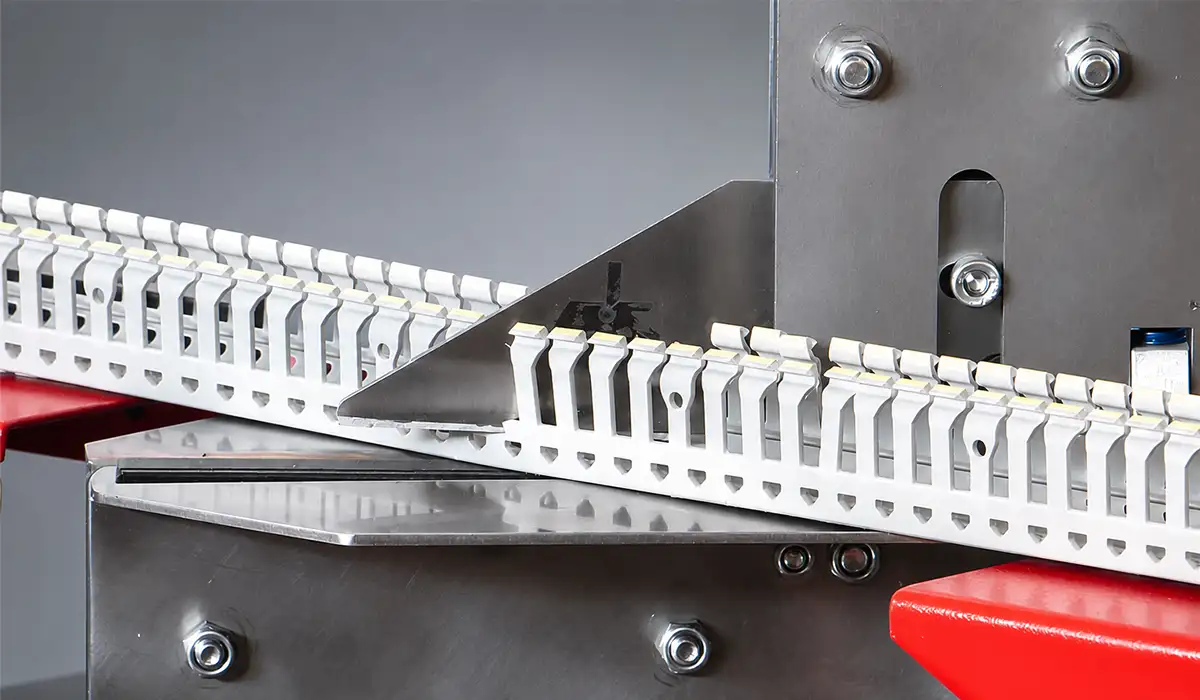
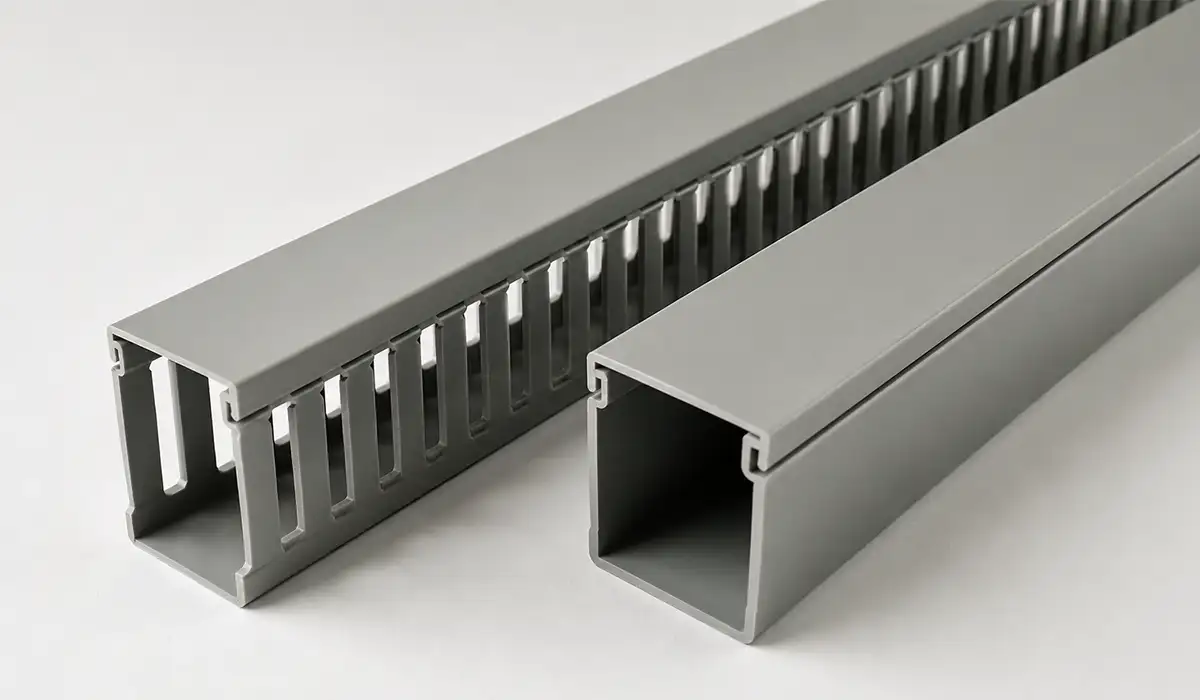
Slotted wiring duct — also called open slot duct, finger duct, or perforated duct — has evenly spaced openings along its side walls. Wires exit through any slot at any point along the run, which makes branching simple.
Solid wiring duct, also known as closed duct, unslotted duct, or solid wall duct, has no side openings. Wires must enter or leave through the top opening or through cutouts that the installer makes by hand.
That single structural difference cascades into nearly every other property. Slotted designs trade some enclosure for flexibility, while solid designs trade flexibility for tighter containment of the wire bundle.
Furthermore, the slotted vs solid wiring duct distinction drives decisions about heat, EMI behavior, and how fast a technician finishes the panel. The rest of this comparison unpacks each consequence.
In short, the slots are the entire story — every other behavior follows directly from them.
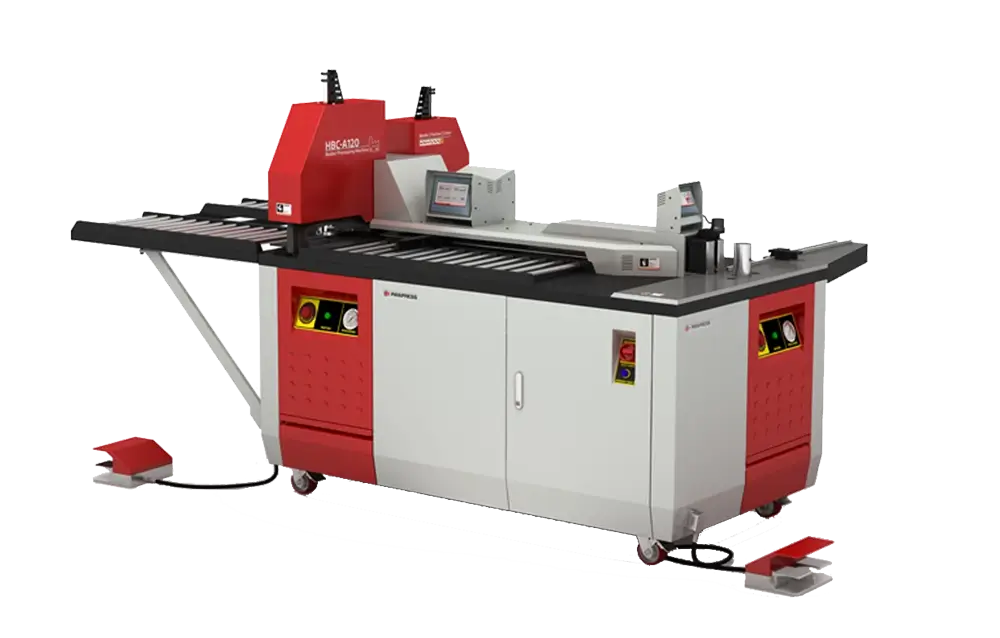
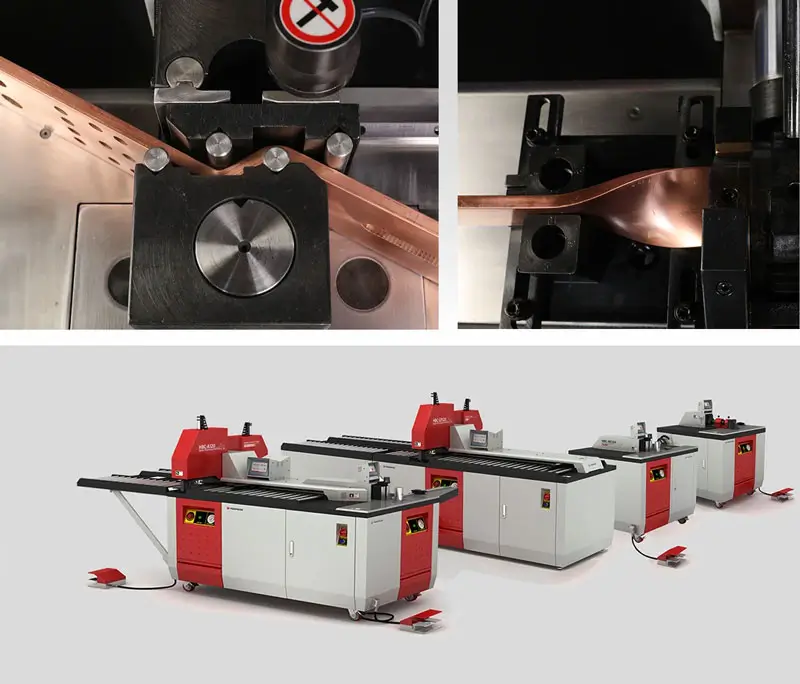
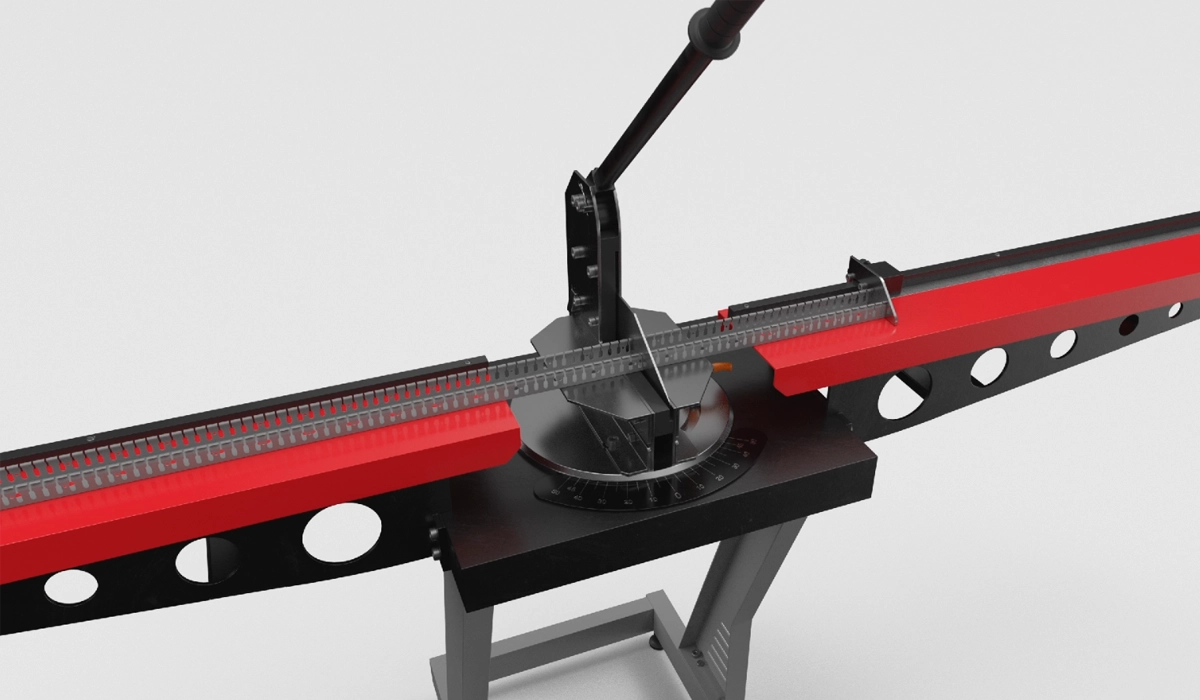
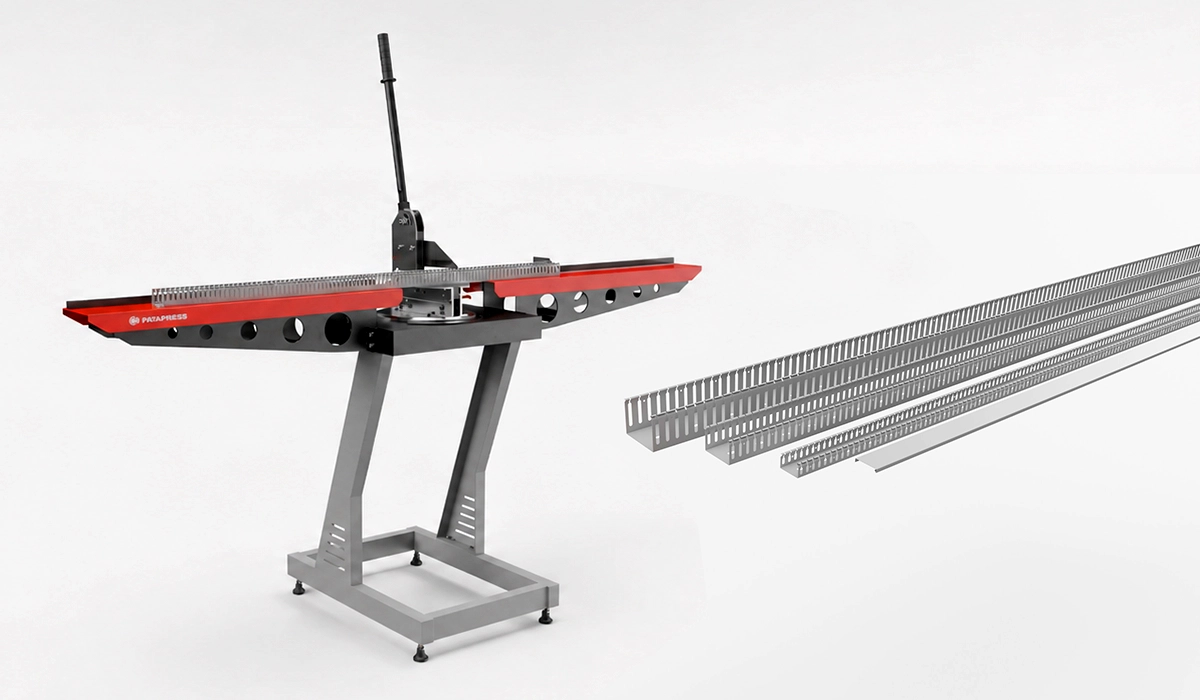
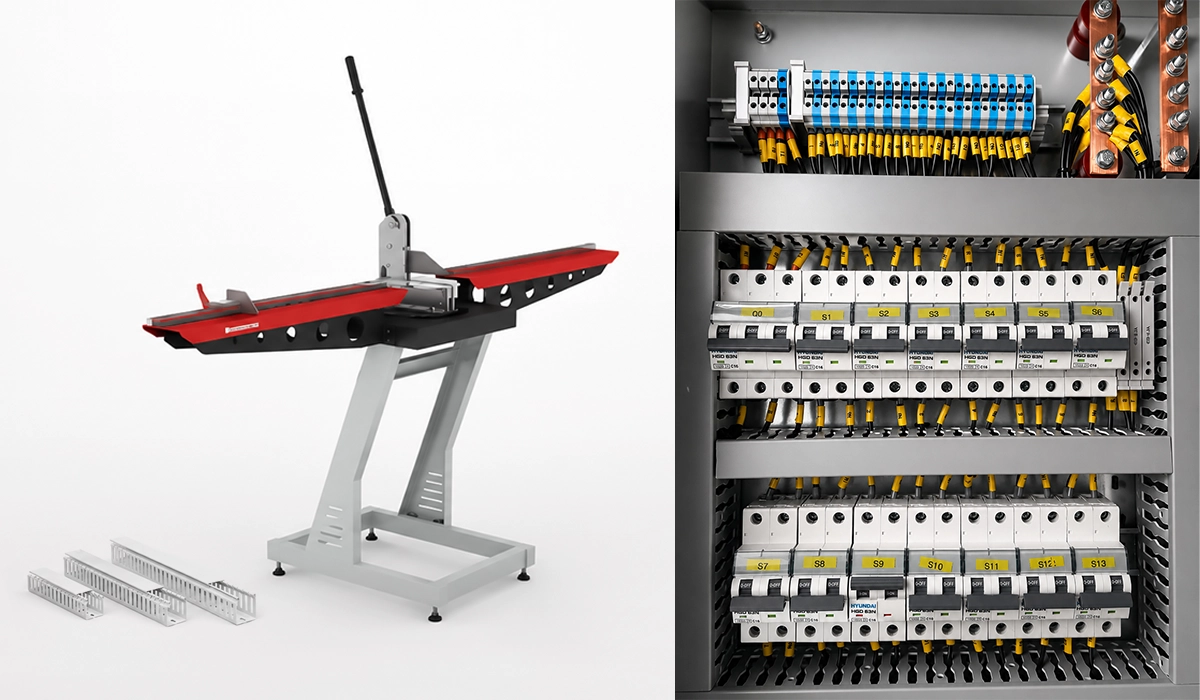
Before continuing with the explanations, we can mention one of the most precise and efficient tools in the field of wire duct cutting, which is made using the best possible blades.
Protection and Wire Safety — How Each Type Performs
Protection separates the two duct families more than installers often realize. Therefore, this section breaks the topic into three angles: physical contact, contamination, and electromagnetic interference. Each angle favors a different duct type, which is why a careful comparison matters.
This downloadable guide gives you a more structured overview of the subject.
Physical Wire Protection
Solid-wall duct provides wires with the strongest physical shield. Because nothing in the side wall opens, hands, tools, and shifting components cannot touch the conductors inside. This matters most in panels that get frequent service or sit on vibrating machinery.
Slotted duct offers moderate protection. Covers help, but the side slots remain exposed. In a clean, low-traffic enclosure, this rarely causes trouble; in harsh duty, however, the exposure becomes real.
Further exploration of Cable Raceway can be found in the following recommended reading.
Protection from Dust, Debris, and Contaminants
This is where solid duct holds its strongest edge, especially in slotted vs solid duct for dusty environments:
- Solid duct blocks particulate ingress along the entire duct length.
- It is critical in woodworking, food processing, textile, and metalworking sites.
- Slotted duct lets fine dust and debris settle on wire insulation through the side slots.
- Accumulated debris raises fire risk and degrades insulation over time.
- Inside an IP-rated enclosure, slotted duct can undercut the cabinet’s overall rating.
To explore the topic in greater depth, review the information available on this website.
EMI (Electromagnetic Interference) Shielding
Does solid wiring duct reduce EMI in control panels? Yes — particularly metal solid duct. Sealed walls give noise a continuous return path that open slots cannot. PVC solid duct does not actively shield, but its closed body still cuts capacitive coupling between adjacent wire bundles when servo drives, encoder leads, or comm cables run nearby.
This source can help you verify the information and continue your independent research about Panduit reference for solid dividers and EMI noise shields used inside duct runs.
Airflow and Thermal Management — A Critical Trade-off
Heat management is where the slotted-vs-solid choice becomes most measurable. Furthermore, a poor decision here shortens insulation life and triggers thermal trips. Consequently, every high-density panel deserves a deliberate thermal review before duct selection.
How Slotted Duct Supports Heat Dissipation
Air moves through and around the wire bundle thanks to the side slots. As a result, heat from drives, transformers, or high-current conductors escapes the bundle instead of building up. In thermally loaded enclosures, slotted duct measurably lowers wire surface temperature at the same fill ratio.
For a comprehensive understanding of What Is Wiring Duct?, we highly recommend reviewing this article.
Thermal Risk with Solid Duct in High-Density Panels
Solid duct traps heat. In a cool panel with light fill, this barely matters. However, pack VFD output cables, motor leads, or dense I/O into the same closed duct and temperatures climb. As a result, insulation ages early and protection devices may trip. This is the heart of any solid duct vs slotted duct heat management comparison.
| Thermal Scenario | Slotted Duct | Solid Duct |
|---|---|---|
| Low Wire Density, Cool Panel | Acceptable | Acceptable |
| Moderate Wire Density, Standard Panel | Good | Acceptable |
| High Wire Density, Thermally Loaded Panel | Recommended | Not Recommended |
| VFD or Drive Panel with Large Cables | Recommended | Avoid |
| Panel with Forced Air Cooling | Good | Acceptable with Airflow |
Installation and Wiring Flexibility
Installation speed and future flexibility often swing the entire decision. Therefore, panel builders should weigh how many wires branch, how many revisions are likely, and how often technicians will trace circuits later.
How Slotted Duct Speeds Up Installation
Slotted cable duct for control panels routes wires faster than solid alternatives. The installer pushes a wire through the channel and out through whichever slot lines up with the destination — no planning needed. Consequently, dense panels with many terminal blocks, relay bases, and I/O modules wire up quickly.
How Solid Duct Complicates Wiring — and When That Is Acceptable
Every wire exit on solid duct must be planned upfront. Wires leave from the open top or from holes the installer cuts manually. Retrofitting a new exit later means pulling the cover, cutting a clean opening, and reseating everything. Therefore, solid duct fits stable, repeat-build panel designs best — and gets uncomfortable in evolving layouts.
Post-Installation Modifications and Maintenance
For panels serviced over long lifetimes, consider:
- Slotted duct: add new wires after commissioning by routing through existing slots.
- Slotted duct: trace and identify individual conductors directly through the slots.
- Solid duct: any post-install change needs duct disassembly or new cutouts.
- Solid duct: internal wire tracing requires full cover removal.
- Both types: label covers clearly to shorten maintenance time across the panel.
This website offers useful supporting information to help clarify the subject.
Compliance and Standards — What UL 508A and IEC 61439 Say
Neither UL 508A nor IEC 61439 prescribes a specific duct type. Instead, both push outcomes: protect wires, separate voltage classes, and keep the assembly inside its thermal limits. So is slotted wiring duct allowed under UL 508A? Yes — with covers and correct fill, slotted duct complies fully.
UL 508A focuses on physical damage protection and on separation between conductors of different voltage classes. Solid duct meets the separation rule cleanly in tight layouts, while slotted duct passes the same tests when sized and covered properly.
IEC 61439, by contrast, evaluates the whole assembly’s thermal performance. Therefore, a high-density section built with solid duct may need verification testing to prove temperature compliance — extra effort that ventilated duct often avoids.
In short, both standards leave the choice to the designer. However, both also reward thermal headroom, mechanical protection, and clear documentation.
Access the full file here to review all technical notes, examples, and recommendations.
Environments and Applications — Matching Duct Type to Use Case
Environment, fill density, and modification history settle most slotted vs solid wiring duct debates faster than any abstract argument. Therefore, the next three sub-sections map duct choice to typical industrial situations.
When Slotted Duct Is the Right Choice
Slotted duct is the default for most indoor industrial control panels. Specifically, it performs well in clean indoor settings, supports fast installation, accommodates future changes, and helps moderate heat. So, when the air is clean, the cabinet is indoors, and thermal loads stay normal — choose slotted.
When Solid Duct Is the Right Choice
Solid wiring duct advantages show up clearly in specific scenarios. Use it for:
- Panels exposed to airborne dust, metal particles, or wood chips.
- Food and beverage sites with hygiene and contamination controls.
- Equipment subject to wash-down where moisture might enter side slots.
- Applications demanding EMI isolation between adjacent wire runs.
- Stable wiring layouts unlikely to need future modifications.
- IP54-or-higher enclosures where internal slot openings would weaken protection.
Can You Use Both Types in the Same Panel?
Yes — and the mix is often the smart answer. Experienced builders’ pair slotted duct for control and signal sections with solid duct for power runs or contamination-exposed paths. Both UL 508A and IEC 61439 accept the combination, provided fill and separation rules hold.
| Criteria | Slotted Duct | Solid Duct |
|---|---|---|
| Wire Exit Flexibility | High — Any Slot Position | Low — Top or Pre-Cut Holes Only |
| Physical Wire Protection | Moderate | Excellent |
| Dust and Debris Protection | Low–Moderate | Excellent |
| Heat Dissipation / Airflow | Good | Poor |
| EMI Isolation | Low | Moderate (Better with Metal) |
| Installation Speed | Fast | Slower |
| Post-Installation Modification | Easy | Difficult |
| Wire Tracing and Maintenance | Easy | Requires Cover Removal |
| Best Environment | Clean Indoor | Dusty, Dirty, Wash-Down |
| Typical Application | PLC, Relay, Signal Panels | Food Processing, Woodworking, VFD EMI-Sensitive Panels |
| UL 508A / IEC 61439 Compliance | Yes (with Cover) | Yes |
| Cost | Lower | Slightly Higher |
Making the Final Decision — A Practical Decision Framework
The right choice usually comes from answering four short questions in order:
- What is the panel environment? If dust, debris, moisture, or contamination is present — start with solid duct as the default.
- What are the thermal loads? If the panel contains VFDs, drives, or high-current cables — slotted duct is required in those sections.
- How stable is the wiring layout? If the panel will be modified, expanded, or serviced often — slotted duct saves significant time across the panel’s lifetime.
- Are there EMI or separation requirements? If sensitive signal cables run near power conductors — consider solid or metal duct on those specific runs.
For most standard industrial control panels in clean or moderately clean indoor environments, the slotted vs solid wiring duct decision still favors slotted as the correct default. Solid duct, by contrast, is a deliberate upgrade chosen for a clear reason — not a general improvement over slotted. Therefore, treat solid duct as targeted, not universal, and document the rationale on the drawings.
Conclusion Slotted or Solid Wiring Duct
The slotted vs solid wiring duct choice rarely has one universal answer. Instead, it tracks environment, thermal load, layout stability, and EMI requirements together. Slotted duct stays the workhorse — fast to install, easy to modify, and friendly to airflow.
Solid duct, on the other hand, earns its spot where dust, contamination, EMI, or fixed layouts justify the trade-offs. Therefore, do not pick it by reflex; pick it for a reason you can write down.
A well-built panel often uses both. Mix duct types deliberately: slotted for control and signal sections, solid for power runs or contaminated paths. Both UL 508A and IEC 61439 accept either approach when fill and separation rules hold.
Finally, treat duct selection as an engineering decision rather than a habit. With clear rationale on the drawings, your panels will perform — and serve — well across their full lifecycle.


Rate this article
Choose a rating from 1 to 5 stars.
No ratings yet