Category: Wiring Duct cutter

wiring duct cutter

Slotted vs Solid Wiring Duct: Which Type Is Better for Your Panel?

Choosing between slotted vs solid wiring duct shapes how your panel performs, how fast it gets built, and how easily it gets serviced for years afterward. Both duct families do the same core job — routing wires inside a control panel — yet they behave very differently when you add dust, heat, EMI, or future modifications to the picture. This guide compares the two head-to-head so engineers and OEM panel builders can pick the right type the first time. We cover protection, airflow, installation, standards, and real environments. Along the way, we will answer questions like which wiring duct type is easier to install and modify. By the end, you will have an application-driven framework rather than a generic preference.

Read More »
Wiring Duct

What Is Wiring Duct? Meaning, Purpose, and Use in Control Panels

Wiring duct is a foundational component in modern electrical control panel construction. Engineers rely on it to organize, route, and protect the many conductors connecting terminal blocks, PLCs, relays, and other panel devices. Without a structured wire management approach, a control panel quickly becomes difficult to trace, maintain, and inspect safely. This guide covers what wiring duct is, why it matters, how to select the right type and size, and how to install it correctly — drawing on established standards including UL 508A and IEC 61439.

Read More »
Duct cutter

Wiring Duct: Types, Sizes, Applications, and Cutting Guide

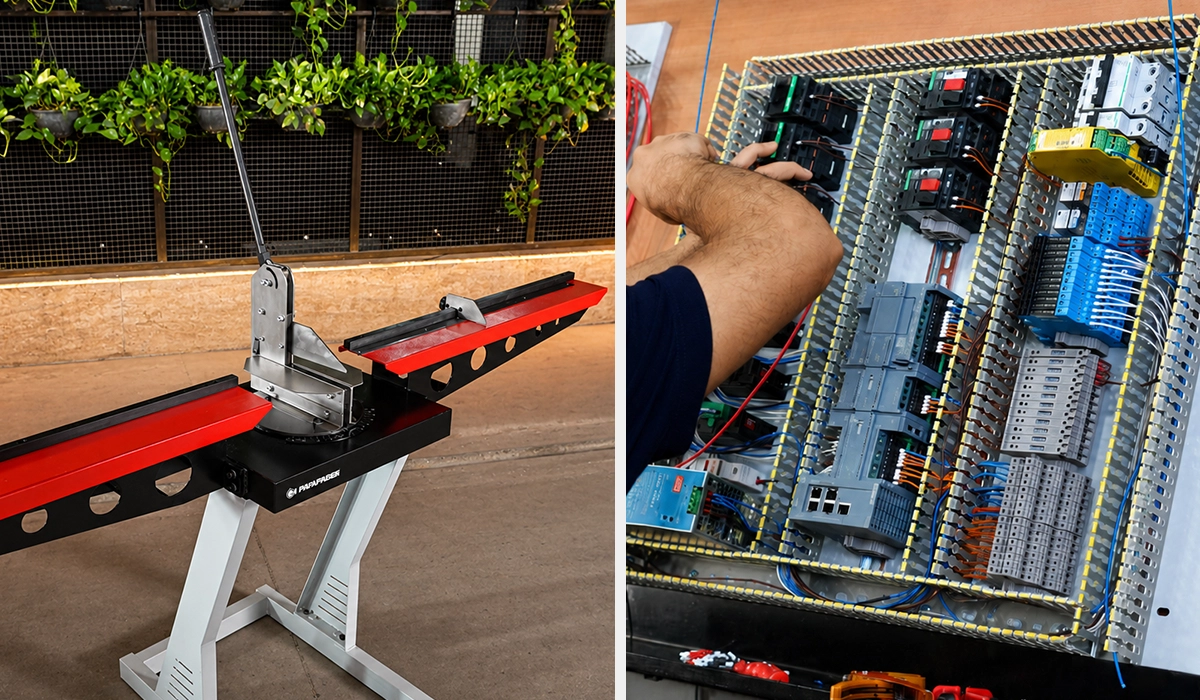
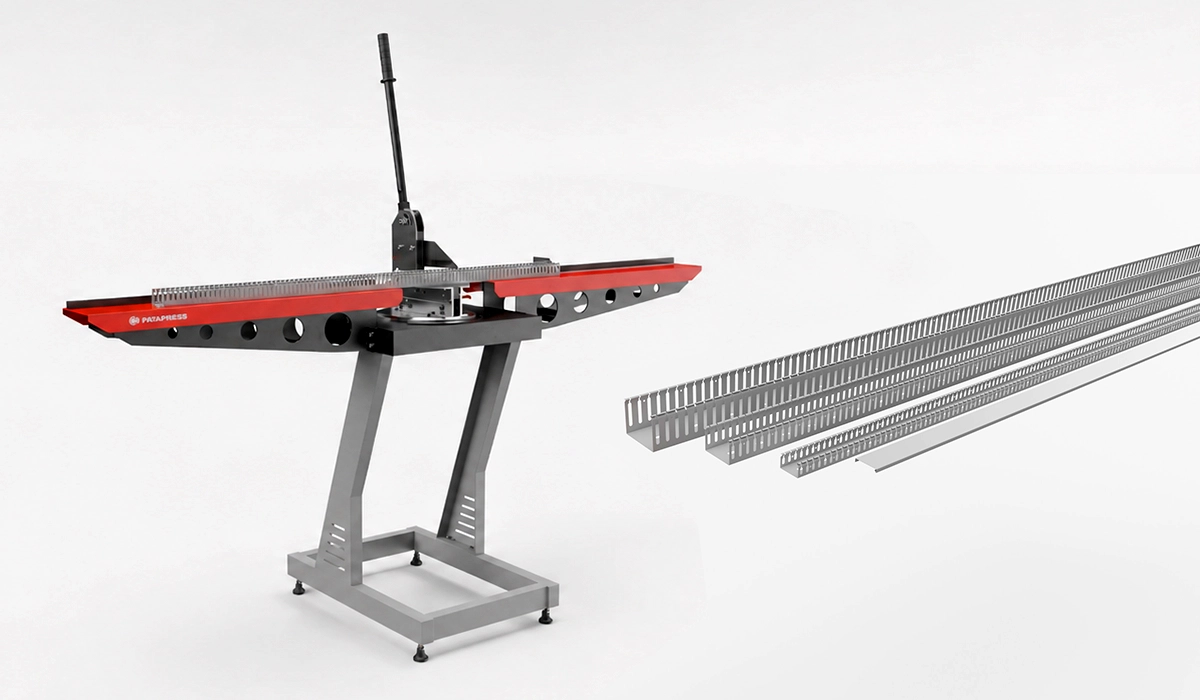
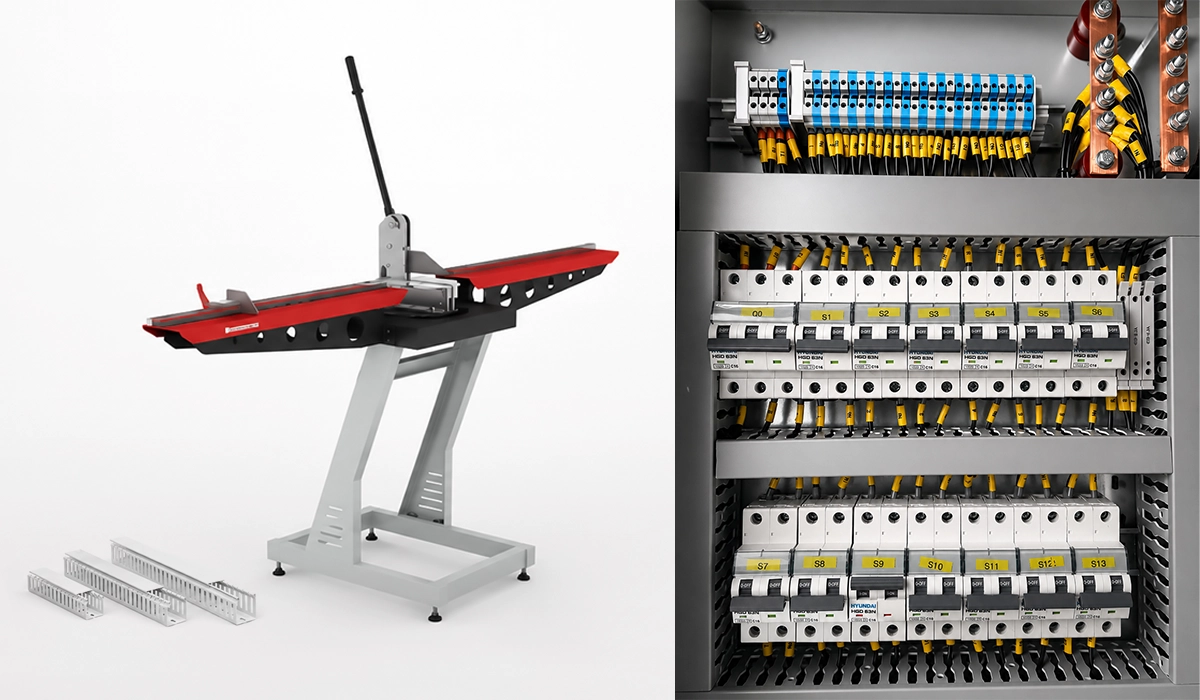
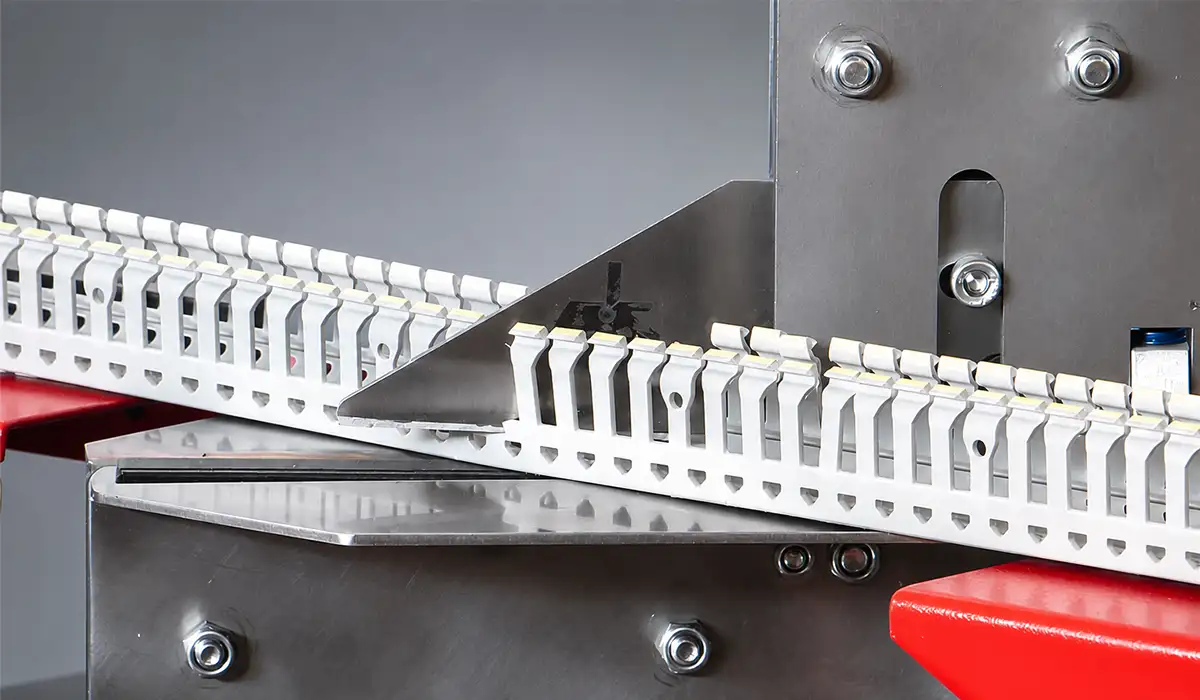
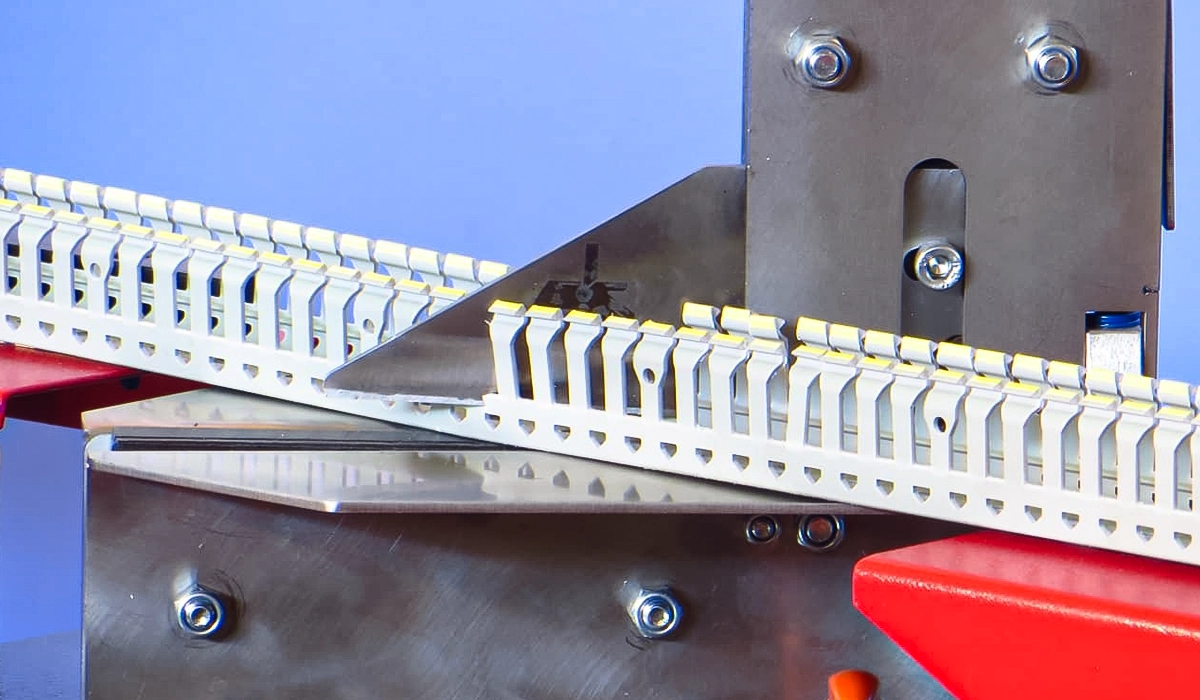
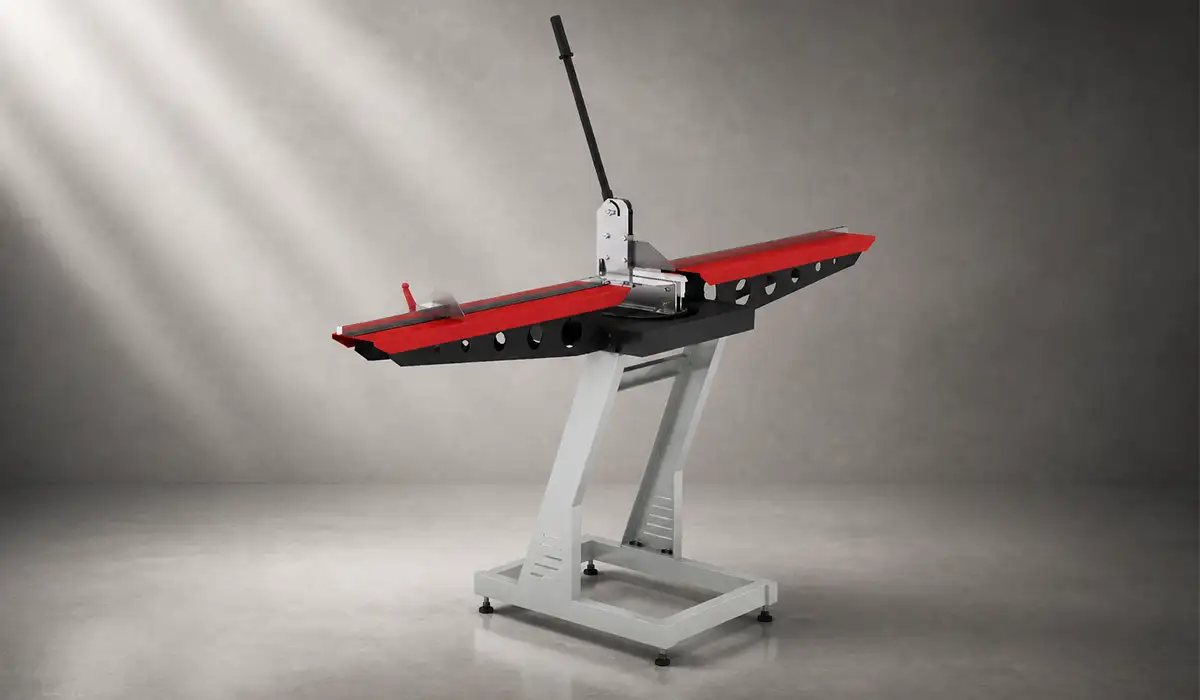
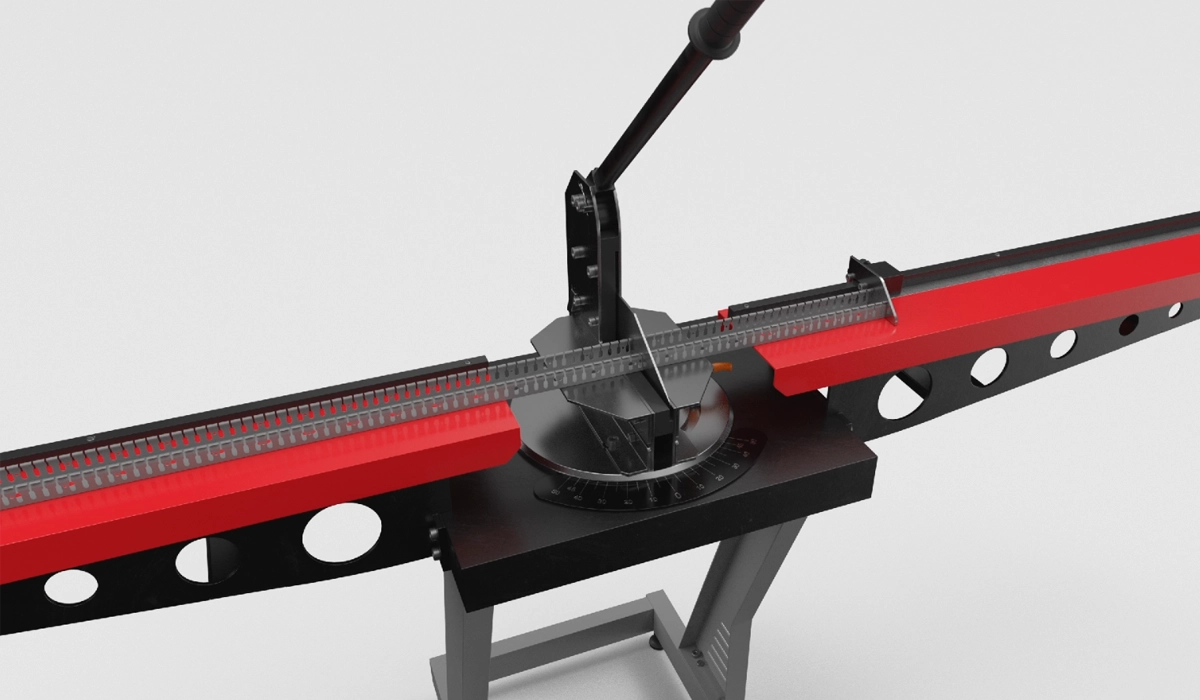
Wiring Duct is a cable management duct used inside control panels, automation cabinets, MCCs, and electrical enclosures to route, protect, and organize internal wiring. In professional panel building, it gives every wire run a controlled path, keeps power and signal conductors separated, improves inspection access, and helps technicians troubleshoot faster. The main choices include solid wall duct for clean and protected runs, slotted wiring duct for flexible wire exits, and high-density styles for larger bundles. However, correct sizing matters as much as duct type. Panel builders must select width, depth, cover style, and wire fill capacity before layout work begins. Finally, clean cutting determines the finished quality of the installation, because cracked PVC, rough edges, and inaccurate lengths can reduce both safety and appearance.

Read More »