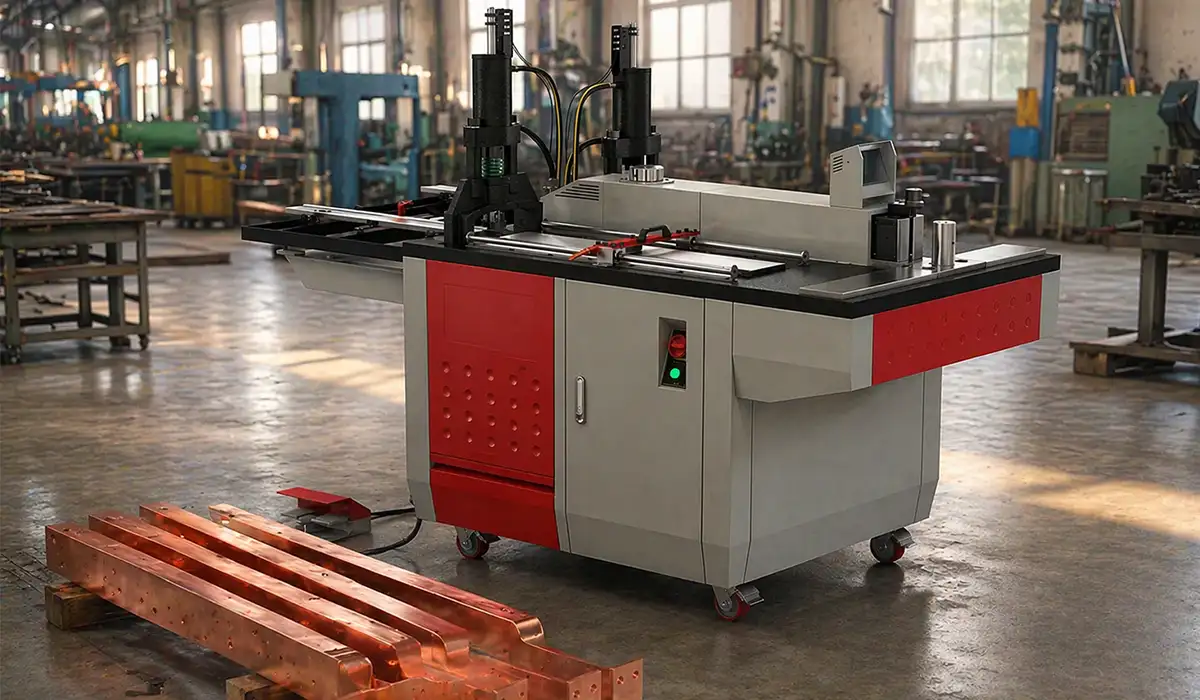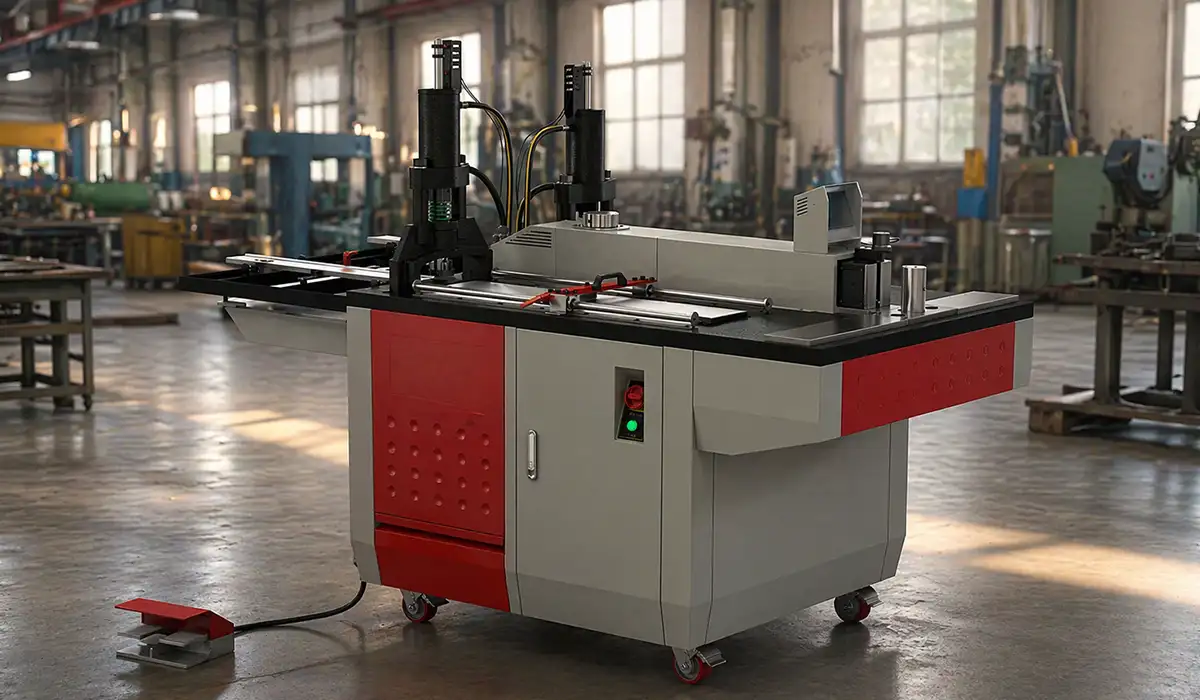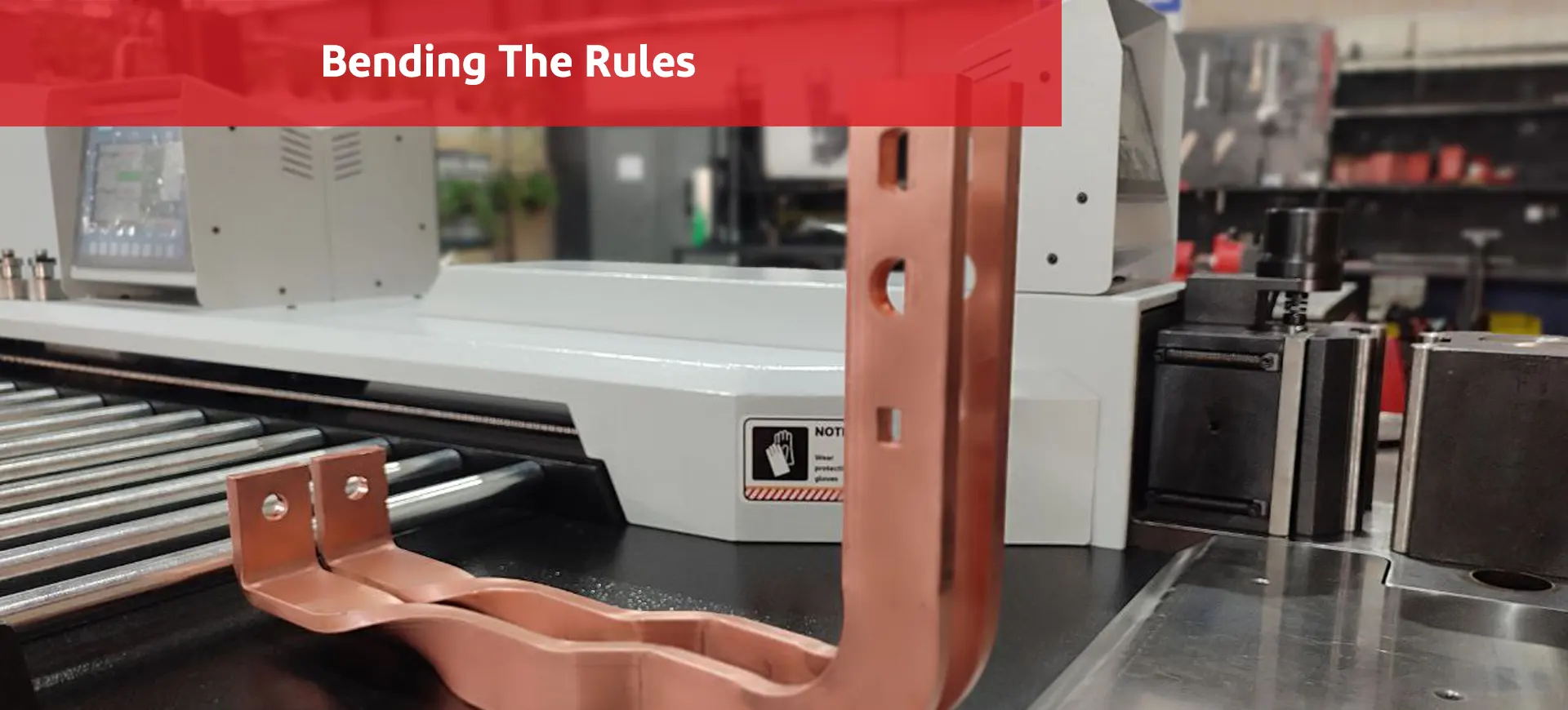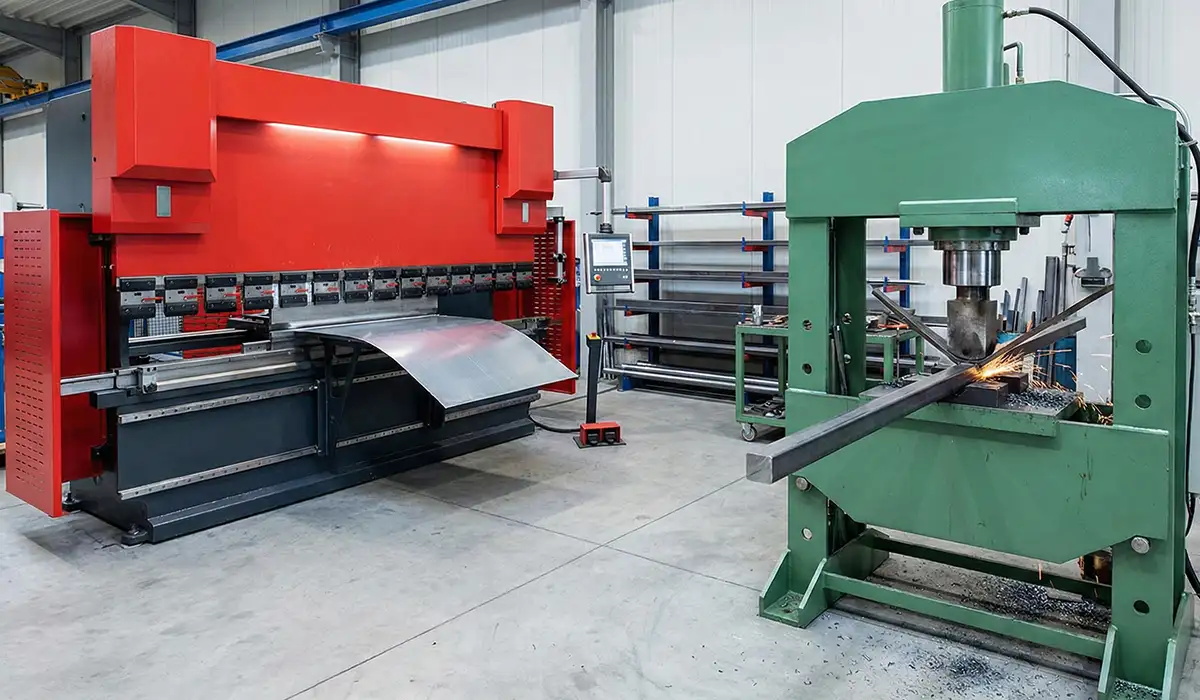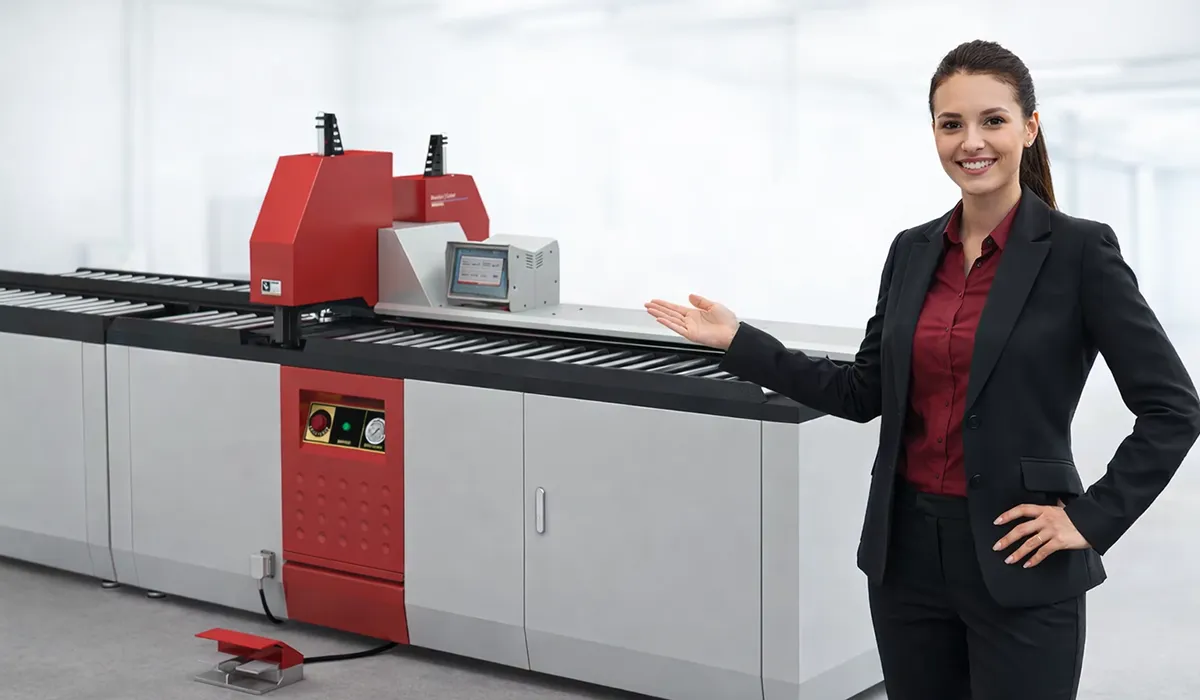
Welcome to the ultimate resource on automatic punching and shearing lines. In the competitive world of metal fabrication automation, efficiency is the primary driver of profit. Whether you are operating a high-volume industrial punching and shearing line or upgrading from manual processing, understanding automated punching shearing production lines is essential. This guide covers the operational mechanics, distinct benefits, and selection criteria for automatic sheet metal punching and shearing lines, helping engineers and business owners optimize their punching and shearing automation line for maximum output and precision.
What Is an Automatic Punching and Shearing Line?
An automatic punching and shearing line is a sophisticated, integrated sheet metal punching and shearing machine designed to combine multiple fabrication steps into a continuous workflow. Unlike standalone units, these lines automatically feed raw material—typically coil, flat bar, or angle iron—through a straightener and position it under a punch press. The system then utilizes a shear to cut the material to length, all without manual intervention. This represents a significant leap from manual punching and shearing machines, where operators must handle materials between each step.
These automatic punching and shearing machines are controlled by advanced software that coordinates the movement of the material with the actuation of the tools. By utilizing automatic punching shearing solutions, manufacturers can achieve continuous processing of long inputs into finished parts. The punching and shearing line for metal fabrication effectively acts as a bridge between raw material storage and assembly, removing the bottlenecks associated with moving parts between a separate punching machine vs shearing machine.
If the information related to topic Automatic Punching was interesting and informative to you, researching topic Metal Punching and Notching Machines can be very engaging.
Overview of Punching and Shearing Process
The core functionality of these systems relies on a CNC punching and shearing line controller. Material is clamped and moved via high-precision servo motors. The punching and cutting machine for metal executes specific hole patterns using hydraulic or mechanical force, followed immediately by the shear blade parting the workpiece. This high-speed punching and shearing system eliminates work-in-progress inventory, streamlining the entire punching shearing line for sheet metal workflow.
If you are looking for more information about sheet metal forming and fabrication processes, it is recommended not to miss reading this article on Sheet Metal on Wikipedia.
Key Benefits of Using Automatic Punching and Shearing Lines
Implementing automatic punching shearing solutions revolutionizes production floors by addressing the “iron triangle” of manufacturing: speed, quality, and cost. The primary advantage is the drastic reduction in cycle time. Fully automatic punching shearing equipment allows for punching and shearing for mass production with minimal downtime, significantly outperforming manual punch shear machines. By removing the need for manual material handling between the punch and the shear, throughput increases exponentially.
Furthermore, safety is vastly improved. Industrial punching shear production line setups keep operators behind safety barriers, far removed from the pinch points of a punch and shear machine for metal. Additionally, the integration of CNC machine controls minimizes material waste. The software optimizes nesting, ensuring that the automatic punch shear machine utilizes the maximum amount of raw material per run. This reduction in scrap contributes directly to the bottom line, making automated punching shearing solutions a smart investment.
For a comprehensive understanding of Corner and Angle Notching Machines, we highly recommend reviewing this article.
Speed, Precision, and Efficiency in Automation
Automated punching shearing production lines offer unrivaled repeatability. With CNC machine controls, tolerances are held tight, ensuring every part is identical. This precision reduces waste and ensures downstream assembly fits perfectly. Furthermore, an automatic punch press integrated into a line operates continuously, vastly increasing daily throughput compared to manual punching and shearing. This reliability is critical for meeting the strict deadlines of high-speed metal processing systems.
For a comprehensive understanding of Computer Numerical Control (CNC) technology and how it drives modern manufacturing automation, we highly recommend reviewing this article on Numerical Control on Wikipedia.
Types of Automatic Punching and Shearing Machines
There are various configurations of industrial punching and shearing lines available, tailored to specific material profiles. The most common distinction lies in the drive system and material handling. Hydraulic punching and shearing lines are the workhorses of the industry, offering immense force for thick sheet metal punching and shearing. These are often contrasted with servo-electric models, which offer higher speeds and lower energy consumption for lighter gauge materials.
Another key distinction is the material format. Some integrated punching and shearing machines are designed specifically for processing angle iron and channel steel, often referred to as “angle lines.” Others are dedicated to flat stock, serving as a punching shearing line for sheet metal. Understanding the specific sheet metal forming machines required for your application is vital. While a stamping press might be faster for a single part, a CNC punching and shearing line offers the flexibility to change parts instantly without hard tooling changes.
CNC Punching and Shearing Systems
A CNC punching and shearing line utilizes Computer Numerical Control to manage complex patterns. These integrated punching and shearing machines allow operators to upload CAD files directly, automatically adjusting the punching shearing line for sheet metal to specific coordinates. This flexibility makes them superior to hard-tooled stamping presses for variable batch sizes, allowing for the seamless production of complex electrical cabinets and enclosures.
Hydraulic vs Pneumatic Punching Machines
When comparing hydraulic punching and shearing vs pneumatic punching and shearing, power is the deciding factor. Pneumatic systems are faster and cleaner but limited to lighter gauges. Conversely, a hydraulic punching machine within a line provides the high tonnage required for heavy structural steel and thick plates, making it the standard for heavy-duty industrial machinery for metal fabrication.
Further exploration of hydraulic machinery and its industrial applications can be found in the following recommended reading: Hydraulic Machinery on Wikipedia.
Key Features and Components of Punching and Shearing Systems
A robust automatic punching shearing system is defined by the quality of its subsystems. The feeder and straightener are critical; they ensure the sheet metal forming machines receive perfectly flat material, which is essential for accuracy. The heart of the system is the punch press and shear unit, often equipped with quick-change tooling and dies for punching and shearing to minimize setup time. High-end models feature multi-station turrets that hold various tool sizes simultaneously.
Automation extends beyond just the cutting. Advanced automatic punching shearing machine features include smart off-loading systems. These conveyor systems for punching lines sort finished parts into different bins, separating them from scrap automatically. Additionally, modern CNC machine controls provide real-time diagnostics, monitoring punching and shearing blade designs for wear and alerting operators before a failure occurs. This predictive capability is a hallmark of top-tier automatic sheet metal punching and shearing lines.
Tonnage, Material Capacity, and Automation
Selecting the right punching and shearing machine for industrial use requires calculating tonnage based on shear strength and material thickness. High-speed metal processing systems must possess the hydraulic force to handle the specific yield strength of your stock. Automatic punching shearing machine features often include auto-loading and unloading to match the machine’s throughput capacity, ensuring the automatic punch shear machine never waits for material.
How to Choose the Right Punching and Shearing Line for Your Need
Investing in automatic punching and shearing lines is a capital-intensive decision that shapes your facility’s future. Business owners must evaluate their production volume versus the versatility required. If you handle high-mix, low-volume parts, a flexible CNC punching and shearing line with rapid changeover capabilities is vital. For consistent, long-run jobs, dedicated punching and shearing lines optimized for specific profiles (like angle iron) are often the better choice.
Space is another major consideration. Automated punching shearing production lines can have a significant footprint. You must account for the in-feed tables, the machine itself, and the out-feed sorting systems. Furthermore, consider the cost of installing an automatic punching and shearing line not just in terms of the machine price, but also the infrastructure upgrades required, such as power supply and foundation reinforcement. Comparing punching and shearing vs laser cutting or punching and shearing vs press brake workflows is also necessary to ensure you are buying the right technology for your specific metal fabrication automation goals.
What to Consider When Selecting a Punching Shearing Line
Evaluate the automatic punch press capabilities against your thickest material. Ask: Can the punching and cutting machine for metal handle your projected future growth? Consider the software interface is it compatible with your current ERP? Finally, compare the automatic punching and shearing line vs manual punching and shearing ROI, factoring in the long-term labor savings of metal fabrication automation.
This article serves as a valuable resource for those seeking detailed information on metal fabrication and industrial manufacturing processes: Metal Fabrication on Wikipedia.
Punching and Shearing Line Maintenance and Troubleshooting
To maintain the uptime of automatic punching and shearing lines, a rigorous maintenance schedule is non-negotiable. Hydraulic punching and shearing lines require regular fluid analysis and filter changes to prevent valve failure and maintain pressure. Operators must frequently inspect punching and shearing blade designs for dullness; worn tools increase stress on the automatic punching shearing system and degrade part quality.
Troubleshooting often involves checking the CNC machine controls and sensors. Misaligned sensors can cause the high-speed punching and shearing system to halt unexpectedly. Regular cleaning of the conveyor systems for punching lines is also essential to prevent metal chips from jamming mechanical components. By adhering to a strict schedule, you ensure your industrial punching shear production line remains a reliable asset rather than a maintenance burden.
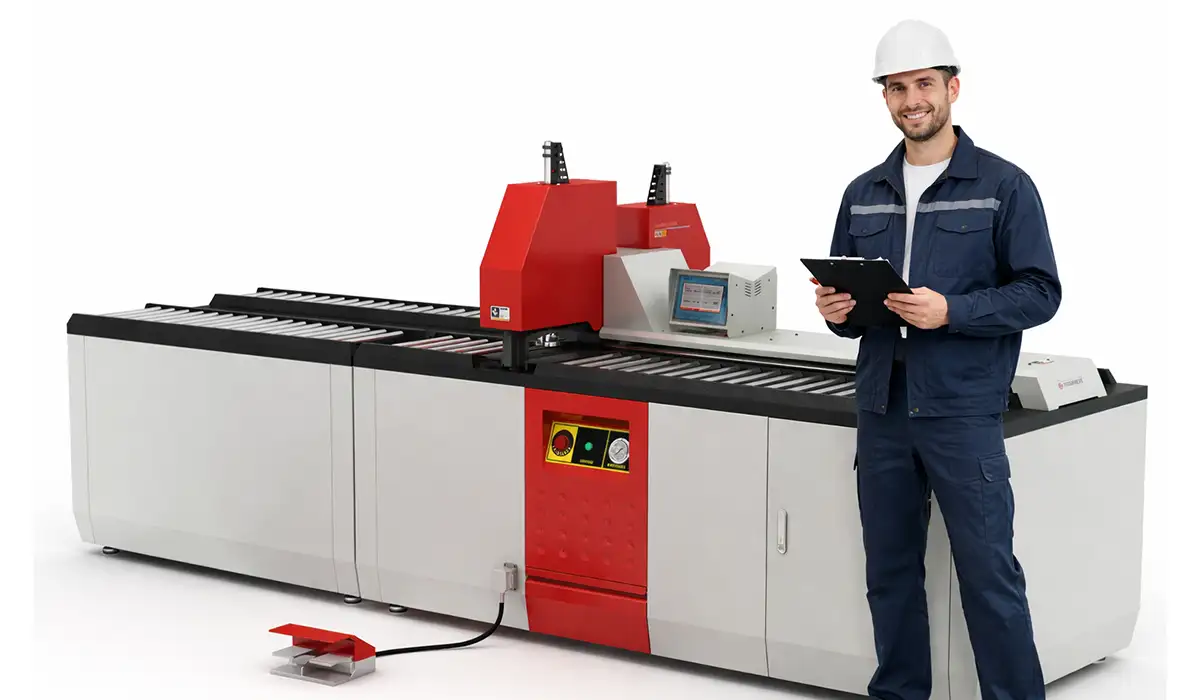
Common Issues and Preventative Maintenance Tips
Common issues in automated punching shearing solutions include hydraulic leaks and sensor misalignment. To prevent this, establish a daily checklist. Lubricate the conveyor systems for punching lines and check the punch and shear machines for metal for loose bolts caused by vibration. Proactive care ensures your industrial punching shear production line remains profitable and prevents costly emergency repairs on your automatic punch shear machine.
Frequently Asked Questions (FAQs)
What is an automatic punching and shearing line?
It is a fully integrated system that automates feeding, punching, and cutting metal (like angle iron or flat bar) in one continuous process. It replaces manual handling between separate machines to boost efficiency.
How does automation improve production speed?
Automation eliminates manual material handling and setup time between steps. Continuous feeding and CNC controls allow the machine to process parts non-stop, significantly increasing daily throughput compared to manual methods.
What is the difference between hydraulic and pneumatic systems?
Hydraulic systems use pressurized fluid for high force, making them essential for thick, heavy-duty materials. Pneumatic systems use air; they are faster and cleaner but limited to lighter, thinner gauge metals.
Can these lines handle different material shapes?
Yes. While some lines are dedicated to specific profiles (like “angle lines” for angle iron), others are designed for flat bars or channel steel. CNC controls allow for quick changeovers between different part designs.
How often is maintenance required?
Routine maintenance should happen daily (cleaning scrap), weekly (lubrication), and monthly (hydraulic checks). Regular inspection of punch dies and shear blades is critical to prevent poor cut quality and machine damage.