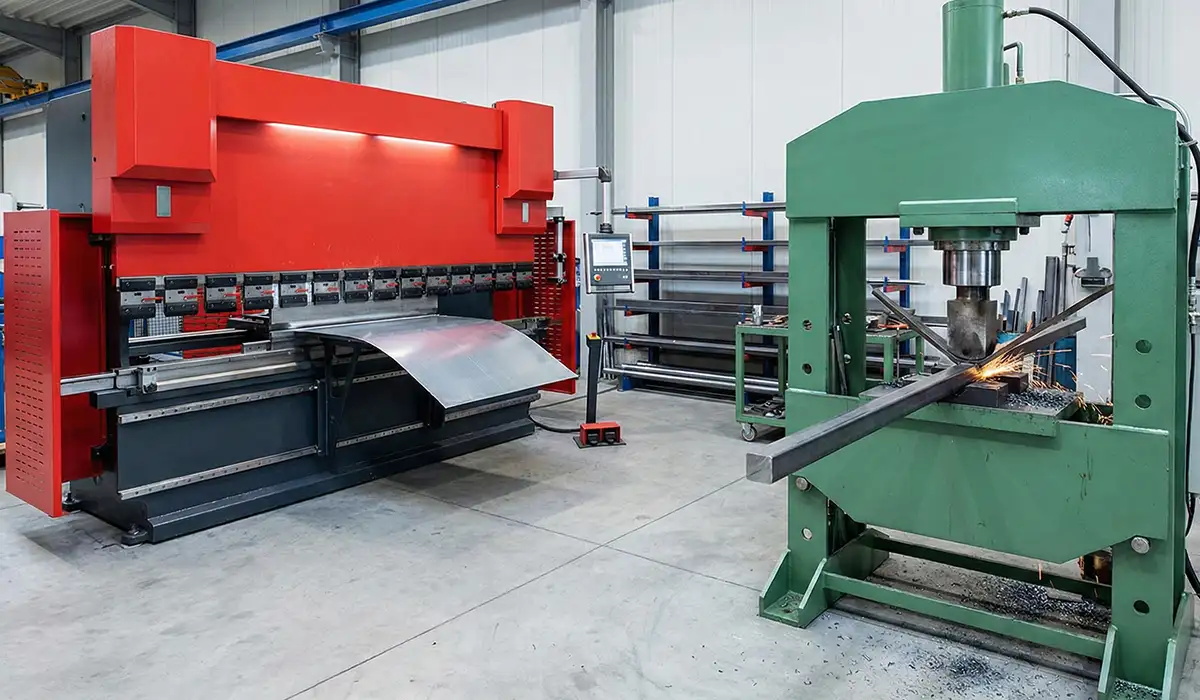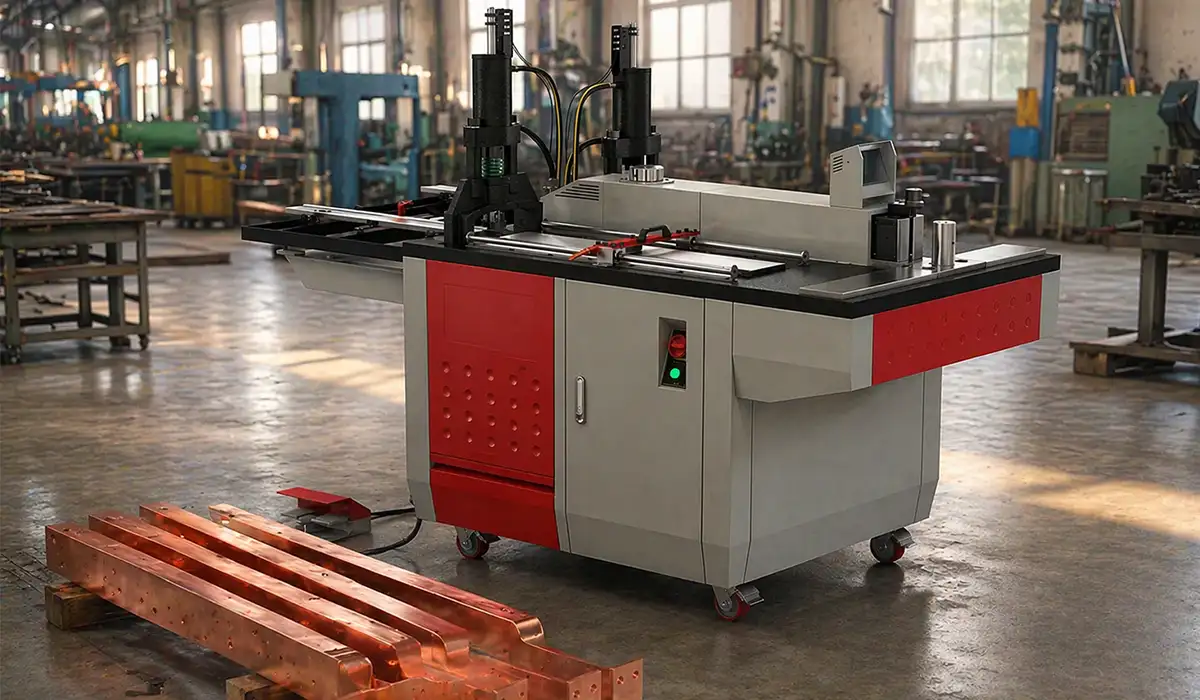
Corner and angle notching machines are the unsung heroes of precision sheet metal processing. Whether you are running a high-volume fabrication workshop or a specialized HVAC business, these tools are essential for preparing sheet metal blanks for bending and assembly. By effectively cutting corners and specific angles, a quality metal notcher ensures seamless box forming and precise joinery. In this guide, we explore the distinct differences between fixed and variable options, helping you select the best industrial machinery for your specific production goals.
If you are looking for more information about topic about Metal Punching Machines, it is recommended not to miss reading this article.
What is a Corner Notching Machine?
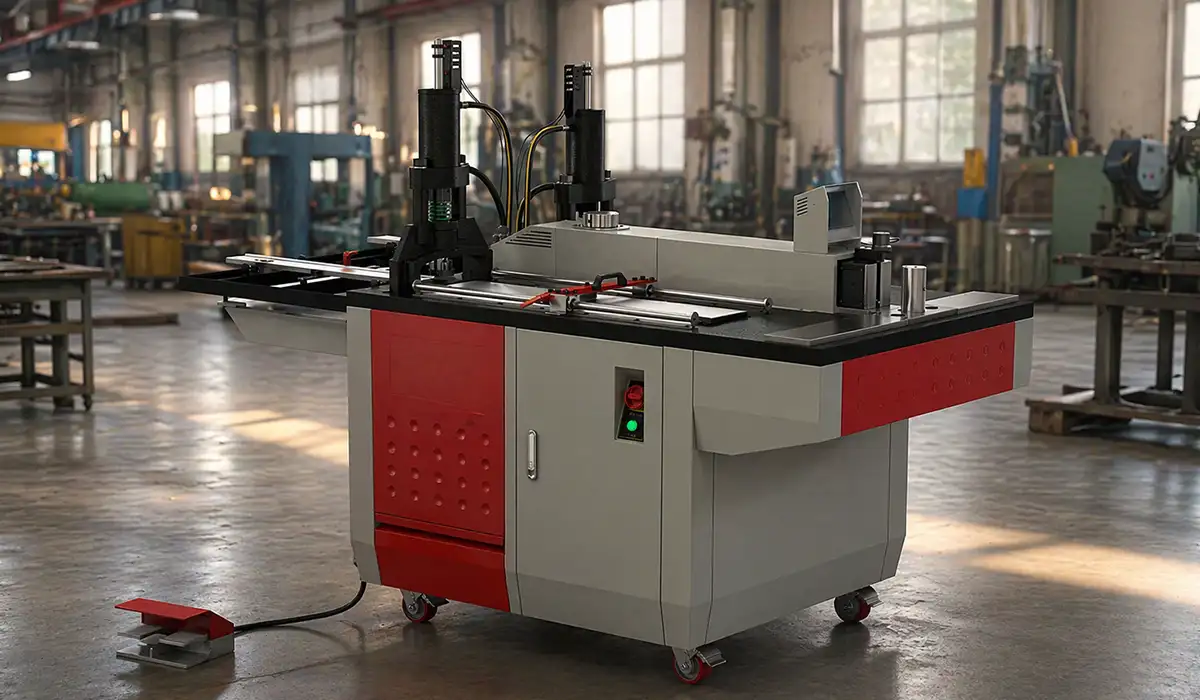
A corner notching machine is a specialized fabrication tool designed primarily to shear the corners off metal sheets, typically at a 90-degree angle. This process is critical before bending operations; without removing the corners, you cannot fold a sheet into a box or pan shape without material overlap. These machines function similarly to a shearing machine but with blades set specifically for corner removal. They are staples in industries producing kitchen equipment, electrical enclosures, and HVAC ductwork.
In terms of materials, a standard sheet metal notching machine can handle mild steel, stainless steel, aluminum, and copper. The capacity of the machine—often defined by tonnage and cutting force—dictates the maximum thickness it can shear. While a corner cutter machine is often associated with fixed 90-degree cuts, its role is foundational in reducing manual trimming and ensuring that subsequent bending processes result in perfectly aligned edges.
What is an Angle Notching Machine?
While a corner notcher is often fixed, an angle notching machine offers significantly more versatility for complex geometries. These machines are engineered to cut metal sheets at various angles, not just the standard 90 degrees. This capability is vital for creating non-rectangular shapes, triangular cuts, or specific geometric patterns required for architectural metalwork or custom automotive parts.
The primary difference lies in the blade configuration. A dedicated angle cutting machine allows the operator to adjust the cutting angle, sometimes up to 135 degrees or more depending on the model. This distinguishes it from a standard notching press, as it accommodates irregular shapes that a fixed setup cannot handle. For workshops dealing with diverse client specifications, the ability to switch from a 30-degree notch to a 120-degree notch without changing tools makes the angle notcher a superior choice for flexibility.
Types of Notching Machines for Metal Fabrication
When evaluating metal fabrication tools, understanding the specific types of notching equipment is crucial. The market is generally divided into fixed angle notching machines and variable angle notching machines, though distinctions also exist between manual, pneumatic, and hydraulic power sources.
Fixed angle notching machines are the workhorses for standard box-making, locking the blades at 90 degrees for rapid, repeatable production. In contrast, variable models allow for back gauge adjustment for notchers, enabling the operator to alter the geometry of the cut. Furthermore, operation styles range from a simple manual notching tool for light gauge work to powerful hydraulic notching machines capable of shearing thick plate steel with immense cutting force and tonnage.
Fixed Angle Notching Machines
Fixed angle notching machines are engineered for rigidity and speed, permanently set to cut at 90 degrees. Because there are no moving parts in the angle adjustment mechanism, these machines offer exceptional durability and consistent precision for standard rectangular notches. They are the ideal corner notcher for high-volume production where the notch shape rarely changes.
Variable Angle Notching Machines
Variable angle notching machines feature adjustable blades that can be set to different degrees, typically ranging from 30 to 140 degrees. This flexibility allows a single angle notching machine to handle diverse jobs, from standard corners to complex geometric patterns. They are essential for job shops where sheet metal processing requirements change daily.
Choosing the Right Notching Machine for Your Needs
Selecting the correct metal notching machine requires a careful audit of your workshop’s typical output. First, consider material compatibility; cutting stainless steel requires significantly more tonnage than aluminum. You must also decide between CNC notching vs manual notching. If your workflow involves low-volume, custom pieces, a manual or simple hydraulic unit may suffice. However, for high-speed, repeatable accuracy, CNC control systems are superior.
Another critical comparison is pneumatic notcher vs hydraulic notcher. Pneumatic machines are faster and cleaner but lack the sheer power required for thicker plate stock. Hydraulic units provide the high pressure needed for heavy-duty sheet metal cutting and bending but may require more maintenance. Finally, consider the distinction between a notching machine vs laser cutter; while lasers offer infinite flexibility, a mechanical notcher is often faster and cheaper for simple, repetitive corner removal.
Manual vs CNC Notching Machines
Manual notching machines rely on operator effort or foot pedals and are best suited for thin gauges and low-volume work. They are cost-effective but lack speed. Conversely, CNC notching machines automate the back gauge and blade positioning, delivering unmatched precision and throughput. For complex sheet metal notching, CNC is the industry standard for efficiency.
Pneumatic vs Hydraulic Notching Machines
Pneumatic notching machines utilize compressed air, offering a quick cycle time ideal for lighter gauge metals like HVAC ducting. Hydraulic notching machines, however, use fluid power to generate immense force, making them the standard for processing thick steel plates. While hydraulic units are slower, their capacity to handle heavy industrial machinery tasks is superior.
Notching Machine Maintenance and Troubleshooting
Proper maintenance is vital to extending the life of your corner and angle notching machines. The most common issue is blade degradation; dull blades increase the load on the machine and produce burred edges. Regular tool maintenance for notching machines involves inspecting the gap between the upper and lower blades to ensure a clean shear. Misalignment here is a frequent cause of poor cut quality and machine jamming.
Additionally, hydraulic systems require checks on fluid levels and hoses to prevent leaks, while pneumatic systems need clean, dry air to avoid corrosion. Troubleshooting common notching machine issues often starts with checking the back gauge adjustment and ensuring the worktable is debris-free. Neglecting these small tasks can lead to costly downtime and expensive repairs on your notching dies and tooling.
Key Maintenance Tips:
- Sharpening: Regularly check and sharpen the notching blades to maintain cutting precision.
- Lubrication: Lubricate moving parts and guide ways daily to prevent wear.
- Alignment: Inspect back gauges and blade clearance to ensure proper alignment.
- Cleaning: Keep the machine clean from metal debris and dust to prevent jamming.
Frequently Asked Questions About Notching Machines
What is a Corner Notching Machine?
A corner notching machine is a fabrication tool used to shear 90-degree corners from sheet metal. It prepares the metal for bending into boxes or pans. Unlike a punching machine, it is dedicated specifically to edge and corner removal, providing a clean, burr-free cut essential for high-quality welding and assembly.
How Does an Angle Notching Machine Work?
An angle notching machine works by using two adjustable blades that descend to shear the metal. The operator sets the desired angle (e.g., 45 or 60 degrees), and the machine shears the material in a single stroke. This differs from a shearing machine, which typically makes straight cuts across the entire width of a sheet.
What’s the Difference Between a Corner Notcher and an Angle Notcher?
A: The main difference is adjustability. A corner notcher is typically fixed at 90 degrees for box-making. An angle notcher (or variable angle notcher) allows the operator to change the cutting angle. While a corner notcher is faster for standard jobs, the angle notcher offers the versatility required for complex metal fabrication projects.
What safety features should a notching machine have?
A: Safety is paramount when operating industrial machinery. A compliant notching machine should include a finger guard to prevent operator contact with the blades, an easily accessible emergency stop button, and a foot pedal with a protective cover to prevent accidental actuation. Always wear PPE when operating a metal notcher.