


If you’d rather listen than read, feel free to play the audio file below for the rest of this article.
What Is NEMA 3R?
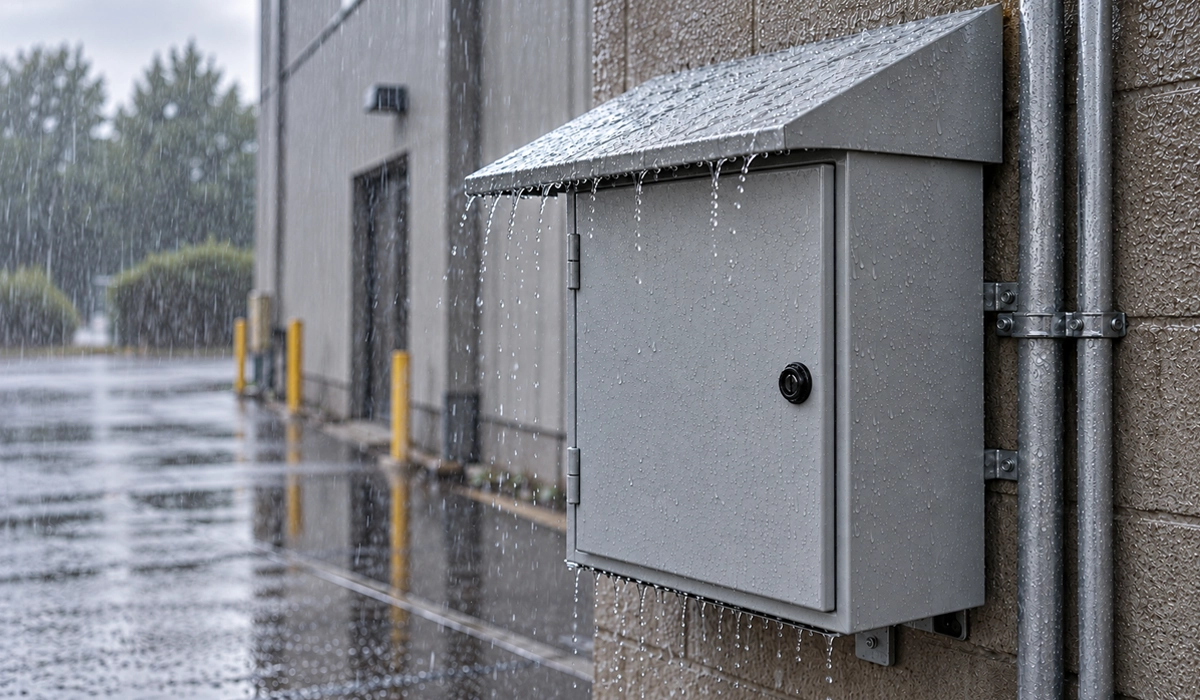
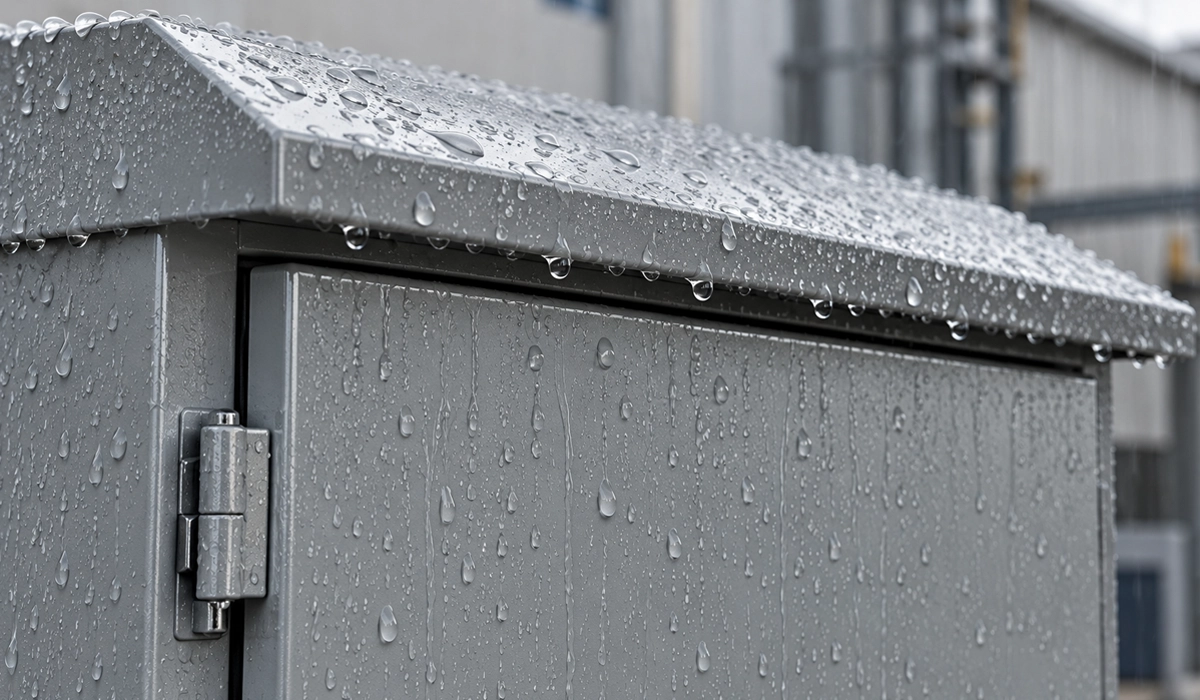
What is a NEMA 3R enclosure? It is a box for indoor or outdoor use that protects equipment against rain, sleet, snow and falling dirt. It must also stay undamaged when ice forms on its outside. Most units use painted or galvanized steel, aluminum or nonmetallic housings.
That is the whole NEMA 3R meaning in one line: a box that sheds precipitation and survives ice. It does not promise to keep out dust, hose jets or floods, as the next sections show.
So, what does NEMA stand for? It stands for the National Electrical Manufacturers Association, the US trade group that publishes the NEMA 250 standard. Listed products follow UL 50E, which uses the same type numbers, so the label may read “NEMA Type 3R” or simply “Type 3R”.
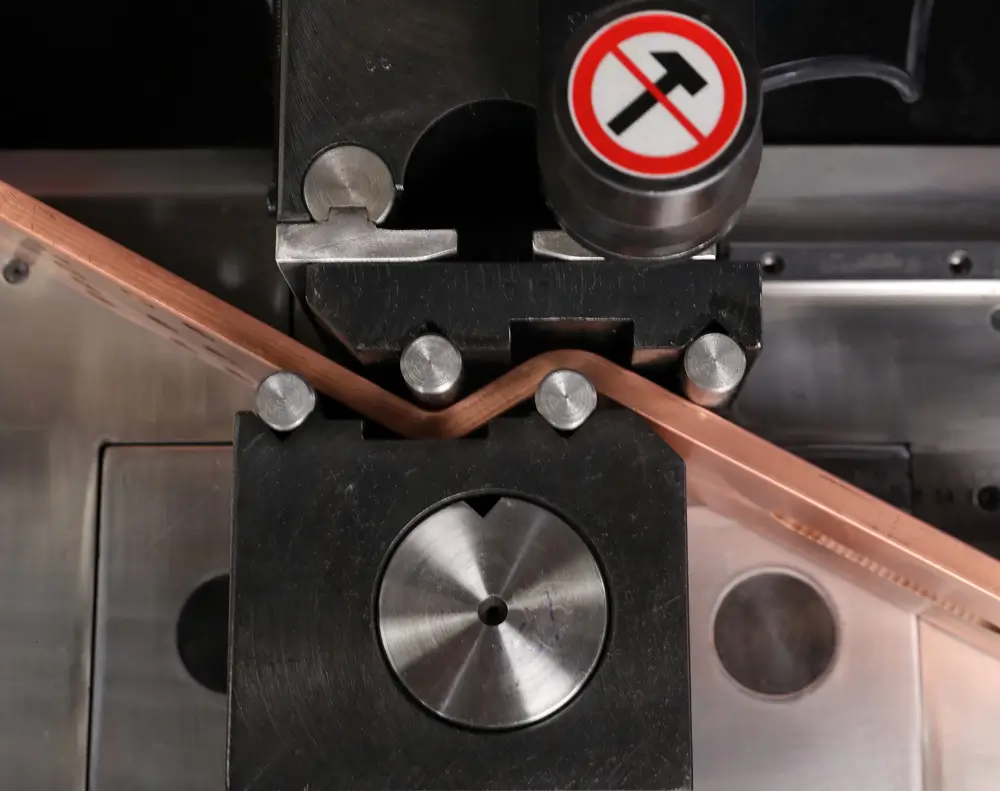
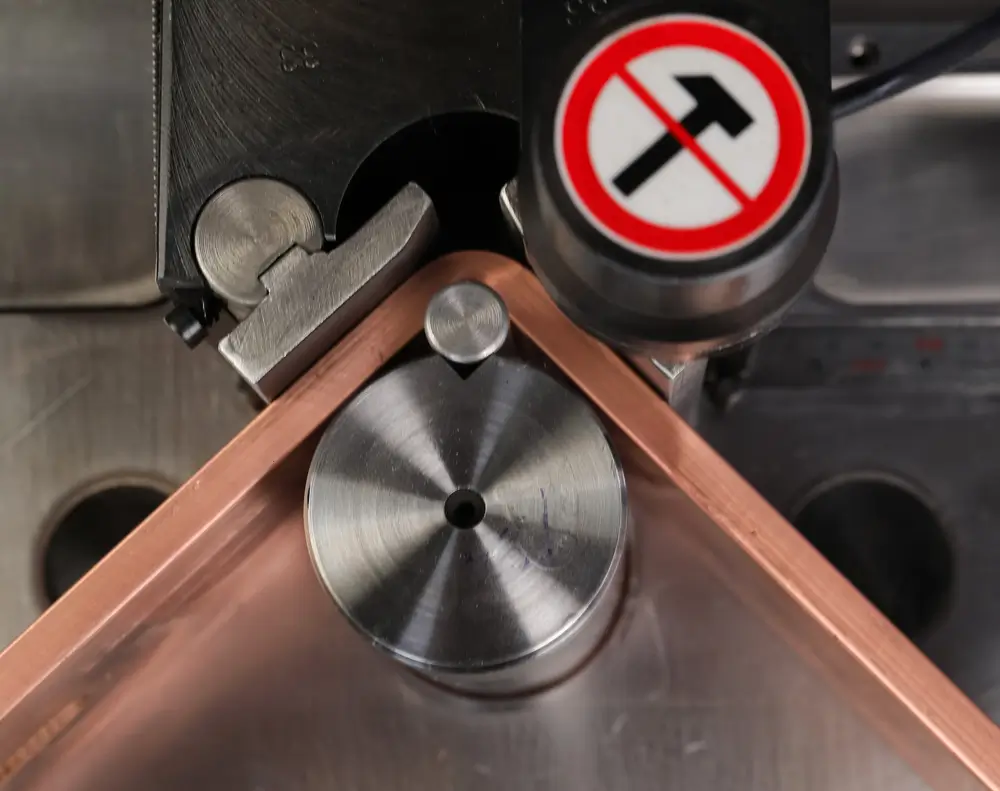
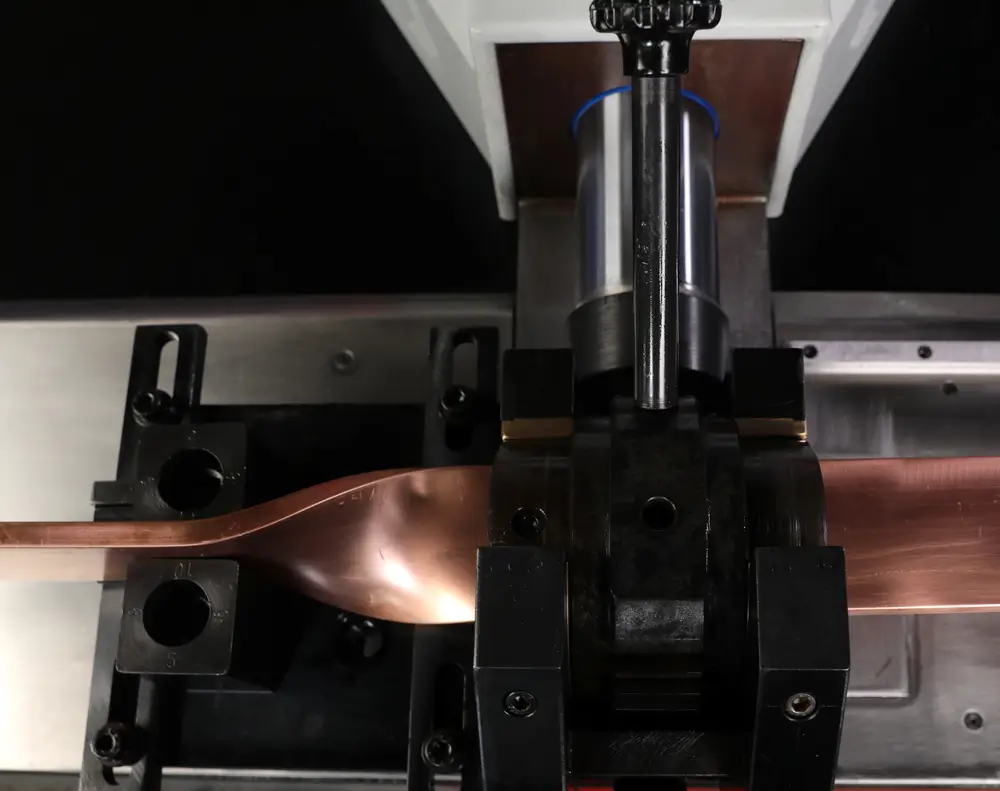
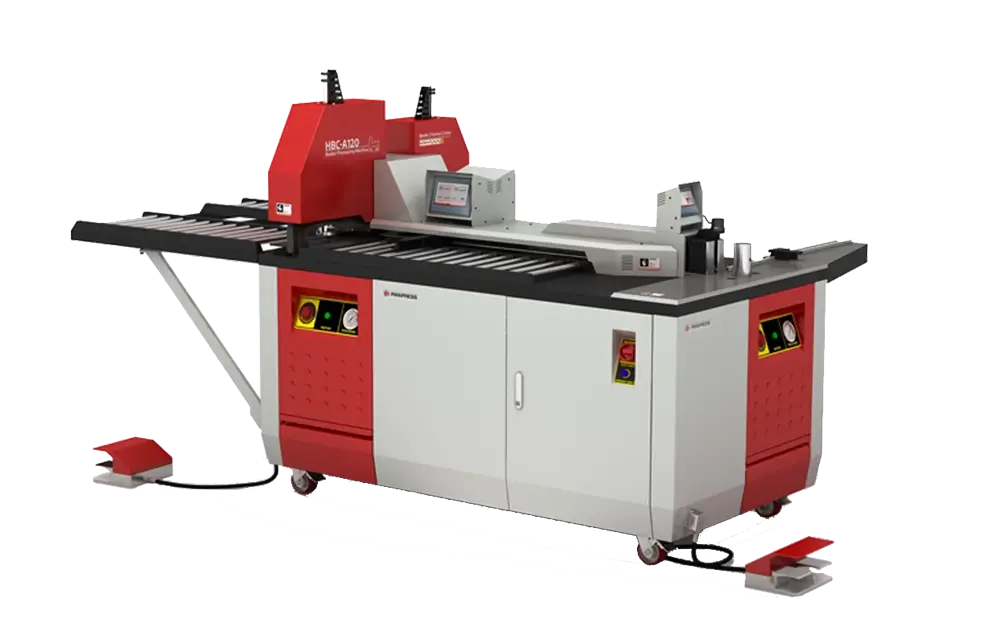
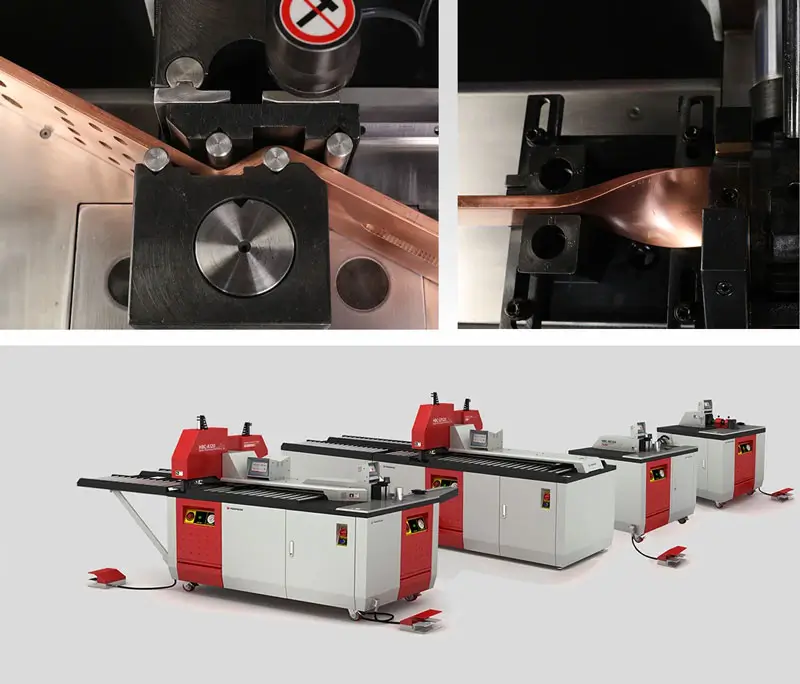
The HBC-CP120 machine processes copper and aluminum busbars up to 120 × 12 mm using two dedicated hydraulic stations. Its simultaneous cutting and punching capabilities help electrical panel manufacturers improve production efficiency.
What the 3R Rating Covers
So, what is NEMA 3R rating protection in practice? A Type 3R enclosure must deliver five things:
- Rain, sleet and snow: falling water must not reach live parts or harm the equipment inside.
- External ice formation: ice may build up on the outside, and the box must come through it undamaged.
- Falling dirt: the enclosure keeps settling dirt and debris off the equipment.
- Contact with live parts: the box keeps fingers and tools away from energized parts.
- Basic corrosion protection: like other outdoor types, 3R passes a salt spray test for rust resistance.
In addition, a 3R box may include ventilation openings and a drain hole at the bottom. These features let air circulate and let any water that gets in run out again, instead of pooling around the equipment or wetting terminals. This is normal for the type.
An enclosure rating is only one layer of the rules that govern a safe electrical assembly. For the wider framework, see our guide to switchgear standards and how they apply to busbar systems.
What NEMA 3R Does Not Cover
The 3R rating leaves out four conditions that installers often assume it covers:
- Windblown dust: Type 3R has no dust requirement, while Type 3 adds one.
- Hose-directed water: 3R enclosures skip the hose-down test, so jets from a hose or pressure washer can get in.
- Heavy corrosion: beyond the basic outdoor test, 3R gives no extra protection against salt air or chemicals; that is the job of 3RX or 4X.
- Submersion: standing water and flooding fall outside the rating; only Types 6 and 6P address them, and only to a limited depth.
Is NEMA 3R weatherproof? Only in part. It is weather-resistant for falling rain and ice, but it is not sealed against dust or pressurized water. In fact, its drain hole shows that the design expects some water to get inside and plans a way out for it. So, treat it as a rain shield, not a seal.
Type definitions are short, so a single word such as “windblown” can separate two ratings. NEMA’s guide defines Type 3R beside every other type in its enclosure type definitions.
Rain-Tight vs Watertight: The Test Behind the Rating
The NEMA 3R rain-tight vs watertight question comes down to two tests in NEMA 250. In the rain test, nozzles spray water down onto the enclosure to imitate a storm, and the water must not reach live parts. In contrast, the hose-down test aims a heavy jet, about 65 gallons per minute through a 1-inch nozzle, at every seam and gasket, and no water may enter.
Only Types 4, 4X, 6 and 6P must pass the hose-down test.
| Test | 3R | 4 | 4X |
|---|---|---|---|
| Rain, sleet, snow | Yes | Yes | Yes |
| Hose-down test | No | Yes | Yes |
| Windblown dust | No | Yes | Yes |
| External icing | Yes | Yes | Yes |
| 600-hour salt spray | Yes | Yes | Yes |
| Extra 200-hour salt spray | No | No | Yes |
In practice, 3R suits a roofline, a utility pole or an exterior wall that only sees weather. However, it is wrong for a washdown area, a car wash bay or any spot crews clean with a hose; choose Type 4 or 4X there.
A type rating covers the complete, installed enclosure, so one missing gasket or unlisted fitting changes it. NEMA’s enclosure FAQ explains how fittings affect the rating and why IP codes cannot replace type numbers in its enclosure rating FAQ.
Export buyers often ask how a rain-tight type number maps to an IEC code. Our guide on IP vs NEMA ratings explains where the two systems overlap and where they differ.
NEMA 3R vs Other Ratings
This table compares the NEMA 3R rating with six common types under NEMA 250.
| Rating | Dust | Rain | Hose | Corrosion |
|---|---|---|---|---|
| 1 | No | No | No | Basic |
| 3 | Yes | Yes | No | Basic |
| 3R | No | Yes | No | Basic |
| 3S | Yes | Yes | No | Basic |
| 4 | Yes | Yes | Yes | Basic |
| 4X | Yes | Yes | Yes | Extra |
| 12 | Yes | No | No | Basic |
Inspectors match site conditions to permitted types with the NEC’s enclosure table. Electrical Contractor magazine explains that table in its NEC table walkthrough.
NEMA 1 vs NEMA 3R
Type 1 is a general-purpose indoor enclosure. It keeps fingers off live parts and stops falling dirt, but it offers no rain protection at all. Type 3R adds rain, sleet, snow and ice protection, so it can go outdoors.
A disconnect switch shows the difference well. So, what is the main difference between a NEMA 1 and a NEMA 3R rated disconnect? The Type 1 unit belongs in a dry electrical room, while the 3R unit can mount outside next to an air conditioner or a pump.
Is NEMA 3R indoor or outdoor? It suits both, so a 3R box also works indoors where dripping or falling water is likely.
NEMA 3 vs 3R vs 3S
Type 3 and Type 3R share rain, sleet, snow and ice protection. The real difference in NEMA 3 vs 3R is windblown dust: Type 3 must keep it out, while 3R has no dust requirement and may have vents. As a result, specify Type 3 near gravel roads, quarries or farm fields, and 3R where only weather matters.
Type 3S matches Type 3 and adds one more promise: its external mechanisms, such as a disconnect handle, must still work after external ice formation. Choose 3S for sites with freezing rain where an operator must switch the load in winter. Each type also has an X version, such as 3RX, with extra corrosion protection for coastal sites.
NEMA 3R vs NEMA 4 and 4X
In the NEMA 3R vs NEMA 4 comparison, Type 4 adds two things: it keeps out windblown dust, and it passes the hose-down test. Gasketed doors and sealed entries make that possible, but they also trap heat, so a Type 4 box often needs a cooler or heat exchanger in hot climates.
The NEMA 3R vs 4X choice goes one step further. Type 4X keeps everything Type 4 offers and adds extra corrosion resistance, usually through stainless steel or fiberglass, which suits coastal, chemical and food sites. In return, it costs noticeably more than painted steel.
So, which is better? Neither in general: 3R costs less and suits plain weather, while 4 or 4X earns its price only where hoses, dust or corrosive air are present. For more detail, read our NEMA 4X guide and our NEMA 4 vs 4X comparison.
NEMA 12 vs NEMA 3R
These two types solve different problems, so they are not interchangeable. Type 12 is an indoor enclosure that keeps out circulating dust, lint, dripping water and seeping oil, which makes it the default for factory control panels. Type 3R, by contrast, keeps out rain and survives ice, but it has no dust requirement.
In other words, a Type 12 panel outdoors lacks rain and ice protection, while a 3R box on a dusty plant floor lets dust in through its open vents. For the IP view of Type 12, see our IP55 vs NEMA 12 comparison.
The right type also depends on the kind of panel that will sit inside the enclosure. To see how panel designs differ by job, read our overview of electrical panel types in U.S. practice.
Where NEMA 3R Enclosures Are Used
Is NEMA 3R outdoor rated? Yes, and that makes it the default enclosure for exterior electrical gear across most US sites. Typical uses include:
- An outdoor disconnect switch for HVAC units, pumps or solar arrays
- Meter and service equipment on building walls
- A NEMA 3R junction box or pull box on an exterior wall or pole
- EV charger, battery and inverter enclosures
- Outdoor panelboards and small transformers
What are the typical sizes of NEMA 3R enclosures? They range from small junction boxes to wall-mounted cabinets and floor-standing enclosures, so match the size to the gear and the wire-bending space it needs.
Listed outdoor boxes for these jobs carry the Type 3R mark under UL 50E, the standard for enclosures in non-hazardous locations. The ANSI store page lists 3R among the indoor or outdoor types in its UL 50E summary.
Outdoor disconnects, meters and EV chargers also need a reliable fault path to earth. Our article on the grounding system explains how to bond these exterior installations safely.
Installing a NEMA 3R Box Without Losing the Rating
Most rating failures start in the field, so follow this checklist:
- Enter from the bottom or sides wherever possible.
- Never field-drill the top; use a factory hub opening with a listed raintight conduit hub.
- Keep every gasket seated, and replace any you damage.
- Keep the drain hole clear, and size any added drain opening within the NEC limits.
- Fit only vents or ventilation louvers listed for that enclosure.
- Mount the box upright, as its label shows.
Condensation is the hidden risk. A 3R box breathes, so temperature swings pull in moist air that condenses on terminals and copper busbar joints, corroding contacts. Therefore, add a heater or breather vent in humid or cold climates, and pick galvanized steel or stainless housings listed to UL 50E.
Inside the panel, tin-plated busbars resist that moisture far better than bare copper, and regular torque checks keep bolted joints tight.
Drain openings help with condensation, but a careless hole can void the rating. NEMA’s technical bulletin sets out where and how large field drain holes may be in its drain opening bulletin.
Moisture and condensation inside the box also affect how far apart live parts must sit. Our article on pollution degree and overvoltage category shows how these conditions shape clearances and creepage.
Conclusion: NEMA 3R Enclosure
The rule for a NEMA 3R enclosure is simple. Rain, sleet and snow call for 3R; hose or washdown calls for Type 4; and corrosive air calls for 4X. In short, 3R keeps weather out, but it does not seal the box. Choose the type by environment, then keep the rating with listed hubs, intact gaskets and clear drains. The rating covers the installed box, not just the shell. For every other type, see our NEMA enclosure types chart.
NEMA types sit alongside many other codes that shape a compliant installation. For a broader overview, explore our electrical standards guide.

Rate this article
Choose a rating from 1 to 5 stars.
No ratings yet