



What Is an Electrical Panel?
An electrical panel is also known as a breaker panel, panel board, load center, distribution board, or (in older buildings) a fuse box. It is the point where power from the utility meter enters a building and is divided into separate circuits. From this single point, you can shut off power to one circuit, several circuits, or the entire building.
Every panel, no matter its size, is built around the same basic parts:
- Main breaker or main lug: the entry point for incoming power. A main breaker also acts as a single shutoff for the whole panel.
- Circuit breakers (or fuses in older panels): protect each individual circuit against overload and short circuit, and trip automatically when something goes wrong.
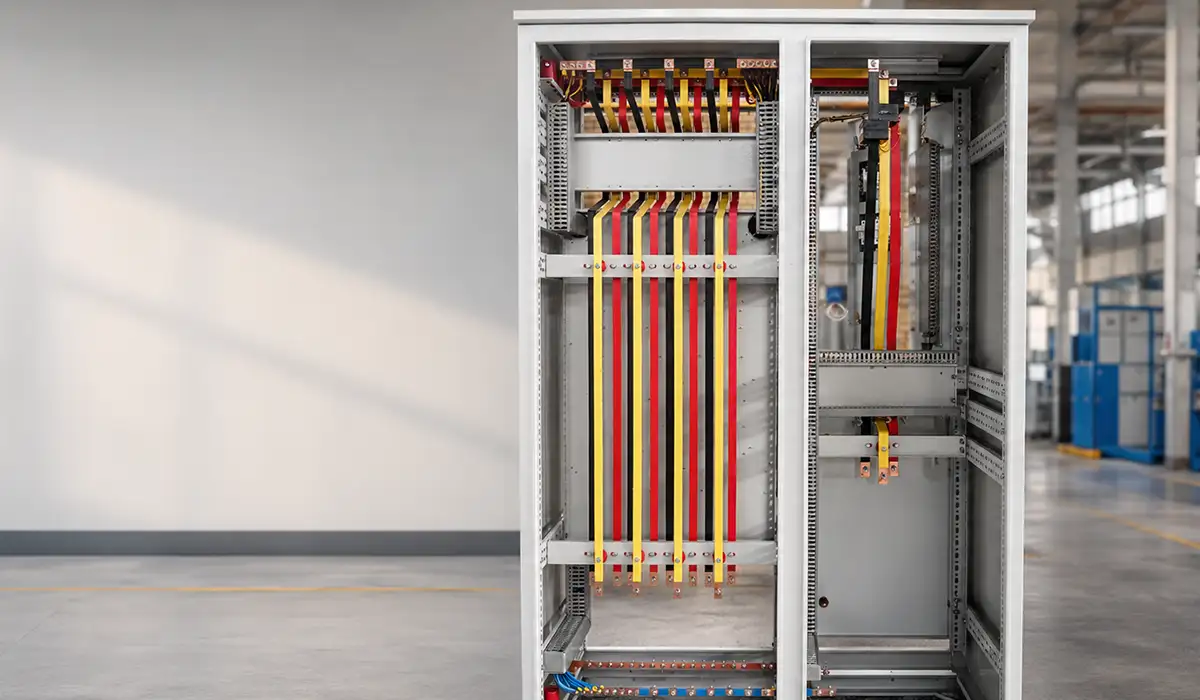
- Bus bars: metal strips that carry power from the main breaker out to each circuit breaker.
- Neutral bar and ground bar: return paths for current and for safety grounding. Codes require these to be kept separate in subpanels.
If you are looking for more information about topic What Is an Electrical Panel, it is recommended not to miss reading this article.
How Many Types of Electrical Panels Are There?
There is no single official number, because electrical panels can be grouped in more than one way. The most useful way to think about it is by category:
- By function: main breaker panel, main lug panel, sub panel, and transfer switch panel — often called the “4 main types.”
- By setting: residential panels, commercial panels, and industrial panels.
- By amperage (size): from 100-amp residential panels up to 4,000-amp industrial distribution equipment.
- By the breakers they hold: standard, AFCI, GFCI, or dual-function breaker panels.
Across these categories, you can realistically count anywhere from 4 “core” types to more than a dozen named variations — which is why different sources give different numbers. The sections below walk through each category in detail.
Electrical panels are a foundational element of any power distribution system, from small homes to large industrial facilities. For a broader understanding of how panels and switchgear fit together in modern electrical infrastructure, this resource on electrical panels is highly recommended.
What Are the 4 Types of Electrical Panels?
When people ask “what are the four types of electrical panels,” they are usually asking about the four functional types found in almost every home and small business.
| Panel Type | Has a Main Breaker? | Best For | Key Feature |
|---|---|---|---|
| Main Breaker Panel | Yes | Most homes and small businesses | Single switch shuts off all power |
| Main Lug Panel | No | Downstream distribution, large services | Needs a separate upstream disconnect |
| Sub Panel | No (fed from the main panel) | Garages, workshops, additions, ADUs | Adds circuit spaces away from the main panel |
| Transfer Switch Panel | No | Backup generator setups | Switches safely between utility and generator power |
1. Main Breaker Panel
This is the standard panel found in most homes. It has a built-in main breaker — a large two-pole breaker that can shut off all power to the building with one switch. The main breaker’s rating (such as 100A, 150A, or 200A) also sets the total amperage capacity of the whole panel.
2. Main Lug Panel
A main lug panel has no main breaker inside. Power comes in directly through a lug (a type of connector), so a separate disconnect must be installed upstream — usually at the meter or at another panel. Main lug panels are common for downstream distribution, where the upstream device already provides the shutoff.
The number and variety of panel types can seem overwhelming at first. Understanding how switchgear components relate to panel design helps clarify the differences between panel categories. For a structured overview, this article on switchgear components offers a useful perspective.
3. Sub Panel
A sub panel adds more circuit spaces for a garage, workshop, basement, or addition without replacing the main panel. It is fed by a circuit from the main panel and does not add new capacity by itself — it only adds organization and reach. In a sub panel, the neutral and ground bars must be kept separate, per code.
4. Transfer Switch Panel
A transfer switch is a special panel used with backup generators. It safely switches the building’s circuits between utility power and generator power, and prevents the generator from “back-feeding” power into the utility lines — which is dangerous for utility workers and against code.
If this overview of the main panel types was useful, you might also want to see how a larger distribution assembly works in our guide to the CUBIC Electrical Switchboard.
The four core panel types each serve a distinct role in power distribution. For those working with backup power systems, understanding generator basics is equally important. This article on generator basics provides helpful context for transfer switch applications.
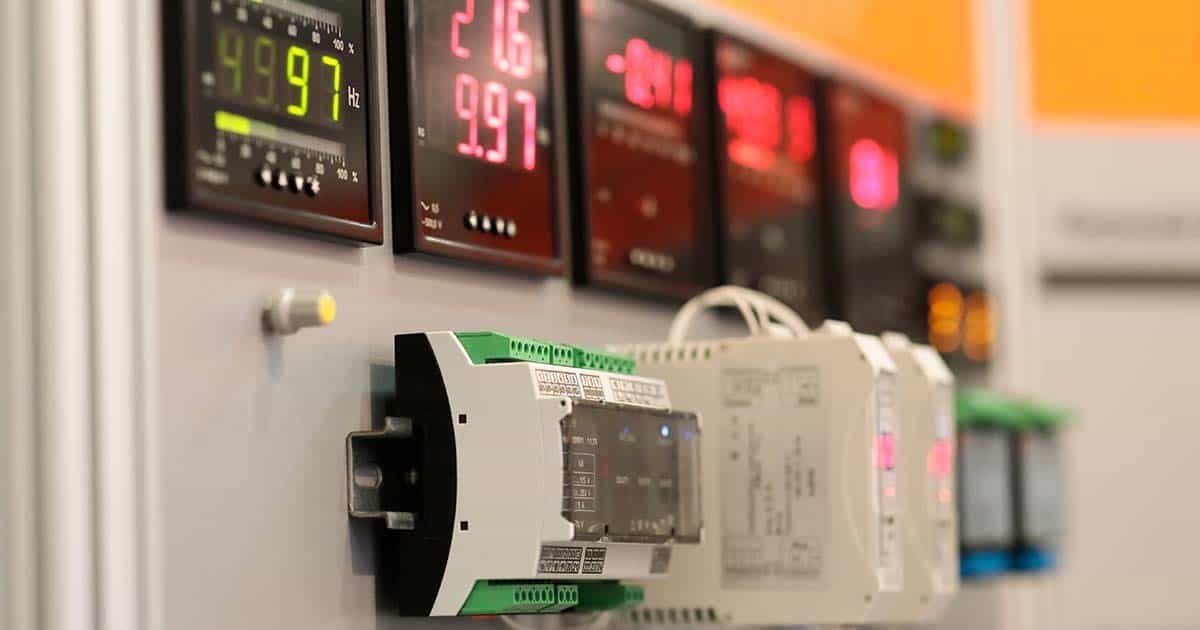
Types of Residential Electrical Panels for Your Home
Beyond the four core types, a few other panel types are common in homes:
– Meter-main combo panel: combines the utility meter and the main disconnect in one outdoor, weather-rated cabinet (typically NEMA 3R). Common where the meter and main panel sit close together on an exterior wall.
– Fuse box (legacy panel): an older type of service panel that uses fuses instead of breakers. Fuses must be replaced after they blow, and many fuse boxes no longer meet today’s safety expectations or support modern loads such as EV chargers.
– Load center: another common name for a residential or light-commercial distribution panel. In everyday use, “load center,” “breaker panel,” “panel board,” and “electrical panel” all describe the same type of equipment.
Choosing the Best Panel for Your House
- Plan spaces: choose enough breaker spaces for today and the future (EV charger, heat pump, ADU, home office, etc.).
- Location: NEMA 1 enclosures are for dry, indoor areas; NEMA 3R is for outdoor use. Always follow utility and inspector rules.
- Labeling: write clear names for each circuit. This helps with maintenance, troubleshooting, and safety later on.
- Future-proofing: leave a few open breaker spaces, or choose a panel with a slightly higher amperage rating than you currently need.
Residential panels are often the starting point for homeowners learning about electrical systems. Gaining a broader understanding of panel design and real-world installation stories can be very helpful. This article on panel pioneers offers an engaging and informative overview.
Types of Electrical Breaker Panels (By the Breakers They Hold)
A panel’s protection level also depends on the type of circuit breakers installed inside it:
- Standard (thermal-magnetic) breakers: the basic breaker type, used for most general-purpose circuits.
- AFCI (Arc Fault Circuit Interrupter) panels: these breakers detect dangerous arcing from damaged wires and are required in most living areas and bedrooms.
- GFCI (Ground Fault Circuit Interrupter) panels: these breakers trip instantly on a ground fault and are required where shock risk is higher — kitchens, bathrooms, garages, and outdoor circuits.
- Dual-function (CAFCI/GFCI) breakers: combine arc-fault and ground-fault protection in one device, increasingly common in new residential panels.
- Single-pole vs double-pole breakers: single-pole breakers (120V) handle lighting and receptacles; double-pole breakers (240V) handle large appliances such as ranges, dryers, and water heaters.
Understanding the different breaker types inside a panel is essential for safe electrical design. Arc fault protection in particular is a critical safety feature in modern installations. This article on arc fault breakers explains how this protection works and where it is required.
Types of Electrical Service Panels
A “service panel” usually refers to the panel where the utility’s incoming power first enters a building — as opposed to a subpanel, which is fed from another panel inside the building. Common service panel arrangements include:
- Main breaker service panel: the most common setup for single-family homes, with the main disconnect and all branch breakers in one enclosure.
- Meter-main combination service: the meter socket and main disconnect share one outdoor enclosure, with a separate indoor panel for branch circuits.
- Main lug service with separate disconnect: often used in multi-unit buildings, where a single utility service feeds several main lug panels through individual disconnects.
Service panel selection is closely tied to the wiring methods used throughout a building. Choosing the right conductors for the service type and load is equally important. This article on suitable wiring provides practical guidance on conductor selection.
Types of Electrical Distribution Panels
“Distribution panel” is a broader, more general term that covers any panel whose main job is to take in one power feed and split it into multiple outgoing circuits or feeders. In practice, this includes:
- Residential load centers: distribute branch circuits throughout a home.
- Panelboards: code-listed, enclosed assemblies used in commercial and light-industrial buildings, often with three-phase options.
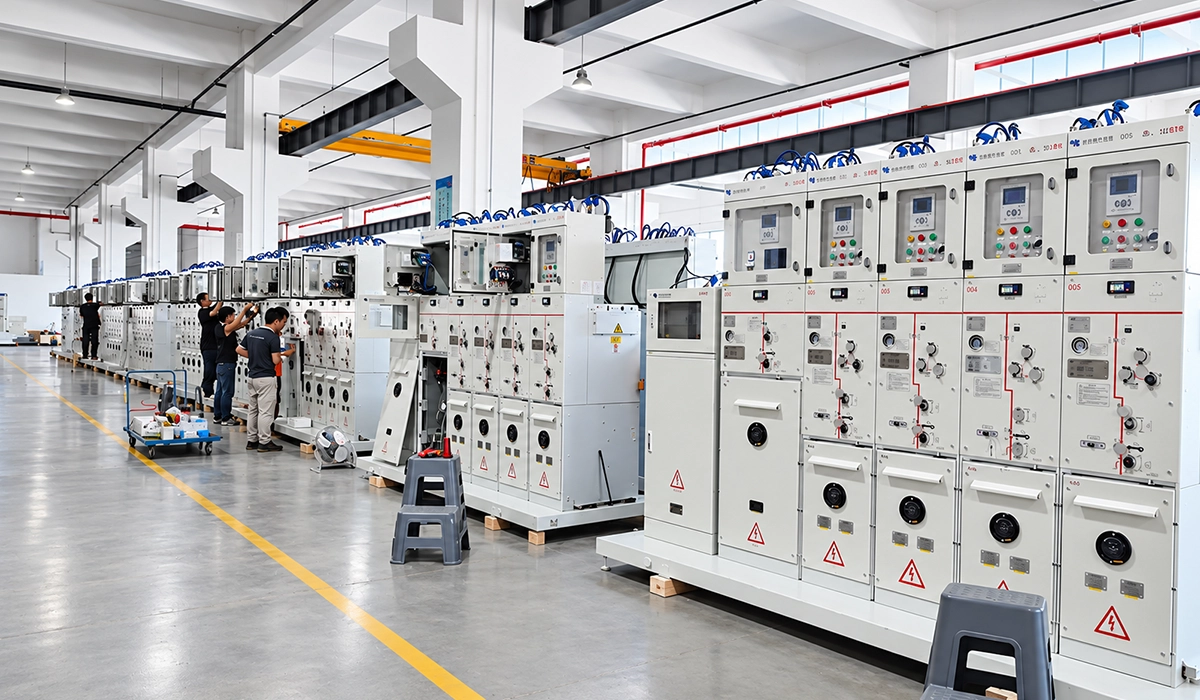
- Switchboards: larger, floor-mounted distribution equipment with multiple sections and metering, used for main service distribution.
- Busway and bus plug systems: overhead or wall-mounted distribution used in warehouses and industrial plants to “tap” power at multiple points along a run.
Distribution panels at the switchboard level often integrate busbar systems to manage high current paths efficiently. Understanding how busbars operate inside power switchboards can improve distribution panel design decisions. This article on busbar systems is a recommended resource.
Types of Commercial Electrical Panels
Commercial buildings — offices, retail stores, restaurants, schools — typically use larger versions of residential panels, often built for three-phase power:
– Panelboards (3-phase options): the workhorse of commercial distribution, feeding lighting, HVAC, and receptacle circuits throughout a building.
– Switchboards: used as the main distribution point for larger commercial buildings, combining metering, main breakers, and multiple distribution sections.
– Three-phase panels: built for 208Y/120V or 480Y/277V systems, which are common in commercial buildings because they power motors, large HVAC units, and lighting more efficiently than single phase.
Commercial electrical panels often require advanced power management features such as harmonic filtering and power factor correction to meet efficiency standards. This article on harmonic filter explains how these systems integrate with commercial panel design.
Types of Industrial Electrical Panels
Industrial facilities — factories, plants, and processing sites — use heavier-duty equipment built for continuous operation and large motor loads:
– Switchgear: the highest level of protection and operation, often featuring draw-out (removable) breakers and separate compartments so sections can be serviced safely while others stay energized.
– Motor Control Center (MCC): modular cabinets containing motor starters, variable frequency drives (VFDs), and protective devices for managing many motors from a single assembly — common in plants with pumps, fans, and conveyors.
– Heavy-duty distribution panels (200–4,000A): sized to match the actual load of large machinery, computing networks, and extensive lighting systems.
Industrial electrical panels are complex assemblies that require careful selection of all internal components. A detailed overview of the key components found inside industrial panels can help engineers and technicians make better design choices. This article on panel components is a valuable reference.
Types of Electrical Control Panels
Control panels are different from distribution panels: instead of just splitting power into circuits, they manage how equipment runs.
- Power Control Center (PCC) panels: centralized panels that use circuit breakers, relays, and meters to monitor and control power distribution across a facility.
- Motor Control Center (MCC) panels: as above, but focused on starting, stopping, and protecting motors.
- PLC / automation control panels: house programmable logic controllers (PLCs), relays, and I/O modules that automate a process or machine.
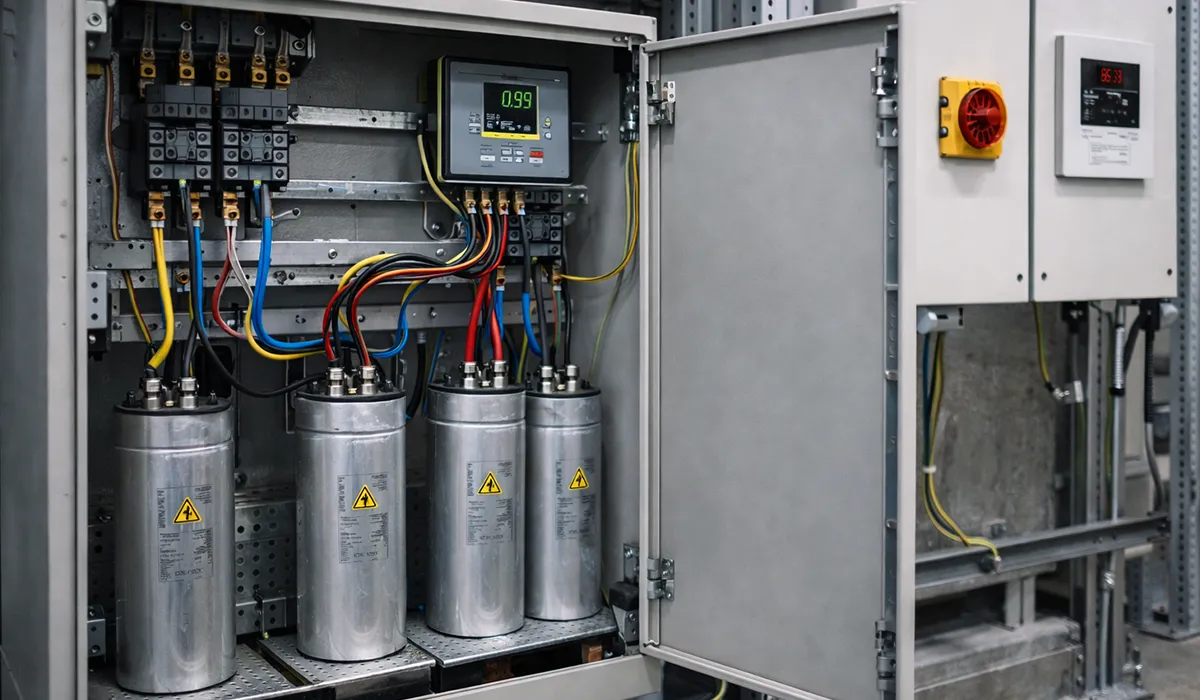
- APFC (Automatic Power Factor Control) panels: use capacitor banks and relays to automatically improve power factor, reducing reactive power and utility penalties.
Illustrative idea: picture a simple chart showing where each panel type is most common — Home, Commercial, and Industrial — to help you quickly match a panel type to a project.
Control panels for industrial applications rely on a wide range of control systems to automate and protect processes. Understanding the types of industrial control systems available helps in selecting the right panel configuration. This article on industrial control systems provides a comprehensive overview.
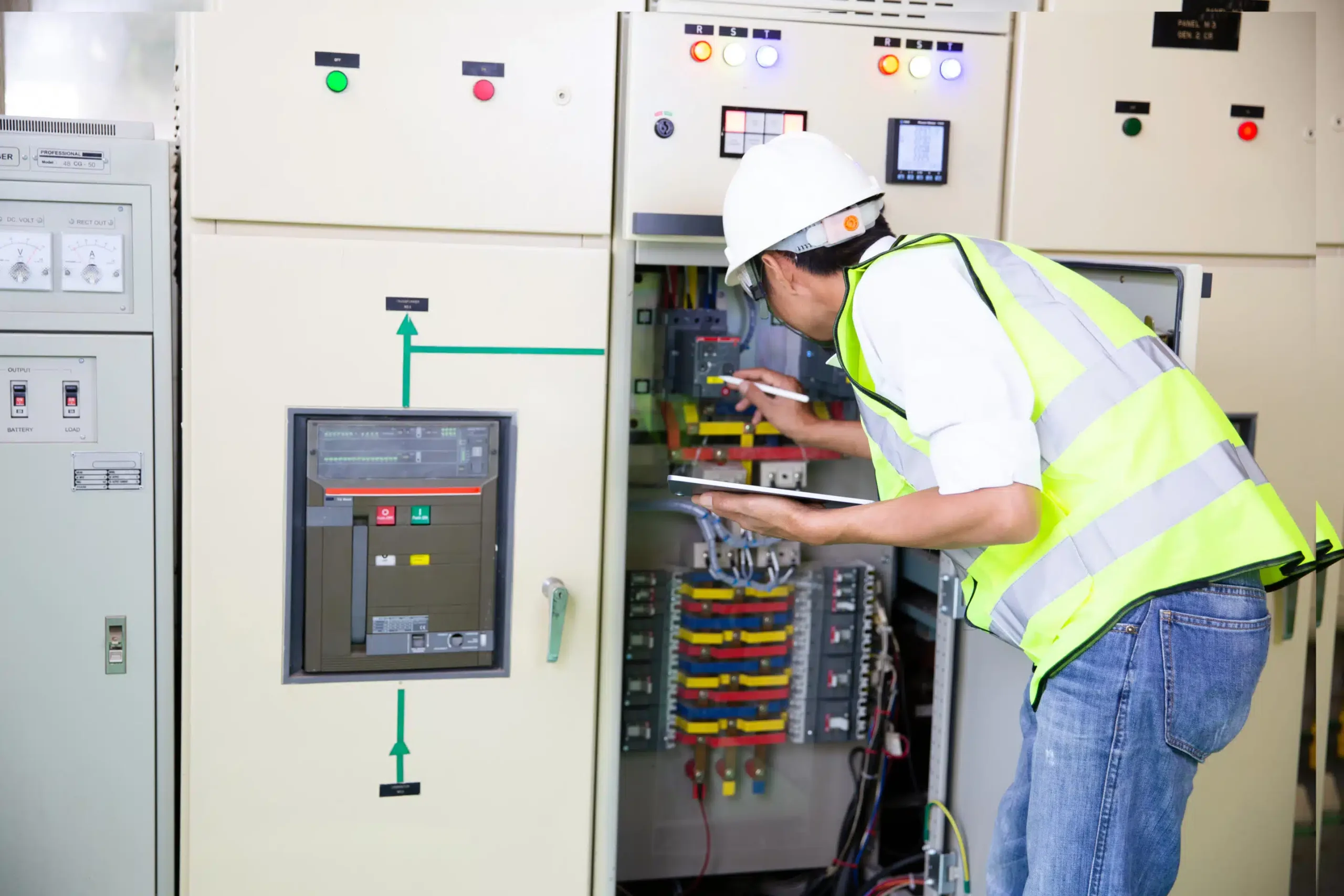
Electrical Panel Sizing & Power System Basics
– What size panel do I need? Do a load calculation per the NEC. Based on the result and expected future growth, choose 100A, 150A, 200A, or larger.
| Panel Size | Typical Use |
|---|---|
| 100 Amp | Older homes with lighter electrical loads; the NEC minimum for a dwelling service |
| 150 Amp | Modern homes with standard appliances and HVAC |
| 200 Amp | New construction and major renovations, including HVAC, EV chargers, and large appliances |
| 400 Amp | Large homes or sites needing a main panel plus subpanels, multiple HVAC units, EV chargers, and pools |
| 200 – 4,000 Amp | Commercial and industrial sites, sized to actual load (computing, lighting, machinery) |
– Single vs three phase: homes are usually single phase, 120/240V. Many commercial and industrial systems use three phase (e.g., 208Y/120V or 480Y/277V) for motors and better efficiency.
– Circuit spaces: a 200-A panel does not mean unlimited circuits. Follow the listed number of breaker spaces and the manufacturer’s rules for tandem breakers.
Panel sizing decisions are directly influenced by load requirements and available amperage ratings. For those considering a 200-amp service specifically, understanding what this rating covers in practice is essential. This article on 200 amp panel covers the key considerations in detail.
Popular Electrical Panel Brands
Whichever type of panel you choose, brand matters for long-term parts availability and support. Some of the most widely used names in the U.S. market include:
- Square D (Schneider Electric): very common in residential and commercial panels, with wide breaker availability.
- Eaton: strong in both residential load centers and commercial/industrial switchgear.
- Siemens: popular for residential panels and larger industrial distribution equipment.
- GE / ABB: long-standing brand in load centers and circuit breakers, including many legacy installations.
- Leviton: known for smart and load-management panels for modern homes.
Avoid unsupported legacy brands such as Zinsco or Federal Pacific Electric (FPE) panels — these are generally recommended for replacement due to known safety issues and lack of parts.
When evaluating panel brands, understanding the specific breaker product lines available from each manufacturer is important for long-term compatibility. This article on GE breakers provides useful technical detail for engineers working with GE and ABB equipment.
U.S. Electrical Compliance at a Glance
- Codes and listing: follow the NEC (NFPA 70). Look for UL listings (e.g., UL 67 for panelboards) and the correct NEMA enclosure rating for the location.
- Protections: use AFCI breakers where arc-fault protection is required, and GFCI breakers where shock risk exists (bathrooms, kitchens, garages, outdoors, unfinished basements).
- SCCR: make sure the panel’s short-circuit current rating matches the available fault current at the site.
Compliance requirements for electrical panels also extend to the conduit and wiring systems used in the installation. Proper selection of underground conduit systems is a key part of meeting NEC requirements on many projects. This article on electrical conduit is a useful reference for installation compliance.
Installation Basics (Always Verify Locally)
- Neutral vs ground: in the main service equipment, the neutral is bonded to ground; in subpanels, keep the neutral isolated and bond only the ground bar to the enclosure.
- Torque and terminations: tighten connections to the manufacturer’s values. Do not double-lug neutrals. Use proper connectors and bushings at knockouts.
- Wire protection and routing: protect conductors from sharp edges. Keep the inside neat for inspection and future work.
For deeper guidance, see the official NEC (NFPA 70) and the enclosure selection resources from NEMA. These references help you choose the right ratings, listings, and safe installation methods.
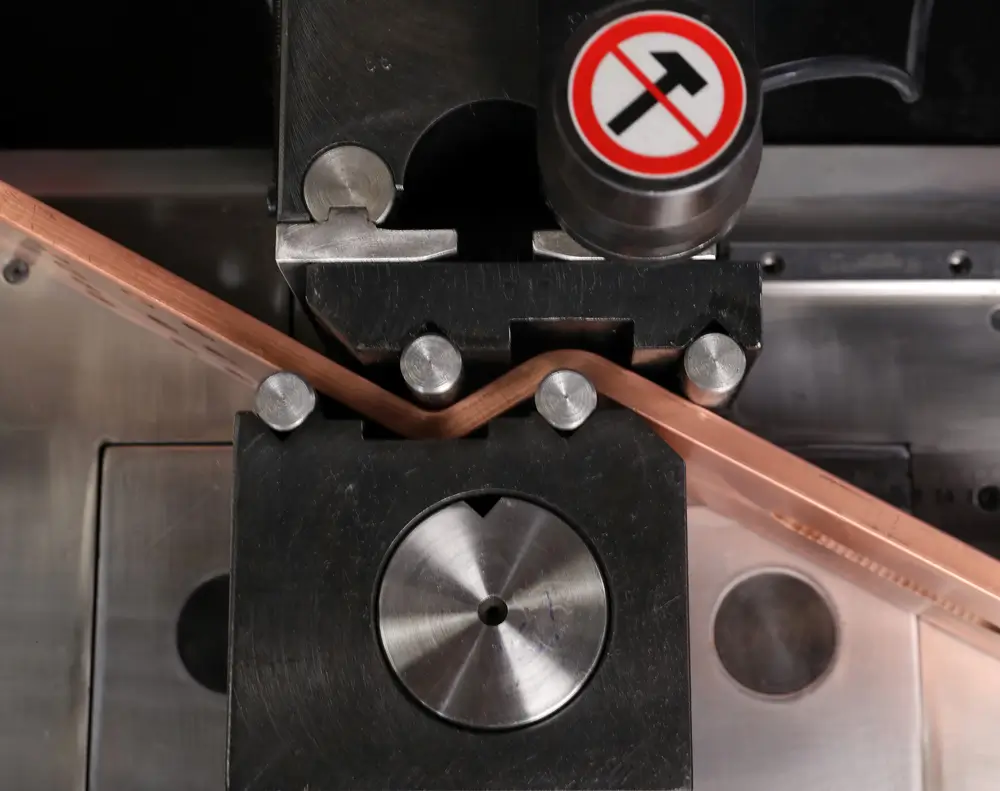
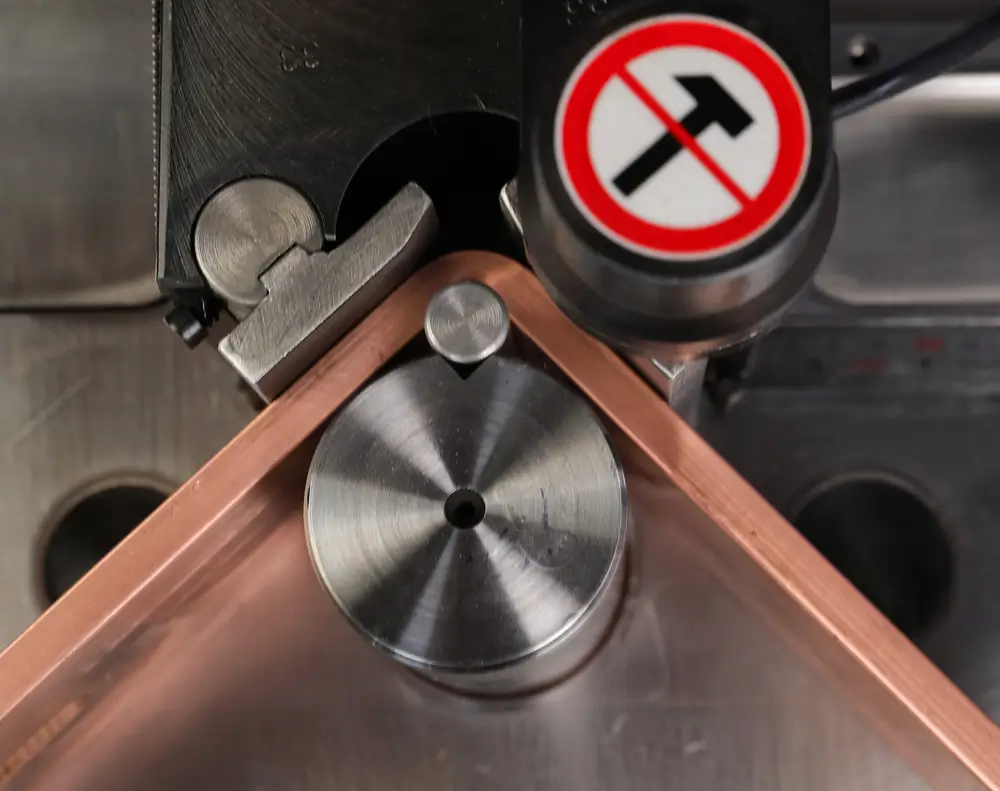
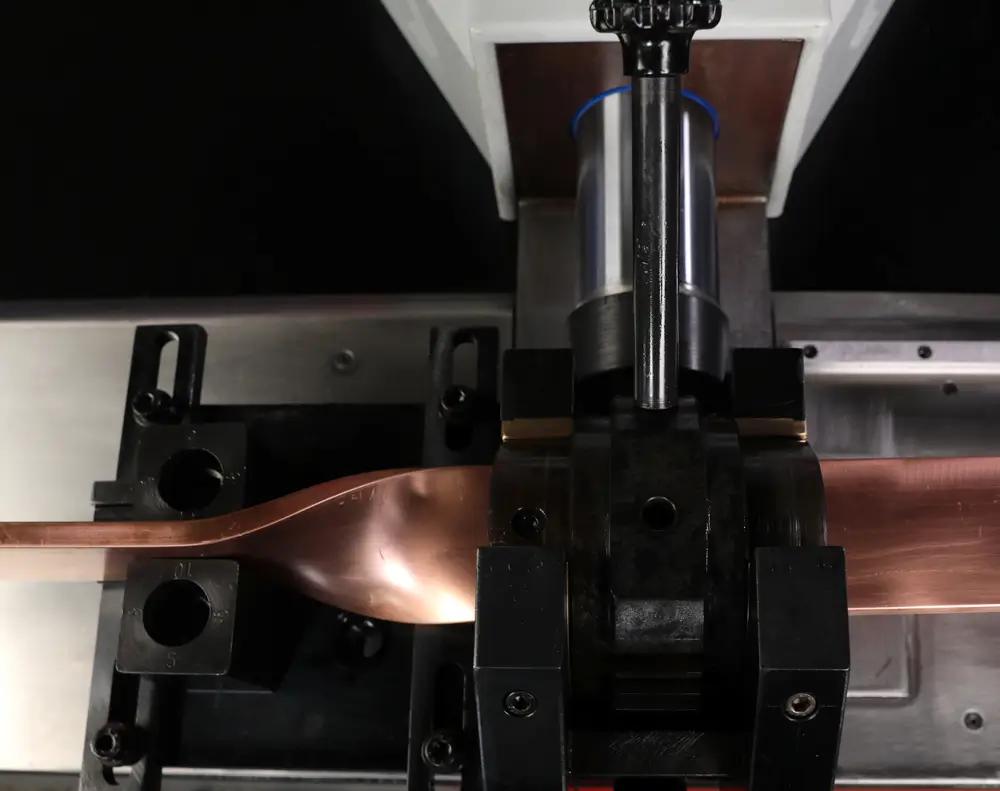
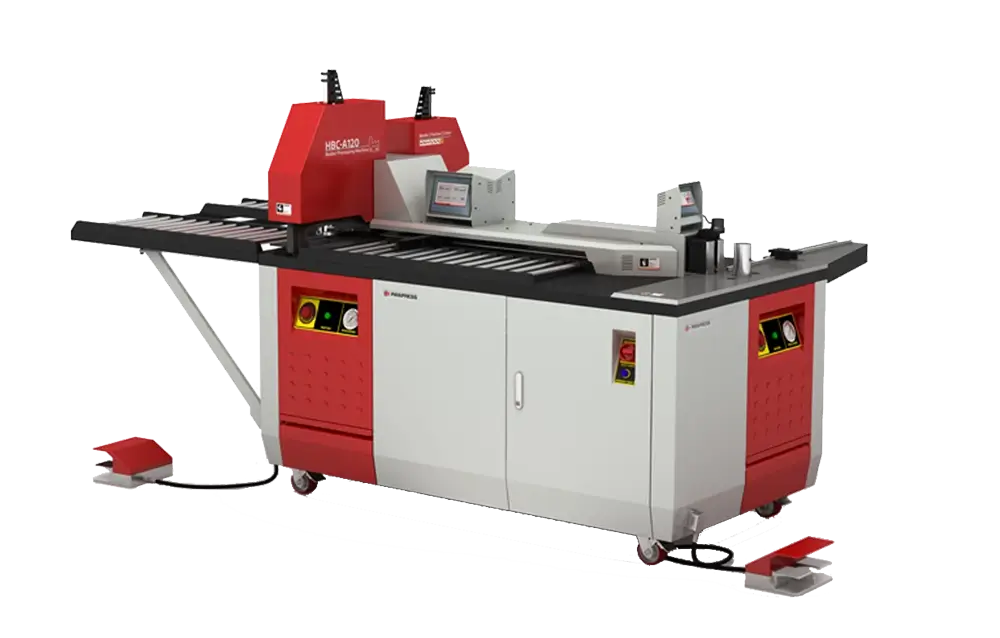
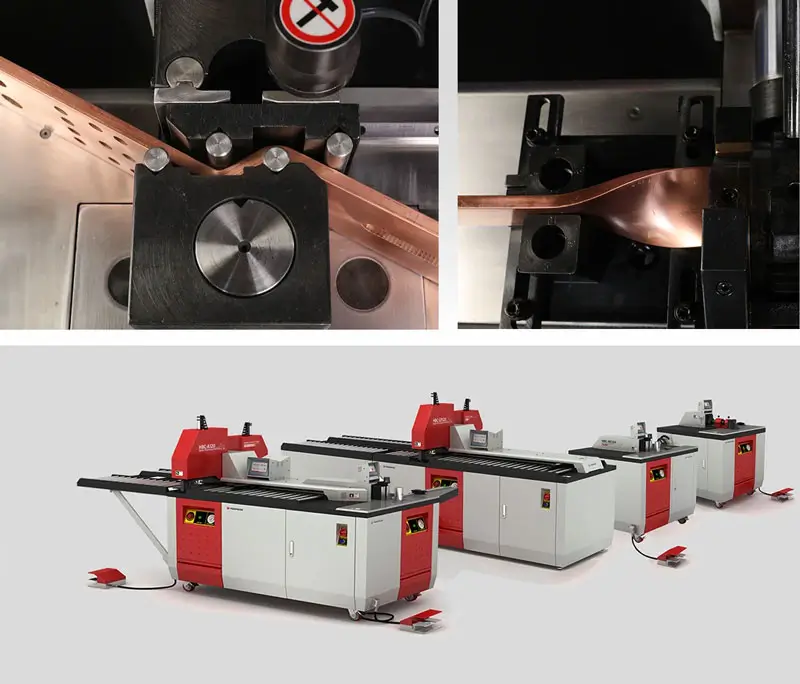
Working with busbars? Explore our compact, high-precision busbar bending machine line for clean, code-friendly fabrication.
Safe installation of electrical panels also depends on having reliable tools for locating and identifying circuits quickly. Using a quality circuit finder reduces errors during installation and maintenance. This article on circuit breaker finder covers the available options and how to use them effectively.



Rate this article
Choose a rating from 1 to 5 stars.
5.0 out of 5 — 2 votes