


If you’d rather listen than read, feel free to play the audio file below for the rest of this article.
What Is NEMA 4X?
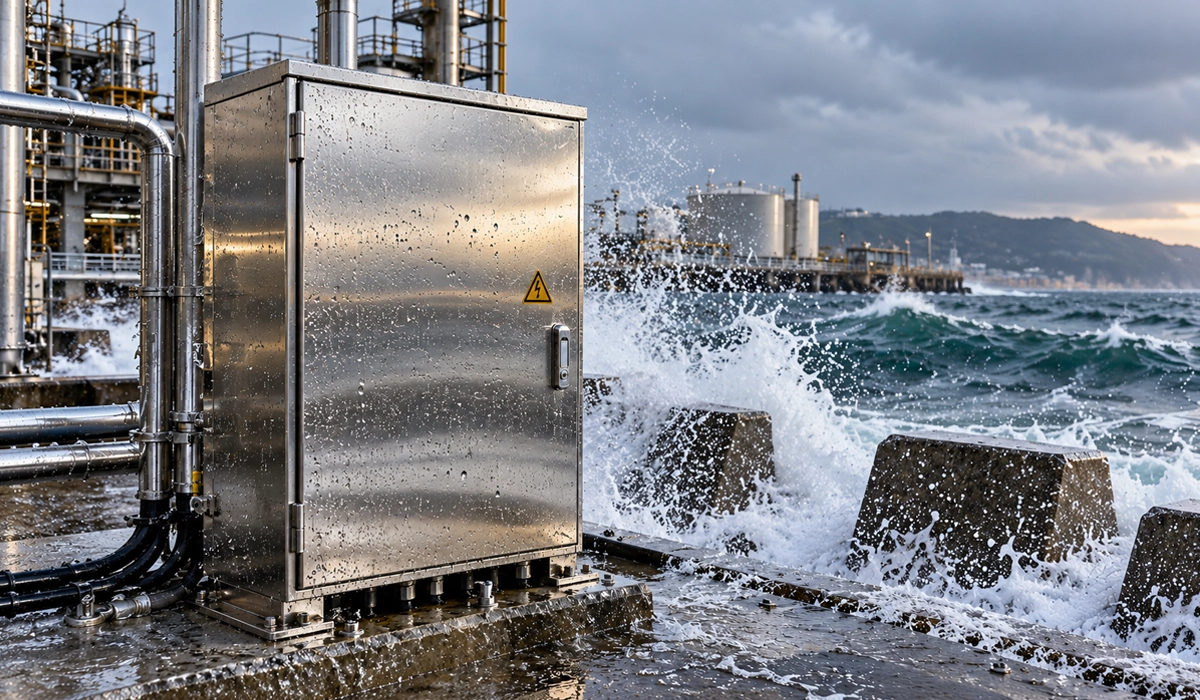
A NEMA 4X enclosure suits indoor or outdoor use and protects equipment against windblown dust, rain, sleet, snow, splashing and hose-directed water, while external ice must not damage it. On top of that, it adds extra protection against corrosion from salt, chemicals and cleaning agents.
What is the meaning of NEMA 4X in structural terms? It is simply Type 4 plus corrosion protection. Every Type 4 requirement still applies, and the X adds one more layer of testing on materials and finishes.
So, what is NEMA 4X rating protection in practice? It is the same sealing as Type 4, built from materials that resist salt, chemicals and cleaning agents. The rating describes the enclosure’s performance, not voltage, current or the equipment inside.
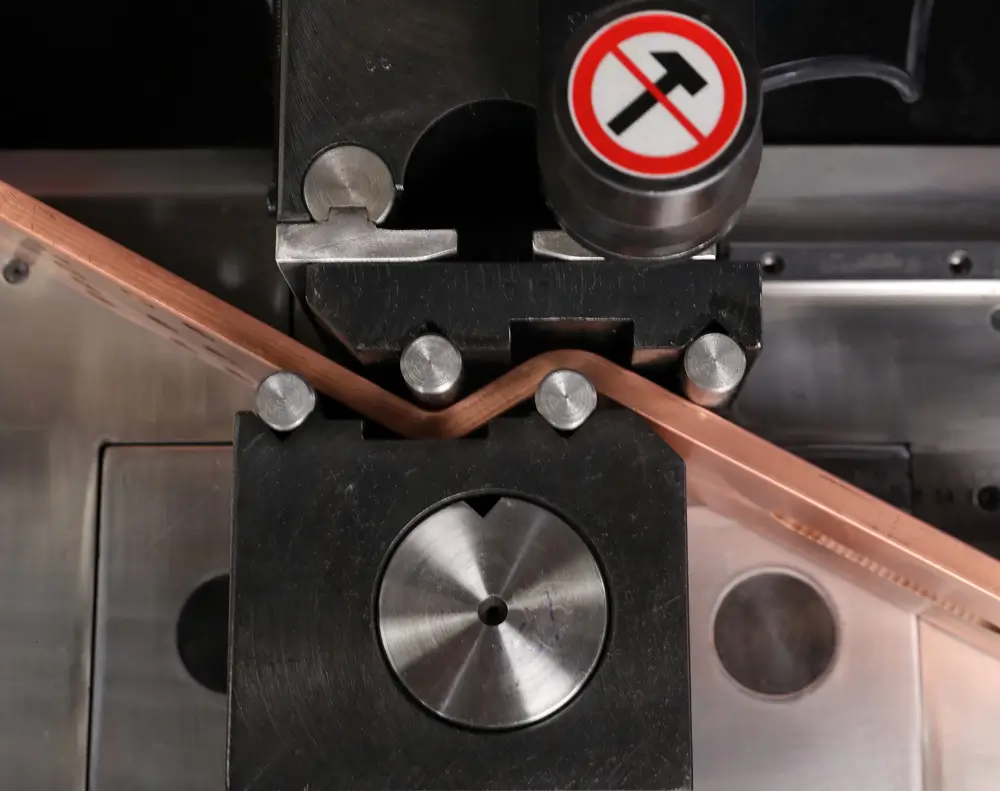
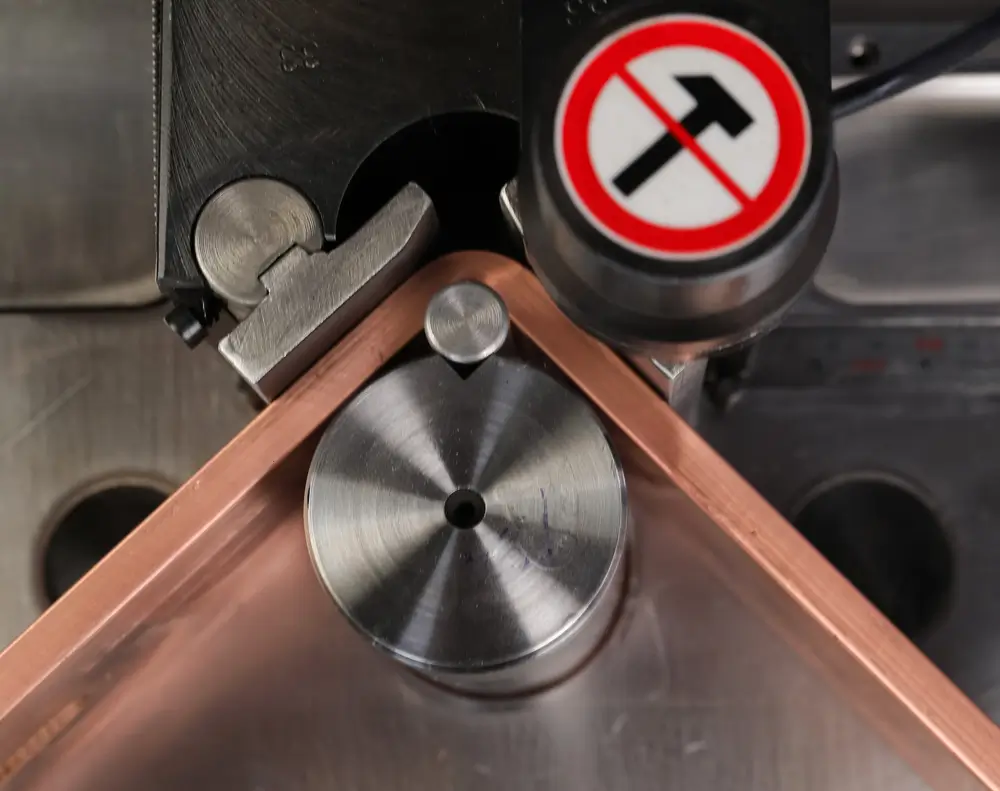
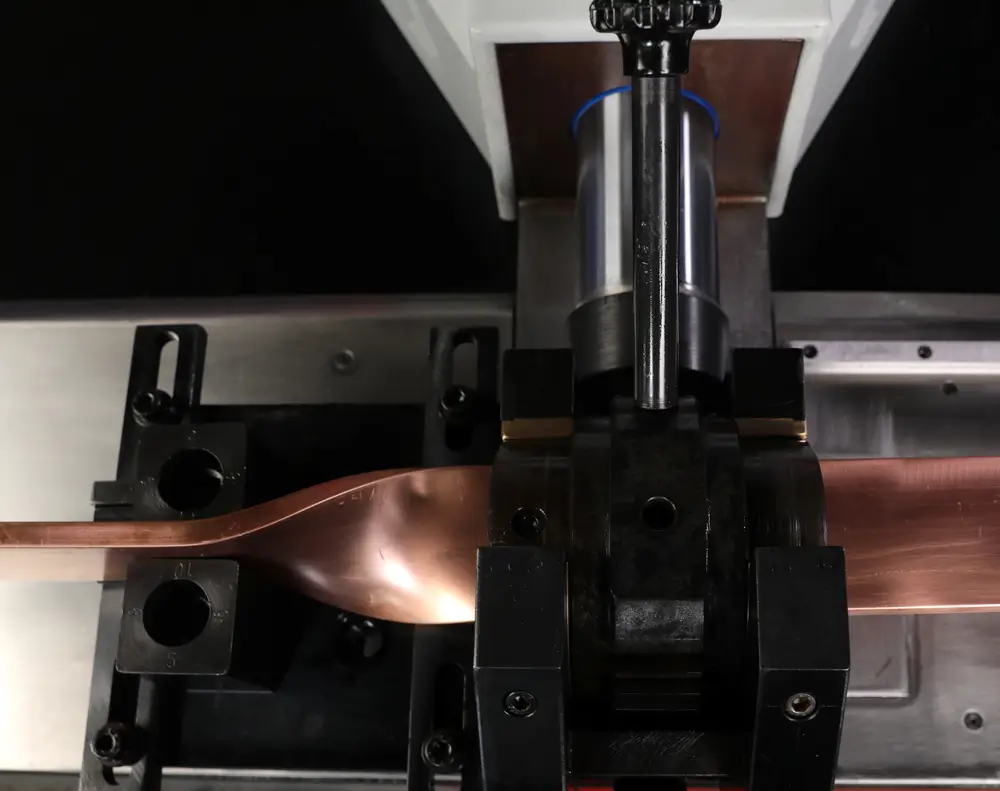
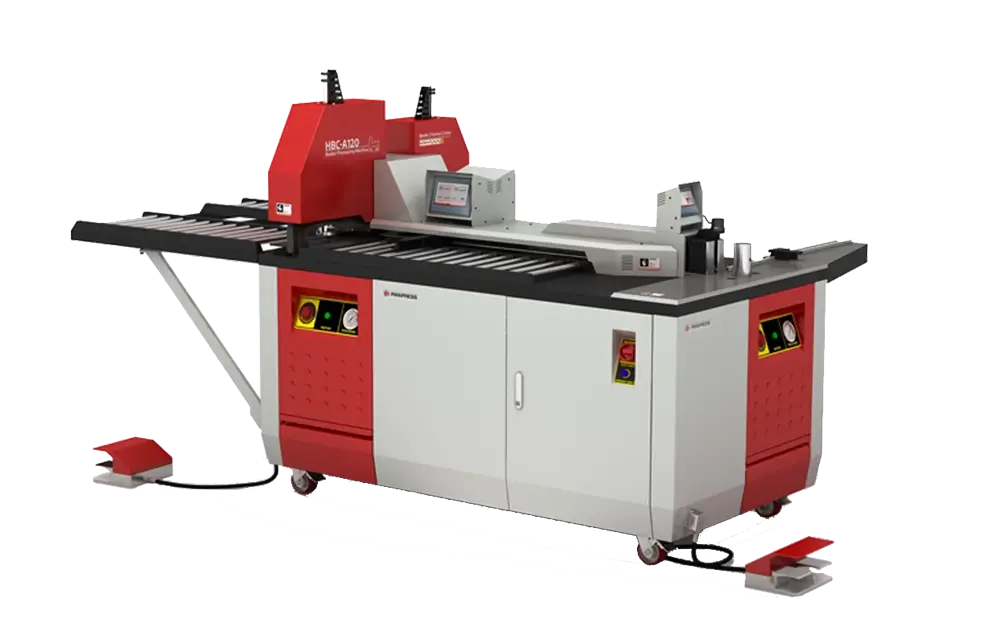
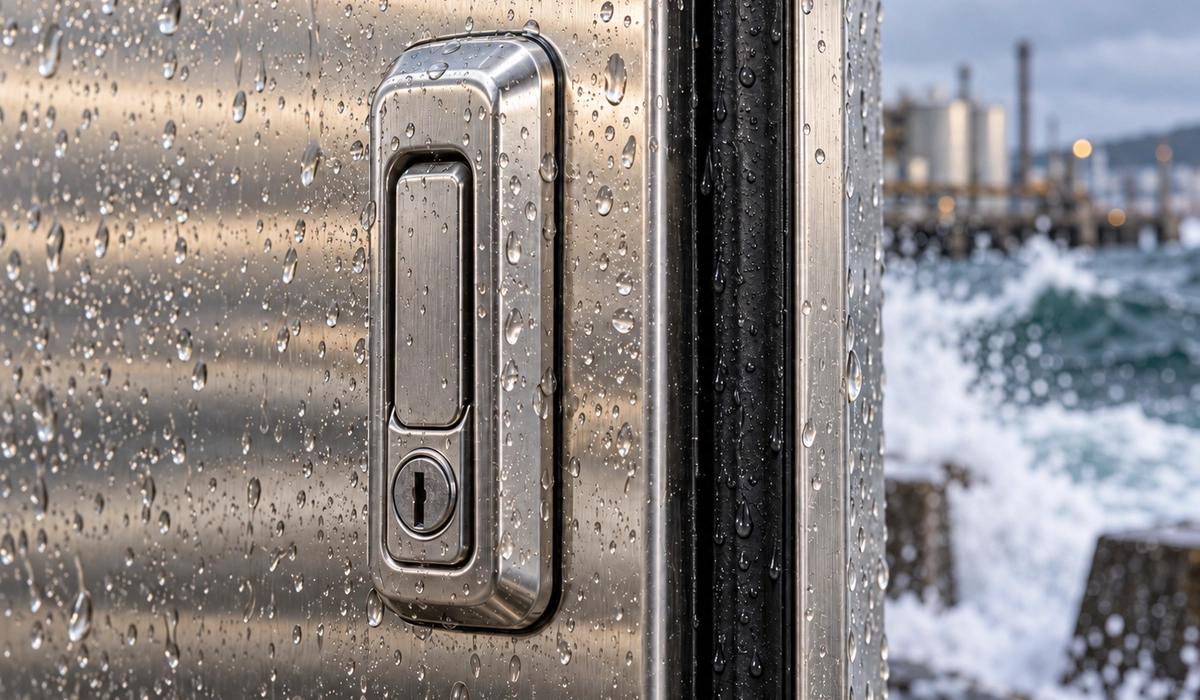
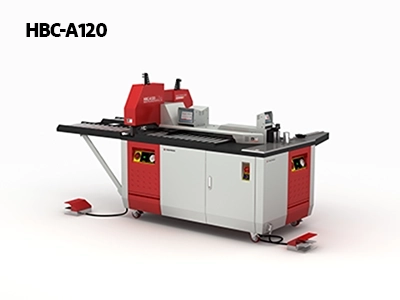
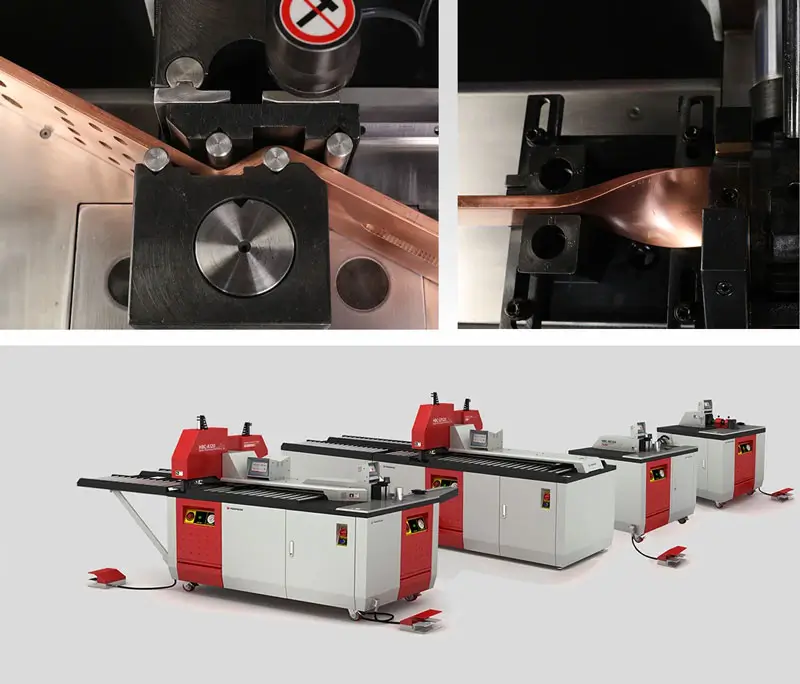
The HBC-EB120 machine performs cutting, punching, and bending operations within a single compact system. Its economical design makes it a practical option for small and medium-sized electrical panel workshops.
Everything NEMA 4 Already Covers
Type 4 already handles the harsh ingress side of the job, which makes it a strong choice for wash-down areas that use plain water and mild detergents. A Type 4 enclosure must:
- keep out windblown dust and falling dirt
- keep out rain, sleet and snow
- resist splashing and hose-directed water
- survive external ice without damage
- keep fingers away from live parts
Are NEMA 4 and NEMA 4X the same? For ingress, yes: both pass the same hose-down and dust requirements. For corrosion, no, because only 4X faces the extra salt spray stage. Choose 4X when cleaning agents or salt air will attack painted steel. Our NEMA 4 vs 4X comparison covers that choice in detail.
An enclosure rating is only one layer of the rules that govern a safe electrical assembly. For the wider framework, see our guide to switchgear standards and how they apply to busbar systems.
What the “X” Adds: Corrosion Protection
The X adds a corrosion layer on top of Type 4, and NEMA’s enclosure FAQ spells out the test behind it. A salt spray test exposes samples to a fine, salty fog in a closed chamber. First, every outdoor enclosure type faces 600 hours of salt spray beside a G90 galvanized steel sample. Then Types 3X, 3RX, 3SX, 4X and 6P face another 200 hours, this time compared with an AISI 304 stainless steel sample.
In other words, a 4X design must show corrosion resistance at least equal to 304 stainless steel in the same chamber. If the enclosure corrodes faster than the stainless sample, it fails. UL 50E uses the same type definitions for listed products, so a listing mark tells you a lab confirmed the result.
Importantly, 4X is a performance test, not a material requirement. Stainless steel, aluminum, fiberglass and polycarbonate enclosures can all earn the rating if the finished design passes. Each material reaches it at a different cost. That is why material choice, covered next, matters more than the label alone.
Type definitions differ by just a few words, so it pays to read them side by side. NEMA’s guide defines Type 4X next to Type 4 and every other enclosure type in its enclosure type definitions.
NEMA 4X Materials Compared
Does NEMA 4X have to be stainless steel? No; fiberglass and polycarbonate boxes can carry the same rating.
| Material | Strengths | Weak spots | Typical use |
|---|---|---|---|
| 304 stainless | Hygienic, easy to clean | Pits in chlorides | Food washdown |
| 316L stainless | Resists chlorides | Higher cost | Coastal, chemical |
| Fiberglass (FRP) | Resists acids, never rusts | Surface fades in UV | Wastewater |
| Polycarbonate | Light, tough, clear covers | Size and heat limits | Small junction boxes |
Molybdenum is what separates 316 from 304 when chlorides are present. The International Molybdenum Association explains when to step up to 316 near salt water or de-icing salts in its stainless grade FAQ.
304 vs 316 Stainless Steel
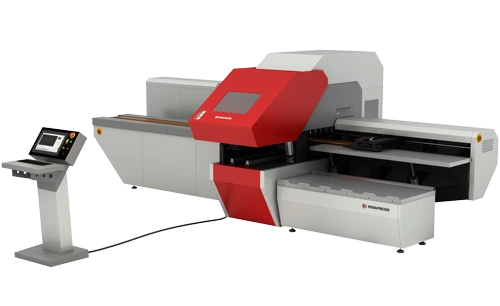
The default NEMA 4X enclosure stainless steel grade is 304. It handles rain, detergents and hot-water washdown well, which makes it the standard choice for food and beverage processing and general outdoor sites. However, chlorides from salt air, pool chemicals or de-icing salt can pit it over time.
316L stainless steel adds about 2 to 3 percent molybdenum, which raises its resistance to chloride pitting. The “L” means low carbon, which protects welded seams from corrosion. As a result, a NEMA 4X stainless steel enclosure in 316L suits marine and coastal sites, chemical plants and roadside cabinets exposed to de-icing salt.
In short, 316L costs more than 304, so match the grade to the real chloride exposure instead of buying the higher grade by habit. Ask the supplier to state the grade in writing, since both look identical.
Fiberglass, Polycarbonate and Other Non-Metallic Options
Fiberglass (FRP) enclosures resist acids, chlorine and many solvents, and they never rust. That makes them a common pick for wastewater treatment plants, chemical dosing rooms and pool equipment. They also weigh less than steel boxes of the same size, and UV-resistant surface coats help them keep their finish outdoors.
Polycarbonate suits smaller junction and instrument boxes. It is light and tough, and it allows clear covers for viewing gauges and indicators. Outdoors, choose a UV-stabilized grade, because standard polycarbonate yellows and weakens in sunlight.
However, non-metallic enclosures do not bond metal conduit to ground the way a metal box does. Therefore, add bonding plates or jumpers between metal fittings, as the NEC requires, and check the temperature limits of plastics near hot equipment. A non-metallic box also runs warmer inside, because plastics conduct heat poorly.
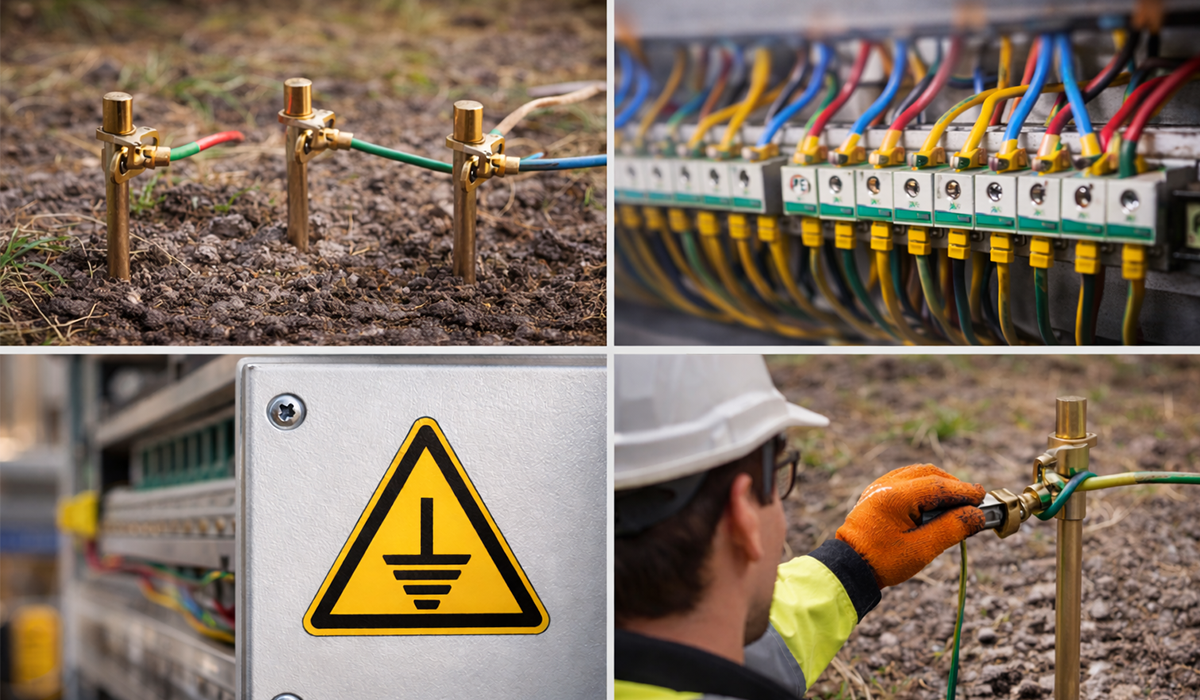
Bonding inside a non-metallic box only works if the site’s earthing design is sound. Our overview of earthing systems explains how TN, TT and IT layouts handle fault current.
What NEMA 4X Does Not Mean
Is NEMA 4X explosion proof? No. Type 4X keeps dust, water and corrosion out, but it does nothing to contain an internal explosion. Explosion-proof enclosures carry Type 7 for gases or Type 9 for combustible dust instead.
Is NEMA 4X class 1 div 2 approved by itself? No. A Class I, Division 2 installation depends on the equipment inside and the wiring method, which must suit that hazardous area under the NEC. A 4X box can form part of such a system, but the 4X label alone grants no hazardous-location approval.
Is NEMA 4X waterproof? Against rain, splashing and hose-directed water, yes; the hose-down test proves it. Against submersion, no: an enclosure that may sit under water needs Type 6 or 6P. Gaskets also age, so inspect them yearly in washdown areas.
Hazardous areas follow their own classification rules, so check the area drawings before choosing any enclosure. OSHA’s electrical standard lists the classes, divisions and protection methods, including nonincendive equipment, in its hazardous location rules.
Outside North America, hazardous areas use zones and Ex marking rather than NEMA types. Our guide to ATEX vs IECEx compares those schemes for export projects.
Where NEMA 4X Enclosures Are Specified
Is NEMA 4X outdoor rated? Yes. It suits indoor and outdoor use, so specifiers choose it wherever water and corrosion meet. Typical sites include:
- Food and beverage plants with daily washdown
- Wastewater and water treatment plants
- Marine, offshore and coastal installations
- Chemical, pulp and paper plants
- Outdoor cabinets near the sea or de-icing salt
Sizes range from a small NEMA 4X junction box for one sensor to floor-standing control cabinets.
Which is better, NEMA 3R or NEMA 4X? For plain rain, 3R costs less and works well; for washdown, salt or chemicals, 4X earns its price. Our NEMA 3R vs 4X guide compares them.
Inspectors check these choices against the NEC’s enclosure selection table, which lists hose-down and corrosion as separate conditions. Electrical Contractor magazine explains how to read that table in its NEC table walkthrough.
Export buyers often ask how a 4X rating maps to an IEC code such as IP66. Our guide on IP vs NEMA ratings explains where the two systems overlap and where they differ.
Keeping the 4X Rating After Fabrication
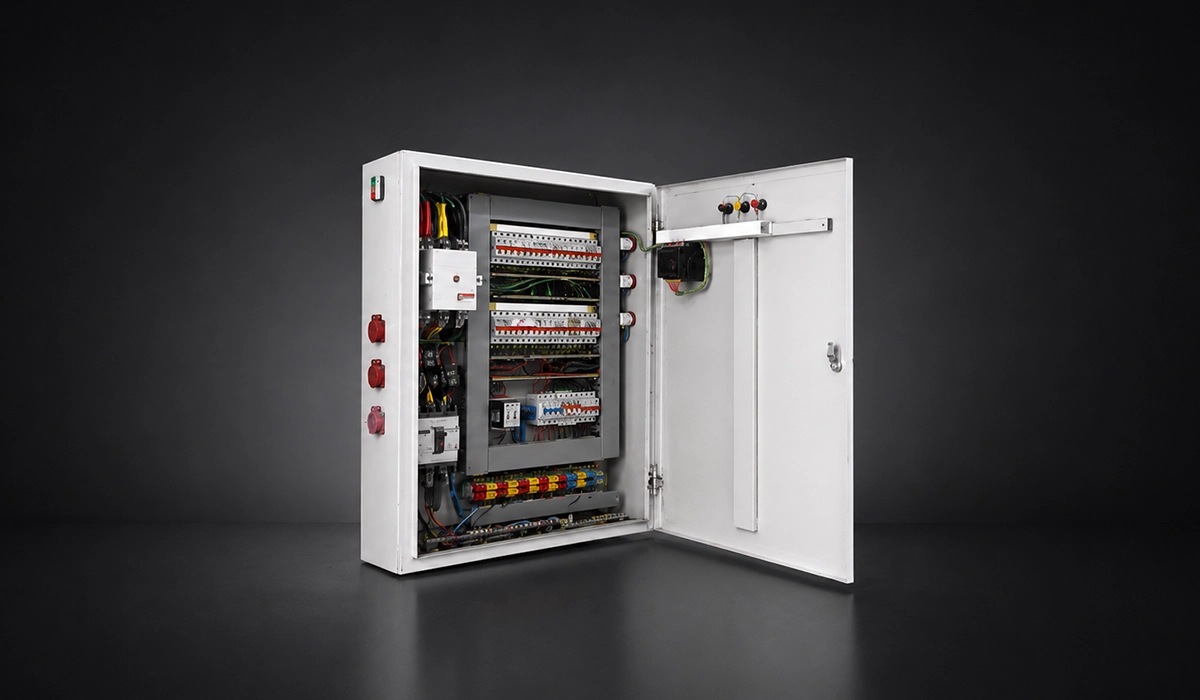
Every opening in a NEMA 4X box is a potential leak and a potential rust spot. The finished panel keeps the rating only if every add-on carries at least the same type rating. Treat each cutout as part of the enclosure design.
| Component | What to check |
|---|---|
| Cable glands and conduit hubs | 4X rating, correct cable range |
| Windows and HMI bezels | 4X-rated gasket kit, flat mounting face |
| Push buttons and pilot lights | 4X-rated operators, sealing washers fitted |
| Air conditioners and heat exchangers | 4X rating, sealed mounting gasket |
| Screws and fasteners | Stainless steel, no plain steel |
On stainless enclosures, deburr every cutout and passivate the cut edges, because iron particles from carbon steel tools start rust within weeks. In addition, keep gasket compression even, since loose or missing screws let water past the seal. Tighten cover screws in a cross pattern.
The rating of the finished assembly is limited by its weakest fitting. NEMA’s enclosure FAQ explains why fittings need their own type rating, at least equal to the enclosure’s, in its enclosure fittings FAQ.
IEC assemblies follow the same idea: the finished panel, not the empty box, must prove its performance. See our IEC 61439 verification guide for how that process works in the EU.
Heat and Condensation Inside a Sealed 4X Panel
Sealed NEMA 4X electrical enclosures have no vents, so every watt from breakers, drives and busbars stays inside. Heat dissipation through the walls alone is limited, and the internal temperature can climb well above ambient on a hot day. As a result, breakers may trip early and drives may derate.
Closed-loop cooling solves this without breaking the seal. Options include 4X-rated air conditioners, air-to-air heat exchangers and thermoelectric coolers. Meanwhile, daily temperature swings can still cause condensation, so add a 4X-rated breather or drain and a small heater where humidity is high.
Inside the panel, size busbars for the hotter internal air, not the room temperature, and consider tin-plated copper with clean joint surfaces for humid enclosures. Our copper busbar guide explains cross-section and plating choices.
Busbar ratings assume an ambient temperature, so a hot sealed box quietly lowers the safe current. The Copper Alliance covers temperature rise, jointing and busbar coatings in its busbar design guidance.
Condensation inside a sealed box also affects how far apart live parts must sit. Our article on pollution degree and overvoltage category shows how moisture shapes clearances and creepage.
Conclusion: NEMA 4X Enclosure
Choose a NEMA 4X enclosure when corrosion, not just water, is the real threat. Next, pick the material by chemistry: 304 for food washdown, 316L for chlorides, and fiberglass or polycarbonate for acids and wastewater. Finally, keep the rating through every cutout, gland and cooler, because the finished panel, not the empty box, carries the label. In short, the X earns its cost wherever corrosion would otherwise shorten panel life. Get those steps right, and it pays off.
NEMA types sit alongside many other codes that shape a compliant panel. For a broader overview, explore our electrical standards guide.


Rate this article
Choose a rating from 1 to 5 stars.
No ratings yet