

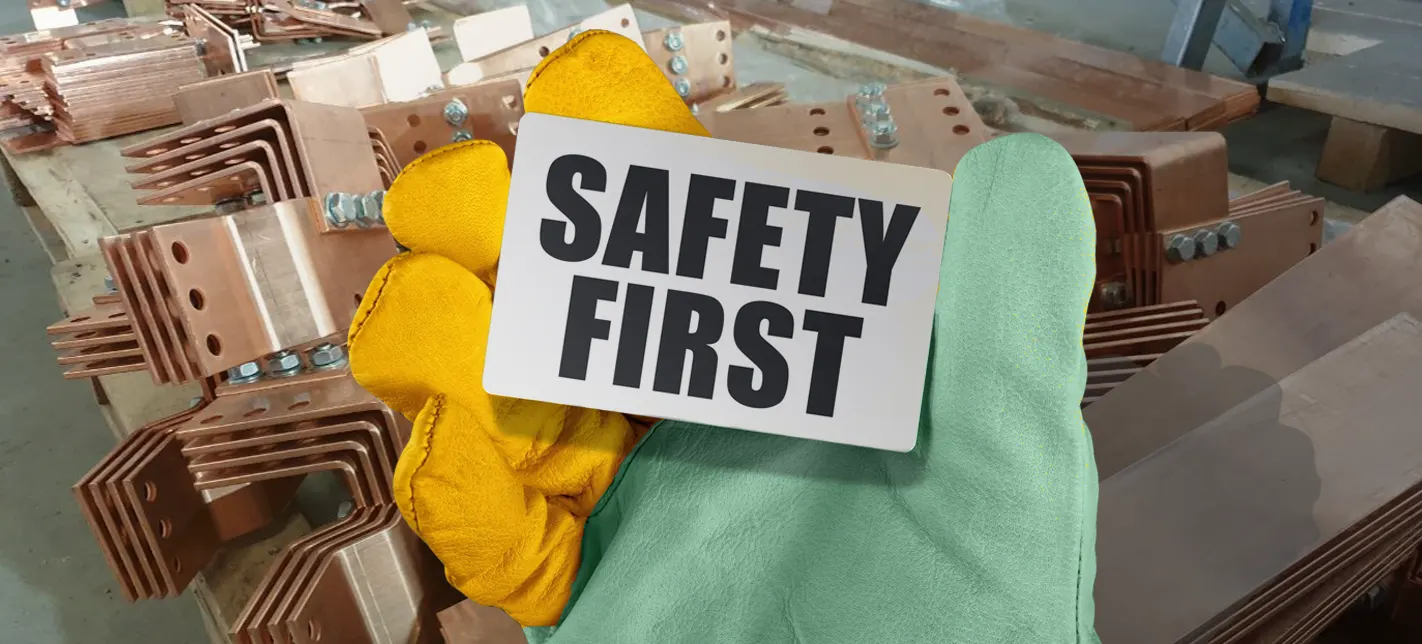
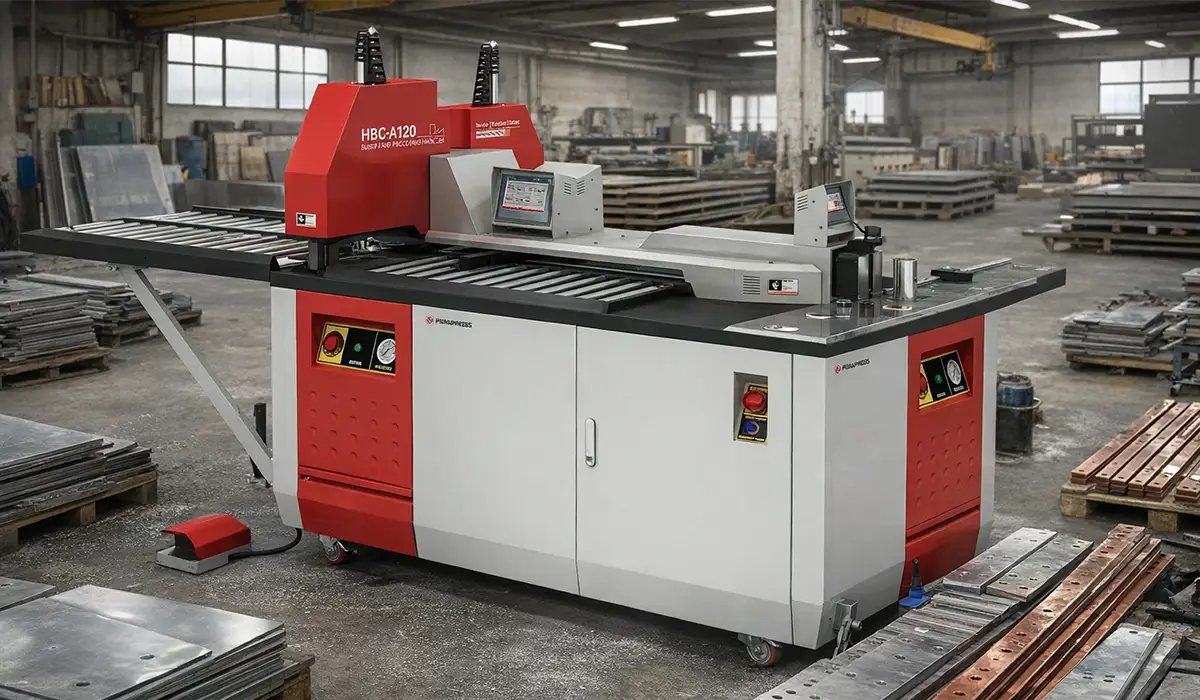
In the realm of electrical component manufacturing, safety is not just a priority, it’s a mandate. At PAYAPRESS, we understand that the robustness of an electrical system is only as reliable as the quality and compliance of its components. This is why we ensure that our range of busbar processing machines, including the hydraulic busbar bending machine, and CNC busbar processing machine, not only meet but exceed industry safety standards.
The Cornerstone of Safety: Compliance with Standards
Our commitment to safety begins with strict adherence to international safety standards. Each busbar machine we produce is a testament to our dedication to safety. From the automatic punching machines to the sheet metal cutting machine, every piece of equipment is designed with the operator’s safety in mind. We incorporate features like spring back compensation systems and programmable length stoppers to ensure precision and reduce the risk of accidents.
Advanced Features for Enhanced Safety
The copper busbar bending machine and our comprehensive busbar fabrication machine lines are equipped with advanced safety features. These include longitudinal digital rulers and laser center finders that not only enhance the precision of operations but also minimize the risk of manual errors that could lead to safety incidents. Our portable busbar bending machine is designed for ease of use and safety, allowing for safe operation even in smaller, more confined workshop spaces.
Training and Education: A Safety Imperative
We believe that safety is not solely dependent on the machine but also on the operator. That’s why we place a significant emphasis on training and education. Users of our busbar bending machine and automatic punching machine are provided with comprehensive guidance to ensure they are well-versed in all safety protocols and operational procedures.
Continuous Improvement and Customization
At PAYAPRESS, safety is an ongoing journey. We are continuously improving our designs and technologies to enhance safety features. Our ability to customize machines, such as the 3 in 1 busbar machine or the portable hydraulic busbar bending machine, allows us to cater to the unique safety requirements of our clients’ projects.
Ensuring a Safe Future
As leaders in busbar machine manufacturing, we understand that the price of safety cannot be measured. Whether it’s the busbar bending machine price or the electric busbar price list, we ensure that safety is embedded in every aspect without compromise. Our machines, such as the busbar cutting punching and bending machine, are not just tools; they are guardians of safety in the electrical manufacturing industry.
In conclusion, at PAYAPRESS, we don’t just manufacture machines; we engineer safeguards. Our machines are the embodiment of our safety ethos, ensuring that every busbar processed is not only efficient and precise but also compliant with the highest safety standards. Because when it comes to electrical manufacturing, safety isn’t just first—it’s everything.
FAQ
Q1. Which standards govern safety and compliance for busbar systems?
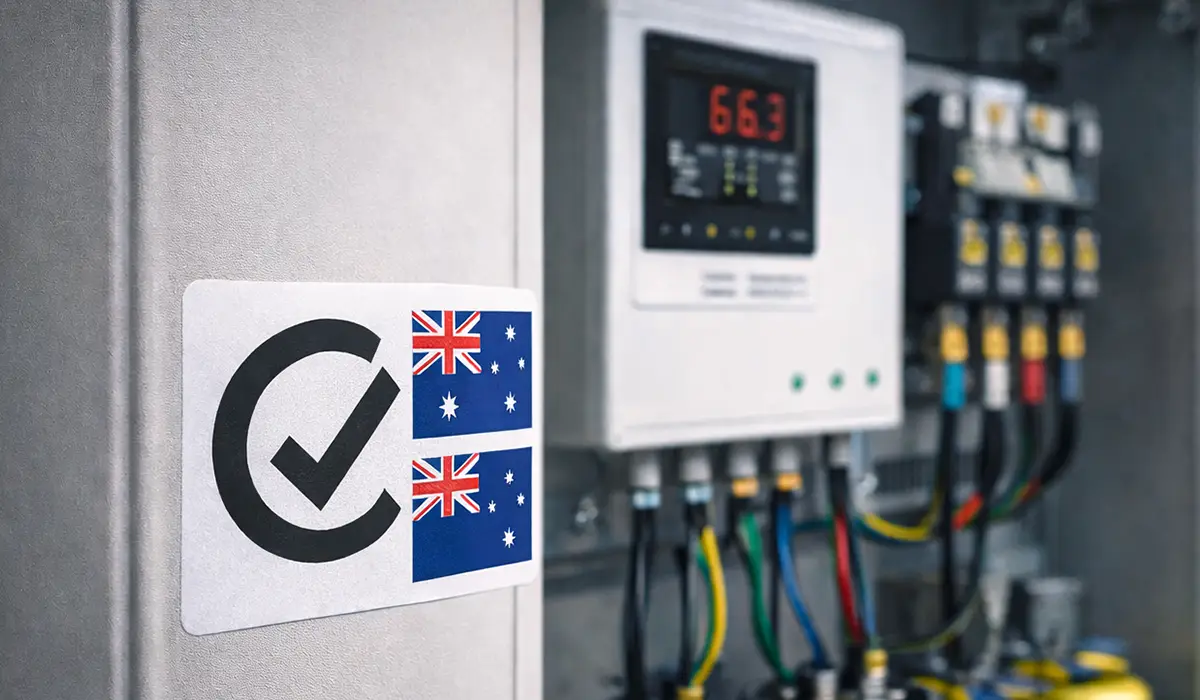
IEC 61439-6 (with 61439-1) sets design, construction and verification rules for low-voltage busbar trunking systems globally; in North America, UL 857 covers “busways and associated fittings” (≤600 V, ≤6000 A) used per NEC/NFPA 70. Check the current edition—UL 857 was updated in Sept 2025—before certifying or labeling.
Q2. What IP rating should a busbar enclosure or trunking have?
Match the environment: IP54–IP55 is common for dusty shop floors and light splashing; IP65–IP66 is typical for wash-down or outdoor exposure. Select per IEC 60529 so solids/liquids ingress protection aligns with your risk assessment and installation location.
Q3. What must appear on an arc-flash label for equipment containing busbars?
NFPA 70E requires labeling of equipment that may be serviced while energized. Labels typically include nominal voltage, arc-flash boundary, and either incident energy at a working distance or the PPE category—plus any site-specific warnings. Verify against the latest NFPA 70E/NEC guidance used by your facility.
Q4. How do creepage and clearance affect busbar safety, and where do I get the values?
Clearance (through-air spacing) and creepage (along insulating surfaces) prevent flashover and tracking. Minimum distances depend on rated impulse voltage, pollution degree and material group; use the tables in IEC 60664-1 rather than generic “rules of thumb.”


Safety and compliance are the backbone of quality busbar manufacturing, and this article provides some really useful insights. It’s great to see such a clear focus on maintaining high standards in every step of the process. Thanks for sharing these valuable tips, looking forward to more great content!