


If you’d rather listen than read, feel free to play the audio file below for the rest of this article.
What the Contact Spring Does Inside a Busbar Bushing
A busbar contact spring holds the bushing’s tube at the same potential as the bar, proven at installation by a reading below 5 Ω. Busbar hole punching creates the seat that lets the spring make that contact.
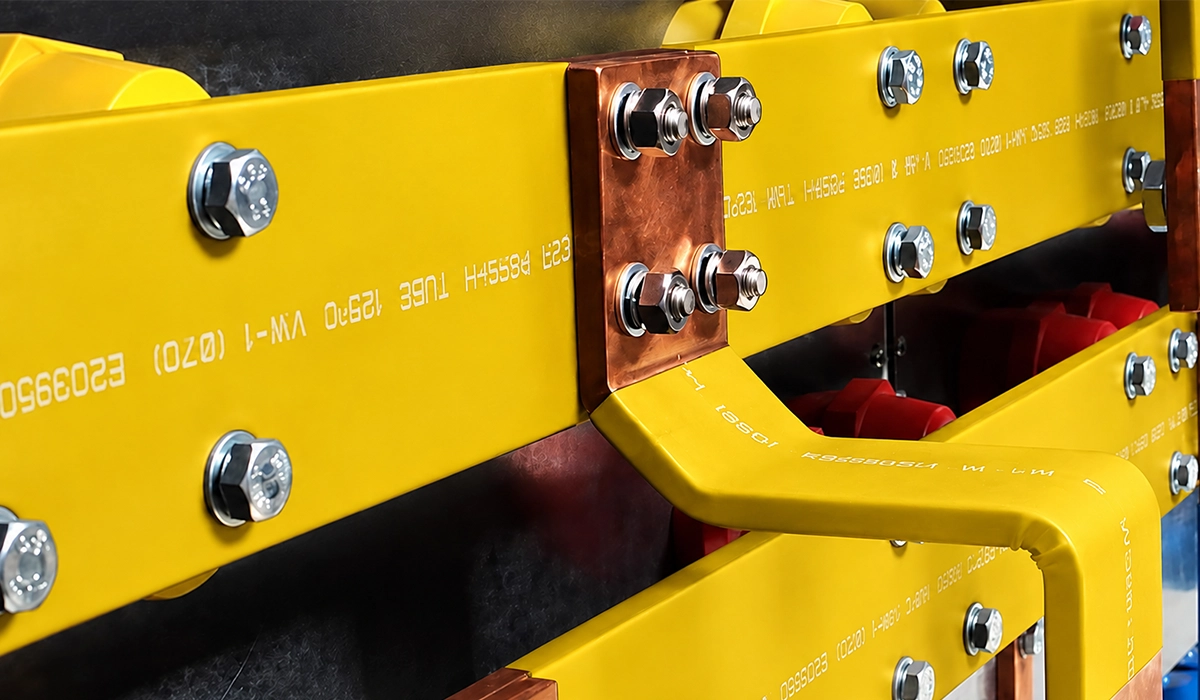
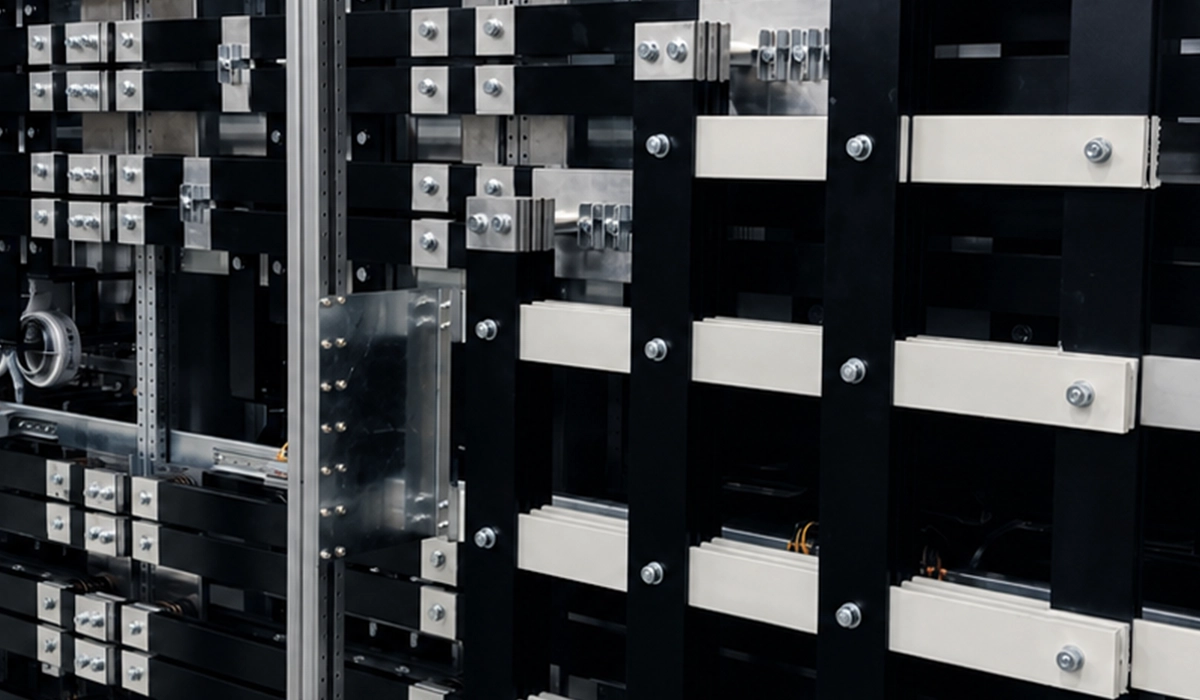
In medium-voltage switchgear, busbars run from panel to panel through bushings built around a metal tube. ABB lists the component for D-profile busbar as a contact spring used to equalise voltage between bushing and busbar, which is potential equalisation and nothing more. Its ZS3.2 manual is blunt about the consequence of leaving it out: without the springs, glow discharge can damage the bushing once the busbars are live.
Be equally clear about what this contact is not. It does not carry load current, and it has no bearing on the resistance of a bolted joint. Load current stays in the busbar.
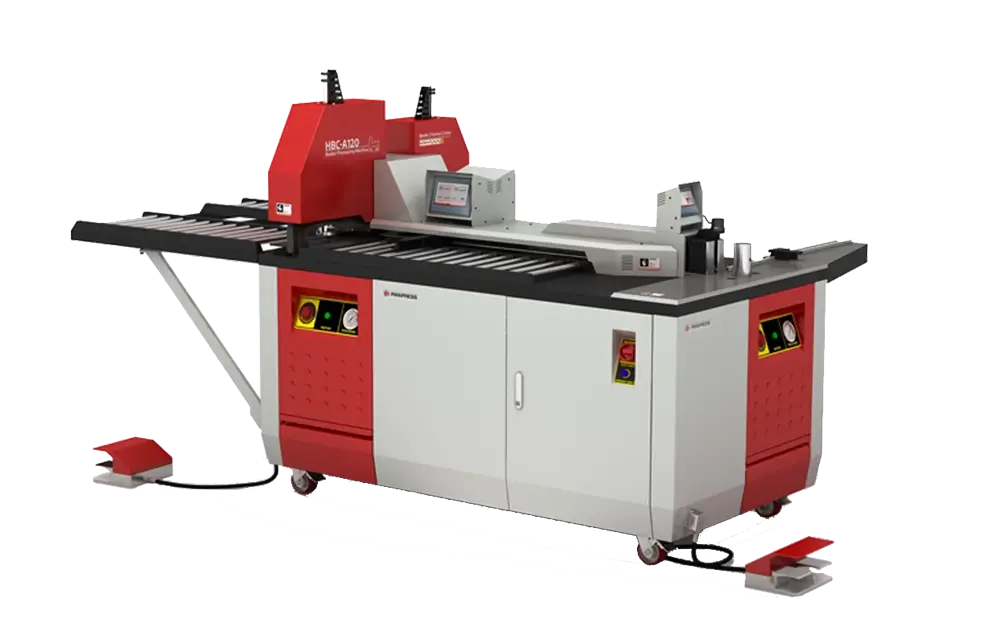
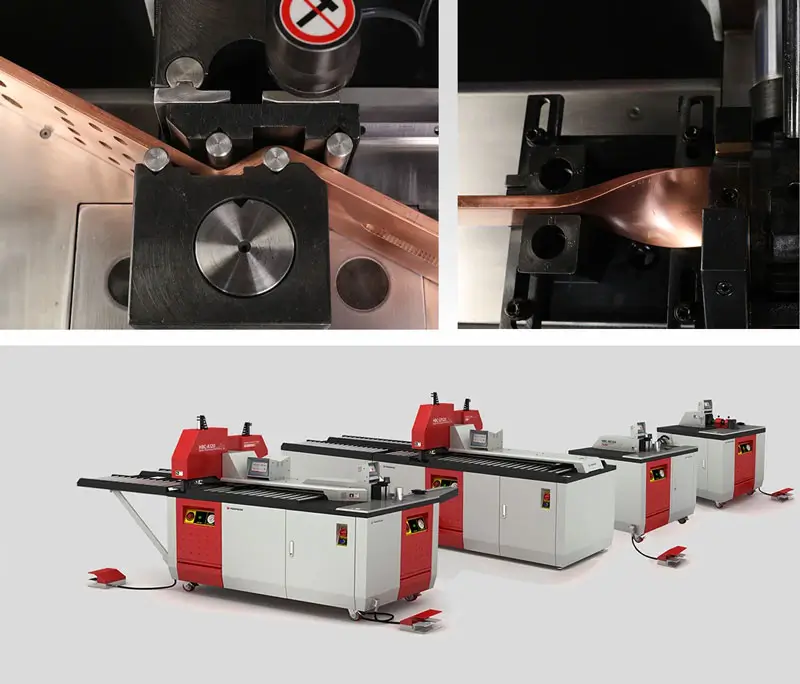
Every bushing starts life as a bar that has been cut, punched and bent in a workshop. Our overview of busbar fabrication machines explains the main machine types behind that work.
Why the Hole Comes First
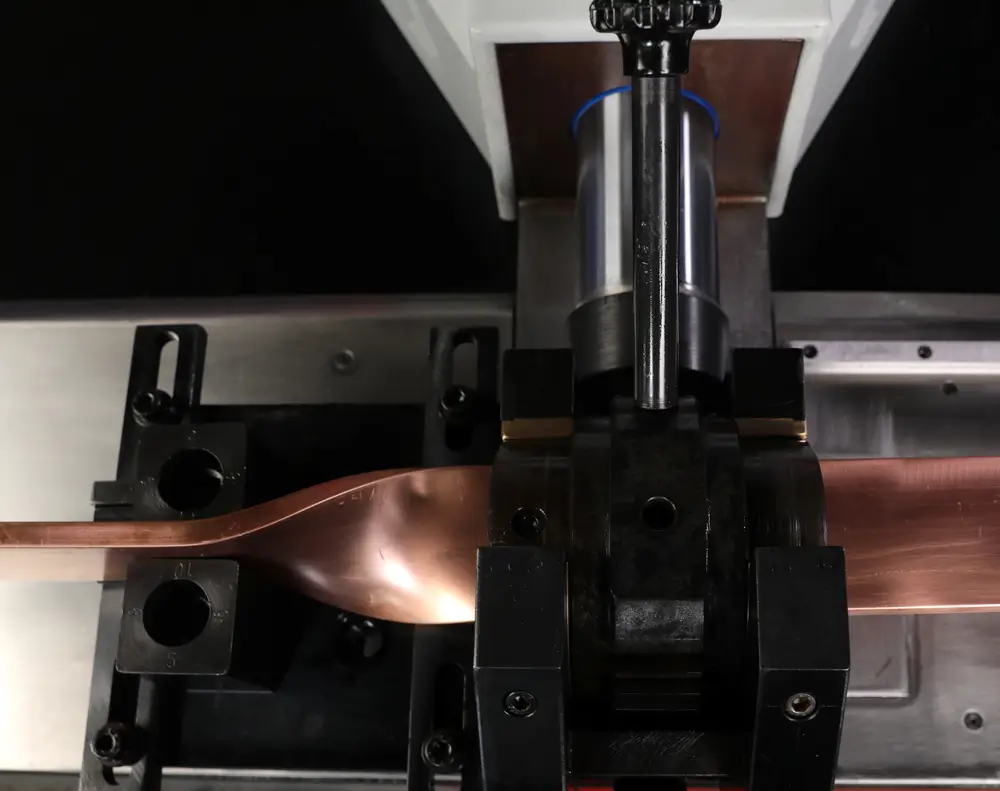
ABB’s manual gives the bores in the busbar one purpose: the installer pushes the contact spring into them. Busbar hole punching therefore sets the spring’s seat long before anyone reaches site.
The busbar insulation follows the same rule: ABB requires the shrink-on sleeve to be cut away above these bores, so the spring meets bare copper.
The bore also does double duty. On a ZS3.2 panel with a single rectangular busbar up to 1600 A, ABB’s parts list pairs a contact spring for rectangular busbar with an M6×16 socket head bolt. A DIN 6796 dished washer and an M6 nut complete it, so the hole belongs to that fixing too.
Either way, the sequence never changes. A busbar shop punches the bore weeks before site assembly, long before anyone checks the spring.
The most up-to-date information is always published on the official website, so it is worth checking there as well.
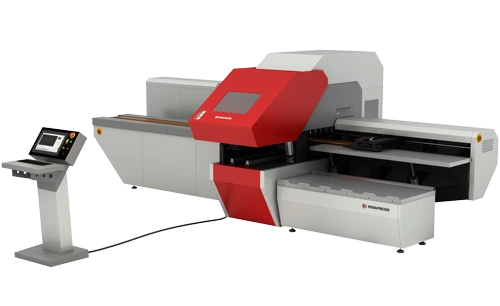
A hole is only as good as the machine that makes it. Learn more about advanced busbar machinery and how it keeps punching consistent.
What “Precise” Means When the Manual Gives No Tolerance
Precision on this bore means three controllable things rather than one published figure, and each one decides whether the spring passes ABB’s 5 Ω check.
Start with the honest part. ABB’s ZS3.2 text gives no diameter and no tolerance for this bore. Anyone quoting one has invented it, so busbar punching must hold whatever the order drawing states.
What you can control splits three ways. The bore sits where the drawing puts it, inside the bushing zone. Its diameter suits the specified spring. Its edge lets the spring’s bottom plane lie flat.
| What the hole controls | Step it decides | Symptom when it is wrong |
|---|---|---|
| Bore position | Insertion | Spring misses the bushing zone |
| Bore diameter | Insertion, rebound | Spring sits loose or jams |
| Edge and burr | Seating | Bottom plane never lies parallel |
Each of those maps onto a step in ABB’s check, which is why punching accuracy matters more here than torque does.
Holding a bore to the drawing is a matter of process, not luck. See why fabrication precision matters on every finished bar.
ABB’s Six-Step Contact Spring Check
ABB closes the loop with a six-step check that ends in a measurement: below 5 Ω between busbar and bushing tube. You reach it by seating and exercising the spring first, which is where busbar hole punching helps or hurts.
- Inspect the spring for creases or deformation before you fit it.
- Pull the spring open and insert it into the busbar hole.
- Turn the spring back out of the hole.
- Press and turn it down until its bottom plane lies parallel to the busbar.
- Press it down about 10 mm and confirm it rebounds freely, three times over.
- Take a multimeter check between the busbar and the bushing’s metal tube. The reading must stay below 5 Ω; if it does not, return to step 1.
Steps 2, 4 and 5 all hang on the hole. Spring resilience belongs to the part; proving it belongs to the bore.
Repeating a check across hundreds of bars depends on tooling that holds its accuracy over time. Read why machine durability protects that consistency.
What a Badly Placed or Rough Hole Does on Site
A bore in the wrong place costs a bar, not a minute, because ABB’s procedure has no adjustment step and sends the installer back to step 1.
Work through what the site team actually meets. The spring will not lie parallel, or it will not rebound freely, or the multimeter stays above 5 Ω. ABB’s answer in every case is the same: repeat the sequence from the first step.
That loop closes only if the bore can support it. No torque wrench corrects a misplaced hole, and no care at the bolted joints changes the reading. The bar goes back for rework, while the panel waits.
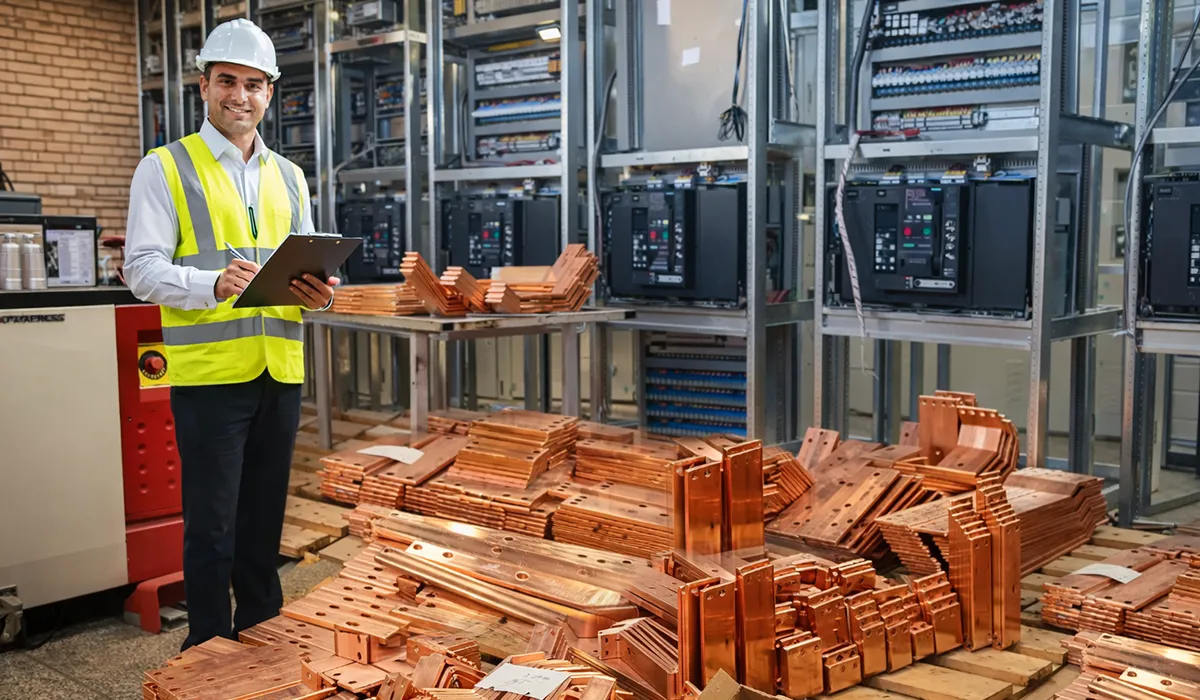
Most rework starts as a fabrication problem that was never caught. Our guide to fabrication challenges shows how workshops prevent it.
Conclusion: The importance of Busbar Holes
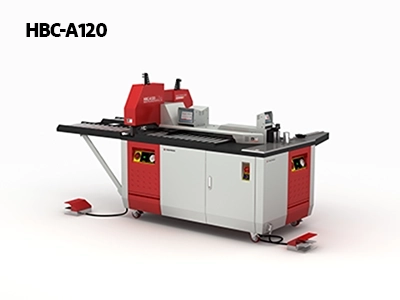
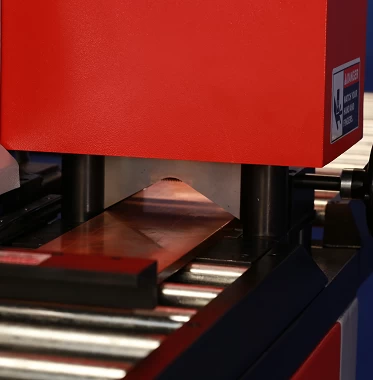
Accurate busbar hole punching is where a trouble-free bushing starts. Get the bore right in the shop, and site assembly finds a spring that seats and a reading that passes. See our busbar punching machine.
Machines that combine cutting, punching and bending keep every hole tied to the same reference. Discover the 3-in-1 busbar machines advantage for your shop.


Rate this article
Choose a rating from 1 to 5 stars.
No ratings yet