



If you’d rather listen than read, feel free to play the audio file below for the rest of this article.
The Four Compartments
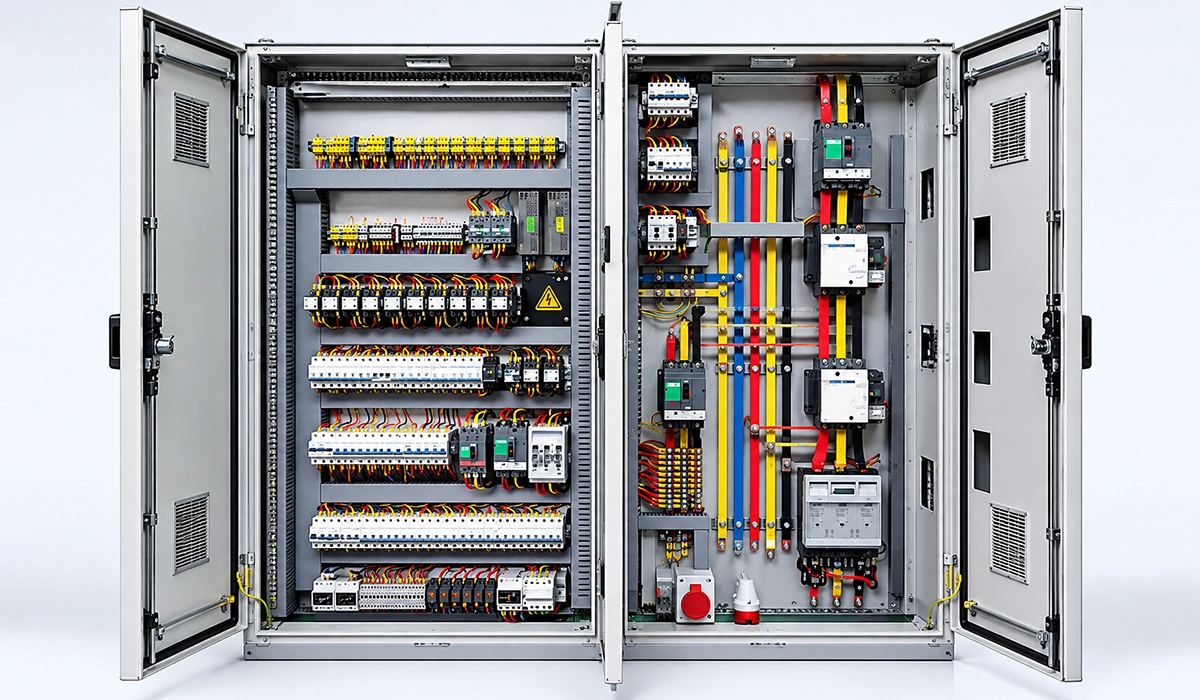
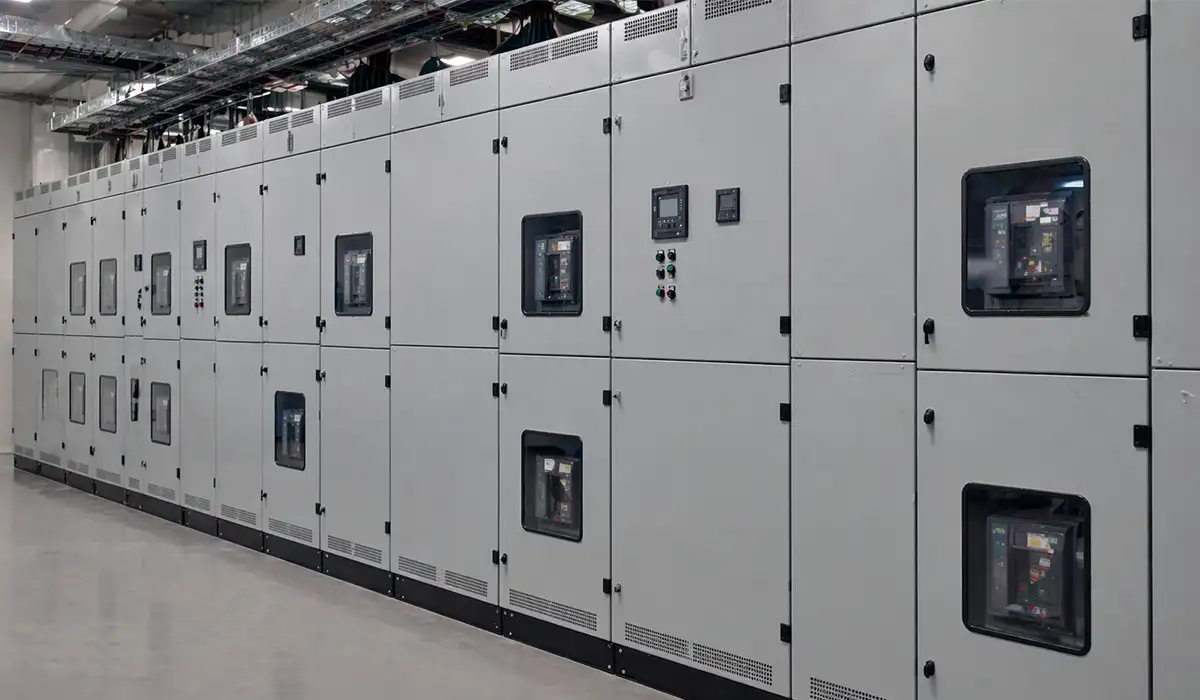
Every ZS3.2 panel splits into four compartments, and the three that carry high voltage are separated by earthed sheet-steel partitions. That internal division is what makes it metal clad switchgear rather than one large steel box.
| Compartment | What it holds | Separated by |
|---|---|---|
| Busbar | Main busbars running through the line-up | Earthed sheet-steel partitions |
| Circuit-breaker | The withdrawable part carrying the breaker | Earthed sheet-steel partitions |
| Cable connection | Current transformers, earthing switch, cable terminations | Earthed sheet-steel partitions |
| Low-voltage | Secondary equipment | Its own sheet-steel enclosure, apart from the high-voltage area |
The cable connection compartment is the busiest of the three high-voltage spaces. ABB fits it with current transformers and an earthing switch, alongside the cable terminations.
The low-voltage compartment is different in kind. It is a self-supporting, shock-proof sheet-steel enclosure of its own, kept apart from the high-voltage area rather than simply partitioned from it.
ZS1 follows the same logic, and its manual names the material: enclosure and internal partitions in aluminium-zinc coated steel sheet, 2 mm thick.
In the field, remember that a partition only separates while it is in place. Refit every cover and partition removed during work before the panel returns to service.
This compartment structure is the starting point for understanding how switchgear enclosures are built and rated. For a broader look at panel and switchgear fundamentals, see our switchgear basics guide.
What the Metal Partitions Make Possible
ABB’s ZS1 manual states the benefit directly: the internal partitioning allows safe access to the circuit-breaker and cable compartments even while the busbars are live.
That is the practical case for metal clad switchgear. Work on one feeder’s breaker or cables does not have to wait for the whole busbar to be de-energised. The site’s isolation and earthing rules for that feeder still apply. The access covers those two compartments only; the busbar compartment stays closed while its busbars are live.
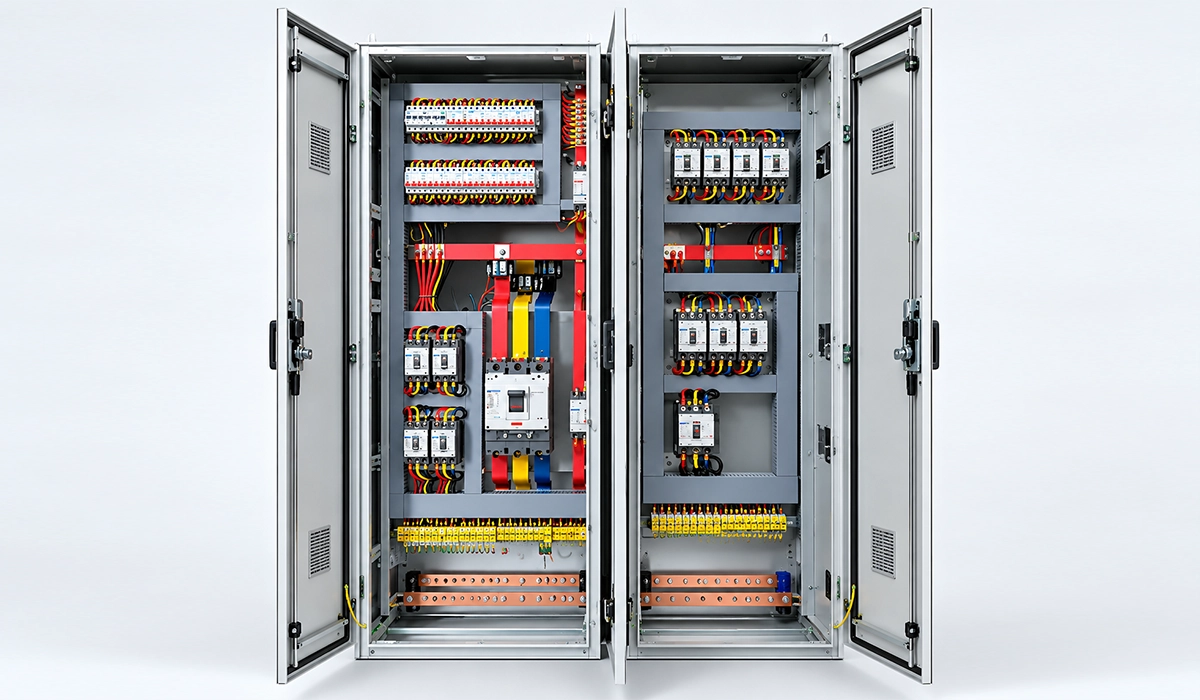
ZS3.2 adds the breaker side of the picture. With the withdrawable part taken out and its shutters closed, live parts in the busbar and cable compartments stay protected against contact.
Switchgear compartmentalization does not stop at the panel edge. Each panel has its own side walls, with an air cushion between neighbours that ABB says prevents an arc fault melting through. Where the order includes it, bushing plates and bushings also partition the busbar compartment panel by panel.
This access logic depends on the specific components sitting inside each compartment behaving as designed. Our overview of switchgear components covers what each of those parts does.
Shutters, Doors and Pressure Relief
Beyond the partitions, three features protect the operator: shutters that close on their own, rated degrees of protection, and pressure relief. ABB rates the enclosure IP4X and the partitions IP2X.
The shutters are metal plates. When the withdrawable part moves to the test/disconnected position, they cover the fixed contacts automatically, and they can be locked with a padlock. How the test position differs from the service position has its own article.
Doors change which rating applies. With the doors closed, the operator faces the IP4X enclosure; with a door open, the partition behind it becomes the barrier, at IP2X, the finger-safe level.
Pressure relief handles the worst case. ABB fits secured relief plates at the top of the three high-voltage compartments, and they open upward when an internal arc builds overpressure. In metal clad switchgear, keep the space above the panels clear, because that is where the plates open.
Shutters, IP ratings, and relief plates all work together to keep operators safe under normal and fault conditions. We go deeper into these protective measures in our guide to switchgear performance.
Metal Clad vs Metal Enclosed Switchgear
All metal clad switchgear is metal-enclosed; what metal-clad adds is the set of earthed metal partitions that divide the enclosure into compartments like the four above.
Metal enclosed switchgear is the wider family, covering equipment whose live parts sit inside an earthed metal enclosure. Take the internal partitions away and you are still inside that family, but you lose the separate compartments and the live-busbar access they allow.
That is the general distinction. The formal one depends on where you are: definitions differ between regions, and the IEC standard classifies enclosed switchgear in its own terms. Those classes are covered in our guide to IEC 62271-200, so they are not repeated here.
ABB’s ZS3.2 manual cites IEC 62271-200, along with IEC 60694, and describes the design as metal-clad. For a specifier, the practical test is simpler than any label: ask where the earthed metal partitions sit, and what can safely be opened with the busbars live.
The distinction between these two switchgear families reflects decades of design refinement driven by safety and space requirements. Our article on the modern switchgear evolution traces how that happened.
Conclusion about Metal-Clad Switchgear
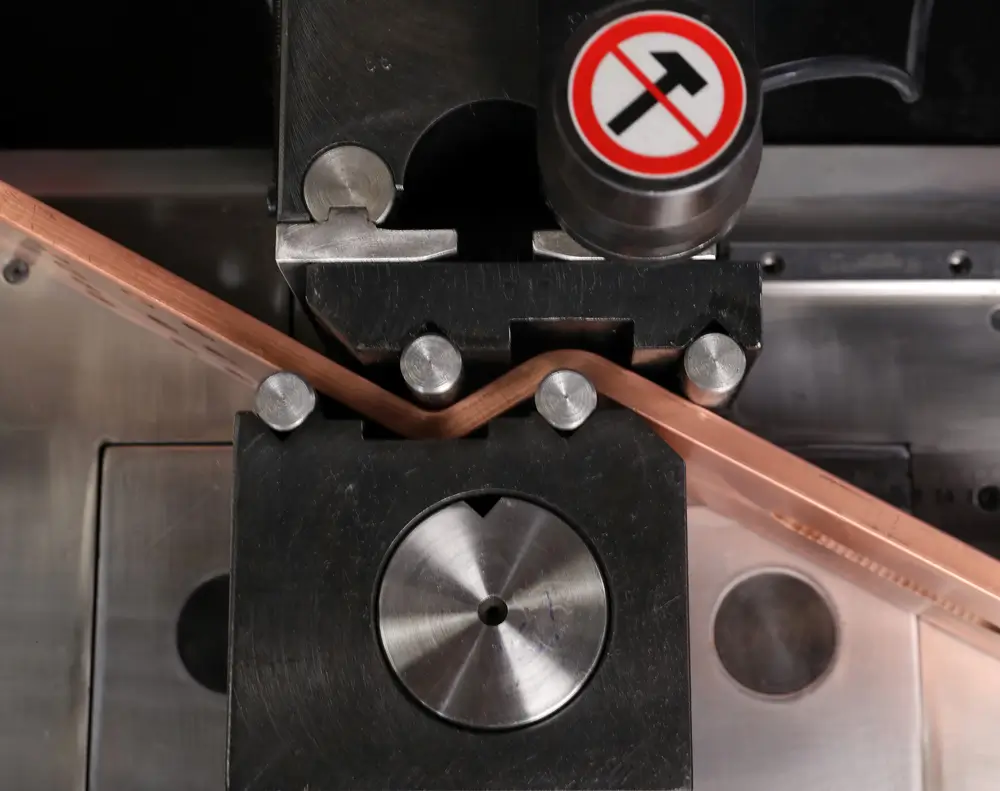
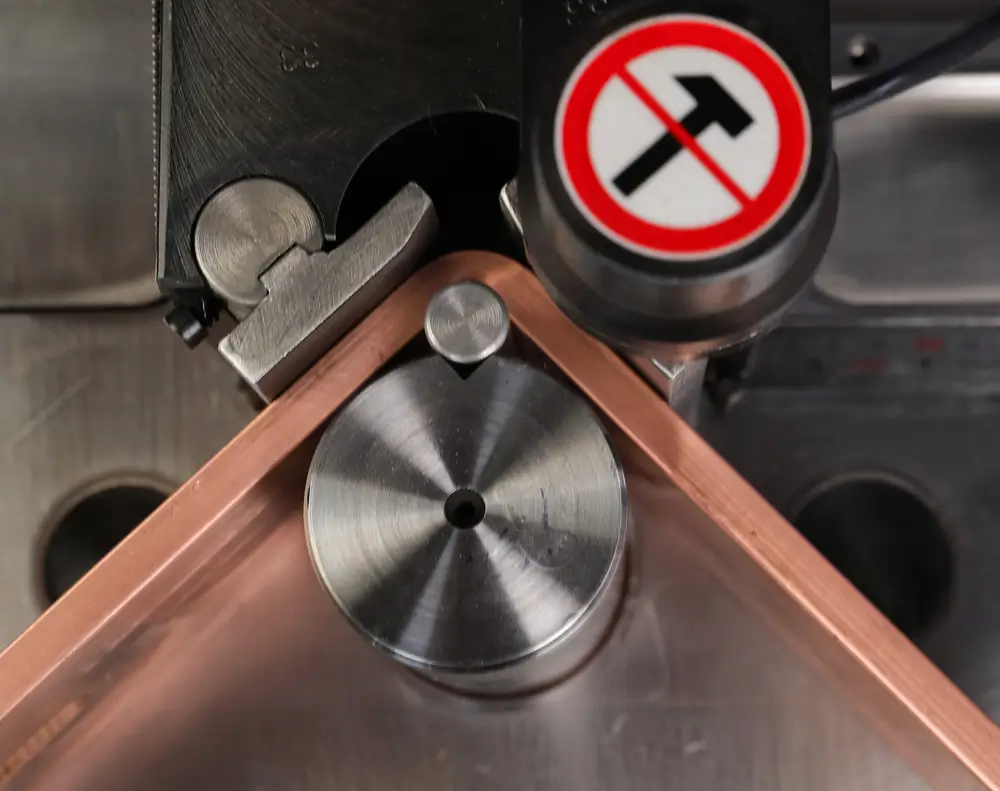
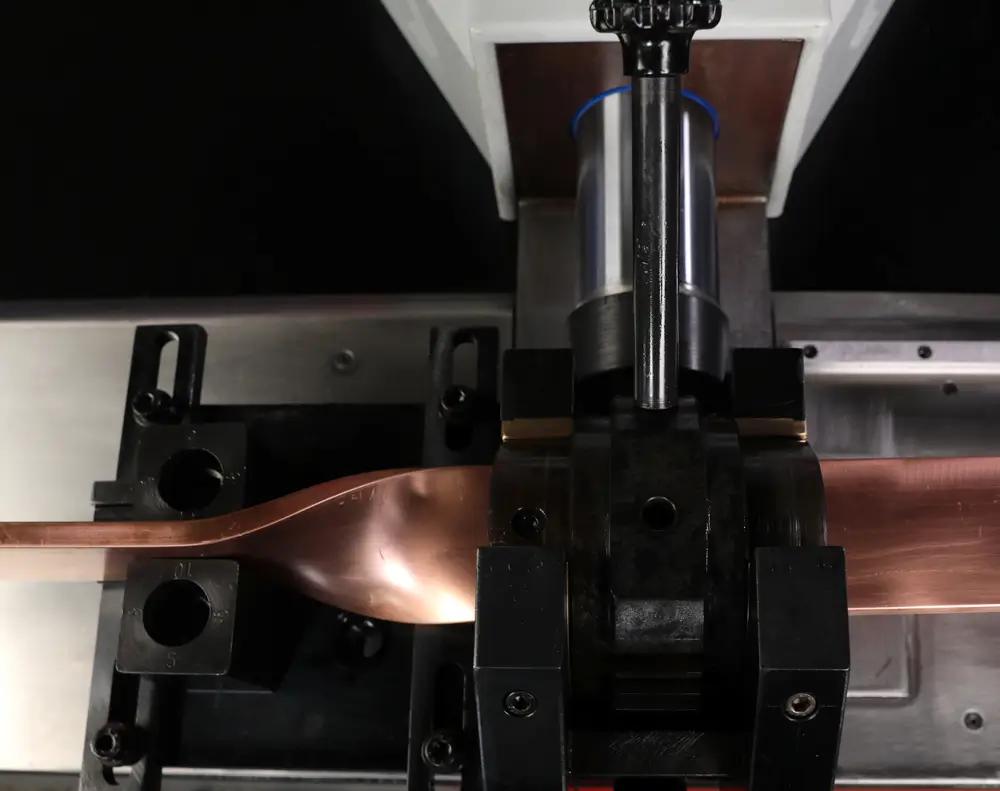
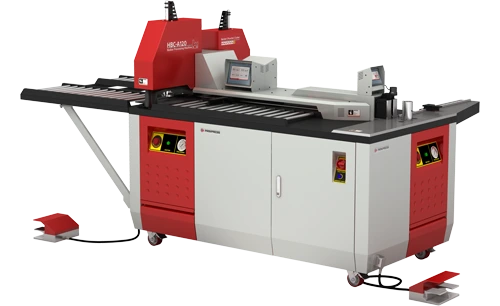
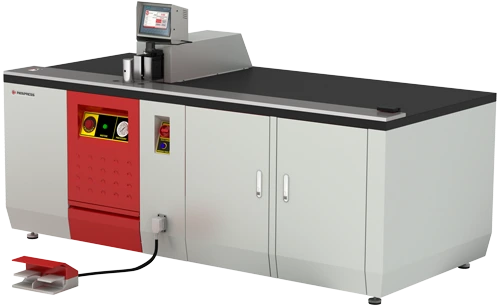
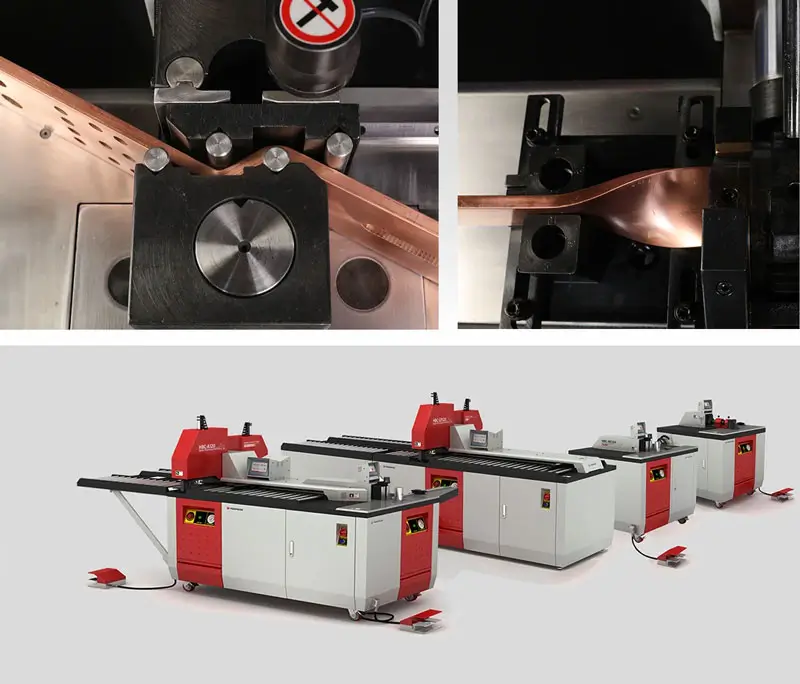
Metal clad switchgear depends on busbars that fit their compartments, bushings and partitions exactly as drawn. That precision starts in the busbar shop.
That precision is inseparable from the busbars themselves, since every compartment and partition is built around their exact path. Learn more about this connection in our guide to the busbars role.



Rate this article
Choose a rating from 1 to 5 stars.
No ratings yet