



If you’d rather listen than read, feel free to play the audio file below for the rest of this article.
What Is Ingress Protection?
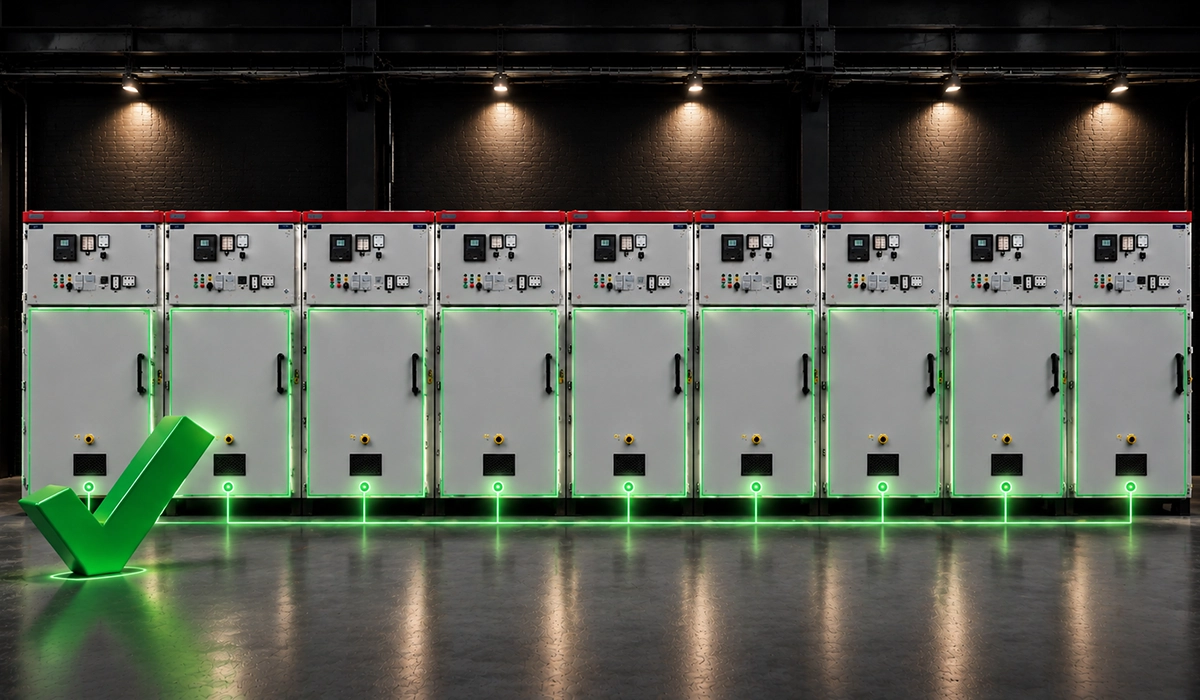
The term refers to the degree of protection an enclosure provides against three things: intrusion by solid objects, ingress of dust, and ingress of water. It also covers protection against access to hazardous parts inside. This protection sits alongside the broader fundamentals covered in our guide to electrical panels and switchgear basics.
The system is defined by IEC 60529, published in Europe as EN 60529 and used worldwide. It applies to electrical enclosures, control panels, junction boxes, sensors, equipment housings and automation components.
The standard exists specifically to replace vague marketing terms. “Waterproof” means nothing testable. IP67 means something a laboratory can verify.
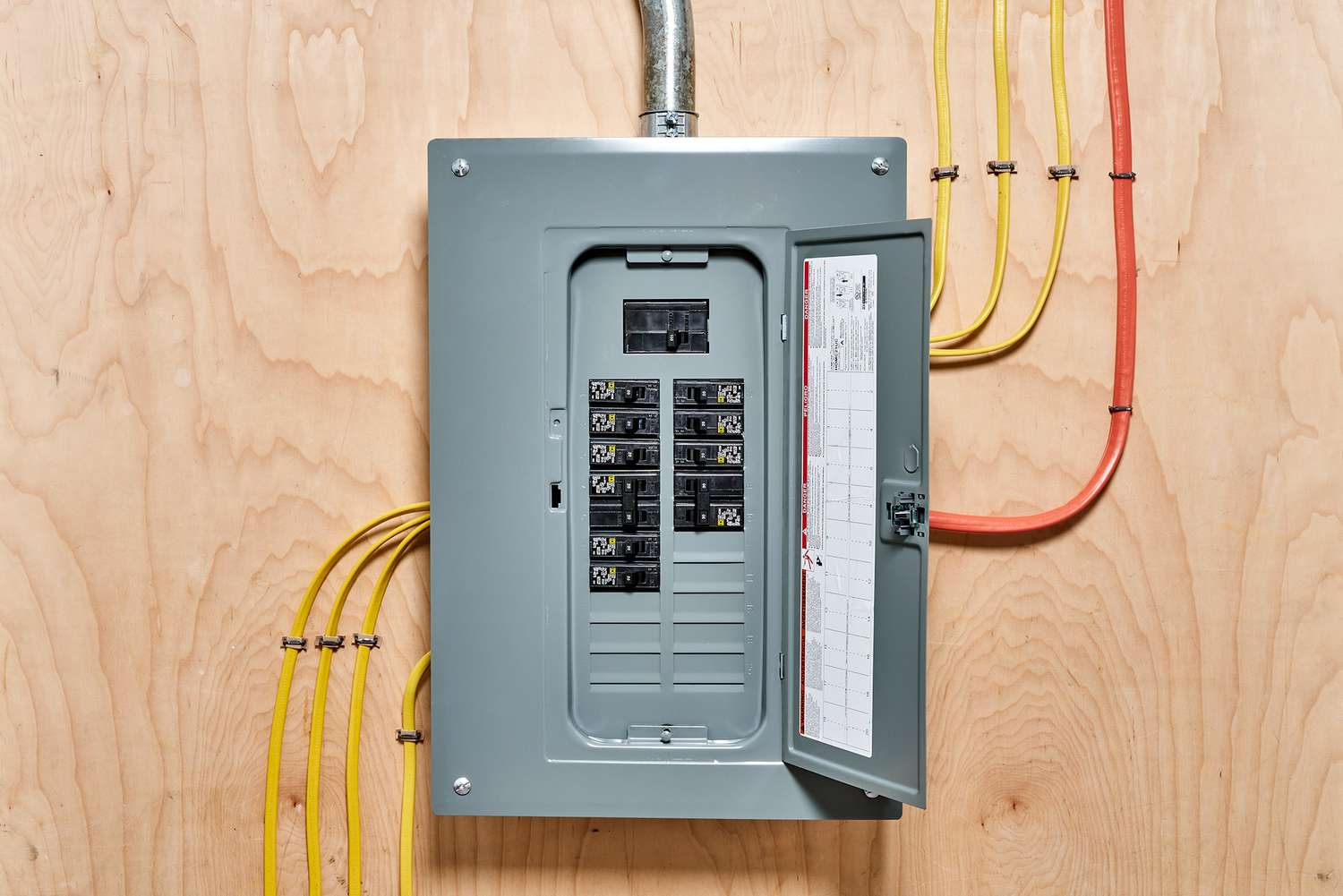
This protection standard applies to nearly every enclosure housing electrical equipment, from the simplest junction box to a full distribution panel. Our overview of what an electrical panel is covers that broader category.
How IP Ratings Work
So what does IP rating mean for enclosures in practice? Take IP65. “IP” identifies the code, the first digit covers solids and dust, and the second covers water.
An X in either position means that characteristic was not tested or not declared — IP6X is dust-tight with no water rating, IPX7 is immersion-rated with no solids rating. X is not zero; it is an absence of data.
The code can also carry an optional access letter (A, B, C or D) and a special letter (H, M, S or W), though these appear rarely on industrial enclosures.
One important caution before the tables. Higher numbers do not simply mean better. The digits describe different test categories, not points on a single scale, and a higher rating is not always necessary or cost-effective for the application in front of you.
For a clearer and more complete explanation, this page goes into far more depth than we can cover in a short text.
Understanding how these digits are assigned matters most once you know which components inside the enclosure actually need that protection. Our guide to industrial panel components covers what sits behind the door.
IP Rating Chart: Solids and Liquids
Two tables, and one rule underneath them that most specification sheets omit.
First Digit: Protection Against Solids and Dust
The first digit is defined by object size, which makes it more precise than the usual plain-language descriptions suggest.
| First digit | Protection level | Object size |
|---|---|---|
| 0 | No protection | — |
| 1 | Large solid objects, back of a hand | > 50 mm |
| 2 | Fingers or similar objects | > 12.5 mm |
| 3 | Tools and thick wires | > 2.5 mm |
| 4 | Most wires, screws and small objects | > 1.0 mm |
| 5 | Dust-protected — limited ingress, no harmful deposit | — |
| 6 | Dust-tight — no ingress at all | — |
The 5 to 6 step is the one that matters commercially. IP5X permits some dust in, provided it does not interfere with operation. IP6X permits none.
The most up-to-date information is always published on the official website, so it is worth checking there as well.
Second Digit: Protection Against Water
The water digit is where the test conditions matter most, so the actual parameters are worth having.
| Second digit | Protection level | Test condition |
|---|---|---|
| 0 | No protection | — |
| 1 | Vertically dripping water | — |
| 2 | Dripping water when tilted up to 15° | — |
| 3 | Spraying water | Up to 60° from vertical |
| 4 | Splashing water | From any direction |
| 5 | Water jets | 6.3 mm nozzle, 12.5 L/min, 2.5–3 m, min 3 min |
| 6 | Powerful water jets | 12.5 mm nozzle, 100 L/min, 2.5–3 m, min 3 min |
| 7 | Temporary immersion | 1 m depth, 30 minutes |
| 8 | Continuous immersion | Manufacturer-defined, more severe than IPX7 |
| 9 | High-pressure, high-temperature jets | ~80 °C water at 80–100 bar |
Now the rule that catches people out. Water protection is only cumulative up to numeral 6. IPX1 through IPX6 each satisfy the levels below them. IPX7 and IPX8 are a separate immersion branch and do not imply IPX5 or IPX6 jet protection.
An IP67 enclosure can fail a hose test. If equipment faces both immersion and jets, it needs a dual rating written as IP66/IP67.
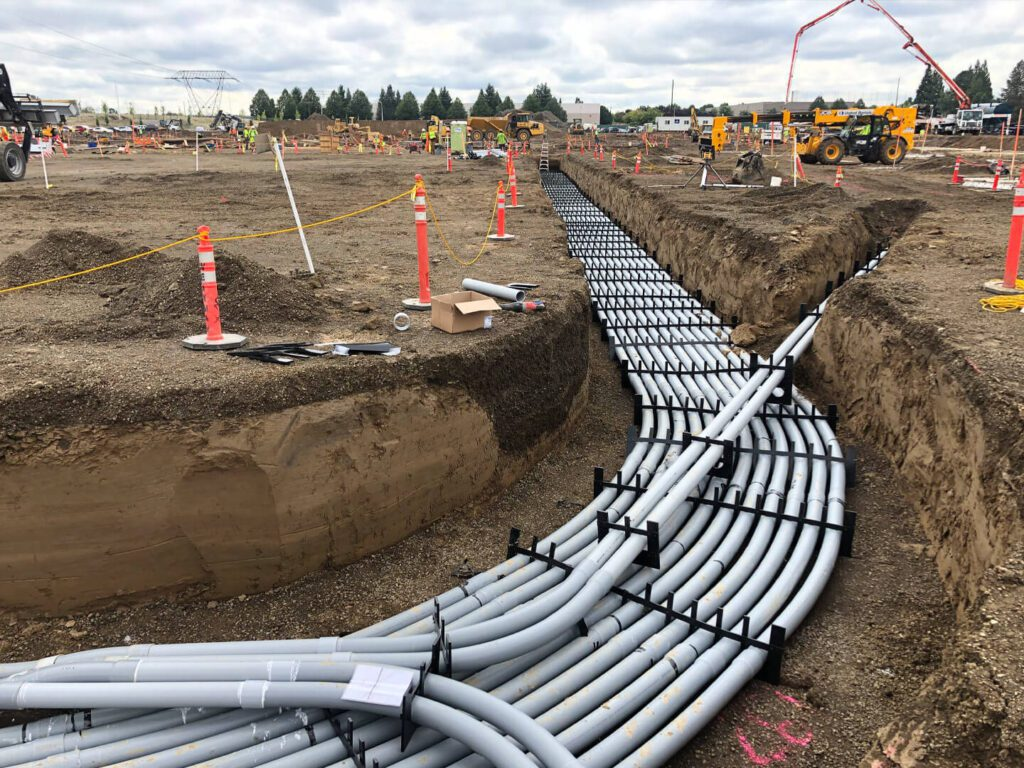
Water ingress is just as much a concern for buried and outdoor cable runs as it is for enclosures. Our guide to underground electrical conduit covers that related exposure.
Common IP Ratings for Industrial Enclosures
Six ratings cover most industrial enclosure specification.
IP54 Enclosures
IP54 is dust-protected rather than dust-tight, with protection against splashing water from any direction.
That suits many indoor industrial areas where exposure is moderate — general plant rooms, sheltered machine enclosures, and locations with airborne dust but no directed water. It is the entry point for a genuine industrial enclosure rating rather than an office-grade one.
If this topic is completely new to you, this beginner-friendly guide is a good place to start.
IP55 Enclosures
IP55 keeps the same dust-protected first digit but steps the water protection up to jets.
The use case is equipment that may face occasional hose-down or wind-driven rain without being fully exposed. It is a common choice where an IP65 enclosure would be over-specification but IP54 leaves too little margin.
IP65 Enclosures
An IP65 enclosure is dust-tight and protected against water jets from a 6.3 mm nozzle at 12.5 L/min.
This is the workhorse rating for industrial control panels, automation equipment and outdoor installations facing direct rainfall or low-pressure washdown. For most outdoor electrical enclosures it is the sensible floor rather than the ceiling.
IP66 Enclosures
An IP66 enclosure is dust-tight and withstands powerful water jets — a 12.5 mm nozzle at 100 L/min, eight times the flow of the IP65 test.
That step change is why IP66 is the standard for washdown areas and harsher outdoor exposure. It also places real demand on the gasket line, the door closure and every cable entry, because the failure point is almost never the flat panel.
IP67 Enclosures
An IP67 enclosure is dust-tight and survives temporary immersion at 1 metre depth for 30 minutes.
It suits equipment exposed to temporary flooding or accidental submersion — pit-mounted controls, low-level junction boxes, and machinery in areas that flood during cleaning. Remember the branch rule: this says nothing about jet resistance unless the product is separately rated for it.
IP68 Enclosures
An IP68 enclosure is dust-tight and rated for continuous immersion under conditions the manufacturer defines.
That last clause is the important one. Unlike IP67, IP68 has no single fixed depth or duration in the standard — the conditions are agreed between manufacturer and user. Two IP68 products can be tested very differently, so always ask for the actual depth and duration.
Major enclosure manufacturers build their entire product lines around these exact rating bands. Our overview of Rittal electrical panels shows how that plays out in practice.
IP65 vs IP66 vs IP67 vs IP68
The IP65 vs IP66 enclosure difference is flow rate; the IP66 to IP67 step is a change of test category altogether.
| Rating | Dust protection | Water protection | Typical use case |
|---|---|---|---|
| IP65 | Dust-tight | Water jets, 12.5 L/min | Outdoor panels, general industrial equipment |
| IP66 | Dust-tight | Powerful jets, 100 L/min | Washdown areas, harsher outdoor exposure |
| IP67 | Dust-tight | Immersion, 1 m for 30 min | Temporary flooding or submersion risk |
| IP68 | Dust-tight | Continuous immersion, defined | Submersible or permanently wet applications |
Read down the water column rather than across the numbers. The best rating is the one matching actual exposure, not the highest available.
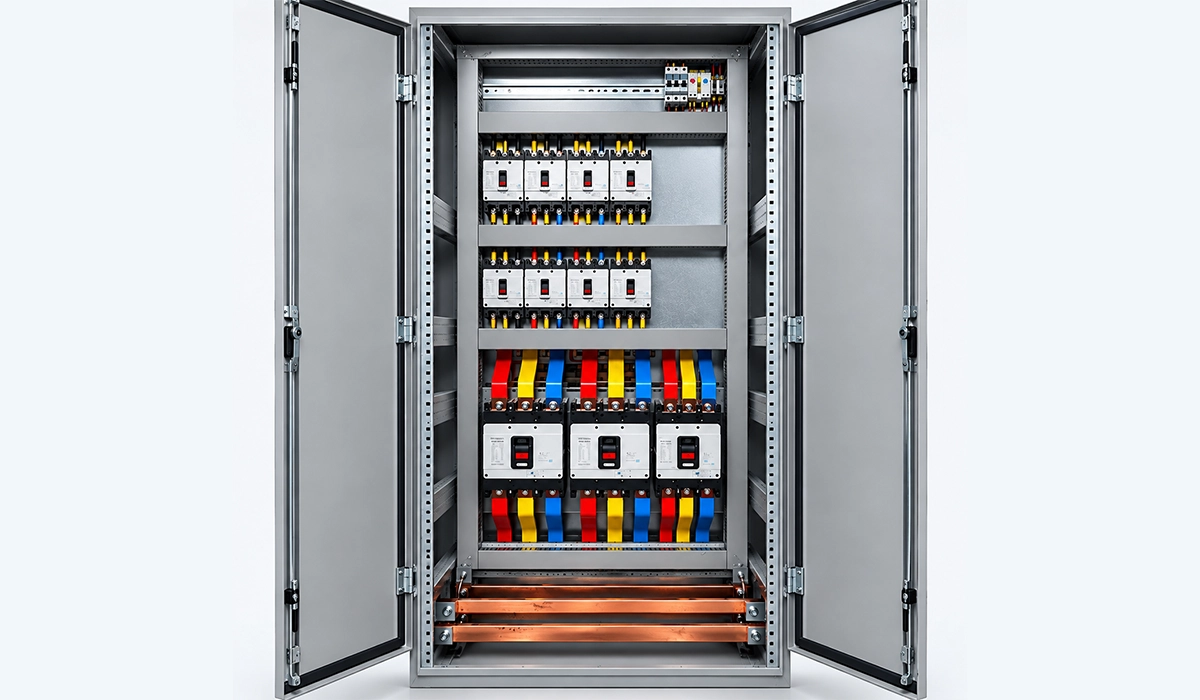
Matching the right rating to a switchboard enclosure follows the same environment-first logic. Our guide to the cubic electrical switchboard covers that application.
IP Ratings vs NEMA Enclosure Ratings
Both systems describe enclosure protection, but they are not the same system. The difference between IP ratings and NEMA ratings is scope rather than severity.
IP covers solids and water. NEMA Type ratings may additionally cover corrosion, icing, oil, coolant and outdoor exposure, depending on the Type.
| Standard | Common region | Main purpose |
|---|---|---|
| IP / IEC 60529 | International | Protection against solids and liquids |
| NEMA 250 | North America | Environmental enclosure protection by Type |
| UL 50 / 50E | North America and global projects | Third-party tested enclosure performance |
The conversion runs one way only. A NEMA Type can be cross-referenced to a minimum IP equivalent, because NEMA tests cover everything IP does plus more. An IP rating cannot be converted back to a NEMA Type, because the corrosion and icing tests were never performed.
A concrete illustration: NEMA Type 4X is tested with a fire hose — high volume, low pressure, ambient temperature. It has no equivalent to high-pressure hot-water cleaning, which is why North American engineers specifying steam-cleaned food equipment borrow the IP system instead.
Getting the standards right here is really just one part of specifying switchgear correctly overall. Our guide to choosing the right switchgear covers the rest of that decision.
High-Pressure Washdown: IPX9 and IP69K
These two get used interchangeably. They are not the same designation, and on a purchase specification the distinction matters.
IPX9 is the IEC 60529 designation for high-pressure, high-temperature washdown. IP69K — properly IP6K9K — comes from ISO 20653, the road vehicle standard, which inherited it from DIN 40050-9.
The physical tests are close: roughly 80 °C water at 80 to 100 bar, sprayed at close range. They differ in fan-jet nozzle angles and sample rotation, and testing to the wrong one can mean rejection by an automotive customer.
One further point. IP69K certifies jets, not immersion. It does not imply IP68.
Meeting these harsher test categories consistently is ultimately a manufacturing discipline question, not just a spec sheet. Our article on panel manufacturing covers that side of it.
How to Choose the Right IP-Rated Enclosure
Knowing how to choose an IP-rated enclosure means working from the environment, not the catalogue. Fourteen factors decide it:
- Indoor or outdoor installation
- Dust exposure and particle size
- Water exposure: rain, spray, jets, washdown or immersion
- Corrosion risk and chemical exposure
- Temperature range and UV exposure
- Cleaning procedures, including pressure and temperature
- Cable entry points and gland ratings
- Gasket material and expected service life
- Mounting position and maintenance access
- Regulatory or customer specification requirements
One point deserves more weight than it usually gets. The enclosure rating is only one part of system protection. Cable glands, vents, seals, latches, windows and connectors must all carry the same rating, and the assembly is only as good as its weakest entry point.
Some enclosure systems are already engineered around exactly this kind of environment-first specification. Our look at the Sivacon panel system shows one example.
Industry Applications
The same rating means different things in different plants.
Manufacturing
Control panels, automation systems, machine controls and operator interfaces face dust, oil mist and occasional water. IP54 to IP65 covers most of it, with the higher end where machining coolant or airborne swarf is present.
Food and Beverage
Washdown is the defining condition, and it is more aggressive than most people assume. IP66 is a common baseline; hot high-pressure cleaning pushes the requirement toward IPX9 or IP69K, and stainless construction usually comes with it.
Outdoor Utilities and Infrastructure
Rain, dust, UV and thermal cycling act together over years. IP65 or IP66 is typical, but material and coating matter as much as the rating — a compliant enclosure with an unprotected cut edge still corrodes.
Chemical Processing
Chemical splash and corrosive atmospheres are outside what IP measures. An IP66 enclosure in the wrong material will hold its seal and fail structurally, so grade selection sits alongside the rating rather than beneath it.
Marine and Coastal Environments
Salt, humidity and constant moisture attack fasteners, hinges and coatings before they defeat the gasket. 316L stainless and marine-grade coatings are the usual answer, alongside an IP66 or higher rating.
Mining and Aggregates
Fine abrasive dust in constant suspension makes IP6X non-negotiable. Vibration is the second factor, because it works fasteners loose and degrades gasket compression over time.
These same environmental pressures show up across industrial switchboard installations more broadly, not just in specialized enclosures. Our guide to industrial electrical switchboards covers that wider context.
Common Mistakes When Specifying IP-Rated Enclosures
Eight errors account for most enclosure failures in service.
- Assuming “waterproof” means the same at every rating. It is not a defined term.
- Choosing the highest rating without understanding actual exposure, then paying for it.
- Ignoring cable glands, connectors, vents and accessories, which must match the enclosure rating.
- Treating IP and NEMA as exact equivalents in both directions.
- Forgetting corrosion resistance, which IP does not measure at all.
- Assuming immersion protection implies high-pressure washdown protection. It does not.
- Not accounting for gasket degradation, compression set and thermal ageing over service life.
- Overlooking installation orientation and maintenance practice — a door left unlatched has no rating.
Many of these mistakes trace back to not fully understanding what’s actually inside the enclosure being rated. Our guide to switchgear components covers that missing context.
Why IP Ratings Matter for Industrial B2B Applications
The right rating decision is a maintenance decision made years in advance.
Correct specification reduces maintenance cost, cuts unplanned shutdowns, extends equipment life and protects the electrical components inside. It also makes procurement easier, because a rating with a stated environment behind it is defensible in a specification document.
The reverse costs more than the enclosure. Moisture in a panel is rarely a single failure — it is corrosion, intermittent faults, and eventually a replacement that could have been avoided at the quotation stage.
Correct specification is really just one input into the broader goal of keeping switchgear performing reliably over its service life. Our guide to optimizing switchgear performance covers that bigger picture.
How IP Performance Is Actually Built
A rating is a test result on one sample. Whether the units that follow it perform the same is a manufacturing question.
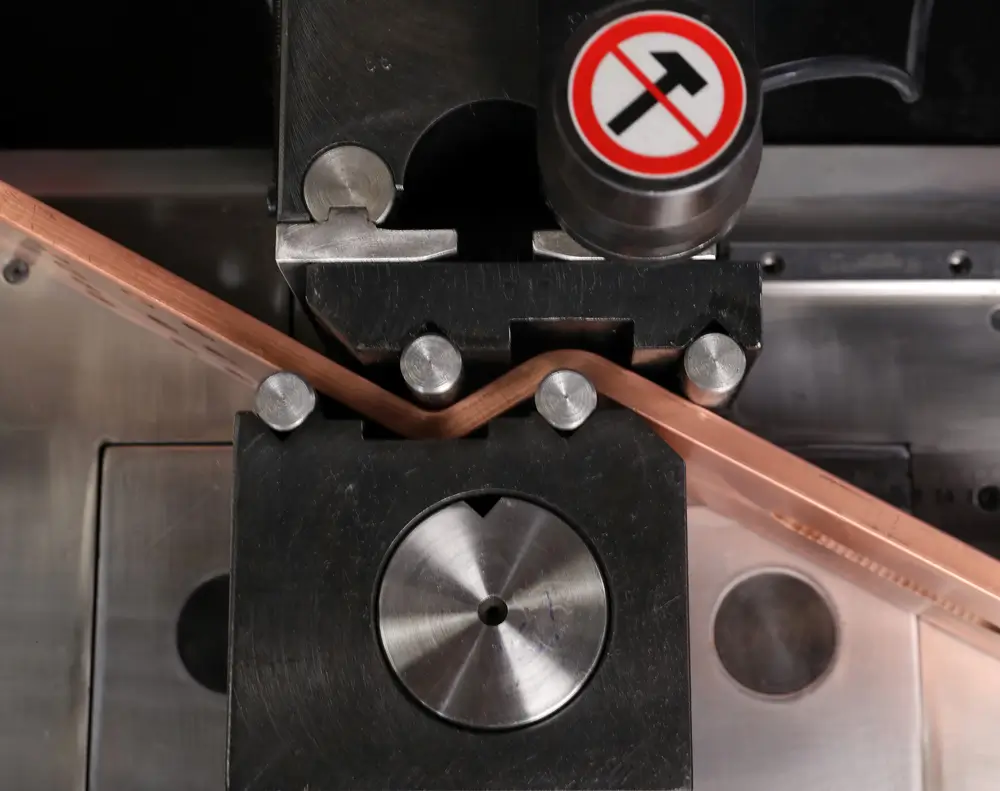
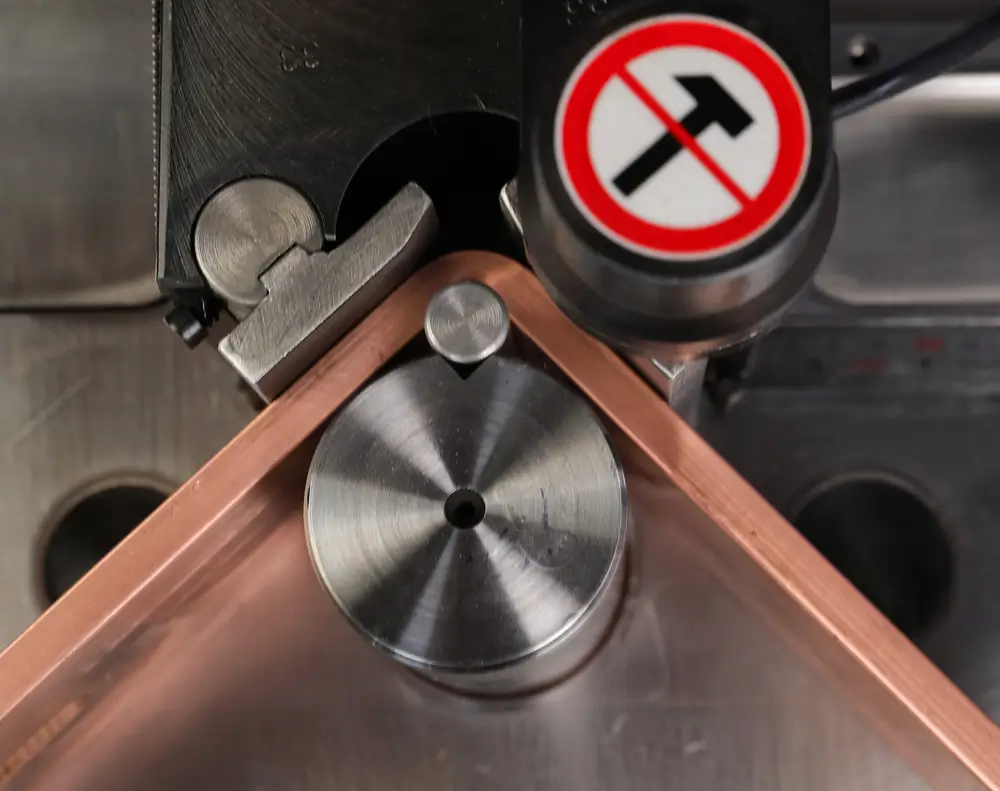
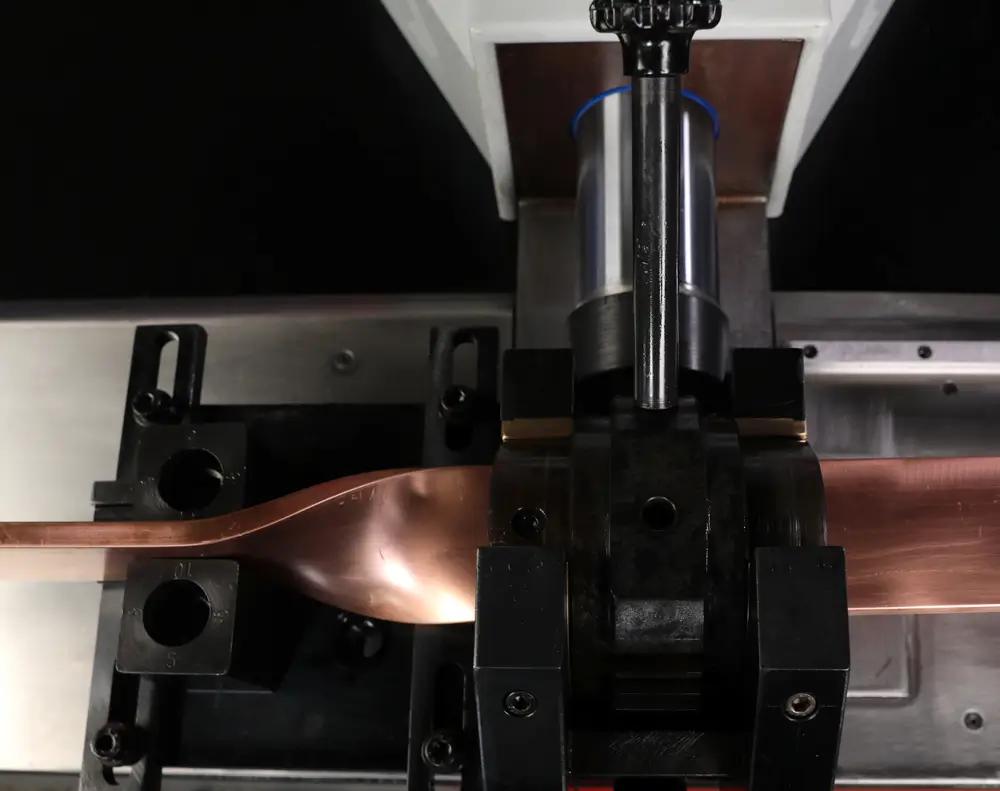
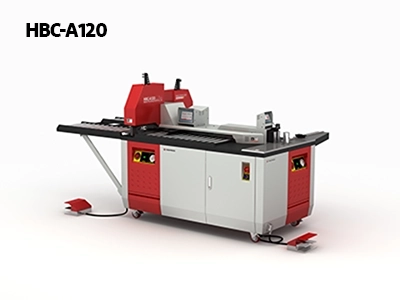
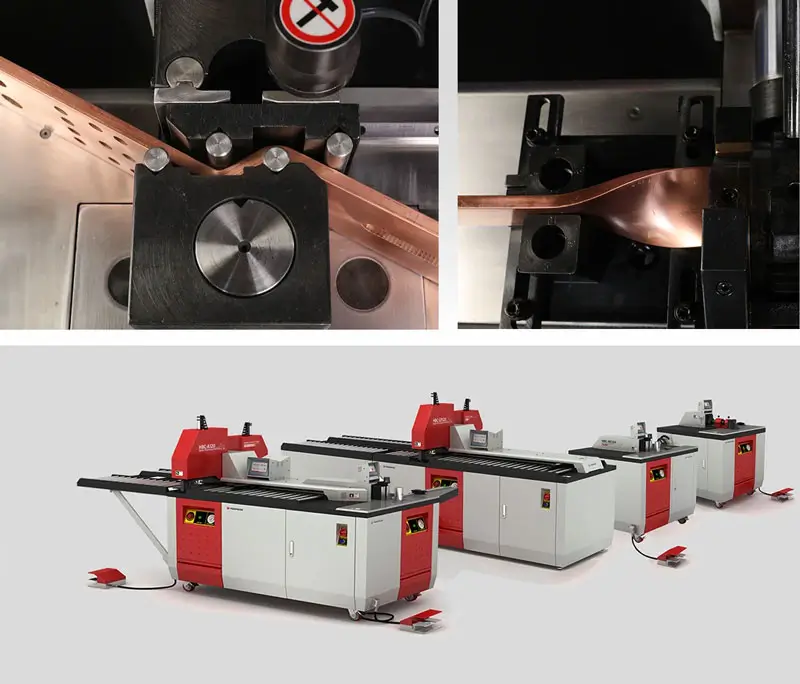
Three features decide it. The corner, where the gasket has to turn and where compression is hardest to hold. The sealing surface itself, which has to stay flat and unbroken. And the cable entries, where the gland rating and the panel rating have to match.
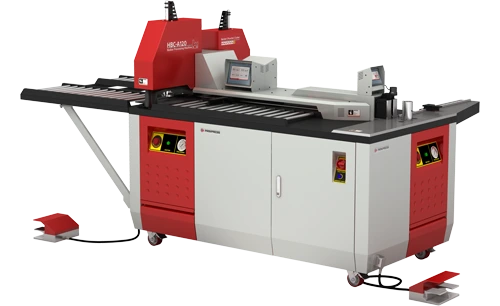
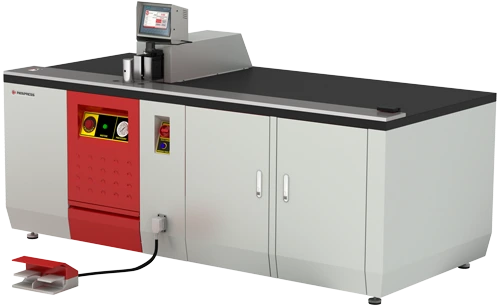
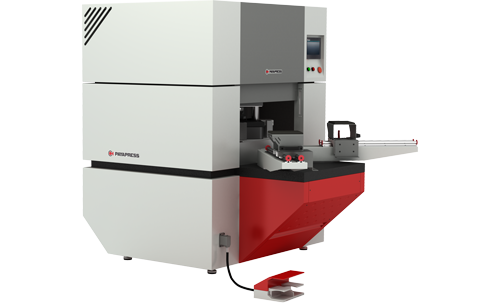
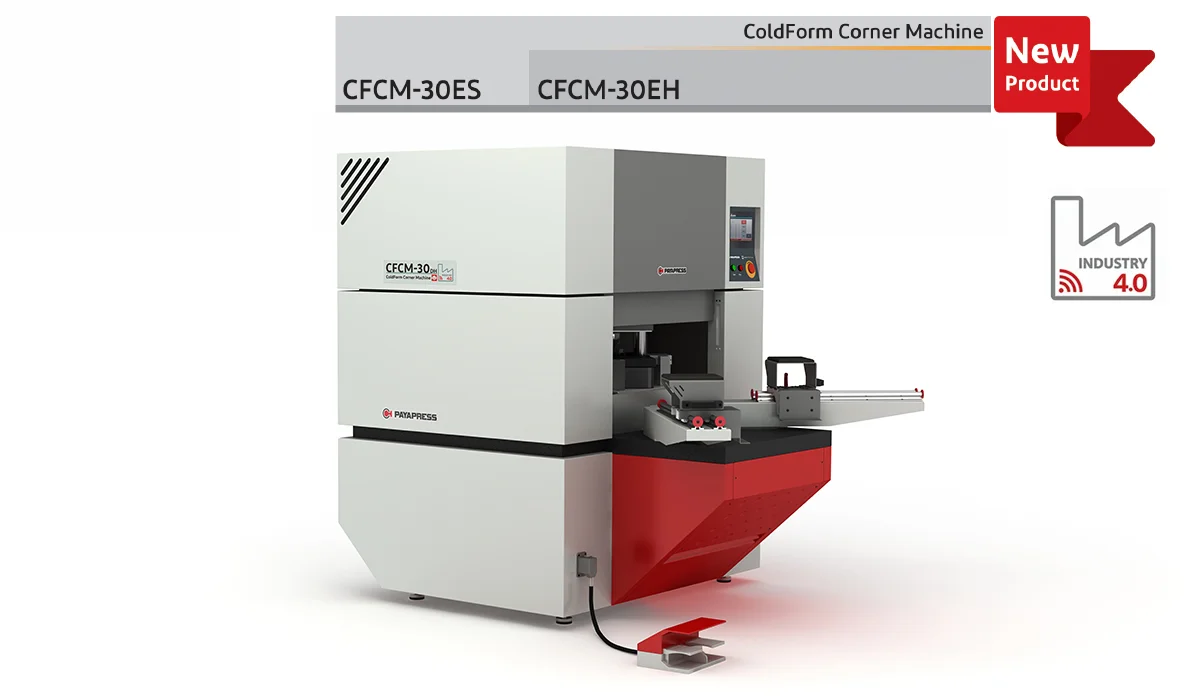
Consistent corner forming and accurate panel punching are what let a tested configuration repeat across a production run rather than across a sample.
Conclusion about Ingress Protection
Three things are worth carrying away. The first digit is object size and the second is a test category, not a severity scale. Water protection is cumulative only to numeral 6, so IP67 does not imply IP66. And IP measures dust and water alone — corrosion, chemicals and UV are separate questions.
Specify from the environment, confirm the accessories carry the same rating, and ask what conditions the test was actually run under.
Zooming out, ingress protection is just one piece of specifying a panel correctly from the ground up. Our holistic review of steel panels covers the rest of that picture.

Rate this article
Choose a rating from 1 to 5 stars.
No ratings yet