Category: DIY Workshop Journey

Electrical Panel Build

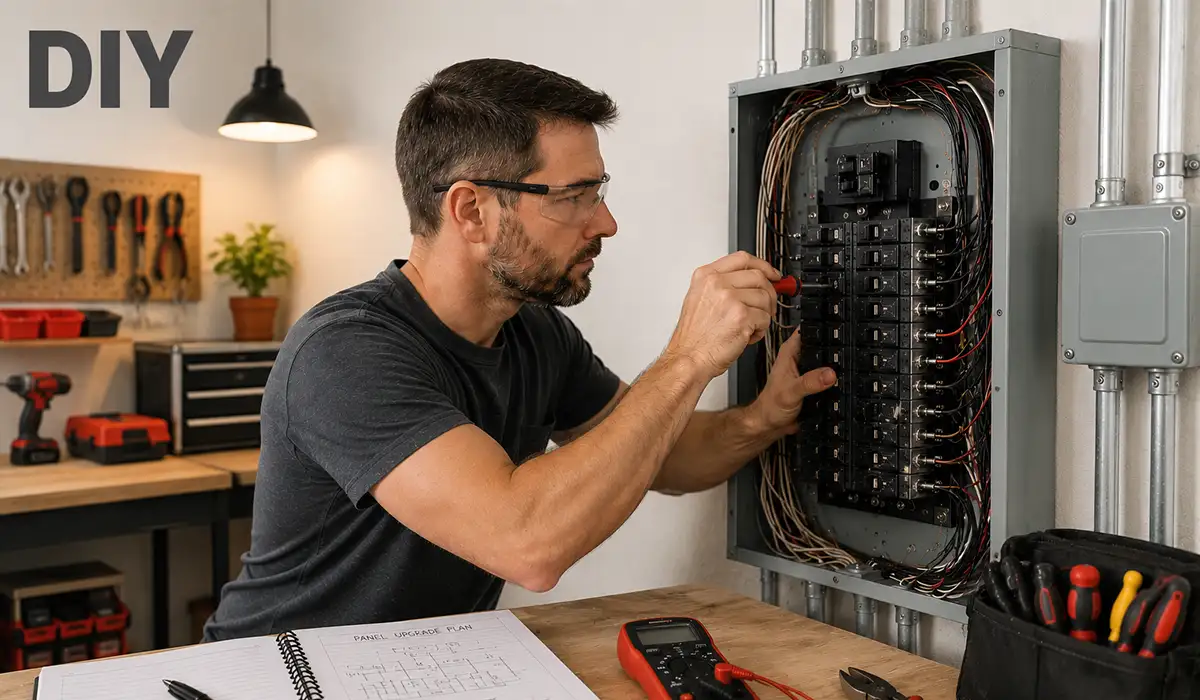
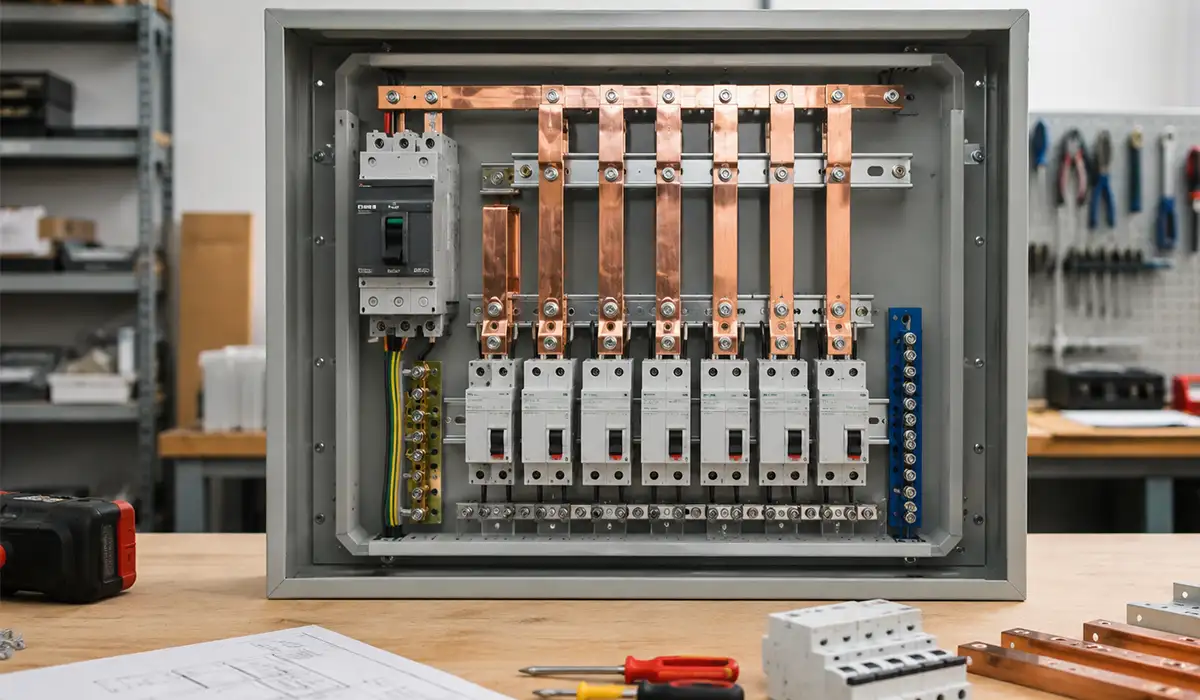
My DIY Electrical Panel Build Story: How I Learned IEC 61439, UL 891, NEC, CE, and IECEx the Hard Way

I started this project thinking I was building a “simple” low-voltage control and distribution panel for my workshop expansion.

By the end, I had a much better panel, a lighter wallet, two burned weekends, one failed inspection-style review, and a deep respect for standards.

This is my real-world DIY journey, step by step, from sketching the enclosure to understanding why standards and compliance are not just paperwork. They directly affect safety, testing, wiring layout, labeling, and whether your panel is actually usable in the real world.

A quick note before I begin: I am sharing this as a project story and learning guide, not as a substitute for local code requirements, certified design review, or licensed electrical work. For anything that touches mains power, short-circuit ratings, or legal installation, I now always involve a qualified electrician or panel professional.
Read More »
Inspection

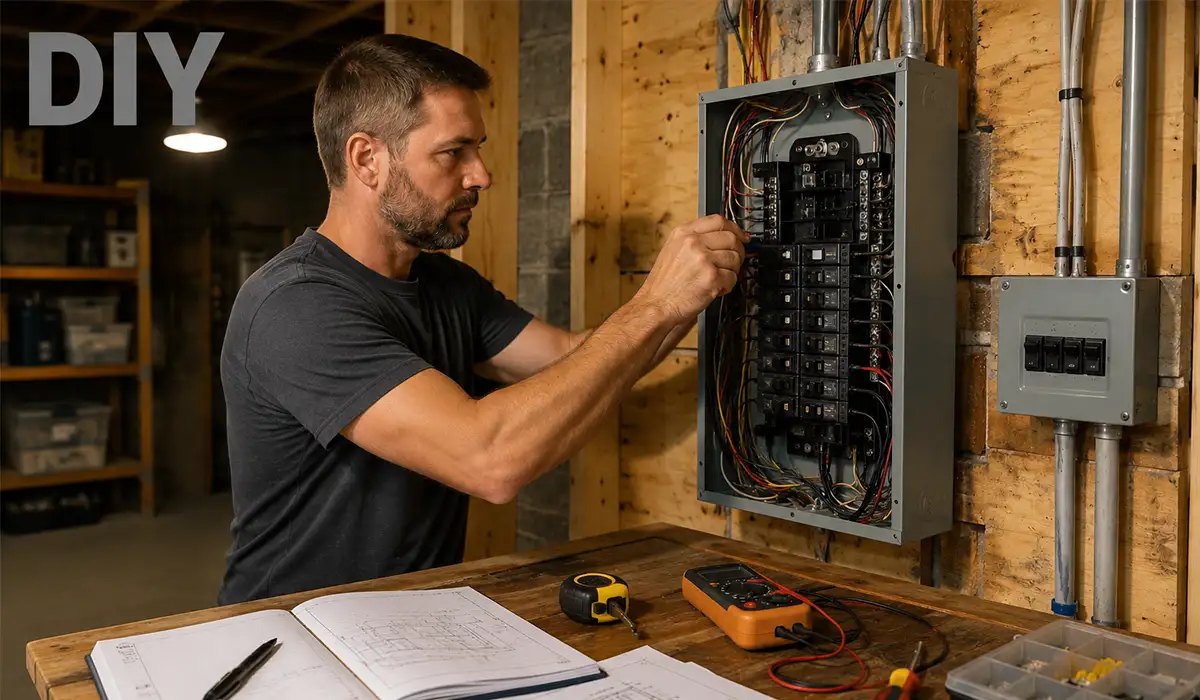
My DIY Electrical Panel Journey Through Busbar Types, Installation, and Inspection

A few years ago, I decided to rebuild the power distribution inside my small workshop panel after adding a bigger air compressor, a drill press, and a compact CNC machine. At first, I planned to wire everything with oversized cables and call it done.

That plan lasted until I opened an old industrial control cabinet and saw how cleanly the power was distributed with busbars.

That moment changed how I looked at electrical panels.

In this article, I will share my real DIY learning journey with busbars: what they are, why they exist, how they work, what types I compared, how I sized and installed them, how I inspected them, and the mistakes I made along the way. I will also cover related terms like bus coupler, bus duct, and busbar trunking system, because I got confused by all of those at the beginning too.

A quick safety note before we start: I only do limited low-voltage panel work within my competence, and I consult licensed electricians/engineers when needed. If you are dealing with mains distribution, high fault levels, or high-voltage equipment, do not treat this as a substitute for professional design or code compliance.

Read More »
GE breaker

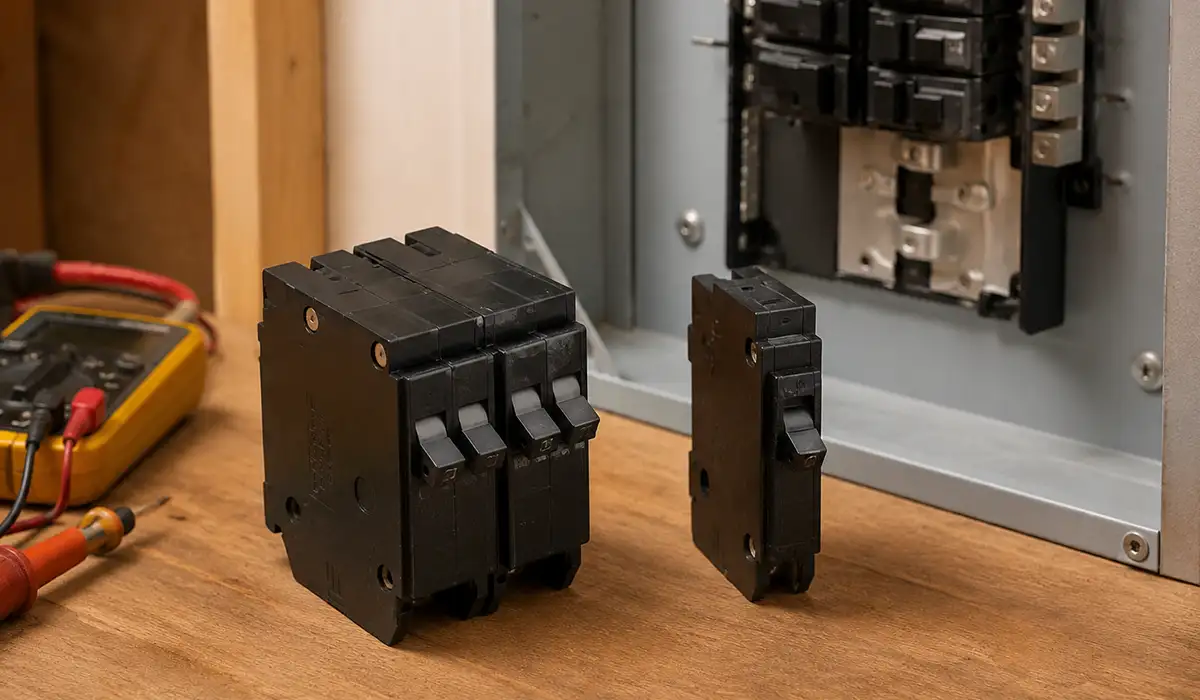
My Real-World DIY Journey Through GE Breaker Compatibility

I’ve done a lot of DIY over the years—paint, framing, plumbing repairs—but nothing has demanded more humility (and more respect) than working around electrical panels. Not because it’s “mysterious,” but because it’s unforgiving. One wrong assumption—one “it probably fits”—can turn into heat, arcing, damaged bus stabs, or worse.

This blog is my hands-on, real-life project to clean up and expand a home load center, figure out what breakers are compatible with GE, decode GE breaker IDs, and navigate through the rabbit hole of compatibility vs interchangeability. Along the way: a few small wins, a couple expensive mistakes, and one moment where I stopped and called a pro—because safety isn’t optional.

Safety note (serious): I’m sharing a realistic DIY journey and decision process—not encouraging unqualified panel work. If you’re not trained, don’t remove the dead-front or modify service equipment. In many places, adding a main breaker or changing service equipment requires permits and a licensed electrician.

Read More »
DIY AFCI Breaker

AFCI Arc-Fault Breakers Explained: My Real DIY Panel Upgrade (Mistakes, Fixes, Code Tips)

I used to think “electrical fires” were mostly about overloaded circuits. Then I opened up a couple of old receptacles during a remodel and noticed: slightly loose terminals, darkened insulation, and that faint “hot plastic”. That was my turning point. I decided to learn arc-fault protection (AFCI) properly, and upgrade the circuits I was touching so the safety matched the new finishes.

Quick safety notes before we start: working inside a panel can kill you. I did most of this as a DIYer, but I still pulled permits where required, followed lockout practices, and had a licensed electrician verify the final work and torque settings. If you’re not fully confident, hire it out. Your future self will thank you.

Read More »
Power Distribution Plan

My Real DIY Upgrade Journey from Confusion to a Safe US-Compliant Power Distribution Plan

When I started upgrading my small workshop into a more serious electrical and fabrication space, I thought the hard part would be the physical work: mounting enclosures, routing conduit, pulling feeders, and labeling everything neatly.

I was wrong.

The hardest part was understanding what I was actually buying.

I kept using electrical panel, switchboard, and switchgear as if they meant the same thing. They do not. That confusion cost me time, one bad quote request, and a very embarrassing phone call with a distributor.

This is the story of how I fixed that mistake, built a practical selection process, and learned what to look for in US projects, especially when comparing UL 891 switchboards, panelboards, and low-voltage switchgear.

I am sharing my exprience because that is exactly how I learned it: through trial, errors, re-checks, and a lot of note-taking.

Read More »
Earthing Systems and Grounding

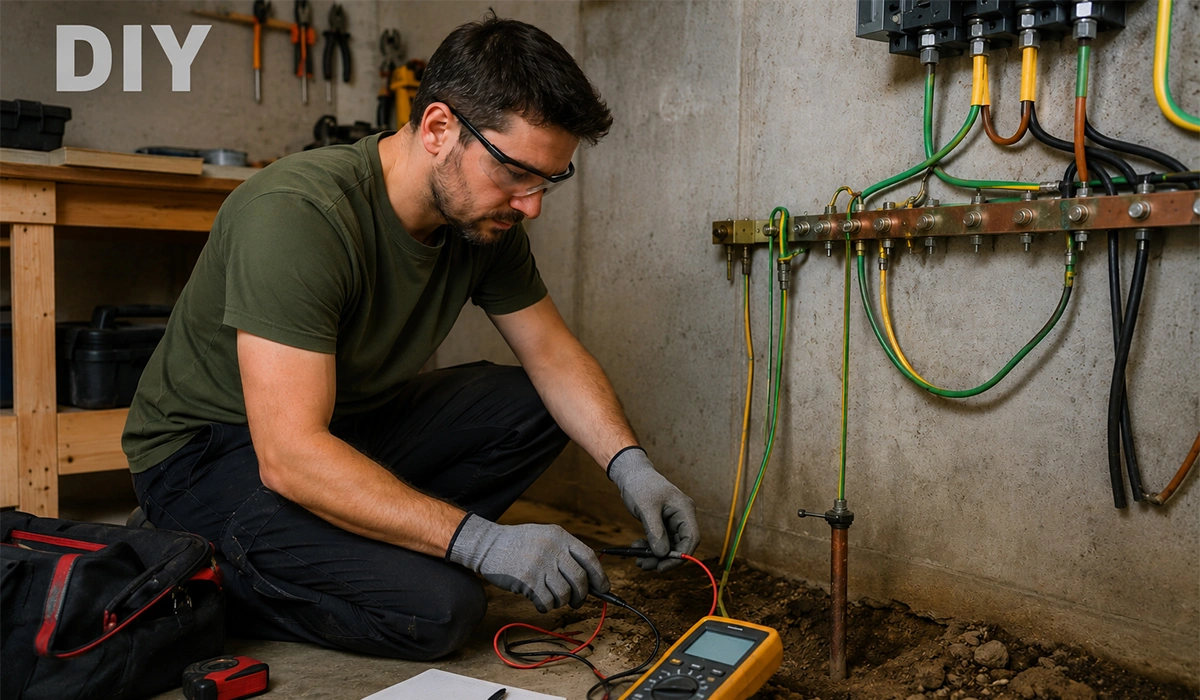
My DIY Workshop Journey Through TT, TN, IT, and Earth Resistance Testing

I used to think grounding was the “easy part” of a panel project.

You bolt a green-yellow wire somewhere, drive a rod into the soil, tighten everything, and move on to the fun part—breakers, contactors, busbars, and clean cable routing.

That mindset cost me two weekends, one nuisance-tripping nightmare, and a very humbling conversation with a licensed electrician.

This article is the real story of how I learned earthing (grounding) systems the hard way while upgrading a small workshop distribution setup for mixed loads: a bench drill, an inverter-based welder, LED lighting, a VFD-driven motor, and a couple of sensitive measurement instruments. I’ll walk through what I got wrong, what I fixed, and how I finally understood the difference between TT, TN, TN-S, TN-C, and IT concepts—plus what earth resistance actually means in practice.

If you’re an engineer, panel builder, or serious DIYer, this will save you time and probably a few mistakes.

Important note: This is a practical educational story, not a substitute for local electrical code compliance or a licensed inspection. Earthing/grounding work can be dangerous.

Read More »
NEMA or IP

My DIY Electrical Panel Enclosure Journey: How to Choose NEMA or IP Rated Enclosures

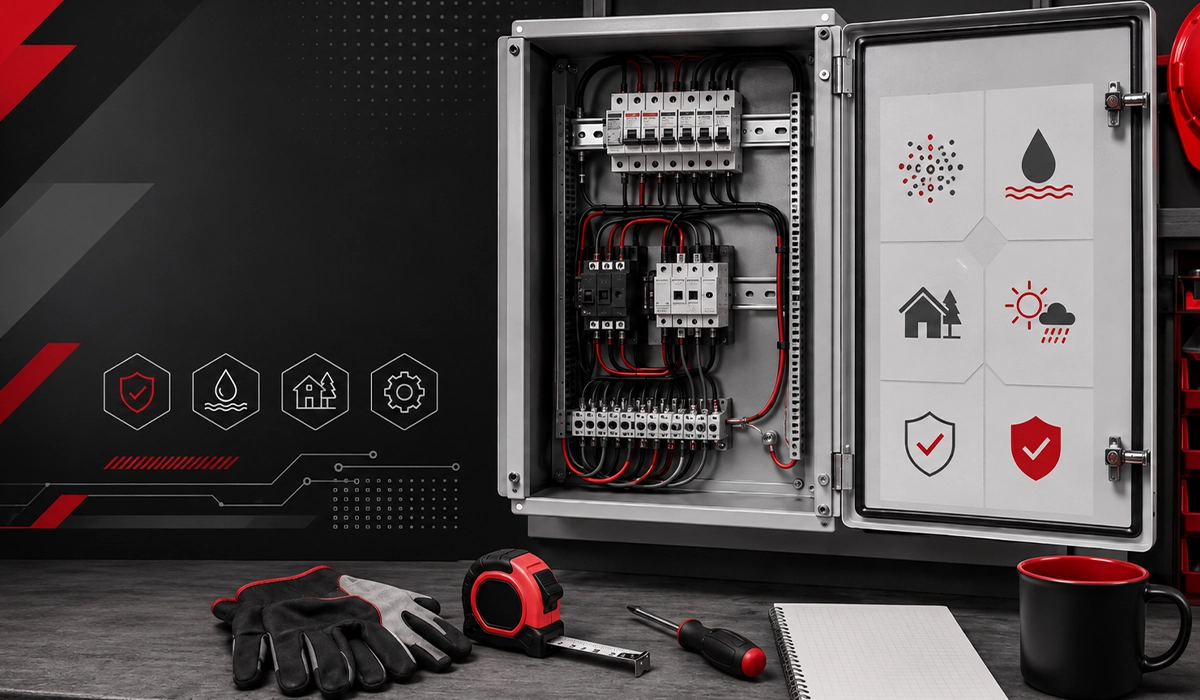
Choosing an electrical panel enclosure looks simple until the real workshop environment starts testing it. In my first DIY control panel build, I treated NEMA 12, IP55, IP54, and pollution degree as catalog labels instead of critical design decisions — and that mistake led to dust ingress, moisture concerns, poor sealing, and a complete rebuild. This article explains what I learned from building an electrical panel enclosure for a dusty industrial workshop, how NEMA and IP ratings actually affect enclosure selection, and why pollution degree matters more than most DIY builders realize.

Read More »
Electrical Conduit

DIY Journey: How I Buried Underground Electrical Conduit (and Finally Got It Right)

I’ll be honest; this project looked simple in my head.

I wanted power in a small backyard workshop corner and a reliable wired connection for a smart controller/camera setup. In my mind, it was “just dig a trench, drop some conduit, pull wire, done.” In real life, it turned into one of those DIY jobs that teaches you respect—respect for planning, respect for code, and respect for how much time small mistakes can steal.

This is the real story of my conduit & wiring installation project: the wrong assumptions I made, the tools I wish I had from the start, and the moment I finally understood why underground work is less about speed and more about discipline.

I’m sharing it as a practical, first-person journey—not as a replacement for your local electrical code, permit process, or a licensed electrician for final connections. But if you’re planning an underground run, this should help you avoid the mistakes I made.

Read More »
Generator Sizing

How I Sized, Wired, and Tested the Right Backup Generator for 100A–200A Service

I started this project after one too many power outages turned my “I’ll deal with it later” attitude into a very practical problem.

The final straw was a winter outage that lasted almost 11 hours. My refrigerator was warming up, my boiler controls were down, the Wi-Fi was dead, and I was walking around with a flashlight trying to remember where I had put the extension cords. I had a small portable generator, but it was nowhere near enough for what I actually needed.

So, I decided to do it properly; plan a whole-house generator setup (or at least a smart version of one), understand the generator sizing, and learn the wiring details before spending money.

This was not a one-day success story. I made sizing mistakes, misunderstood service amperage, underestimated startup loads, and almost chose the wrong cable size. But by the end, I had a much clearer understanding of how to choose a generator for 100A, 125A, 150A, and 200A service, how to think about wire sizing for a 100A generator, and how to answer simple but important questions like:

“How much current is 700 watts on single-phase?”
“How do I know if my house is single-phase or three-phase?”
“How much copper is actually in a generator?”

I’ll walk you through the project in the same order I lived it—mistakes included.

Read More »
Overcurrent

My Real-World Journey Through Overcurrent, Surge Protection, Harmonics, and Skin Effect

I’ve built a lot of small electrical control setups over the years—some for workshop machines, some for testing, and a few just because I wanted to understand why certain panels behave well while others become a never-ending troubleshooting project.

This story is about one of my most educational DIY builds: a compact workshop distribution and control panel upgrade for a small metalworking corner with a VFD-driven motor, sensitive measuring instruments, and a few inductive loads. On paper, it looked simple. In reality, it forced me to learn (the hard way) how protection engineering works in practice—especially overcurrent protection, surge protection and insulation coordination, harmonics and harmonic filters, and even the skin effect in conductors.

I made mistakes. I misread settings. I chased nuisance trips that turned out to be harmonics. I underestimated how much conductor layout affects heat. And I learned that “DIY” does not mean “guess and hope.”

If you work with electrical panels, control cabinets, or even serious workshop power systems, this journey will feel familiar.

Important safety note: I’m sharing a practical learning story, not replacing formal design verification or licensed electrical work. For mains-connected systems, local electrical codes and qualified professionals are non-negotiable.

Read More »

Real workshop lessons on buying, comparing, and using busbar machines and other industrial equipment more efficiently.