10 Important Tips for Maintaining Industrial Electrical Switchboards
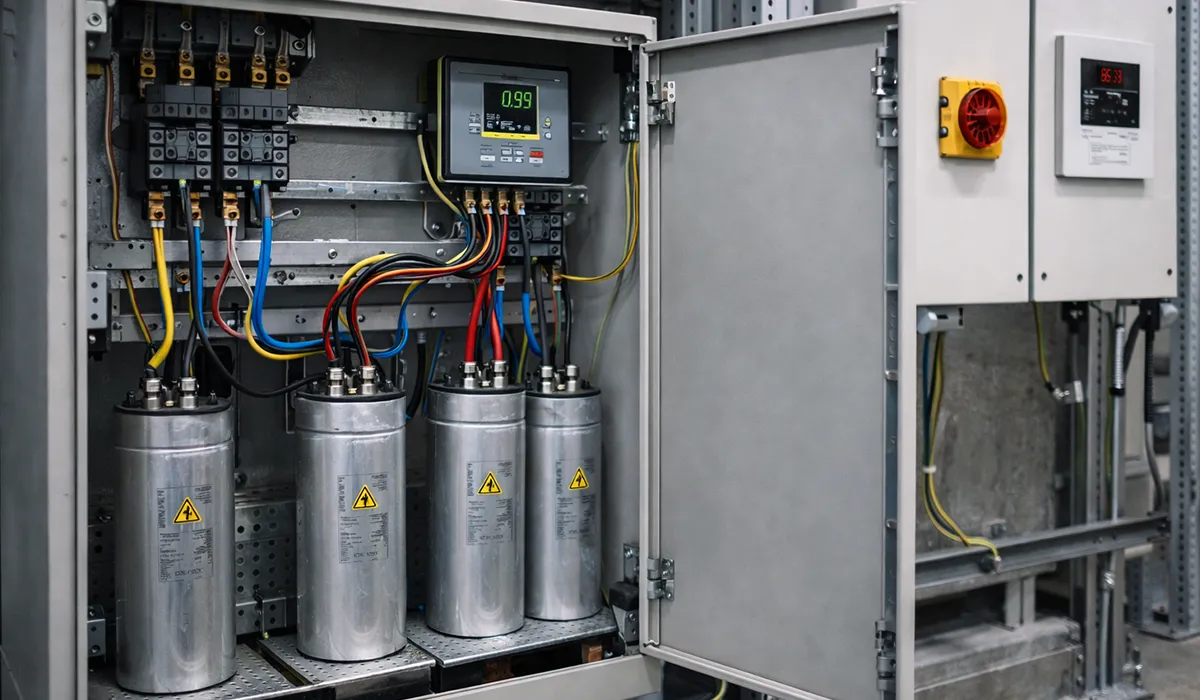
As you know, an industrial electrical switchboard is a metal or non-metal enclosure used for installing equipment and creating electrical connections through conductors, enabling safe and reliable operation of the system.
In general, wherever electrical energy is used for generation, transmission, distribution, conversion, or control of electrical loads, the presence of electrical switchboards is essential.
After a switchboard is installed and placed under load in a project, it is normal that, over time, some components may require service and maintenance. You cannot realistically expect power distribution equipment to operate continuously without any issues.
So, by learning and correctly applying a few key practices, you can maximize the lifespan and durability of the switchboard and its components.
Key Factors That Help Extend Switchboard Life
Perform a Thorough Switchboard Inspection
Before doing anything else, carry out a complete assessment, including a visual inspection, thermal scanning, partial discharge testing, and any other relevant tests that help improve switchboard performance and reliability.
Take Maintenance and Support Recommendations Seriously
To improve longevity, the switchboard should be cleaned, inspected, and lubricated regularly. Factors like humidity and heat combined with dust and biological contamination can damage insulation and create unwanted conductive paths, increasing the risk and severity of failures in protective devices. Always keep an eye on upgrading electrical components when needed.
Use Infrared Inspection (Thermography)
Infrared tools are valuable. They do not replace proper maintenance and repair, but thermal (infrared) imaging makes it easy to identify overheating or at-risk components.
It’s also important to know how to use infrared properly, because it can help you detect urgent issues before a full or partial power outage happens.
With infrared monitoring, you can identify potential faults early, report them quickly, and plan corrective actions accurately.
Operate the Main Circuit Breaker Annually
Once a year, manually operate (cycle) the main circuit breaker. It’s simple but valuable, because it helps keep contact surfaces clean and ensures moving mechanisms operate freely.
Outsource Repair and Maintenance if Needed
If you want peace of mind, assign switchboard maintenance to a professional electrical engineer or a skilled contractor.
They can target all required service actions, and you won’t have to worry about maintenance being forgotten or delayed.
Keep Archived Records and Track Trends
Besides standard maintenance tests (such as those performed during breaker checks), insulation degradation and mechanical wear may not always be obvious.
Some switchboard components with older designed tolerances may still remain usable for a long time. Historical records provide insight into expected equipment life and help you focus heavier maintenance where it’s most needed.
Use Preventive Maintenance Tools
For better durability and compliance with maintenance requirements, use preventive maintenance tools. Available online monitoring systems can help predict potential failures correctly.
These systems operate continuously. One key benefit is identifying hidden or subtle conditions, which supports smarter maintenance planning.
Upgrade Switchboard Equipment When Necessary
With advancements in electricity and industry, older equipment may become outdated and no longer suitable. In such cases, newer technology may be required, meaning you replace an old switchboard with a new one.
If you want a more economical solution, you can keep the main structure of the switchboard and upgrade the internal equipment using modern features and technologies.
Perform Short-Circuit Analysis and Verify Current Direction
This is very important. If switchboard equipment does not have an adequate short-circuit rating, it can cause serious damage to equipment and the workplace. A short-circuit analysis can determine the switchboard’s required rating.
It may also be necessary to re-adjust breaker settings, because correct breaker settings can prevent unnecessary tripping.
Apply the NFPA 70E Standard in Switchboard Practices
One action for implementing NFPA 70E workplace electrical safety requirements is maintaining all electrical power distribution systems. In practice, NFPA 70E recommends following NFPA 70B.
The maintenance recommendations for electrical equipment align well with manufacturer guidance and proven best practices.
Maintaining Electrical Control Systems
Proper maintenance of electrical control systems is critical to ensure stable, safe, and efficient operation of electrical equipment and facilities. This process includes preventive and periodic actions that prevent sudden failures and increase equipment lifespan.
Why Control-System Maintenance Matters
- Longer equipment life: Identifying and fixing issues early prevents major damage.
- Lower repair costs: Preventive maintenance reduces unexpected repair expenses and avoids production or service downtime.
- Improved safety: Addressing safety issues helps prevent accidents and electric shock.
- Better efficiency: Adjusting and calibrating equipment improves performance and reduces energy consumption.
- Standards compliance: Regular maintenance keeps systems aligned with safety and performance standards.
Control-System Maintenance Actions
- Periodic inspection:
- Visual checks for corrosion, physical damage, and loose connections
- Measuring electrical parameters such as voltage, current, and insulation resistance
- Functional testing of breakers, contactors, and other control devices
- Checking the grounding system and equipment grounding connections
- Verifying the condition of terminals and connections
- Cleaning:
- Removing dust and contamination from equipment
- Cleaning contacts and terminals
- Calibration: Calibrating measurement and control devices
- Repair and replacement of faulty parts: Identifying and replacing worn or defective components on time
- Software updates: Updating controller software and monitoring systems
Maintenance Checklist for Electrical Control Systems
- Protective devices: fuses, miniature circuit breakers, relays, current and voltage transformers
- Control equipment: contactors, timers, thermal relays, PLCs
- Measuring instruments: ammeters, voltmeters, frequency meters
- Cables and connections: insulation condition, terminals, and connection integrity
- Grounding system: ground resistance and grounding connections
- Switchboards: cleaning, connection checks, functional tests
- Ventilation systems: fan operation and cooling system performance
Factors That Affect Maintenance Frequency
- Equipment type: different equipment requires different maintenance intervals
- Environmental conditions: temperature, humidity, and contamination affect frequency
- Usage level: heavily used equipment needs more frequent maintenance
- Safety standards: specific standards define or influence maintenance frequency
Conclusion
Final note: It’s best to always focus on adjustment, maintenance, and fault correction for electrical switchboards. Doing so increases the durability and longevity of the switchboard and its components, and also helps prevent potential losses and damage. Build a maintenance routine that includes inspections, thermography, recordkeeping, periodic functional tests, and standards-based safety practices, then adjust frequency based on environment, usage level, and equipment condition.
FAQ
Why is infrared inspection useful for switchboards?
Thermal (infrared) imaging makes it easy to identify overheating or at-risk components, helping detect urgent issues before a full or partial power outage happens.
Why should the main circuit breaker be cycled annually?
Manually operating the main circuit breaker helps keep contact surfaces clean and ensures moving mechanisms operate freely.
Why do maintenance records matter?
Historical records provide insight into expected equipment life and help you focus heavier maintenance where it’s most needed.
Why is short-circuit analysis important?
If switchboard equipment does not have an adequate short-circuit rating, it can cause serious damage to equipment and the workplace. A short-circuit analysis can determine the switchboard’s required rating.
How does NFPA 70E relate to maintenance?
NFPA 70E workplace electrical safety requirements include maintaining electrical power distribution systems, and in practice NFPA 70E recommends following NFPA 70B.