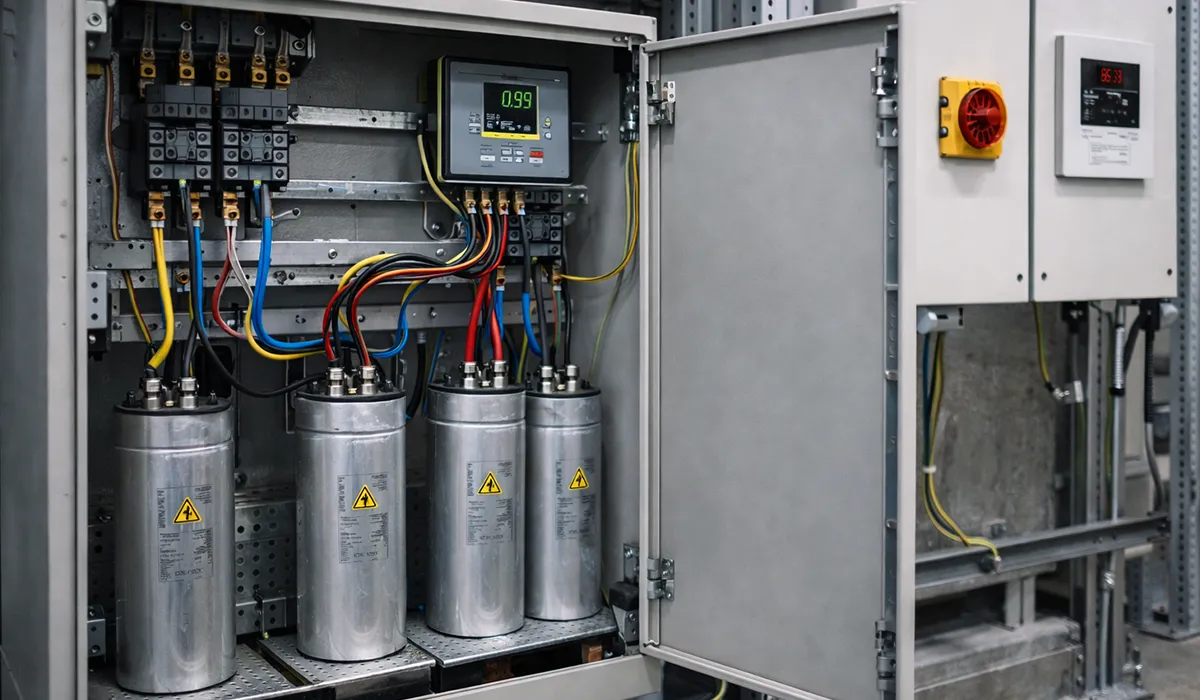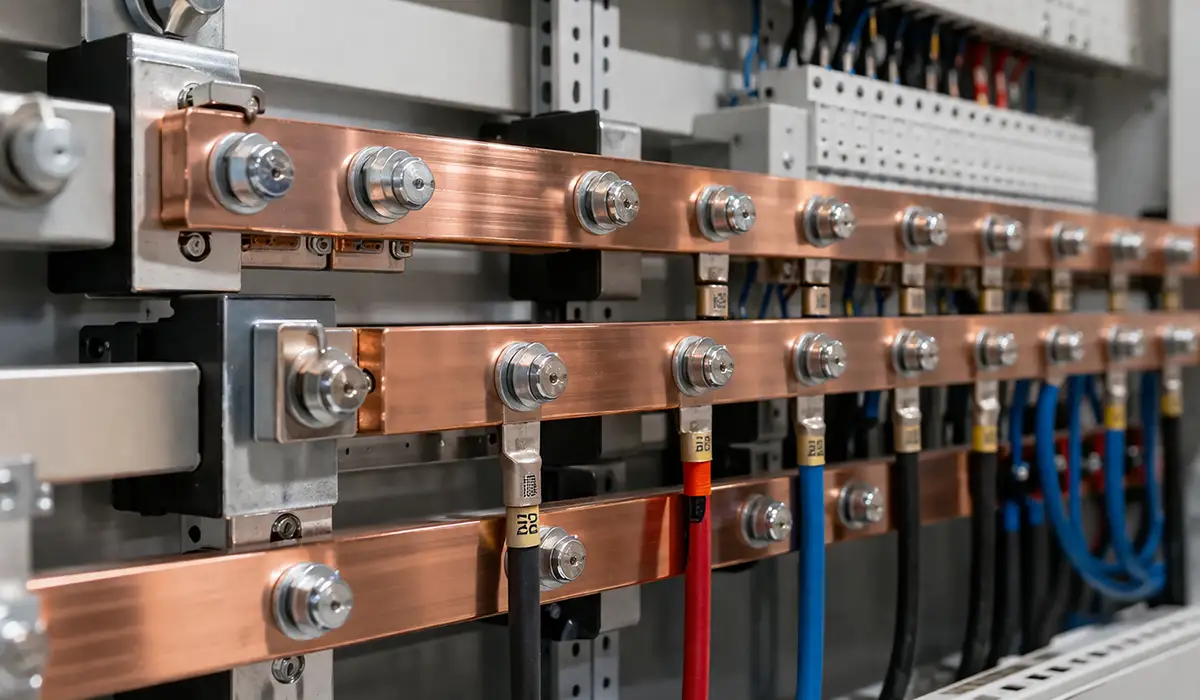
Terminal bus bars are one of those components that quietly keep the electricity flowing without much fanfare, until someone has to wrestle with a spaghetti of cables in an electrical panel. In essence, a terminal bus bar is a solid metallic strip or bar that serves as a common electrical node used to distribute power from a single source to multiple branch circuits. It’s often found in control panels, switchgear, and power distribution blocks where reliability, low impedance, and neat wiring are paramount. A bus bar can be made from copper or aluminum and typically uses studs or bolts to accept multiple connections and lugs — think of it as a home base where all your power feeds arrive and depart.
Many electrical designers prefer terminal bus bars for high-current distribution because they reduce resistance and heat rise compared with bundled cables. In contrast with terminal blocks (more on that soon), a bus bar offers a shared potential across all its connection points, which makes them ideal for power distribution rather than isolated circuit terminations. You’ll see them in industrial cabinets where compact footprints and high currents matter, or in marine and renewable energy applications where corrosion resistance and serviceability are essential. This guide walks through what bus bars are, how they differ from terminal blocks, when to use copper vs aluminum, how to size them, and what standards like IEC 61439 and UL 508A mean for your design.
If you’ve ever wondered why your panel looks messy or why your terminal block isn’t handling the current you expected, you’re in the right place. We’ll keep things friendly, real-world, and practical so you can write content that engineers and builders actually enjoy reading — and search engines happily rank.
Further exploration of Power Distribution Systems can be found in the following recommended reading.
What Is a Terminal Bus Bar?
A terminal bus bar is a conductive metal component used to distribute electrical power from a single source to several branch circuits. In control panels and switchgear, it acts as a low-impedance “hub” where connections are bolted or clamped, often using studs or screw lugs. Unlike discrete wire terminations on a rail, a bus bar provides a common electrical potential point for multiple circuits, which improves current sharing and simplifies power distribution in heavy-duty installations. Copper is common for its high conductivity and strength, while aluminum is chosen when weight and cost are priorities.
Bus bars are different from the bus structures used in utility substations (large conductors between major switchgear) but serve the same basic role on a smaller scale inside control panels and distribution boards. They are often insulated or enclosed for safety and can be configured as power distribution blocks or consolidated distribution nodes. For a comprehensive understanding of busbar design principles, we highly recommend reviewing this article.
Terminal Bus Bars vs. Terminal Blocks (Quick Contrast)
At a glance, terminal bus bars and terminal blocks look similar: rows of connection points inside a panel. But they serve very different purposes:
| Terminal Bus Bar | Feature |
|---|---|
| Distributes power from one source to many points (common potential) | Function |
| High current (hundreds to thousands of amps) | Current Handling |
| All connections share same node | Isolation |
| Often needs external cover or enclosure | Insulation |
| Less modular once installed | Flexibility |
Terminal blocks are best when you need isolation and frequent modifications, such as test setups or control wiring. Terminal bus bars excel when you need robust low-impedance power distribution to many circuits from a common feed point. Further exploration of busbar fundamentals can be found in the following recommended reading.
Where Terminal Bus Bars Are Used
Terminal bus bars show up in a surprising number of electrical systems where power distribution needs to be clean, reliable, and compact. Common applications include:
- Industrial control panels: Connect main feeds to motor starters, breakers, and contactors.
- Switchgear: Distribute power among feeder circuits in medium-voltage and low-voltage systems.
- Marine and vehicle power distribution: Deck power on boats or vehicle battery feeds often uses tinned-copper bars for corrosion resistance.
- Solar PV combiners and energy storage systems: When solar arrays and battery packs feed multiple inverters or breakers, bus bars reduce wiring complexity.
- Grounding/earthing systems: Heavy grounding connections use bus bars to tie multiple points to a common chassis or earth reference.
For example, in a retrofit of a factory control panel, consolidating twelve individual #2 AWG cable connections into a single 300 A tinned-copper terminal bus bar with protective covers cut wiring time in half and reduced overall heat rise in the panel — a real-world win for both installers and future maintenance crews. This article serves as a valuable resource for those seeking detailed information on power distribution boards.
Standards & Compliance (IEC 61439, UL 508A/1059)
Terminal bus bars are not free agents — they belong inside assemblies that must comply with electrical standards to be safe and certifiable. Key references include:
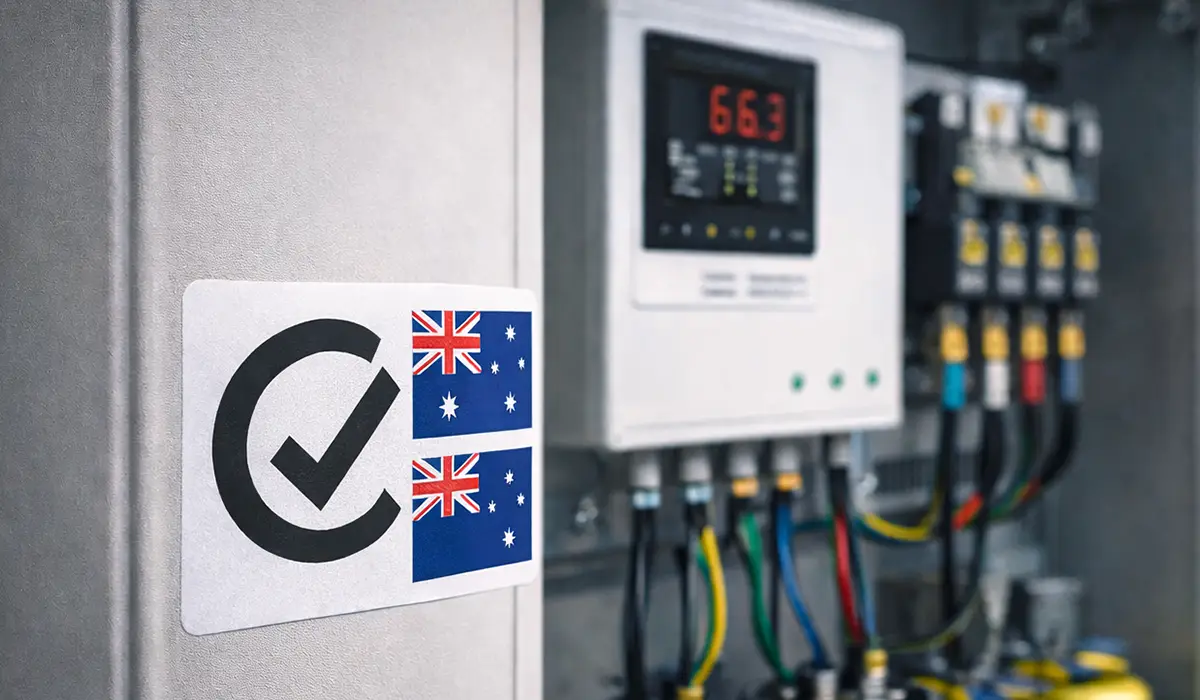
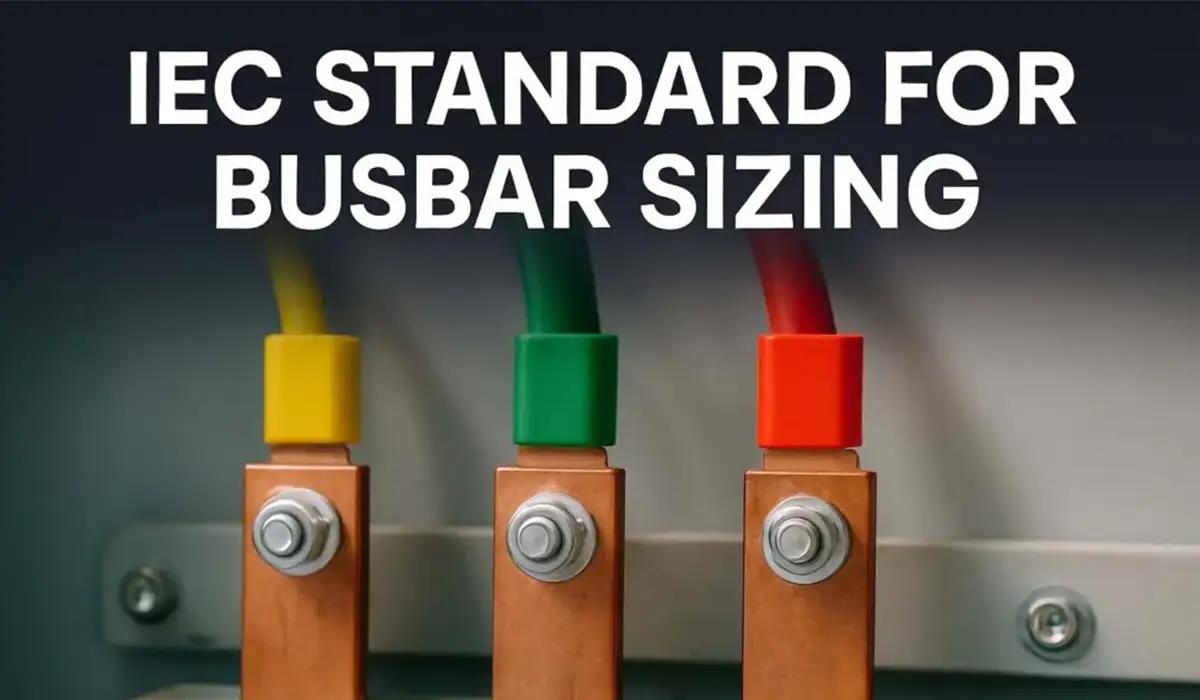
- IEC 61439 (Low-Voltage Switchgear and Controlgear Assemblies): Applies globally to busbar assemblies inside panels up to ~1000 V. It governs design verification, temperature rise limits, short-circuit withstand, and mechanical integrity.
- UL 508A (Industrial Control Panels): In North America, this standard covers industrial panels. It includes rules for terminal spacing, creepage, clearance, short-circuit current rating (SCCR) and verification testing.
- UL 1059 (Terminal Blocks): While focused on terminal blocks, it shapes expectations for insulation, spacing, and marking — important when panels use both bus bars and terminal blocks.
These standards aren’t just bureaucratic checkboxes. For example, IEC 61439 includes temperature rise limits for busbars under continuous current so your panel doesn’t cook itself over time. If you are looking for more information about IEC electrical standards, it is recommended not to miss reading this article.
Spacing, Creepage & Clearance Basics
A big part of compliance is ensuring adequate spacing between energized parts and other conductive surfaces. UL 508A, for instance, sets terminal spacing requirements based on voltage, while creepage (over surface) distances depend on insulation material and pollution degree. Using proper insulating barriers and covers reduces risk of shorts or staff injuries during maintenance. Always verify final values against the specific standard and component datasheets. Further exploration of UL standards resources can be found in the following recommended reading.
Sizing a Terminal Bus Bar (Capacity, Heat & Material)
Sizing a terminal bus bar isn’t guesswork. Good panel design starts with the expected maximum continuous current, then factors in material, temperature rise, and potential fault conditions. Here’s a structured approach:
- Determine Continuous Load: Sum all branch currents fed by the bus bar and apply a safety margin for future expansion.
- Select Material: Copper carries more current per cross-section and has lower resistance, which yields less voltage drop and heat than aluminum. Aluminum is lighter and cheaper but needs a larger cross-section to match copper’s ampacity.
- Cross-Section & Temperature Rise: Use vendor ampacity tables and reference IEC 61439 temperature rise limits (e.g., 70 °C above ambient for copper) to avoid overheating in service.
- Short-Circuit Withstand: Ensure your bus bar and assembly can handle fault currents for the required duration without damage.
- Environment & Enclosure: Ambient temperature, vibration, and ventilation affect how much heat the bus bar can safely dissipate.
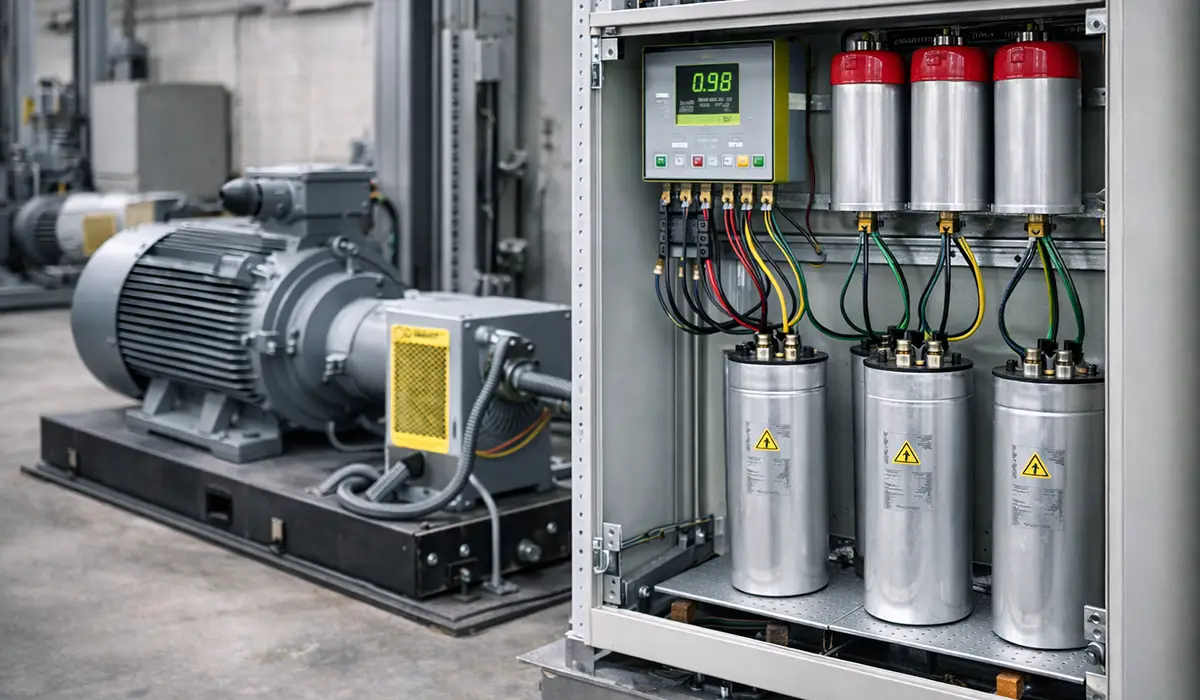
This article serves as a valuable resource for those seeking detailed information on power factor correction as part of a complete power system design approach.
Copper vs. Aluminum (When to Use Each)
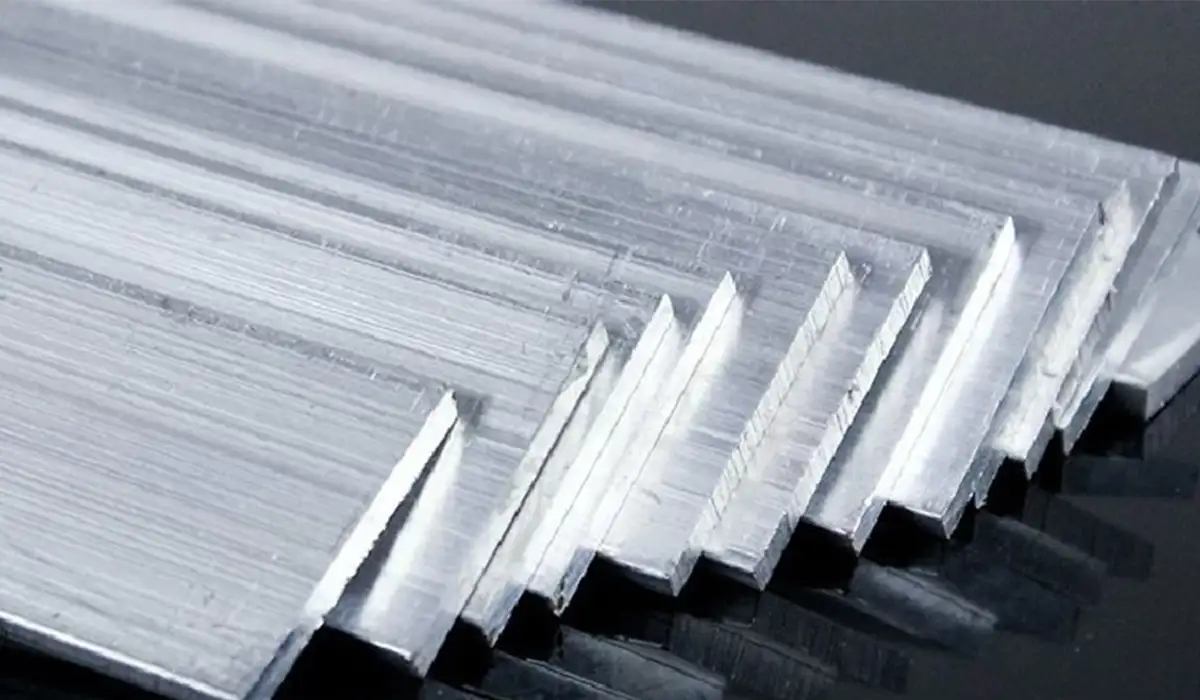
Copper is the go-to for high-performance panels. It offers higher conductivity, strength, and better corrosion resistance, which means smaller cross-sections and more reliable long-term performance. Aluminum, while lighter and more affordable, has roughly 60–80% of copper’s conductivity and needs a larger size to carry the same current.
Practical tip: In humid or marine environments, copper with tin plating resists corrosion better than bare aluminum. In cost-sensitive or weight-critical cases, aluminum may win — but verify you’ve sized it correctly and use proper transition hardware to avoid galvanic corrosion. For a comprehensive understanding of copper busbar applications, we highly recommend reviewing this article.
Installation & Safety Best Practices
Good installation is as important as good design. Here are key practices for terminal bus bars:
- Mount on insulating standoffs to avoid unintended grounding paths.
- Respect torque specs for lugs and studs — under-torqued connections heat up, and over-torqued hardware can deform bus bars.
- Use insulation covers and barriers to prevent accidental contact, especially where service personnel may work near live parts.
- Label each connection clearly so future maintenance doesn’t turn into guesswork.
- Plan routing to minimize loop area and keep high-current feeds short and direct.
These steps help reduce hot spots, lower impedance, and enhance long-term reliability, especially when panels are commissioned or expanded years after initial build. If you are looking for more information about electrical safety standards, it is recommended not to miss reading this article.
Modularity & Future Changes
One common question is whether to use terminal bus bars or a power distribution block or modular terminal blocks. The trade-off is between low impedance and neat high-current distribution (bus bars) versus modularity and frequent changeability (terminal blocks). Many modern panels use a hybrid approach: a bus bar for main feeds and terminal blocks for lower-current control circuits or points that change often. Further exploration of flexible busbar options can be found in the following recommended reading.
Quality, Testing & Common Failure Modes
When evaluating components and spec sheets, pay attention to:
- Current rating methods and conditions (ambient temperature, enclosure type).
- Temperature rise tests showing how hot the bar gets at rated current.
- Torque recommendations for stud and lug connections.
- Short-circuit withstand data or assembly verification per standards.
Common failures stem from loose lugs, overheating due to undersized cross-section, or corrosion at dissimilar metal junctions. Designing and testing per IEC 61439 design verification principles reduces these risks and ensures both safety and longevity. This article serves as a valuable resource for those seeking detailed information on short-circuit protection in electrical assemblies.
Conclusion
Terminal bus bars are fundamental to modern panel design — they are the “power hubs” that keep electrical systems tidy, efficient, and safe. Whether you’re writing about what a terminal bus bar is, comparing bus bar vs terminal block, or explaining how to size a terminal bus bar, it helps to ground your content in both standards and real-world practices. Good design starts with understanding your load, choosing the right material (copper vs aluminum), and verifying performance against IEC 61439 or UL 508A criteria. Practical installation habits, like proper torque, insulating barriers, and clear labeling, make maintenance easier and reduce risk.
Real panels don’t stay static — circuits are added, replaced, and adapted over time. A thoughtfully sized bus bar not only reduces heat rise and voltage drop but also makes future modifications simpler. By pairing solid technical grounding with approachable language and real examples, you end up with content that serves both engineers and builders — and ranks well in search because it genuinely answers what people look for when they ask about terminal bus bars, standards, and best practices.
FAQs
Can a terminal block be used like a bus bar?
Only in specific cases where the terminal block is designed as a distribution style with an internal jumper; most terminal blocks keep circuits isolated, unlike a common-potential bus bar.
What amp rating do I need for my terminal bus bar?
Base it on your maximum continuous load plus margin, then verify temperature rise and short-circuit performance in the assembly per IEC 61439 or UL 508A.
What are typical spacing/clearance rules?
Spacing depends on voltage and standard; UL 508A defines terminal spacing requirements, and IEC guides creepage/clearance. Always check component datasheets.
Are marine or vehicle bus bars different?
Marine/vehicle bars often use tinned or plated copper with covers to resist corrosion and meet environmental protection needs.
When should I choose terminal blocks over a bus bar?
Use terminal blocks when frequent reconfiguration or individual circuit isolation is needed; bus bars are better for high-current, shared distribution nodes.