



If you’d rather listen than read, feel free to play the audio file below for the rest of this article.
Where the Tee-Off Sits in a Panel
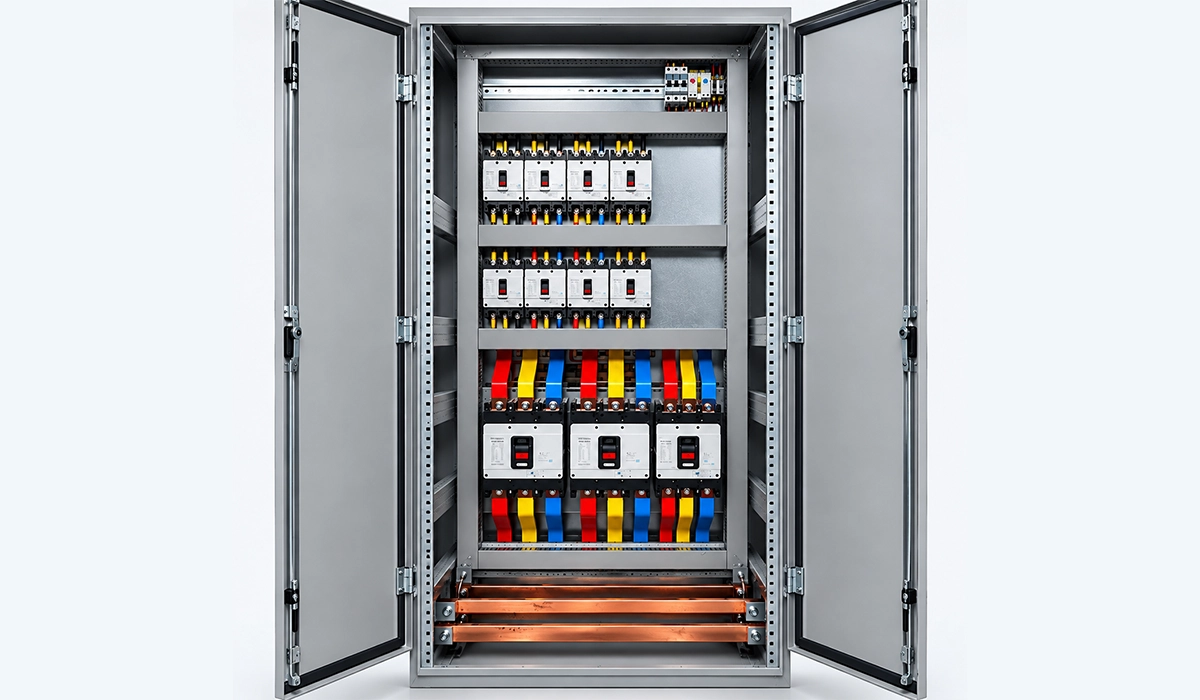
ABB’s ZS3.2 drawings show two of them in a panel: a tee-off conductor on the busbar side and another on the cable side. This kind of internal panel wiring sits within the broader fundamentals covered in our guide to electrical panels and switchgear basics.
The main busbars run panel to panel through the line-up. They do not hang unsupported: ABB states that the tee-off conductors and the busbar bushing hold them in place. The branch is structural as well as electrical, which is one reason its dimensions are not negotiable on site.
The busbar-side bar reaches the circuit-breaker compartment, and the cable-side bar carries on to the cable connection.
Shape separates the two. In ZS3.2 the main busbars are D-shaped tubing, single or double depending on the current rating, while the tee-offs are flat bar. A flat conductor bolts face to face; a tube does not.
Both get shrink-on sleeving once fitted, which leaves the bolted joints as the only bare metal.
A tee-off conductor is just one of many components working together inside a switchgear assembly. Our guide to switchgear components covers the rest of that system.
How the Tee-Off Joins the Main Busbar
The busbar connection to a flat branch needs no special connecting clamps, which is ABB’s own point about the design.
Bolting does the work. ABB screws the busbar elements one above the other, in line with the flat branch, so the stack clamps together through one set of fasteners.
Spacer plates set the geometry. ZS3.2 uses 10 mm and 15 mm plates to build the stack to the right height for the arrangement in hand, and ZS1 lists 5 mm and 15 mm.
The hardware is ordinary: M10 socket head bolts in grade 10.9, M10 nuts and 10 mm dished washers, two dished washers per bolt. Torque belongs to its own reference and does not appear here.
Nothing on that list is proprietary. What makes the joint work is the flat face on the branch and the accuracy of the holes through it.
Getting this bolted joint right is really just one instance of the broader principle behind how busbars carry current through a panel. Our article on how busbars conduct covers that bigger picture.
Single and Double Tee-Off Arrangements
ABB builds single and double conductor busbars against a single or double tee-off bar, and the branch rating does not have to match the busbar it comes off.
Its ZS3.2 figures pair a 1600 A tee-off with a 1600 A busbar, and the same 1600 A tee-off with a 2000 A or 3150 A busbar. A main busbar sized for the whole line-up can feed a branch sized for one panel’s load.
ZS1 handles the same idea through junction kits. ABB groups them by rated tee-off current, from 1600 A and below up to just under 4000 A, each kit carrying the plates for its arrangement.
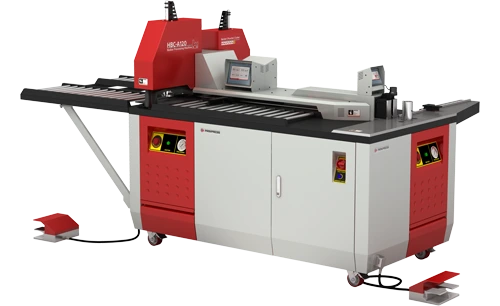
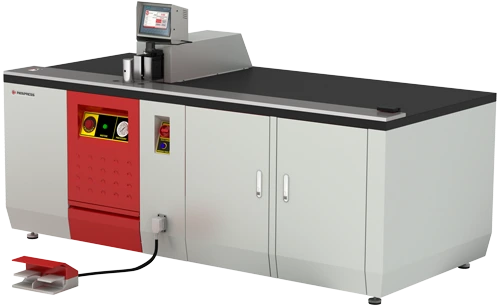
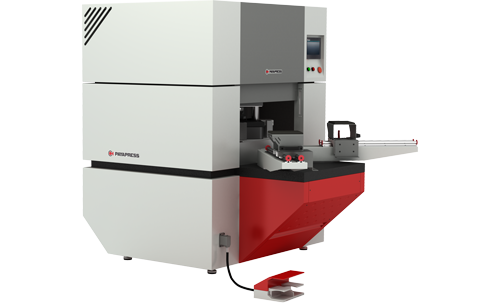
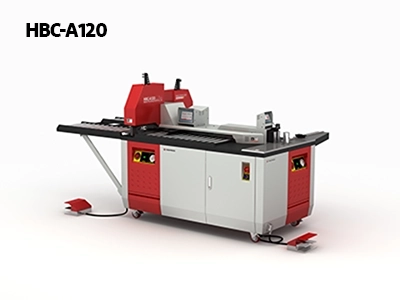
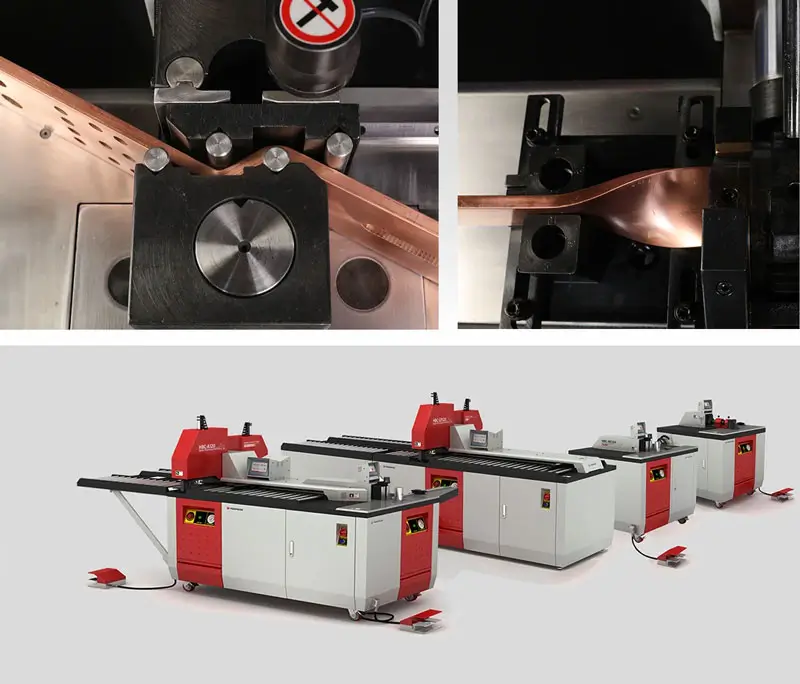
Two conductor systems appear on ABB’s cover drawings for the tee-offs: 2x100x10 and 2x120x10. Those are fabrication dimensions before they are anything else, and a shop cuts, punches and bends to them.
Once the joint is made, an insulating cover closes over it.
If you are responsible for reporting, the full report contains all the supporting details you may need.
What Current a Tee-Off Is Rated For
A tee-off conductor in ZS3.2 is rated up to 3150 A, and that figure is tied to an ambient temperature rather than to the bar alone.
| Design | Rated tee-off current | Condition |
|---|---|---|
| ZS3.2 | Up to 3150 A | At 40 °C |
| ZS3.2 | 2500 A | At 55 °C, forced ventilation |
| ZS1, 12/17.5 kV | Up to 4000 A | Circuit-breaker tee-offs |
Read the condition column as part of the rating. The same bar in the same panel carries a different number at 55 °C than at 40 °C, and the 2500 A figure assumes forced ventilation rather than still air.
Why the number moves with ambient temperature is a separate subject with its own article.
Getting these current ratings right is ultimately part of specifying the right switchgear for the load in the first place. Our guide to choosing the right switchgear covers that decision.
Conclusion about Tee-Off Conductor
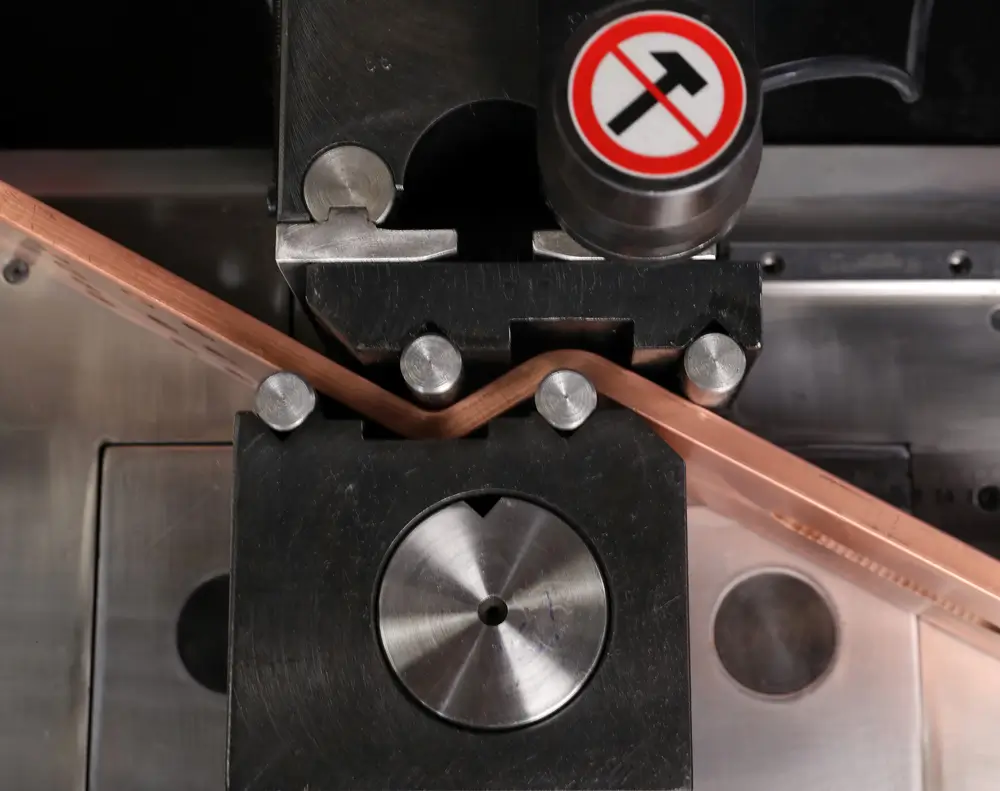
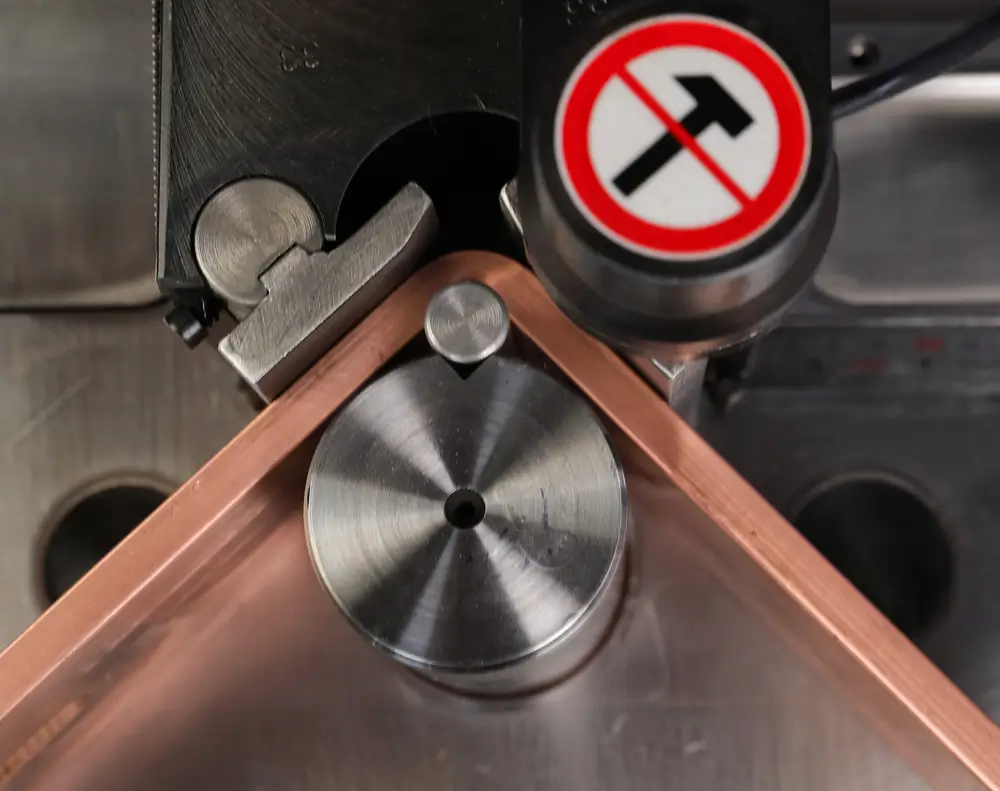
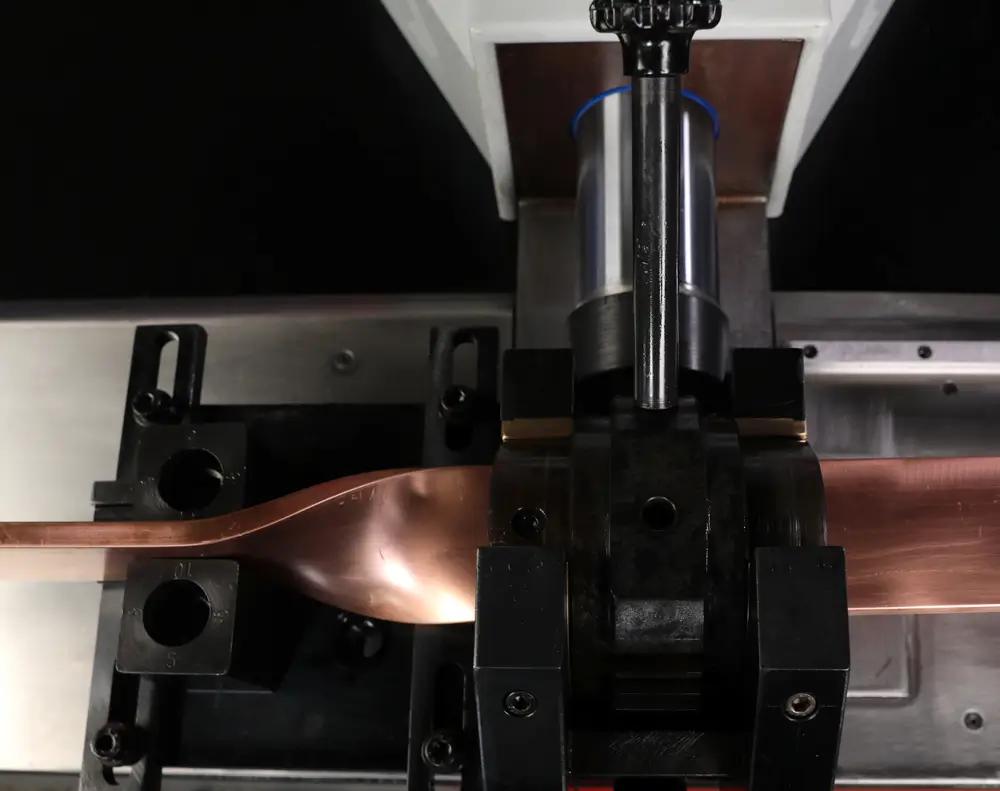
A tee-off conductor is a flat bar cut, punched and bent to drawing, so the branch starts in the busbar shop long before the panel.
Zooming out, a tee-off conductor is just one detail in the much larger job of specifying a panel correctly. Our holistic review of steel panels covers that bigger picture.

Rate this article
Choose a rating from 1 to 5 stars.
No ratings yet