





If you’d rather listen than read, feel free to play the audio file below for the rest of this article.
Switchgear Compartmentalization at the Busbar
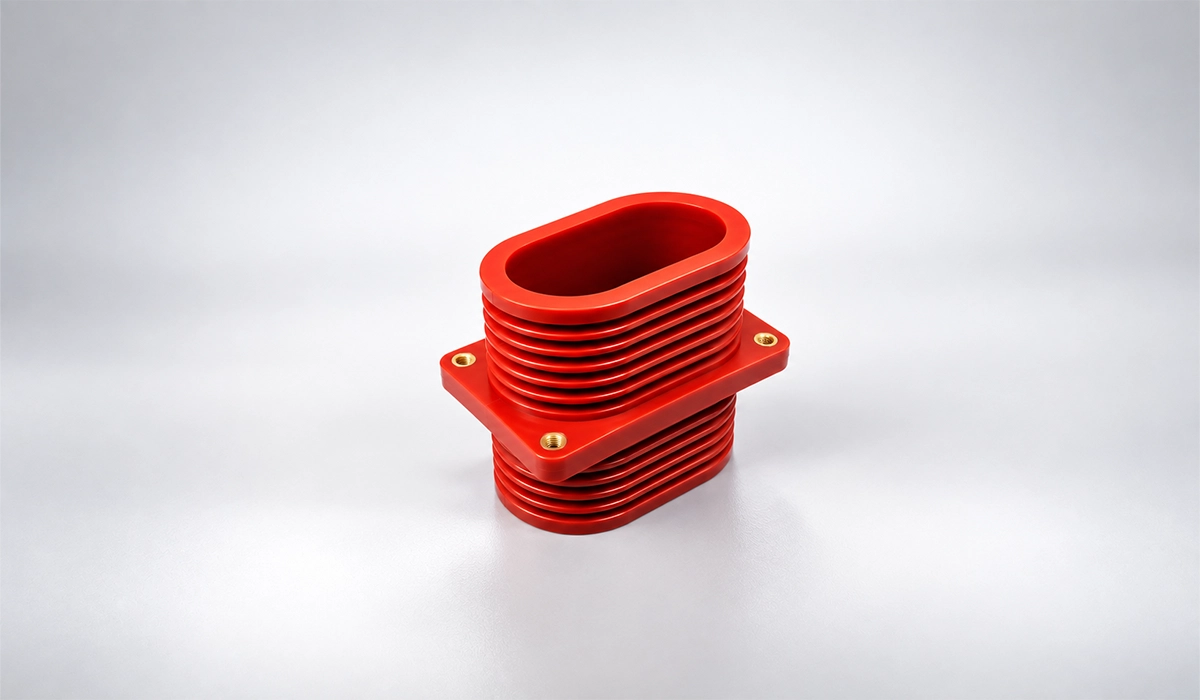
Switchgear compartmentalization at the busbar rests on one pairing in ABB’s ZS3.2 design: bushing plates and bushings together partition the busbar compartment panel by panel.
The bushing plate forms the partition, screwed to the outside of either the right-hand or the left-hand panel wall. Each busbar bushing then carries a bar through that plate, so the conductor stays continuous while its compartment is divided.
That partition adds to a separation the panels already have. Neighbouring ZS3.2 panels each have their own side walls, with an air cushion left between the two. ABB states that this construction stops an arc fault from melting through into the next panel.
On site the two layers get confused. Side walls come with every panel; plates and bushings come only when the order includes them.
How that partitioning affects switchgear classification is a separate subject.
Busbars sit at the heart of every switchgear line-up, so how they are arranged and divided matters from the very first design step. To see the bigger picture, read our guide to electrical busbars in modern power distribution.
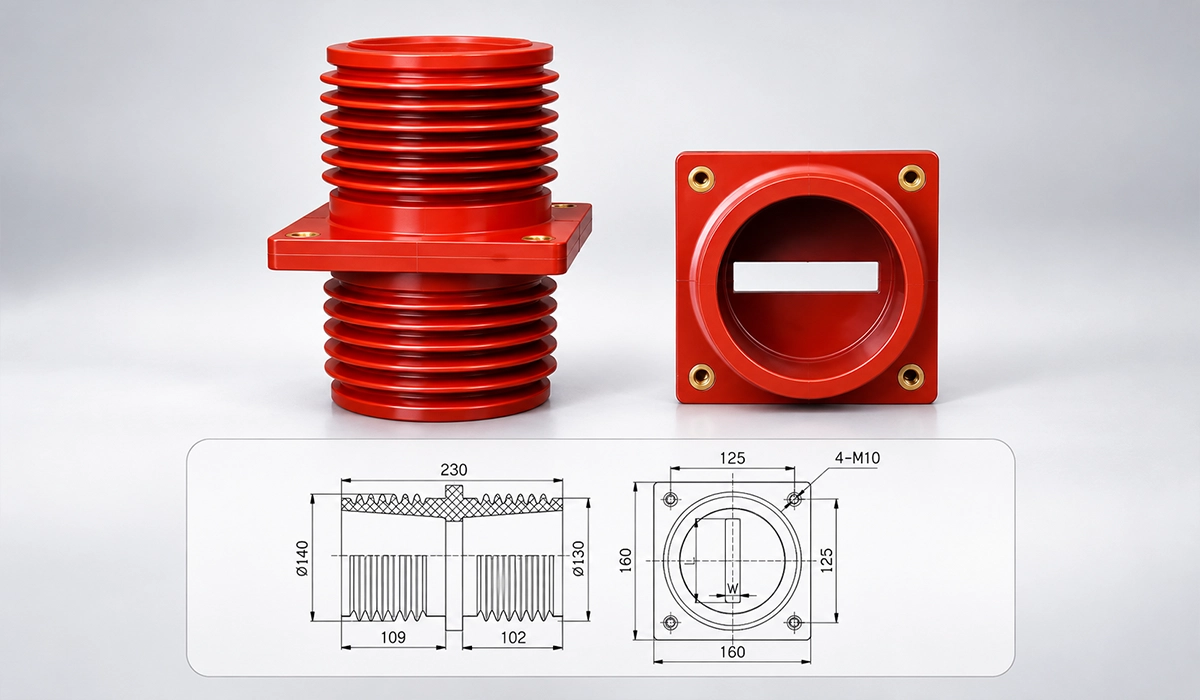
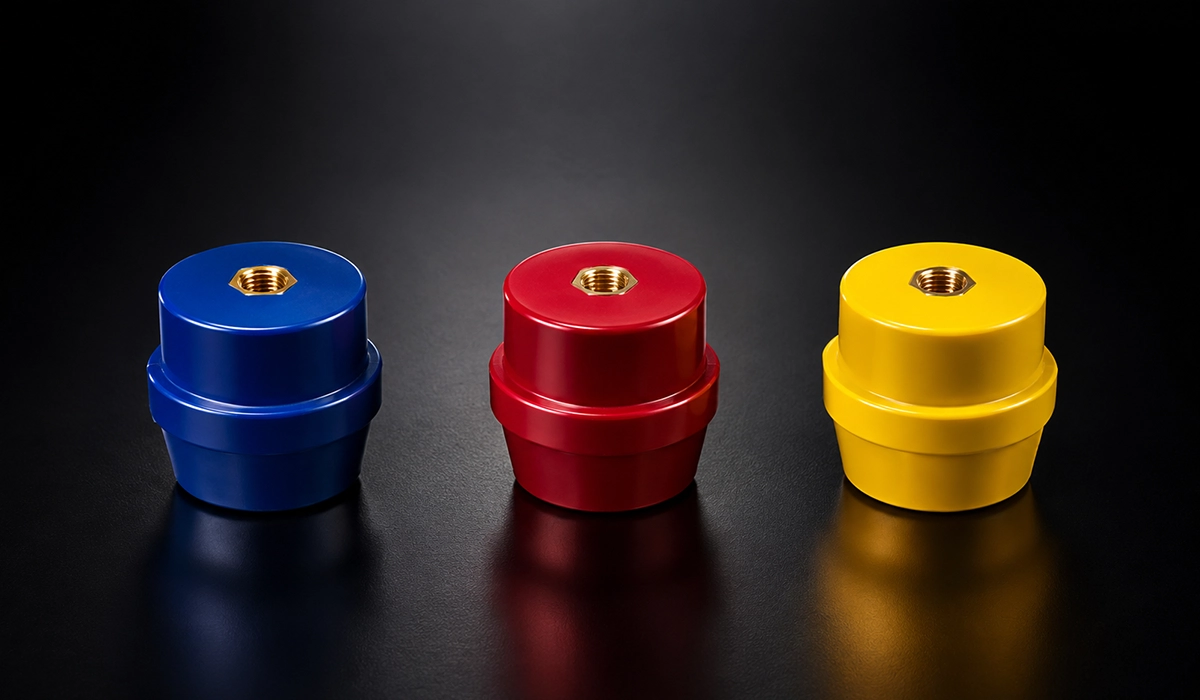
What Is Inside a Busbar Bushing
ABB’s drawings break the bushing assembly into six parts, and one of them, the contact spring, is what protects it on a live busbar.
| Part | Role in the assembly |
|---|---|
| Bushing | Carries the bar through the partition |
| Bushing plate | Holds the bushings at the panel wall |
| Busbar mounting | Holds a single or a double conductor |
| Metal tube | Sits inside the bushing, around the bar |
| Contact spring | Connects the bar to the metal tube |
| Sealing ring | Seals the bushing assembly |
The spring bridges busbar and metal tube, which equalises the voltage between bushing and bar. ABB credits the springs with preventing glow-discharge damage inside bushings on live busbars. Its manual has you confirm, every time, that the spring makes proper contact between tube and bar.
ABB shows the assembly on a double D-profile busbar system in two versions, for tee-offs up to 1600 A and from 2000 A to 3150 A. The busbar mounting follows the conductor, single or double, so confirm which one your parts list calls for before fitting.
For a clearer and more complete explanation, this page goes into far more depth than we can cover in a short text.
Each part of the bushing assembly has to work with the busbar system around it. Our article on LV switchgear busbars explains how these conductors behave inside the panel.
Fitting the Bushings on Site
In ZS3.2, two of the three bushings on the lower busbar enter their plate from one side, and the third enters from the other.
On the lower busbar, ABB fits the phase B/L3 bushing into its plate from the right, unlike the other two. The same rule holds for the rear lower tie bus in bus-section panels.
This is where habit costs time. Fit all three the same way and one phase ends up reversed in its plate. Check the phase arrangement against the drawing first; a bushing is far easier to turn before a busbar runs through it.
ZS1 adds a hardware detail. The screws for its bushings come from the “panel partitions” bag group, so confirm that bag group is on site before busbar work starts.
Getting the phase order right depends on how the busbars are laid out in the panel. Our guide to busbar arrangements shows the common layouts and when each one is used.
When Partitioning Is Needed — and When It Is Not
Busbar partitioning is set by the order, not by default, and ABB’s 12/17.5 kV ZS1 manual names the point where stability can call for it: short-time current above 25 kA.
The order documents decide whether a line-up has it. Above 25 kA, ABB notes that partitioning may also be needed for mechanical stability, not only to separate panels. What that current figure means belongs to its own article.
Panels ordered without it still take one extra part. Bolt ZS1 panels together without busbar partitioning and ABB calls for a shim between them, above the busbar apertures.
| Separation | Where it applies | What it does |
|---|---|---|
| Side walls and air cushion | Every ZS3.2 panel | Stops an arc fault melting through |
| Bushing plates and bushings | Wherever partitioning is ordered | Divides the busbar compartment |
| Shim above the apertures | ZS1 without partitioning | Fitted as panels are bolted together |
Partitioning decisions often start from the fault level a line-up must withstand. Learn more about short-circuit withstand and the mechanical strength of busbars.
Conclusion: busbar bushing
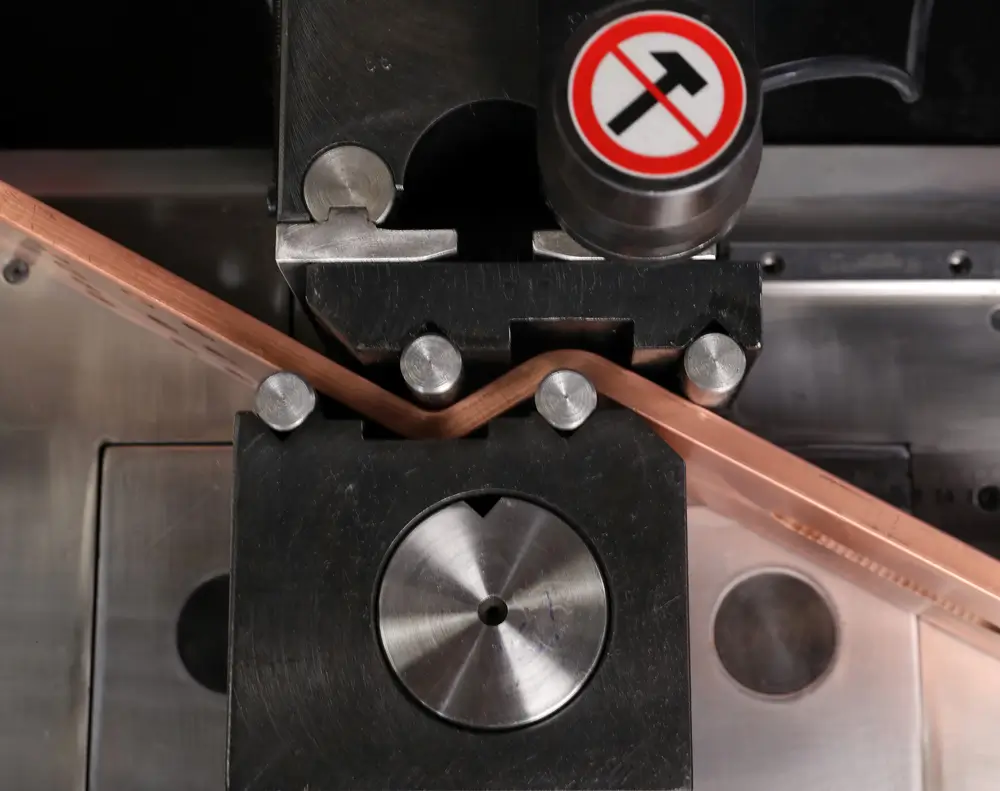
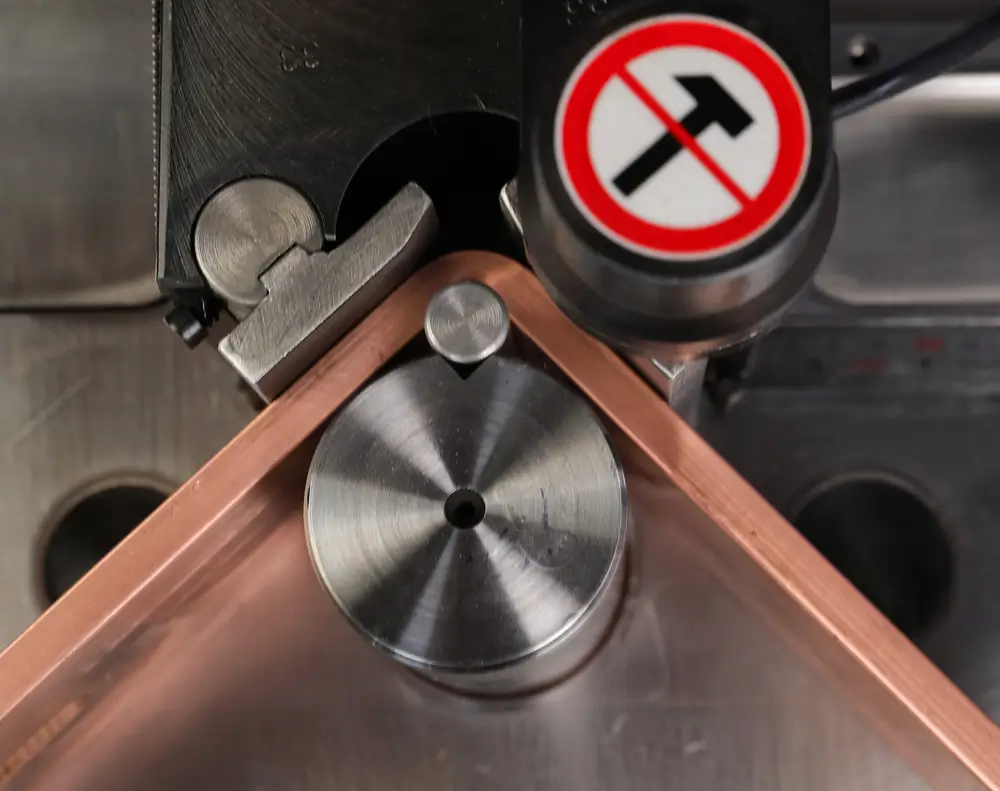
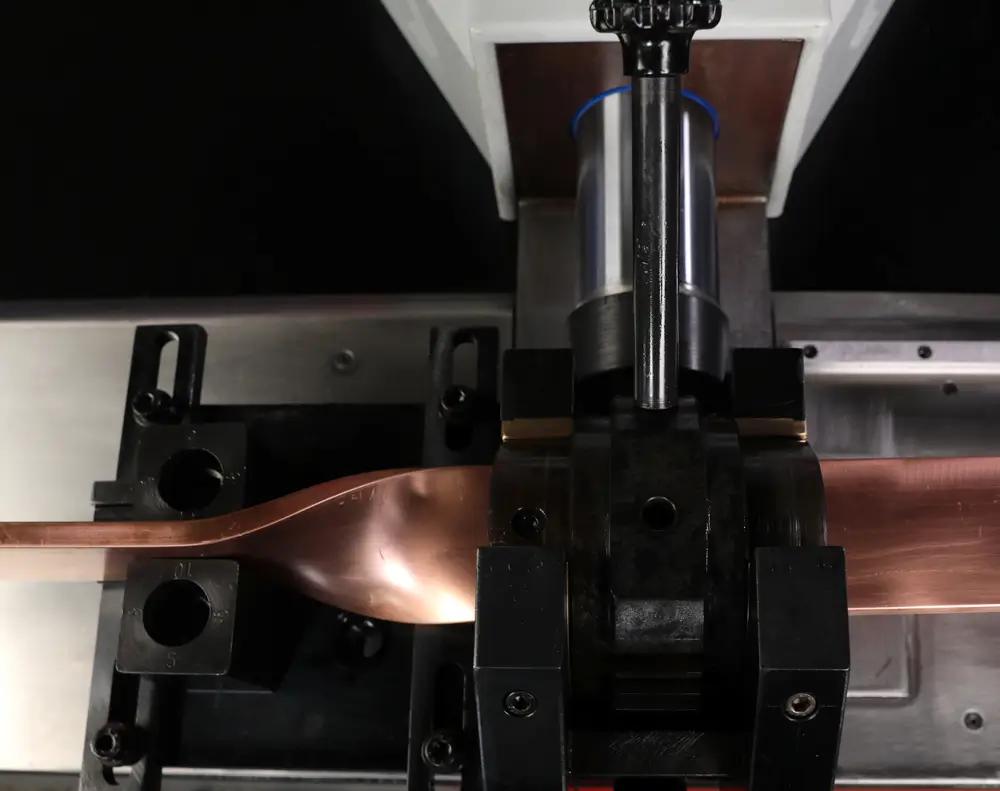
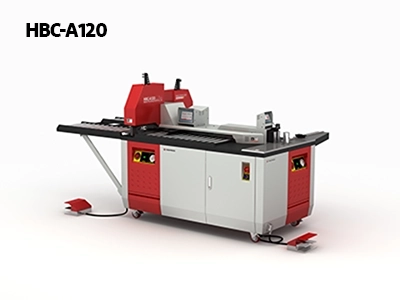
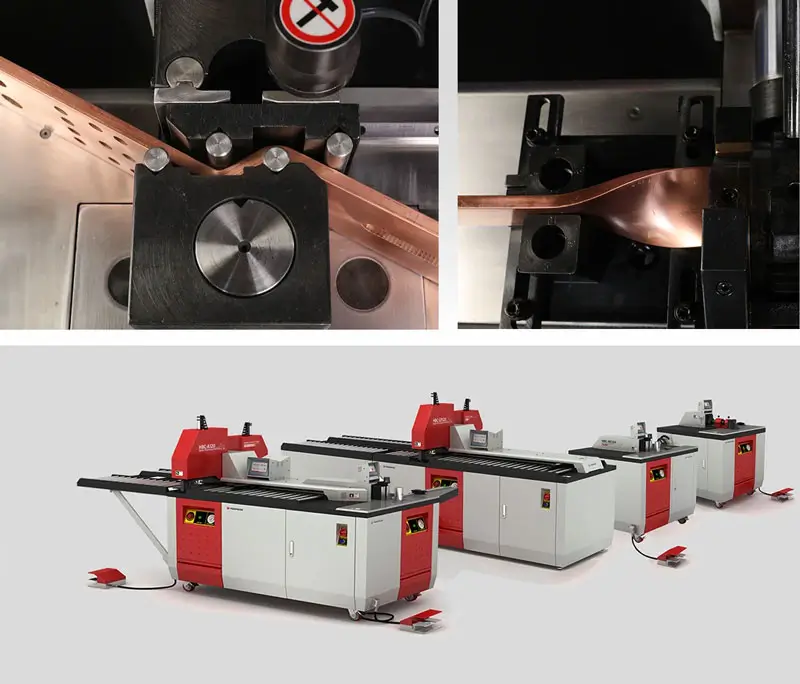
A busbar bushing lets one busbar serve many panels without a shared compartment. The order decides whether you need it; the bars through it decide whether it fits. See our busbar processing machines. Choosing the right busbar early makes every later fitting and partitioning decision easier. Our busbar selection guide walks through the main criteria for LV panels.

Rate this article
Choose a rating from 1 to 5 stars.
No ratings yet