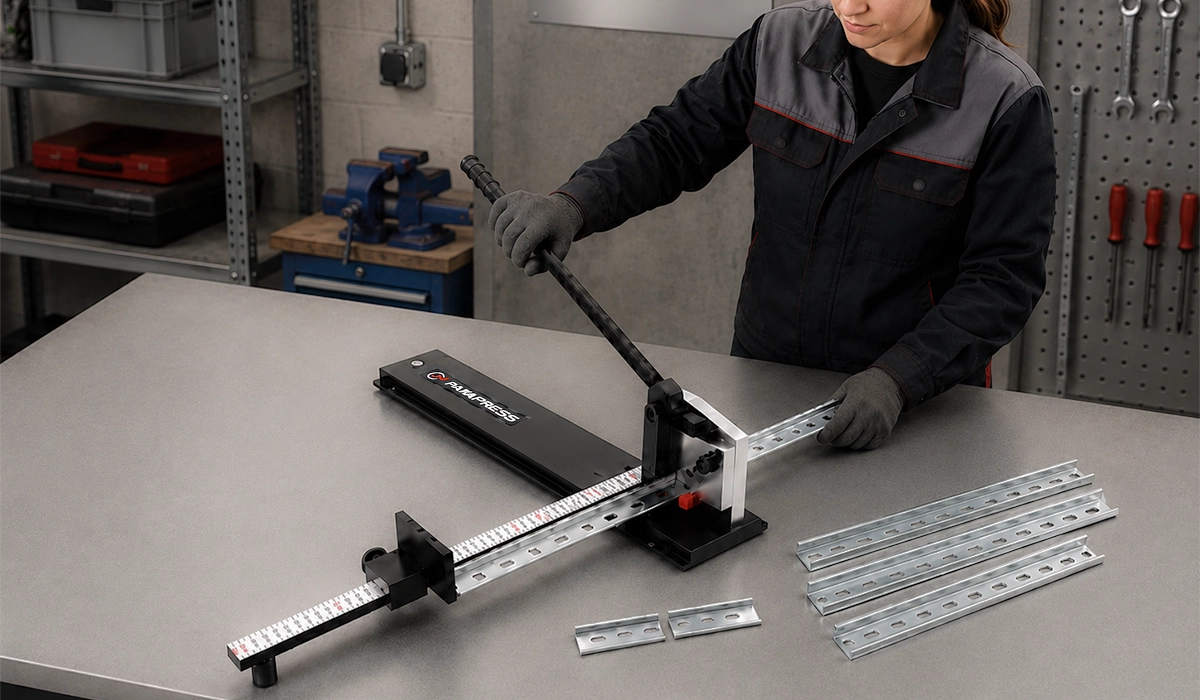
Category: DIN Rail Cutter

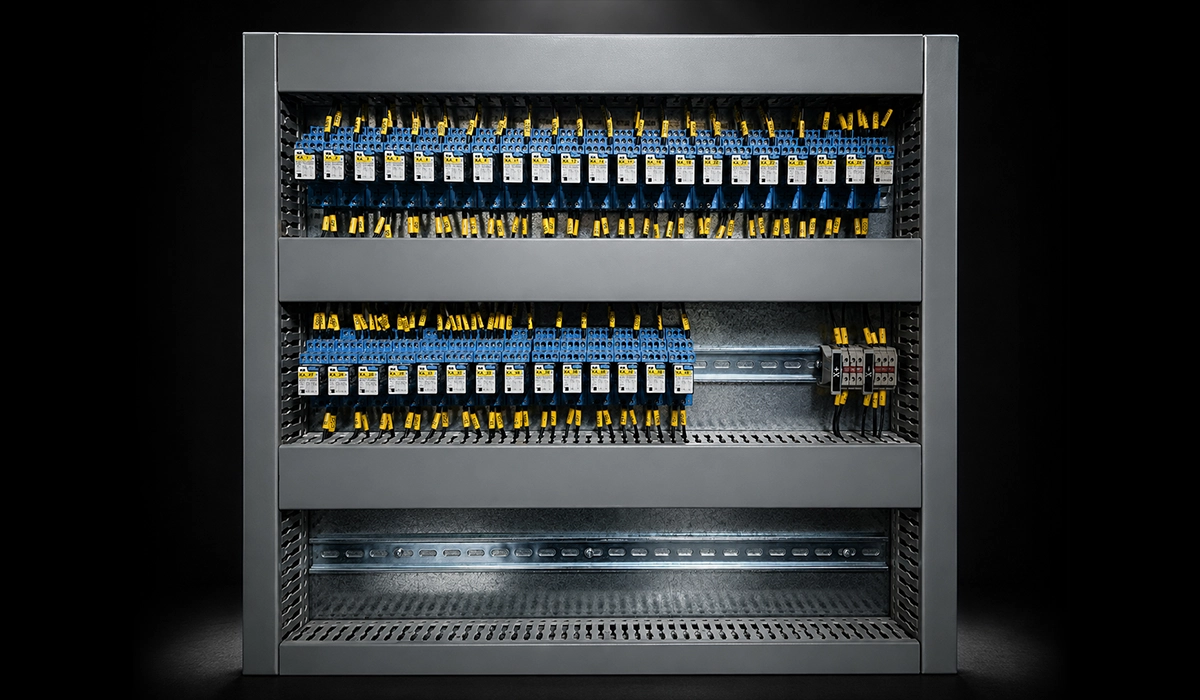
Rail in electrical panel

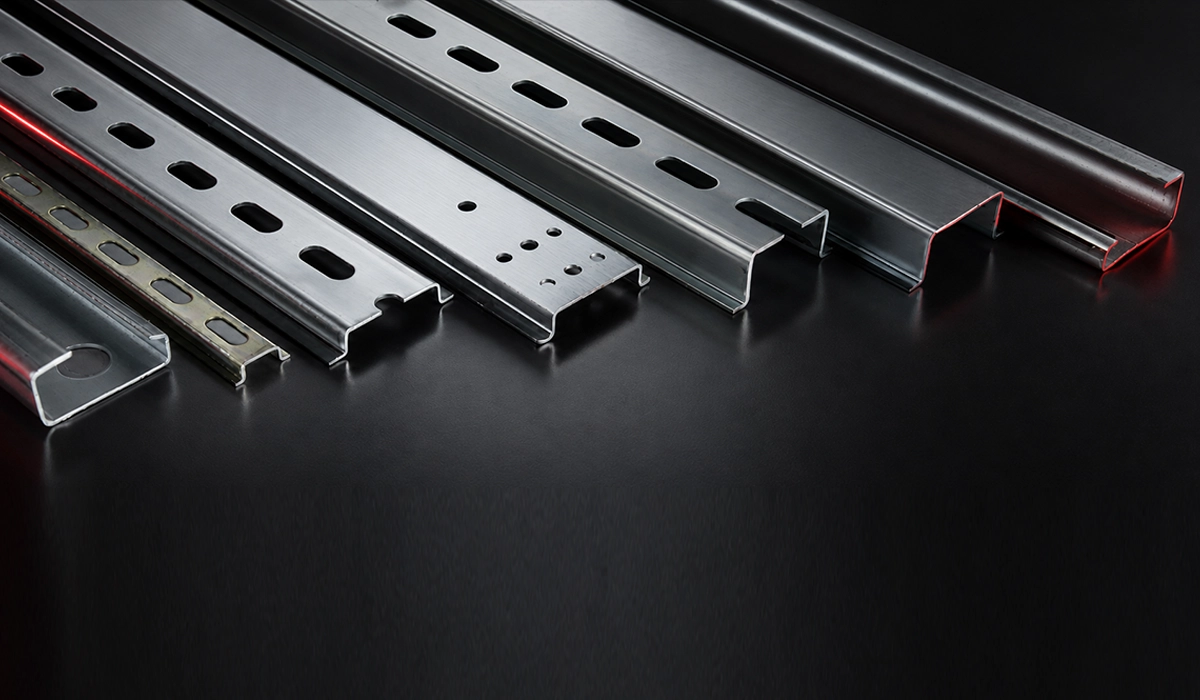
Types of DIN Rail cutter and Sizes: TS35, TS15

DIN rail types define the mechanical rail profiles used to mount circuit breakers, terminal blocks, PLCs, relays, meters, and other modular electrical devices inside panels. Although many rails look similar at first glance, their width, height, flange geometry, and cross section control component compatibility. Therefore, engineers and panel builders must match the rail profile to the device clip, enclosure layout, mechanical load, and site environment. This guide explains DIN rail sizes, TS35, TS15, G-type, C-section, perforated rail, solid rail, and common material options in practical panel-building terms.

Read More »
DIN Rail Cutter standards

DIN Rail Standard Explained: EN/IEC 60715 and Common Dimensions

A DIN rail standard gives panel builders a common mechanical language for mounting terminal blocks, breakers, relays, PLC modules, and power supplies. Instead of each manufacturer using a private rail shape, standards define rail profiles that allow snap-on components to fit predictably. Today, IEC 60715 is the main international reference for standardized mounting rails in industrial control panels.

This guide explains how EN 50022, EN 50035, EN 50045, DIN 46277, and IEC 60715 relate to each other. It also covers TS35 dimensions, TS15 dimensions, tolerance control, G-rail legacy use, surface finish, site verification, and UL 508A panel compatibility.

Read More »
rail cutter

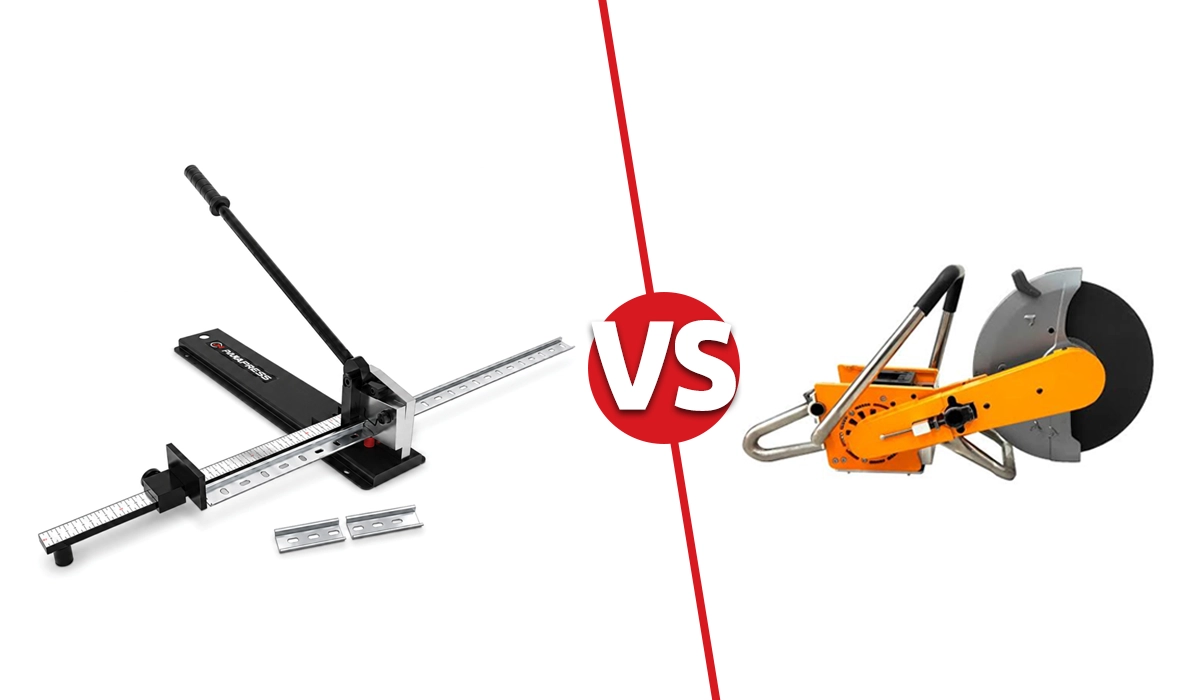
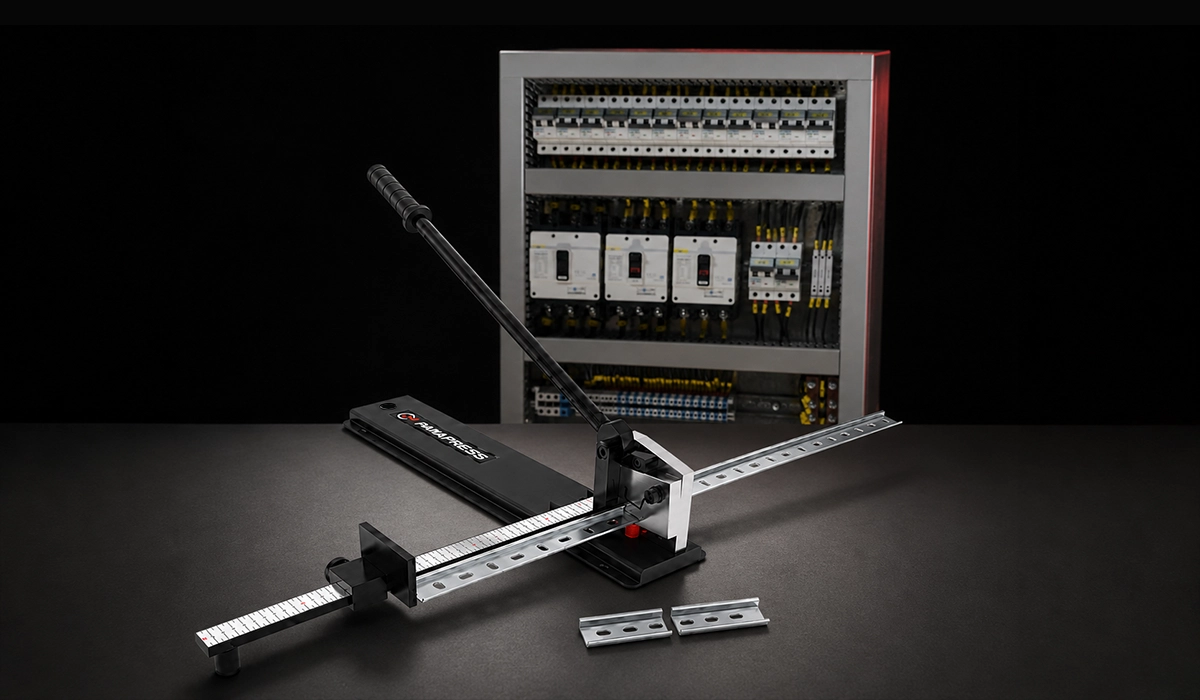
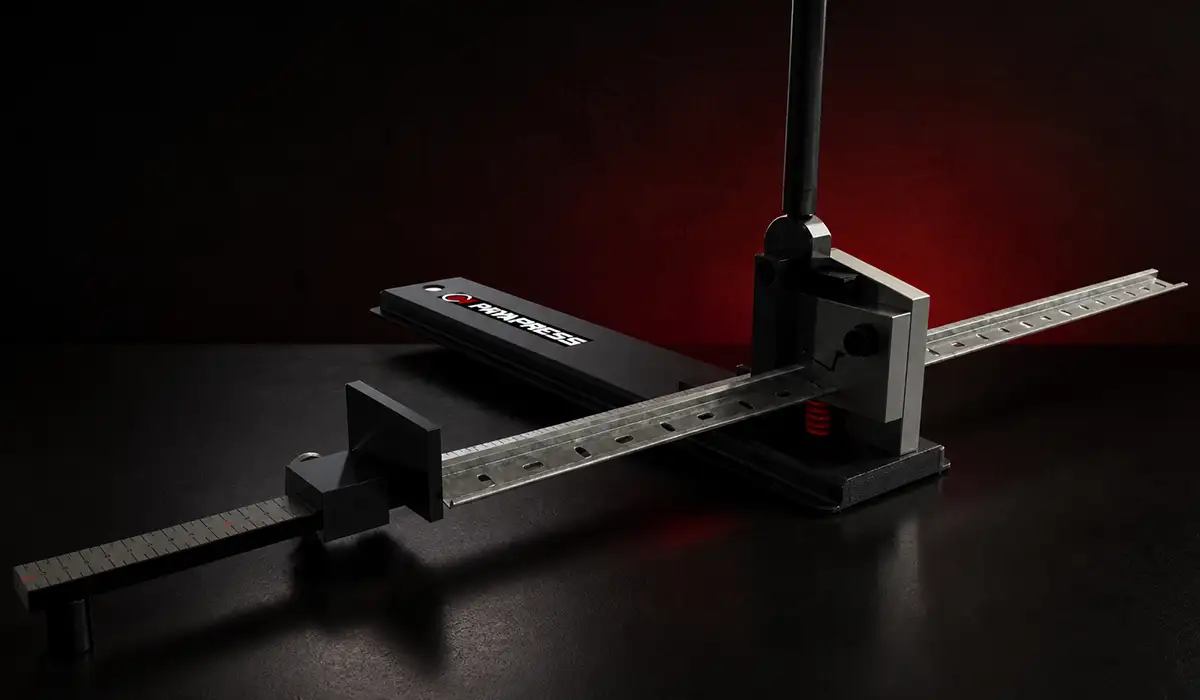
DIN Rail Cutter: Types, Sizes, Applications, and Cutting Methods

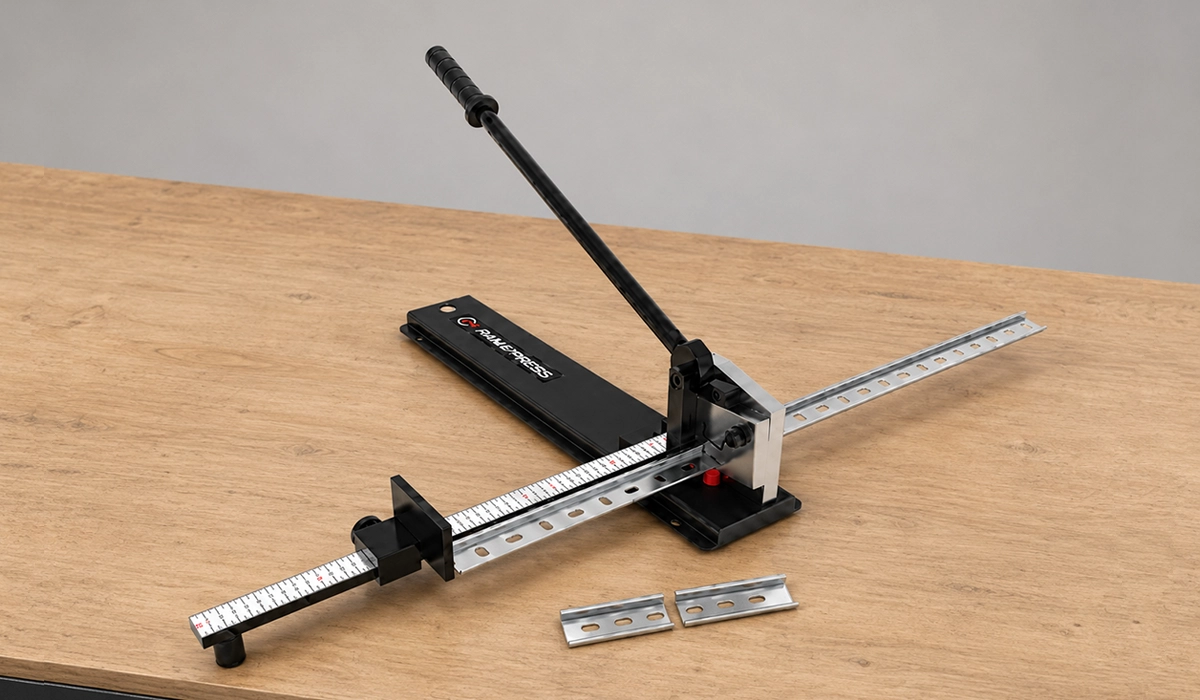
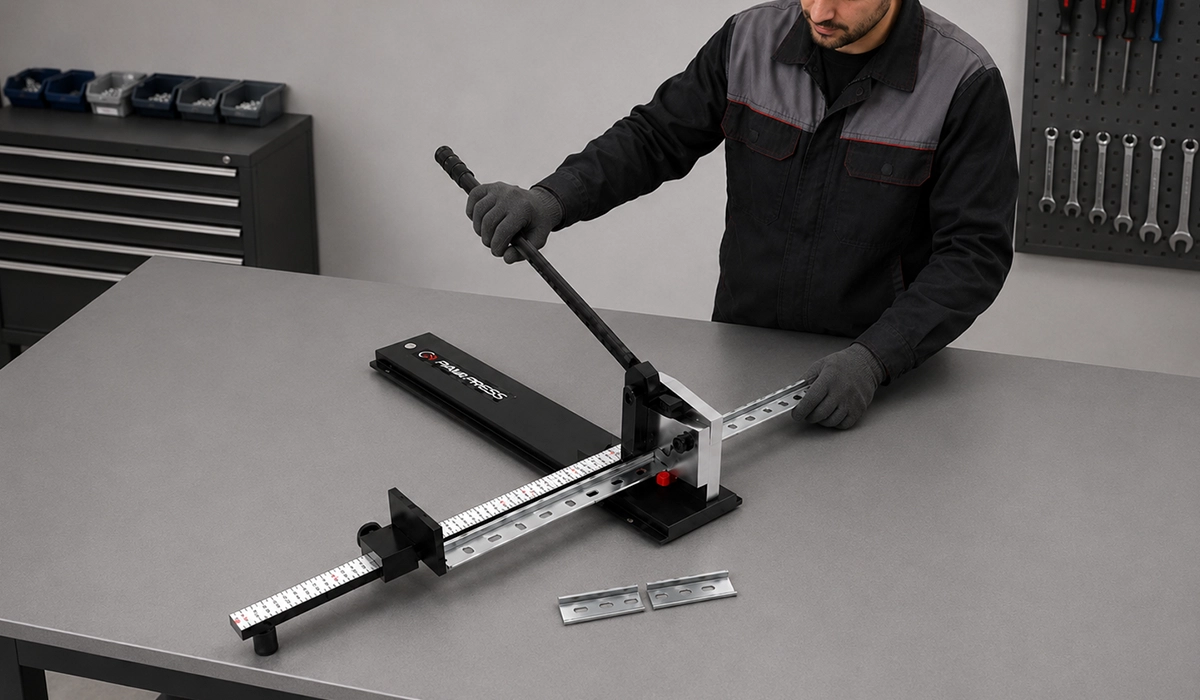
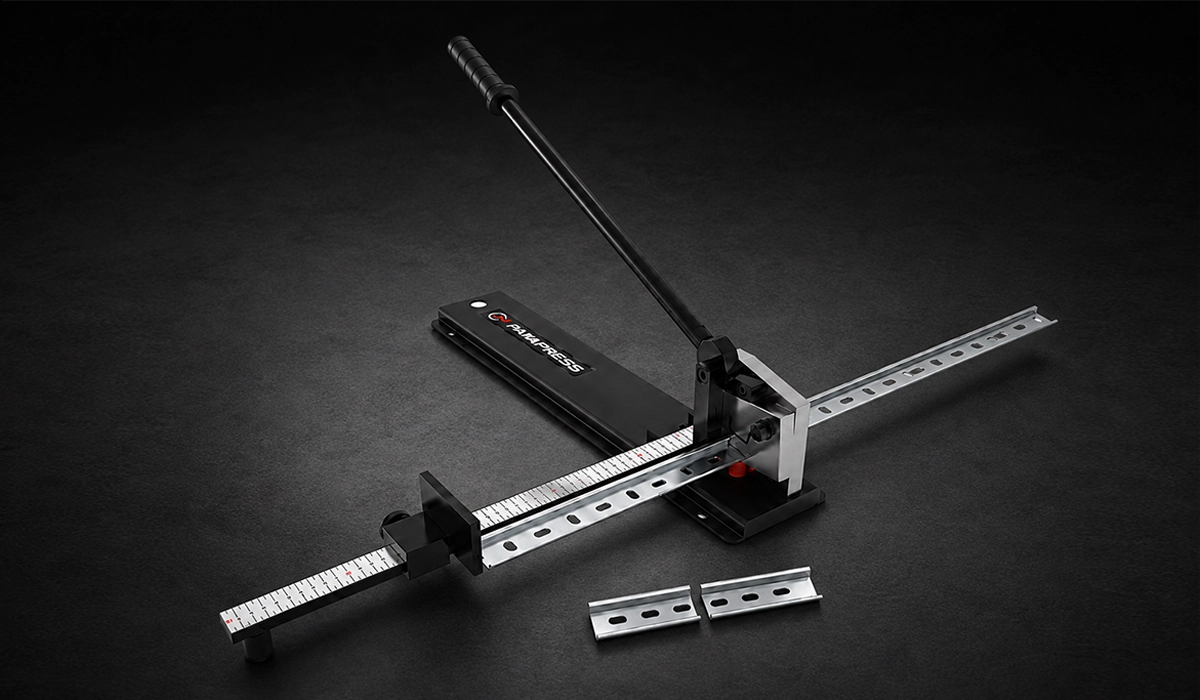
A DIN Rail cutter is a specialized tool that allows panel builders to cut standardized mounting rails to precise lengths for use inside electrical control panels and automation enclosures. These rails — most commonly the TS35 and TS15 profiles — form the structural backbone of every control cabinet, carrying terminal blocks, circuit breakers, PLCs, and relay modules in a clean, organized row. The EN/IEC 60715 standard governs the cross-section geometry of all compliant rails, ensuring that components from different manufacturers snap together without modification.

Read More »