




If you’d rather listen than read, feel free to play the audio file below for the rest of this article.
What the IP Code Means in One Minute
The IP code, short for ingress protection, comes from IEC 60529. It rates the degree of protection an enclosure gives, in a fixed format: IP, a first digit, a second digit and optional letters.
- First digit (0–6): solid objects and access to hazardous parts.
- Second digit (0–9): water.
- Letters (optional): an additional letter for access by hand, finger, tool or wire, plus supplementary letters.
An X means “not specified for this test”. So IP2X says nothing at all about water; the maker simply did not claim a water rating.
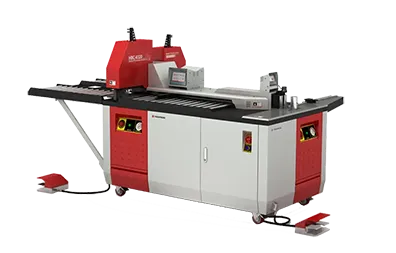
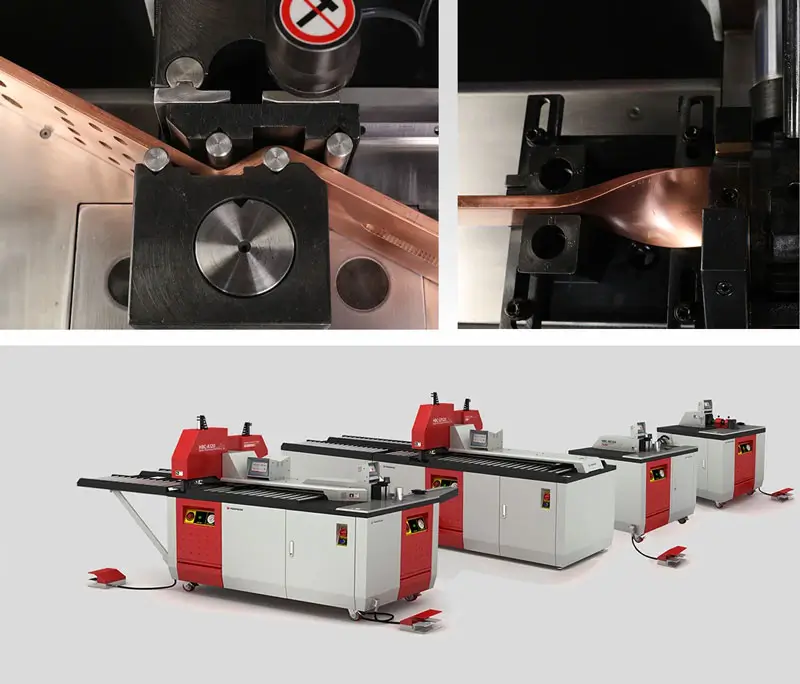
Designed for larger busbar sections, the HBC-BE200 machine delivers controlled bending performance for demanding electrical applications. Its robust construction and precise angle control make it suitable for heavy-duty switchgear fabrication.
The IP code is only one of many requirements that shape a medium voltage assembly. To see how the full rulebook fits together, read our guide to switchgear standards.
IP2X: Protection Against Fingers
What is IP2X? It means the enclosure stops solid objects of 12.5 mm diameter and larger and keeps a finger away from hazardous parts.
What does IP2X mean in a real test? Two probes decide the rating:
- 12.5 mm sphere: pushed against every opening, it must not pass through fully.
- Jointed test finger: 12 mm in diameter and 80 mm long, it may enter an opening but must keep adequate clearance from hazardous parts.
Because the test uses a finger, “finger safe” is the everyday name for this level. In practice, an IP2X rating means a person cannot touch live metal by accident. However, a thin wire or a small screwdriver might still get through.
The probes are not loose descriptions, because their shapes and sizes are standardized. The IEC defines the object and access probes used for these checks in its IEC 61032 probes.
Probe tests are just one part of a wider family of safety documents. Our electrical standards guide gives a clear overview of the ones panel builders meet most often.
IP4X: Protection Against Wires and Small Tools
What is IP4X? It means a 1.0 mm wire cannot enter the enclosure and cannot touch hazardous parts. In other words, IP4X protection covers anything thicker than a stiff wire.
IP3X sits between the two codes as a stepping stone. It stops a 2.5 mm wire or tool, so it beats a finger but still lets thin wires through. Each step up the first digit, therefore, shrinks the largest gap a probe can use.
By contrast, IP20 and IP40 carry the same first digits but state 0 for water, which means no water protection. For the full digit table, see our IP55 vs NEMA 12 guide.
Switchgear enclosures often specify IP4X because it keeps out wire ends, small tools, insects and debris as well as fingers. Adding a water digit is also common. For example, IP41 adds protection against vertically dripping water in indoor rooms with condensation risk.
MV specifications usually offer a short menu of enclosure ratings rather than one fixed value. Electrical Engineering Portal lists IP2X, IP3X and IP42 as typical choices in its MV installation guide.
The right IP code also depends on the type of panel and where it is installed. Browse our simple overview of electrical panel types to see how enclosures differ.
IP2X vs IP4X Side by Side
| Code | Smallest object stopped | Test probe | Protects persons against | Typical switchgear surface | Water |
|---|---|---|---|---|---|
| IP2X | 12.5 mm | 12.5 mm sphere, test finger | Finger contact | Partitions, shutters, accessible claddings | Not specified |
| IP3X | 2.5 mm | 2.5 mm rod | Tools, thick wires | Basic outer enclosure | Not specified |
| IP4X | 1.0 mm | 1.0 mm wire | Wires, small tools | Outer enclosure | Not specified |
| IP31 | 2.5 mm | 2.5 mm rod | Tools, thick wires | Indoor enclosure, damp room | Vertically dripping water |
A higher first digit always includes the lower ones, so an IP4X enclosure also passes the finger and 12.5 mm tests without a separate claim.
Electricians’ guides use the same probe ladder, which makes datasheets easy to compare. NICEIC sets out each first numeral, its probe size and the additional letters in its IP code guide.
A rating on a datasheet only counts if the assembly has been proven to meet it. Learn how manufacturers prove this for low-voltage assemblies in our guide to design verification.
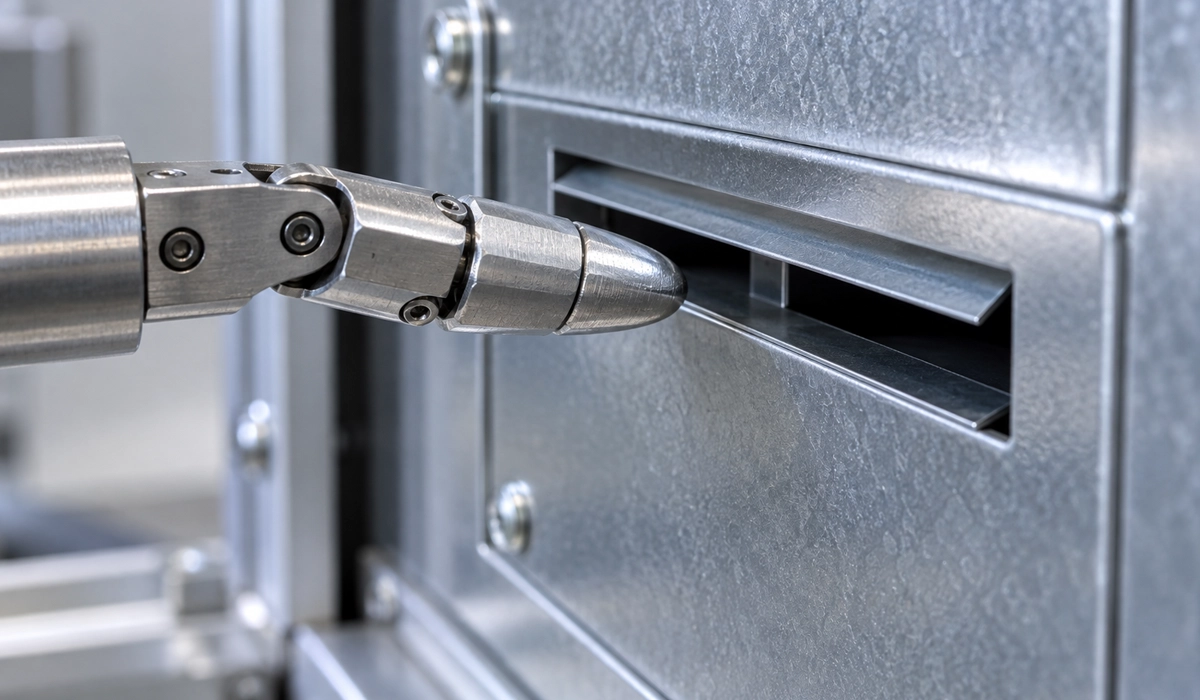
Where Each Rating Applies Inside MV Switchgear
Inside MV switchgear, the two codes do different jobs. So “IP2X switchgear” never means the whole panel is only finger safe.
Outer enclosure. This is what protects people in the room with all doors closed. IP3X or IP4X is common, while IP2X is usually the lowest choice a specification allows.
Inside an opened compartment. Partitions and shutters face the person working there, so they must give at least finger protection against the live parts behind them. That is why ip2x partitions and shutters appear in almost every MV tender.
The enclosure vs partitions split also links to the partition class: metal partitions (PM) or insulating ones (PI). Our LSC2B-PM guide explains that class, and our IEC 62271-200 guide covers the wider standard.
One note on airflow: ventilation louvres are where an enclosure most often loses its IP4X. Louvre vs mesh is the key choice, and louvres usually need a fine mesh or a labyrinth cover. See our switchgear ventilation guide.
Maker tables show the split clearly, with one code for the outside and another for the inside. One maker’s installation manual lists IP4X for the enclosure and IP2X for the accessible claddings in the cubicle in its protection degrees table.
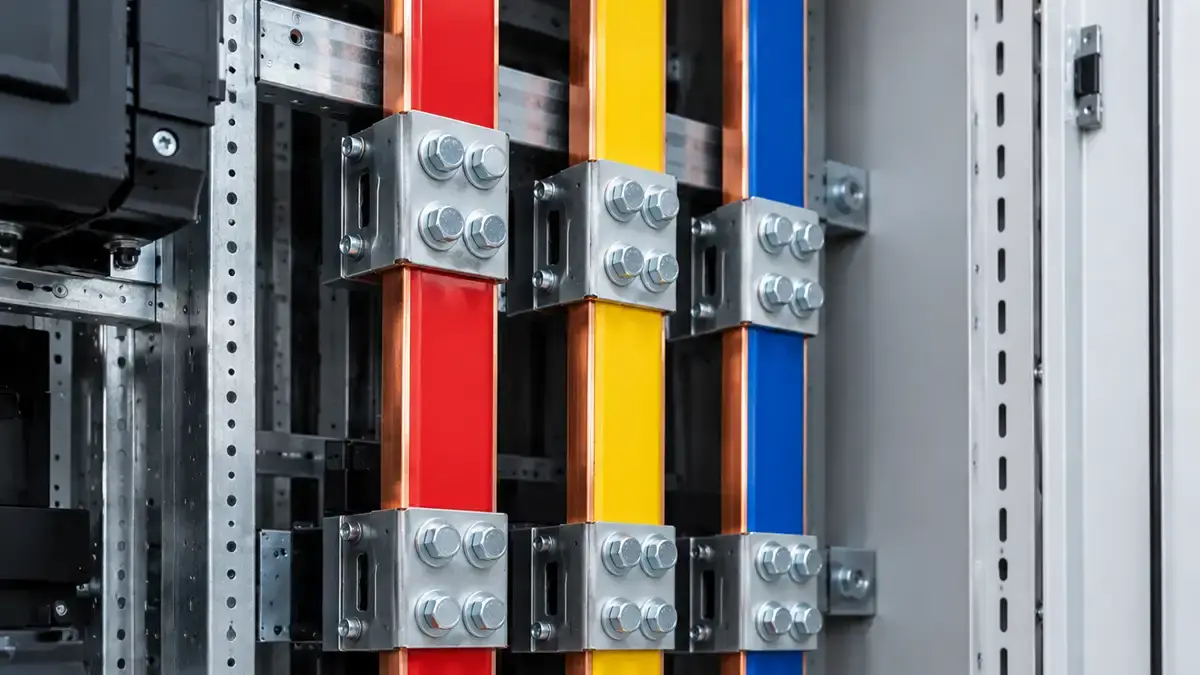
Protection degrees matter on the busbar side of the panel too, since live conductors sit behind those partitions. See how makers keep these parts safe in our article on busbar compliance.
IP2X vs IPXXB: The Common Mix-Up
What is the difference between IP2X and IPXXB? The second form uses the additional letter B to state protection of persons against finger access only. It makes no claim about the 12.5 mm object test, so a large opening could still let objects through.
The 2X code, by contrast, claims both tests. In switchgear documents, IPXXB vs IP2X often appear for different parts, such as a shutter or a cover. Yet the safety intent for people is the same: the test finger must not reach live parts.
The letter B is used when finger protection is better than the first digit alone would show. Voltimum’s Q&A explains what the B means for an enclosure in its letter B explainer.
Finger protection is also a basic safety requirement for products sold in Europe. Find out how it ties into CE marking for industrial control panels.
Conclusion: IP4X vs IP2X
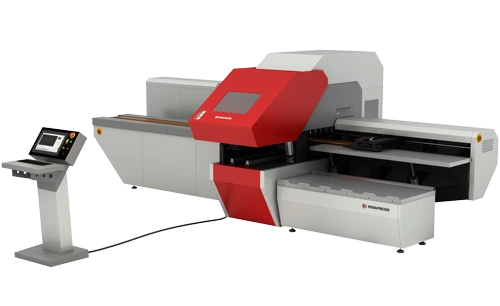
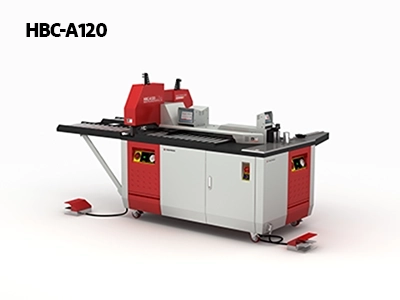
IP2X keeps fingers out, while IP4X keeps wires out. In MV switchgear, the enclosure usually gets the higher code, and the partitions, shutters and claddings inside get the lower one. In practice, louvre and mesh hole sizes often decide which code a panel earns, and PAYAPRESS punching machines make those exact patterns for panel builders.
Rate this article
Choose a rating from 1 to 5 stars.
No ratings yet
0 Comments
No comments yet. Be the first to comment.