


If you’d rather listen than read, feel free to play the audio file below for the rest of this article.
What NEMA Ratings Mean (and What They Don’t)
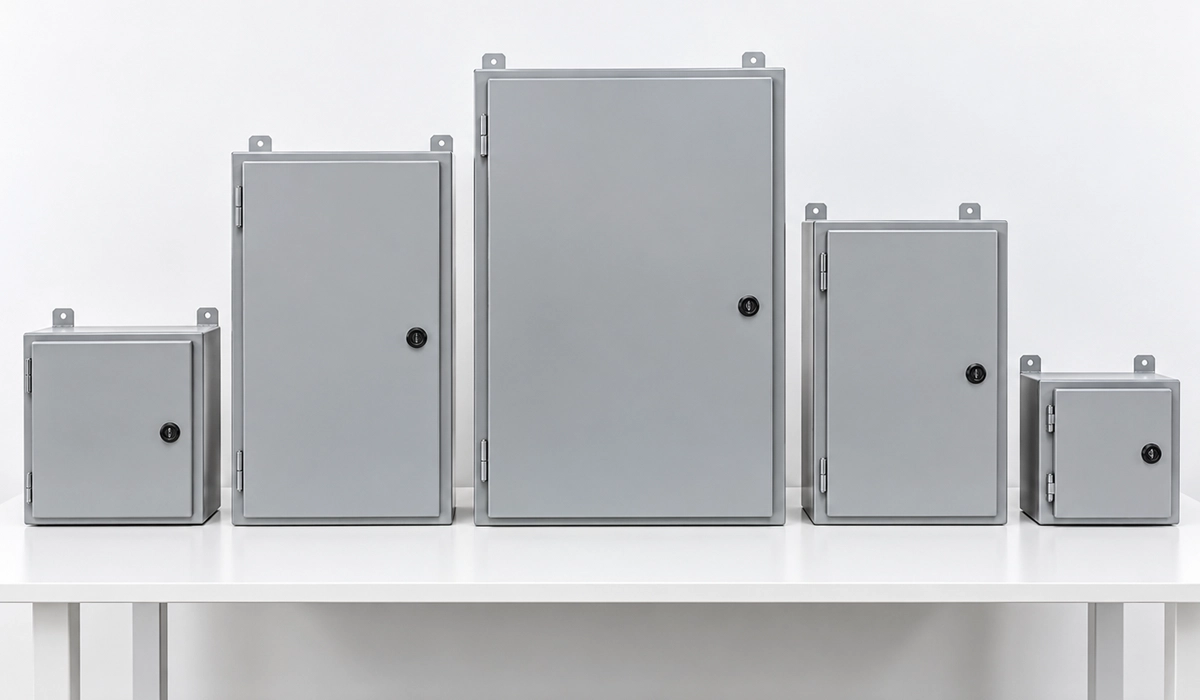
NEMA ratings for enclosures are type numbers that state which environmental conditions an enclosure protects its contents against. Each number links to defined construction features and design tests, so two enclosures of the same type resist the same conditions.
In practice, the number describes the conditions around the box: dirt, dust, water, ice, corrosion, oil or explosive gas. It says nothing about voltage or current, which belong to the breakers, busbars and terminals inside.
The types also split by location. Some suit indoor use only, while others suit indoor and outdoor use because they also pass rain and icing tests. A third group covers hazardous areas, where the risk is ignition rather than water.
Most importantly, a higher number is not a better enclosure. Type 12 is not an upgrade on Type 4; the right choice is the type that matches the site.
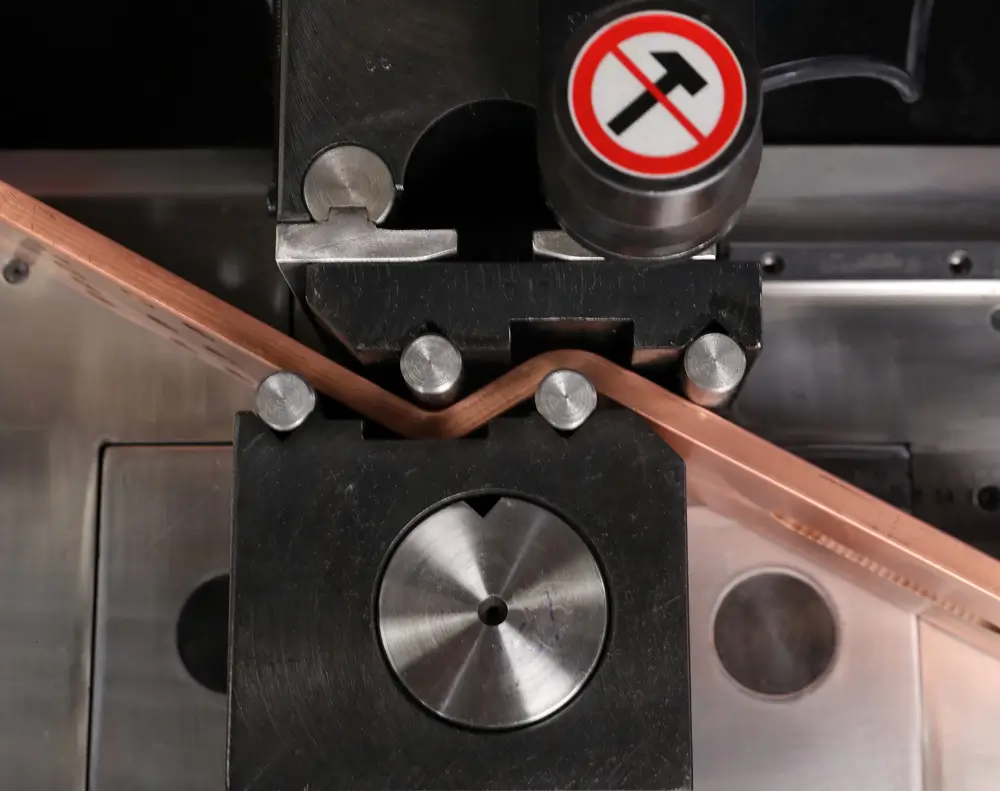
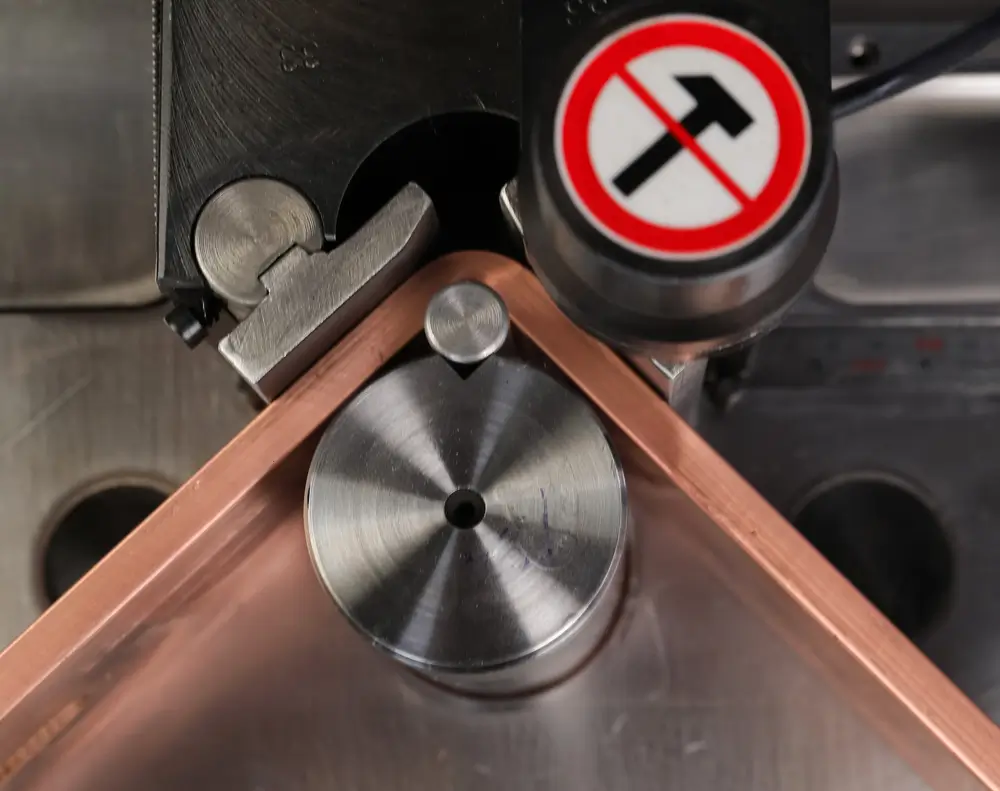
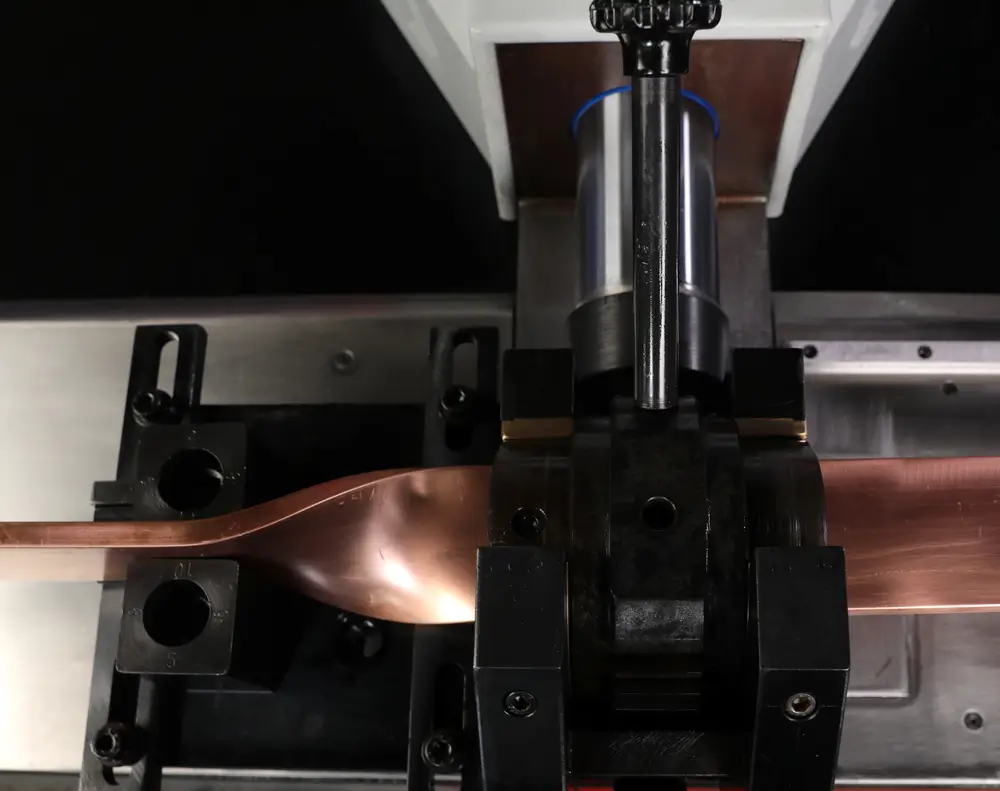
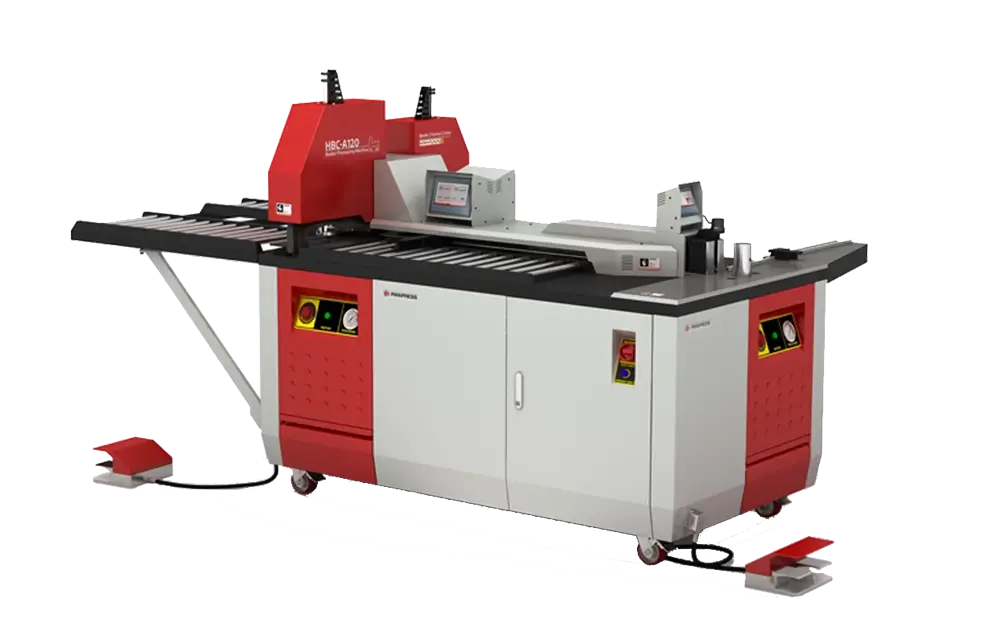
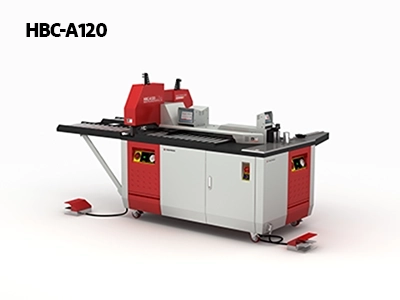
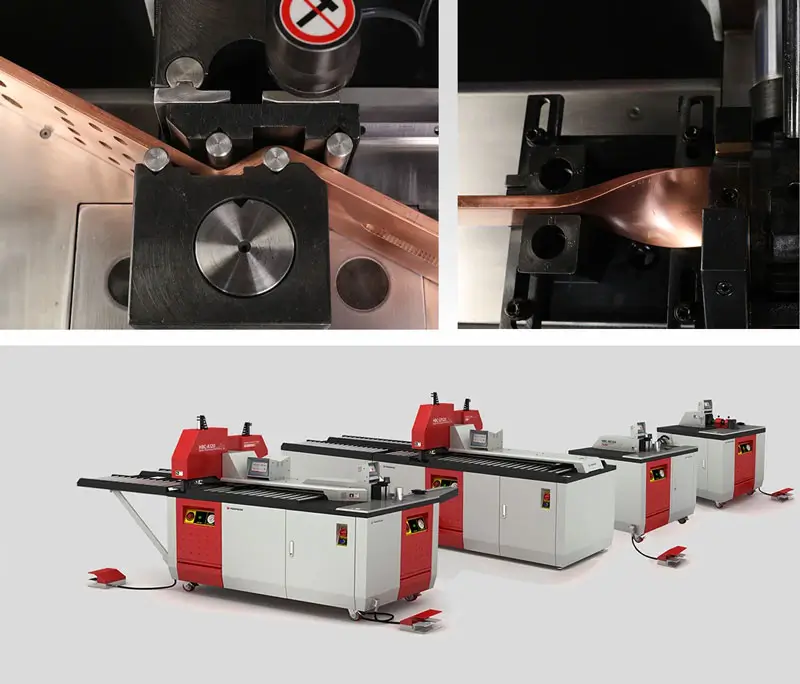
The HBC-B120 machine combines three essential fabrication processes in a compact industrial system. Designed for busbars up to 120 × 12 mm, it provides a practical solution for workshops requiring sequential operations.
Who Sets the Rating: NEMA 250, UL 50E and CSA
NEMA writes the rules, but it does not police them. NEMA 250-2020, the 2020 edition of the standard, sets construction, marking and design-test requirements for enclosures rated up to 1,000 volts. So, does NEMA certify enclosures? No. NEMA is a standards body, not a test lab, so manufacturers may self-certify their products to NEMA 250.
Third-party listing works differently. UL 50E and CSA C22.2 No. 94.2 form one environmental standard with two covers, and certification bodies use it to list enclosures. In the United States, a Nationally Recognized Testing Laboratory (NRTL), such as UL, CSA or Intertek, performs that listing. Thus, self-declared vs listed products may show the same type number, yet only the listed one passed an independent test. Inspectors often require the listing, so look for a certification mark beside the type number.
NEMA ratings are only one part of the wider rulebook for panel assemblies and power distribution. For the full picture, see our guide to switchgear standards and how they apply to busbar systems.
NEMA Enclosure Types Chart: Types 1 to 13 at a Glance
Read this NEMA ratings chart row by row, from type to typical use.
| Type | Indoor or outdoor | Protects against | Typical use |
|---|---|---|---|
| 1 | Indoor | Live parts, falling dirt | Offices |
| 2 | Indoor | Type 1 plus drips | Basements |
| 3 | Indoor/outdoor | Rain, windblown dust, ice | Outdoor boxes |
| 3R | Indoor/outdoor | Rain, sleet, snow, ice | Meters |
| 3S | Indoor/outdoor | Type 3, operable when iced | Icy climates |
| 3X | Indoor/outdoor | Type 3 plus corrosion | Coastal sites |
| 3RX | Indoor/outdoor | Type 3R plus corrosion | Coastal gear |
| 3SX | Indoor/outdoor | Type 3S plus corrosion | Icy coasts |
| 4 | Indoor/outdoor | Type 3 plus hose-down | Wash-down areas |
| 4X | Indoor/outdoor | Type 4 plus corrosion | Food plants |
| 5 | Indoor | Settling dust, drips | Workshops |
| 6 | Indoor/outdoor | Hose-down, temporary submersion | Pits, vaults |
| 6P | Indoor/outdoor | Prolonged submersion, corrosion | Flooded vaults |
| 7 | Indoor | Class I gas, explosion-proof | Refineries |
| 8 | Indoor/outdoor | Class I gas, oil-immersed | Legacy gear |
| 9 | Indoor | Class II combustible dust | Grain elevators |
| 10 | Mining | Methane, coal dust (MSHA) | Mines |
| 11 | Indoor | Corrosive gases, oil-immersed | Legacy plants |
| 12 | Indoor | Circulating dust, drips | Control panels |
| 12K | Indoor | Type 12 with knockouts | Control panels |
| 13 | Indoor | Type 12 plus oil spray | Machine tools |
Listed enclosures use the same type numbers as this NEMA enclosure ratings chart, because UL 50E sets their environmental requirements in non-hazardous locations. The ANSI store page lists the types that standard covers in its UL 50E summary.
Many buyers compare these type numbers with IEC codes before they order an enclosure. Our guide on IP vs NEMA ratings explains how the two systems line up, along with IK impact ratings.
Indoor Types: 1, 2, 5, 12, 12K and 13
When you compare NEMA enclosure types indoor vs outdoor, the dividing line is weather. Types 1, 2, 5, 12, 12K and 13 suit indoor locations only, so none of them must pass a rain test or survive ice on the outside. Instead, they keep out falling dirt, dust and dripping liquids, from clean electrical rooms to oily machine shops.
Many US plants build these indoor panels to UL 508A, a standard for industrial control panels in ordinary locations. UL Standards & Engagement describes that scope, including the panel enclosure, in its UL 508A scope.
Type 1 and Type 2
Type 1 is the general-purpose indoor enclosure. It stops people from touching live parts and keeps falling dirt off the equipment, but it does not seal against dust or liquids. A NEMA 1 enclosure therefore suits clean, dry electrical rooms, offices and plant areas without spray or drips. Many lighting panels and wall-mounted controls ship in this form.
Type 2 adds protection against dripping and light splashing water, often with a drip hood over the top. Like Type 1, it may also include ventilation openings. Typical sites include indoor rooms with condensation from pipes or ceilings. However, neither type resists hose-directed water, oil or windblown dust.
Type 5, 12, 12K and 13
Type 5 protects against settling airborne dust, lint and fibers, plus falling dirt and light drips. It suits workshops and stores where dust drifts down rather than blowing around. In contrast, Type 12 handles circulating dust, so the real comparison is settling vs circulating particles.
Type 12 also resists dripping non-corrosive liquids and seeping oil. For these reasons, a NEMA 12 enclosure is the usual default for industrial control panels on a factory floor. Type 12 has no knockouts, while Type 12K is the same design with conduit knockouts. For the IP side of that choice, see our IP55 vs NEMA 12 comparison.
Type 13 goes further for machine tools. It keeps out spraying, splashing and seeping oil and coolant, as long as the coolant is not corrosive. As a result, it suits CNC lathes, grinders and machining centers where coolant mist reaches the controls.
The right indoor type also depends on the kind of panel inside the enclosure. To see how panel designs differ by job, read our overview of electrical panel types in U.S. practice.
Outdoor Types: 3, 3R, 3S, 4, 4X, 6 and 6P
So, what NEMA rating is for outdoor use? Any type in this group, plus the X versions of 3, 3R and 3S. All of them keep out rain, sleet and snow, and external icing must not damage them. Beyond that baseline, they differ on windblown dust, hose-down, corrosion and submersion. That makes them the starting point for any yard, roof or pole-mounted panel.
Inspectors check outdoor installations against the NEC’s enclosure selection table, which matches each condition to the permitted types. Electrical Contractor magazine explains how to read that table, condition by condition, in its NEC table walkthrough.
Type 3, 3R and 3S
Type 3 protects against rain, sleet, snow and windblown dust, and ice on the outside must not damage it. It suits outdoor control and junction boxes in dusty yards, quarries and roadside cabinets.
Type 3R drops the windblown dust requirement and may include ventilation openings, so it costs less and runs cooler around heat-producing gear such as small transformers. As a result, 3R is the most common outdoor type for service equipment, meters and disconnects. Our NEMA 3R enclosure guide covers it in depth.
Type 3S matches Type 3 for rain and dust, but it adds one key promise: external mechanisms, such as a disconnect handle, still work when ice coats the enclosure. Choose 3S where operators must switch equipment during freezing rain. Each of the three also comes in an X version with extra corrosion protection for coastal or chemical sites.
Type 4 and 4X
Type 4 builds on Type 3 by adding protection against splashing and hose-directed water. Because it passes a hose-down test, it fits areas that crews clean with water, such as pump stations, car washes and outdoor process skids. Like Type 3, it also blocks windblown dust and shrugs off external ice, while gasketed doors keep the jet out.
So, what does a NEMA 4X rating mean? It means Type 4 protection plus extra corrosion resistance. Makers usually reach it with stainless steel or with nonmetallic materials such as fiberglass and polycarbonate, and the design must pass an added salt spray stage. Therefore, food plants, chemical works and marine sites rely on it, especially where caustic cleaners attack painted steel. Read our NEMA 4X guide and the NEMA 4 vs 4X comparison for details.
Type 6 and 6P
Type 6 adds protection against hose-directed water and temporary submersion at a limited depth. In design testing, it typically sits under about 6 feet of water for 30 minutes. A NEMA 6P enclosure handles prolonged submersion instead, with tests that typically run 24 hours at that depth, and it also adds corrosion protection.
The temporary vs prolonged difference decides the choice: use Type 6 for occasional flooding and 6P for pits that stay wet. Typical uses include underground vaults, sump pits, irrigation controls and fountain equipment. Both also block windblown dust and survive external ice.
Outdoor dust, moisture and condensation also affect what happens inside the box, not just on its surface. Our article on pollution degree and overvoltage category shows how those conditions shape clearances and creepage.
Hazardous Location Types: 7, 8, 9 and 10
Types 7, 8, 9 and 10 answer a different question: they stop an internal fault from igniting the surrounding air. Their classes come from the hazardous locations rules of the National Electrical Code (NEC), not UL 50E.
- Type 7: indoor, Class I, Division 1 gases. It contains an internal explosion, so it answers what NEMA rating is explosion proof; a NEMA 7 enclosure suits refineries.
- Type 8: Class I gas, indoor or outdoor, with oil-immersed parts.
- Type 9: indoor, Class II, Division 1 combustible dust.
- Type 10: mines, under MSHA rules in 30 CFR Part 18.
Is NEMA 7 better than NEMA 4? Neither, because the contrast is ingress vs ignition. Current NEMA 250 defines only Types 7 and 9; Types 8 and 10 are legacy or MSHA types.
Area classification drives every choice here, so start with the plant’s hazardous-area drawings. OSHA’s electrical standard lists the classes, divisions and protection methods in its hazardous location rules.
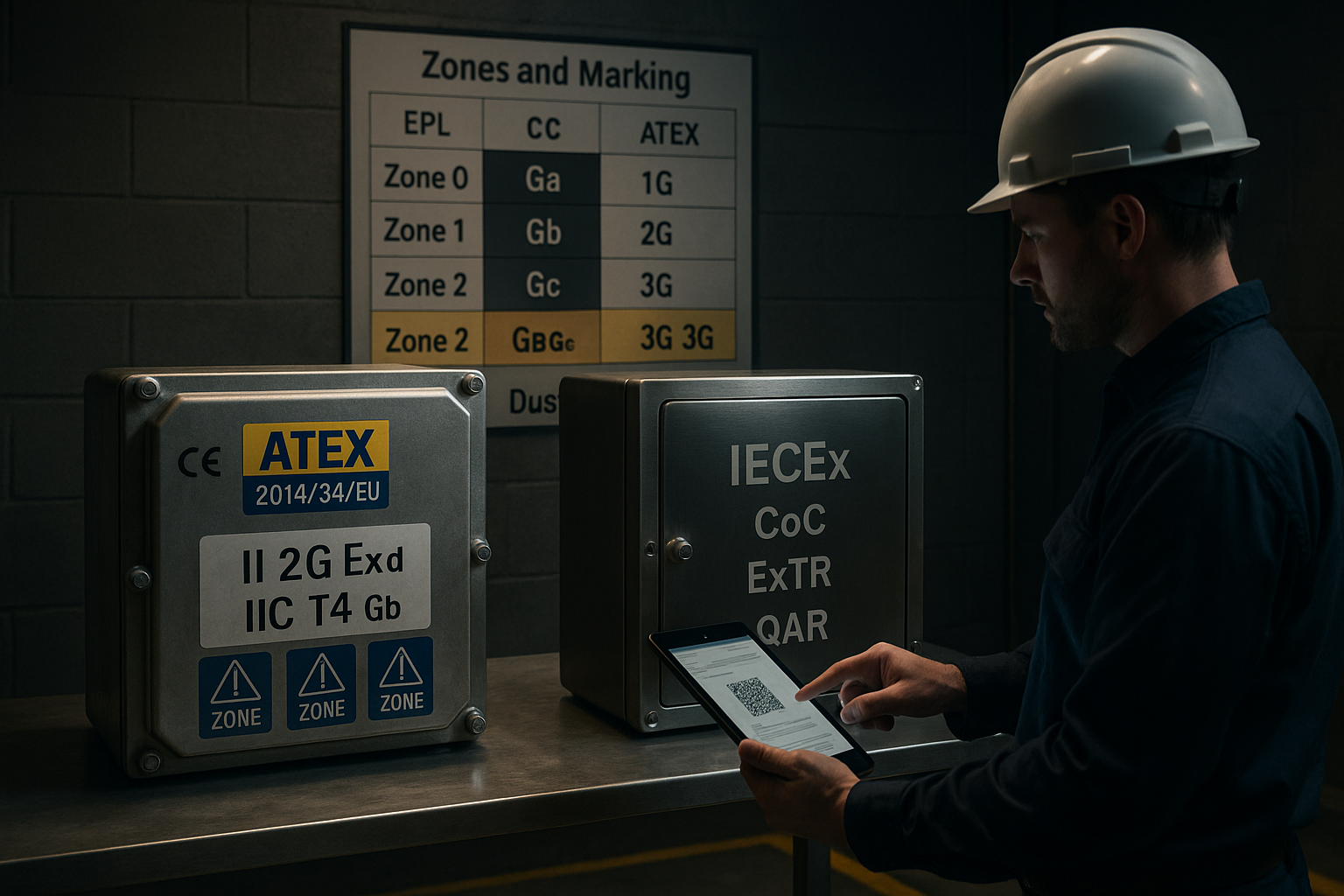
Outside North America, hazardous areas use zones and Ex marking rather than NEMA types. Our guide to ATEX vs IECEx compares those schemes for export projects.
Type 11 and the “X” Suffix: Corrosion Ratings
Type 11 is an indoor type that protects equipment from corrosive liquids and gases by oil immersion. It now appears mainly on older installations, because the current NEMA 250 and UL 50E type lists omit it.
For modern projects, the “X” suffix handles corrosion instead. Types 3X, 3RX, 3SX and 4X add corrosion resistance to their base type, and Type 6P includes it by definition. Each one keeps every property of its base type.
Makers prove that resistance with a salt spray test, which the next section explains.
Salt spray hours mean little unless every lab creates the same fog, so enclosure tests use a common chamber method. The ASTM B117 listing covers that apparatus and its conditions, while leaving exposure times to product standards, in its salt spray practice.
Corrosion control matters inside the enclosure too, where copper busbars and joints face the same air. Learn how quality checks protect conductors in our article on busbar manufacturing compliance.
How NEMA Ratings Are Tested
Each type number rests on design tests that a sample enclosure must pass. The table lists the main tests, what each simulates and which types need it.
| Test | What it simulates | Types that must pass |
|---|---|---|
| Rain | Driving rain from overhead nozzles | 3, 3R, 3S and X versions |
| Hose-down | Hose-directed water, about 65 gal/min from a 1-inch nozzle | 4, 4X, 6, 6P |
| Dust | Windblown dust outdoors; settling or circulating dust indoors | 3, 3S, 4, 4X, 6, 6P; 5, 12, 12K, 13 |
| External icing | About ¾ inch of ice on the outside | All outdoor types |
| Outdoor corrosion | 600-hour salt spray, compared with G90 galvanized steel | All outdoor types |
| Extra corrosion | Another 200 hours, compared with AISI 304 stainless steel | 3X, 3RX, 3SX, 4X, 6P |
| Oil exclusion | Oil or coolant seepage and spray | 12, 12K, 13 |
| Submersion | Temporary or prolonged immersion | 6, 6P |
These tests apply to a design sample, not to every unit, so a field change can undo the result.
Datasheets often blur corrosion figures, so check them against the standard body’s own answer. NEMA’s enclosure FAQ gives the salt spray hours and comparison metals for outdoor and X types in its corrosion test FAQ.
IEC assemblies also rely on design tests, but they verify the whole panel rather than the empty box. See our IEC 61439 verification guide for how that process works in the EU.
How to Choose a NEMA Rating for an Electrical Panel
Answer five questions in this order:
- Indoor or outdoor? Outdoors rules out 1, 2, 5, 12, 12K and 13.
- Dust? Use 5 or 12 indoors; 3 or 4, not 3R, outdoors.
- Water? Drips need 2 or 12, rain 3R, hose-down 4 or 6.
- Corrosion? Add the X suffix or choose 6P.
- Hazardous location? Add Type 7 or 9.
This also settles a common question: is NEMA 4 or 12 better? Neither; Type 12 suits dusty plant floors, while Type 4 suits wash-down or outdoor duty.
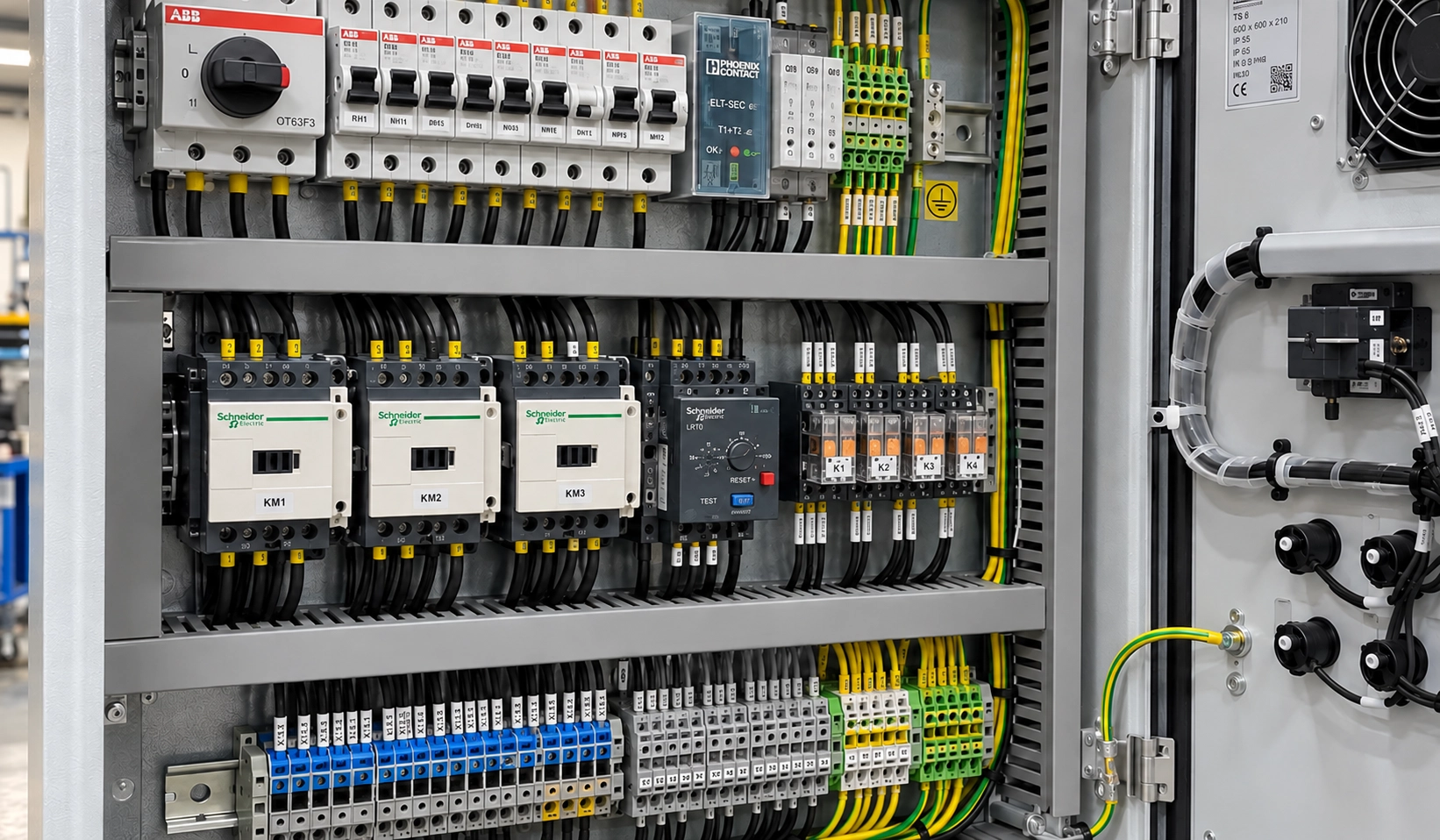
Panel builder’s note: The rating covers the finished assembly. Every cutout, gland, fan and HMI needs at least the same type, or the weakest part sets the rating. Sealed boxes also trap busbar heat, so plan copper size and cooling early.
IEC projects use an IEC 60529 IP code instead; see our guide to enclosure IP ratings.
Export panels often need both systems, since US buyers expect type numbers and IEC markets expect IP codes. The IEC catalogue page explains how that standard classifies enclosure protection in its IEC 60529 listing.
Panels shipped to Europe need more than the right enclosure rating. Our guide to CE marking covers the documents and checks that industrial control panels require.
Conclusion: NEMA Ratings Chart
NEMA ratings work best as a matching exercise. First, match the type to the real environment: indoor or outdoor, dust, water, corrosion and any hazardous atmosphere. Next, check the listing mark, because NEMA does not certify enclosures. Finally, keep the rating through fabrication with rated glands, fans and fittings, since a correct type on paper means little if the installed panel loses it. For more on specific NEMA enclosure types, read our guides to NEMA 3R, NEMA 4X, NEMA 4 vs 4X and IP65 vs NEMA 4X.
NEMA types sit alongside many other codes that shape a compliant panel. For a broader overview, explore our electrical standards guide.

Rate this article
Choose a rating from 1 to 5 stars.
No ratings yet