




If you’d rather listen than read, feel free to play the audio file below for the rest of this article.
Busbars are critical current-carrying components in electrical power distribution systems, and how precisely they are processed shapes assembly quality, production speed, material waste, and product reliability. Busbar machine accuracy is one of the most important factors when evaluating equipment for cutting, punching, and bending copper or aluminum busbars. When a machine holds tight tolerances part after part, bolted joints align, bars seat cleanly, and scrap stays low. When it drifts, the cost shows up as rework, rejected parts, and wasted metal. This guide defines accuracy and repeatability, explains what affects them, and sets out the criteria to check before buying.
For a comprehensive understanding of How choose busbar fabrication machine , we highly recommend reviewing this article.
What Is Busbar Machine Accuracy?
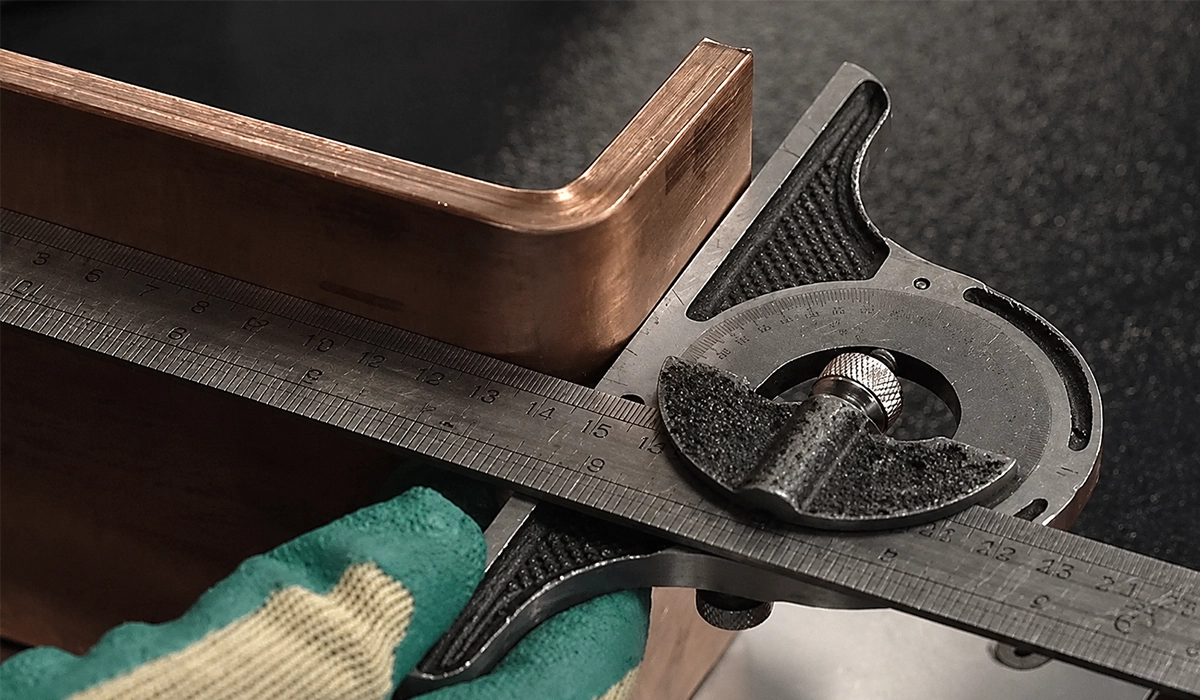
Accuracy is the machine’s ability to produce a required dimension, hole position, bend angle, or cut length to the target specification. It spans several distinct measures: dimensional accuracy of the finished bar, bend angle accuracy at each forming operation, hole location accuracy for bolted connections, and cut length accuracy across the run. Each of these is governed by a tolerance — the permitted deviation from nominal — and real accuracy is only as good as the tightest consistently-held tolerance. A bar that is 2 mm long but 1° off on a bend still fails the joint it was made for.
What Is Repeatability in Busbar Processing?
Repeatability is the machine’s ability to produce the same result consistently across multiple parts and production cycles. Busbar processing machine accuracy and repeatability are separate properties. A machine can be set up to bend one busbar perfectly, but repeatability determines whether the next fifty bars come out the same. Understanding why busbar machine repeatability matters is straightforward in batch production: a single accurate part proves the setup, but only repeatable output proves the machine can hold that setup through a full order without operator intervention on every piece.
Further exploration of Busbar Processing Machine can be found in the following recommended reading.
Accuracy vs. Repeatability: What Is the Difference?
The distinction is simple but important. Accuracy is how close a result is to the intended measurement. Repeatability is how consistently the machine produces the same result, whatever that result is. The two do not always travel together. If a machine bends one busbar to the correct angle but produces different angles across the next fifty parts, it was accurate once but not repeatable. The reverse is also possible: a machine can repeat the same wrong angle every time, which is repeatable but inaccurate. Industrial production needs both — accurate to meet the drawing, repeatable to meet it on every part.
| Property | Accuracy | Repeatability |
|---|---|---|
| Definition | How Close a Result Is to the Target | How Consistently the Result Is Reproduced |
| Measured Against | The Drawing Specification | The Machine’s Own Previous Parts |
| Fails When | Parts Miss the Nominal Dimension | Parts Vary from One Another |
| Proven By | A Single Conforming Part | A Full Batch of Matching Parts |
| Governed By | Calibration, Tooling, Setup | CNC Control, Frame Rigidity, Stroke Consistency |
| Production Impact | Wrong Dimensions, Poor Fit | Inconsistent Output, Rework at Volume |
Cutting Accuracy
Accurate cutting delivers correct busbar length, which supports cleaner assembly and reduced rework. A bar cut short cannot be recovered, and a bar cut long forces field trimming that leaves a rough edge at the very point a low-resistance joint is needed. Consistent busbar cutting accuracy keeps assembly moving without hand-fitting.
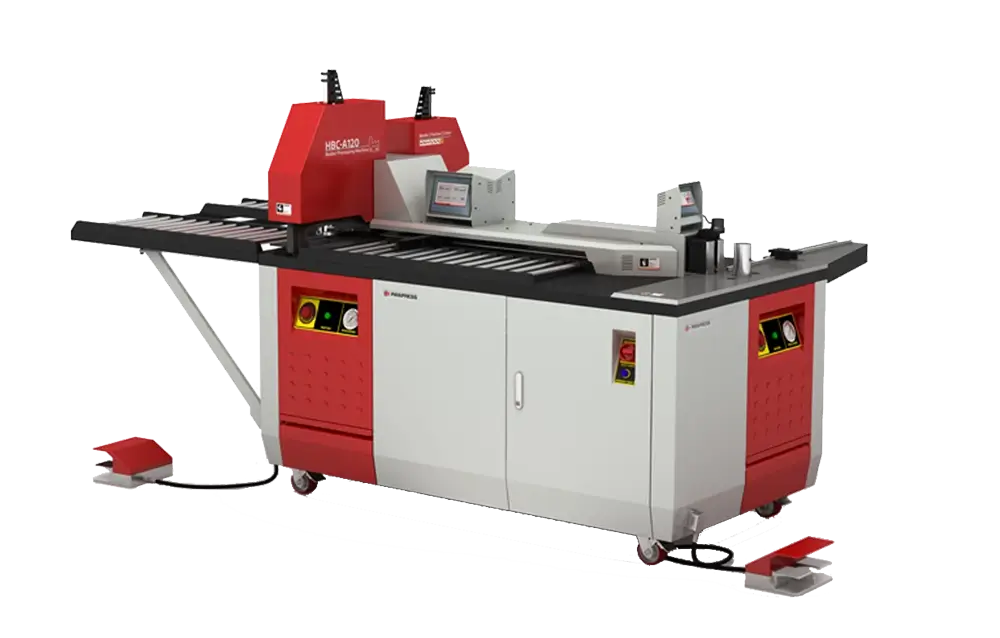
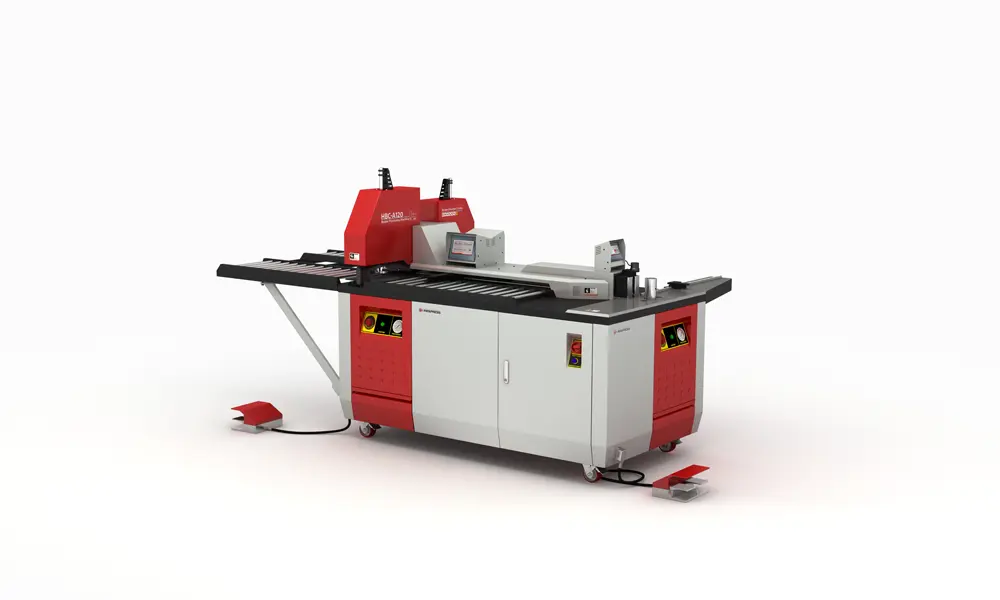
For a real-world example of high cutting accuracy, you can visit the product page for the HBC-A120.
Punching Accuracy
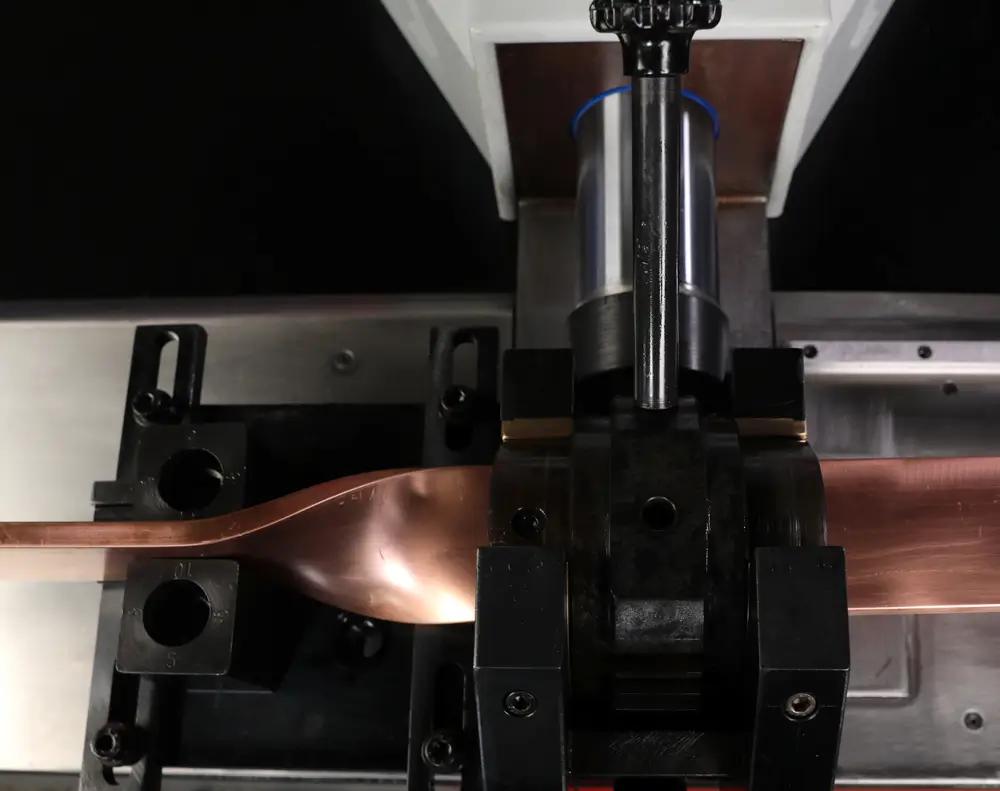
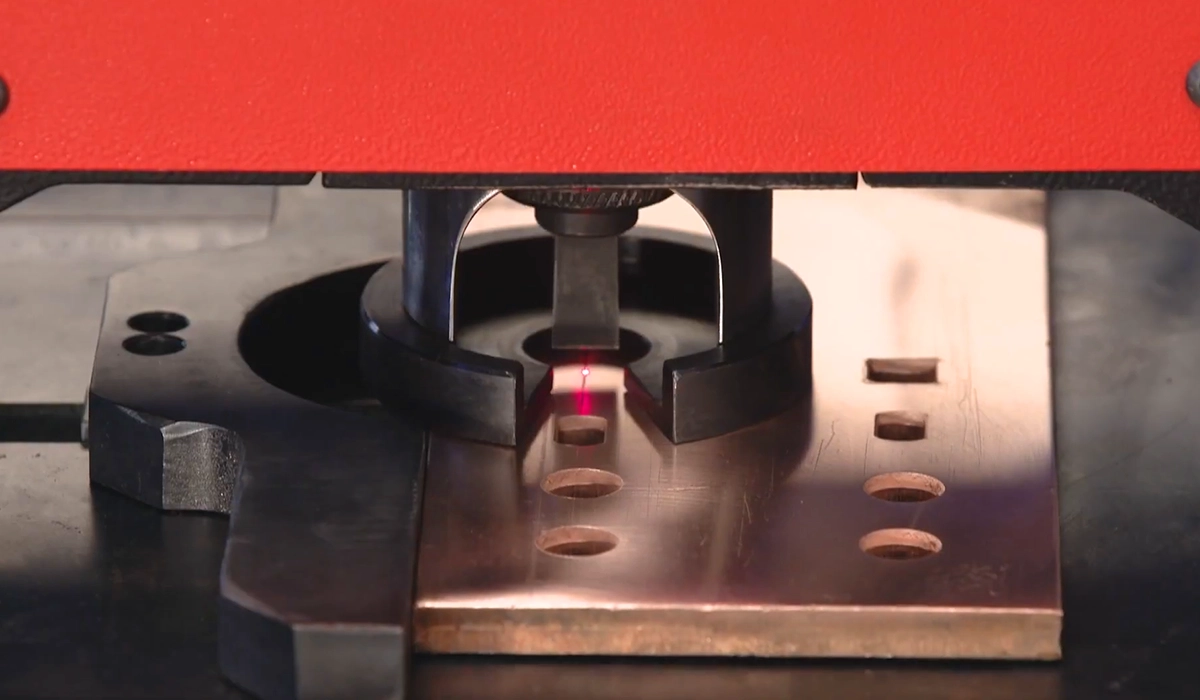
Precise hole positioning is essential for bolted connections, alignment, and installation. Busbar punching accuracy centres on hole placement. Busbar punching hole positioning accuracy determines whether bars line up with each other and with terminals; a hole even fractions of a millimetre off position pulls the joint into tension when bolted, reducing contact area and raising joint resistance.
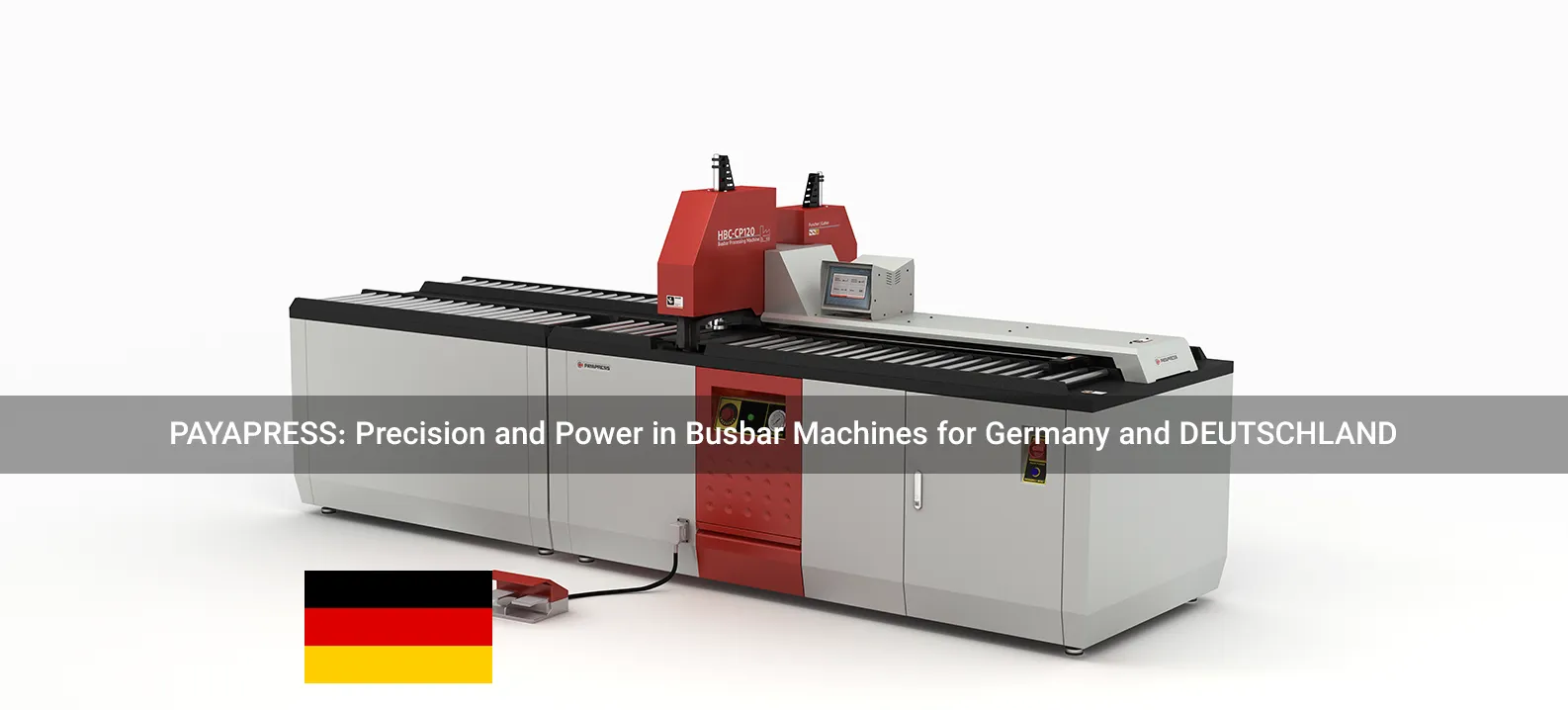
To see how high cutting accuracy is achieved in real production, explore the specifications and features of the HBC-CP120.
Bending Accuracy
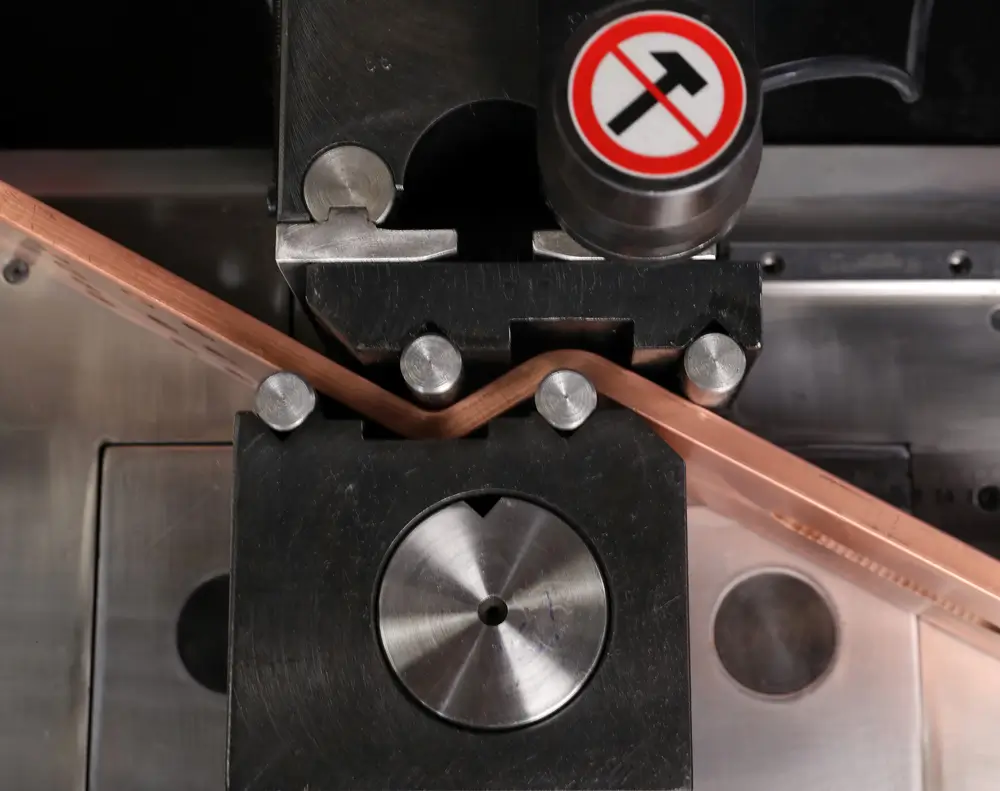
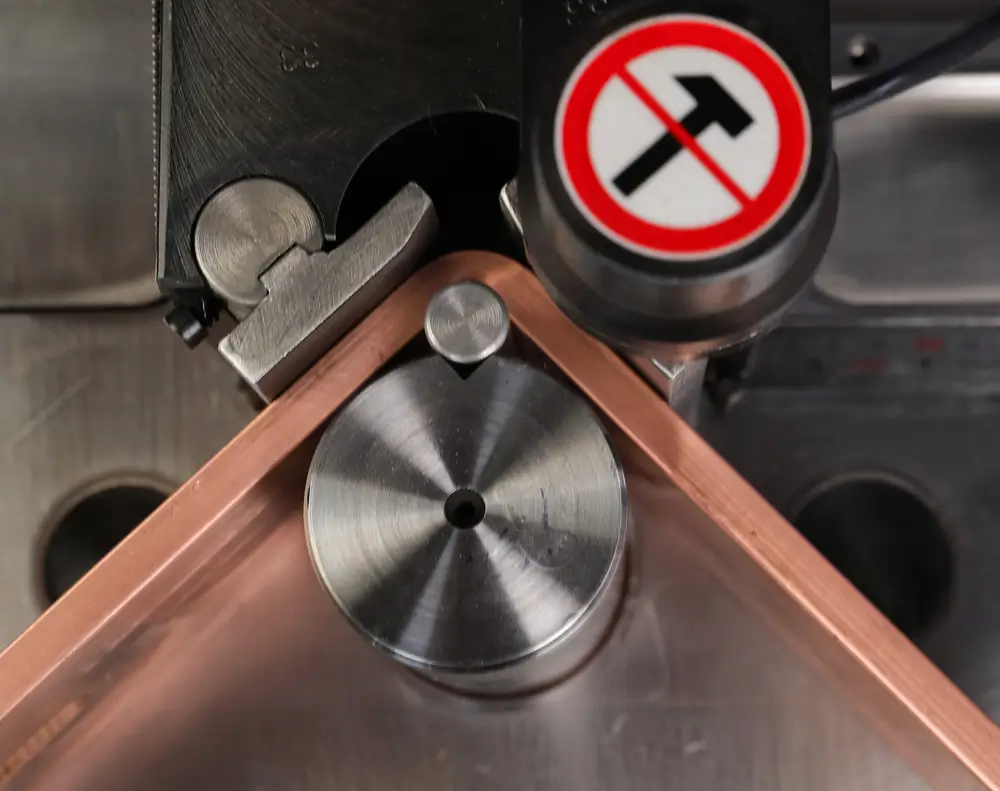
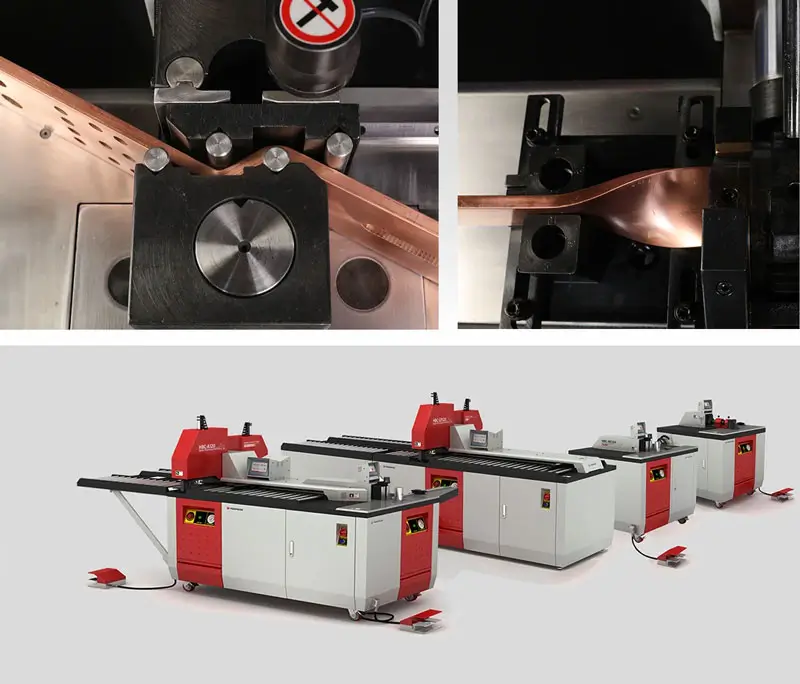
Consistent bend angles let busbars fit correctly inside switchgear, panels, and transformer assemblies. Busbar bending accuracy matters because a bar formed even slightly outside tolerance either will not seat in its compartment or forces mechanical stress on adjacent connections when pushed into place.
For a closer look at a machine designed for accurate and consistent cutting, visit the HBC-BE120 product page.
Key Factors That Affect Busbar Fabrication Precision
Understanding what drives fabrication precision means looking across the whole machine and process. The CNC control system governs positioning precision and program execution. Hydraulic busbar machine accuracy depends on hydraulic system stability and servo motor control, which set how consistently force and movement are applied stroke to stroke. Machine frame rigidity resists deflection under load, since a flexing frame lets the tool wander off position. Tooling quality and punch-and-die condition drive cut and hole finish directly. A digital measurement system and regular calibration keep the machine reading true, while operator setup remains a variable on manual and semi-automatic equipment. Material thickness, hardness, and busbar quality all affect how the material responds to forming.
Further exploration of Busbar Manufacturing can be found in the following recommended reading.
How CNC Busbar Machines Improve Repeatability
A CNC busbar processing machine reduces manual variation by controlling movement, stroke, bending angle, punching position, and processing sequence under program control rather than operator judgement. This is the core reason why CNC busbar machines are more repeatable than manual machines: the variables that an operator would otherwise set by hand on every part are fixed in the program. Stored programs let a proven setup be recalled exactly, digital input replaces manual measurement, and repeatable positioning holds the same coordinates across the batch. The result is automatic control with lower dependence on manual measurement, and markedly better batch consistency across a long run. CNC busbar machine accuracy in switchgear production, where a single panel may carry dozens of identical bars, is what makes volume production viable.
For a closer look at a machine designed for accurate and consistent cutting, visit the CNC Busbar Machine product page.
Industrial Benefits of Higher Busbar Precision
Higher accuracy pays back across the operation. It lowers scrap and rework, both of which protect expensive copper and aluminum material. It speeds production by removing hand-fitting and re-processing, and delivers more consistent quality with better assembly fit. It reduces operator dependency, since the machine holds the result rather than relying on individual skill, supporting better production planning and quality control. Over repeat orders, a machine with proven busbar manufacturing accuracy gives higher confidence that the second batch matches the first.
How to Evaluate Busbar Machine Precision Before Buying
Knowing how to improve busbar fabrication accuracy starts with choosing the right machine, and a structured evaluation protects the investment. Work through the following before selecting a machine:
- Ask for accuracy and repeatability specifications in writing, not just headline figures.
- Check cutting, punching, and bending tolerances separately, since a machine may be strong on one and weak on another.
- Request test samples cut, punched, and bent from your own material.
- Review the machine structure and tooling quality for rigidity and finish.
- Ask about calibration procedures and how often calibration is required.
- Confirm the maximum busbar size and thickness the machine handles.
- Check whether it supports both copper and aluminum.
- Ask about the control type: CNC control, digital rulers, servo systems, or hydraulic controls.
- Confirm after-sales service and spare parts availability.
- Match the machine to your production volume and application.
When comparing candidates, ask each supplier for machine accuracy and repeatability data measured over a production run rather than a single sample, so the figures reflect real batch behaviour.
This article serves as a valuable resource for those seeking detailed information on Economic vs. Premium Busbar Machine.
Choosing a Busbar Machine for Switchgear, Transformer, and Panel Production
The best busbar machine for repeatable production depends on the operation rather than a single model. Busbar size range and required tolerance set the baseline. Production volume determines how much automation is justified, and material type — copper, aluminum, or both — narrows the field. The number of bends and holes per bar, and whether manual, semi-automatic, or CNC processing suits the workload, shape the control requirement. Factory space, operator skill, and budget with realistic ROI expectations complete the picture. Busbar machine accuracy for transformer manufacturing, with its heavier sections and tighter joint requirements, may weight the decision toward full CNC control and higher frame rigidity than a light panel shop would need. Compare models based on your busbar size and production volume, and speak with an engineer to match capability to application.
If the information related to Busbar Machine for Switchgear was interesting and informative to you, researching busbar in switchgear manufacturing can be very engaging.
Conclusion about Busbar Machine Accuracy
Busbar machine accuracy and repeatability are not merely technical specifications on a datasheet. They directly influence production quality, waste reduction, and industrial efficiency across every batch a machine runs. Accuracy ensures each part meets the drawing; repeatability ensures every part does, order after order. Together they determine whether a line can hold tolerance economically at volume. To choose the right busbar machine for your production line, compare machine accuracy, repeatability, busbar size capacity, and automation level before making a purchase decision. Request technical specifications and ask for a recommendation matched to your switchgear or transformer production line.


Rate this article
Choose a rating from 1 to 5 stars.
No ratings yet