


If you’d rather listen than read, feel free to play the audio file below for the rest of this article.
What a Panel Shop Actually Does
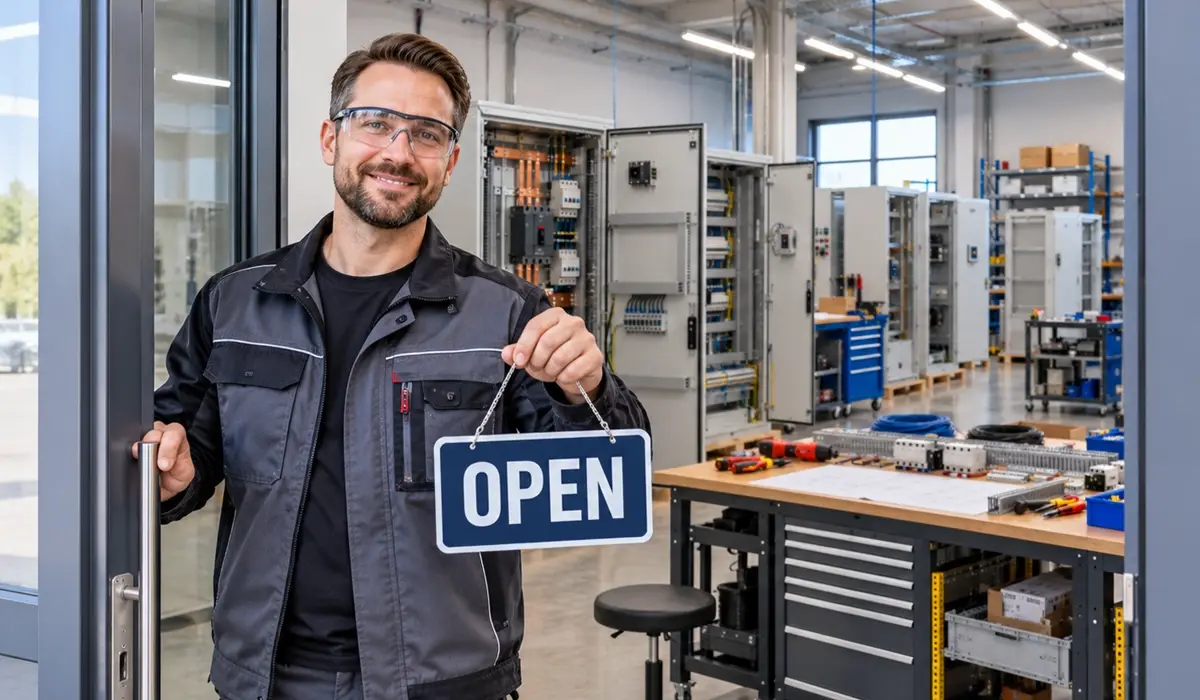
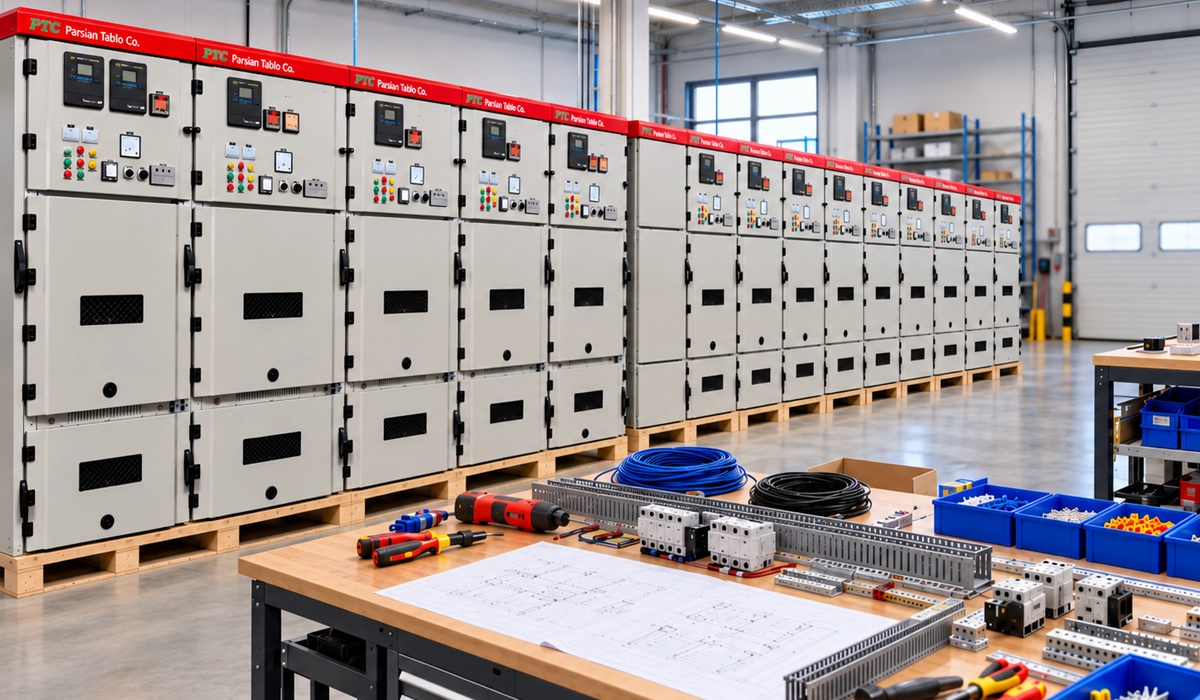
A panel shop specializes in the design support, assembly, wiring, rigorous testing, and documentation of industrial control and power distribution panels. These systems serve original equipment manufacturers (OEMs), system integrators, and plant facilities. At its core, answering what is a control panel is simple: it is an enclosed assembly of electrical devices that controls and distributes power to a specific machine, process, or facility. Operating a professional panel shop requires strict adherence to scopes defined by safety bodies such as UL Standards, particularly for industrial control panel shops.
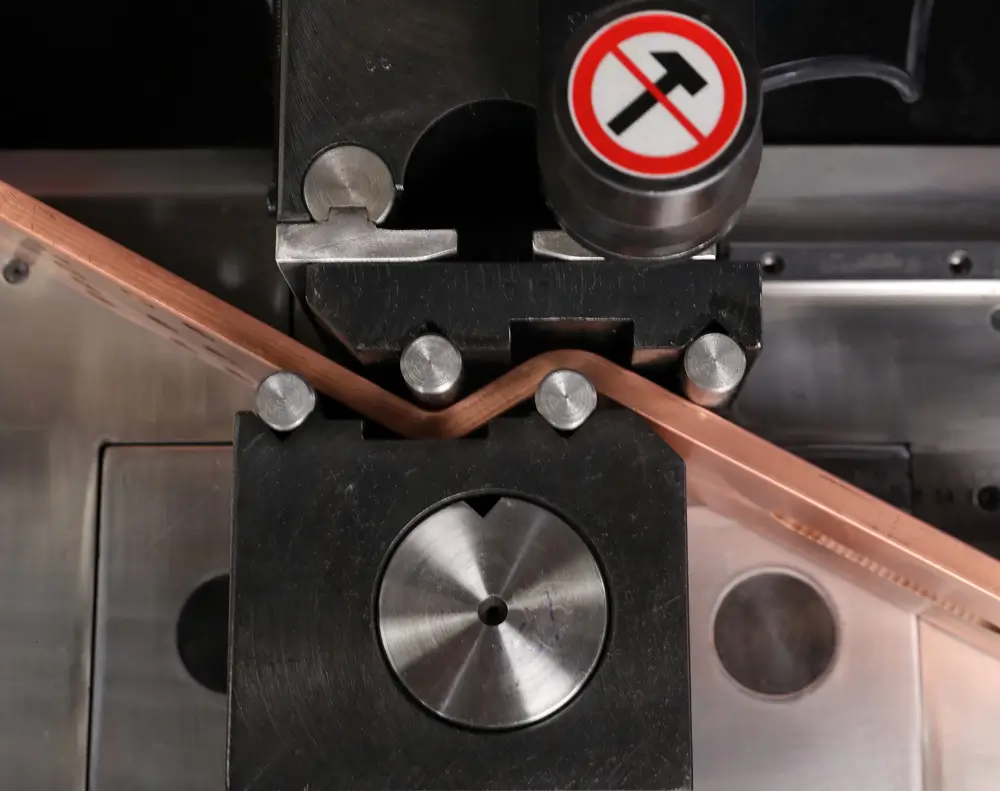
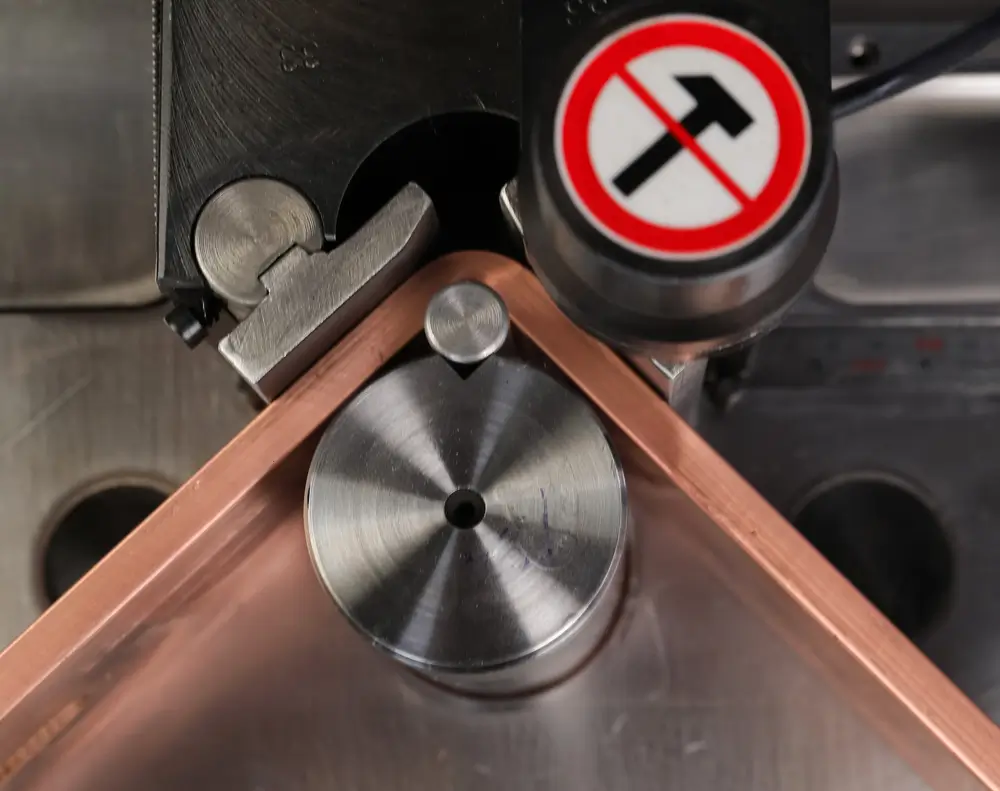
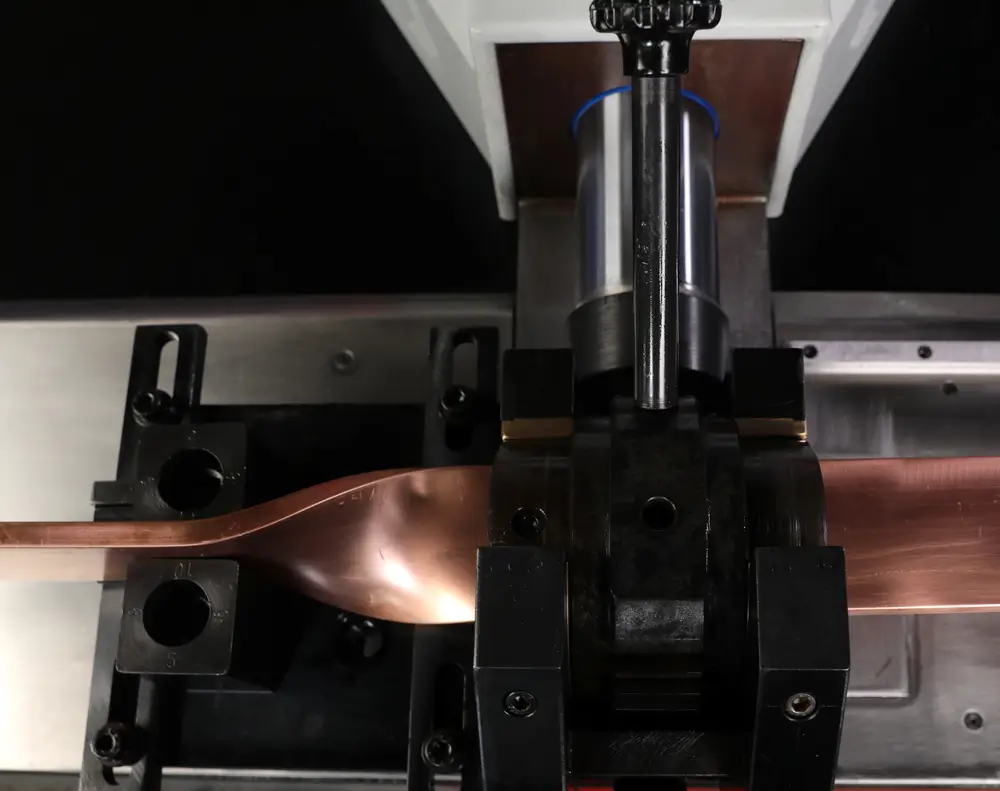
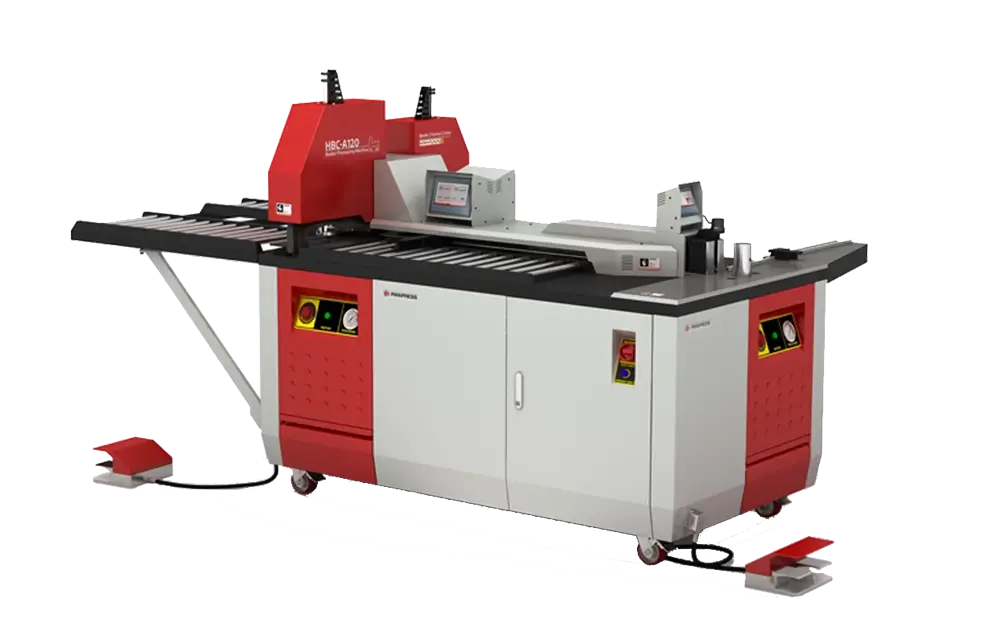
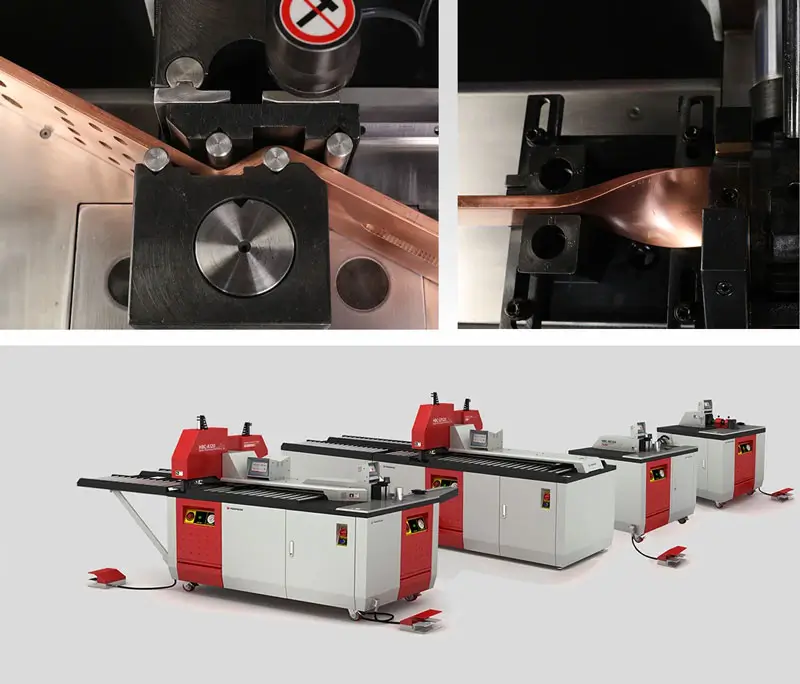
Certain production milestones signal the right time to transition away from manual fabrication. Rising labor overhead for outsourced busbar components, extended supplier lead times, and recurring batch orders indicate that upgrading your production line is financially viable. Integrating solutions ranging from compact 3-in-1 bench units to automated CNC systems dramatically accelerates throughput.
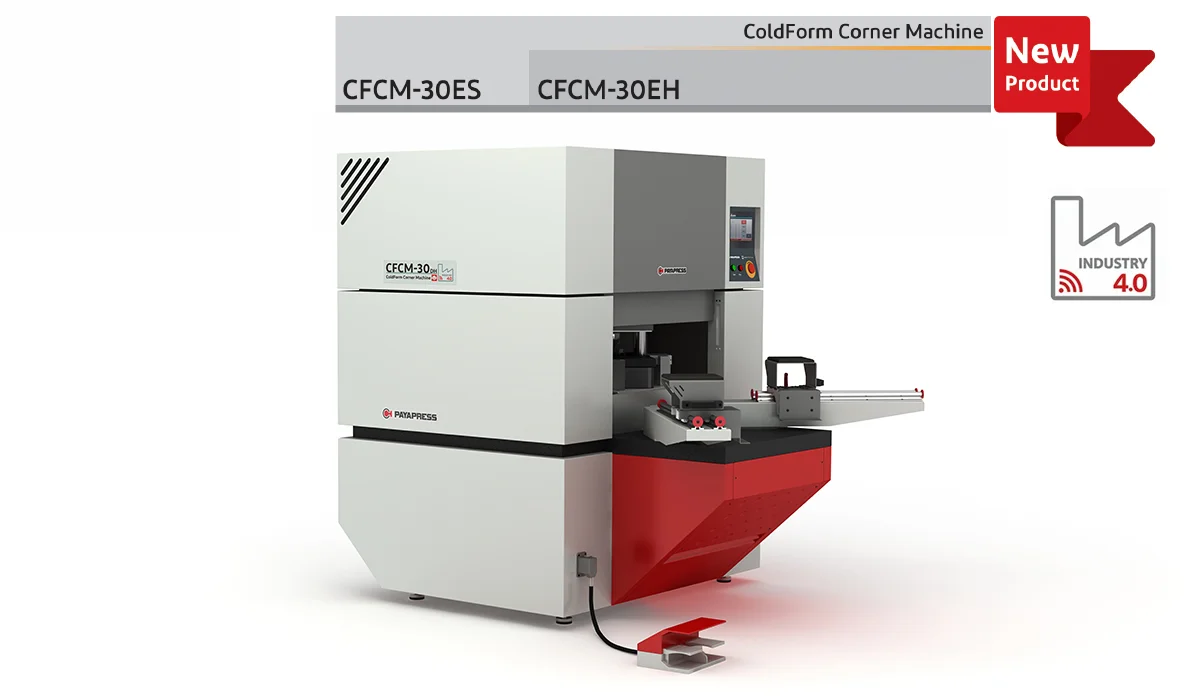
As your panel shop grows, enclosure and door fabrication becomes another bottleneck, especially when you build custom cabinets for OEM clients. A corner forming machine lets you cold-form clean, weld-free corners for control panel doors in-house, saving the time and cost of welding, grinding and outsourcing.
Pick Your Niche Before You Buy Anything
Before purchasing facility space or heavy machinery, you must choose your specific market niche. Your niche dictates the applicable safety standards, listing requirements, necessary tools, and ideal customer profile. Most successful startups choose one of three primary production paths.
Every panel you build must align with a clear set of rules from day one. A good starting point is understanding the switchgear standards that shape modern assemblies.
Industrial Control Panels (UL 508A)
Industrial control panels govern machines, manufacturing cells, and automated factory processes. Operating in this space requires mandatory short-circuit current rating (SCCR) marking under NEC Article 409. This is historically the most common and accessible entry point for new independent shops.
Switchboards and panelboards manage heavier facility-wide power distribution. This sector involves heavier copper distribution, complex busbar fabrication, and higher capital requirements. Entering this market is typically pursued as an expansion phase after establishing a solid foundation in control panels.
OEM Machine Panels and Export Work (IEC 61439 / NFPA 79)
Many machine builders require specialized electrical enclosures. Domestic machinery relies on NFPA 79 compliance, while international equipment destined for overseas markets must conform to IEC 61439 standards.
Choosing a niche also means choosing which rulebooks you will work under. Our electrical standards guide compares the major frameworks side by side.
UL 508A Certification for a New Panel Shop
Industrial clients and local inspectors frequently mandate a recognized listing mark, making UL 508A certification a vital asset for new businesses. Understanding the distinction between operating a listed shop and producing a listed panel is critical to your operational framework.
What the Listing Requires
Achieving and maintaining certification involves a structured sequence: partnering with a Nationally Recognized Testing Laboratory (NRTL), establishing written standard operating procedures, training technical staff, adhering to strict component selection and wiring rules, applying authorized listing labels, and passing initial and ongoing follow-up inspections.
Timeline and Cost
Gaining certification involves several cost drivers, including initial application fees, engineering evaluations, travel expenses for agency representatives, ongoing annual follow-up audits, and staff training. While exact figures vary based on your scope, startup founders should anticipate a multi-thousand-dollar initial outlay alongside recurring audit fees (hypothetical estimate; check directly with recognized NRTLs for current rate schedules). The entire process typically spans several weeks to a few months depending on documentation readiness.
If your panels will also be sold outside North America, listing is only part of the picture. Learn how IEC 61439 verification works for international projects.
Space, Layout and Workflow
An optimized floor layout minimizes material handling and prevents bottlenecks. A logical production workflow follows a sequential path: material receiving → kitting → back-panel mechanical build → internal wire processing and routing → electrical testing → quality control (QC) → crating and shipping. Allocate dedicated square footage for workbench assembly lines, enclosure inventory, and a secure testing bay.
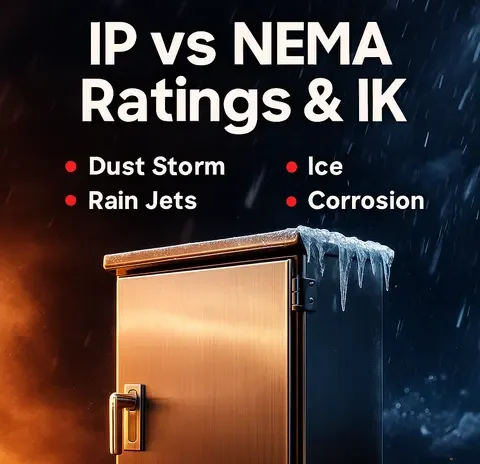
Your enclosure inventory should match the environments your customers operate in. See the practical differences between IP55 vs NEMA 12 before you stock up.
Tools and Machines a Panel Shop Needs
Equipping a new workshop requires restraint; founders should invest exclusively in tools required for the first two years of projected production rather than overextending on a dream facility immediately.
Day-One Tools
| Category | Essential Equipment | Purpose |
|---|---|---|
| Hand Tools | Strippers, cutters, insulated screwdrivers | Daily mechanical assembly |
| Termination | Precision crimpers, ferrule tools | Secure wire end processing |
| Fastening | Calibrated torque screwdrivers, wrenches | Ensuring compliance with terminal torque specs |
| Identification | Industrial thermal label printers | Wire and component marking |
| Fabrication | Hammer drills, hydraulic knockout punches | Enclosure cutouts and mounting |
| Testing | Megohmmeter, hipot and continuity testers | Safety and verification testing |
| Engineering | Electrical CAD software seat | Schematic generation and documentation |
When to Add Wire Processing and Busbar Machines
Certain production milestones signal the right time to transition away from manual fabrication. Rising labor overhead for outsourced busbar components, extended supplier lead times, and recurring batch orders indicate that upgrading your production line is financially viable. Integrating solutions ranging from compact 3-in-1 bench units to automated CNC systems dramatically accelerates throughput.
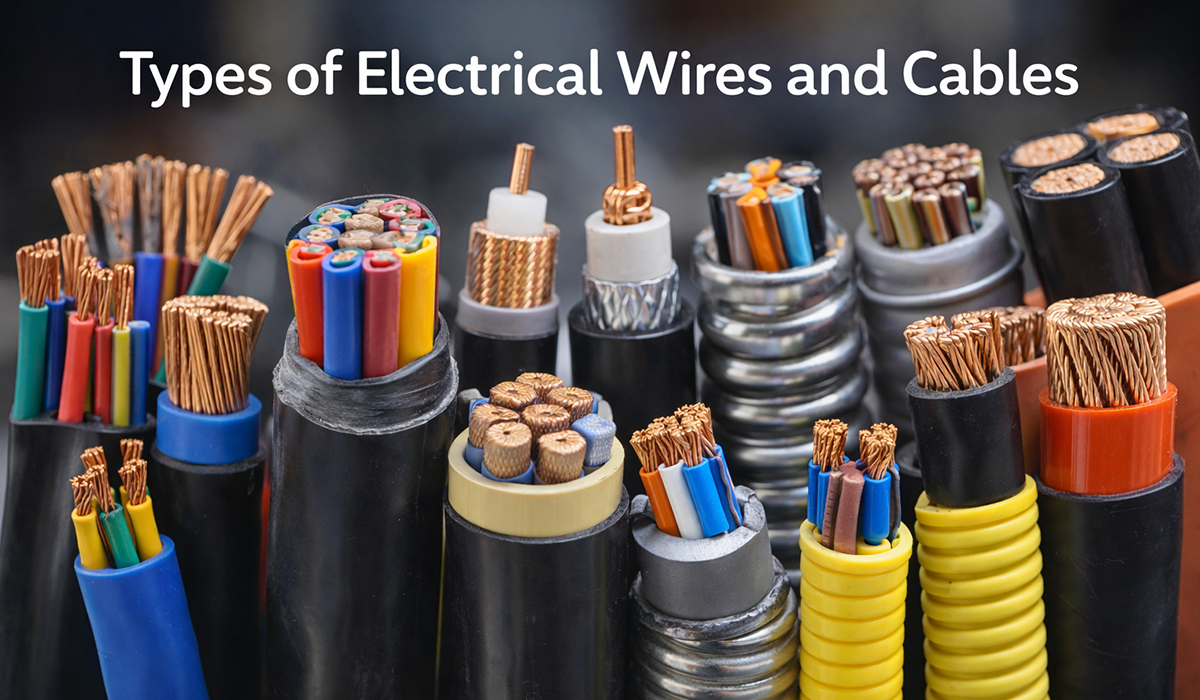
Wire is the material your team will handle the most, so choosing the right type matters. Review the main wires and cables used in panel building.
People: Who You Need to Hire First
Scaling your shop requires careful personnel choices. Initial hiring priorities generally include an experienced lead panel builder to oversee shop-floor assembly, an internal or contracted electrical designer proficient in CAD, and a designated individual responsible for strict quality control and testing. For tradespeople transitioning into business ownership, understanding how panels are built from a structural and safety standpoint forms the foundation of reliable craftsmanship.
Safety knowledge should be a hiring requirement, not an afterthought. Make sure your team understands arc flash labels and how they are applied.
Startup Costs and Pricing Your Work
Building a comprehensive financial model ensures long-term operational solvency.
| Cost Category | Description | Estimated Range |
|---|---|---|
| Facility & Lease | Rent, utilities, security deposits | (Hypothetical estimate) |
| Tooling & Machinery | Hand tools, test gear, initial bench equipment | (Hypothetical estimate) |
| Software & Licensing | Electrical CAD seats, business systems | (Hypothetical estimate) |
| Compliance & Legal | UL listing setup, insurance policies | (Hypothetical estimate) |
| Working Capital | Payroll buffer, raw material float | (Hypothetical estimate) |
Note: Replace these placeholder figures with verified local vendor quotes before finalizing your business plan.
To maintain profitability, price your projects accurately using a standard formula: direct material costs plus direct labor hours multiplied by your shop rate, plus overhead allocations and target profit margins. Systematically track actual hours spent per job to refine future estimates.
Compliance work can quietly add cost to every quote if it is not planned for. Factor in the EMC requirements that apply to industrial control panels.
Finding Your First Customers
Securing initial purchase orders requires proactive outreach within regional industrial networks. Target local OEMs, automation system integrators, plant maintenance departments, and commercial electrical contractors. Offering overflow assembly capacity to established regional shops can also provide steady baseline revenue during your startup phase. Leveraging industrial trade associations and cultivating direct relationships with electrical distributors accelerates brand visibility.
Export-oriented customers will often ask about conformity marking before placing an order. Be ready to explain CE marking for the panels you build.
Mistakes New Panel Shops Make
Avoiding common operational pitfalls protects your profit margins and reputation. Watch out for these critical missteps:
- Omitting or miscalculating proper short-circuit current rating (SCCR) evaluations.
- Severely under-quoting direct labor hours during initial bidding.
- Failing to maintain comprehensive as-built documentation records.
- Purchasing expensive, specialized machinery before securing steady volume.
- Ignoring corrective action items identified during follow-up safety inspections.
- Relying exclusively on a single major customer for operational survival.
Many of these mistakes come from treating safety and compliance as paperwork. Our guide to busbar compliance shows how to build them into daily production.
Conclusion
Launching a professional panel shop requires disciplined execution across every operational phase: defining a clear market niche, securing necessary safety listings like UL 508A, designing an efficient workshop floor, procuring essential day-one tools, and establishing rigorous pricing models. Approaching each milestone systematically transforms technical expertise into a sustainable, scalable manufacturing business.
Strong technical fundamentals are what keep a new shop reliable as it grows. Start by getting your grounding system right on every project.


Rate this article
Choose a rating from 1 to 5 stars.
No ratings yet
0 Comments
No comments yet. Be the first to comment.