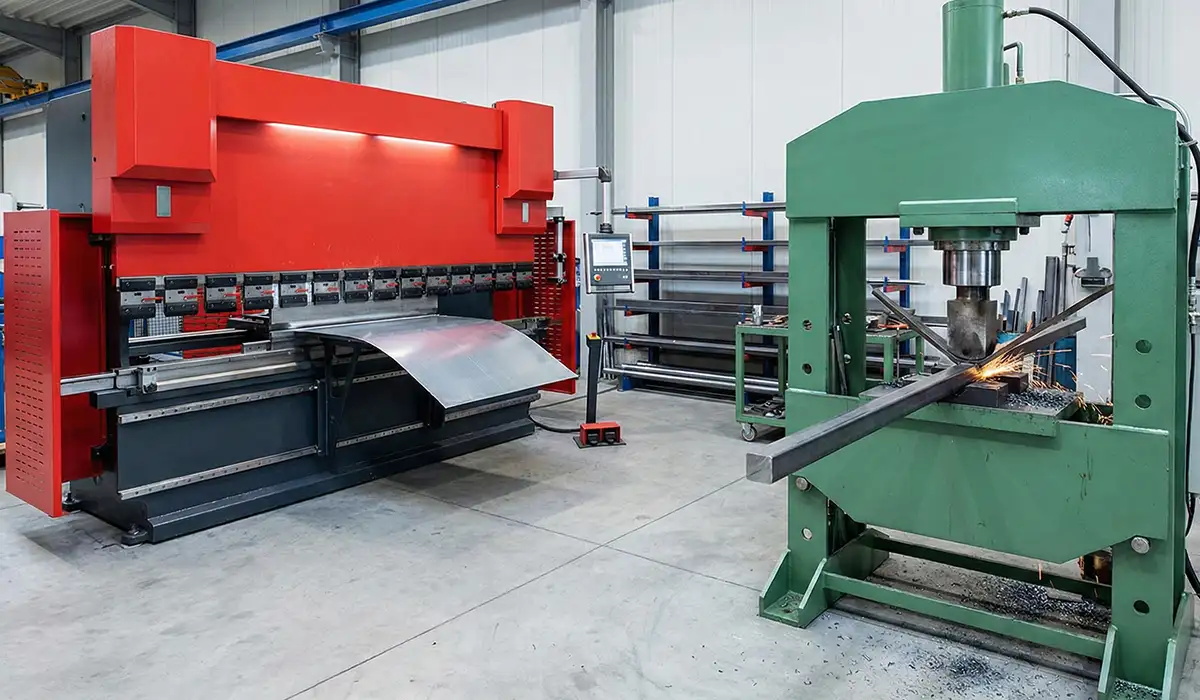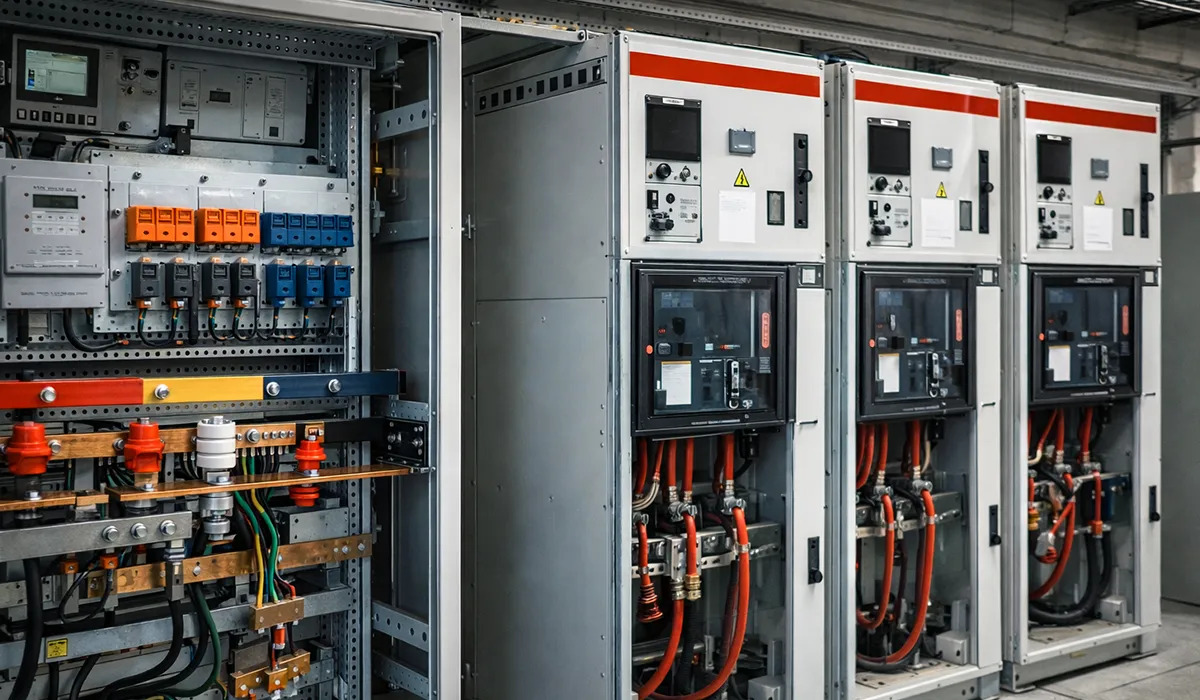
Electrical panels, or switchboards, serve as the central nervous system of any power distribution network, providing a structured environment for the control, protection, and regulation of electrical energy. Far more than just a metal enclosure, a modern panel is a sophisticated assembly of switching devices, measuring instruments, and protective relays designed to ensure operational safety and system reliability. By centralizing equipment into standardized configurations—ranging from Low-Voltage (LV) units for buildings to Medium-Voltage (MV) cells for industrial substations—these systems protect users from electric shock and shield sensitive components from environmental hazards.
If you’d rather listen than read, feel free to play the audio file below for the rest of this article.
Definition of an Electrical Panel (Switchboard)
An electrical panel is a set of equipment used for controlling and distributing electrical energy, and it refers to a space where electrical equipment is installed. It is not necessary to consider the panel strictly as a closed metal enclosure; a closed metal enclosure is one type of panel.
A panel is a combination of one or more switching devices (on/off), along with control, measuring, protection, and regulating equipment, where all internal electrical and mechanical connections and body parts are fully assembled. It is equipment used for control, power delivery, and distribution of electrical energy in the electrical industry.
In fact, an electrical panel is a cabinet for electrical or electronic equipment, on which switches, control handles, and display instruments are installed. Electrical panels are used to prevent electric shock to equipment users and to protect equipment against environmental factors. If you are looking for more information about all types of electrical panels, it is recommended not to miss reading this article.
Purpose of Using an Electrical Panel and Centralizing Equipment in One Location
- Providing reliable and precise control and protection
- Enabling the use of integrated electrical systems at lower cost
- Easy and fast repair, servicing, and maintenance
- Ensuring system safety and the safety of living beings
If the information related to centralizing electrical equipment was interesting and informative to you, researching crafting the heart of electrical systems can be very engaging.
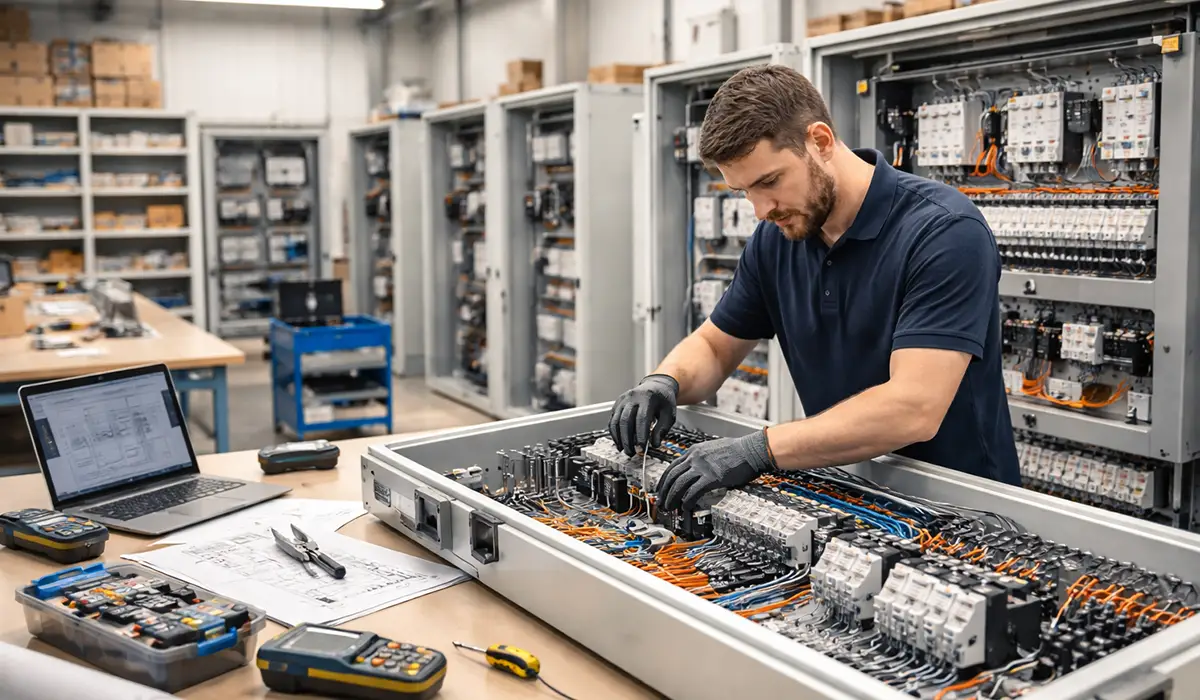
Panel Building (Switchboard Manufacturing)
This is a combined field. An electrical panel is essentially an enclosure that contains electrical equipment, and panels can also include pneumatic equipment (air systems) such as solenoid valves, compressors, etc.
Learning the skills related to electrical panels requires mastering several main areas:
- General principles and standards such as IP protection degree, enclosure separation classifications, and protection against weather conditions — in IEC member countries, IEC-60529 is used to classify the degree of protection against external factors.
- Specialized principles about panels: rated voltage, rated current, etc.
- Familiarity with electrical equipment, their operation, and correct selection
- Familiarity with electrical installations and related calculations
- Relay and system protection, substation design
- Designing command/control circuits and logic
For a comprehensive understanding of industrial electrical panel components, we highly recommend reviewing this article.
Types of Electrical Panels by Voltage Level
Medium-Voltage (MV) Electrical Panel
Medium-voltage panels are usually in the voltage range of 1 to 36 kV and are assembled in multiple cells. Equipment inside these panels includes power switches or circuit breakers, current and voltage measuring transformers, earthing disconnect switches, medium-voltage contactors, relays, busbars, and control devices.
Low-Voltage (LV) Electrical Panel
According to IEC 60439-1, a low-voltage panel is a combination of one or more low-voltage switching devices, along with control, measuring, indicating, protective, and regulating equipment, fully installed and assembled with all internal electrical and mechanical connections and structural parts.
After stepping down high voltage to low voltage in transformer substations, low-voltage panels are used to distribute electrical energy. The rated voltage of LV panels in AC does not exceed 1,000 V at 1,000 Hz, and in DC does not exceed 1,500 V. Further exploration of high voltage vs low voltage can be found in the following recommended reading.
Comparison Table: Low-Voltage vs. Medium-Voltage Panels
| Medium-Voltage Panel (MV) | Low-Voltage Panel (LV) | Feature |
|---|---|---|
| 1 kV to 36 kV | Up to 1,000 V AC / 1,500 V DC | Voltage Range |
| 6 kV, 11 kV, 20 kV, 33 kV | Up to 690 V (service up to 500 V) | Common Rated Voltage |
| IEC 62271 | IEC 60439-1 | Reference Standard |
| Substations, power distribution stations | Buildings, factories, engine rooms | Typical Installation Location |
| Multiple separated cells | Single integrated enclosure or modular drawers | Internal Structure |
| SF6 CB or Vacuum Circuit Breaker | ACB, MCCB, MCB | Main Switching Device |
| Power CB, CT/VT transformers, disconnector, protective relay | MCB, MCCB, contactor, relay, terminal, busbar | Key Internal Equipment |
| Via transformer to LV panel first | Yes – direct to consumer | Direct Load Supply |
| Higher IP + arc flash protection | Per IEC 60529 | IP Protection |
| In Metal Clad types | Common in industry | Draw-out Capability |
| Mandatory on cell roof | Typically not required | Explosion Vent (Roof Hatch) |
| Higher cost due to specialised equipment | More cost-effective | Relative Cost |
| Power substations, industrial HV distribution | Airports, hospitals, buildings, factories | Typical Applications |
Types of Low-Voltage Panels
Low-voltage panels operate at voltage levels below 1,000 volts and are commonly produced in three structural types:
- Wall Mounted – Surface or recessed (flush) mounted on walls
- Fixed Free-Standing – Self-standing, does not lean on any structure
- Draw-Out Free-Standing – Outgoing feeders installed as removable drawers
Classification by Location in Distribution System
- Main LV Panel: Installed in the substation, connected to the low-voltage side of the transformer; distributes and controls facility power.
- Sub-Main LV Panel: Distributes power for a building block or independent section; fed from the main panel.
- Sub-Panels for Installations: Used in engine rooms, kitchens, laundries, etc.; fed from the main panel.
- Lighting Sub-Panel: Controls and distributes lighting power and general outlets.
This article serves as a valuable resource for those seeking detailed information on industrial electrical switchboards.
Types of Electrical Panels by Category
.In the rest of this article, I will briefly introduce the types of Types of Electrical Panels by Category.
a) By Installation Location
Outdoor (OUTDOOR) Panels — Installed in open spaces; must protect equipment against weather. Body sheet thickness: min. 2 mm. Roof cover must extend at least 5 cm on each side. Painted with sun-resistant paint (Zinc Rich). Maximum dimensions: height 120 cm, depth 40 cm.
Indoor (INDOOR) Panels — Used in covered locations. Free-standing: body sheet min. 2 mm; typical dimensions: H 220 cm × W 90 cm × D 60–80 cm. Wall-mounted: sheet thickness 1.25–1.5 mm; max installation height 210 cm from finished floor to top of panel.
For a comprehensive understanding of Distribution board, we highly recommend reviewing this article.
b) By Application
Distribution Panel: Collects and distributes electrical energy; subdivides incoming current to other panels or loads using MCBs and MCCBs.
Control Panel: Monitors and displays system status using various equipment, and transfers operator settings to the system.
c) By Structure
Metal Enclosed: Fully enclosed metal enclosure containing all electrical equipment.
Metal Clad: A type of Metal Enclosed panel where different compartments are separated to prevent fault propagation between sections.
d) By Stability
Free Standing (Self-Standing): Does not need to be restrained by another structure. Most engine-room panels are of this type.
Wall Mounted: Installed on the wall surface (surface-mounted) or embedded inside the wall (recessed/flush-mounted).
e) By Mobility (Draw-Out Panels)
Draw-out panels allow individual circuit modules (drawers) to be removed and replaced rapidly without shutting down the entire switchboard. Each outgoing panel includes a space equivalent to 12 modules; drawers are sized 1-, 2-, 3-, or 4-module depending on feeder current and installed equipment. If the details you gathered about panel categories were interesting and insightful, you may find diving deeper into cubic electrical switchboards equally captivating.
Components of an Electrical Panel
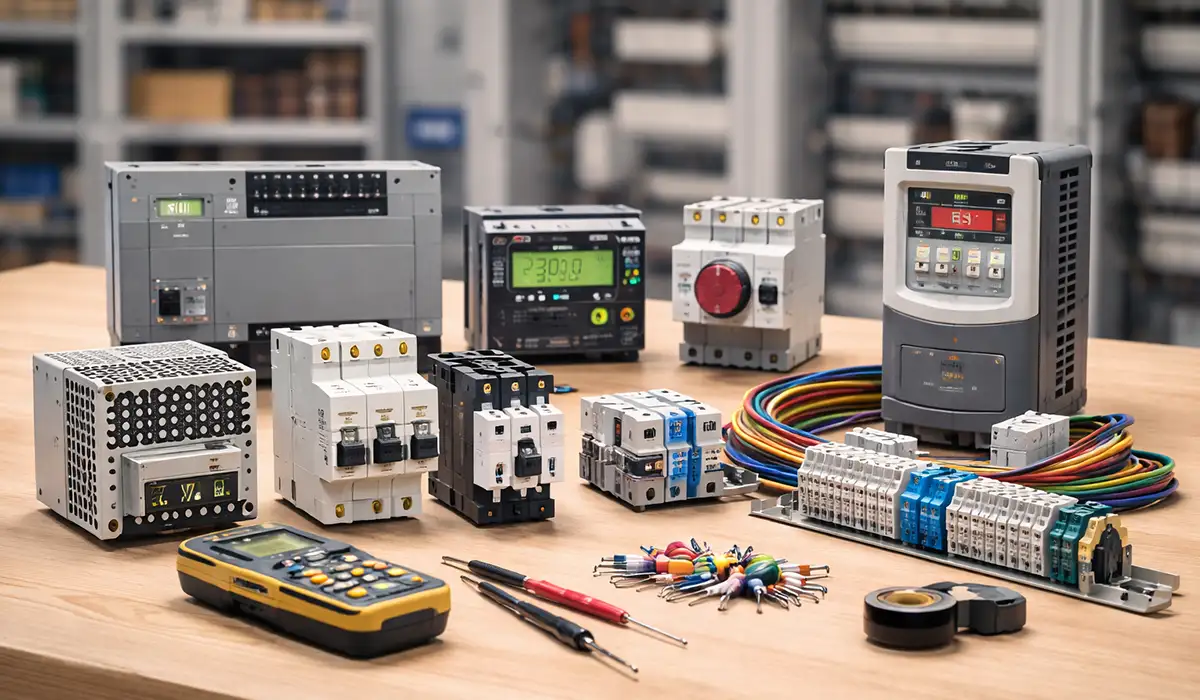
The most important panel components are:
- Enclosure / Body
- Switches (Circuit Breakers, Disconnectors)
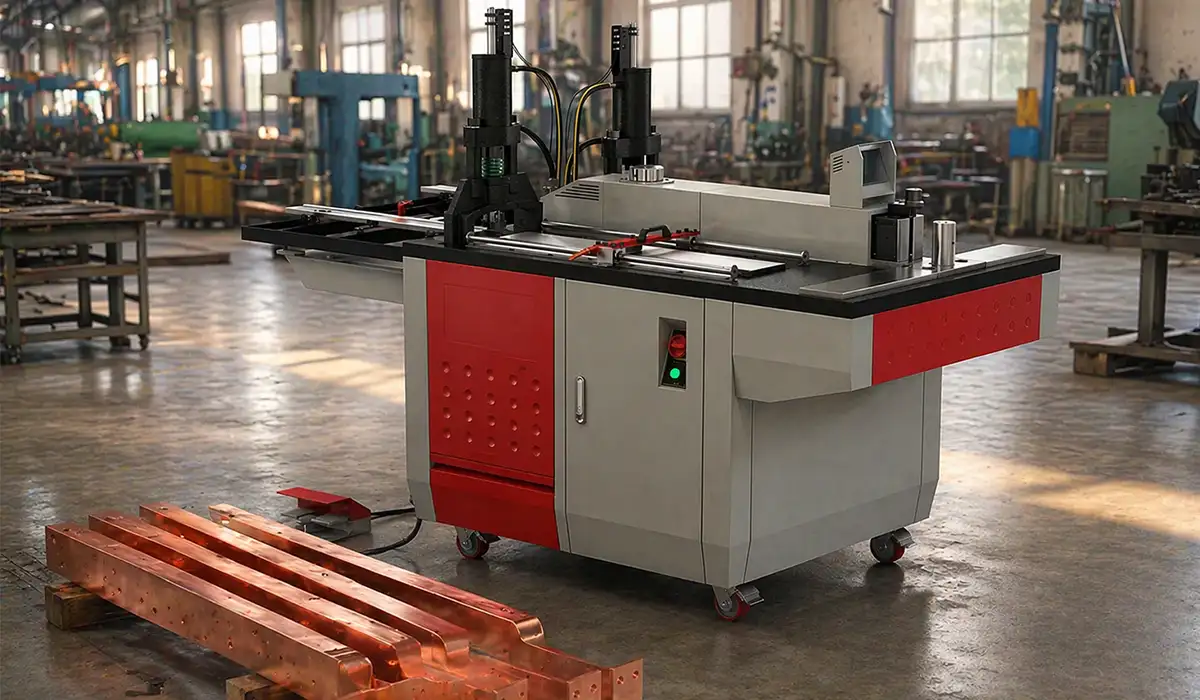
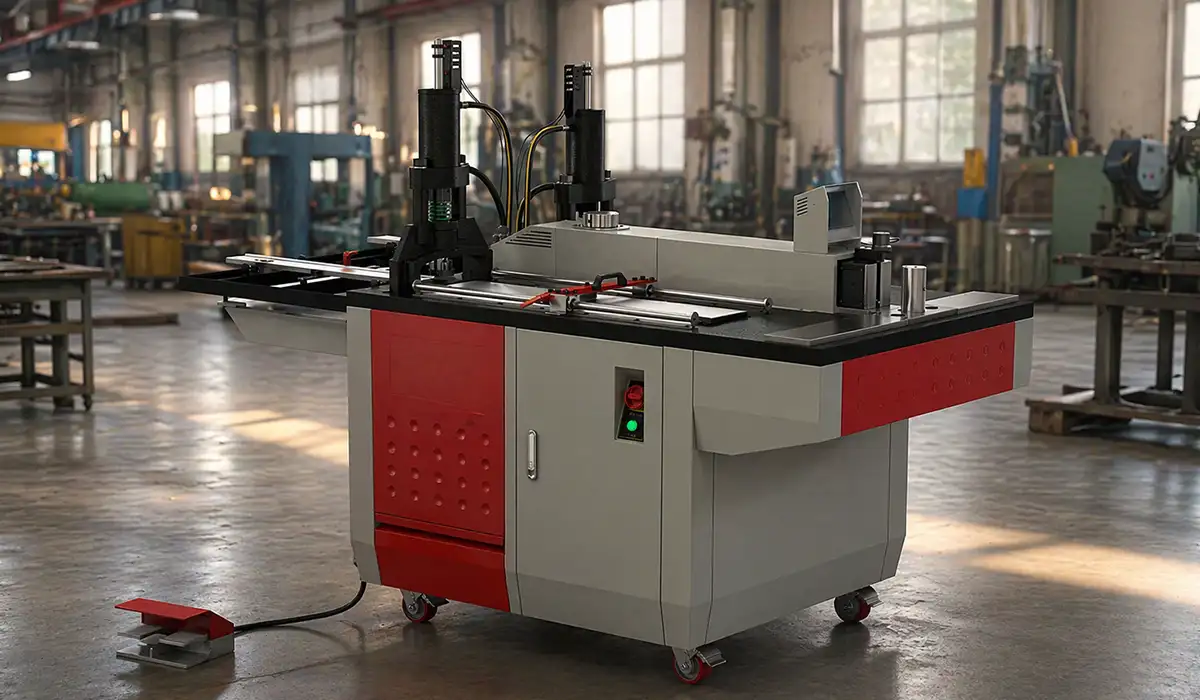
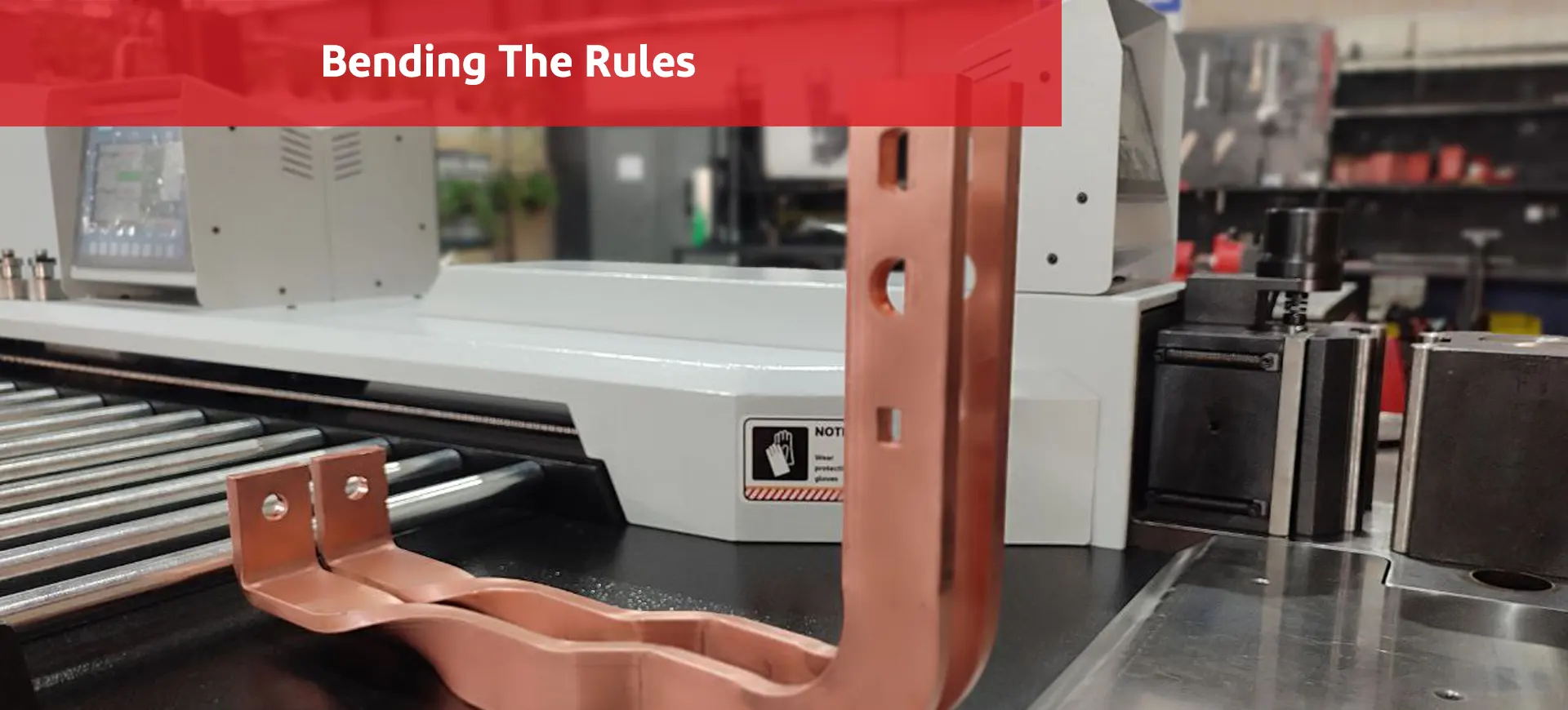
- Busbar (current-carrying conductors)
- Insulators (busbar supports)
- Measuring Devices (voltmeter, ammeter, energy meter)
- Protective Devices (overcurrent relays, fuses)
- Earth Wire
- Interlock Wire
Since busbars play a crucial role in the production of electrical panels, obtaining more information about equipment used in an electrical panel can be very important and essential.
Electrical Panel Enclosure (Body)
The enclosure holds equipment at the installation location and protects it against unintended impacts. It is made from composite materials, plastic, or iron sheet (cold-formed). Sheet thickness is determined based on panel location, enclosure form, access requirements, and equipment dimensions. If needed, the enclosure is reinforced with steel profiles or angle iron to withstand shocks from equipment operation.
Panels can be designed with different access methods: no door (some LV distribution panels), front-access door, rear access, double door, or glass door. In medium-voltage panels, a roof hatch is provided for releasing pressure caused by an internal explosion. If the information on panel enclosure design was engaging and informative for you, gathering more knowledge about Rittal electrical panels could be very exciting.
Technical Specifications of Electrical Panel Internal Components
| Key Selection Notes | Standard / Specification | Function / Role | Component |
|---|---|---|---|
| Min. 2 mm sheet for free-standing; 1.25–1.5 mm for wall-mounted | IEC 60529 (IP Code) | Holds equipment; protects against impact and environment | Enclosure / Body |
| Rated current + load coincidence factor; breaking capacity ≥ fault level | IEC 60947-2 | Interrupts circuit under normal and short-circuit conditions | Automatic Circuit Breaker (MCB / MCCB) |
| Copper; cross-section per rated current; heat-resistant paint; mounted on insulators | IEC 60439 | Carries high current with minimal voltage drop | Busbar |
| Select per system voltage and motor rated current | IEC 60947-4-1 | Switching and control of electric motors | Contactor |
| Trip current set ≈ 1.25 × motor rated current | IEC 60947-4-1 | Protects motors against thermal overload | Thermal Overload Relay (Bimetal) |
| Green insulation; mandatory in all panels without exception | IEC 60364 | Connects enclosure to earth for personnel safety | Earth Wire |
| R=Red, S=Yellow, T=Blue, N=Black; single-core copper, min. 1,000 V insulation | IEC 60446 (colour code) | Control wiring distribution and interconnection | Internal Wiring & Terminals |
| Install on cable tray or trunking; ensure easy access for maintenance | IEC 60044-1 | Measures current for protective relays and meters | Current Transformer (CT) |
| 100 W protected bulb (tunnel lamp); microswitch connected to panel door | IEC 60439 (recommendation) | Illuminates cell interior for inspection and repair | Cell Interior Lamp |
| Durable material; must include manufacturer, serial no., rated voltage, current, frequency, year | IEC 60439 | Identifies panel data for operation and maintenance | Nameplate |
| Size matched to cable OD; fully sealed to maintain IP rating | IEC 60529 | Seals cable entry/exit points | Cable Glands |
| Selected per voltage class and mechanical load of busbar weight | IEC 60439 | Mechanically supports busbars; provides electrical isolation | Insulators (Busbar Supports) |
If the insights you gained from internal component specifications were intriguing and informative, exploring busbar systems inside switchboards might be of great interest to you as well.
Electrical Panel Fabrication Drawings
To build an electrical panel, two types of design drawings are prepared:
- Riser Diagram: Specifies the panel location within the overall electrical system.
- Internal Panel Drawing: Shows lines, fuses, switches, and equipment layout inside the panel.
If the content related to fabrication drawings was both interesting and helpful, further study of steel electric panels could be just as fascinating.
Key Points in Panel Structure
- Safety requirements per applicable Planning and Budget Organisation publications must be observed.
- Busbars must be painted with heat-resistant paint.
- The incoming switch must be automatic; if a separate switch and fuse are used, the switch must be installed before the fuse. Use rotary main switches and cartridge fuses where possible.
- Internal wiring must use single-core copper wire with insulation rated at least 1,000 V and appropriate cross-section.
- Maximum height of the highest switch handle: 175 cm; centre of switch group from floor: 160 cm.
- Use 1.5 mm² wire with 10 A MCB for lighting; 2.5 mm² wire with 16 A MCB for outlets.
- Cable cross-section calculation must be based on cross-sectional area.
If the information about panel structure key points was valuable and interesting to you, researching switchgear secrets and power could be just as captivating.
Important Points in Electrical Panel Design
- Environmental Conditions: Temperature, humidity, altitude, water splashing, solid objects, pollutants, corrosive substances, mechanical stresses, sunlight, wind, electromagnetic effects, small animals, etc.
- Installation Location: Open space or enclosed space.
- Panel Type: Distribution (power delivery) or control.
- Access Conditions: Free-standing or wall-mounted; cable entry/exit points; door access; servicing method.
- Load/Consumer Conditions: Number of loads, power type, number of phases, connection method (star-delta), required protective equipment, operating method (independent or interconnected), distance from panel to load, coincidence and adjacency factors.
- Economic Evaluation: All devices must conform to valid standards such as IEC. Selection must consider ease of installation, service, and maintenance.
- Conductor Connections: Use screws, clamps, or similar to ensure proper contact pressure. Use lugs for cable connections inside the panel.
- One Conductor per Terminal: Use each terminal for only one conductor; confirm it is firmly secured.
If the material related to panel design considerations was both useful and intriguing to you, diving into optimizing switchgear performance will likely be equally fascinating.
Panel Nameplate Requirements
The nameplate must be made of durable material, fixed permanently, and include:
- Manufacturer name or identification
- Serial number
- Rated voltage
- Rated current
- Rated frequency
- Year of manufacture
Since busbars play a crucial role in the production of electrical panels, obtaining more information about busbars in modern electrical systems can be very important and essential.
Relocation, Transportation, and Installation of Electrical Panels
Panels are considered semi-heavy loads and can be moved using human force and levers. Because of their high height and relatively low depth, their centre of gravity is elevated, making them unstable until firmly fixed — great care must be taken during transport.
- Prevent severe vibrations and impacts to the panel body during loading, transport, and unloading.
- Panels are classified as traffic loads from a transportation perspective.
- A small tin of matching body paint is typically shipped with the panel for immediate touch-up if the finish is damaged.
- After unloading, guide panels as close as possible to the installation location using a crane.
- Use bolts and nuts for installation; avoid welding the chassis to the foundation where possible.
- The panel is considered installed when it is level and firmly fixed on the foundation.
- Panel installation must start from the panel farthest from the entrance door of the installation site.
If you enjoyed learning about panel relocation and installation, investigating emergency electrical panels might also offer a similarly engaging and informative experience.
Applications of Electrical Panels
- Airports — Power distribution for terminal operations and safety systems
- Hospitals — Critical load distribution with redundancy requirements
- Commercial Buildings — Main, sub-main, and lighting sub-panels
- Factories — Motor control centres, lighting, general consumption, and machinery supply
If the content on panel applications was interesting and insightful to you, continuing to explore capacitor switchboard applications could be both exciting and beneficial.
Submitting the Design to the Panel Builder
To fabricate the panel, the following must be provided in writing to the panel builder:
- Panel type, installation location, and positioning method
- Enclosure sheet thickness, framing method, ventilation, explosion vent hatch
- Panel colour and paint type (powder coat or spray)
- Cable entry and exit locations
- Access method to equipment (panel door specification)
- Front view drawing with equipment installation locations
- Perspective view drawing with panel dimensions (in centimetres)
- Control/command and power circuit drawings
- Current path view with equipment specifications
- Bill of materials (equipment list)
If the information about submitting panel design documents was engaging and informative for you, gathering more knowledge about the evolution of modern switchgear could be very exciting.
Conclusion
Electrical panels are essential for the safe and organised control and distribution of electrical energy. Their classification spans voltage level (LV/MV), installation location (indoor/outdoor), application (distribution/control), structure (Metal Enclosed/Metal Clad), and mobility (fixed/draw-out).
Correct panel selection requires careful analysis of environmental conditions, load requirements, applicable IEC standards, and economic factors. Thorough documentation — including riser diagrams, internal drawings, and a complete specification sheet — must be submitted to the panel builder to ensure precise fabrication, safe transport, and successful installation. For a comprehensive understanding of how busbars conduct electrical harmony across these systems, we highly recommend reviewing switchgear symphony and busbar harmony.