



If you’d rather listen than read, feel free to play the audio file below for the rest of this article.
Package, Compact and Unit Substations: Terminology
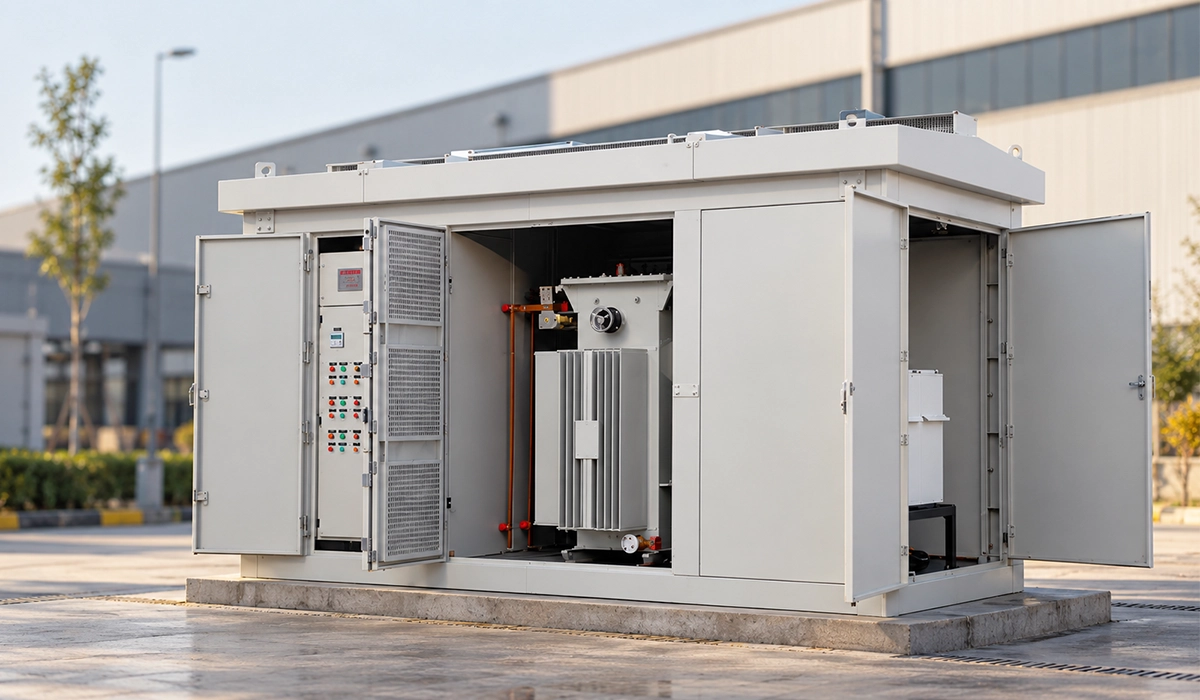
Three names describe one idea: a transformer, switchgear and busbars delivered as one coordinated assembly.
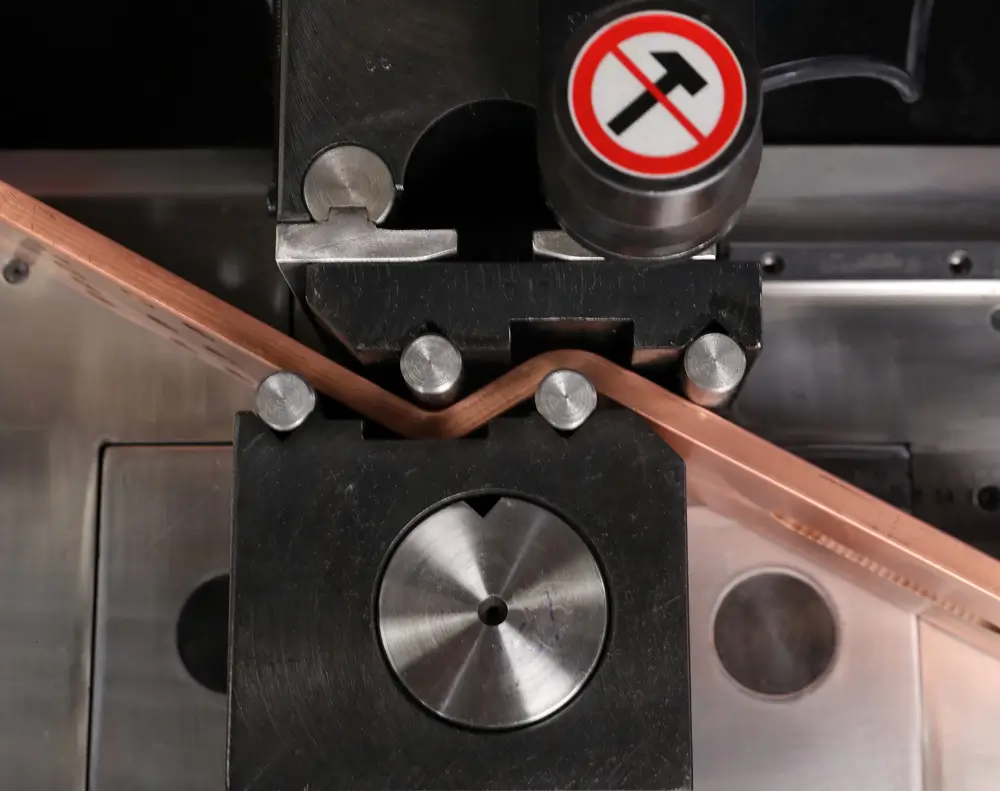
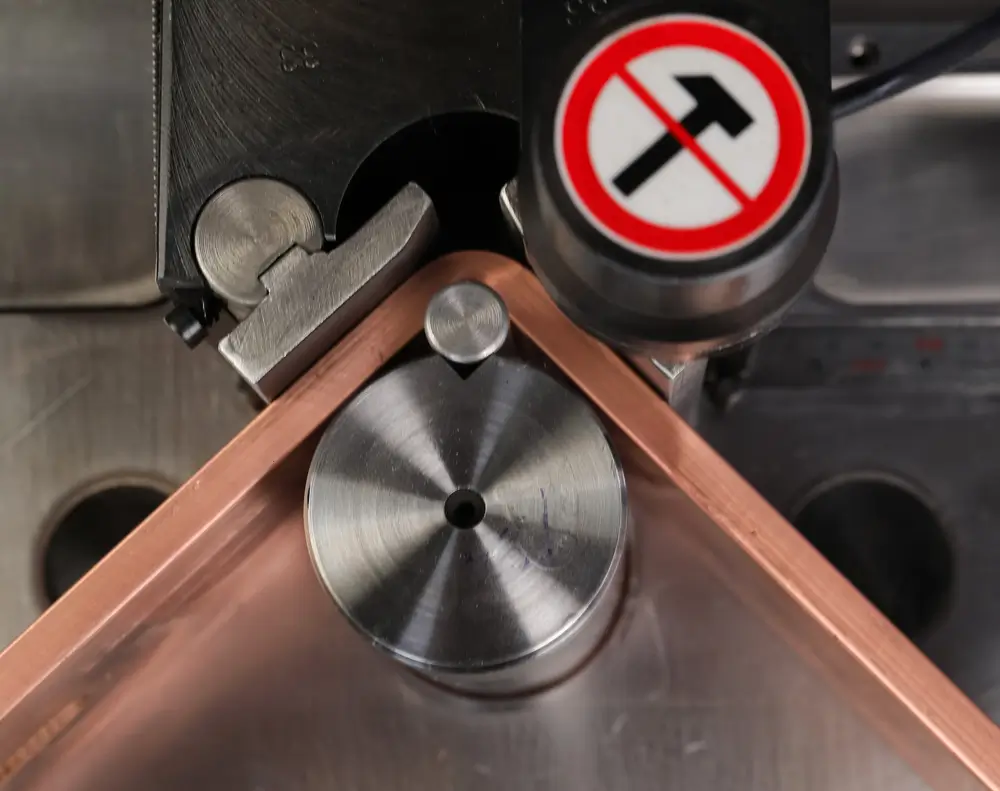
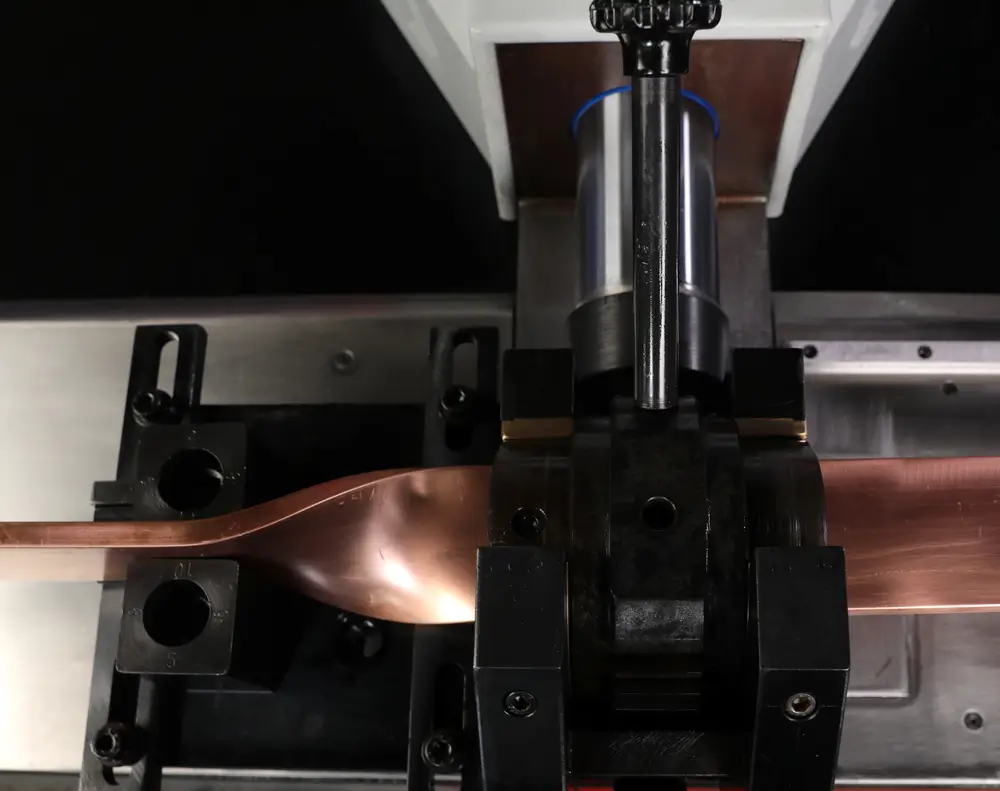
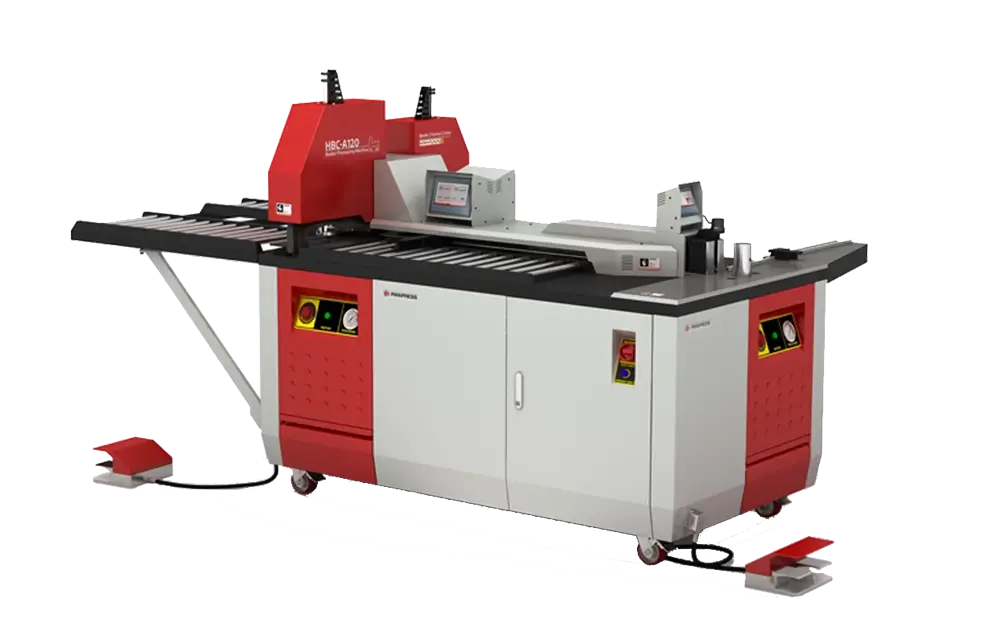
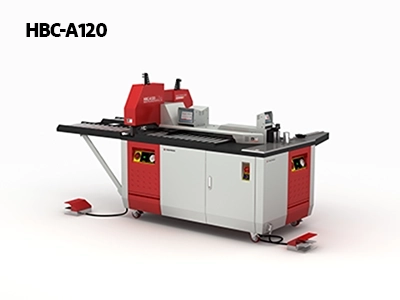
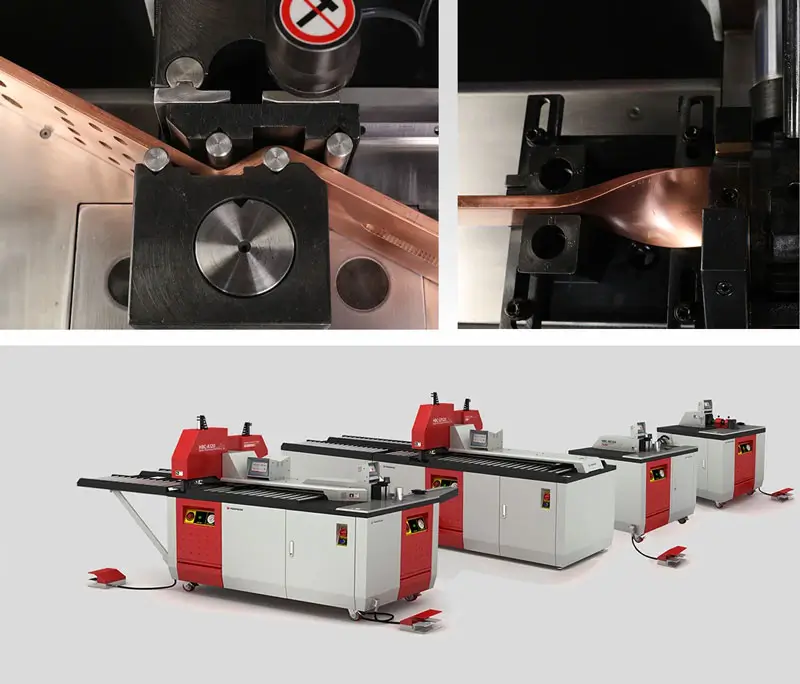
The HBC-A200 machine handles cutting, punching, and bending operations for busbars up to 200 × 20 mm. With three independent hydraulic power units, it supports simultaneous operations for large-scale electrical switchgear production.
IEC Terminology and IEC 62271-202
In IEC markets, suppliers use package, packaged, compact and prefabricated names almost interchangeably. The standard itself prefers one term. IEC 62271-202 describes a prefabricated substation as a factory-assembled enclosure that holds MV switchgear, a step-down transformer and LV switchgear, linked by internal connections. The older 2014 edition, still cited in many tenders, was withdrawn when the 2022 edition replaced it, so check which edition a tender cites.
Most buyers simply call the result an MV/LV substation. A packaged substation of this kind is tested as one product, including internal arc testing, before it ships. The 2022 edition covers rated voltages above 1 kV up to 52 kV, so it fits most distribution sites. It admits walk-in designs, where staff enter to operate the equipment, and non-walk-in designs, which operate from outside. It also sets minimum door and aisle dimensions for walk-in types.
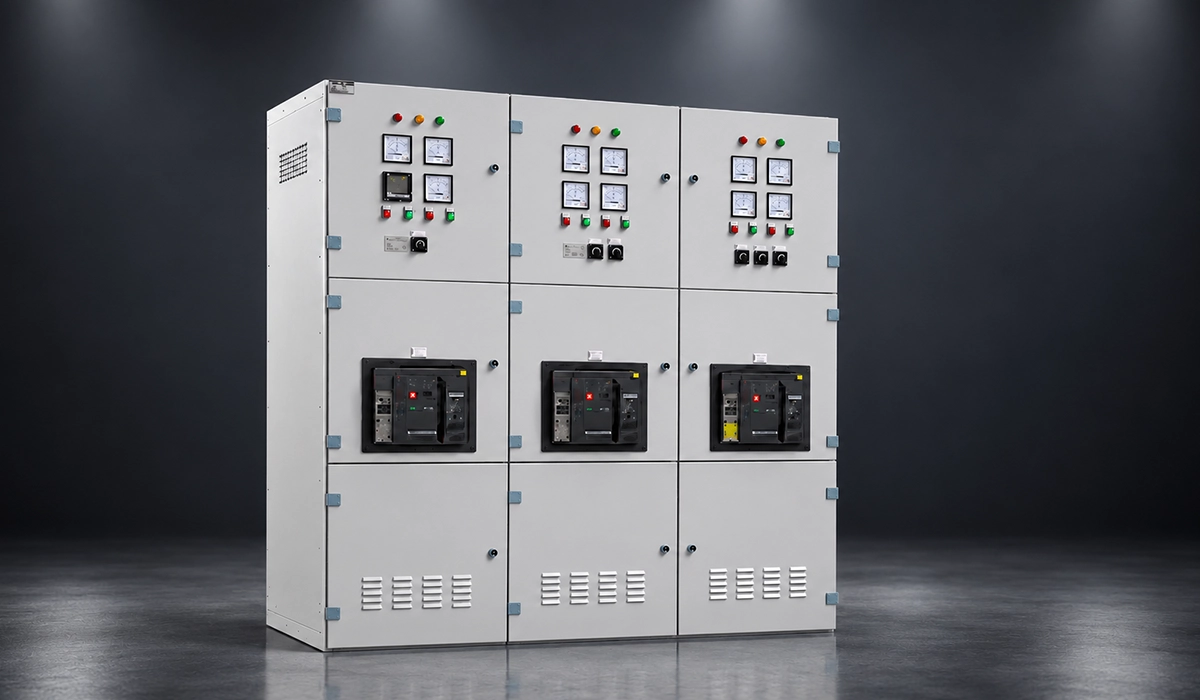
Every substation is built around switchgear, so it helps to understand the fundamentals first. Our guide to switchgear basics explains how panels and switchgear work together.
US Unit Substations
US specifiers say unit substations instead. The patent cited later describes the unit as three connected parts: a primary protective device, a transformer and secondary distribution equipment. IEEE C37.121 adds that designs combine incoming, transformer, outgoing and transition sections, and it covers three-phase step-down units from 112.5 kVA upward. The transition section joins the transformer to the LV switchgear and houses the busbars between them. Regional naming differs, so neither term is wrong.
The unit substation vs package substation question therefore concerns packaging and standards, not function. In practice, designers quote the rating in transformer kVA, because the transformer section sets the capability of the whole line-up. Unit substations usually stand indoors, with a load center of LV breakers on the secondary side. However, builders often ship the sections separately and join them on site, whereas an IEC package arrives as one enclosure. Specifications sometimes add “packaged” to unit substations to stress factory assembly. Buyers who read both vocabularies can then compare quotations on the same technical and commercial basis.
What Is Inside a Package Substation
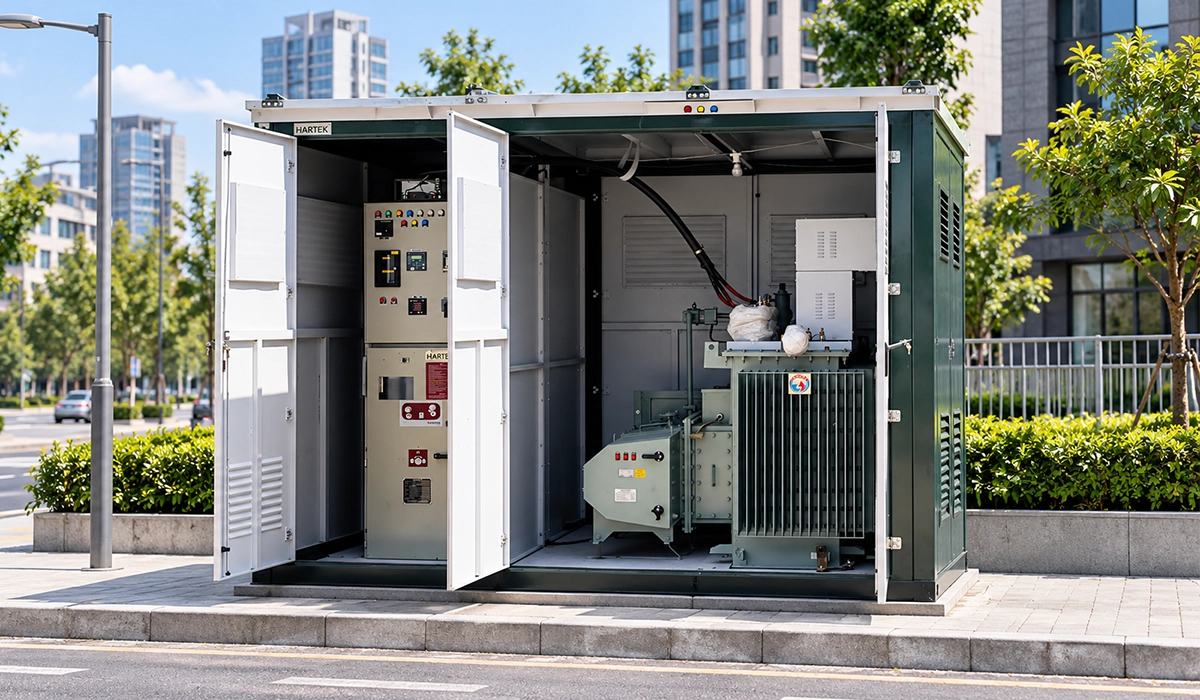
What is inside a compact substation? Four functional blocks share one housing, and each has a clear job. Together they form the path from the incoming MV cable to the outgoing LV feeders.
| Block | Role | Typical content |
|---|---|---|
| MV section | Receives and switches the incoming supply | MV switchgear, often a ring main unit |
| Transformer | Steps MV down to LV | Cast resin transformer or oil-filled unit |
| LV section | Protects and distributes outgoing circuits | LV switchgear with main breaker and feeders |
| Links and auxiliaries | Connect and support the blocks | Cables, LV main busbars, earthing, ventilation |
The ring main unit lets the substation sit in a loop, so the network can feed it from either side. As a result, one cable fault does not black out the site. Typical units combine two cable switches with a protected transformer feeder, which isolates a faulty transformer without opening the ring. Earthing switches also let crews work safely on cable and transformer.
The transformer sets the size of everything else. Cast resin vs oil-filled is the main choice: cast resin suits indoor and fire-sensitive sites, while oil-filled units typically cost less per kVA but need oil containment. Cast resin units, in contrast, need adequate ventilation to hold their rated output in a closed enclosure. On the LV side, switchgear with a main breaker and feeders distributes power, and LV main busbars carry the full transformer current. Earthing, ventilation, lighting and heating then keep the enclosure safe and dry. Auxiliary power for lighting, heating and controls usually comes from a small LV transformer.
Transformer choice drives losses, fire behaviour and enclosure size, so dry-type designs follow their own product standard. The IEC catalogue entry states the scope for dry-type power transformers up to 72.5 kV highest voltage in its dry-type transformer scope.
Each block inside the enclosure is built from smaller parts with their own ratings. Review the main switchgear components to see what sits behind each door.
Package vs Unit vs Conventional Substation
Each design answers the same question differently: who assembles and tests the equipment, and where? The table compares the three qualitatively, because real figures depend on rating, climate and supplier. Footprint and delivery time usually decide the shortlist. Treat the table as a screening tool, then confirm details with datasheets and type-test reports. Use the same table for each bidder so the answers stay comparable.
| Criterion | Package or compact (IEC) | Unit (US) | Conventional |
|---|---|---|---|
| Footprint | Smallest, one enclosure | Medium, sections in a line-up | Largest, separate rooms |
| Installation time | Shortest, lift and connect | Moderate, join sections on site | Longest, civil and electrical work |
| Factory testing | Whole assembly tested | Sections tested to their own standards | Components tested; assembly checked on site |
| Flexibility | Fixed layouts, limited late changes | Choice section by section | Fully custom |
| Indoor/outdoor | Mostly outdoor, also indoor | Mostly indoor | Either |
| Typical standards | IEC 62271-202, IEC 61439 | IEEE C37.121 and related ANSI and UL standards | IEC 61936-1 |
Package designs win when space is tight and the schedule is short. Remote sites also favour them, because a crane and a cable gland replace weeks of building work. In contrast, unit line-ups suit plant rooms where engineers want to pick each section. Conventional builds fit large or unusual loads, or sites that need extra rooms for batteries, metering or control equipment. Brownfield projects with limited outage windows benefit as well, since a pre-tested enclosure shortens the shutdown.
Factory vs site assembly also shifts responsibility. A factory-tested enclosure puts one supplier behind the whole result, while a site-built station spreads that duty across several contractors. However, a single-supplier enclosure limits late changes, since moving a wall or a breaker means reworking a finished product, not editing a drawing. A unit line-up sits between the two: sections arrive tested, but the builder joins them and tests the joints on site.
A conventional site-built station follows installation rules rather than type-test rules. The IEC catalogue summary says the 2021 edition covers design and erection above 1 kV AC, which is the rulebook for site-built substations in its IEC 61936-1 summary.
Comparing designs is easier once you know what to look for in the equipment itself. This article explains how to choose switchgear for your load and site.
Types and Configurations
Several layouts exist, and the one-line diagram should fix the choice before any supplier is asked for a price. Each type below suits a different site.
A pad-mounted substation sits on a concrete pad outdoors, usually with lockable compartments for MV and LV and no walk-in aisle, so it also suits public areas where tamper resistance matters. A skid-mounted substation sits on a steel frame, so crews can relocate it for mines, temporary works or modular plants. Both reduce civil work, but skids need a level, supported base.
A secondary substation is the last step in a distribution network. It steps MV down to LV for end users, and it may be indoor or outdoor depending on the site. Many secondary substations feed several LV outgoing feeders from a single transformer. Utilities use the term for street-side and building-side stations, while industrial users often prefer unit or compact labels.
The LV side of most layouts ends in a distribution board. Learn how a cubic switchboard is arranged and where it fits in these configurations.
Single-ended vs double-ended unit substation layouts differ in transformer count. A single-ended design has one transformer and one LV bus. A double-ended design has two transformers joined by a tie breaker, so the site keeps power if one source fails. The price is a larger line-up and more complex controls, because the main and tie breakers need interlocking.
Redundancy is the main reason to pay for the second transformer, so confirm the need before you draw the layout. The Eaton patent illustrates typical and improved single-ended, double-ended and duplex arrangements in its US7352564 patent.
Advantages and Limitations
Factory assembly cuts site work. As a result, installation is faster, testing is repeatable, and one supplier answers for the whole assembly. The footprint is also smaller than a site-built room, which frees floor area or land. Quality control is easier too, because welding, bending and wiring happen under shop conditions.
However, limits exist. Transport size and crane capacity cap the dimensions. Heat builds up inside a closed enclosure, so ratings may need derating. Layouts are also less flexible than custom builds, and late design changes can force a new enclosure. Maintenance access is tighter, so check clearances around withdrawable breakers.
Heat and enclosure limits directly affect how much load a line-up can carry. Read more about switchgear performance and how to keep it stable over time.
Environment matters as much as electrical design. Outdoor sites need a suitable IP rating, corrosion protection and condensation control. Sites with heavy dust need a higher first IP digit. Indoor/outdoor use changes ventilation, access space and noise limits. A coastal site, for example, may need a heavier coating than an inland one.
An IP rating tells the buyer how well an enclosure keeps out solids and water, which matters most for outdoor sites. The IEC catalogue entry states that IEC 60529 covers enclosures for equipment up to 72.5 kV in its IP code standard.
Busbars Inside: Ratings, Layout and Fabrication
The package substation busbar rating follows the transformer. For example, a 1,000 kVA, 400 V transformer delivers about 1,443 A at full load (1,000 kVA ÷ √3 ÷ 0.4 kV). Therefore, the LV main busbars must carry more than that, with margin for temperature rise, ambient heat and future growth. The rating also depends on enclosure ventilation, so the same bar can carry more current in an open room than in a closed cell. Transition busbars link the transformer secondary to the LV switchgear. This short run carries the same current, so its supports and joints deserve extra attention.
MV links, in contrast, often use cable, because MV currents are far lower for the same kVA. Flexible links sometimes connect the transformer terminals to the rigid bars, so thermal movement does not load the bushings. At 10 kV, for instance, the same 1,000 kVA transformer draws only about 58 A on the primary side. Cable also tolerates movement during transport better than a rigid bar.
Short-circuit withstand matters as much as current rating. The bars and their supports must survive the peak electrodynamic force and the thermal stress of a fault, and IEC 61439 requires design verification of both. Verification by test, or by calculation against a tested reference design, is allowed, so ask which route the supplier used. For copper, the temperature during a fault should stay below the limit set by the support materials, and below about 200 °C. Copper vs aluminium also shapes the layout. Aluminium needs a larger cross-section for the same current, whereas copper gives compact bars and a conductive oxide film at joints. Fabrication quality then decides whether those joints stay cool:
Busbars are the backbone of every power distribution line-up. Explore the role of busbars in modern electrical systems for more background.
- Bend accuracy keeps clearances and supports aligned, so no bar is forced into place.
- Hole position lets bolts clamp evenly and avoids stress on the joint.
- Flat, clean contact faces hold low resistance over the life of the joint.
- Plating and torque control resist oxidation and loosening under load cycles.
- Burr-free edges and rounded corners protect cable insulation and reduce local electrical stress.
- Insulation sleeves and phase barriers protect against accidental contact.
Busbar sizing depends on temperature rise, short-circuit stress, jointing and maintenance, not on cross-section alone. The Copper Development Association guide covers current-carrying capacity, short-circuit effects and joints in its copper busbar guide.
How to Specify a Package Substation
A good specification names every block and its rating separately. First, fix the one-line diagram, then complete this checklist before you request quotations, so that every bidder prices the same scope and no hidden extras appear later.
| Item | What to state |
|---|---|
| Rated power | Transformer kVA and overload need |
| Voltages | MV and LV levels, frequency, neutral earthing |
| Fault levels | Short-circuit rating on MV and LV sides |
| Enclosure | Indoor or outdoor, IP rating, corrosion class |
| Internal arc | Required classification and room or duct layout |
| Plinth | Foundation type, cable entries, oil containment |
| Transformer | Cast resin or oil-filled, losses, temperature class |
| Busbars | Material, rating, short-circuit withstand |
| Standards | Required product and test standards, and acceptable test reports |
| Delivery | Transport limits, lifting points, site access |
| Documentation | Drawings, test reports, manuals, spare parts |
Next, ask for type-test reports, a general arrangement drawing and a site acceptance plan. Then compare bids on the same basis, so that price differences reflect design and not omissions. Define acceptance criteria too: factory witness tests, site tests after connection and a defect-liability period.
Specifications work best when they name every section and its rating separately. The IEEE guide describes unit substations as combinations of incoming, transformer, outgoing and transition sections in its IEEE C37.121 overview.
Plinth and internal arc details deserve special care. The plinth sets cable entry positions and oil containment, while the internal arc class decides how hot gas leaves the enclosure. Both are hard to change after delivery. For an internal arc class, ask for the tested current and duration, and confirm whether the pressure relief path needs a duct or a clear zone in front of the enclosure. Plinth drawings should also show cable trench openings and any oil sump.
A complete specification also covers the smaller parts inside each panel. See our overview of panel components to make sure nothing is missing from your checklist.
Standards and Testing
Several standards apply together, and each covers one part of the assembly. Ask the supplier to list them in the offer, with edition years.
- IEC 62271-202: prefabricated HV/LV substations up to 52 kV.
- IEC 61439: LV assemblies, including temperature-rise and short-circuit verification.
- IEC 62271-200: metal-enclosed MV switchgear, including internal arc classes.
- IEC 60076-11: dry-type transformers.
- IEC 60529: IP degrees of protection.
- IEC 61936-1: site installation above 1 kV.
- IEEE C37.121: US unit substations.
Type tests prove the design, while routine tests check each unit before shipment. Ask the supplier for both sets of reports, and note that temperature-rise and short-circuit type tests often drive the busbar design.
Low-voltage assemblies need verified temperature rise and short-circuit performance, so the general rules apply to every LV board inside the enclosure. The IEC catalogue entry sets out definitions, construction requirements, technical characteristics and verification requirements in its IEC 61439-1 overview.
MV switchgear inside the substation is usually metal-enclosed and tested for internal arc. Learn more about metal-clad switchgear and how its design is verified.
Conclusion: Package and Unit Substations
Package, compact and unit substations share one goal: a coordinated transformer, switchgear and busbar assembly. Regional naming differs, so specify by standard, rating and layout rather than by label. Check the busbars, fault levels and enclosure early, and ask for type-test evidence before you compare prices. A clear specification then lets suppliers quote like for like. That discipline keeps busbars, enclosure and testing aligned until commissioning.
Busbars tie the whole assembly together from transformer to feeders. For a deeper look, read about busbar systems inside power switchboards.



Rate this article
Choose a rating from 1 to 5 stars.
No ratings yet